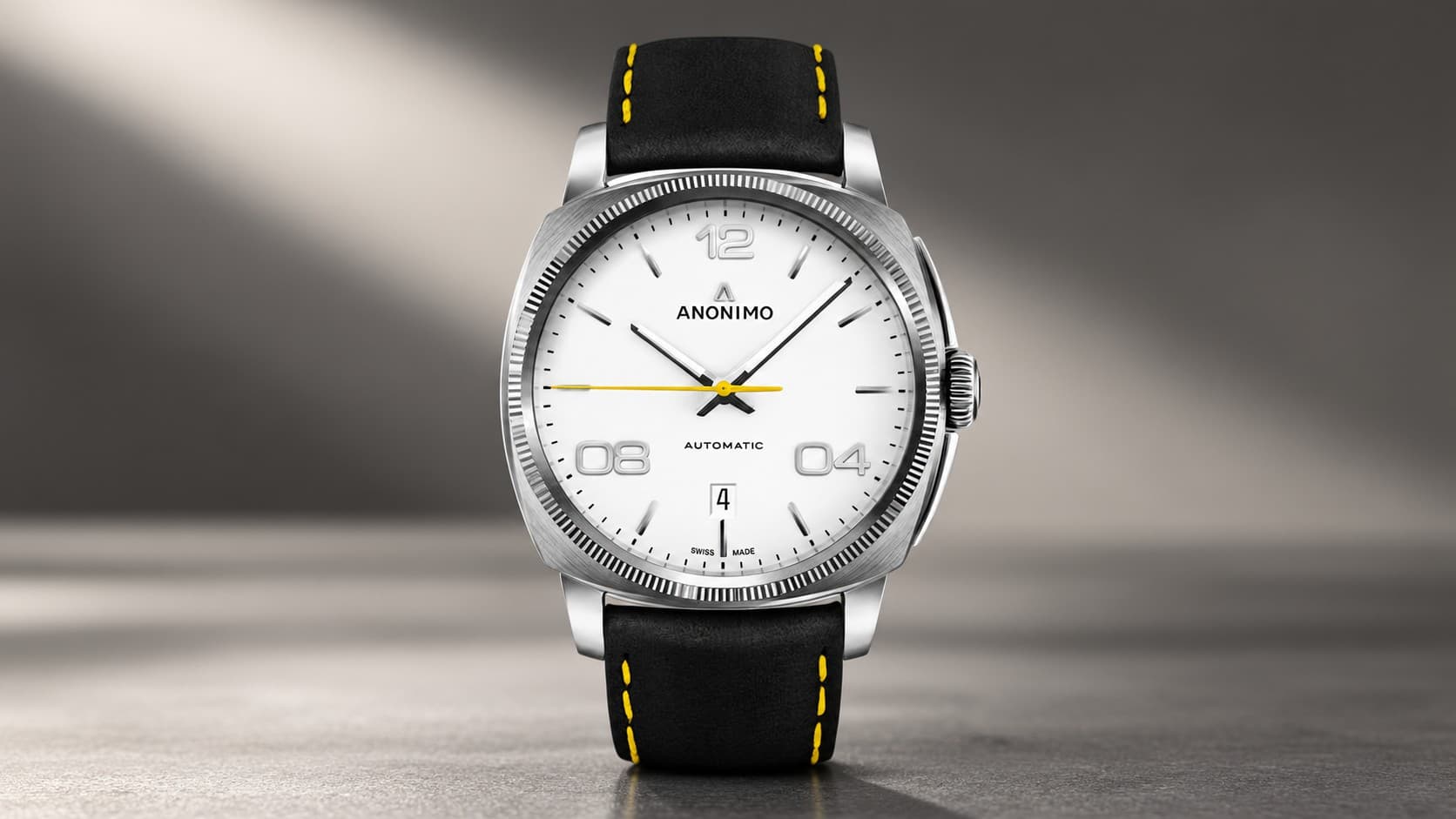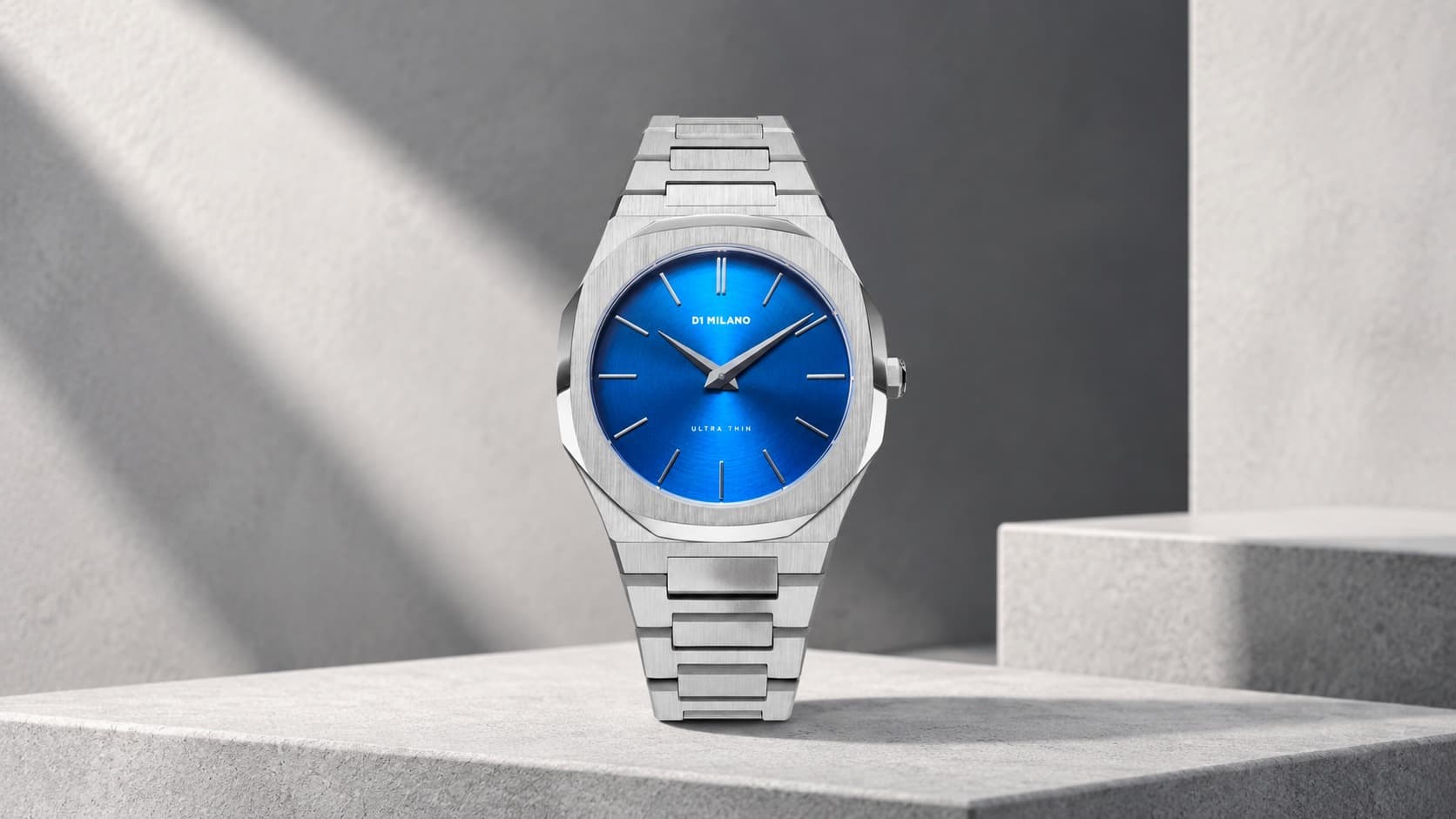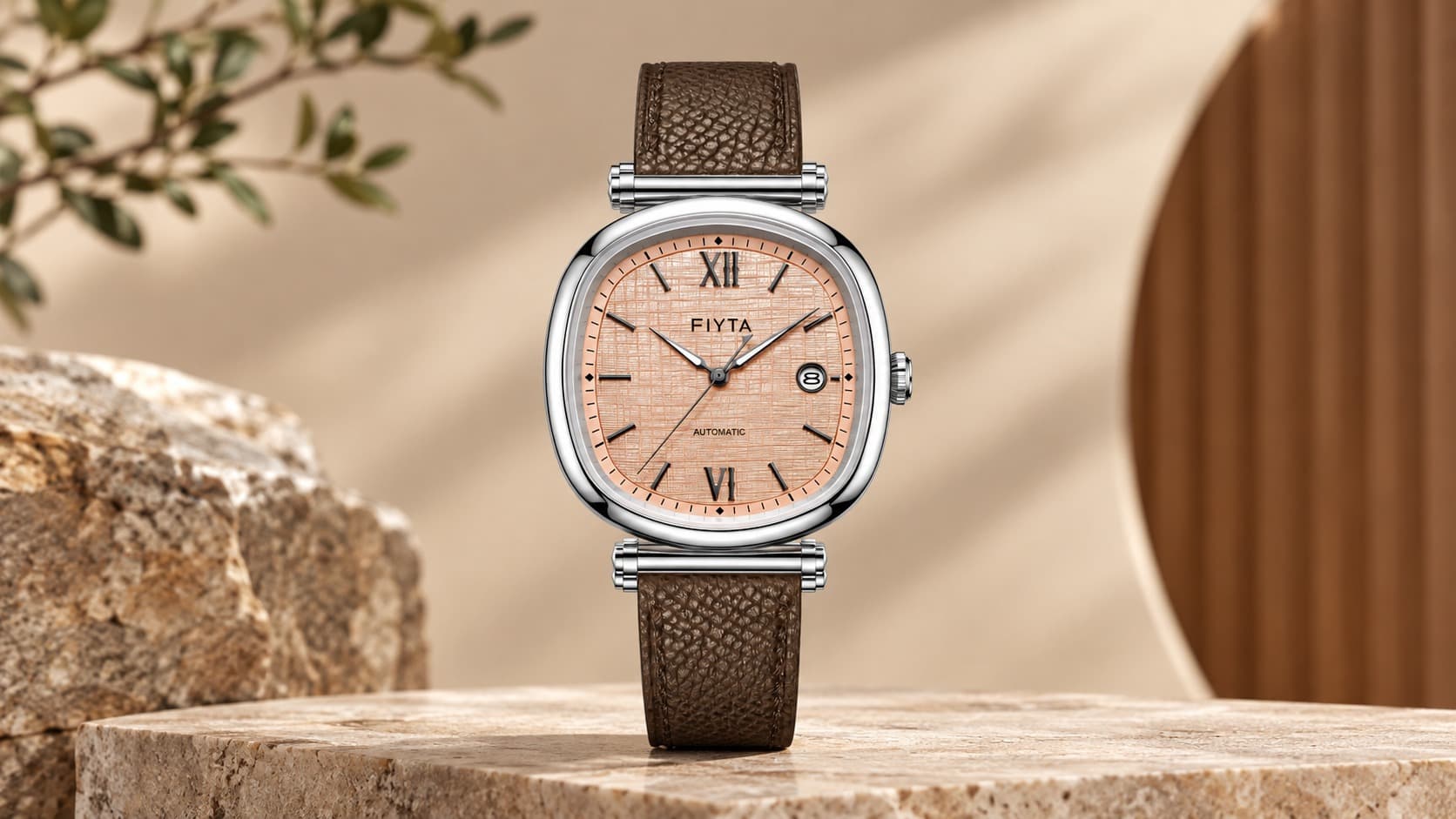
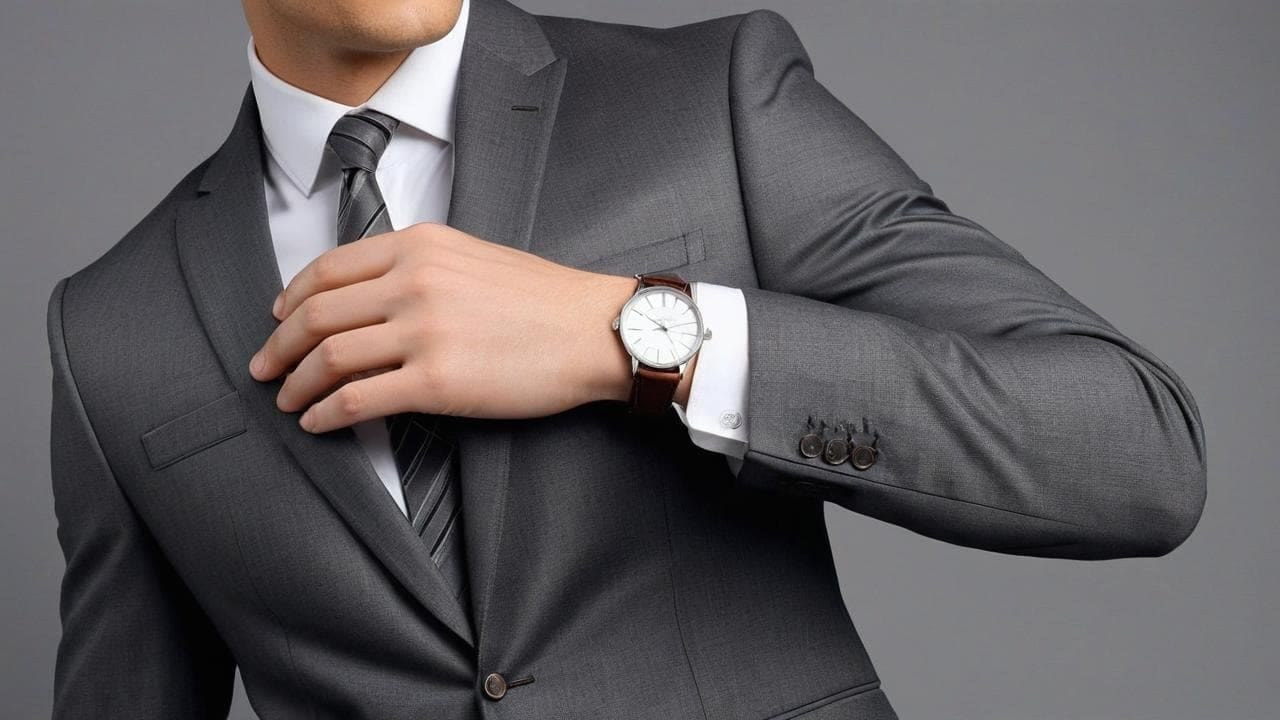
Pairing the right watch with your outfit is an often overlooked detail that can significantly enhance your overall appearance. A thoughtfully selected timepiece serves as both a functional accessory and a statement piece that communicates your personal style, attention to detail, and sometimes even your values. Whether you own multiple watches or are looking to make the most of a single versatile piece, understanding the principles of watch-outfit coordination can elevate your style and ensure you always make the right impression for any occasion.
Types of Watches and When to Wear Them
Different watch styles have been developed over decades to serve specific purposes and aesthetic preferences. Each category has distinct characteristics that make them suitable for particular settings, occasions, and outfits. Understanding these fundamental watch types creates the foundation for making informed pairing decisions with your wardrobe.
- Dress watches are characterized by their slim profile (typically 5-10mm thick), minimal complications, and refined appearance. They usually feature clean dials, small to medium case sizes (36-40mm), and high-quality leather straps or precious metal bracelets. These watches were designed specifically to complement formal attire and fit comfortably under shirt cuffs.
- Casual watches offer greater versatility with slightly larger cases (38-42mm) and more features. They balance aesthetics with functionality, often incorporating complications like date windows, day displays, or chronographs while maintaining an approachable design suitable for everyday wear in business casual or relaxed settings.
- Sports watches include several specialized subcategories (dive watches, racing chronographs, field watches) but share common traits of durability, water resistance, and enhanced functionality. They typically feature larger cases (40-45mm+), luminous markers for visibility, and robust construction using materials designed to withstand active use and various environmental conditions.
- Dive watches specifically feature water resistance of at least 200m, unidirectional rotating bezels to track diving time, and highly legible dials with substantial luminous markers. Originally designed for underwater use, they’ve become popular casual options due to their durability and distinctive appearance, though their bulkier profiles (typically 40-45mm) make them less suitable for formal settings.
- Field watches originated from military designs prioritizing legibility, reliability, and functionality. They typically feature straightforward dials with high-contrast markings (often in 12 and 24-hour formats), moderate case sizes (38-42mm), and durable straps made from materials like canvas, nylon, or leather that can withstand rough conditions.
The watch style you choose should align naturally with your outfit’s formality level and purpose. A delicate dress watch will look out of place with rugged outdoor clothing, while a massive dive watch will disrupt the clean lines of a formal suit. Understanding these inherent style characteristics helps you create harmonious pairings that enhance rather than detract from your overall appearance.
Best Watches for Formal Occasions
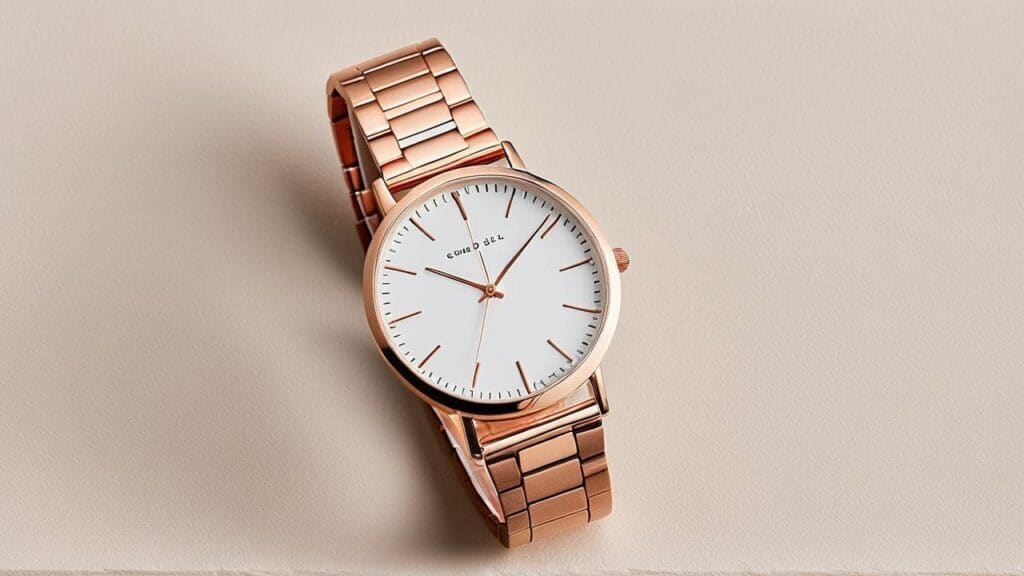
The relationship between watches and formal wear follows traditional guidelines that emphasize refinement, restraint, and complementary aesthetics. For business, ceremonial, or evening formal occasions, your watch should enhance your polished appearance without drawing undue attention or disrupting the clean lines of your attire.
- Select slim, elegant profiles for formal settings. The ideal formal watch has a case thickness under 12mm to slide easily beneath shirt cuffs. Traditional formal watches typically measure between 36-40mm in diameter, though contemporary preferences may extend to 42mm. Anything larger risks appearing disproportionate with tailored clothing.
- Prioritize simplicity in dial design with formal attire. Dress watches typically feature minimal complications—perhaps only a date function or small seconds subdial. Avoid busy dials with multiple subdials, large numerals, or excessive technical features when wearing formal clothing, as these elements create visual discord with refined attire.
- Choose appropriate materials that complement formal wear. For black-tie events, precious metals like yellow gold, rose gold, or white gold are traditional choices. With business suits, both precious metals and high-quality stainless steel are appropriate. The strap or bracelet should be refined—fine leather for the most formal occasions or a slim, polished metal bracelet.
- Match metals and leathers with other accessories. Your watch metal should ideally coordinate with cufflinks, belt buckle, and shoe hardware. Similarly, leather watch straps should complement the color family of your shoes and belt (black with black, brown tones with brown).
- Consider the event’s formality level when selecting a watch. For black-tie events, the most conservative choice is a thin, time-only dress watch on a black leather strap. For business formal, you have slightly more flexibility, but the watch should still maintain a professional, understated appearance.
Formal occasions call for watches that respect traditional style conventions while enhancing your sophisticated appearance. The right formal watch whispers rather than shouts, complementing your attire through quality, appropriate proportions, and refined details rather than bold statements or technical features that would be better suited to casual settings.
Best Watch Styles for Casual and Weekend Wear
Casual settings offer significantly more flexibility in watch selection, allowing you to express personal style while maintaining appropriate context for your environment. Whether you’re dressing for a relaxed workplace, weekend activities, or social gatherings, your watch can be both a functional accessory and a conversation piece that enhances your overall look.
- Balance watch size with your build and outfit proportions. Casual watches typically range from 38-44mm, with larger cases being more acceptable than in formal settings. However, the watch should still be proportionate to your wrist size and the scale of your clothing. A massive timepiece can overwhelm a smaller frame or finer clothing, while a very small watch might look undersized with rugged attire or on larger individuals.
- Consider the activity level when choosing casual watches. For active weekends or outdoor pursuits, sports watches with durability features make practical sense. For casual office environments or dinner with friends, versatile casual timepieces with moderate water resistance and mid-range case sizes offer an ideal balance of style and functionality.
- Match watch robustness to outfit ruggedness. A field watch or sports model naturally complements jeans, khakis, and casual button-downs, while a more refined casual watch works better with business casual attire like blazers with open collars. The visual weight of your watch should feel consistent with your clothing’s formality level.
- Experiment with straps to transform watch versatility. Many casual watches accept interchangeable straps, allowing you to coordinate with different outfits. Leather straps in brown tones work well with earth-toned casual clothing, while NATO straps in various colors can complement or purposefully contrast with your attire for a more personalized look.
- Use watch color as an accent that either complements or purposefully contrasts with your outfit. Blue or green dials can coordinate with similar colors in your clothing, while a pop of bright color on your watch can enhance an otherwise neutral outfit. For versatility, watches with black, white, silver, or blue dials tend to work with the widest range of casual clothing.
The casual watch category offers the greatest opportunity for personal expression and creativity in your style. Unlike formal watches, which follow stricter conventions, casual timepieces can reflect your interests, lifestyle, and personality while still enhancing your overall appearance. The key is maintaining appropriate proportions and choosing watches whose inherent design language resonates with your clothing style.
Matching Watch Metals and Colors with Outfit
Watch materials and colors significantly impact how a timepiece integrates with your wardrobe. The metals, dial colors, and strap materials all interact visually with your clothing, creating either harmony or contrast depending on your selections. Understanding these relationships helps you make choices that enhance your overall appearance.
- Metal tone coordination remains an important consideration when matching watches to outfits. Silver-toned watches (stainless steel, white gold, platinum) offer the greatest versatility, working well with most clothing colors. Gold-toned watches create a warmer, more traditional appearance that pairs particularly well with earth tones, navy, and burgundy. Rose gold provides a contemporary option that complements both warm and cool colors due to its unique pink-copper hue.
- Dial colors affect versatility and visual impact. Black, white, silver, and navy dials offer maximum versatility across wardrobes. Black dials provide a sleek, contemporary look that works with most outfits but especially with black, gray, white, or bold colors. White and silver dials create a clean, classic appearance that coordinates easily with both casual and formal wear. Colored dials (blue, green, burgundy) can serve as intentional accents that either complement or purposefully contrast with your clothing.
- Strap materials contribute significantly to a watch’s formality level. Leather straps in black or dark brown convey formality and refinement, ideal for business and dressy occasions. Tan or light brown leather creates a more casual, versatile look. Metal bracelets in polished finish read as more formal, while brushed or matte finishes appear more casual. Rubber, silicone, nylon, and canvas straps are decidedly casual and most appropriate for sporty or very relaxed settings.
- Consider seasonal appropriate materials and colors. Lighter dial colors and leather straps in tan or cognac tones harmonize with spring/summer wardrobes. Darker dials and straps in deep brown, burgundy, or black naturally complement fall/winter clothing. Metal bracelets work year-round but might feel heavier in summer months when lighter options like perforated leather or NATO straps might be more comfortable.
- The law of coordination versus contrast applies to watch styling. For a harmonious, traditional approach, coordinate your watch metals with other accessories (belt buckle, shoes, jewelry). For a more contemporary look, intentional contrast can be effective—like pairing a rose gold watch with otherwise cool-toned accessories—but requires confidence and careful execution.
The materials and colors of your watch create immediate visual connections with your outfit, either strengthening your overall look through thoughtful coordination or disrupting it through careless mismatching. While personal style allows for creative expression, understanding these fundamental relationships helps you make informed choices that enhance rather than detract from your appearance.
How to Choose the Perfect Watch Size
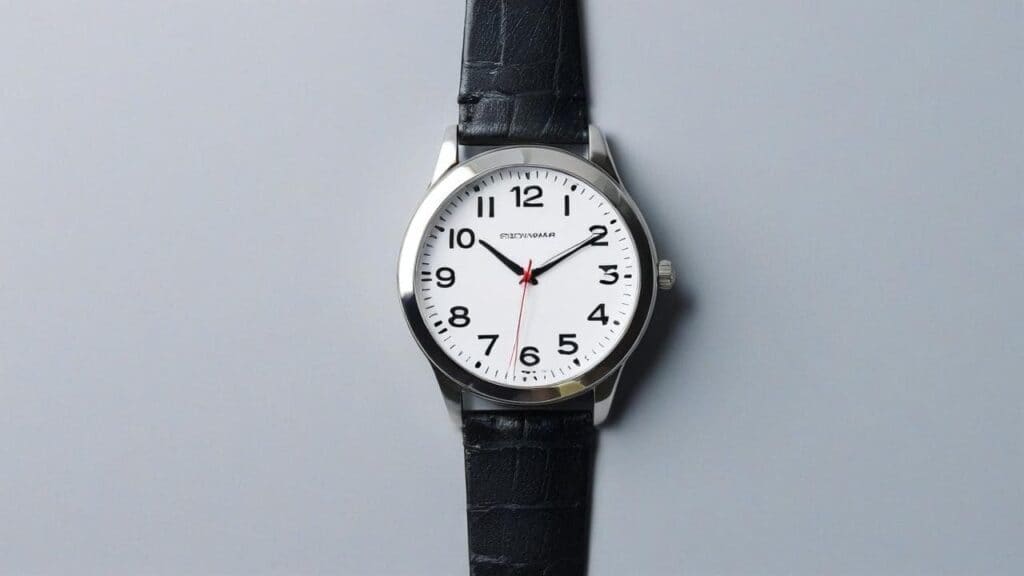
The physical dimensions of your watch create an immediate visual impression that affects how well it integrates with your overall appearance. Finding the right proportions is essential for creating a balanced, harmonious look that enhances rather than distracts from your style.
- Wrist size provides the fundamental reference point for appropriate watch sizing. As a general guideline, smaller wrists (under 6.5 inches/16.5cm circumference) typically look balanced with watches between 36-40mm in diameter. Medium wrists (6.5-7.25 inches/16.5-18.5cm) can accommodate 38-42mm cases comfortably. Larger wrists (over 7.25 inches/18.5cm) can support watches from 42-46mm without appearing disproportionate.
- Watch lug-to-lug distance matters more than case diameter for proper fit. This measurement (how far the watch extends across your wrist) should not exceed your wrist width. A watch whose lugs extend beyond your wrist bone will fit poorly regardless of its diameter. Most comfortable fits occur when the lug-to-lug distance is about 75-90% of your wrist width.
- Case thickness affects both comfort and formality. Thinner watches (5-10mm) slide easily under shirt cuffs and present a more elegant profile suitable for formal settings. Thicker watches (12mm+) create a more substantial, casual appearance and may interfere with close-fitting sleeves. Consider both your attire’s formality and your comfort preferences when evaluating case thickness.
- Watch proportions should complement your body type. Larger individuals generally look balanced with moderately sized to larger watches, while those with smaller frames often look more proportionate with modest-sized timepieces. This isn’t merely about wrist size but overall body proportion—a 6’4” athletic man might look unbalanced wearing a 36mm watch even with average wrists.
- The visual weight of your watch should align with your outfit’s structure. Substantial, robust watches create visual harmony with textured fabrics, layered outfits, and casual wear. Sleek, thin watches complement the clean lines of tailored clothing and formal attire. This relationship is as important as actual size measurements for creating a cohesive appearance.
Finding the right watch proportions involves balancing multiple factors—your physical characteristics, the watch’s dimensions, your clothing style, and the occasion. While current trends may favor certain sizes, timeless style comes from choosing watches that maintain appropriate scale for your individual proportions and the context in which they’re worn. A well-proportioned watch enhances your appearance without calling attention to itself as either too large or too small.
Choosing the Right Watch for Each Season
Watches, like clothing, can be adapted to reflect seasonal changes in both practical function and aesthetic preferences. Different seasons present varying conditions and color palettes that influence optimal watch choices for both practical and style reasons.
- Summer calls for watches with practical warm-weather features. Higher water resistance (100m+) accommodates swimming and increased perspiration. Watches with rubber, silicone, or breathable nylon straps prevent the discomfort of sweat accumulation under leather or metal in hot weather. Lighter-colored dials (white, silver, blue) complement summer wardrobes and reflect rather than absorb heat when worn outdoors.
- Winter weather influences both watch functionality and appearance. Metal bracelets conduct cold and may feel uncomfortable against the skin in frigid temperatures. Leather, especially in darker tones like chocolate brown or black, provides warmer wear and complements winter clothing palettes. Watches with luminous dials offer practical benefits during shorter daylight hours. Chronographs or watches with additional complications can add visual interest to simpler winter outfits often hidden under layers.
- Spring and fall present transitional opportunities for watch rotation. These moderate seasons allow greater versatility in both materials and colors. Mid-tone leather straps (tan, medium brown) work particularly well with transitional wardrobes. These seasons are ideal for watches that bridge the gap between casual and formal, such as versatile sports watches with refined designs or casual dress watches.
- Watches with interchangeable straps offer excellent seasonal adaptability. A quality watch with easily changed straps can transition through seasons with minimal investment—from breathable NATO straps in summer to leather in fall and winter, then back to lighter options for spring. This approach maximizes versatility while maintaining a consistent core timepiece.
- Consider dial color seasonal associations when selecting watches. Blue and green dials evoke spring and summer, harmonizing with those seasons’ typical clothing colors. Burgundy, orange, and golden tones complement fall wardrobes. Black, white, and silver remain versatile year-round but can be seasoned through strap changes that reflect the time of year.
Seasonal watch rotation provides both practical benefits and style refreshment throughout the year. While quality timepieces are designed to function in various conditions, adapting your watch choices to seasonal considerations demonstrates attention to detail and extends the versatility of your collection. These adjustments need not require multiple watches—strategic strap changes can transform a single timepiece across seasons.
Best Watch Choices for Specific Events and Activities
Different social contexts and activities call for watches that appropriately reflect both functional needs and social expectations. Selecting the right watch for specific occasions demonstrates attention to detail and situational awareness that enhances your overall presentation.
- Professional environments require watches that reflect workplace culture while maintaining appropriate functionality. Conservative industries (finance, law, traditional corporate settings) typically favor understated dress watches or refined sports models on leather straps or polished bracelets. Creative fields allow greater expression through distinctive designs, colors, and materials. Tech industries often embrace smart watches or contemporary designs that reflect innovation. Observe industry leaders in your field for contextual cues about appropriate timepiece choices.
- Formal events have traditionally specific watch guidelines. Black-tie events call for the most refined dress watches: thin cases, minimal complications, precious metals, and usually leather straps (traditionally black). White-tie events, the most formal, historically suggested pocket watches or no visible timepiece at all, though ultra-thin dress watches are acceptable in modern contexts. Formal daytime events (weddings, graduations) permit slightly more flexibility, including dress watches with metal bracelets or brown leather straps depending on attire colors.
- Active pursuits demand watches with relevant functionality. Water activities require appropriate water resistance (100m+ for swimming, 200m+ for diving). Outdoor adventures benefit from durability features like shock resistance, enhanced legibility, and compass functions. Fitness activities are well-served by watches with chronograph features, pulsometers, or dedicated sports tracking capabilities. The watch should serve both practical needs and withstand the specific conditions of your activity.
- Social gatherings present opportunities for watches that express personality while respecting the setting’s formality level. Dinner parties and restaurant outings typically call for versatile watches that bridge casual and formal—not too sporty nor excessively precious. Family gatherings allow for comfortable, personal choices that might include heirloom pieces with sentimental value. Casual social events permit greater freedom for statement pieces that might initiate conversation.
- Travel considerations include both practical features and cultural awareness. Dual time zone functions benefit frequent travelers crossing time zones. Durability and water resistance accommodate varying conditions encountered while traveling. Less ostentatious watches may be preferable in certain regions for security reasons. Research destination norms regarding luxury displays, as watch choices that are appropriate in one culture may read differently in another.
Occasion-appropriate watch selection demonstrates social intelligence and practical awareness. While rules have relaxed in many contexts, understanding the fundamentals of which watch characteristics suit different settings allows you to make informed choices that enhance rather than detract from your presence in various situations. The most versatile watches can transition between multiple contexts with simple strap changes or minor adjustments.
Must-Have Watch Styles for Any Collection
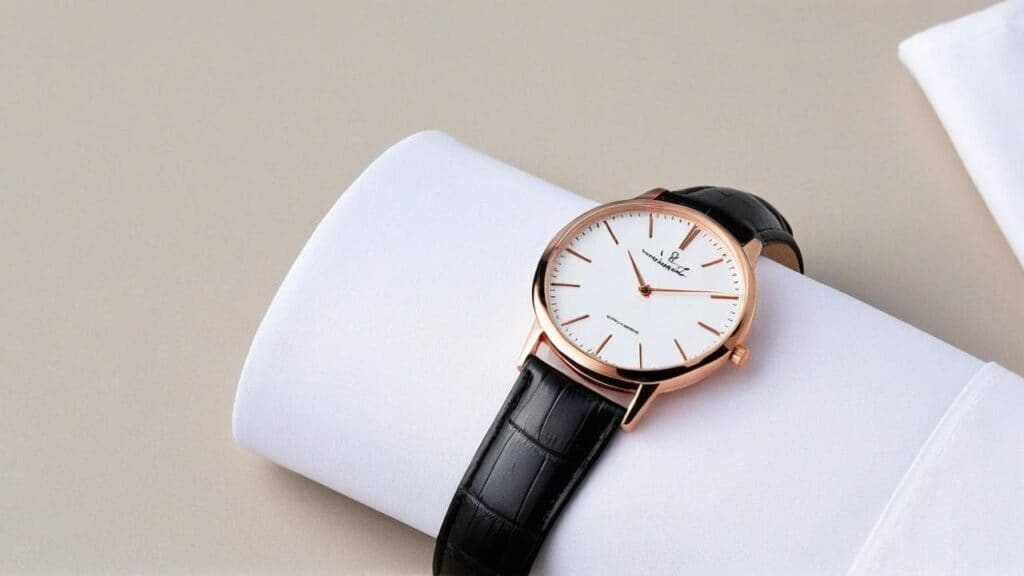
Building a thoughtful watch collection allows you to have appropriate timepieces for various situations while avoiding unnecessary duplication or impulse purchases. Whether you’re starting your first collection or refining an existing one, strategic selection creates maximum versatility with minimal pieces.
- The one-watch solution is possible with careful selection. If you wear similar styles most days and need one versatile timepiece, look for these characteristics: moderate case size (38-41mm), adequate water resistance (100m), versatile dial color (black, blue, or silver), and the ability to accept different straps. Swiss-made sports watches with clean designs, stainless steel cases, and date functions often serve this role effectively, transitioning from business to casual settings.
- A three-watch collection covers most lifestyle needs for many people. A typical versatile trio includes: (1) A dress watch with leather strap for formal occasions, (2) A versatile sports watch with bracelet for business casual and weekend wear, and (3) A rugged watch with appropriate functionality for your specific active pursuits. This foundation covers the full spectrum of formality and functionality for most lifestyles.
- Expand collections strategically based on genuine lifestyle needs rather than arbitrary completion goals. Frequent formal events might justify a precious metal dress watch. Regular swimming suggests a dedicated dive watch. International travel benefits from a GMT function. Let your actual activities—not collecting for its own sake—guide additions beyond core pieces.
- Consider brand diversity for maximum visual distinction between pieces. Different manufacturers have distinctive design languages that create more visual variety in your collection. A three-watch collection containing similar-looking models from different brands offers less versatility than three distinct styles, even if all from one maker.
- Balance investment pieces with more affordable options for a practical collection. Higher-value watches typically make sense for your most frequently worn style, while secondary pieces that see occasional use might justify more budget-conscious selections. Quality matters most for pieces worn in demanding conditions or frequently used complications (like chronographs) where craftsmanship directly affects functionality.
A thoughtfully curated watch collection serves both practical needs and aesthetic preferences without unnecessary excess. The goal isn’t accumulating numerous timepieces but rather having appropriate options for your specific lifestyle contexts. Many watch enthusiasts find that after initial exploration, they naturally gravitate toward a core rotation of 3-5 pieces that cover all their needs while bringing genuine enjoyment. Focus on quality, versatility, and personal connection rather than quantity for a collection you’ll appreciate long-term.
Traditional Watch Rules Worth Breaking
While understanding traditional watch-matching guidelines provides a useful foundation, contemporary style allows for thoughtful rule-breaking that can enhance personal expression. Knowing which conventions can be successfully challenged—and how to do so effectively—adds sophistication to your watch styling approach.
- The “match metals perfectly” rule has relaxed considerably in modern style. While traditional guidelines suggested matching watch metals precisely with belt buckles, cufflinks and other accessories, contemporary approach allows intentional mixing of metals. The key is appearing deliberate rather than careless—wear mixed metals with confidence and ensure some element connects the different tones (like a two-tone watch that bridges your gold ring and steel belt buckle).
- Case size conventions have evolved beyond strict formulas. Traditional rules prescribing exact millimeter ranges for different wrist sizes have given way to more nuanced considerations of proportion and personal preference. Some individuals intentionally wear larger watches as statement pieces, while others prefer the understated elegance of smaller cases regardless of wrist size. The modern approach considers overall proportion rather than rigid size formulas.
- The “sports watches only for casual settings” rule has fundamentally transformed. High-end sports watches, particularly from luxury manufacturers, now appear regularly in business and even some formal settings. This evolution reflects both changing workplace norms and the elevated design quality of contemporary sports watches. The key is selecting models with refined finishing, restrained designs, and appropriate materials that bridge casual and formal contexts.
- Color coordination has become more creative than traditional matching systems. While conservative environments still favor conventional pairings, contemporary style embraces watches as intentional color accents that might purposefully contrast with outfits rather than strictly complement them. A vibrant blue dial might successfully accent an otherwise neutral outfit rather than matching existing blue elements.
- Strap material “rules” have expanded dramatically with new options and changing norms. Traditional conventions reserved leather for dress watches and metal for sports models, but contemporary styling embraces high-quality rubber straps in business settings, leather on dive watches, and textile straps with suits in creative environments. Material quality and appropriate execution matter more than rigid category rules.
The most sophisticated approach to watch styling involves understanding traditional guidelines and then making intentional, confident choices about which to follow and which to reinterpret. Successful rule-breaking appears deliberate rather than uninformed—it demonstrates mastery of conventions before choosing to transcend them. Personal style emerges not from ignorance of guidelines but from thoughtful decisions about which traditional elements to preserve and which to reinvent based on your individual aesthetic and lifestyle.
Conclusion
Matching your watch with your outfit ultimately revolves around creating harmony between your timepiece and your overall appearance. The fundamental principles of proportion, material quality, and occasion-appropriate selection provide a foundation, but your personal style and confidence determine how you interpret these guidelines. By understanding watch categories, considering the context where you’ll wear each piece, and balancing tradition with contemporary preferences, you can make informed choices that enhance rather than detract from your overall presentation.
As your watch styling intuition develops, you’ll find that selecting the right timepiece becomes less about following rigid rules and more about expressing your individual aesthetic. Whether you own multiple watches or maximize the versatility of a single piece, the goal remains consistent—creating a cohesive look where your watch serves as both a functional accessory and a subtle reflection of your attention to detail. The perfect watch-outfit pairing feels natural and intentional, complementing your appearance while perfectly suiting the occasion.