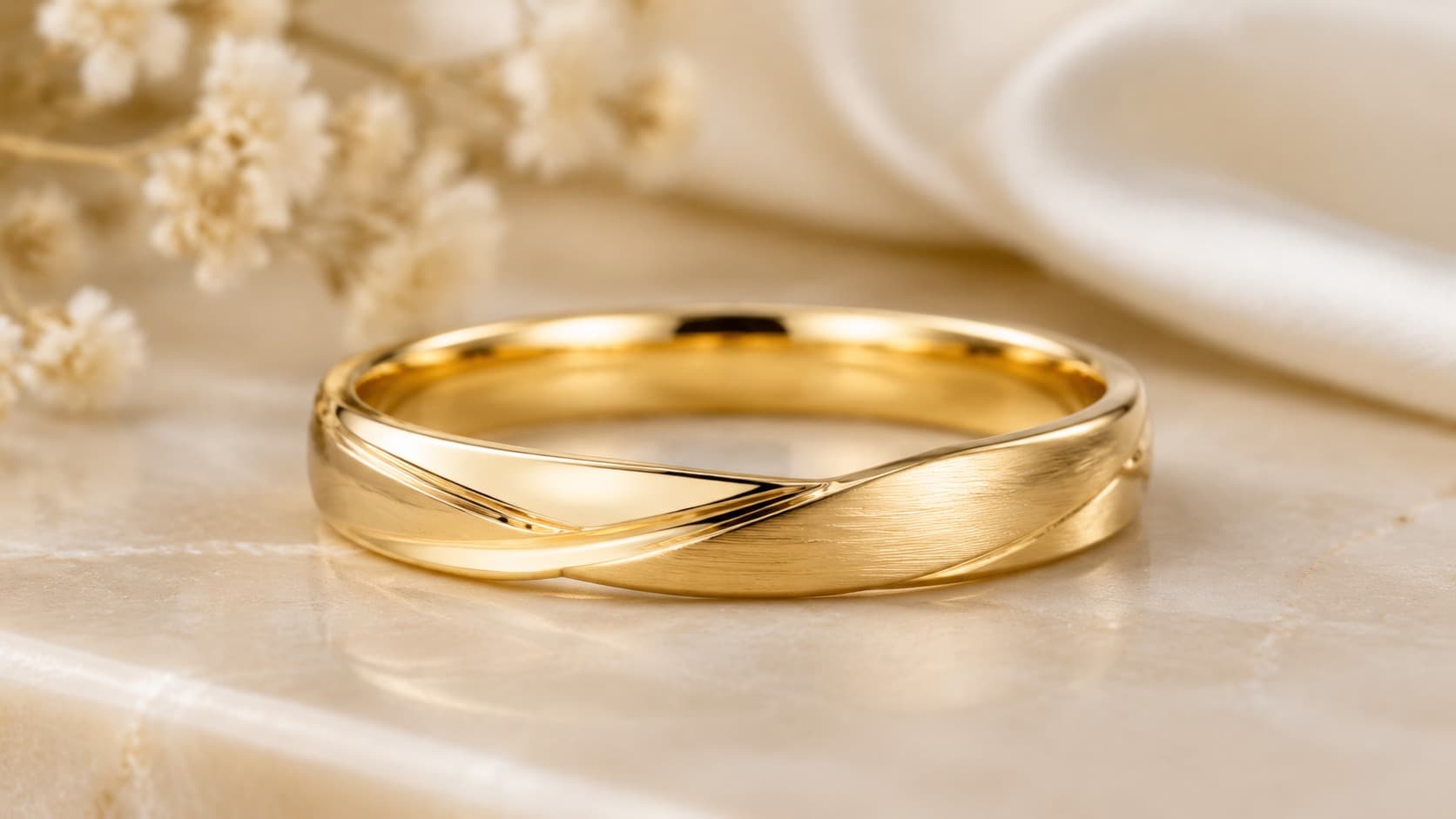
Yellow gold represents one of humanity’s most enduring and cherished materials, combining the natural beauty of pure gold with the practical strength needed for everyday jewelry. For thousands of years, people have treasured yellow gold not just for its stunning appearance, but for its remarkable properties that make it perfect for rings, necklaces, bracelets, and other precious pieces. Unlike pure gold, which is too soft for practical use, yellow gold is created through a careful process of mixing pure gold with other metals like copper, silver, and zinc. Whether you’re buying your first gold piece or expanding your collection, understanding how yellow gold works, what to look for, and how different types compare will help you make informed decisions that bring joy for years to come.
What is Yellow Gold Made Of?
Yellow gold starts with pure gold but transforms it into something much more practical for jewelry through a mixing process that solves the biggest problem with pure gold – it’s simply too soft to wear. This transformation creates the warm, beautiful metal we see in most traditional jewelry while giving it the strength to last through daily activities. The process involves combining pure gold with other carefully selected metals, each chosen for specific properties they contribute to the final product.
- Pure gold in its natural state is so soft you could leave a mark on it just by pressing it with your fingernail. A ring made from pure gold would bend out of shape from something as simple as gripping a steering wheel or typing on a keyboard, making it completely impractical for jewelry meant to be worn regularly. This extreme softness also means pure gold scratches easily from contact with other metals, keys in your pocket, or even fabric, which would quickly ruin the appearance of any jewelry piece.
- Jewelers solve this softness problem by melting pure gold and mixing it with stronger metals like copper, silver, and zinc in carefully measured proportions. Each of these metals brings something important to the mixture – copper provides strength and helps maintain that classic golden color while also making the final product more resistant to denting and bending. Silver adds brightness to the mix and makes the metal easier to shape during jewelry manufacturing, while zinc acts as a protective agent that prevents oxidation and tarnishing during the high-temperature melting process.
- The mixing ratios determine everything about the final product’s appearance, strength, and working properties. Adding more copper creates a stronger, slightly redder gold that resists scratches and dents much better than softer versions, making it ideal for rings and bracelets that see heavy daily wear. Including more silver makes the gold paler and brighter with a color closer to white gold, while also improving the metal’s ability to be drawn into thin wires for delicate chain work.
- Yellow gold keeps the warm, rich color that people expect when they think of “gold jewelry,” maintaining the traditional appearance that has been prized for thousands of years. This sets it apart from white gold versions that use palladium or nickel to create a silver appearance, or rose gold that uses extra copper for pink tones. Yellow gold stays truest to what pure gold naturally looks like while being practical enough for everyday wear.
- The actual mixing happens at extremely high temperatures – around 1,947°F – hot enough to melt gold into liquid form where it can properly blend with the other metals. All the metals must reach their melting points and get stirred together thoroughly to ensure the final product has consistent properties throughout every piece of jewelry made from that batch. This process requires skilled craftspeople who understand exactly how long to heat the mixture and how to achieve uniform distribution of all components.
- Once cooled, this new yellow gold alloy can be shaped into any form needed for jewelry making through various techniques. It can be rolled flat for sheet metal used in pendants and earrings, stretched into thin wires for chains and intricate details, or poured into molds for casting rings and other complex shapes. The versatility makes it perfect for everything from delicate earrings to chunky bracelets, with the same basic alloy working well for completely different jewelry styles.
The end result gives jewelry buyers the best of both worlds – the timeless beauty and value of real gold combined with the practical durability needed for pieces that will be worn, loved, and passed down through families. Yellow gold strikes this balance so well that it remains the most popular choice for engagement rings, wedding bands, and heirloom pieces that need to withstand decades of wear while maintaining their beauty and significance.
Why Yellow Gold is the Best Choice
Yellow gold offers several compelling advantages that have made it the most enduring and popular choice for jewelry throughout history, combining practical benefits with aesthetic appeal in ways that other metals struggle to match. The decision to choose yellow gold over alternatives involves considering factors like appearance, compatibility with different skin tones, maintenance requirements, and long-term durability. These advantages explain why yellow gold remains the default choice for engagement rings, wedding bands, and heirloom pieces that need to maintain their beauty and significance across generations.
- Yellow gold complements virtually all skin tones, making it one of the most universally flattering metals for jewelry. People with warm undertones (those who look best in earth tones and have greenish veins visible at their wrists) find yellow gold particularly enhancing, but it also works beautifully on cool-toned skin by providing warm contrast. The rich, warm color enhances natural skin tones rather than competing with them, and it pairs excellently with both diamonds and colored gemstones.
- The classic appearance of yellow gold provides timeless elegance that never goes out of style, making it ideal for pieces intended to be worn for decades. Unlike trendy metals that may look dated after a few years, yellow gold maintains its traditional appeal across changing fashion cycles. This timeless quality makes yellow gold particularly valuable for engagement rings and wedding bands that couples want to love for their entire lives together.
- Yellow gold requires significantly less maintenance compared to white gold, which needs regular rhodium re-plating every 1-3 years to maintain its silvery appearance. Yellow gold’s natural color means it won’t wear off or require refreshing treatments – regular cleaning and occasional polishing are sufficient to keep it looking beautiful. This lower maintenance requirement saves both time and money over the life of the jewelry.
- The hypoallergenic properties of yellow gold make it safer for people with sensitive skin compared to many other jewelry metals. Yellow gold typically contains less nickel than white gold, reducing the risk of allergic reactions and skin irritation. Higher karat yellow gold (18K and above) is even more hypoallergenic because it contains more pure gold and fewer potentially irritating alloy metals.
- Yellow gold develops an attractive patina over time that many people find more appealing than the stark newness of freshly polished metal. This natural aging process creates subtle variations in color and texture that add character to the jewelry without diminishing its beauty. The patina can always be polished away if desired, but many owners prefer the lived-in look that develops with regular wear.
- The workability of yellow gold makes it excellent for intricate designs and detailed craftsmanship that might be difficult or impossible with harder metals. Jewelers can create delicate filigree work, detailed engravings, and complex settings more easily with yellow gold’s malleability. This versatility allows for both simple, elegant designs and elaborate, ornate pieces using the same basic material.
- Yellow gold holds its value exceptionally well due to its gold content and enduring popularity in the jewelry market. When it comes time to resize, repair, or even sell yellow gold jewelry, the consistent demand and established value make these processes straightforward. The resale value of yellow gold jewelry typically reflects current gold prices plus craftsmanship value, providing better long-term value retention than many alternative metals.
These practical and aesthetic advantages combine to make yellow gold an excellent choice for people who want jewelry that’s beautiful, durable, low-maintenance, and likely to remain stylish and valuable for many years. The metal’s forgiving nature, universal appeal, and proven track record make it particularly suitable for important purchases like engagement rings where long-term satisfaction is crucial.

Yellow Gold vs Other Gold Types
Comparing yellow gold to its alternatives helps buyers make informed decisions based on their specific needs, preferences, and lifestyle requirements. Each gold type offers distinct characteristics in terms of appearance, durability, maintenance, and cost, making certain options better suited for different situations and personal styles. The differences between gold types go beyond just color, affecting everything from how often you’ll need professional maintenance to how well the jewelry will hold up to daily activities.
- White gold creates a silvery appearance through the addition of palladium, nickel, or other whitening metals, then receives rhodium plating for extra brightness and durability. While this creates a modern, sophisticated look that pairs beautifully with diamonds, white gold requires rhodium re-plating every 1-3 years as the coating wears away and the underlying yellowish metal shows through. This ongoing maintenance adds $50-150 per piece every few years, making white gold more expensive to maintain long-term.
- Rose gold achieves its romantic pinkish color through higher copper content, typically using more copper and less silver than yellow gold formulations. The increased copper makes rose gold the most durable of all gold colors, with superior scratch resistance and strength that’s ideal for people with active lifestyles. Rose gold has gained popularity in recent years for its vintage appeal and unique color, though some people find it less versatile for pairing with different clothing colors and gemstones.
- Pure 24-karat gold provides the richest, most intense gold color possible but remains too soft for practical jewelry use in most applications. While pure gold never tarnishes and offers maximum gold content for investment purposes, it scratches easily, dents from normal handling, and can lose its shape over time. Pure gold is typically reserved for special ceremonial pieces, decorative items, or investment products rather than everyday jewelry.
- Price comparisons between gold types show that yellow, white, and rose gold cost essentially the same when comparing pieces of equal karat weight from the same manufacturer. The similar pricing reflects the fact that all three use the same amount of pure gold mixed with different but similarly priced alloy metals. Any price differences usually come from manufacturing complexity, brand positioning, or current fashion trends rather than material costs.
- Durability rankings place rose gold as the strongest due to its high copper content, followed by white gold with its hardening alloys, then yellow gold as the softest of the three options. However, these differences are relatively minor in practical use – all three provide adequate durability for jewelry when properly cared for. The choice between them often comes down to appearance preferences and maintenance willingness rather than durability concerns.
- Color matching considerations affect how well each gold type works with different gemstones and personal style preferences. Yellow gold enhances warm-colored stones like citrine, garnet, and emeralds while providing classic contrast with diamonds. White gold complements cool-colored stones like sapphires and creates a more modern look with diamonds. Rose gold works beautifully with morganite, rose quartz, and vintage-style settings but may clash with certain clothing colors.
- Resale value remains fairly consistent across all gold types when comparing pieces of the same karat level, with market demand varying based on current fashion trends. Yellow gold typically maintains the most stable resale demand due to its classic appeal, while white and rose gold values can fluctuate more with changing style preferences. However, all gold types retain significant value based on their gold content regardless of color trends.
The choice between gold types ultimately depends on personal preferences for appearance, willingness to perform ongoing maintenance, lifestyle factors, and how the jewelry will be used. Yellow gold offers the best combination of classic appeal, low maintenance, and universal wearability, making it ideal for traditional buyers and important pieces like engagement rings that need to remain beautiful for decades.
How Yellow Gold is Made
The manufacturing process of yellow gold requires precise control over temperatures, timing, and measurements to create consistent, high-quality jewelry metal. Professional jewelers follow established procedures that have been refined over centuries, using specialized equipment and techniques to transform raw materials into the yellow gold alloys we see in finished jewelry. The process involves multiple steps from initial preparation through final forming, with each stage requiring specific knowledge and skills to achieve the desired properties in the finished product.
- The process begins by preparing precise measurements of pure gold and alloy metals according to the desired karat level. For 14-karat yellow gold, jewelers measure 58.3% pure gold and 41.7% alloy metals, typically including copper for strength and color, silver for brightness and workability, and zinc for oxidation protection. These measurements must be exact because even small variations can significantly affect the final product’s color, strength, and other properties.
- All metals are heated in specialized furnaces that can reach and maintain the high temperatures needed for proper melting. Pure gold melts at 1,947°F, but the alloy metals have different melting points – copper melts at 1,984°F, silver at 1,763°F, and zinc at 787°F. The furnace must be capable of reaching the highest temperature needed while maintaining precise control to prevent overheating or uneven melting.
- The melting process follows a specific sequence to ensure proper blending of all components. Pure gold is typically melted first due to its high melting point, then the other metals are added in order based on their melting temperatures and how they interact with each other. The molten mixture is stirred continuously using specialized tools to achieve uniform distribution and prevent the heavier metals from settling at the bottom.
- Quality control during melting involves monitoring the mixture for proper color, consistency, and temperature throughout the process. Experienced jewelers can judge the mixture’s progress by observing changes in color and fluidity, while modern operations use temperature sensors and other instruments to ensure precision. The mixture must be held at the proper temperature long enough for complete blending but not so long that oxidation or other unwanted reactions occur.
- Once properly mixed, the molten gold alloy is poured into molds or ingots for cooling and solidification. The cooling process must be controlled to prevent cracking or uneven crystallization that could create weak spots in the final product. Some operations use water quenching for rapid cooling, while others allow air cooling depending on the intended use of the gold alloy.
- After cooling, the solid gold alloy undergoes additional processing to prepare it for jewelry manufacturing. This may include rolling into sheets of various thicknesses, drawing through progressively smaller dies to create wire, or cutting into specific sizes for casting operations. Each of these processes requires the gold alloy to maintain consistent properties throughout, which depends on the quality of the original melting and mixing procedures.
This careful manufacturing process creates yellow gold that meets strict quality standards for jewelry use, ensuring that every piece made from a particular batch will have the same karat level, color, and working properties. The combination of traditional techniques with modern quality control produces yellow gold alloys that jewelers can rely on for creating beautiful, durable jewelry that will maintain its appearance and integrity for generations of wear.
Understanding Yellow Gold Karat System
The karat system provides a standardized way to measure and communicate the purity of gold in jewelry, helping buyers know exactly what they’re purchasing and ensuring consistent quality across the industry. This measurement system divides gold purity into 24 parts, with each karat representing one part of pure gold in the total mixture. The system originated centuries ago and remains the global standard for describing gold content, making it possible to compare pieces from different manufacturers and countries with confidence.
- The karat scale runs from 1 to 24, with 24-karat representing pure gold that contains no other metals. However, 24-karat gold is rarely used in jewelry because of its extreme softness – it’s primarily reserved for investment purposes, decorative items that won’t be handled frequently, or special ceremonial pieces. Most jewelry uses lower karat levels that provide better durability while still maintaining significant gold content and value.
- 10-karat gold contains 41.7% pure gold and represents the minimum karat level that can legally be sold as “gold” in the United States. This karat level provides maximum durability and affordability but has a paler color that some people find less appealing than higher karat options. The high alloy content makes 10K gold very resistant to scratching and denting, making it popular for men’s rings, children’s jewelry, and pieces intended for heavy daily wear.
- 14-karat gold contains 58.3% pure gold and offers the most popular balance between durability, beauty, and cost for most jewelry buyers. The color is noticeably richer than 10K gold while still providing excellent resistance to damage from daily activities. This karat level works well for engagement rings, wedding bands, and other pieces that need to withstand regular wear while maintaining their appearance over many years.
- 18-karat gold contains 75% pure gold and provides a richer, more vibrant color that’s closer to pure gold’s natural appearance. While softer than lower karat options, 18K gold still offers adequate durability for most jewelry applications and is often chosen for high-end pieces where color and luxury appearance are priorities. The higher gold content also makes 18K pieces more valuable and better for people with sensitive skin.
- 22-karat gold contains 91.7% pure gold and is primarily used in certain cultural traditions, particularly in Middle Eastern and Asian jewelry markets. This high purity level creates beautiful, rich color but requires careful handling due to its softness. 22K gold is often used for special occasion jewelry, traditional designs, and pieces that prioritize gold content over durability.
- Gold stamps and hallmarks appear on jewelry pieces to indicate their karat level and authenticate their gold content. In the United States, you’ll typically see stamps like “10K,” “14K,” or “18K” inside ring bands or near clasps on necklaces and bracelets. European jewelry often uses a different numbering system where 14K gold is marked “585” (representing 585 parts gold out of 1000), 18K is marked “750,” and so on.
- Reading and locating these stamps requires knowing where to look on different types of jewelry. On rings, check the inside of the band near the bottom. On necklaces and bracelets, look near the clasp or on a small tag attached to the chain. Earrings may have stamps on the posts or backs. These markings are required by law in most countries and provide legal protection for consumers against misrepresented gold content.
The karat system gives jewelry buyers the information they need to make informed decisions based on their priorities for durability, appearance, budget, and intended use. Higher karat numbers always mean more gold content and typically higher prices, but they also mean softer metal that requires more careful handling, making the choice between different karat levels a matter of balancing various factors rather than simply choosing the highest number available.
How to Care for Yellow Gold Jewelry
Proper care ensures yellow gold jewelry maintains its beauty and value throughout years of wear, with most maintenance being simple enough to handle at home using common household items. The key to successful yellow gold care lies in establishing regular cleaning routines, avoiding harmful substances and activities, and knowing when professional services are necessary. Good care habits prevent damage that could require expensive repairs and help preserve the jewelry’s appearance and structural integrity for future generations.
- Daily care practices significantly extend the life and beauty of yellow gold jewelry by preventing the buildup of oils, lotions, and environmental debris that can dull the metal’s natural shine. Remove yellow gold jewelry before showering, swimming, exercising, or applying cosmetics, perfumes, and lotions, as these substances can create films on the metal that attract dirt and reduce its luster. Store pieces separately in soft cloth pouches or lined jewelry boxes to prevent scratching from contact with other jewelry or hard surfaces.
- Safe home cleaning requires only mild dish soap, lukewarm water, and a soft-bristled toothbrush for effective results without risking damage to the metal or any gemstones. Soak the jewelry for 15-20 minutes in soapy water to loosen accumulated oils and debris, then gently scrub with the toothbrush to reach crevices around prongs, chain links, and decorative details. Rinse thoroughly under lukewarm running water and dry completely with a lint-free microfiber cloth to prevent water spots.
- Substances to avoid include harsh chemicals, abrasive cleaners, and rough materials that can scratch or damage yellow gold’s surface. Never use toothpaste, baking soda, bleach, or commercial jewelry cleaners that aren’t specifically designed for gold, as these can cause microscopic scratching, discoloration, or chemical reactions with alloy metals. Avoid paper towels, tissues, or rough cloths for drying, as these materials can create tiny scratches that accumulate over time and dull the metal’s finish.
- Proper storage prevents most damage from occurring when jewelry isn’t being worn, protecting pieces from scratches, tangles, and environmental factors that can affect their appearance. Keep yellow gold pieces in individual soft pouches, separate compartments of a lined jewelry box, or wrapped in soft cloth to prevent metal-on-metal contact. Store jewelry in cool, dry locations away from direct sunlight, humidity, and temperature fluctuations that can affect both the metal and any gemstones.
- Professional cleaning and maintenance should be performed every 6-12 months for frequently worn pieces to address issues that home care cannot handle effectively. Professional jewelers use ultrasonic cleaners, steam cleaning equipment, and specialized polishing compounds to remove built-up residue from hard-to-reach areas and restore the metal’s original luster. They can also inspect for loose stones, worn prongs, or other structural issues that need attention before they become serious problems.
- Polishing techniques for yellow gold involve using proper materials and methods to restore shine without removing excessive metal or creating uneven surfaces. Use jeweler’s rouge or specialized gold polishing cloths rather than general-purpose metal polishes that may be too abrasive. Work in small circular motions with light pressure, focusing on one area at a time, and clean off polishing residue completely when finished to prevent buildup that can attract dirt.
- Professional services become necessary when jewelry shows signs of damage beyond normal wear, such as deep scratches, dents, loose settings, or structural problems that could lead to stone loss. Professional refinishing can restore heavily worn pieces to like-new condition, while repairs ensure continued safe wear. Many jewelers offer cleaning and inspection services for reasonable fees, making professional maintenance accessible for most jewelry owners.
Consistent care using these methods keeps yellow gold jewelry looking beautiful and functioning properly for decades, protecting both the financial investment and sentimental value of important pieces. The relatively simple maintenance requirements of yellow gold, combined with its natural durability, make it one of the most practical choices for people who want beautiful jewelry without complex care routines.

Common Yellow Gold Misconceptions
Several persistent misconceptions about yellow gold continue to influence purchasing decisions and care practices, often leading buyers to make choices based on incorrect information rather than facts. These myths have developed over time through misunderstood marketing claims, outdated information, and confusion about how gold alloys actually work. Separating fact from fiction helps consumers make better decisions about yellow gold jewelry and avoid costly mistakes based on false assumptions.
- The belief that higher karat gold is always stronger represents one of the most widespread and damaging myths about gold jewelry. In reality, pure 24-karat gold is extremely soft and impractical, while lower karat gold containing more alloy metals provides significantly better durability and scratch resistance. 14-karat yellow gold is actually much stronger and more suitable for daily wear than 18-karat gold because it contains more hardening metals like copper and silver, making it better able to withstand the stresses of regular use.
- Many people incorrectly assume that real gold never tarnishes under any circumstances, leading to surprise when their yellow gold jewelry shows signs of discoloration over time. While pure gold itself doesn’t tarnish, yellow gold alloys contain copper, silver, and other metals that can react with environmental factors like humidity, sulfur compounds, and certain chemicals. Lower karat gold tarnishes more readily because it contains higher percentages of these reactive metals, though proper care prevents most tarnishing issues.
- The misconception that price directly correlates with quality leads many buyers to assume expensive pieces are automatically better than more affordable options. In reality, yellow gold quality depends on factors like craftsmanship, design complexity, brand reputation, and retail markup rather than just material cost. A well-made 14-karat piece from a skilled jeweler often provides better long-term value than a poorly crafted 18-karat piece that costs significantly more but won’t hold up to regular wear.
- Some buyers believe that yellow gold requires special cleaning products or professional-only maintenance to stay beautiful, leading them to neglect regular care or spend money on unnecessary services. Basic yellow gold care involves only mild soap, water, and gentle cleaning techniques that anyone can perform at home safely and effectively. While professional cleaning provides benefits, it’s not required as frequently as some jewelers suggest, and proper home care prevents most problems that require professional intervention.
- The myth that gold allergies are impossible because “gold is hypoallergenic” causes confusion when people experience skin reactions to their yellow gold jewelry. Allergic reactions come from the alloy metals mixed with gold, particularly nickel used in some white gold formulations or copper in higher concentrations. Pure gold is indeed hypoallergenic, but most gold jewelry contains enough alloy metals to potentially cause reactions in sensitive individuals, especially with lower karat pieces that contain more non-gold metals.
- Many people incorrectly believe that yellow gold jewelry loses value quickly and isn’t worth buying as an investment compared to other precious metals. Yellow gold maintains its value well based on gold content and craftsmanship, with resale values typically reflecting current gold market prices plus additional value for skilled workmanship. While jewelry should be purchased primarily for enjoyment rather than investment, quality yellow gold pieces retain significant value over time and often appreciate along with gold market trends.
- The assumption that all yellow gold is identical regardless of karat level or manufacturer leads to disappointment when pieces don’t perform as expected. Different karat levels provide vastly different properties in terms of color, durability, and maintenance requirements, while manufacturing quality varies significantly between different producers. Reputable manufacturers use precise alloy formulations and quality control processes that create consistent, reliable products, while cheaper alternatives may cut corners in ways that affect long-term performance.
These myths persist partly because they contain elements of truth taken out of context or oversimplified to the point of becoming misleading. Learning the facts about yellow gold properties, care requirements, and value factors helps buyers make informed decisions and avoid disappointment from unrealistic expectations based on common misconceptions.
Shopping Tips for Yellow Gold Jewelry
Purchasing yellow gold jewelry requires knowledge of quality indicators, pricing factors, and potential pitfalls to ensure you get authentic pieces that provide good value and long-term satisfaction. The jewelry market includes everything from exceptional handcrafted pieces to mass-produced items of questionable quality, making informed shopping essential for avoiding costly mistakes. Smart shopping involves knowing what to look for, where to shop, how to verify authenticity, and how to evaluate whether a piece offers fair value for your investment.
- Authentic hallmarks and stamps provide the first line of verification for genuine yellow gold jewelry, with legitimate pieces displaying clear karat markings alongside manufacturer trademarks or maker’s marks. Look for stamps like “14K,” “18K,” or European equivalents like “585” or “750” that indicate gold content, typically found inside ring bands, near clasps on necklaces, or on earring posts. Reputable manufacturers also include their company trademark or initials, while pieces showing only karat marks without any maker identification should raise suspicion about their authenticity.
- Red flags indicating potential fraud or poor quality include pieces that feel unusually light for their size, show magnetic attraction when tested with a strong magnet, or display inconsistent coloring that suggests plating rather than solid gold construction. Extremely low prices compared to similar pieces from established retailers often indicate fake gold, gold-plated items being sold as solid gold, or stolen merchandise. Be particularly cautious of street vendors, online sellers without established reputations, or any seller who refuses to provide documentation about the jewelry’s gold content and origin.
- Price evaluation requires understanding the relationship between gold content, current market prices, craftsmanship quality, and reasonable retail markups to determine whether a piece offers fair value. Research current gold spot prices to understand the base material value, then factor in additional costs for manufacturing, design complexity, brand reputation, and retail overhead. Quality pieces typically cost 2-3 times the raw gold value when purchased from legitimate retailers, while prices significantly above or below this range warrant careful investigation.
- Online shopping advantages include broader selection, competitive pricing, and the ability to research products thoroughly before purchasing, but require extra caution regarding authenticity verification and return policies. Reputable online retailers provide detailed product descriptions, high-quality photos, authenticity guarantees, and generous return policies that allow inspection before final commitment. Read customer reviews carefully, verify the seller’s credentials and return policy, and ensure they offer professional appraisals or certificates of authenticity for valuable pieces.
- In-store shopping benefits include the ability to examine pieces personally, try them on for fit and appearance, and build relationships with knowledgeable jewelers who can provide ongoing service and advice. Local jewelers often offer services like sizing, repair, and cleaning that online retailers cannot provide, making them valuable for long-term jewelry ownership. However, in-store prices may be higher due to overhead costs, and selection might be limited compared to online options.
- Budget considerations should account for both initial purchase price and long-term ownership costs including insurance, maintenance, and potential repairs over the jewelry’s lifetime. Higher karat gold costs more initially but may provide better resale value, while lower karat options offer durability advantages that reduce repair costs over time. Factor in costs for proper insurance coverage, especially for valuable pieces, and consider whether you’ll need services like periodic cleaning, prong tightening, or eventual resizing.
- Documentation and warranties protect your investment and provide recourse if problems develop after purchase, making them essential for any significant jewelry purchase. Insist on detailed receipts showing karat level, weight, and other specifications, along with any applicable warranties covering manufacturing defects or stone security. For valuable pieces, obtain professional appraisals for insurance purposes and keep all documentation in a safe place along with photos of the jewelry for identification if theft or loss occurs.
Smart yellow gold shopping combines careful research, realistic budgeting, and thorough verification to ensure you acquire authentic pieces that provide lasting satisfaction and appropriate value for your investment. Taking time to educate yourself about quality indicators and market factors protects against common mistakes and helps build a jewelry collection you’ll treasure for years to come.
Yellow Gold Skin Reactions and Allergies
Allergic reactions to yellow gold jewelry affect a significant portion of the population and stem from the alloy metals mixed with pure gold rather than the gold itself. These reactions can range from mild irritation to severe dermatitis, making it crucial for sensitive individuals to understand what causes these problems and how to avoid them. The misconception that gold is always hypoallergenic leads many people to purchase yellow gold jewelry without considering potential allergic reactions, only to discover they cannot wear their new pieces comfortably.
- Contact dermatitis from yellow gold occurs when alloy metals like nickel, copper, or zinc trigger immune system responses in sensitive individuals, causing inflammation where the jewelry touches skin. Nickel represents the most common culprit, affecting approximately 15-20% of the population, particularly women who often develop sensitivity through ear piercings or costume jewelry exposure. Copper can also cause reactions in some people, creating greenish discoloration on skin along with redness and itching, while zinc allergies are less common but still problematic for certain individuals.
- Symptoms typically appear 12-48 hours after jewelry contact and include redness, swelling, itching, burning sensations, and sometimes blistering or oozing at the contact site. The severity of reactions varies widely between individuals, with some experiencing only mild irritation while others develop painful, persistent dermatitis that can last weeks after removing the offending jewelry. Repeated exposure often worsens reactions over time, making early identification and avoidance crucial for preventing more serious problems.
- Lower karat yellow gold poses higher allergy risks because it contains greater percentages of potentially problematic alloy metals compared to higher karat alternatives. 10-karat yellow gold, with its 58.3% non-gold content, presents the highest risk for sensitive individuals, while 18-karat gold’s 75% gold content significantly reduces exposure to allergenic metals. However, even high-karat gold can cause reactions in extremely sensitive people, making material choice important but not foolproof for allergy prevention.
- Testing for metal allergies can be performed by dermatologists using patch tests that identify specific sensitivities before jewelry purchases, potentially saving significant money and discomfort. These tests involve applying small amounts of various metals to the skin under controlled conditions, then monitoring for reactions over several days to determine which substances cause problems. Some people perform informal tests by wearing suspect jewelry for short periods, though this approach risks triggering reactions and may not identify all potential problems.
- Treatment for gold allergy reactions focuses on removing the offending jewelry immediately and managing symptoms with topical treatments until healing occurs. Mild reactions often respond to over-the-counter hydrocortisone creams and antihistamines, while severe cases may require prescription medications or medical supervision. Cool compresses can provide relief from itching and burning, while keeping the affected area clean and dry prevents secondary infections from developing in damaged skin.
- Prevention strategies include choosing higher karat yellow gold, seeking pieces made with hypoallergenic alloys, or selecting alternative metals that don’t contain common allergens. Some manufacturers produce “nickel-free” yellow gold using palladium or other metals instead of nickel for whitening, though these pieces typically cost more than standard formulations. Protective coatings like clear nail polish can provide temporary barriers between skin and jewelry, though these coatings wear off quickly and need frequent reapplication.
- Alternative metals for severely allergic individuals include platinum, titanium, surgical-grade stainless steel, and pure silver, all of which rarely cause reactions in sensitive people. These materials may not provide the warm color of yellow gold, but they offer safe options for people who cannot tolerate any gold alloys. Some jewelers can also create custom pieces using specific alloy formulations designed to minimize allergy risks while maintaining desired appearance characteristics.
- Gold-filled jewelry provides another option for sensitive individuals, featuring thick layers of gold bonded to base metals that create barriers between skin and potentially problematic materials. Quality gold-filled pieces contain much more gold than gold-plated alternatives and may be tolerated by people who react to lower karat solid gold. However, wear over time can expose underlying metals, potentially causing delayed reactions in highly sensitive individuals.
Managing yellow gold allergies requires balancing the desire for beautiful jewelry with the need to protect skin health, often involving compromises in appearance, cost, or material choices. Working with knowledgeable jewelers who understand allergy issues can help identify suitable options that provide both beauty and comfort for long-term wear.
Yellow Gold as an Investment: Value and Resale
Yellow gold jewelry represents both a luxury purchase and a tangible asset that can retain and potentially increase value over time, making investment considerations an important factor in purchasing decisions. The relationship between gold market prices, jewelry craftsmanship, and resale values creates a complex equation that savvy buyers can use to their advantage when building collections or making significant purchases. Current market conditions show gold reaching historic highs, with prices hitting record levels that affect both new jewelry costs and the value of existing pieces.
- Gold prices have reached unprecedented levels in 2025, with spot gold trading above $2,600 per ounce and some forecasts predicting continued increases toward $3,000-4,000 per ounce over the next few years. These price increases directly affect yellow gold jewelry costs, as manufacturers must pay more for raw materials, leading to higher retail prices across all karat levels. However, existing jewelry owners benefit from these price increases, as their pieces become more valuable based on gold content alone, regardless of craftsmanship or design factors.
- Value retention in yellow gold jewelry depends heavily on gold content, with higher karat pieces maintaining better resale values during market fluctuations compared to lower karat alternatives. An 18-karat gold ring contains 75% pure gold, making its value more closely tied to gold market prices than a 10-karat piece with only 41.7% gold content. This relationship means higher karat jewelry serves as better hedges against inflation and economic uncertainty, while lower karat pieces derive more value from craftsmanship and style factors.
- Resale markets for yellow gold jewelry typically offer 70-90% of current gold value for the metal content, with additional premiums for exceptional craftsmanship, designer names, or antique appeal. Local jewelry stores, gold dealers, and online buyers all offer different pricing structures, with specialized estate jewelry dealers often providing better prices for well-crafted or designer pieces than generic gold buyers who focus only on metal content. Documenting original purchase prices, obtaining appraisals, and maintaining good condition significantly improve resale prospects.
- Market factors influencing gold prices include economic uncertainty, inflation rates, currency fluctuations, and geopolitical events that drive investors toward precious metals as safe haven assets. Central bank policies, particularly interest rate decisions and money supply changes, affect gold demand as investors seek alternatives to paper currencies during periods of monetary instability. These factors create both opportunities and risks for jewelry investors, as short-term volatility can affect values while long-term trends generally favor precious metal appreciation.
- Craftsmanship premiums add value beyond raw material costs, with hand-forged pieces, intricate designs, and established maker names commanding higher prices than mass-produced jewelry. Vintage and antique yellow gold pieces often appreciate faster than modern alternatives due to scarcity, historical significance, and collector demand that extends beyond simple gold content. Well-documented provenance, original packaging, and designer signatures can multiply values far beyond material worth for exceptional pieces.
- Insurance considerations become increasingly important as gold values rise, requiring periodic appraisal updates to ensure adequate coverage for replacement costs at current market prices. Many homeowner’s policies provide limited coverage for jewelry, making separate jewelry insurance necessary for valuable pieces to protect against theft, loss, or damage. Professional appraisals every 3-5 years ensure insurance coverage keeps pace with market appreciation and replacement cost increases.
- Investment strategies for yellow gold jewelry should balance enjoyment and utility with financial considerations, recognizing that jewelry primarily serves personal rather than purely investment purposes. Buyers seeking investment potential should focus on higher karat pieces from reputable makers, classic designs with enduring appeal, and proper documentation for resale purposes. However, jewelry should never represent a primary investment vehicle, as transaction costs, storage requirements, and style changes can significantly impact returns compared to other gold investment options.
- Tax implications of jewelry sales may include capital gains considerations for pieces that appreciate significantly over time, particularly for high-value items purchased as investments. Keeping detailed purchase records, appraisal documentation, and sale receipts helps establish cost basis and holding periods for tax purposes. Consulting with tax professionals becomes advisable for valuable collections or significant transactions that could trigger reporting requirements.
The investment aspects of yellow gold jewelry add another dimension to ownership beyond simple enjoyment, providing tangible value that can be accessed when needed while offering protection against inflation and economic uncertainty. Smart buyers consider these factors when making purchases, choosing pieces that balance personal satisfaction with value retention potential for maximum long-term benefit.

History and Cultural Significance of Yellow Gold
Yellow gold’s cultural significance spans thousands of years across virtually every civilization, creating deep associations with power, divinity, wealth, and eternal love that continue to influence modern jewelry choices. The metal’s natural properties – its resistance to tarnishing, brilliant color, and rarity – made it a symbol of permanence and perfection long before humans understood the science behind these characteristics. This rich historical foundation explains why yellow gold remains the traditional choice for life’s most important ceremonies and why it carries emotional weight beyond its material value.
- Ancient civilizations recognized gold’s unique properties and elevated it to divine status, with Egyptian pharaohs considering gold to be the flesh of the gods and using it extensively in burial masks, jewelry, and religious artifacts. The famous burial mask of Tutankhamun contains over 22 pounds of nearly pure gold, demonstrating both the reverence for the metal and the sophisticated metalworking techniques developed over 3,000 years ago. Egyptian goldsmiths developed many techniques still used today, including granulation, filigree work, and complex alloy formulations that created different colors and properties.
- Wedding ring traditions began in ancient Egypt around 3,000 BCE, where the circular shape symbolized eternal love and the unending cycle of life, with gold chosen for its permanence and incorruptible nature. The tradition spread through Greek and Roman cultures, with Romans believing a special vein connected the ring finger directly to the heart, establishing the custom of wearing wedding rings on the fourth finger. The choice of gold for these sacred bonds reflected beliefs about the metal’s eternal nature and its ability to represent unbreakable commitments between spouses.
- Religious and spiritual significance appears across cultures worldwide, with gold representing divine light, spiritual purity, and heavenly reward in Christianity, Buddhism, Hinduism, and Islam. Buddhist temples feature gold leaf applications and golden statues representing enlightenment and spiritual perfection, while Islamic art uses gold to symbolize divine light and paradise. Christian traditions associate gold with the divine nature of Christ and the eternal kingdom of heaven, making gold vessels and decorations central to religious ceremonies and sacred spaces.
- Trade route development centered around gold acquisition and distribution, with ancient merchants establishing networks that connected Africa, Asia, and Europe in pursuit of the precious metal. The legendary wealth of King Solomon’s mines, the gold rushes of California and the Klondike, and Spanish conquistador expeditions to South America all demonstrate how gold discovery shaped world history and cultural development. These historical connections between gold and wealth creation established the metal’s role as a store of value and medium of exchange that persists today.
- Cultural meanings vary between societies but consistently associate gold with high status, achievement, and special recognition across virtually all human cultures. Olympic gold medals represent the highest athletic achievement, while golden anniversaries mark 50 years of marriage, and “golden ages” describe periods of cultural and economic prosperity. These associations create emotional connections that make yellow gold jewelry feel appropriate for life’s most significant moments and achievements.
- Artistic and decorative traditions showcase gold’s versatility and beauty through techniques developed over millennia, from ancient Mesopotamian granulation work to Victorian mourning jewelry and Art Deco geometric designs. Each historical period developed distinctive styles that reflected contemporary aesthetics while taking advantage of gold’s workability and durability. These historical designs continue to influence modern jewelry making, with vintage and antique-inspired pieces remaining popular choices for contemporary buyers.
- Royal and aristocratic traditions established gold as the metal of choice for crowns, state jewelry, and ceremonial objects that represent power and legitimacy across cultures. The British Crown Jewels, European royal collections, and imperial treasures from Asia and Africa all feature extensive use of gold in their most important pieces. These associations between gold and legitimate authority helped establish the metal’s role in marking important life transitions and social status.
- Modern cultural significance continues these ancient traditions while adapting to contemporary values and lifestyles, with yellow gold remaining the preferred choice for engagement rings and wedding bands across most cultures. Hollywood glamour, celebrity jewelry choices, and luxury brand marketing all reinforce gold’s associations with success, beauty, and desirability. Social media and global communication spread these cultural meanings worldwide, creating nearly universal recognition of gold’s significance regardless of local traditions.
This deep cultural foundation explains why yellow gold jewelry carries meaning beyond its material value, connecting wearers to thousands of years of human tradition and shared symbolism. The metal’s role in marking life’s most important moments – from engagements and weddings to achievements and memorial pieces – reflects its unique position in human culture as a symbol of permanence, value, and eternal significance.
Conclusion
Yellow gold remains the ultimate choice for those seeking timeless beauty, cultural significance, and practical durability in their jewelry collection. Its warm, rich color complements all skin tones while requiring minimal maintenance compared to other gold types, making it ideal for both everyday wear and special occasions. The careful balance between pure gold content and strengthening alloy metals creates a material that captures the luxury and prestige of precious metal while providing the durability needed for pieces meant to last generations. Whether you choose 10-karat for maximum durability, 14-karat for the perfect balance of beauty and strength, or 18-karat for luxury appeal, yellow gold offers excellent value and enduring satisfaction.
The investment aspects of yellow gold add another compelling dimension to ownership, as pieces retain and often increase their value based on gold content while providing daily enjoyment and personal meaning. Current market conditions show gold reaching historic highs, making existing yellow gold jewelry more valuable while highlighting the metal’s role as a hedge against economic uncertainty. The combination of intrinsic value, cultural significance, and practical beauty makes yellow gold jewelry both a wise financial choice and a source of personal satisfaction that can be passed down through families as treasured heirlooms.
Understanding yellow gold’s properties, care requirements, and market factors empowers you to make informed decisions that maximize both enjoyment and value from your jewelry purchases. The key lies in matching the gold type and karat level to your specific needs, considering factors like lifestyle, budget, skin sensitivity, and intended use. With proper knowledge and care, yellow gold jewelry becomes more than just an accessory – it becomes a lasting investment in beauty, tradition, and personal expression that brings joy and confidence for years to come while maintaining its value and significance across changing fashion trends and economic conditions.