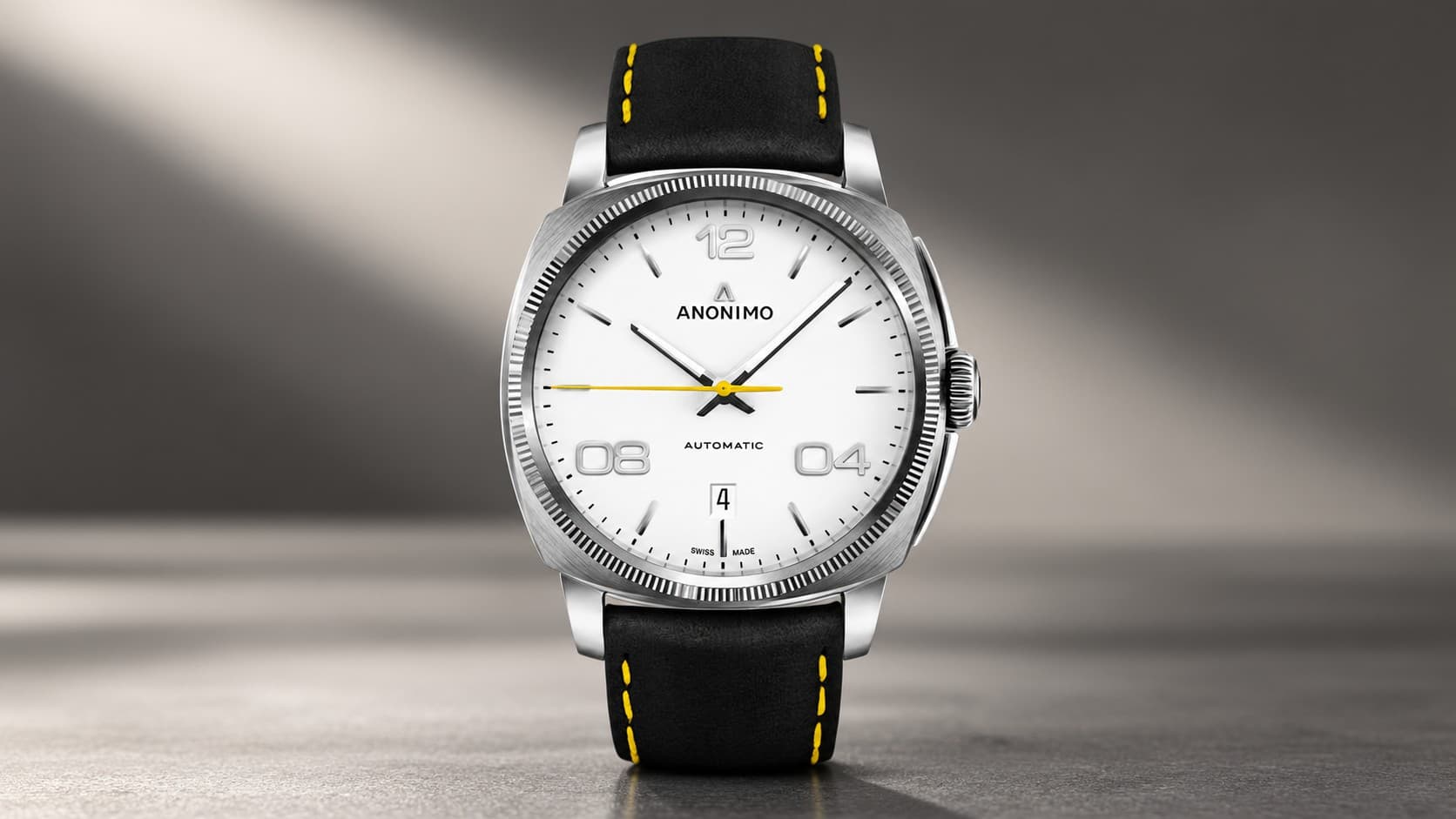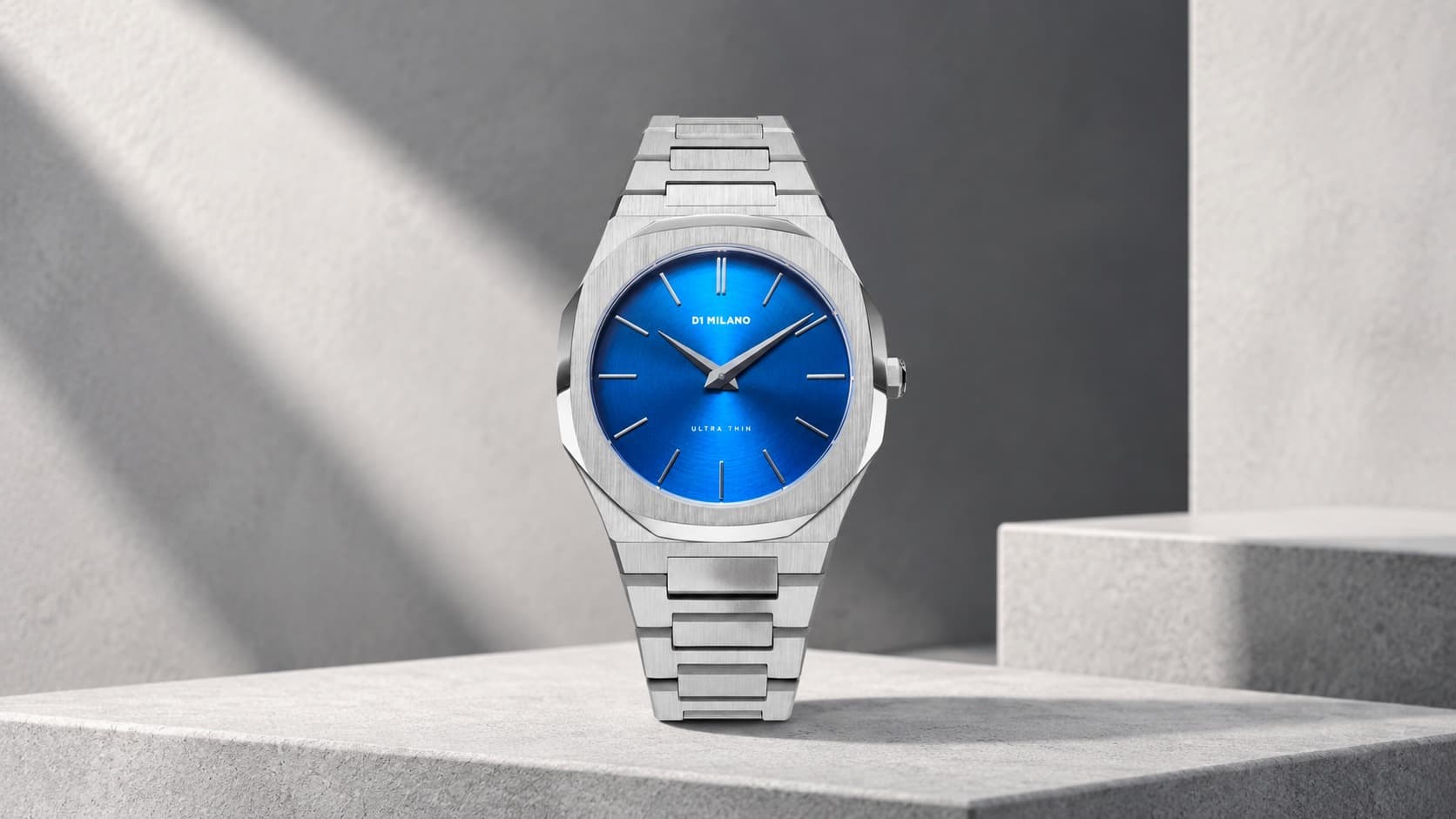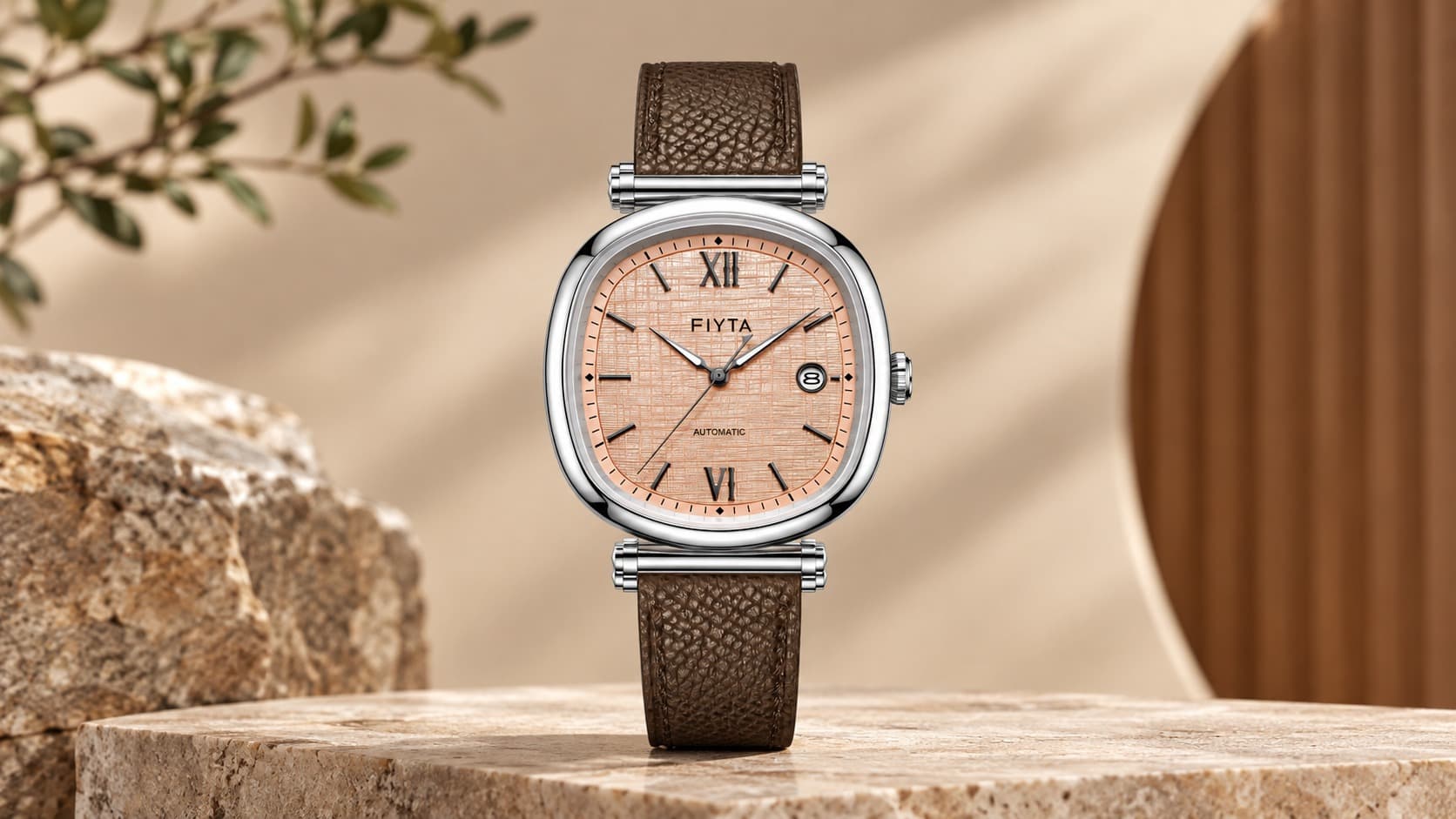
Watches represent not just timekeeping tools but also significant investments and often emotional attachments. Whether you’ve inherited a vintage timepiece or purchased a modern luxury watch, proper maintenance ensures it continues to function accurately and maintains its value. Many watch owners struggle to identify when their timepieces need professional attention, often waiting until something breaks. Recognizing the warning signs that indicate your watch requires servicing, understanding appropriate maintenance schedules, and learning how to properly care for your timepiece between professional services can help extend the life of your watch and preserve its functionality for years to come.
Signs Your Watch Needs Servicing
Every watch, regardless of its price point or mechanism type, will eventually display signs that professional servicing is required. Recognizing these indicators early can prevent more serious damage and potentially save you from costly repairs. Watch movements contain dozens or even hundreds of precisely calibrated parts working in harmony, and when this delicate balance is disrupted, your watch will begin showing symptoms that shouldn’t be ignored.
- Inconsistent timekeeping - If your mechanical watch gains or loses more than 10-15 seconds per day, or your quartz watch varies by more than 15 seconds per month, it likely needs regulation or repair. This deviation often indicates that the movement needs cleaning, components have worn down, or in quartz watches, that the battery is affecting the circuitry as it depletes.
- Reduced power reserve - Mechanical watches should maintain power for their rated duration when fully wound (typically 38-48 hours for most modern watches). If your watch stops prematurely, the mainspring may be damaged, or the movement could be experiencing increased friction due to dried lubricants.
- Unusual sounds - Clicking, rattling, or grinding noises from inside your watch signal loose, broken, or misaligned components. A properly functioning watch should run silently or with only a gentle ticking sound. Any unusual noises suggest parts may be moving freely inside the case, potentially causing damage to other components.
- Moisture under the crystal - Condensation or water droplets visible inside the watch indicate compromised water resistance. This moisture can rapidly cause corrosion to delicate movement parts, especially the steel components that can rust. Even small amounts of moisture require immediate professional attention.
- Stiff or resistant crown - Difficulty winding or setting your watch suggests internal issues with the winding mechanism or setting levers. The crown should turn smoothly with consistent resistance. Grinding sensations or excessive stiffness indicate worn components or dried lubricants.
- Calendar functions not working properly - Date or day displays that stick between positions, change at incorrect times, or fail to advance indicate problems with the calendar mechanism. These complications contain additional parts that can wear out or become misaligned over time.
- Chronograph functions malfunctioning - Stopwatch hands that don’t reset to zero, fail to start/stop correctly, or move erratically point to issues in the chronograph mechanism. These complex additions to a watch movement have their own set of potential failure points requiring specialized adjustment.
Regular observation of your watch’s performance will help you identify these signs early. Most watch enthusiasts recommend performing a simple timing check weekly, where you compare your watch against a reliable time source and note any discrepancies. Being attentive to these warning signs can prevent minor issues from developing into major problems requiring extensive repairs.
Watch Service Intervals: Recommended Timelines
Watch maintenance schedules vary depending on the type of movement, the watch’s quality, and how frequently it’s worn. Understanding the appropriate service interval for your specific timepiece helps maintain optimal performance and prevents unnecessary wear. Regular servicing extends your watch’s lifespan and preserves its value, particularly for luxury or collectible pieces where proper maintenance history affects resale value.
- Mechanical watches - Most manufacturers recommend servicing every 3-5 years. This schedule allows for the replacement of dried lubricants before they cause excessive wear on moving parts. During service, the movement is completely disassembled, cleaned, parts are inspected for wear, damaged components replaced, fresh lubricants applied, and the watch is regulated for accuracy.
- Automatic watches - Self-winding watches generally follow the same 3-5 year interval as manual mechanical watches. However, watches worn daily may need servicing closer to the 3-year mark due to increased usage of the automatic winding mechanism, which contains additional moving parts that experience wear.
- Quartz watches - These typically require less frequent servicing, with manufacturers suggesting maintenance every 5-7 years excluding battery replacements (which occur every 1-3 years depending on the model). During service, gaskets are replaced, the movement is checked for corrosion or damage, and electronic components are tested.
- Dive watches - Timepieces designed for water resistance need more frequent attention to maintain their water-resistant properties. Annual water resistance testing is recommended, with full service every 2-3 years to replace degraded gaskets and seals. This is especially important if the watch is regularly exposed to saltwater.
- Vintage watches - Timepieces over 25 years old may require more frequent servicing (every 2-3 years) as parts have naturally aged and lubricants designed decades ago may not last as long as modern formulations. Finding a watchmaker specialized in vintage pieces is essential for these timepieces.
- Complicated watches - Timepieces with additional complications like perpetual calendars, minute repeaters, or tourbillons should follow manufacturer recommendations strictly, typically requiring service every 3-5 years. These complex mechanisms have more potential failure points and often need specialized expertise.
- Environmental factors - Watches regularly exposed to extreme temperatures, moisture, dust, or magnetic fields may need more frequent servicing regardless of type. These environmental stressors accelerate wear on components and degrade lubricants faster than normal use.
Following these general guidelines while consulting your watch’s specific manual provides the best framework for maintaining your timepiece. Most luxury watch brands maintain detailed service records, so keeping documentation of professional maintenance enhances your watch’s provenance and value, particularly important for collectible models.
How to Check if Your Watch Needs Service at Home
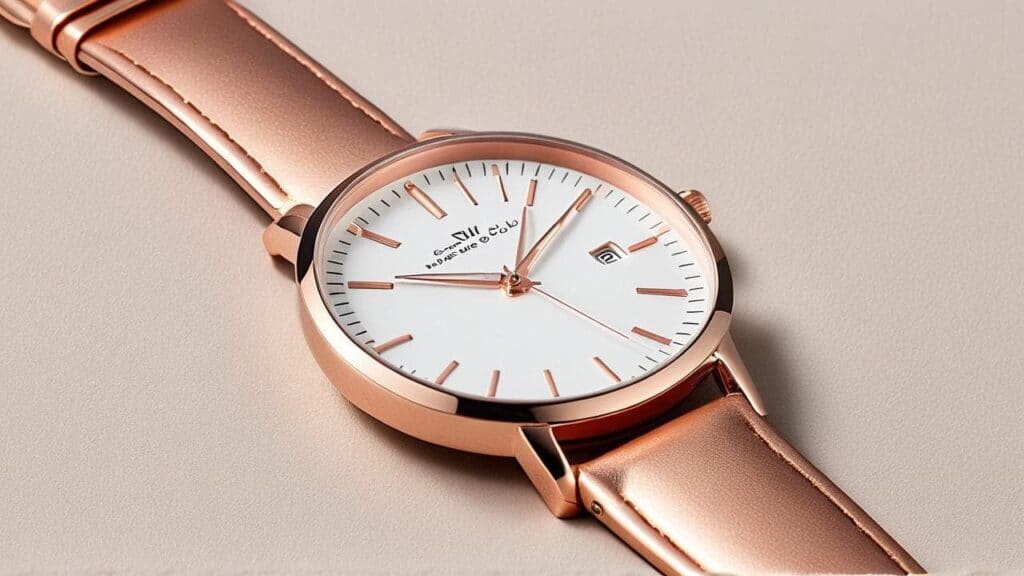
While professional watchmakers have specialized tools and expertise, there are several simple assessment techniques you can perform at home to evaluate your watch’s condition. These basic checks help you determine if your timepiece needs professional attention without risking damage to the delicate mechanism. Regular inspection using these methods can catch potential issues before they become serious problems.
- Timing check - Compare your watch against an accurate time source (like time.gov or the atomic clock app) and note the deviation over several days. For mechanical watches, record the variance at the same time each day for a week. A consistently increasing deviation indicates regulation issues, while erratic results suggest potential mechanical problems.
- Power reserve test - For mechanical watches, fully wind your timepiece and note exactly when it stops running. This duration should match the manufacturer’s specified power reserve. A significant shortfall suggests mainspring issues or excessive friction in the movement due to dried lubricants or mechanical problems.
- Position variance test - Check your mechanical watch’s accuracy in different positions (dial up, dial down, crown up, crown down, etc.) by leaving it in each position overnight and recording the daily deviation. Significant differences between positions (more than 20 seconds) indicate potential issues with the balance wheel or escapement.
- Visual crystal inspection - Examine your watch crystal under strong light against a dark background. Look for fine cracks, chips, or scratches that might compromise water resistance. For acrylic crystals, minor scratches can be buffed out with specialized polish, but deeper damage requires professional replacement.
- Case and bracelet inspection - Check for sharp edges, loose parts, or excessive play in the bracelet links. Examine the crown for smooth operation without wobbling or grinding. Look for corrosion around case backs or between bracelet links, particularly on watches exposed to saltwater.
- Gasket and seal visual check - While you cannot see internal gaskets, you can inspect the crown seal by gently pulling the crown to its various positions. It should move with consistent resistance without feeling loose. On screw-down crowns, ensure the threading engages smoothly without catching or requiring excessive force.
- Magnetism check - Place a compass near your watch and observe if the needle moves erratically or is strongly attracted to the watch. Modern life exposes watches to many magnetic sources (smartphones, speakers, magnetic closures), and magnetization can cause drastic timing issues in mechanical watches.
- Sound assessment - In a quiet room, hold your mechanical watch close to your ear. The ticking should be consistent with no irregular sounds. Then gently rotate and tilt the watch—you shouldn’t hear anything moving or shifting inside. Any rattling suggests loose components requiring immediate attention.
These DIY assessment techniques help you monitor your watch’s health between professional services. However, they should complement, not replace, regular professional maintenance. If any of these tests reveal concerning results, it’s advisable to consult with a qualified watchmaker rather than attempting repairs yourself, as improper handling can cause additional damage to precise watch movements.
When to Rush Your Watch to a Professional
Certain watch conditions require urgent professional intervention regardless of regular service schedules. These situations can rapidly escalate from minor issues to significant damage if not addressed promptly. Recognizing these emergency scenarios helps protect your investment and prevents potentially irreparable harm to your timepiece. In these situations, it’s best to discontinue wearing the watch until it can be evaluated by a qualified professional.
- Water infiltration - Any sign of moisture inside your watch case requires immediate professional attention. Water can cause rapid oxidation of steel components and irreversible damage to dials and hands. Even seemingly minor condensation indicates compromised water resistance that only a watchmaker should address by completely disassembling, drying, and resealing the watch.
- Complete stoppage - If your watch suddenly stops working despite being wound (mechanical) or having a fresh battery (quartz), internal damage may have occurred. Continued wearing or winding might exacerbate the problem by forcing damaged components to engage, potentially causing more extensive damage to the movement.
- Loose parts inside case - Any rattling sounds when the watch is gently shaken suggest broken or detached components moving freely inside. These loose parts can cause additional damage as they contact other components of the movement. A watchmaker needs to open the case and secure or replace these parts before further damage occurs.
- Significant impact damage - If your watch experiences a hard drop or impact, internal damage may have occurred even if external signs aren’t visible. The delicate balance staff and jewel bearings are particularly vulnerable to shock damage. Professional inspection ensures no hidden damage goes undetected.
- Chronograph hands misalignment - Chronograph functions that don’t reset properly or hands that are visibly misaligned indicate mechanical issues that require professional adjustment. Attempting to force these mechanisms can cause gear damage or broken pivots within the chronograph works.
- Crown or pusher damage - If a crown or pusher becomes loose, detached, or extremely difficult to operate, professional repair is needed. These components provide critical access points to the movement and often connect to delicate setting mechanisms that can be damaged by forced operation.
- Sudden extreme timing deviation - A watch that suddenly begins running several minutes fast or slow per day (rather than a gradual decline in accuracy) may have experienced shock damage or become magnetized. Both conditions require professional demagnetization equipment or movement inspection.
- Broken or cracked crystal - Damaged watch crystals compromise water resistance and can allow debris to enter the case. Modern sapphire crystals rarely break, so damage usually indicates a significant impact that may have also affected the movement, warranting a complete professional inspection.
Watch movements contain components manufactured to tolerances of microns, making them extremely susceptible to damage from amateur repair attempts. When these urgent situations arise, it’s always advisable to consult a qualified watchmaker rather than attempting DIY solutions. The cost of immediate professional intervention is invariably less than repairing compounded damage from delayed attention or improper handling.
How Much Does Watch Servicing Cost?
Understanding the financial aspects of watch servicing helps owners make informed decisions about maintenance and repair. Service costs vary widely based on the watch type, movement complexity, and brand, making it important to consider these expenses as part of the overall ownership experience. Proper budgeting for regular maintenance prevents the surprise of unexpected repair costs and helps preserve your timepiece’s value.
- Basic service costs - Standard service for simple mechanical watches typically ranges from $200-500. This includes disassembly, cleaning, lubricating, and basic regulation. Quartz watches generally cost less, with basic services ranging from $70-200 excluding battery replacements, which typically cost $10-50 depending on the model and battery type.
- Brand service premiums - Luxury brand in-house service departments often charge significantly more than independent watchmakers. Rolex services typically start around $800 for basic models, while complicated Patek Philippe timepieces can exceed $2,500 for standard maintenance. These higher prices usually include complete aesthetic refinishing and authentic manufacturer parts.
- Complication factors - Watches with additional complications incur higher service costs. Chronograph mechanisms typically add 30-50% to the base service price. Perpetual calendars, minute repeaters, and tourbillons can multiply the standard service cost by two to five times due to their complexity and the specialized expertise required.
- Vintage watch considerations - Timepieces over 25 years old often incur higher service costs due to parts scarcity and the specialized knowledge required. Expect to pay 20-40% more for vintage watch servicing. Some particularly rare or old models may require custom parts fabrication, which can significantly increase costs.
- Value-to-service ratio - As a general rule, annual maintenance costs (averaged over the service interval) should not exceed 5-10% of the watch’s value. For example, spending $500 every five years on a $5,000 watch represents 2% annually, which is reasonable. However, the same service cost for a $1,000 watch would represent 10% annually, suggesting that a less comprehensive service approach might be appropriate.
- Independent vs. manufacturer service - Independent watchmakers typically charge 30-50% less than manufacturer service centers. However, manufacturer servicing maintains warranty coverage and provides authentic parts. For valuable or collectible timepieces, manufacturer service records enhance resale value despite the higher cost.
- Partial vs. complete service - Some issues can be addressed with partial servicing, such as water resistance restoration (typically $75-150) or movement regulation ($50-100). However, these partial services don’t replace the need for periodic complete overhauls of the entire movement.
- Insurance considerations - Valuable timepieces should be specifically listed on insurance policies. Some insurers offer better rates or coverage when watches receive regular manufacturer-recommended servicing, offsetting some maintenance costs through reduced premiums or better claim experiences.
Regular maintenance, while representing an ongoing cost, is invariably less expensive than addressing major failures resulting from neglect. The total cost of ownership should be considered when purchasing a watch, particularly for luxury timepieces where proper maintenance history significantly impacts resale value. Many watch enthusiasts recommend budgeting approximately 2-3% of your watch’s purchase price annually for maintenance to ensure proper care without financial surprises.
How to Find a Trustworthy Watch Repair Professional
Selecting the right professional to service your timepiece is arguably as important as recognizing when service is needed. Not all watchmakers possess the same skills, tools, or experience, and choosing the wrong provider can result in inadequate repairs or even additional damage. Taking time to research and select a qualified watchmaker protects your investment and ensures your watch receives appropriate care.
- Manufacturer certification - For luxury watches, seek watchmakers with brand-specific training and certification. Many premium manufacturers like Rolex, Omega, and Patek Philippe offer certification programs ensuring technicians understand the specific requirements of their movements. These certifications typically require ongoing education to maintain.
- WOSTEP or SAWTA training - The Watchmakers of Switzerland Training and Educational Program (WOSTEP) and Swiss American Watchmakers Training Alliance (SAWTA) provide globally recognized watchmaking education. Watchmakers with these credentials have received comprehensive training in Swiss watchmaking standards, considered the industry benchmark.
- American Watchmakers-Clockmakers Institute (AWCI) certification - In North America, AWCI certification indicates a watchmaker has passed rigorous examinations demonstrating technical competence. Their Certified Watchmaker of the 21st Century (CW21) program ensures watchmakers can service modern timepieces to industry standards.
- Specialized experience - For vintage or complicated watches, seek watchmakers with demonstrated experience in your specific type of timepiece. Ask about their history working with similar watches and request examples of their previous work. Many specialists focus exclusively on certain brands or periods.
- Proper equipment investment - Quality watchmakers invest in appropriate equipment including timing machines, waterproof testing apparatus, cleaning machines, and brand-specific tools. Ask potential watchmakers about their equipment, particularly for specialized services like pressure testing or demagnetization.
- Transparency in process - Reputable watchmakers willingly explain their service process, provide detailed estimates before beginning work, and can articulate exactly what procedures they’ll perform. Be wary of those who cannot clearly explain their approach or refuse to provide written estimates.
- Return and warranty policies - Professional watchmakers stand behind their work with clear warranty policies, typically 1-2 years for full service. This warranty should cover defects in workmanship and parts. Understand what is and isn’t covered, particularly regarding water resistance or accuracy guarantees.
- Parts sourcing practices - Ask how replacement parts are obtained. Authorized service centers use genuine manufacturer parts, while independent watchmakers may use a combination of original parts, third-party replacements, or in some cases, custom-fabricated components. Understand their approach, especially for collectible watches where original parts affect value.
Investing time in finding the right watchmaker pays dividends in your timepiece’s longevity and performance. For valuable watches, many enthusiasts recommend establishing a relationship with a trustworthy watchmaker before emergency service is needed. Regular communication with your chosen professional also provides opportunities to learn more about your specific timepiece and its optimal care, enhancing your appreciation and enjoyment of fine watchmaking.
How to Maintain Your Watch Between Professional Services
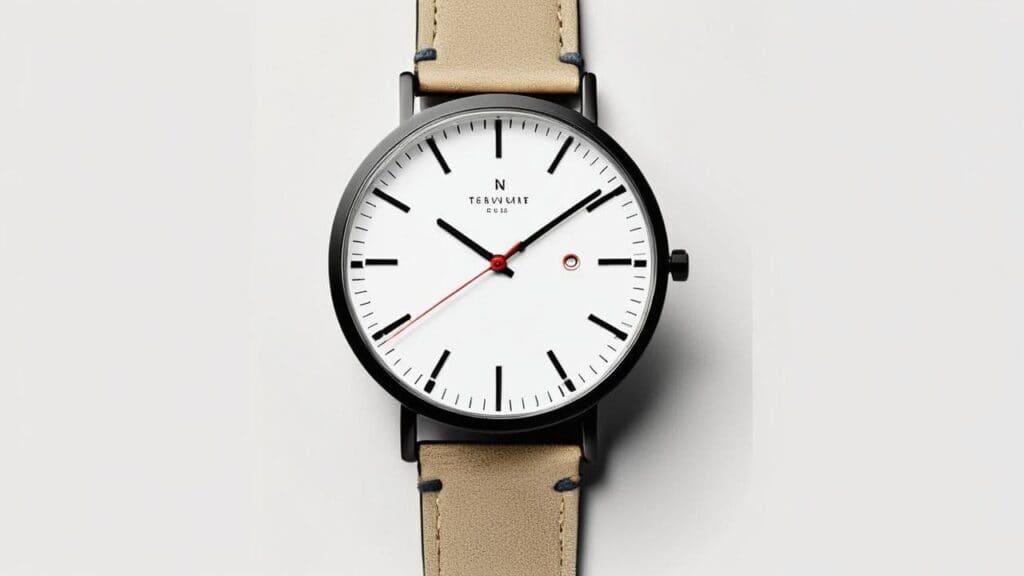
Between professional services, proper daily care significantly extends your watch’s lifespan and maintains its performance. These preventative practices require minimal time investment but yield substantial benefits in preserving your timepiece’s condition. Implementing these habits helps reduce the frequency and extent of professional interventions needed throughout your watch’s life.
- Regular winding routine - For manual watches, wind fully at approximately the same time each day, stopping when you feel resistance. For automatic watches worn infrequently, use a quality watch winder that matches your watch’s winding direction and turns-per-day requirements, or manually wind 20-30 turns before wearing.
- Proper crown operation - Always push the crown back to its normal position after setting or winding. For screw-down crowns, ensure it’s fully secured after each use. Never adjust date complications between 9 PM and 3 AM when the date change mechanism is engaged, as this can damage the gears.
- Appropriate cleaning - Wipe your watch case and bracelet with a soft, slightly damp microfiber cloth weekly to remove body oils, dirt, and salt residue. For water-resistant watches, occasional gentle cleaning with mild soap and soft toothbrush around lugs and bracelet links removes accumulated debris. Always rinse thoroughly and dry completely.
- Magnetic field avoidance - Keep mechanical watches away from speakers, magnetic closures, tablets, and other strong magnetic sources. Modern electronics like smartphones contain magnets that can affect watch accuracy. If you suspect magnetization (indicated by sudden significant timing changes), professional demagnetization is required.
- Impact protection - Remove your watch during activities with high impact risks or strong vibrations. Golf, tennis, and using power tools create shocks that can damage delicate movement components. When removing your watch, place it crystal-up on soft surfaces to protect from scratches.
- Water resistance maintenance - Have water resistance tested annually if you regularly expose your watch to water. Gaskets deteriorate over time even without water exposure. Never operate the crown or pushers underwater unless explicitly rated for such use (like specialized dive watches with screw-down crowns).
- Environmental awareness - Avoid exposing watches to extreme temperatures, direct sunlight for extended periods, or harsh chemicals including perfumes, colognes, and cleaning products. These can degrade gaskets, damage dials, and affect lubricants’ performance. Always remove your watch before entering saunas, hot tubs, or similar environments.
- Proper storage - When not wearing your watch for extended periods, store it in a cool, dry place away from direct sunlight. Consider watch boxes with separate compartments to prevent scratches from contact with other watches or jewelry. For long-term storage of mechanical watches, let the power reserve run down completely to reduce strain on the mainspring.
By incorporating these simple practices into your routine, you create an effective first line of defense against premature wear. Remember that these preventative measures complement rather than replace professional servicing. Even with impeccable daily care, watches still require periodic professional maintenance to address internal lubricant degradation and component wear that occur naturally over time.
Conclusion
Recognizing when your watch requires servicing is an essential skill for any watch owner. By understanding the warning signs—inconsistent timekeeping, reduced power reserve, unusual sounds, moisture infiltration, operation difficulties, and visible damage—you can address issues before they cause extensive damage. Regular maintenance according to manufacturer recommendations prevents costly repairs and preserves both the functionality and value of your timepiece.
The relationship between a watch and its owner often extends beyond mere timekeeping, representing personal milestones, achievements, or family heritage. This emotional connection makes proper care all the more important. By following appropriate service intervals, performing basic assessments, seeking immediate help when needed, budgeting for maintenance costs, selecting qualified watchmakers, and implementing preventative care practices, you ensure your cherished timepiece continues to serve reliably for generations.
Remember that watches are among the few modern possessions designed to last a lifetime—or several—with proper care. The modest investment of time and resources in regular maintenance pays dividends through decades of reliable service from these remarkable mechanical companions that continue to capture our imagination in an increasingly digital world.