Lab-grown diamonds have emerged as a significant alternative in the jewelry market, offering consumers options that align with evolving values around sustainability, ethics, and affordability. As these manufactured gems gain prominence, understanding their benefits and limitations becomes essential for making informed decisions. Whether you’re considering an engagement ring, special gift, or personal purchase, knowing the facts about lab-grown diamonds will help you determine if they’re the right choice for your needs and values.
What Are Lab-Grown Diamonds?
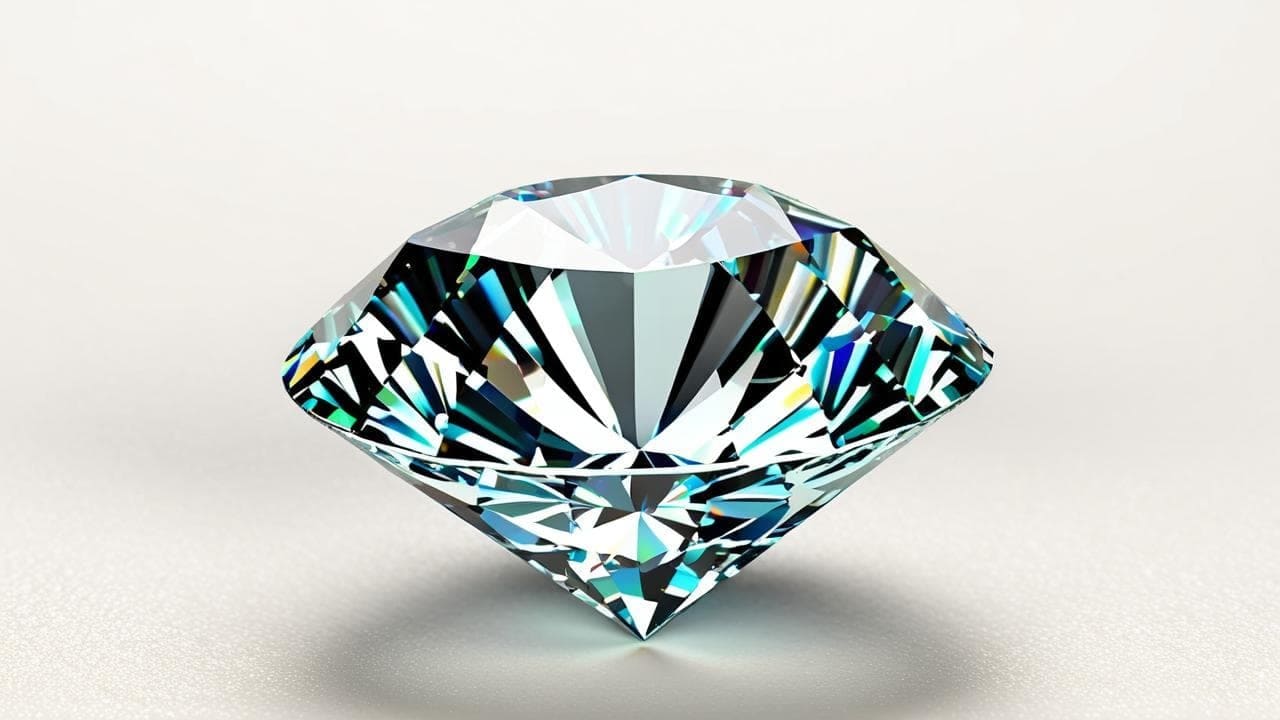
Lab-grown diamonds are genuine diamonds created in controlled laboratory environments rather than formed naturally in the Earth’s crust. They possess identical chemical, physical, and optical properties to mined diamonds, making them indistinguishable to the naked eye and nearly impossible to differentiate even for professionals without specialized equipment. These diamonds result from technological innovation that replicates the natural diamond-forming process but compresses billions of years of geological activity into a matter of weeks.
- Lab-grown diamonds are made of crystallized carbon in a cubic structure, identical to natural diamonds, with the same 10 on the Mohs hardness scale and the same refractive index that gives diamonds their sparkle. The Federal Trade Commission recognizes them as real diamonds, distinguished only by their origin.
- Two main methods produce lab diamonds: High Pressure High Temperature (HPHT), which uses extreme pressure and heat to transform carbon into diamond, mimicking Earth’s natural process; and Chemical Vapor Deposition (CVD), where carbon atoms from gases like methane build up layer by layer on a diamond seed in a vacuum chamber.
- Unlike simulants such as cubic zirconia or moissanite which only look similar to diamonds but have different chemical compositions and properties, lab-grown diamonds ARE diamonds - they can pass all tests that identify diamond material including thermal conductivity, specific gravity, and spectroscopic analysis.
- The growth period typically ranges from several weeks for a one-carat diamond, though larger or higher-quality stones may take longer. This represents an astonishing compression of the natural formation time of billions of years for Earth-mined diamonds.
- Lab-grown diamonds receive certification from the same respected gemological institutions that grade natural diamonds, including the GIA (Gemological Institute of America) and IGI (International Gemological Institute), using identical standards for cut, color, clarity, and carat weight.
Understanding that lab-grown diamonds are chemically, physically, and optically real diamonds helps consumers move beyond misconceptions and make choices based on other factors like price, environmental impact, and personal values rather than concerns about authenticity or quality.
Advantages of Lab-Grown Diamonds
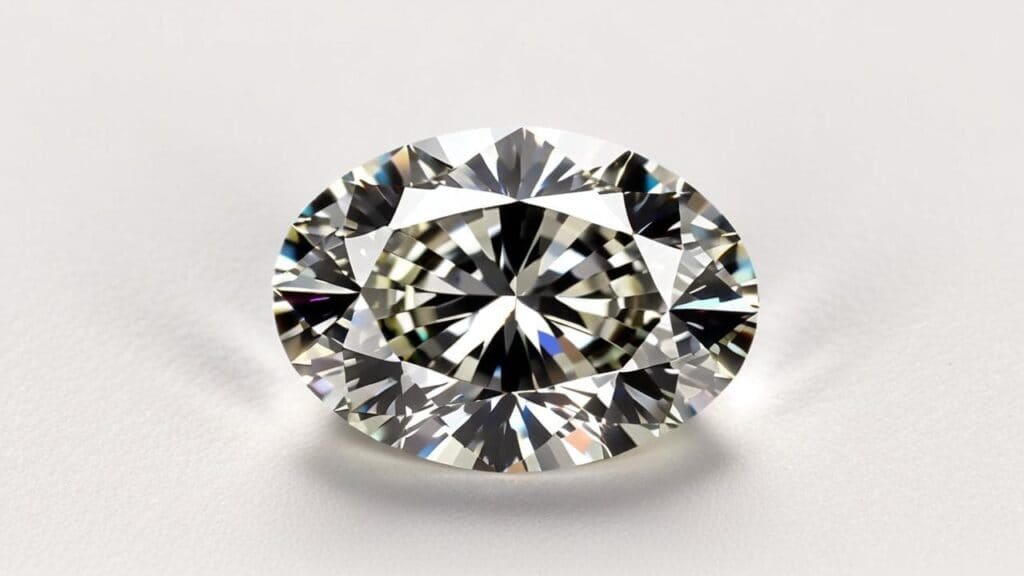
Lab-grown diamonds offer several compelling benefits that have contributed to their growing market share in the jewelry industry. These advantages address many modern consumers’ concerns about traditional diamond mining and provide practical benefits for those seeking quality diamonds at more accessible price points. The combination of financial, ethical, and environmental advantages has positioned lab-grown diamonds as an increasingly mainstream choice.
- Cost savings compared to natural diamonds of equivalent quality and size. Lab-grown diamonds typically cost substantially less than their natural counterparts with the same specifications, allowing consumers to either save money or purchase a larger or higher-quality stone within their budget.
- Substantially reduced environmental footprint, with studies showing significantly lower carbon emissions per carat. Natural diamond mining can require moving substantial amounts of earth for a single one-carat diamond, while lab-grown diamonds eliminate this environmental disruption entirely. They also use less water and energy per carat produced compared to mining operations.
- Complete ethical assurance, as lab-grown diamonds circumvent concerns about conflict diamonds that have historically funded wars, human rights abuses, and child labor in certain mining regions. While the Kimberley Process has improved oversight of natural diamonds, lab-grown diamonds offer certainty of ethical origins with full traceability from creation to market.
- Higher average quality, as controlled laboratory conditions can more consistently produce diamonds with excellent clarity grades compared to natural diamonds, which more frequently contain inclusions and imperfections from their formation process. This allows consumers to often get cleaner-looking diamonds without paying premiums for rare, high-clarity natural stones.
- Accessibility to fancy colored diamonds at a fraction of the cost of natural colored diamonds. Rare colors like blue, pink, and yellow that command enormous premiums in natural diamonds can be created in labs at much more reasonable price points, making these previously exclusive options available to average consumers.
Lab-grown diamonds provide consumers with a modern alternative that addresses many concerns associated with traditional diamond mining while offering tangible benefits in terms of value and quality. For those who prioritize ethical sourcing, environmental impact, or simply want more diamond for their dollar, lab-created diamonds represent a compelling option worth serious consideration.
Disadvantages of Lab-Grown Diamonds
Despite their many advantages, lab-grown diamonds do come with certain drawbacks that consumers should carefully consider before making a purchase. These disadvantages primarily relate to financial value retention, emotional and cultural factors, and market positioning. Understanding these limitations provides a more complete picture for anyone weighing the merits of lab-grown versus natural diamonds.
- Lower resale value compared to natural diamonds. While natural diamonds typically retain a significant portion of their retail price in the resale market (depending on quality and market conditions), lab-grown diamonds currently retain considerably less of their purchase price. This value gap may continue to widen as production technology improves and manufacturing costs decrease.
- Declining market prices as production capacity increases and technology improves. Unlike natural diamonds, which have relatively stable long-term value due to controlled supply and inherent rarity, lab-grown diamond prices have fallen over recent years and may continue to decrease as production becomes more efficient and widespread.
- Absence of the emotional and historical value that comes from a natural diamond’s billion-year formation process deep within the Earth. For many consumers, particularly for significant life events like engagements, the ancient natural origin of mined diamonds carries symbolic and romantic significance that laboratory creation cannot replicate, regardless of identical physical properties.
- Potential perception issues in certain social circles where lab-grown diamonds might be viewed as “less than” natural diamonds, despite their identical properties. Cultural traditions and marketing have established natural diamonds as the standard for significant jewelry, particularly engagement rings, creating potential social pressure against alternatives.
- Uncertainty about future market acceptance and valuation as the industry continues to evolve. The lab-grown diamond sector is still relatively young, and how these stones will be valued and perceived over decades remains unclear, creating potential concerns for those viewing diamond purchases as long-term investments or heirlooms.
- Limited history as heirlooms, as lab-grown diamonds have only been widely available for jewelry for about a decade, compared to the centuries-long tradition of passing down natural diamond jewelry through generations, giving them less established emotional and historical resonance.
When considering lab-grown diamonds, it’s important to weigh these disadvantages against the benefits they offer. For those primarily concerned with a diamond’s physical beauty and immediate value, these drawbacks may be less significant. However, for consumers who view diamond purchases as investments or meaningful heirlooms with lasting value, these limitations deserve careful consideration before making a final decision.
How Lab Diamonds Compare to Natural Diamonds
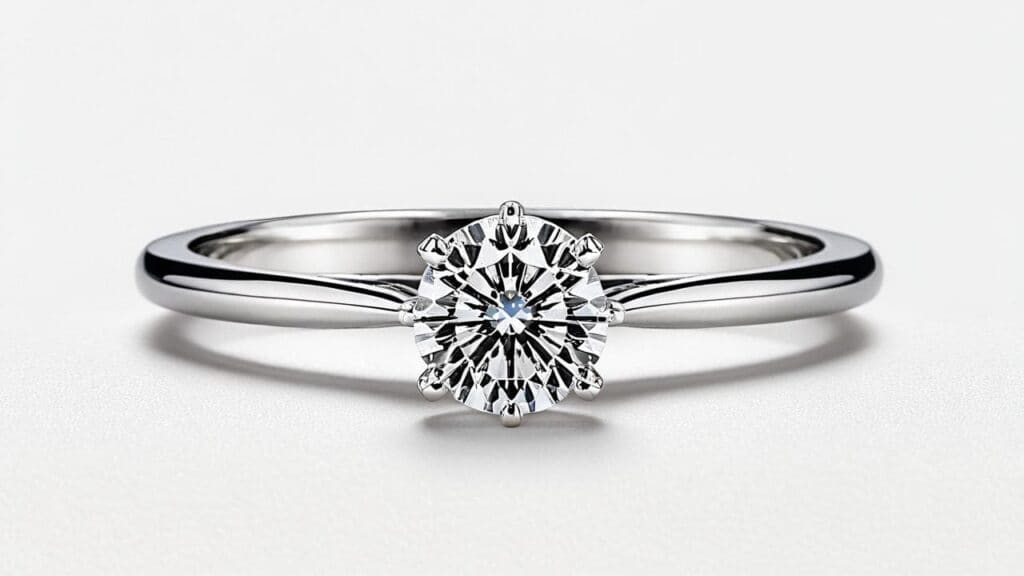
When comparing the quality of lab-grown and natural diamonds, it’s essential to understand that the physical differences between these two types of diamonds are minimal to non-existent. The primary distinctions lie in origin rather than composition or appearance. This section examines how lab-grown diamonds truly compare to natural diamonds in terms of their material properties, visual characteristics, and durability factors.
- Chemical and physical identity: Lab-grown and natural diamonds are both composed of carbon atoms arranged in the same crystalline structure. They share identical chemical composition, refractive index (2.42), dispersion (0.044), specific gravity (3.52), and hardness (10 on the Mohs scale). Even sophisticated laboratory equipment often requires special modifications to reliably distinguish between them.
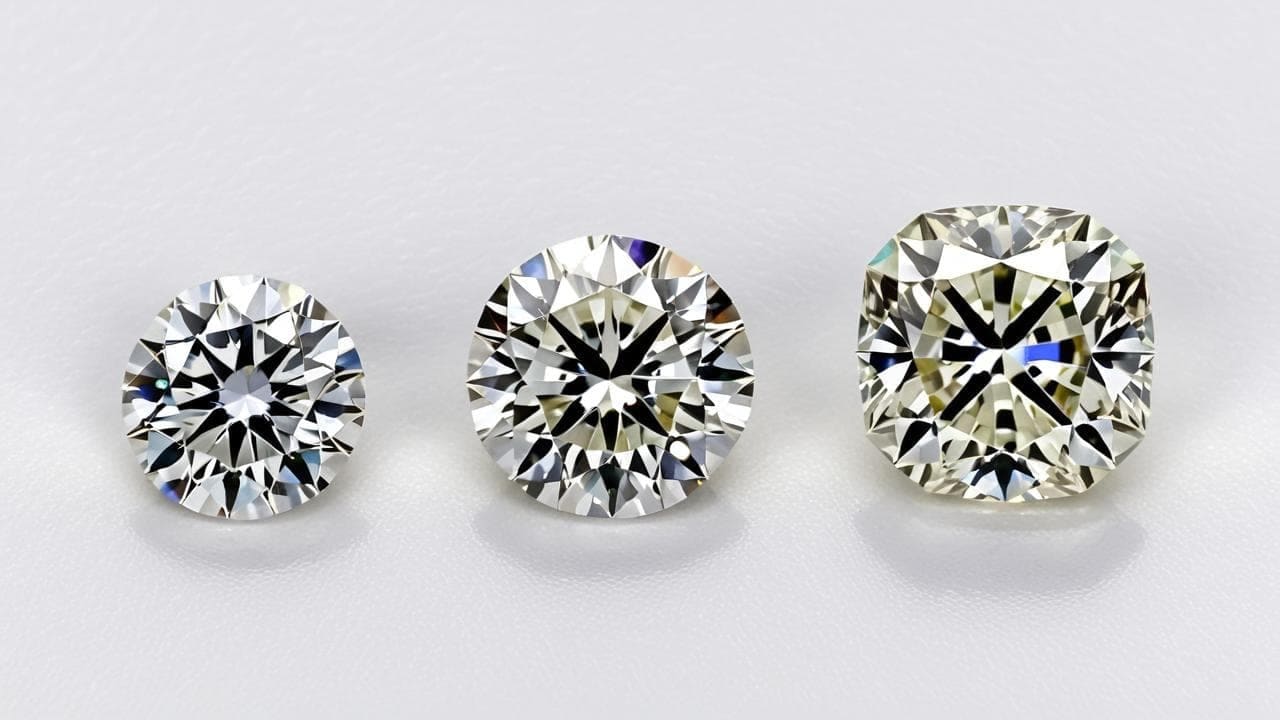
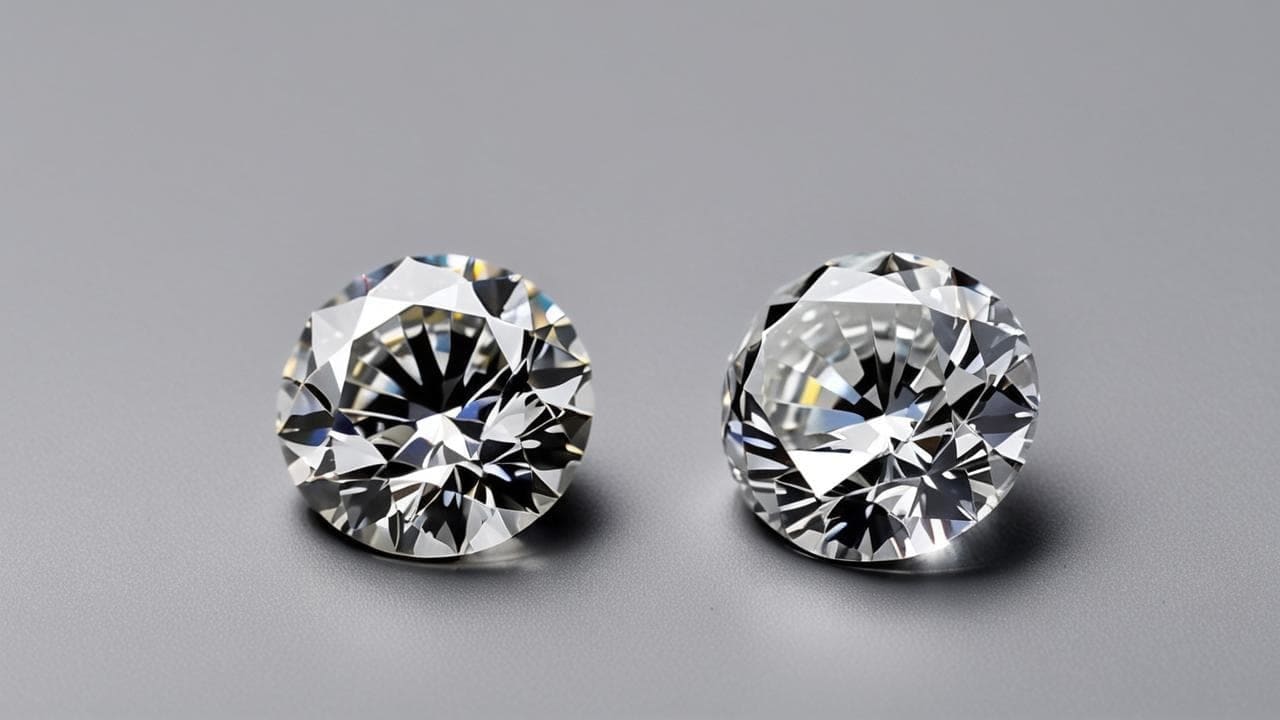
- Visual appearance: To the naked eye and even under 10x magnification (the standard jeweler’s loupe), lab-grown and natural diamonds are indistinguishable. Both exhibit the same fire, brilliance, and scintillation when properly cut. Any visible differences would be due to individual stone characteristics like cut quality, color grade, or clarity features rather than their growth origin.
- Growth pattern differences: While not visible without specialized equipment, lab-grown diamonds sometimes contain growth patterns that differ from natural diamonds. HPHT diamonds may have distinctive metal inclusions from their growth capsules, while CVD diamonds might display specific crystal growth patterns. These can be detected by gemologists with advanced spectroscopic equipment but don’t affect appearance.
- Durability and longevity: Both lab-grown and natural diamonds possess identical wear resistance and durability. Their 10 on the Mohs hardness scale makes both equally resistant to scratching. Both will maintain their appearance indefinitely with proper care, with no difference in how they handle daily wear, cleaning processes, or exposure to chemicals typically encountered in daily life.
- Fluorescence characteristics: Many natural diamonds exhibit fluorescence under UV light (typically blue), while lab-grown diamonds may show different fluorescence patterns depending on their growth method. This distinction doesn’t affect the diamond’s appearance under normal lighting conditions and is primarily used as an identification method by gemologists.
- Certification standards: Reputable gemological laboratories like GIA and IGI apply the same grading standards to lab-grown and natural diamonds for the 4Cs (cut, color, clarity, carat). The only difference appears in how they’re identified on certificates, with clear designation of laboratory origin for lab-grown stones.
From a quality perspective, the choice between lab-grown and natural diamonds ultimately comes down to origin preference rather than any meaningful difference in beauty, durability, or physical properties. Both types of diamonds will perform identically in jewelry and maintain their appearance equally well over time. Consumers can confidently choose either option knowing that the visual experience and material performance will be equivalent, leaving considerations like price, environmental impact, and personal values as the meaningful differentiators.
Conclusion
Lab-grown diamonds represent a fascinating intersection of cutting-edge technology and traditional luxury, offering consumers more choices than ever before in the diamond market. These gems provide the same beauty, durability, and physical properties as natural diamonds while addressing concerns about environmental impact and ethical sourcing at a more accessible price point. However, they currently lack the investment value and historical mystique that natural diamonds have cultivated over centuries.
The decision between lab-grown and natural diamonds ultimately depends on personal priorities. For those who value the symbolism of a naturally formed stone with potentially better value retention, natural diamonds remain appealing. For consumers prioritizing environmental impact, ethical certainty, or maximizing size and quality for their budget, lab-grown diamonds offer compelling advantages. As with many significant purchases, the best choice aligns with individual values, practical considerations, and the specific meaning the purchase holds for the buyer.