When shopping for jewelry, particularly diamonds, you might hear jewelers using terms that sound unfamiliar. One of these terms is “pointers,” which refers to a specific measurement system used in the jewelry industry. Understanding pointers can help you make more informed decisions when purchasing diamond jewelry and ensure you’re getting exactly what you pay for. From basic definitions to practical applications while shopping, learning about pointers provides valuable knowledge for any jewelry consumer seeking clarity in their diamond purchases.
What Is a Pointer in Diamond Measurement?
Pointers in jewelry are units of measurement specifically used for diamonds and gemstones, where one pointer equals exactly 1/100th of a carat (0.01 carat). This specialized measurement system allows jewelers to precisely communicate the weight of smaller diamonds without constantly referring to decimal points. For example, a diamond described as “15 pointers” weighs exactly 0.15 carats.
- Pointers originated from the practical needs of diamond traders who needed a quick way to discuss small diamond weights without repeatedly saying “decimal point” during fast-paced transactions.
- The pointer system is most commonly used for diamonds weighing less than one carat, as small differences in weight can significantly impact value in these size ranges – even a few pointers can change a diamond’s price substantially.
- Historically, this measurement system became standardized alongside the metric carat in 1907 at the Fourth General Conference on Weights and Measures, when one carat was officially defined as 200 milligrams (0.2 grams).
- Jewelers might refer to a diamond as “seven pointers” (0.07ct) or “ninety-two pointers” (0.92ct), with the term being especially useful for small accent diamonds used in pavé or halo settings.
- While consumers typically think in terms of carats, most diamond professionals think and communicate in pointers, particularly when discussing melee diamonds (very small stones) used in intricate jewelry designs.
Understanding pointers gives you insight into professional jewelry terminology and helps bridge the gap between consumer language and industry jargon. When jewelers use this term, they’re simply referring to a precise way of describing diamond weight that’s been part of the trade for generations and provides the accuracy needed when dealing with small, valuable stones.
How to Convert Carats to Pointers
Converting between pointers and carats is a straightforward mathematical process that follows a simple 100:1 ratio. To find the pointer value, multiply the carat weight by 100, and to convert pointers back to carats, divide by 100. This system makes precise communication about diamond weights much more efficient and reduces the chance of misunderstandings about stone sizes.
- To convert carats to pointers: multiply the carat weight by 100. For example, 0.38 carats × 100 = 38 pointers.
- To convert pointers to carats: divide the pointer value by 100. For example, 65 pointers ÷ 100 = 0.65 carats.
- A “quarter-carat” diamond (0.25ct) equals exactly 25 pointers, while a “three-quarter carat” diamond (0.75ct) equals 75 pointers.
- Very small melee diamonds might be referred to as 1-pointer (0.01ct), 2-pointer (0.02ct), or 3-pointer (0.03ct), sizes often used in micropavé settings.
- When adding multiple small diamonds together, jewelers might say something like “we’re using forty points of diamonds total in this ring,” meaning the combined weight of all the small stones equals 0.40 carats.
- For diamonds over one carat, jewelers might use a combination of carats and pointers, such as “one carat and twenty points” for a 1.20-carat diamond.
Understanding this conversion system allows you to better interpret jewelry descriptions and appraisals. It’s especially useful when comparing similar pieces or when discussing custom jewelry designs where precision matters. Knowing exactly what you’re getting in terms of diamond weight ensures transparency in your jewelry purchases.
How Jewelers Use Pointers in Diamond Descriptions
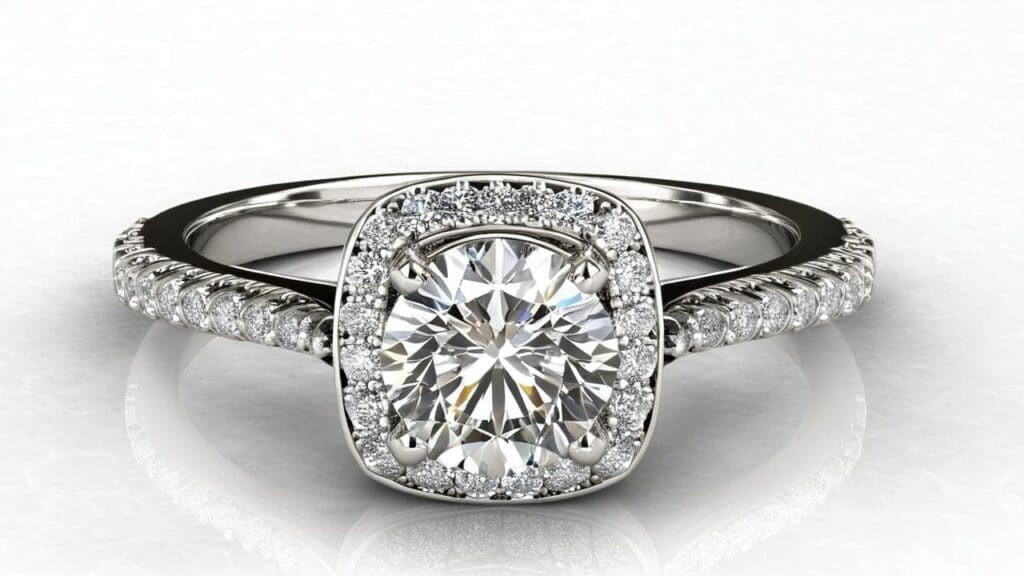
Pointers are primarily used when discussing smaller diamonds and precise weights in the jewelry industry. The terminology is especially prevalent when dealing with accent stones, melee diamonds, and stones under one carat where small weight differences can significantly impact both appearance and value.
- In engagement ring settings, jewelers often describe the total carat weight of accent diamonds in pointers, such as “this halo setting contains 35 points of diamonds” (meaning 0.35 carats total).
- When creating matched pairs of earrings, precision is crucial – jewelers might select two 20-pointer diamonds (0.20ct each) rather than describing them as “approximately one-fifth carat each.”
- For three-stone rings, pointers help specify the exact size relationship between the center and side stones, such as a “fifty-pointer center with twenty-five pointer sides” (0.50ct center with 0.25ct side stones).
- Diamond buyers and sellers use pointers in trading to precisely communicate available inventory – a parcel might be described as “fifty 3-pointer rounds” (fifty diamonds each weighing 0.03 carats).
- In jewelry appraisals and insurance documents, diamond weights are often listed to the pointer, providing exact weight measurements for valuation purposes.
- Custom jewelry designers often specify pointers when ordering specific diamond sizes to ensure the finished piece matches their exact specifications and weight requirements.
Understanding how pointers are used in practical jewelry contexts helps demystify industry terminology. This knowledge empowers consumers when shopping, especially when comparing jewelry pieces or discussing custom designs. Rather than seeing pointers as confusing jargon, recognize them as a precise measurement system that ensures you get exactly what you’re paying for.
Why the Jewelry Industry Uses the Pointer System
Jewelers use the pointer system because it offers precision, efficiency, and clarity when discussing diamond weights. This specialized measurement approach solves several practical problems in the diamond industry and has become standard practice for professionals worldwide who need to communicate exact specifications quickly.
- Pointers eliminate the need to repeatedly say “point” or “decimal” when discussing sub-carat diamonds, making verbal communication faster and clearer in fast-paced jewelry environments.
- The system provides a standardized language that works across international markets, reducing miscommunication between diamond traders speaking different languages but understanding the universal pointer system.
- For pricing purposes, pointers allow for more precise gradations in value, as diamonds are often priced in brackets based on exact weight ranges where even a few pointers can change a stone’s price category.
- When sorting and matching diamonds for jewelry pieces, the pointer system helps jewelers group stones by exact weight rather than approximations, ensuring visual consistency in the finished piece.
- Manufacturing jewelry requires precise specifications – a setting designed for 10-pointer diamonds won’t properly secure 7-pointer or 15-pointer stones, making exact communication crucial.
- The pointer system facilitates inventory management, allowing jewelers to track exact diamond weights in stock rather than using rounded approximations that could lead to discrepancies.
The pointer system represents an elegant solution to the practical challenges of diamond measurement and communication. While it might initially seem like unnecessary jargon to consumers, it’s actually a precision tool that helps ensure quality, consistency, and accuracy in the jewelry you purchase. Understanding why jewelers use this system gives insight into the attention to detail that quality jewelry creation requires.
How Pointers Compare to Other Diamond Measurements
Pointers are just one of several measurement systems used in the diamond industry. Understanding how pointers relate to other measurements like carats, millimeters, and grading reports provides a more complete picture of diamond assessment and helps consumers make better-informed decisions when evaluating jewelry.
- While pointers and carats both measure weight, carats are the primary unit (1 carat = 200mg), and pointers are sub-units (1 pointer = 0.01 carats = 2mg), similar to how dollars and cents relate to each other.
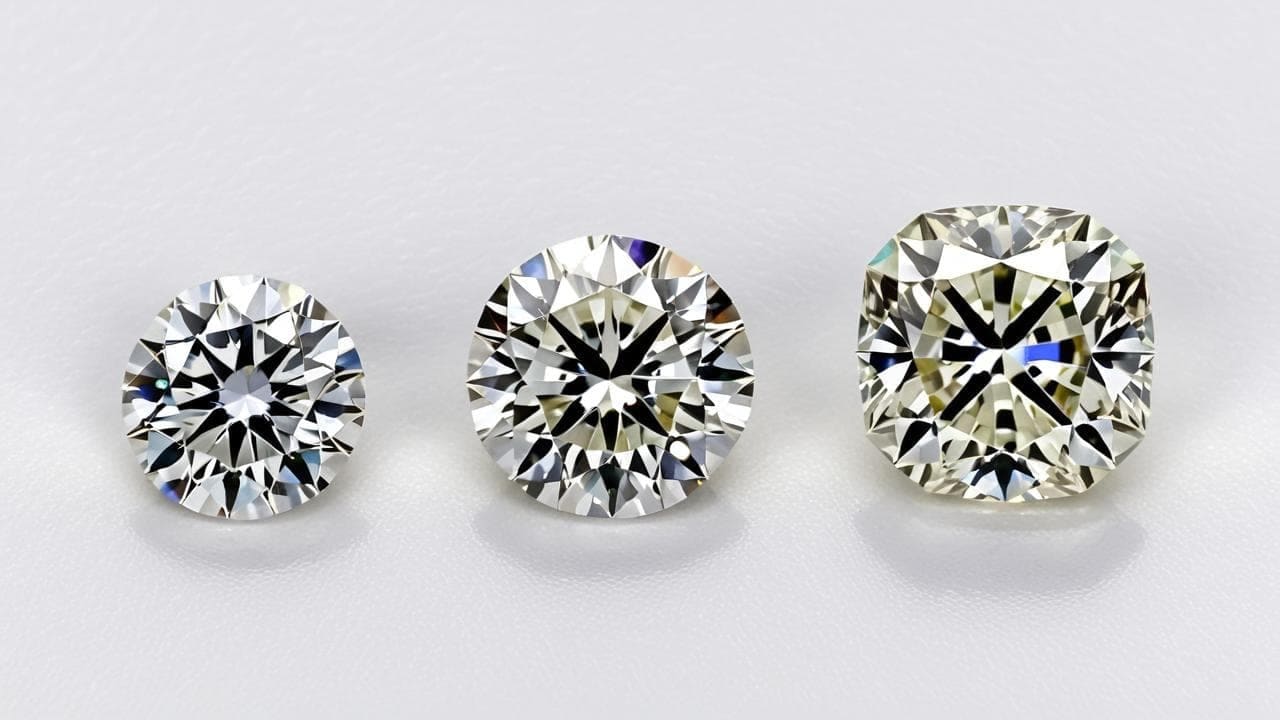
- Millimeters measure a diamond’s physical dimensions (length, width, depth) rather than weight – two diamonds with identical pointer weights might have different millimeter measurements depending on how they’re cut.
- Diamond grading reports often list both the exact carat weight (which can be expressed in pointers) and millimeter dimensions, as both affect a diamond’s appearance and value in different ways.
- Star facets and table percentages describe a diamond’s cut proportions, which exist independently of pointer measurements but affect how a diamond of any weight will perform optically.
- Color and clarity grades (like D-Z for color or IF-I3 for clarity) have no direct relationship to pointers but work alongside weight measurements to determine a diamond’s overall value.
- Diamond pricing is calculated using a complex formula that incorporates pointer weight as a fundamental factor, with price-per-carat typically increasing at specific weight thresholds (like 0.50ct, 0.75ct, and 1.00ct).
Understanding how pointers fit into the broader context of diamond measurement helps you evaluate jewelry with greater confidence. While pointer weight is important, remember that it’s just one aspect of a diamond’s overall quality and appearance. A smaller diamond with excellent cut, color, and clarity can often be more beautiful than a larger stone with inferior characteristics.
How Different Countries Use Diamond Pointers
While the pointer system is recognized internationally, its usage and terminology can vary somewhat across different global diamond markets and jewelry traditions. Understanding these regional differences can be helpful when shopping for jewelry internationally or interpreting descriptions from various sources.
- In North American markets, jewelers commonly use both pointers and fractions interchangeably, such as describing a diamond as either “fifty points” or a “half carat.”
- European jewelers often express small diamond weights directly in points without using the word “pointer,” saying a diamond weighs “25 points” rather than “25 pointers.”
- In Asian diamond markets, particularly Hong Kong and Singapore, ultra-precise measurements might include half-pointers (0.005 carats), reflecting the market’s attention to exact weights.
- Indian diamond traders, who cut and polish the majority of the world’s diamonds, use the pointer system extensively and may group diamonds into very specific pointer ranges for wholesale distribution.
- In Australia and New Zealand, consumer-facing jewelry descriptions tend to use decimal carats (0.25ct) more commonly than pointers, though traders still use pointers in business-to-business transactions.
- International diamond certificates and laboratory reports always list the exact weight in carats to two decimal places (e.g., 0.73ct), which can be directly converted to pointers (73 points).
These regional variations reflect different market traditions rather than actual differences in measurement standards. The underlying metric carat system remains standardized worldwide at 200mg per carat. Being aware of these terminology differences can help you navigate different jewelry markets and understand that a “50-pointer” diamond means the same thing globally, even if described using slightly different terms.
Using Pointer Knowledge to Buy Better Jewelry
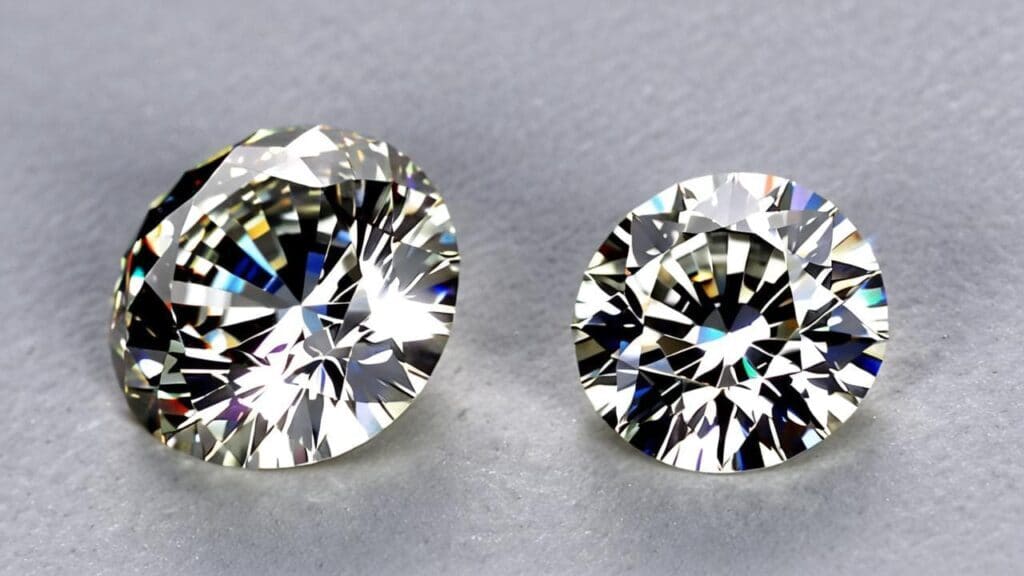
Armed with knowledge about the pointer system, you can shop for diamond jewelry more confidently and communicate more effectively with jewelers. These practical tips will help you apply your understanding of pointers to make better purchasing decisions and ensure you’re getting exactly what you want.
- When comparing similar jewelry pieces, ask for the exact pointer weight of the diamonds rather than relying on rounded descriptions like “about a quarter carat.”
- Be aware that price jumps often occur at specific pointer thresholds – a 98-pointer diamond (0.98ct) might be significantly less expensive than a 100-pointer (1.00ct) while appearing virtually identical.
- Request the total pointer weight of all diamonds in a piece with multiple stones, not just the center stone – a significant portion of a ring’s value may be in its accent diamonds.
- For custom jewelry, specify exact pointer weights when discussing your design to ensure the finished piece matches your expectations and budget.
- When reading appraisals or certificates, note that diamond weights are typically given to the nearest hundredth of a carat (or pointer), such as 0.73ct (73 pointers).
- Remember that pointer weight is just one factor in a diamond’s value – two diamonds of identical pointer weight can have dramatically different prices based on cut, color, and clarity.
- Consider keeping a simple conversion note in your phone (1 pointer = 0.01 carat) when shopping to quickly translate between measurement systems if needed.
Using your knowledge of the pointer system transforms you from an average consumer to an informed shopper who can speak the language of jewelry professionals. This understanding helps prevent misunderstandings, ensures transparency in your purchases, and may even help you find better values by knowing exactly how diamond weights affect pricing throughout the market.
Misunderstandings About Jewelry Pointer Measurements
Several misconceptions about pointers persist among jewelry consumers, leading to confusion and sometimes disappointment when shopping. Clarifying these misunderstandings will help you approach diamond purchases with realistic expectations and a clearer understanding of what you’re buying.
- Pointers do not measure a diamond’s size as visible to the eye – they measure weight only. Two diamonds with identical pointer weights can appear different sizes depending on how they’re cut.
- Contrary to popular belief, pointers are not an outdated system – they remain the standard unit for discussing small diamond weights throughout the modern jewelry industry.
- Many consumers mistakenly think “points” refer to a diamond’s facets or sparkle, when they actually refer exclusively to the stone’s weight measurement.
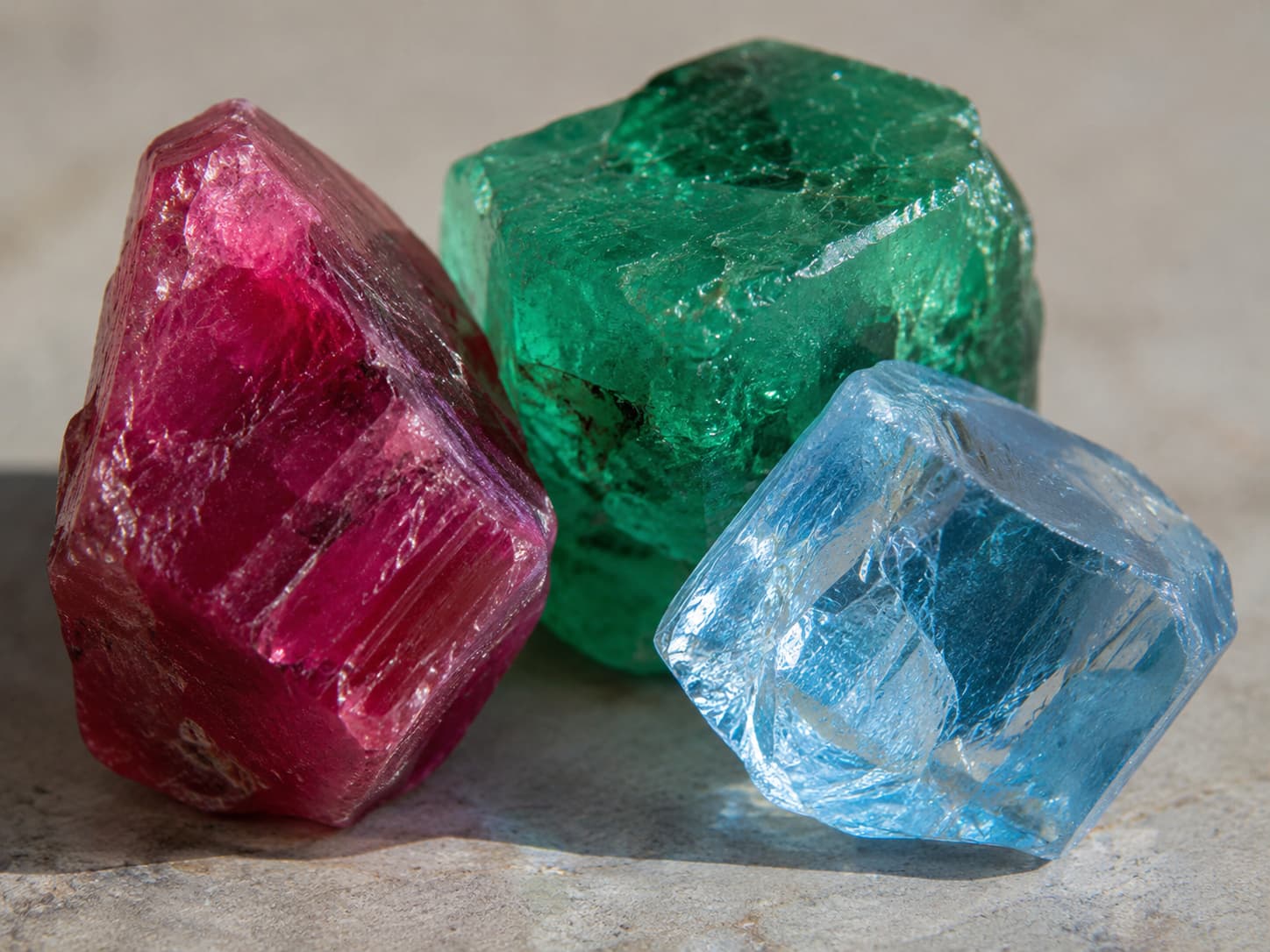
- There’s a misconception that pointers only apply to diamonds, when in fact they can be used for any gemstone weighed in carats, including sapphires, rubies, and emeralds.
- Some buyers believe all jewelers round up when discussing pointers, but reputable jewelers are precise about pointer measurements and don’t inflate numbers.
- A common misunderstanding is that pointer weight directly correlates with quality or beauty, when a well-cut 50-pointer diamond can actually appear more brilliant than a poorly-cut 70-pointer stone.
- Many customers assume larger pointer numbers always mean more valuable diamonds, overlooking how cut, color, and clarity work together with weight to determine a stone’s true value.
Clearing up these misconceptions helps you make more informed decisions when purchasing diamond jewelry. The pointer system isn’t complicated once you understand its purpose – it’s simply a precise way to measure and communicate diamond weight. By focusing on what pointers actually measure (and what they don’t), you can evaluate jewelry with a more educated eye and realistic expectations.
Conclusion
Understanding what pointers mean in jewelry terminology gives you valuable insight into how diamonds and other gemstones are measured, described, and valued in the industry. This knowledge transforms potentially confusing jargon into a useful tool that helps you make more informed purchasing decisions. Pointers – those 1/100th carat units – may seem like a small detail, but in the world of fine jewelry, these small details matter significantly.
Whether you’re shopping for an engagement ring, investing in diamond earrings, or having custom jewelry created, your familiarity with the pointer system puts you on more equal footing with jewelry professionals. You can now understand exactly what’s being described, compare options more effectively, and ensure you’re getting precisely what you pay for. Remember that while pointers are important for measuring diamond weight, they work alongside other factors like cut quality, color, and clarity to determine a stone’s overall beauty and value.