With diamond prices averaging thousands of dollars and simulants becoming increasingly sophisticated, knowing how to authenticate diamonds protects your wallet and investment. Whether buying, inheriting, or verifying existing pieces, these practical testing methods work right from your home. While professional testing remains the gold standard, these accessible techniques offer valuable insights into your stone’s authenticity. From visual inspections to simple household tests, you’ll learn to identify genuine diamonds versus common simulants like cubic zirconia and moissanite that flood today’s market.
Why Diamond Fakes Are So Common Today
The diamond simulant market exists for several practical and economic reasons. Common alternatives like cubic zirconia, moissanite, white sapphire, and glass provide the aesthetic appeal of diamonds at significantly lower costs. Clear diamonds remain the most popular engagement ring style, with 85% of engaged couples choosing them as center stones. This enormous demand creates opportunities for more affordable alternatives that can closely mimic diamond’s appearance.
- Natural diamonds command premium prices due to their rarity and the extensive mining process required to extract them. Cubic zirconia can cost hundreds of times less than a comparable diamond, making diamond-like jewelry accessible to budget-conscious consumers who want the aesthetic without the hefty price tag.
- Some diamond alternatives, particularly moissanite (silicon carbide), were originally developed for industrial applications and electronics manufacturing due to their hardness and thermal properties, contributing to their commercial availability and refinement in jewelry markets.
- The popularity of engagement rings and fine jewelry creates a significant market for alternatives, with some consumers explicitly choosing simulants for ethical reasons (avoiding conflict diamonds) or budgetary constraints while still wanting the traditional look and symbolism of diamond jewelry.
- Unfortunately, some unscrupulous sellers deliberately misrepresent simulants as genuine diamonds, either through direct fraud or by using misleading terminology like “diamond alternative” or “synthetic diamond,” making authentication knowledge essential for consumer protection.
- Modern manufacturing techniques have made it possible to create remarkably convincing diamond simulants that can fool even experienced jewelers without proper testing equipment, increasing the need for consumer education and awareness of testing methods.
The proliferation of high-quality diamond simulants means that visual identification alone often isn’t sufficient. Understanding why these alternatives exist helps explain why learning proper testing techniques is crucial for anyone purchasing or owning diamond jewelry, as the stakes are often too high to rely solely on appearance, especially when dealing with valuable pieces or potential investments.
What Real Diamonds Look Like
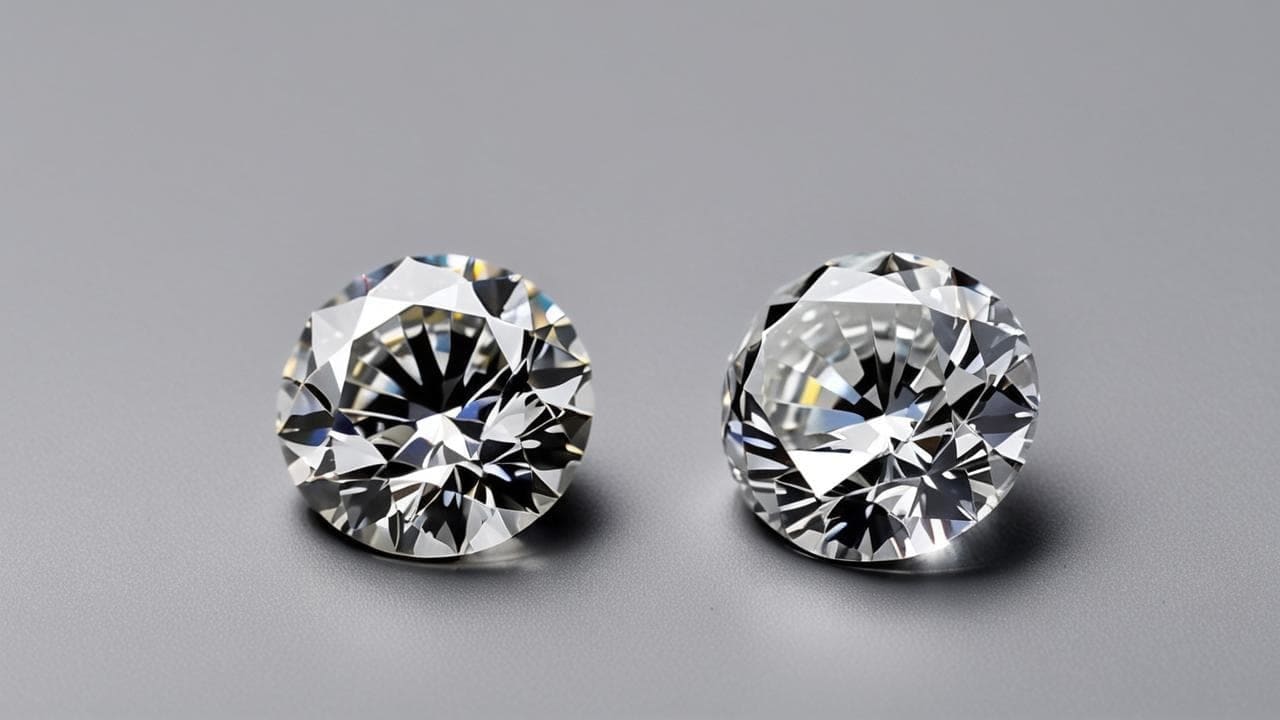
Your first line of defense in authenticating a diamond begins with careful visual examination. Real diamonds possess unique optical properties that create distinctive light behavior patterns, which trained eyes can identify. These characteristics include exceptional brilliance, fire (rainbow light dispersion), and specific reflection patterns that differ from simulants. While visual inspection alone can’t definitively prove authenticity, it can reveal important clues that warrant further testing.
- Real diamonds have exceptional light refraction properties due to their high refractive index of 2.417, which creates brilliant white light flashes (brilliance) and rainbow colors (fire) in specific patterns. Diamonds reflect light more strongly and cleanly than most simulants, producing a distinct “sparkle” that appears crisp and bright rather than glassy or overly rainbow-like. When you move a diamond under light, you should see a mix of white and colored light flashes that appear to come from deep within the stone.
- Most natural diamonds contain internal characteristics called inclusions - if you’re unable to find any, then it is most likely fake — a majority of real diamonds will have flaws, which are referred to as inclusions. Using a 10x magnifying glass or jeweler’s loupe, look for these tiny imperfections throughout the stone. Perfect clarity in a diamond often indicates either a very expensive stone or a fake, as most simulants are manufactured to be flawless, while natural diamonds typically show some form of internal characteristics.
- Real diamonds maintain sharp, crisp edges on their facets due to their exceptional hardness (10 on the Mohs scale). Under magnification, the edges where facets meet should appear razor-sharp and well-defined. Many simulants, particularly glass and some cubic zirconia, develop slightly rounded or worn edges over time, and their facets may not meet as precisely as those on genuine diamonds.
- Examine the setting and mounting of the stone. Real diamonds are typically set in high-quality metals like gold (14k or 18k), platinum, or palladium, and will have proper hallmarks or stamps indicating metal purity. Look for stamps like “14K,” “18K,” “PT,” or “PLAT” on the band. Poor quality settings, plated metals, or absence of proper markings may indicate the stone is likely not a genuine diamond.
While visual inspection provides valuable initial insights, it’s important to remember that skilled manufacturers continue to improve the quality of diamond simulants. Some high-end cubic zirconia and moissanite can be remarkably convincing under casual observation, making additional testing methods necessary for definitive authentication. These visual checks are best used as a first step in a comprehensive approach to diamond verification.
How to Test Diamonds with Your Breath
The fog test is one of the fastest and easiest ways to check diamond authenticity at home. This nifty little trick is all about spotting the difference in thermal conductivity between a true diamond and an impostor. It relies on diamonds’ exceptional ability to disperse heat quickly, a property that distinguishes them from most simulants.
- Just like you’d fog up a mirror, give your diamond a good huff. That simple breath is all you need to kick off your home verification process. Hold the stone close to your mouth and exhale steadily onto its surface.
- Real diamonds are the best thermal conductors on Earth, with thermal conductivity of approximately 2,200 W/(m·K), which is five times more than silver. This means the fog should disappear almost instantly - typically within a second or two. If the stone stays fogged for three seconds or longer, it’s likely a fake.
- If that fog lingers a bit too lovingly on your stone, it’s a sign of lower thermal conductivity, hinting you might have a faker on your hands. Glass, cubic zirconia, and most other simulants retain moisture longer due to their inferior heat dispersal properties.
- Make sure your stone is clean before testing, as oils, fingerprints, or dirt can interfere with the results. Wipe it with a clean, lint-free cloth before beginning.
- While this test works well for many simulants, moissanite can sometimes pass the fog test because it also has relatively high thermal conductivity, though not quite as high as diamond. This makes the fog test a good initial screening but not definitive proof of authenticity.
The fog test is particularly useful when you’re shopping or need a quick assessment, as it requires no special equipment and takes only seconds to perform. However, because it’s not foolproof against all simulants, especially moissanite, it’s best used in combination with other testing methods for more reliable results.
Simple Water Test for Diamond Authenticity
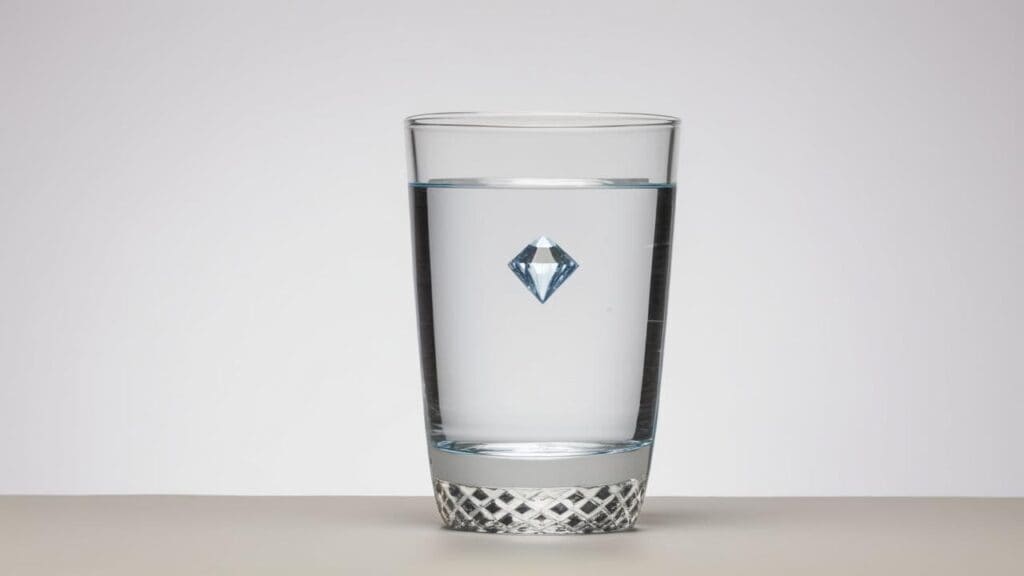
The water test, also known as the density or flotation test, takes advantage of diamonds’ significantly higher density compared to most simulants. Diamonds have a high density of 3.5 g/cm³, which causes them to sink immediately when placed in water. This simple test can help distinguish real diamonds from many common fakes.
- Get a glass full of water and simply drop your diamond into the glass. If the diamond is real, it will drop to the bottom of the glass due to the high density of the stone. The stone should sink straight down without hesitation when released.
- If it’s a fake, it will float on the surface of the water. Many simulants like glass have lower densities and will either float completely or sink very slowly, sometimes becoming suspended between the surface and bottom.
- Unfortunately, not all fake diamonds float in water, so you might want to use another one of the techniques here. Some simulants, particularly cubic zirconia, have densities close enough to diamond that they may sink, though often more slowly than a genuine diamond.
- This test works best with loose stones rather than mounted jewelry. If testing a ring or other setting, be aware that the metal can affect the buoyancy and may cause even real diamonds to float initially.
- Observe carefully - real diamonds will sink immediately and reach the bottom quickly. Simulants may sink in a zigzag pattern, slowly, or pause partway down, indicating lower density.
While the water test can be helpful, it’s not completely reliable as a standalone method. Some advanced simulants are manufactured with densities similar to diamonds, and mounted stones can produce misleading results. Use this test as part of a comprehensive approach rather than relying on it exclusively.
Paper Reading Test for Diamond Authentication
The newspaper test measures the refractivity of your gemstone and is best done with an unmounted diamond. This test exploits diamonds’ exceptional light refraction properties to distinguish them from simulants that handle light differently.
- For this test, draw a small dot on a piece of paper and place your diamond over the dot you’ve drawn. A real diamond will typically have high refraction that makes it difficult to see the dot through the stone. You can also use printed text from a newspaper or magazine for this test.
- Place the diamond flat-side down and if you can see the black type through the stone then it’s probably fake. On the other hand, a real diamond will refract the image and so you will not see anything through the stone if it’s the real thing. The high refractive index bends light so dramatically that you cannot read through a real diamond.
- It is important to note that diamond cut plays a role in this test, and some diamonds with less-ideal cuts may be less refractive. Well-cut diamonds with proper proportions will show stronger refraction effects than poorly cut stones.
- Make sure the stone is clean and place it directly on the printed material with the table (top flat surface) down. Look straight down through the crown (top) of the diamond rather than at an angle.
- Some advanced simulants, particularly moissanite, may also show strong refraction that makes this test less reliable. However, the effect is typically more pronounced and consistent in genuine diamonds.
The newspaper test works best as an initial screening tool, especially for loose stones. While it can effectively identify many glass and low-quality simulants, it should be combined with other methods for more conclusive results, particularly when dealing with higher-quality alternatives like moissanite or cubic zirconia.
Diamond Scratch Test
The scratch test relies on diamonds being the hardest natural material at 10 on the Mohs scale. While this can indicate authenticity, extreme caution is necessary as improper testing can damage both the stone and surrounding materials.
- Rough materials such as sandpaper scratch diamond lookalikes but not real diamonds. We do not advise carrying out this test on any item unless there is no fear of damage. Only consider this test if the stone’s value is low enough that potential damage is acceptable.
- Most precious metals scratch easily, so be careful when considering this test. Never perform this test on mounted jewelry, as you risk damaging the setting, especially gold and silver which are much softer than diamonds.
- If you must perform this test, use materials like corundum (sapphire/ruby at 9 on Mohs scale) or tungsten carbide rather than rough abrasives. A real diamond should scratch these materials while remaining undamaged.
- While diamonds were mainly formed by a natural process millions of years ago, there are several proven methods and tools used to determine if a diamond is genuine besides the scratch test, including thermal and electrical conductivity testing.
- Some modern simulants like moissanite (9.25 on Mohs scale) are extremely hard and may resist scratching, making this test potentially misleading. The risk-to-benefit ratio often makes other non-destructive tests preferable.
Professional jewelers typically avoid scratch tests due to liability concerns and the availability of non-destructive alternatives. Unless you’re dealing with a stone of minimal value and are certain you’re willing to risk damage, consider using the other tests described in this guide instead.
Using UV Light to Test Diamond Authenticity
Diamonds are made of carbon, and when UV light hits them, they may fluoresce. If you shine a black light on your diamond, and it glows, it is likely a real diamond. This test utilizes fluorescence properties to help identify genuine diamonds, though it’s not conclusive alone.
- Use a black light (UV lamp) in a dark room and shine it directly on your diamond. If it glows blue, it’s likely real. Approximately 25-35% of natural diamonds exhibit some level of fluorescence under UV light, typically appearing as blue, though other colors are possible.
- If it doesn’t glow, it may still be real, but you should look into further testing. Not all genuine diamonds fluoresce, so the absence of fluorescence doesn’t indicate a fake. Some diamonds show no reaction whatsoever to UV light.
- If instead, you see a slight green, gray or yellow fluorescence, then this usually means that the gem is not a diamond. These unusual fluorescence colors are rare in diamonds and more commonly associated with other minerals.
- This method isn’t foolproof—some fakes can be made to fluoresce, but most won’t. Modern manufacturing techniques allow some simulants to be treated with fluorescent materials, though this is uncommon.
- Moissanite typically shows little to no fluorescence under UV light, which can help distinguish it from diamonds. However, cubic zirconia and some treated stones may exhibit artificial fluorescence.
The UV test serves as a useful supplementary method rather than a definitive test. It’s particularly helpful when combined with other techniques, as fluorescence patterns can provide additional evidence about a stone’s authenticity. Remember that fluorescence doesn’t indicate quality - many high-grade diamonds fluoresce, and many don’t.
Expert Diamond Authentication Services
Professional gemological testing provides the most reliable and definitive authentication for diamonds. The best way to spot a fake diamond is to take it to a jeweler for thermal and electrical conductivity tests. This requires an expensive machine, but it can tell the difference between diamond and moissanite. Understanding professional methods helps you know when home tests aren’t sufficient.
- Jewelers and gemologists have access to a microscope, or what they call a loupe. It’s used to look for inclusions and imperfections in the stone. Most fake diamonds will appear to be perfect when looking under a microscope. Professional-grade magnification typically ranges from 10x to 40x, allowing detailed examination of internal characteristics.
- Diamond testers are electronic devices that measure thermal conductivity in gemstones. These handheld meters quickly identify real diamonds by detecting their exceptional ability to conduct heat. A basic diamond tester costs about $15 online and provides results in approximately 30 seconds. The test works by placing the device’s tip against the stone, where it measures how quickly heat transfers, instantly distinguishing genuine diamonds from most simulants.
- Diamond testers will only test positive for diamond and moissanite. This limitation requires additional electrical conductivity testing to distinguish between real diamonds and moissanite. Professional jewelers use combined thermal/electrical testers for comprehensive results.
- Certification from reputable laboratories like GIA (Gemological Institute of America), AGS (American Gem Society), or IGI (International Gemological Institute) provides the highest level of authentication. It is important to note that the GIA does not sell gemstones or jewelry, allowing the institute to offer completely unbiased and dependable diamond certifications.
- Professional testing costs vary but typically range from $50-200 for certification, depending on the stone’s size and the laboratory chosen. This investment protects against purchasing expensive fakes and establishes documented proof of authenticity for insurance and resale purposes.
- Advanced equipment like spectroscopy and photoluminescence testing can identify synthetic diamonds and advanced treatments, information that home tests cannot provide. These methods are essential for high-value stones or when complete authentication is required.
While home tests provide useful preliminary screening, professional authentication remains the only way to definitively verify diamond authenticity, especially for valuable stones or when documentation is needed. The cost of professional testing is minimal compared to the risk of unknowingly purchasing a fake diamond.
Popular Diamond Alternatives and How to Spot Them
Understanding the characteristics of common diamond simulants helps you identify specific tell-tale signs during examination. Common diamond simulants include cubic zirconia, white zircon, white topaz, white sapphire, moissanite, white spinel, quartz (rock crystal), and glass. Each has unique properties that can be detected through careful observation and testing.
- Cubic zirconia (CZ) is the most common diamond substitute, with significantly lower hardness (8-8.5 on Mohs scale) and density (5.6-6.0 g/cm³). CZs often appear almost purple-white compared to diamonds, and under magnification, they show more rounded facet edges due to softer material wearing down over time.
- Moissanite, a crystalline form of silicon carbide that resembles diamond, has a comparable thermal conductivity to diamonds, making thermal tests unreliable. However, moissanite displays stronger “fire” (rainbow flashes) than diamonds and can show a doubling effect when viewed through a loupe due to its birefringence.
- White sapphire (colorless corundum) has excellent hardness (9 on Mohs scale) but significantly different optical properties. It produces less brilliance and fire than diamonds and appears somewhat “flat” or glassy under inspection.
- Glass and crystal imitations are the easiest to identify, with much lower hardness (5-6 on Mohs scale) and often visible manufacturing marks like bubbles or swirl patterns. They feel warmer to the touch and may show scratches or wear along facet edges.
- White topaz and white zircon have moderate hardness but different refractive properties. White zircon shows strong birefringence (doubling effect), while white topaz appears somewhat oily or greasy under magnification.
- Synthetic (lab-created) diamonds have identical chemical and physical properties to natural diamonds but may be identified by specific growth patterns visible under magnification or by specialized equipment. They’re genuine diamonds but created in laboratories rather than mined.
Knowledge of these distinctive characteristics allows you to perform more targeted testing. While some simulants may fool one test, very few can convincingly pass multiple authentication methods. Understanding these differences helps you choose the most appropriate tests for your specific situation.
Warning Signs When Buying Diamonds
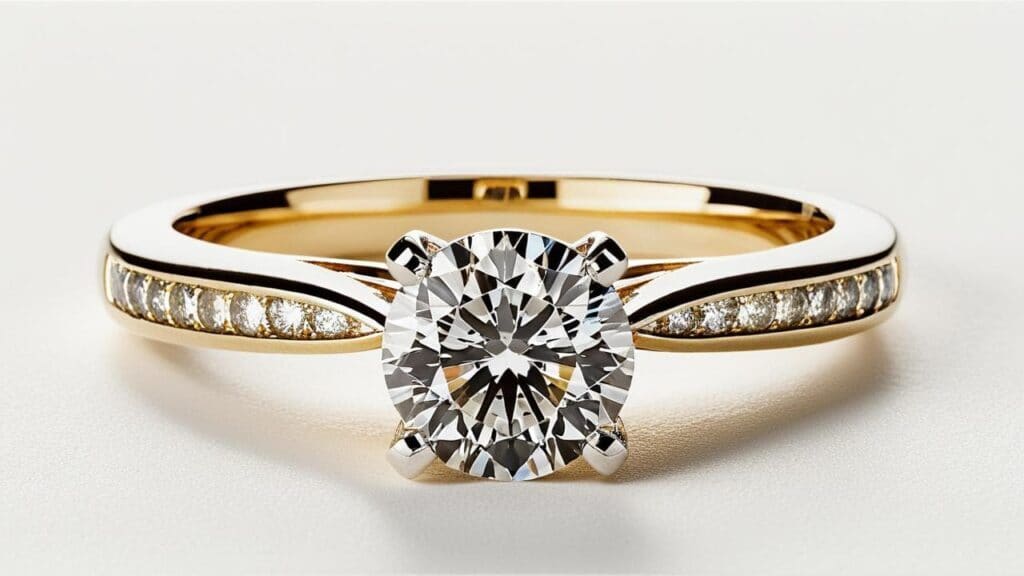
Recognizing warning signs during purchase or evaluation can save you from costly mistakes. Certain behaviors, claims, or circumstances should raise immediate concerns about a stone’s authenticity or the seller’s credibility.
- Deals that seem too good to be true often are. If a diamond’s price is significantly below market value for its stated specifications, exercise extreme caution. Legitimate sellers cannot sell genuine diamonds substantially below wholesale prices and remain profitable.
- Missing or inadequate documentation should raise suspicions. Reputable dealers provide detailed certificates from recognized laboratories. The most reliable diamond certificates come from the Gemological Institute of America (GIA) and the American Gem Society (AGS). These are the most respected labs, known for their accuracy and professionalism.
- Pressure tactics or reluctance to allow independent verification indicates potential fraud. Legitimate sellers welcome professional appraisals and provide necessary documentation without hesitation.
- Vague or misleading terminology like “diamond-like,” “synthetic diamond” (when selling natural), or “guaranteed authentic” without proper certification credentials should trigger skepticism. Professional sellers use specific, accurate terminology.
- Sales contexts outside traditional retail environments, such as hotel rooms, parking lots, or unsolicited door-to-door offers, carry higher fraud risk. Legitimate high-value diamond sales occur in established businesses with proper credentials.
- Absence of proper return policies or guarantees suggests the seller lacks confidence in their product’s authenticity. Reputable dealers offer return periods and stand behind their merchandise.
- Stones that fail multiple home tests or show inconsistent characteristics during examination warrant professional evaluation before purchase. Trust your instincts when something seems off.
Being aware of these red flags helps you avoid fraudulent sellers and questionable stones. When in doubt, always seek independent professional verification before making significant purchases, especially for engagement rings or investment pieces where the financial and emotional stakes are high.
Common Questions About Testing Diamonds
When determining diamond authenticity, many questions arise beyond the basic testing methods. These frequently asked questions address common concerns, clarify misconceptions, and provide practical guidance for specific situations you might encounter. Understanding these key points helps you make informed decisions about testing, purchasing, and maintaining diamond jewelry while avoiding costly mistakes.
- Can these tests damage my diamond? Most tests described here are non-destructive when performed correctly. The scratch test carries the highest risk and should be avoided unless you’re certain about potential damage. Professional tests are always safer for valuable stones.
- What’s the most reliable home test? No single home test is completely reliable. The fog test and visual inspection combined provide the best initial screening. For definitive results, professional testing is always recommended.
- Should I trust online diamond certificates? Certificates from reputable laboratories like GIA, AGS, and IGI are trustworthy when verified directly through the issuing laboratory’s website. Always verify certificate numbers and details independently.
- How much should I expect to pay for authentication? Professional diamond authentication typically costs $50-200, depending on the stone’s size and the laboratory chosen. This investment is minimal compared to the value of most diamonds.
- What’s the difference between lab and natural diamonds? Lab-created diamonds have identical chemical, physical, and optical properties to natural diamonds. They can only be distinguished through specialized equipment that detects specific growth patterns. Both are genuine diamonds - the difference lies in their origin.
These common questions represent just a fraction of the complexities involved in diamond authentication. While these answers provide general guidance, specific situations may require professional consultation. Remember that when dealing with valuable jewelry, it’s always better to invest in proper verification than risk purchasing a costly fake.
Conclusion
Authenticating diamonds requires a combination of knowledge, careful observation, and appropriate testing methods. While home tests like the fog test, water test, and visual inspection provide valuable preliminary information, they should be viewed as screening tools rather than definitive authentication methods. Each test has limitations, and sophisticated simulants can sometimes fool individual tests, making multiple verification methods essential for reliable results.
Professional testing remains the gold standard for diamond authentication, particularly for valuable pieces or when documentation is required. The investment in professional certification protects against costly mistakes and provides peace of mind. Remember that diamonds represent significant financial investments and often carry deep emotional value. Taking the time to properly verify authenticity through multiple methods, including professional testing when appropriate, ensures you’re getting what you pay for while safeguarding your investment for years to come.