Aluminum is one of the most common metals on Earth, and it has quietly become a favorite among jewelry designers who want big, bold pieces that don’t weigh down an earlobe or a wrist. Because it’s so light, aluminum allows makers to build large statement earrings, chunky cuffs, and colorful pendants that would feel heavy and awkward in gold, silver, or steel. It’s also friendly to sensitive skin and takes color better than almost any other metal used in jewelry, which is why it shows up in everything from art gallery pieces to everyday accessories. Knowing what this metal can and can’t do makes it easier to judge a piece before buying, wearing, or working with it.
Aluminum Jewelry: Material and Anodizing Explained
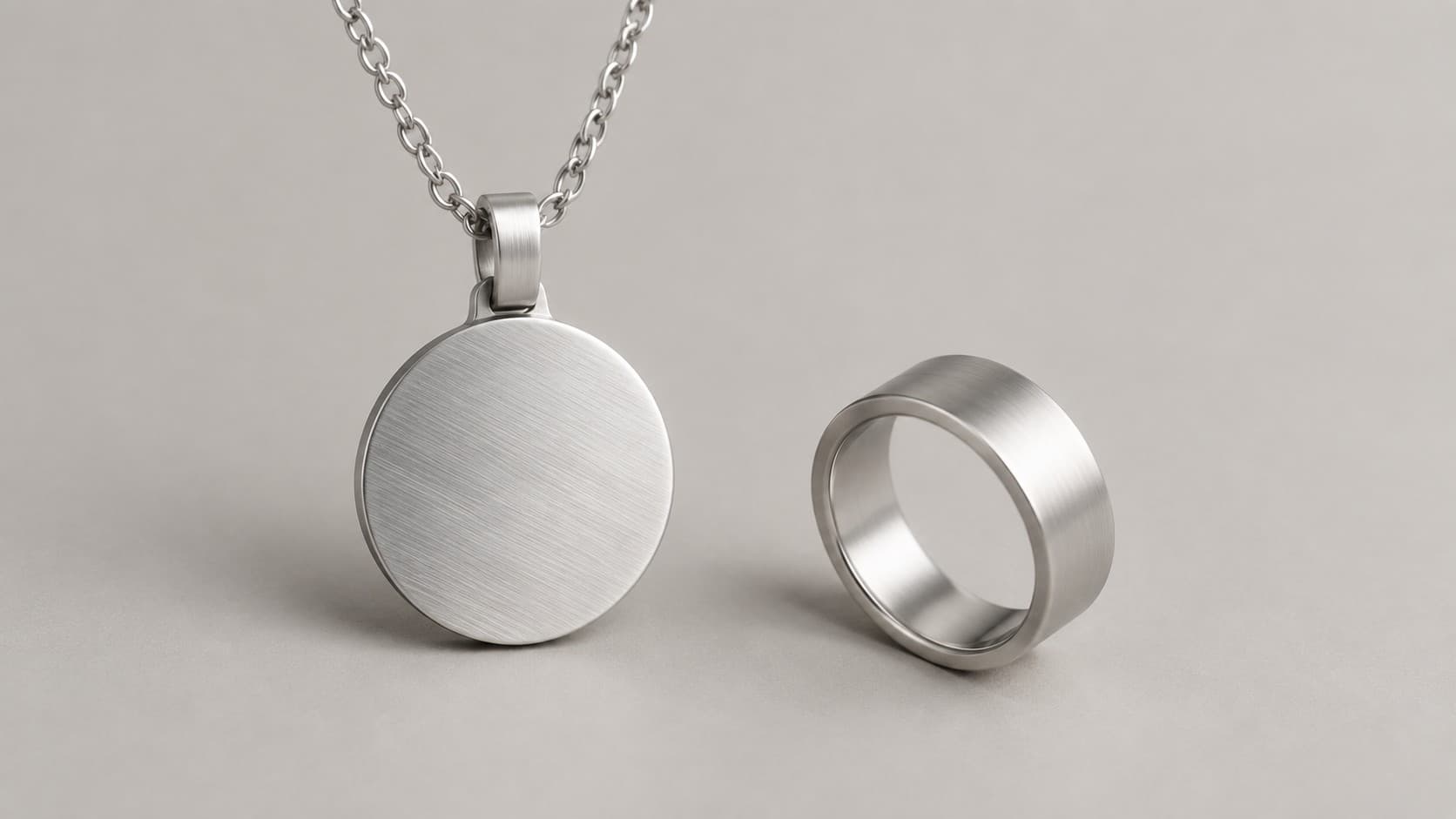
Aluminum jewelry is made from pure aluminum or aluminum alloy, a lightweight silvery-white metal that is often colored through a process called anodizing. On its own, raw aluminum has a soft, brushed-silver look similar to white gold or rhodium, but most aluminum jewelry sold today has been treated to add color, strength, or shine.
Not all aluminum used in jewelry is the same grade. Jewelers often reach for 1100-series aluminum, which is about 99% pure, soft, and known for anodizing very cleanly and evenly. When a piece needs a bit more strength or spring, such as a cuff bracelet or an ear wire, makers sometimes switch to a 5000-series or 6000-series alloy, which blends in small amounts of magnesium or silicon to make the metal firmer while still anodizing well. The choice of alloy is one reason two aluminum pieces can feel noticeably different despite both being labeled “aluminum.”
Anodizing itself is an electrochemical process in which the aluminum is placed in an acid bath and given an electric charge. This causes the surface of the metal to grow a thin layer of aluminum oxide covered in microscopic pores. Once oxygen is released, the pores accept dye, and after the color sets, the piece is sealed so the color becomes locked into the surface rather than sitting on top of it like paint. The process was first developed in the 1920s for industrial use, but it only caught on in jewelry making within the past few decades, growing out of the studio metalsmithing movement of the 1970s and 1980s, when artists began experimenting with aluminum, titanium, and niobium as alternatives to precious metals.
Because the color becomes part of the oxide layer itself, anodized aluminum jewelry can display a huge range of hues, from soft pastels to deep jewel tones, all from a single starting metal.
What Are the Benefits of Aluminum Jewelry?
The biggest benefit of aluminum jewelry is that it’s extremely lightweight, allowing large earrings and bold designs to be worn comfortably for hours. Aluminum has a density of about 2.7 grams per cubic centimeter, compared to roughly 8.9 for copper and 19.3 for gold, so a piece that looks substantial to the eye can weigh only a fraction of what the same design would weigh in a precious metal. This is a physical difference rather than a marketing point — it’s the reason oversized aluminum earrings don’t drag on the ear the way similarly sized gold or brass earrings often do.
Beyond weight, aluminum is skin-friendly, since pure aluminum contains no nickel, the metal most commonly responsible for jewelry allergies, making it a solid option for wearers who react to cheaper costume jewelry. It’s also highly customizable: the anodizing process produces colors that stay vivid for years without chipping or peeling, since the dye is absorbed into the metal rather than coated over it, and designers can engrave, stamp, or texture aluminum before anodizing for further variety. The metal is naturally corrosion-resistant as well, forming a thin oxide layer on its own when exposed to air that protects it from rust and everyday wear without extra plating.
Cost and sustainability round out the picture. Aluminum is abundant and cheaper to process than precious metals, so jewelry made from it typically costs far less than comparable gold or silver pieces, and it’s one of the most recyclable metals in existence — recycling it uses a small fraction of the energy needed to produce new aluminum from raw ore.
Anodized aluminum’s oxide coating is significantly harder than the raw metal underneath it — typically rated around 200 to 400 on the Vickers hardness scale versus 60 to 100 for untreated aluminum — which explains why colored aluminum jewelry resists everyday scratches better than plain, unfinished aluminum pieces.
What Are the Limitations of Aluminum Jewelry?
The main downside of aluminum jewelry is that it’s a soft metal, making it more prone to dents, bends, and scratches than gold, platinum, or stainless steel. A dropped aluminum ring or bracelet can pick up a visible ding in a way that a sturdier metal would shrug off, and thin aluminum earring wires can bend out of shape under rough handling.
Aluminum also can’t be soldered the traditional way. It has a low melting point of about 660°C (1,220°F) and conducts heat so efficiently that standard jewelry soldering torches simply don’t work on it — the heat spreads too fast, and the whole piece can warp or melt before a joint ever forms. Jewelers instead rely on cold connections such as rivets, screws, tabs, and wire wrapping to join pieces together, a method that has become a signature look of aluminum and other “reactive metal” jewelry. This same surface sensitivity applies to color: because the anodized layer is thin, a deep scratch can expose the plain silver aluminum underneath, leaving a mark that can’t be buffed out the way a scuff on solid gold sometimes can.
Aluminum isn’t considered a “fine jewelry” metal, either. It doesn’t carry the prestige, resale value, or heirloom status of gold, platinum, or silver, so it’s generally treated as a fashion or design metal rather than an investment piece, and it typically isn’t hallmarked or stamped with a purity mark the way precious metals are. One more technical limitation worth noting: when aluminum touches other metals such as steel or copper in the presence of moisture, it can trigger a mild reaction called galvanic corrosion, causing the aluminum to break down faster than it normally would. Mixed-metal aluminum pieces are usually built with plastic or rubber barriers between the different metals to prevent this, and aluminum findings pair best with other aluminum components when possible.
How to Tell If Jewelry Is Aluminum
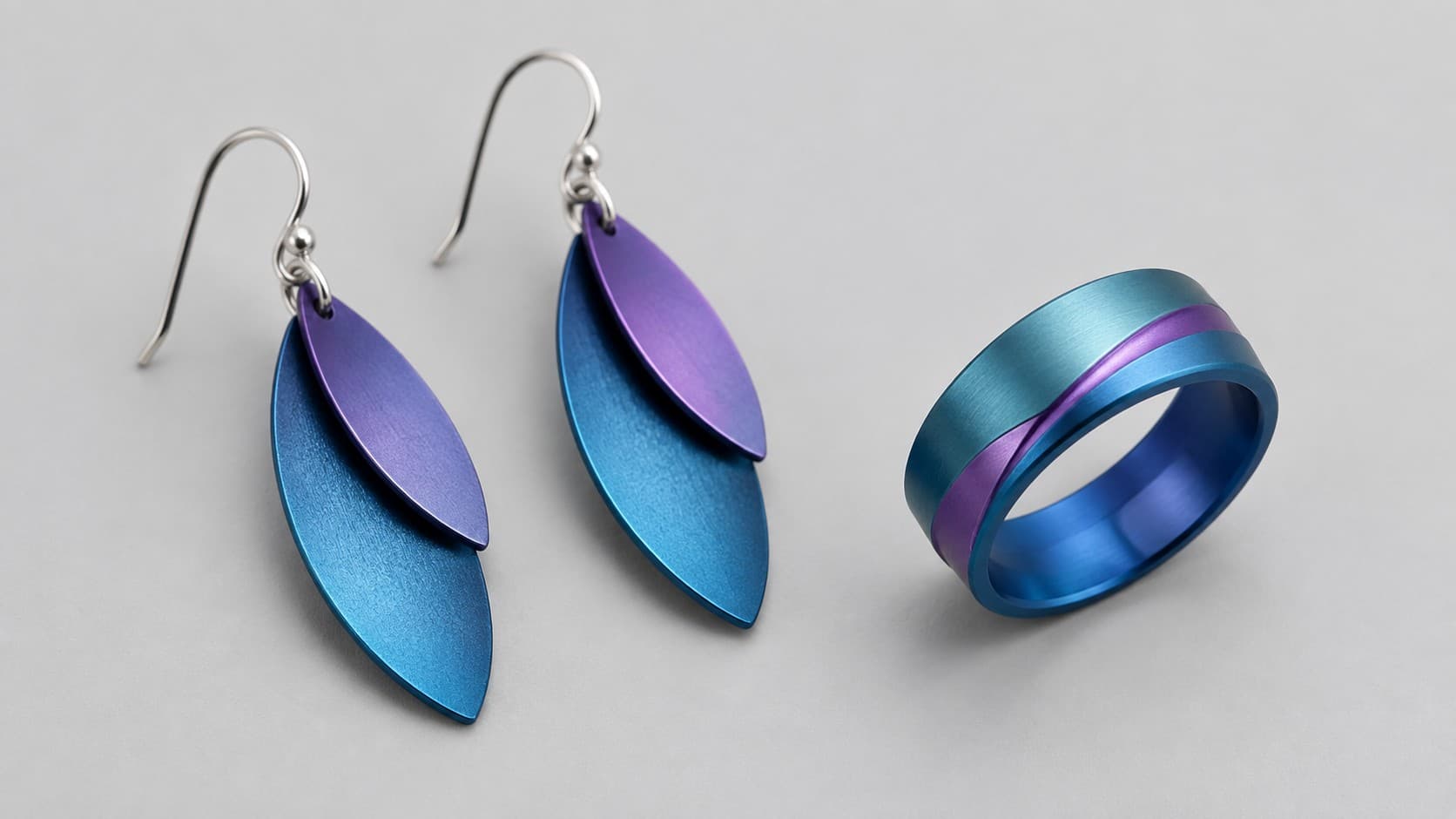
The quickest way to identify aluminum is by weight, since it feels noticeably lighter than a similarly sized piece made of steel, silver, or white gold. Because aluminum is often mistaken for these other silvery metals at a glance, several simple checks can confirm the material.
A weight check is the most reliable first sign: a large ring or cuff that feels almost weightless is likely aluminum rather than steel or silver. A magnet check helps rule out steel, since aluminum is not magnetic and a magnet won’t stick to it. Color is another clue — a vivid, saturated hue that looks almost dyed rather than plated often points to anodized aluminum, since few other metals hold color in this way. Skin reaction offers a final indicator: a piece that causes no irritation but also carries no sterling silver or gold marking is a reasonable candidate for aluminum, particularly in costume or fashion jewelry.
None of these checks are as definitive as a professional metal test, but together they’re usually enough to confirm what a piece is made of.
How to Clean and Care for Aluminum Jewelry
Aluminum jewelry should be cleaned with a soft, dry or slightly damp cloth, since harsh chemicals and abrasive cleaners can wear away the anodized color layer. A wipe after each wear removes oils, sweat, and dust before they build up and dull the finish. A deeper clean can be done with lukewarm water and a drop of mild, unscented soap, followed by immediate drying with a soft cloth. Ultrasonic cleaners, steam cleaners, and jewelry dips should be avoided, since the vibration and chemicals involved can strip anodized color or loosen cold-set connections.
Storage matters just as much as cleaning. Pieces are best kept separately in a soft pouch or lined jewelry box so they don’t scratch against harder metals or gemstones, and it’s wise to remove aluminum jewelry before swimming in chlorinated or salt water, or before applying lotion, perfume, or hairspray, since repeated chemical exposure can dull the anodized finish over time.
| Care Step | Why It Matters |
|---|---|
| Dry cloth wipe after wear | Prevents oil and sweat buildup on the surface |
| Mild soap and water only | Harsh chemicals can strip anodized color |
| Avoid ultrasonic cleaners | Vibration can damage color layers and loosen joints |
| Separate storage | Prevents scratches from harder metals and stones |
| Removal before swimming or showering | Chlorine and salt water can dull the anodized finish |
When a piece does get scratched, there usually isn’t a simple fix, since re-anodizing requires the same acid-bath equipment used to color it in the first place. For valuable or sentimental aluminum pieces, the better route is asking the original maker or a metalsmith who works with anodized metals whether the piece can be stripped and recolored, rather than sanding or polishing it directly.
Frequently Asked Questions
Is aluminum jewelry hypoallergenic?
Pure aluminum is generally considered safe for sensitive skin because it doesn’t contain nickel, the metal most often responsible for jewelry-related allergic reactions. Aluminum alloys mixed with other metals can occasionally cause irritation, so checking the specific alloy is worthwhile for anyone with a known metal allergy.
Does aluminum jewelry tarnish?
Aluminum doesn’t tarnish the way silver does. Instead, it naturally forms a thin, protective oxide layer when exposed to air, which helps prevent further corrosion rather than dulling the piece.
Can aluminum jewelry be resized?
Aluminum jewelry is difficult to resize using standard jewelry tools because it can’t be soldered with a typical torch. Rings made from aluminum are usually sold in fixed sizes, and resizing typically requires specialized cold-connection techniques rather than heat.
How long does anodized color last on aluminum jewelry?
Anodized color is designed to last for years without fading, since the dye becomes part of the metal’s oxide layer rather than sitting on the surface like paint. Sunlight, harsh chemicals, and repeated deep scratching are the main factors that wear it down over time.
Is aluminum a good choice for an engagement ring?
Aluminum isn’t a traditional choice for engagement rings because it’s soft, prone to denting, and can’t be resized the way gold or platinum can. Most jewelers reserve aluminum for fashion pieces, statement earrings, and colorful everyday accessories rather than rings meant to last a lifetime.
The Bottom Line
Aluminum has carved out a real niche in jewelry making by solving a problem precious metals can’t: how to make big, colorful, comfortable pieces without the weight or the price tag. It won’t replace gold or platinum for heirloom pieces, since it’s softer, harder to repair, and can’t hold up to soldering or decades of hard wear. For statement earrings, expressive color, and sensitive skin, though, it does a job few other metals can match, provided it’s cleaned gently, stored away from harsher metals, and kept out of chlorinated water and rough handling.