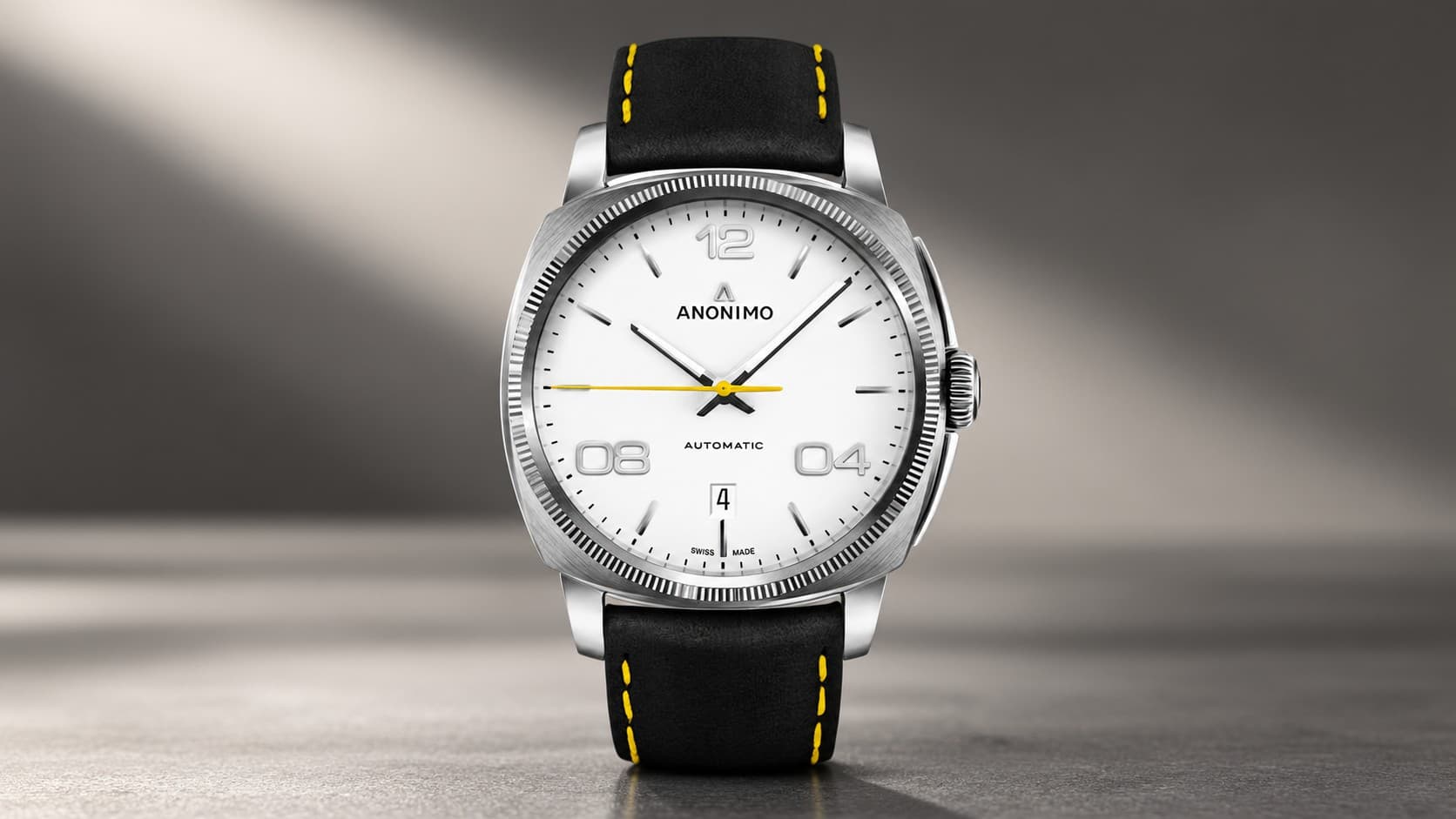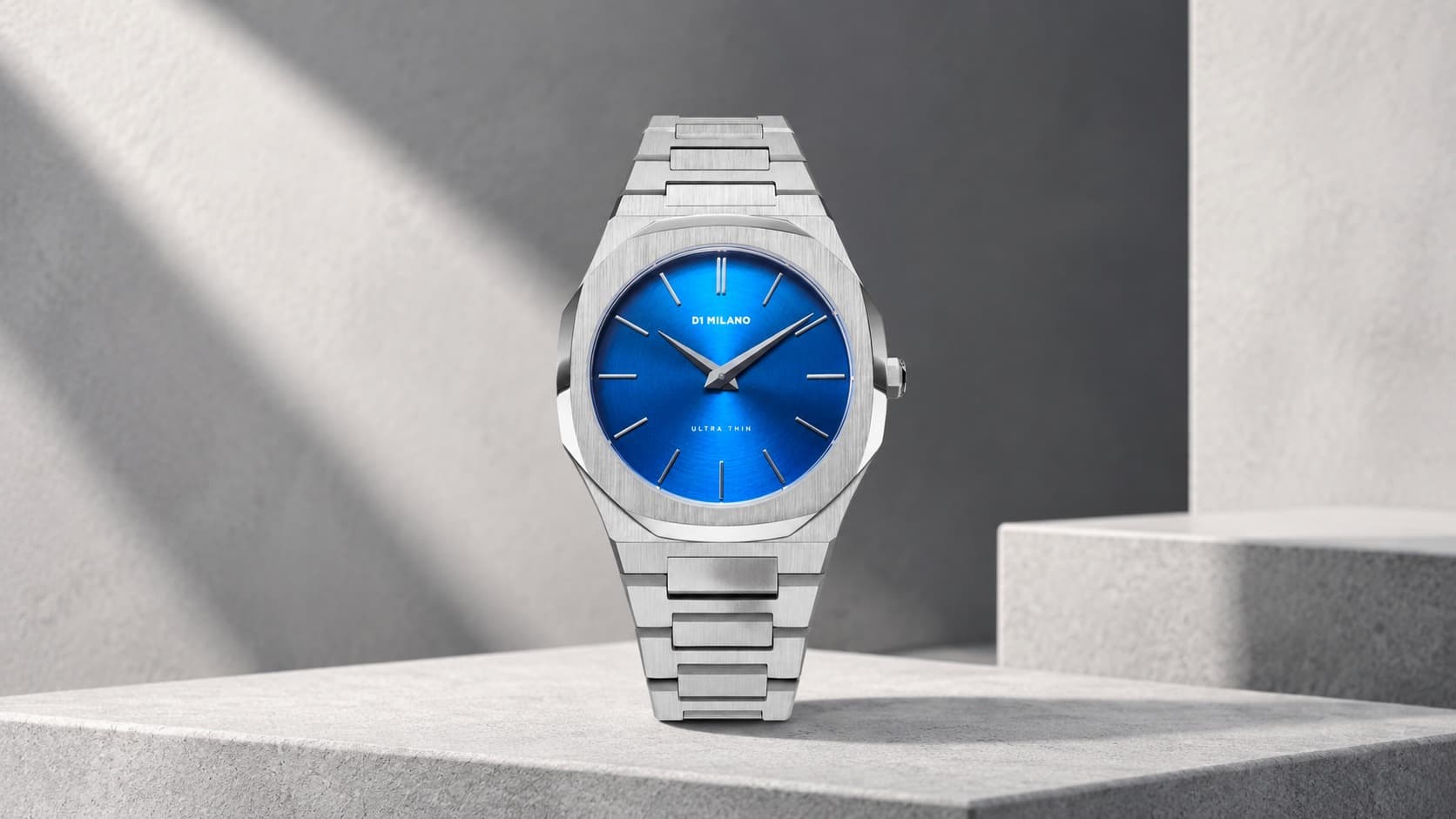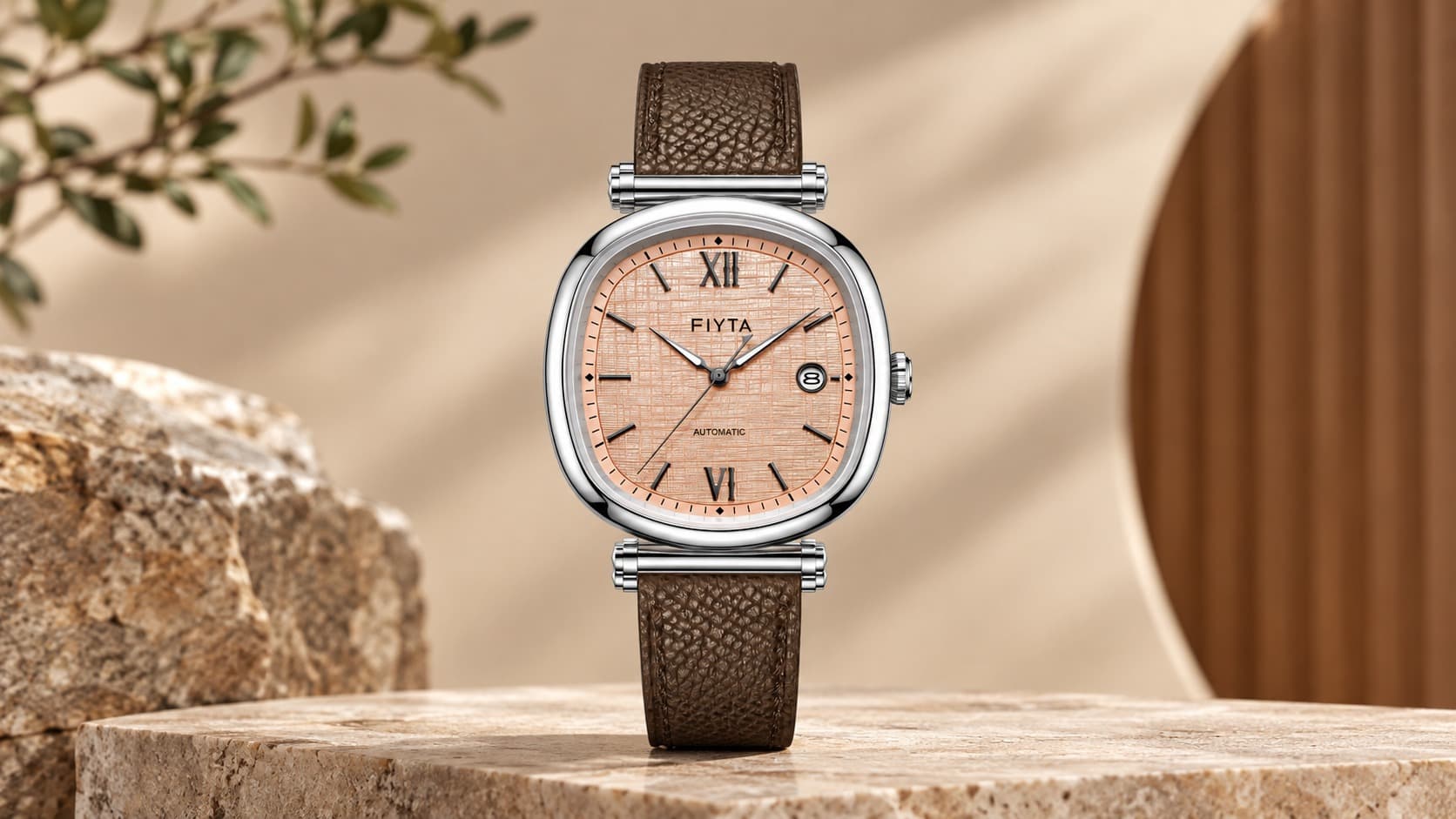
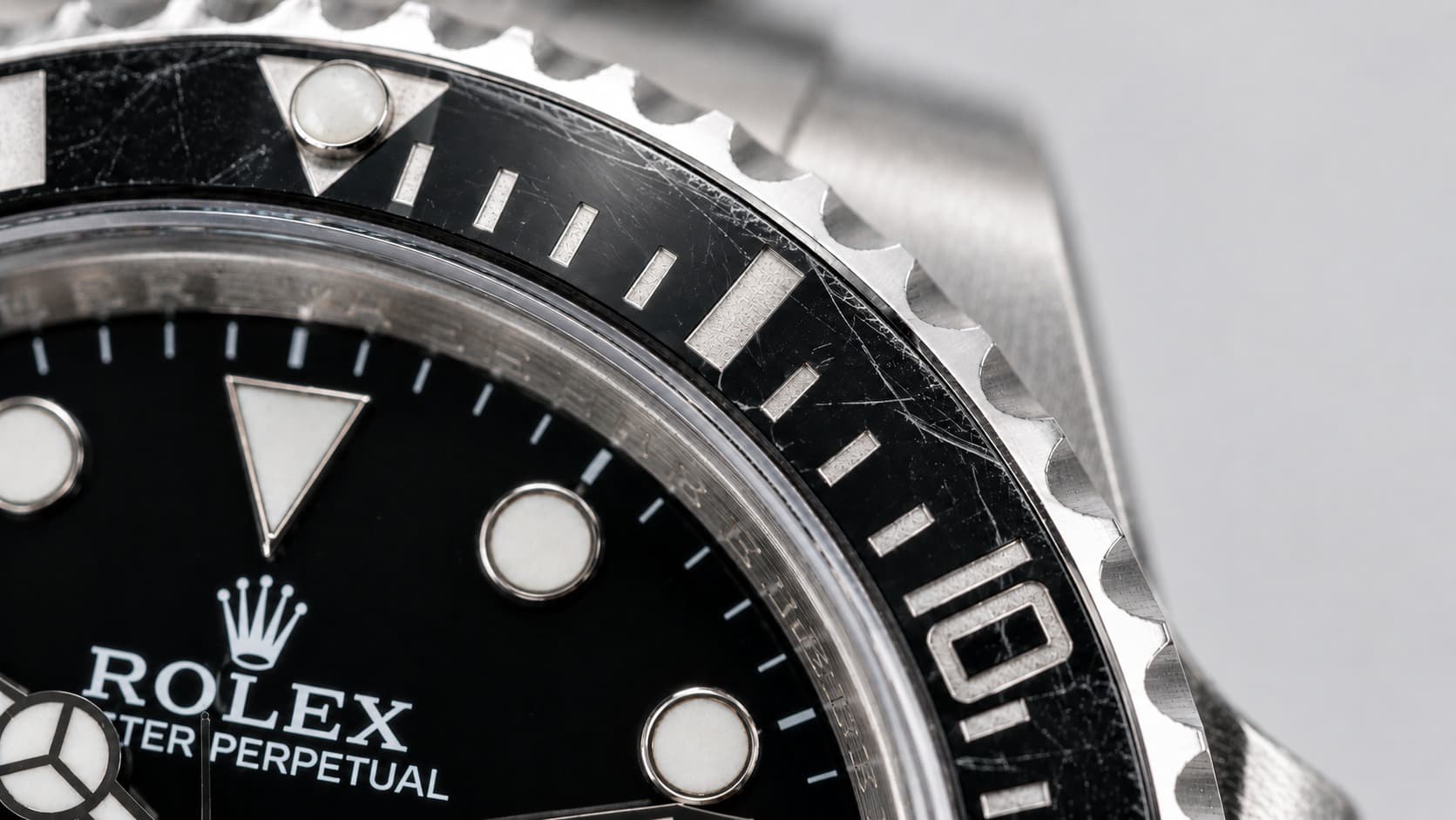
A scratch on a watch bezel is easy to spot and hard to ignore. The bezel is the ring around the watch glass, so it catches the light and takes the hits from door frames, desks and car doors. The right repair depends on what the bezel is made of, because steel, gold, aluminum, ceramic and coated bezels all get damaged in different ways. Once the material is known, the choice between polishing, replacing or leaving the scratch alone becomes much easier.
Can a Scratched Watch Bezel Be Repaired?
Most scratched bezels can be repaired, but not all of them can be polished. Metal bezels, such as steel and solid gold, can usually be polished or refinished by a watchmaker. Aluminum, ceramic and sapphire bezel inserts are normally replaced, because their surfaces cannot be buffed back to new.
The wrong fix can make things worse. Polishing a coated bezel can rub off the coating and leave a bare patch. Sanding an aluminum insert removes its color. Identifying the material comes first, and the repair decision follows from it.
| Bezel material | Scratch resistance | Main weak spot | Can it be polished? | Usual fix |
|---|---|---|---|---|
| Stainless steel | Low to medium | Fine scratches from daily wear; edges round off if over-polished | Yes, with care | Polish, brush or laser-fill the scratch |
| Solid gold | Low | Softer than steel, so it marks easily | Yes, by a watchmaker | Polish; each polish removes a little metal |
| Titanium | Low to medium if untreated | Scratches can look more obvious than on steel | Often, unless it has a coating | Brush or polish; coated versions need a specialist |
| Aluminum insert | Low | Scratches, plus color fading from sun and wear | No, the color layer wears off | Replace the insert |
| Ceramic insert | High | Chips or cracks from hard knocks | Not in a practical way | Replace the insert |
| Sapphire insert | Very high | Can shatter under a sharp impact | Not in a practical way | Replace the insert |
| Coated metal (PVD or DLC) | Medium to high | Thin coating can wear through and show bare metal | Not without removing the coating | Specialist recoating or replacement |
What Is a Watch Bezel?
A bezel is the ring that surrounds the crystal, which is the clear glass or plastic over the dial. On some watches it is fixed in place and only frames the face. On others it turns, and that is where it becomes a working tool. Rotating bezels can time an event, show a second time zone or measure speed, depending on the scale printed on them.
The best-known example is the bezel on a dive watch. It turns in one direction only, counterclockwise, for a safety reason. If a diver bumps it by accident, the bezel can only make it look like more time has passed, never less. That is why dive bezels tend to have a firm, clicking feel, and why a bezel that turns properly matters as much as one that looks good.
Many rotating bezels have a separate insert. This is a ring of metal, ceramic or another material set into a groove on top of the bezel, and it carries the numbers and markers. Inserts are usually held in place with adhesive. Because the insert is its own part, it can often be replaced without changing the whole bezel, which is why replacing the insert is the most common fix for scratched dive bezels.
How Different Bezel Materials Scratch
Hardness decides how easily a bezel scratches. Harder materials resist scratches better, but they can react badly to impacts. Hardness is commonly rated on the Mohs scale, which is explained in more detail in an article on the Mohs hardness scale.
Stainless Steel Bezels
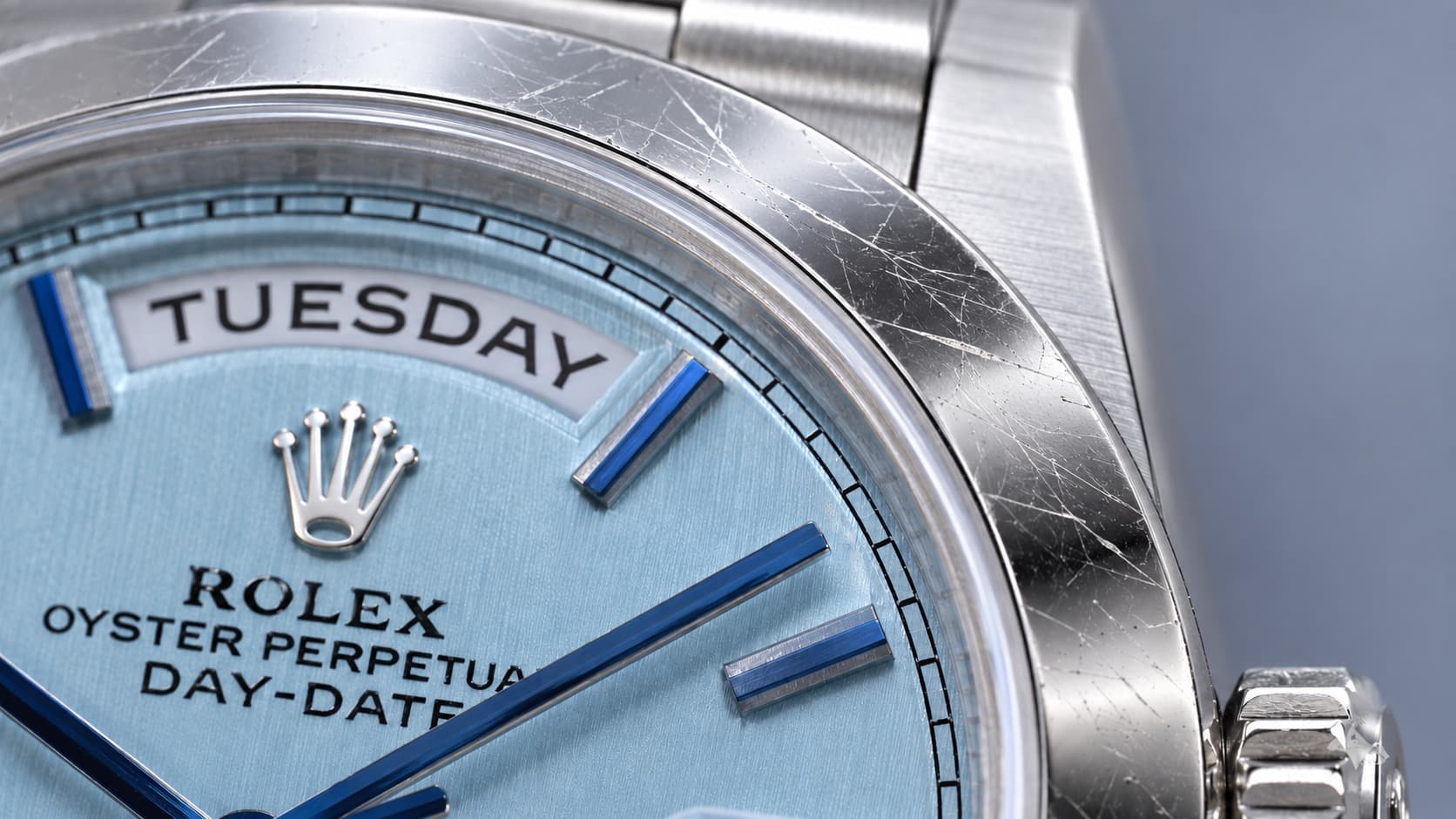
Steel scratches fairly easily, but it is the most forgiving material to repair. Everyday dust contains tiny quartz grains, and quartz is harder than most steel. That is why a bezel that never met a sharp object can still pick up fine hairline marks.
A watchmaker can remove light scratches by polishing or brushing the surface, and the finish matters. A polished bezel is buffed until it shines again, while a brushed bezel needs fine lines rebuilt in one direction. Many watches mix both finishes on one case. A careful refinisher keeps the line between them crisp, and a careless one blurs it.
Deeper marks need more work. Polishing removes metal, so a technician may fill a deep scratch with new metal by laser welding first, then refinish the area. This costs more, but it keeps the original shape and weight of the bezel.
Gold and Titanium Bezels
Solid gold is generally softer than steel, so a gold bezel marks more easily. The scratches mostly push the metal around instead of removing it, so a watchmaker can usually polish them out. Each polish still takes off a small amount of gold, which matters on thin edges. Gold-plated bezels are different. The plating is a thin layer that wears through instead of only scratching, and a worn patch normally needs re-plating by a specialist.
Titanium is light and popular on sports watches. Untreated titanium scratches more easily than steel, and the marks can look more obvious against its dull gray finish. It can often be brushed or polished, but a mix of polished and matte areas is hard to restore. Many titanium watches carry a hard coating to solve the scratch problem. Once such a coating is damaged, it is usually treated like any other coated bezel and cannot be touched up in place.
Aluminum Inserts
Aluminum is soft, so it scratches and fades faster than any other common insert. Its color comes from a thin layer added to the surface during anodizing. When a scratch cuts through that layer, bare metal shows. Rubbing the area only removes more color.
Aluminum also fades on its own. Sunlight is widely blamed as the main cause, and sweat, salt water and chemicals can add to it. Reds tend to fade first, while blues and blacks last longer. On vintage dive watches this softening is called a “ghost bezel,” and some collectors prize it, so a faded insert is not always a flaw worth fixing.
A badly scratched aluminum insert is normally replaced instead of repaired. Replacement inserts are widely made for popular dive watches. Fit matters, though, because the insert often has a slight taper, and matching the width alone may not be enough. Some watchmakers can re-anodize a bezel, but this is delicate work and may not last.
Ceramic Inserts
Ceramic is very hard, roughly 8 to 9 on the Mohs scale, so it resists scratches better than steel or aluminum. Luxury brands have used it for bezels since the mid-2000s for that reason. It also does not fade in sunlight, which is a big reason it replaced aluminum on many watches. Only a harder material, such as a diamond or sapphire, can cut into it.
The weakness is brittleness. A hard knock can chip or crack a ceramic insert, while steel would only dent. Polishing ceramic is not practical, since it takes diamond abrasives and tends to leave a patch that looks different from the rest. Replacement is the reliable route.
A note on “scratches” that are not scratches. Owners of ceramic watches often report that a mark left by a metal object is only metal transferred onto the surface. A soft cloth sometimes wipes it away. Cleaning the bezel first is worthwhile, because the damage may be smaller than it looks.
Sapphire Inserts
Sapphire inserts are rare and mostly found on boutique or luxury watches. Sapphire sits at 9 on the Mohs scale, so it resists scratches about as well as ceramic. Because it is transparent, makers can place lume or color beneath it, which gives a distinctive look. Sapphire is also used for watch crystals, which is where most people meet it.
The trade-off is that sapphire is brittle. A sharp impact can shatter or chip an insert, and replacement is the most expensive of all the materials because sapphire is slow and costly to machine. A diamond can also scratch it, so a diamond ring is a real risk.
Coated Bezels
A coating such as PVD or DLC adds a hard, thin layer over metal, often in black. The layer is only a few microns thick. If a scratch cuts through it, a bright line of bare metal shows against the dark surface. The process behind these coatings is explained in an article on PVD coating.
Polishing would remove the coating around the scratch, so home repair is a poor idea. A specialist may be able to strip and recoat the part, but how widely this service is offered is not well documented. Asking the brand or a trusted watchmaker is the safest first step.
Some makers harden the steel itself instead of coating it. Sinn’s Tegiment process, covered in the article on Sinn watches, hardens the surface layer of the steel. This helps it resist scratches without a coating that can wear through.
First Steps After Scratching a Watch Bezel
The first steps cost nothing and cannot cause harm.
- Clean the bezel. A soft, slightly damp cloth is enough. Water should stay away from the crown unless the watch is water resistant and the crown is screwed down.
- Look at it under bright light. Tilting the watch shows whether the mark is a scratch, a smear or a dent.
- Try the fingernail test. If a nail catches in the mark, the scratch is deep. If it glides over, the mark is shallow and may be cosmetic.
- Identify the material. The manual or the brand’s product page lists the bezel and insert material. Looks alone can mislead, because ceramic comes in both glossy and matte finishes.
Can You Fix a Scratched Watch Bezel at Home?
Home repair is realistic only for a plain metal bezel with light scratches. Anything else is best left to a professional. A polishing cloth made for stainless steel can reduce fine marks, and the work should follow the direction of the existing finish. Taping over the crystal and the dial side first keeps the polish away from them.
Care is needed for three reasons. First, polishing takes metal away, and it cannot be put back. Second, it can round off sharp edges and blur engraved numbers. Third, gold-plated and silver parts can lose their surface layer completely, so home polishing is not advised on them.
Replacing an insert at home is possible but risky. The insert is usually glued in, and removal often means heating the glue and prying with a thin blade. Aluminum inserts bend during removal, and ceramic inserts can shatter. A slipped blade can also leave a worse mark on the case than the original scratch.
For a scratched aluminum insert, some owners use a black marker as a temporary cosmetic touch-up. Reports suggest the ink can change shade over time, so it works only as a short-term patch.
How Much Does Watch Bezel Repair Cost?
Professional repairs vary widely by brand, material and location, so any figure is only a rough guide. One watch repair shop lists professional polishing of a metal bezel at about $100 to $300. A watch retailer’s material overview puts third-party ceramic inserts at roughly $150 to $400, and brand-made inserts at about $300 to $800. The same source lists sapphire inserts at the top end, around $300 to $1,200 depending on the brand.
Several things push the price up or down. Luxury brands set their own service rates. Parts for older or rare models can be hard to find. Laser welding costs more than a standard polish, and not every shop offers it.
Prices are not standardized across the industry. A written quote from the brand’s service center or an independent watchmaker is the reliable way to get a real number.
Is It Worth Fixing a Scratched Bezel?
Not every scratch needs fixing. On a vintage or collectible watch, heavy polishing can lower the value, because it changes the crisp edges and finishes that buyers look for. Some dealers estimate losses of 20 to 30 percent on vintage pieces that have been polished hard, though the size of the drop depends on the model and the quality of the work.
Original parts matter to collectors too. When an insert is replaced, keeping the old one is wise. It may be worth reattaching before a sale, and any replacement part is best mentioned openly to a future buyer. A faded aluminum insert on a vintage watch may also be worth more as it is than with a fresh, new-looking one.
For a modern watch worn daily, light marks are part of normal life, and some owners even like the wear. On a valuable watch, keeping the box and papers safe is important, and any repair that removes metal deserves a second thought. If the watch also seems to run poorly, a check for servicing needs is a good moment to ask about the bezel as well.
How to Prevent Scratches on a Watch Bezel
Small habits prevent most damage.
- Rough tasks cause most marks. Gardening, moving furniture and gym sessions are the usual culprits, so removing the watch beforehand helps.
- Rings are a hidden risk. A ring set with a hard stone can scratch even a ceramic bezel.
- Sunlight speeds up fading on aluminum. Limiting long sun exposure, or shading the wrist, slows the loss of color a little.
- Loose storage invites knocks. A soft pouch or a separate compartment keeps the watch from hitting other pieces.
- The material should match the lifestyle. Ceramic resists scratches, while steel survives drops better and is easier to repair. The article on common watch materials compares the options in more detail.
Frequently Asked Questions
Can you polish a scratch out of a ceramic bezel?
Not in any practical way. Ceramic is so hard that only diamond abrasives can work on it, and the polished spot usually looks different from the untouched surface. If the mark is a real scratch, replacing the insert is the reliable fix. If it is a metal streak left by another object, a soft cloth may remove it.
Is a scratched bezel the same as a scratched crystal?
No, they are separate parts with separate fixes. The bezel is the ring around the glass, and the crystal is the glass itself. Plastic (acrylic) crystals can often be polished with a plastic-specific compound, while sapphire crystals cannot be treated that way. The differences are covered in an article on removing scratches from a watch crystal.
Which bezel material is the easiest to repair?
Metal bezels are the easiest, because a watchmaker can polish, brush or laser-fill them without replacing the part. Stainless steel is the most common and the most forgiving. Aluminum and ceramic inserts are easy to swap but cannot be restored in place. Ceramic scratches the least, which is why it needs repair the least often.
Does replacing a bezel insert affect water resistance?
On many watches it should not, because the insert sits on the outside of the case and the movement stays sealed. The exception is a bezel that must be removed or pressed back on, which is best left to a watchmaker who can check the fit. For a watch used in swimming or diving, a water resistance test afterward is sensible.
Does a scratched bezel lower a watch’s value?
It can, but the effect depends on the watch. On a modern watch, a light scratch matters less than a bad repair. On a vintage or collectible model, scratches and over-polishing can both lower the price, so professional advice is worth getting before any work begins.
The Bottom Line
A scratched bezel is fixable in most cases, and the material decides how. Steel and solid gold can be polished, brushed or laser-filled by a watchmaker, and light marks on plain steel can be treated at home with care. Aluminum, ceramic and sapphire inserts cannot be restored in place, so the fix is a replacement insert. Coated and gold-plated bezels need specialist advice because the surface layer is the part that is damaged. Before any money is spent, a clean bezel and a check of the mark’s depth show how serious the damage really is, and polishing always removes metal for good. For a daily-wear watch, a light scratch is usually best left alone, and for a valuable one, a written quote from a qualified watchmaker is the safest next step.