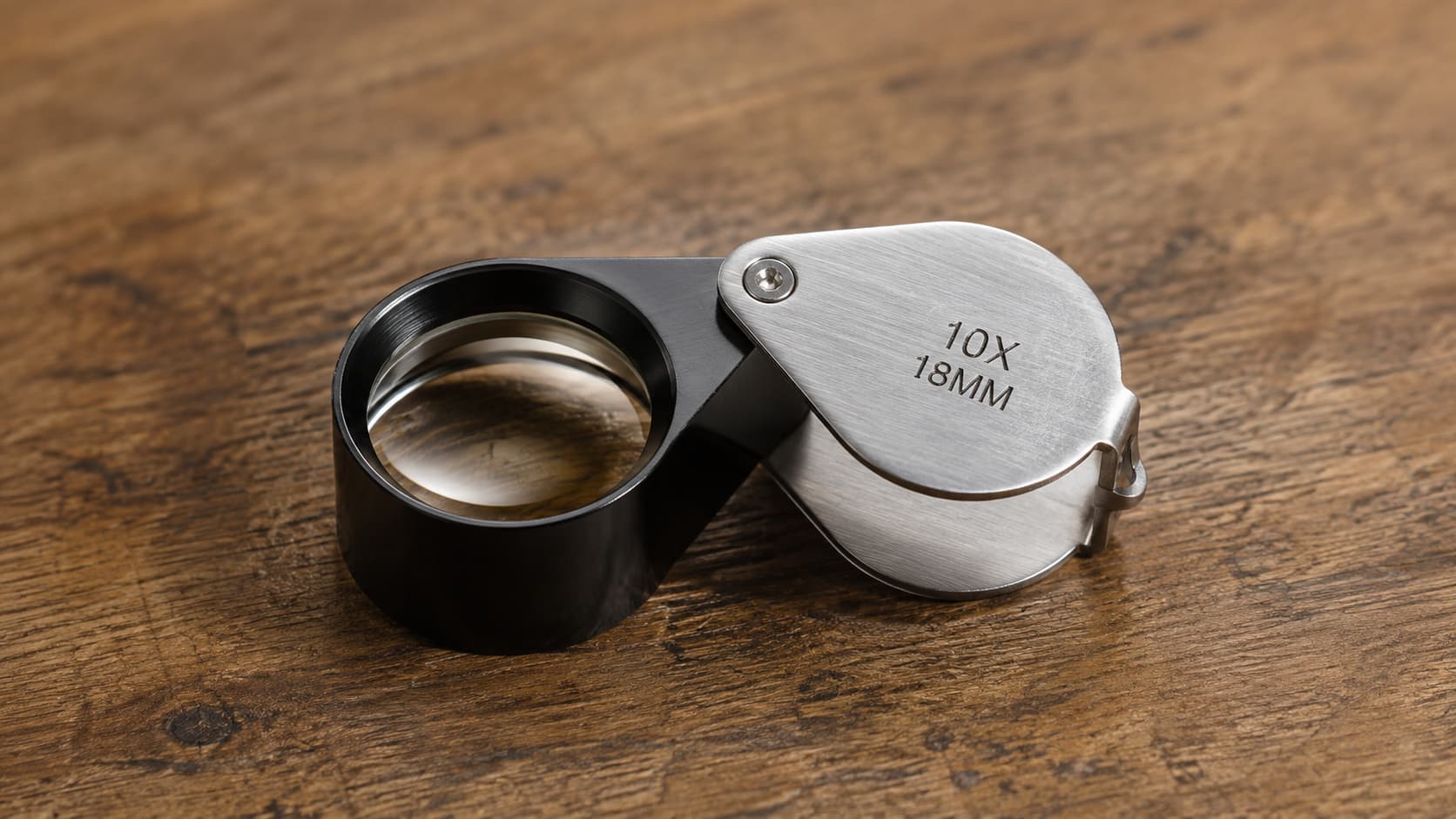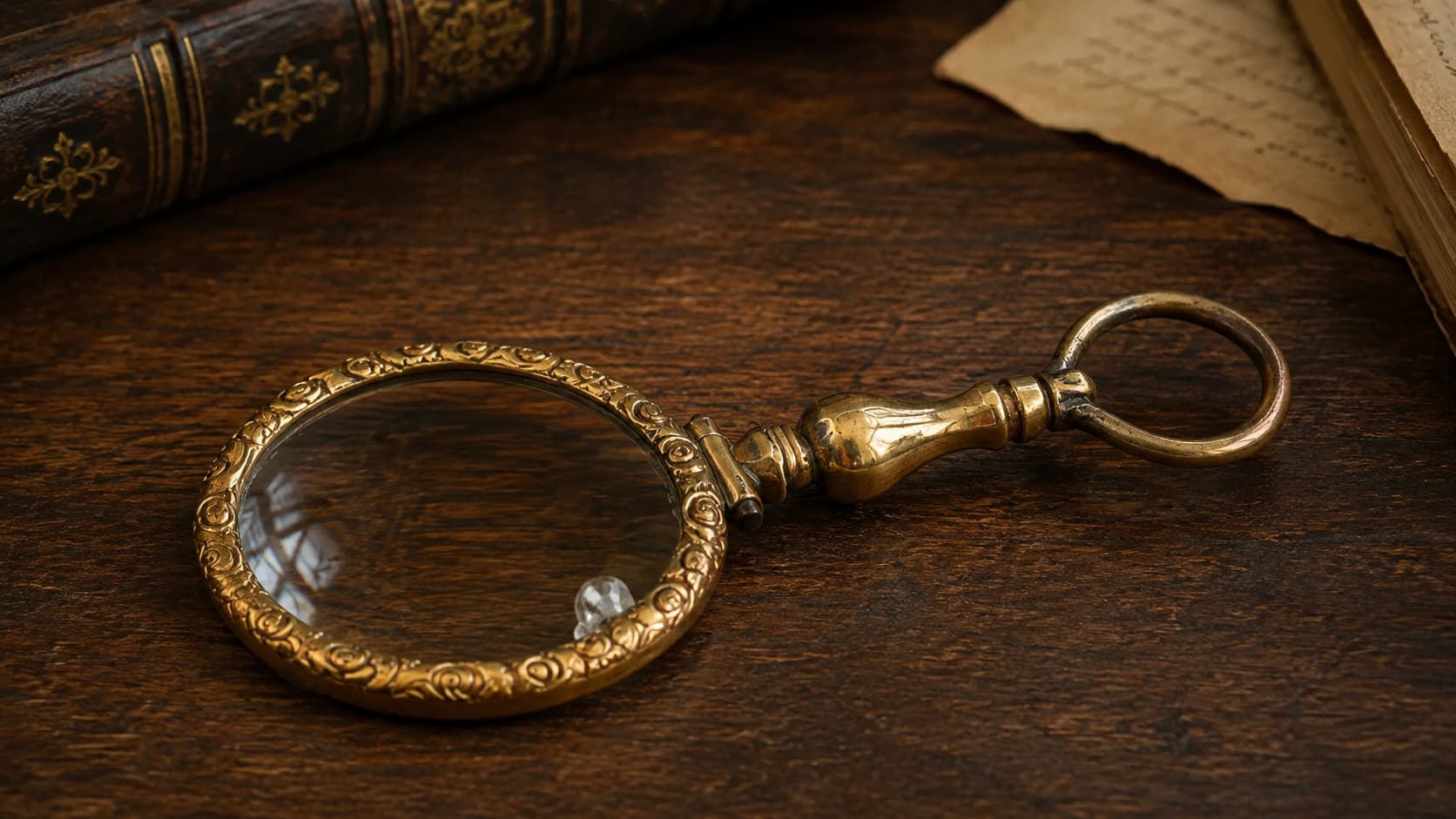
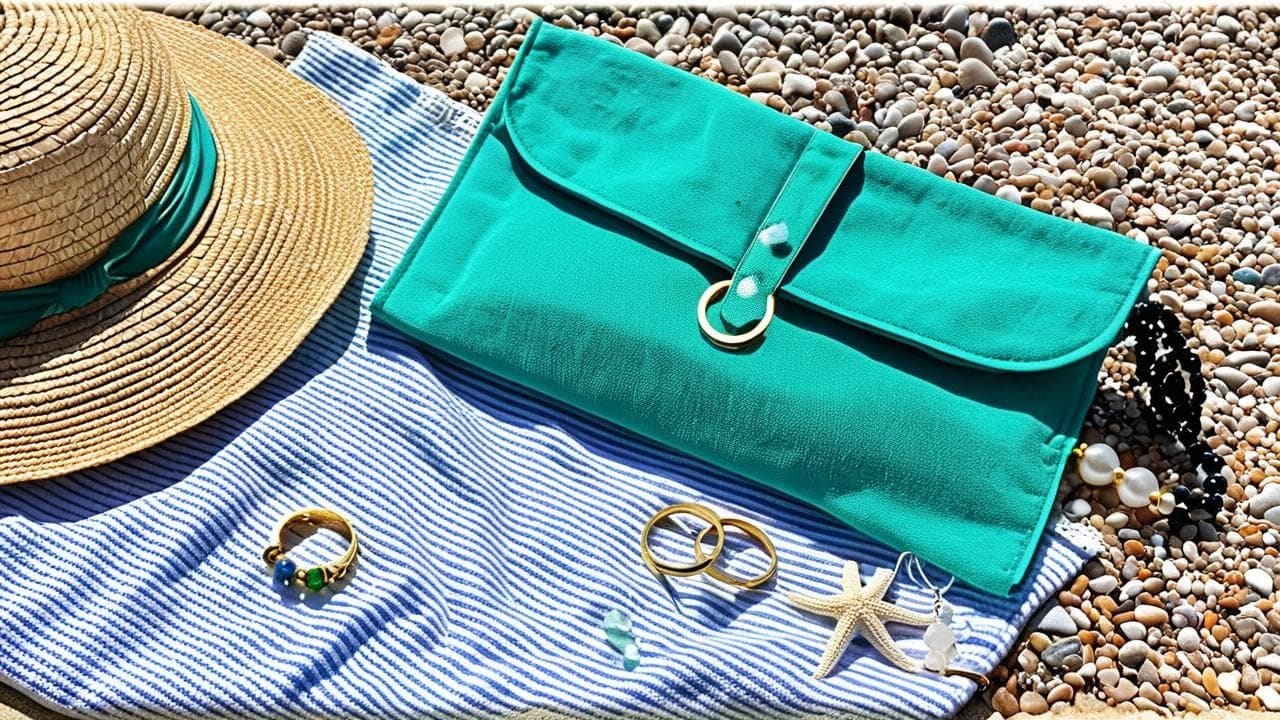
Losing jewelry while traveling can instantly ruin your vacation experience. Whether it’s an engagement ring, family heirloom, or favorite accessory, the loss is both emotionally and financially devastating. While standard travel insurance includes some coverage for personal belongings, jewelry protection typically comes with major limitations that leave valuable pieces significantly underinsured. Before your next trip, understand what your insurance actually covers, what additional protection you need, and how to best safeguard your precious items when away from home.
Basic Travel Insurance Jewelry Coverage
Most basic travel insurance policies offer limited coverage for lost jewelry, typically categorizing these items under baggage and personal effects coverage with substantial restrictions. Understanding these limitations is essential before assuming your valuable pieces are fully protected during your travels, as the actual reimbursement you might receive could be far less than the true value of your jewelry.
- Standard travel insurance baggage coverage typically ranges from $500 to $3,000 total, depending on your policy level, but this limit applies to all belongings combined, not just jewelry.
- High-value items like jewelry, electronics, and watches usually have a per-item limit between $150-$600, regardless of the actual value of your piece, making expensive jewelry significantly underinsured.
- Most policies have a specific “combined article limit” for all jewelry and valuables together, often capped around $250-$500 even on premium plans, which means multiple pieces could quickly exceed your coverage.
- Travel insurance typically covers theft, loss, or damage to baggage, but may exclude “mysterious disappearance” of jewelry, which occurs when you can’t explain exactly how the item was lost - a common scenario with rings and earrings.
- Coverage only applies when the loss occurs during the covered trip dates and typically doesn’t extend to pre-existing damage, manufacturer defects, or normal wear and tear.
- Basic policies generally won’t cover jewelry losses due to negligence, such as leaving items unattended in public places, unsecured in hotel rooms, or in checked luggage that airlines specifically advise against.
- Most travel insurance claims require documentation like original receipts, photographs, or professional appraisals to substantiate the value of lost jewelry, and without this evidence, your claim may be denied or significantly reduced.
The reality is that standard travel insurance is primarily designed to cover the essentials of travel disruptions and basic personal items, not high-value belongings. For travelers with fine jewelry or precious items worth more than a few hundred dollars, these coverage limitations present a significant gap that leaves much of the jewelry’s value unprotected in case of loss or theft during travel.
Specialized Jewelry Coverage Options for Travelers
For travelers with valuable jewelry, standard travel insurance often falls short of providing adequate protection. Fortunately, several specialized insurance options exist that offer comprehensive coverage specifically designed for jewelry and other high-value items. These alternatives can provide the peace of mind needed to travel confidently with your precious pieces, ensuring they’re properly protected no matter where your journey takes you.
- Jewelry-specific riders can be added to some premium travel insurance policies, raising the coverage limits for specifically declared items based on their appraised value and providing protection against a wider range of scenarios.
- Personal article floaters or valuable items endorsements on your homeowner’s or renter’s insurance typically provide worldwide coverage for scheduled jewelry at replacement value, even while traveling, with limits that actually match the full value of your items.
- Standalone jewelry insurance policies offer comprehensive worldwide coverage specifically designed for valuable jewelry, including protection against loss, theft, damage, and even mysterious disappearance without the limitations of standard travel policies.
- All-risk jewelry insurance policies cover nearly every possible scenario (except those specifically excluded), providing broader protection than the named perils coverage of most travel insurance plans.
- Many specialized jewelry policies offer coverage up to 125% of the appraised value to account for market fluctuations and potential replacement cost increases, ensuring you can truly replace what was lost.
- Unlike travel insurance that only covers your trip duration, dedicated jewelry insurance provides continuous protection both at home and abroad, eliminating coverage gaps between trips.
- High-value jewelry policies often have zero or low deductibles specifically for jewelry items, whereas travel insurance typically applies a standard deductible to all claims, reducing your reimbursement amount.
Specialized jewelry coverage serves as a critical safety net for travelers with valuable pieces, filling the significant gaps left by standard travel insurance. This additional protection ensures that the full value of your jewelry is covered worldwide, providing genuine replacement value rather than the minimal compensation typical of basic travel policies. When considering the emotional and financial investment your jewelry represents, dedicated coverage becomes not just a luxury but a practical necessity for frequent travelers.
Essential Documentation for Jewelry Travel Insurance Claims
Proper documentation is crucial for successfully claiming reimbursement for lost jewelry through travel insurance. Insurance companies require concrete evidence of ownership, value, and the circumstances of loss to process your claim efficiently. Being prepared with the right documentation before you travel can significantly improve your chances of receiving fair compensation if the unfortunate should happen.
- A detailed inventory list of all jewelry brought on your trip, including descriptions, estimated values, and photographs of each piece taken against a plain background should be created before departure.
- Professional appraisals from certified gemologists or jewelers, conducted within the last 2-3 years, are typically required for items valued over $1,000-$5,000 (requirements vary by insurer) and should include detailed descriptions, gemstone specifications, and current replacement values.
- Original purchase receipts showing price, date, retailer information, and item description provide crucial proof of ownership and value, especially for recently purchased pieces.
- Gemstone certificates and diamond grading reports from recognized laboratories like GIA or AGS serve as important supplementary documentation for valuable stones, confirming their authenticity and specifications.
- Pre-trip photographs showing you wearing the jewelry during your current trip can help establish that you actually had the items with you when traveling, which is sometimes contested by insurers.
- Police reports are mandatory if your jewelry was stolen, and should be filed within 24 hours of discovering the theft for most insurance policies to consider the claim valid.
- Written statements detailing exactly how, when, and where the loss occurred must be submitted with your claim, and any inconsistencies between your account and other evidence can result in claim denial.
- Hotel incident reports or statements from accommodation staff should be obtained if the loss occurred at your lodging, as these third-party confirmations lend credibility to your claim.
Proper documentation isn’t just a bureaucratic requirement—it’s your best defense against claim denials or reduced settlements. Many travelers neglect to document their jewelry adequately before trips, only to discover the critical importance of these records when filing a claim. Taking the time to properly document your jewelry before traveling provides both protection for your financial investment and peace of mind throughout your journey, knowing you’re prepared if something happens to your valuable pieces.
How to File a Successful Jewelry Claim with Travel Insurance
The process of filing a jewelry claim with your travel insurance can be complex and time-sensitive. Understanding the proper procedures, requirements, and potential pitfalls before you need to make a claim can significantly improve your chances of a successful outcome. Insurance companies have specific protocols that must be followed precisely, and even small oversights can result in claim denials or reduced settlements.
- Report the loss immediately to your insurance provider, as most policies have strict time limits for notification, typically within 24-72 hours of discovering the loss or theft.
- File a police report within 24 hours if your jewelry was stolen, as this is a mandatory requirement for theft claims with virtually all insurance companies and will be requested as part of your claim documentation.
- Contact your hotel security or tour operator if the loss occurred during an organized activity, as their official incident reports can provide valuable third-party verification of your claim circumstances.
- Submit a completed claim form provided by your insurer, being extremely detailed and consistent in your description of what happened, when, and where the loss occurred.
- Provide all required documentation with your initial claim submission, including appraisals, receipts, photographs, certificates, and any incident reports to avoid delays in processing.
- Be prepared for the claims examiner to contact you for additional information, clarification, or potentially to select a preferred jeweler for replacement if your policy offers a repair/replacement option rather than cash settlement.
- Understand that most travel insurance companies will calculate reimbursement based on actual cash value (which factors in depreciation) rather than replacement value, potentially resulting in lower payouts than expected.
- Be aware that after filing a jewelry claim, your insurance premiums may increase upon renewal, or the insurer might exclude similar items from future coverage.
The claim process can be lengthy, sometimes taking 2-4 weeks for straightforward claims and potentially months for complex or high-value cases. Patience and persistence are often necessary, as are clear communication and thorough documentation. Many experienced travelers recommend keeping detailed records of all communications with the insurance company during the claims process, including dates, times, names of representatives, and summaries of conversations to help navigate any disputes that might arise.
Better Options Than Travel Insurance
Given the significant limitations of standard travel insurance for jewelry protection, savvy travelers should explore alternative insurance options that provide more comprehensive coverage for valuable pieces. These alternatives can offer much better protection specifically tailored to jewelry, with higher coverage limits, fewer exclusions, and more favorable terms for loss scenarios frequently encountered during travel.
- Specialized jewelry insurance policies provide dedicated coverage specifically designed for valuable jewelry, with limits that match the full appraised value of your items and protection that extends worldwide.
- Homeowners or renters insurance policies often allow for scheduled personal property endorsements or riders that specifically list valuable jewelry items for full coverage based on their appraised value, both at home and while traveling.
- Personal articles floaters function as separate policies specifically for high-value items, offering comprehensive protection without the deductibles typically associated with homeowners policies and including worldwide coverage.
- Some premium credit cards offer purchase protection and travel insurance benefits that may cover jewelry purchased with the card for a limited time (typically 90-120 days) against loss or theft, with coverage limits often higher than standard travel insurance.
- Some jewelry retailers offer specialized protection plans for items purchased from them, which may include repair, replacement, and sometimes loss coverage that follows the item wherever you travel.
- Safe deposit boxes at banks near your destination can serve as a secure alternative to hotel safes for storing valuable jewelry when not being worn, though this requires advance planning and consideration of banking hours.
- Travel security accessories such as specialized anti-theft jewelry organizers, wearable safes, and RFID-blocking travel pouches can complement insurance by reducing the risk of loss or theft in the first place.
While insurance is crucial, some travelers opt to leave their most valuable pieces at home and instead travel with less expensive alternatives or “travel versions” of their fine jewelry. This approach eliminates the risk altogether while still allowing for appropriate accessorizing during your trip. For special occasions that truly require your fine jewelry, combining a specialized insurance policy with appropriate security measures offers the most comprehensive protection strategy.
Safety Tips for Traveling with Valuable Jewelry
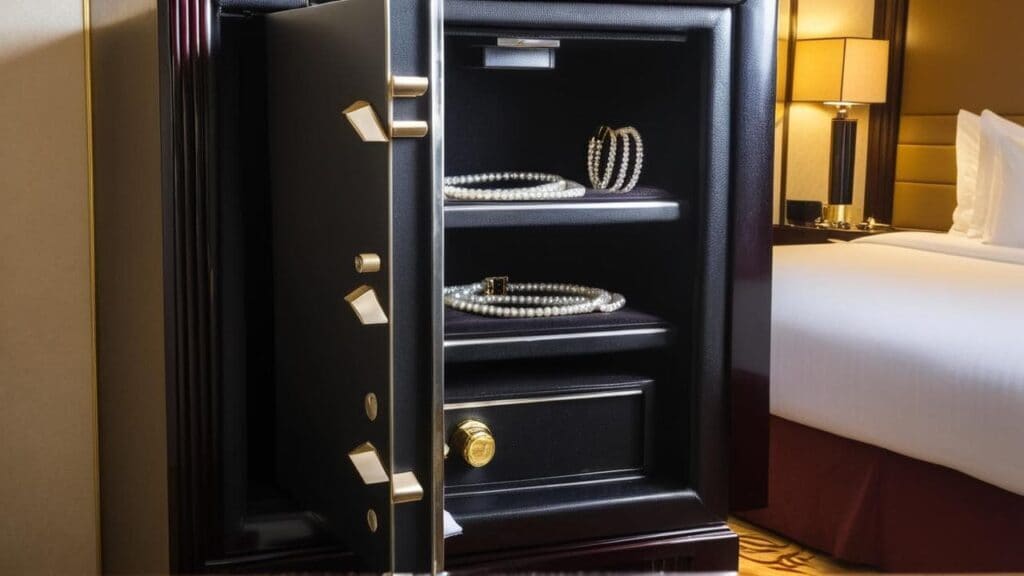
Beyond insurance considerations, implementing practical safety measures for your jewelry during travel is essential for preventing loss or theft in the first place. No insurance policy, no matter how comprehensive, can replace the sentimental value of cherished pieces or eliminate the stress and disruption of dealing with a loss during your vacation. Following these proven safety strategies can significantly reduce your risk and help ensure your jewelry returns home safely with you.
- Make a complete inventory of all jewelry you’re bringing, including photographs and details of each piece, stored both in cloud storage and as physical copies left with someone at home.
- Limit the quantity and value of jewelry you bring to only what’s truly necessary for your trip, considering the activities planned and the security situation at your destination.
- Pack jewelry in your carry-on luggage only, never in checked bags, as airline liability for checked baggage is extremely limited and theft from luggage is unfortunately common.
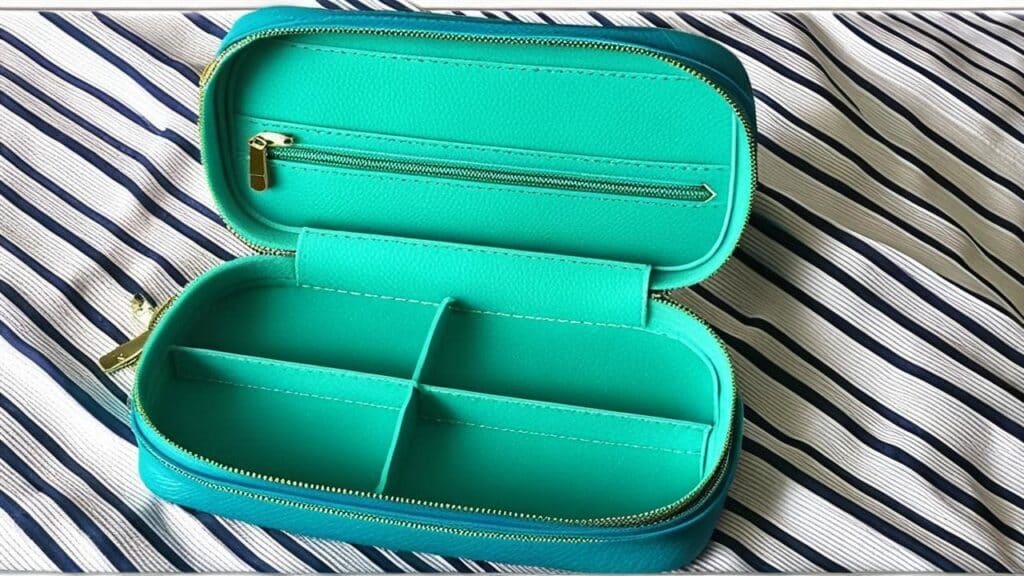
- Use a dedicated jewelry travel case with individualized compartments that prevent tangling and damage, ideally one that doesn’t obviously look like it contains valuables.
- Wear your most valuable pieces during transit when possible, as items worn on your person are less likely to be lost or stolen than those packed away, even in carry-on luggage.
- Utilize the in-room hotel safe for storing jewelry when not wearing it, but be aware that these safes aren’t impenetrable and consider bringing a small portable travel lock for added security.
- Ask about the availability of a central hotel vault or safety deposit box for extremely valuable pieces, as these typically offer better security than in-room safes.
- Be mindful of your surroundings when wearing valuable jewelry, especially in crowded tourist areas, public transportation, and unfamiliar locations where thieves may target obviously valuable items.
- Consider purchasing a small portable travel safe that can be secured to fixed objects in your accommodation for additional protection beyond standard hotel safes.
- Remove jewelry before swimming, spa treatments, or athletic activities where pieces might slip off unnoticed or be damaged by chemicals or physical impact.
Implementing these precautions requires minimal effort yet provides significant protection for your valuable pieces. Many experienced travelers develop a consistent jewelry security routine for their trips, which becomes second nature over time. Remember that the best insurance claim is the one you never have to file, and proactive protection is always preferable to even the most generous reimbursement after a loss has occurred.
Conclusion
When it comes to travel insurance coverage for lost jewelry, the reality often falls far short of travelers’ expectations. Standard travel insurance policies typically offer very limited protection for valuable jewelry, with low per-item limits and significant exclusions that can leave you substantially underinsured if the worst happens. For travelers with fine jewelry, engagement rings, or heirloom pieces, relying solely on basic travel insurance is simply inadequate. Instead, a layered approach combining specialized jewelry insurance, proper documentation, and practical safety measures provides the most comprehensive protection.
Before your next trip, take time to review your current insurance coverage, consider supplemental options specifically for jewelry, and create a detailed inventory of the pieces you plan to bring. Remember that even the best insurance can’t replace sentimental value or eliminate the stress of dealing with a loss during your vacation. By understanding the limitations of travel insurance and implementing proper precautions, you can travel confidently with your precious jewelry and focus on enjoying your journey rather than worrying about potential losses.