For millions of Muslim women, painted or press-on nails have long come with an unexpected trade-off: nail polish and acrylics can block water from reaching the nail during wudu, the ritual washing required before prayer. A small, clever piece of jewelry called the wudu nail ring has become a popular fix for that problem, letting women enjoy manicured nails while still meeting the requirements of their daily prayers.
What Is a Wudu Nail Ring?
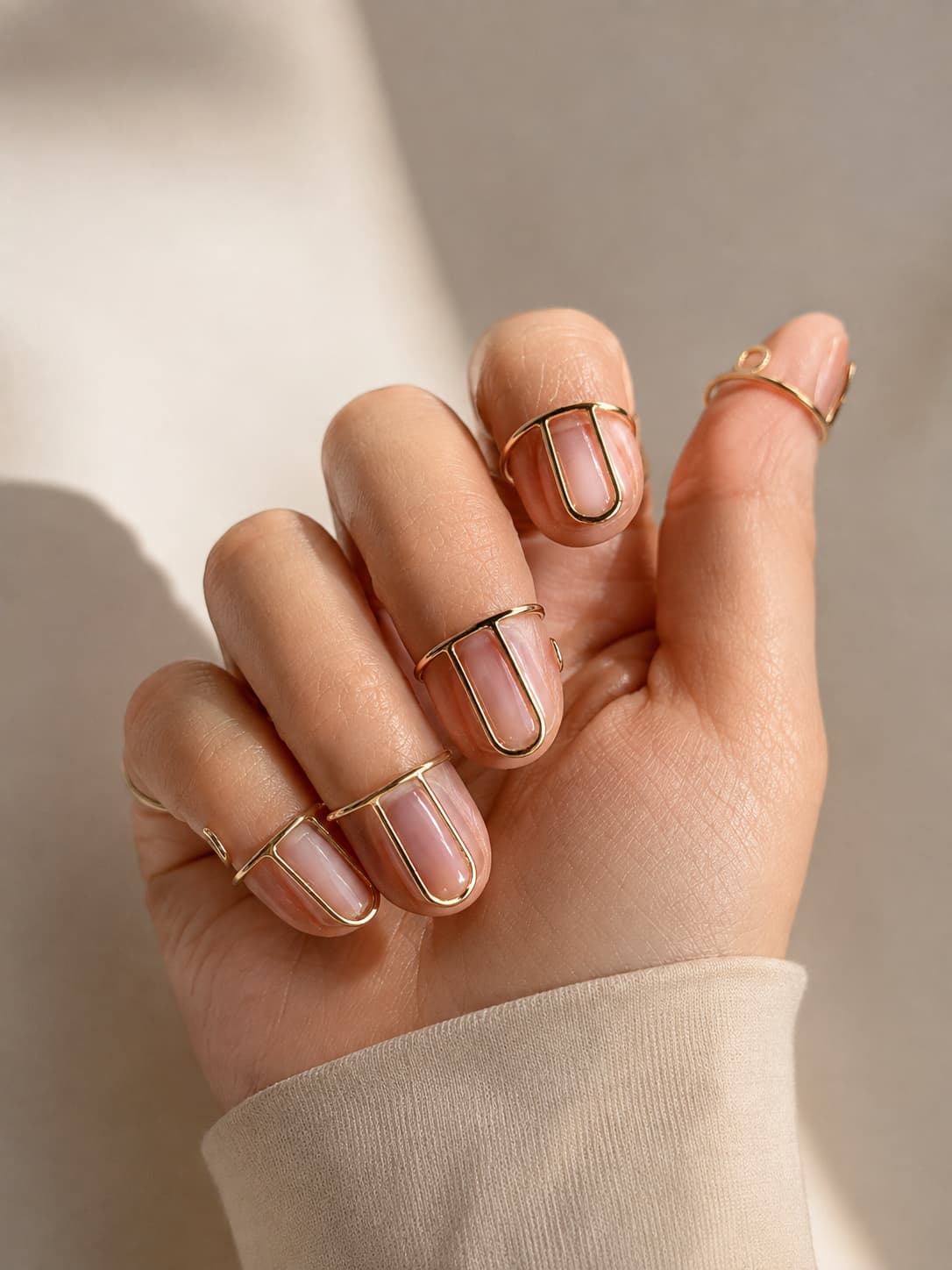
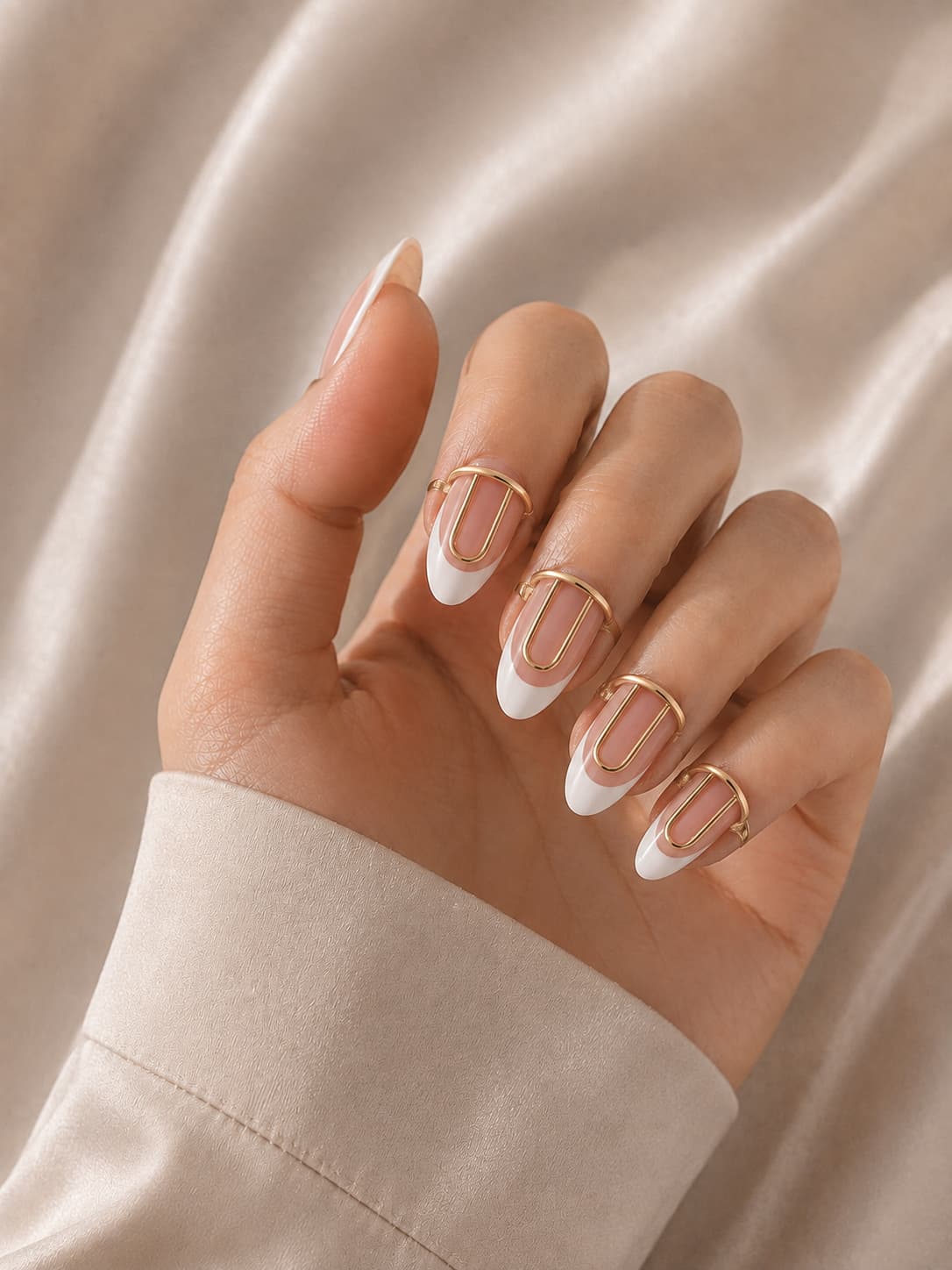
A wudu nail ring is a small, adjustable metal band worn around the fingertip that holds a press-on nail in place without gluing it directly to the natural nail. Because the nail sits on the ring instead of being bonded straight onto the fingernail, it can be slipped off in seconds before wudu and put back on right after.
The ring wraps snugly around the tip of the finger, usually near the base of the nail, and a press-on nail is attached to the top of the ring using a small adhesive tab or a dab of nail glue. Some people prefer the tab for easy swapping between nail sets, while others use glue for a firmer hold that lasts longer between changes. Either way, the natural nail underneath stays untouched, which is really the whole point of the design.
Most sets sold today come with around ten rings, enough to cover all ten fingers, and are usually offered in a couple of sizes to fit shorter or longer nail beds. A handful of retailers list them under other names, like ablution rings, though “wudu nail ring” is by far the term most shoppers actually search for. The category has grown quickly alongside the broader rise of press-on nails, since both rely on the same basic idea — a manicured look that can be added and removed on demand instead of bonded permanently to the nail.
Why Do Muslim Women Use Wudu Nail Rings?
Muslim women use wudu nail rings because the ritual depends on water making direct contact with the skin, and anything that coats or covers the nail — polish, glued-on acrylics, thick gel — gets in the way of that contact. Wudu is not a one-time cleaning ritual; it’s repeated before each of the five daily prayers, which means whatever blocks the water has to be dealt with over and over, every single day, rather than being an occasional inconvenience. Traditionally, this meant many women avoided nail polish altogether, or removed and redid it constantly, which is time-consuming and can wear down the natural nail underneath.
Wudu nail rings solve this by separating the decorative nail from the water-blocking problem entirely. Slide the ring off, wash normally, slide it back on. Some sellers also describe an emotional or identity side to the accessory — a way of expressing personal style without feeling like it conflicts with religious practice.
This trade-off isn’t unique to home life, either. Many workplaces with strict hygiene rules — hospitals, kitchens, labs — already ban long or artificial nails for entirely separate reasons, which means some women were navigating two sets of restrictions on their nails at once: what their job allowed and what wudu required. A removable ring sidesteps both issues at the same time, since it comes off just as easily for a hospital shift as it does for prayer.
The whole appeal of the ring comes down to timing. A press-on nail glued straight to the fingernail has to stay in place for days, but wudu happens several times before sundown alone — so the nail has to be removable on a schedule the polish itself can’t keep up with.
How Do Wudu Nail Rings Work?
A wudu nail ring works by holding a press-on nail slightly above and separate from the real nail, so removing the ring exposes the entire natural nail to water.
- Attach a press-on nail to the ring. A small adhesive sticker or dot of nail glue holds the fake nail to the top surface of the ring.
- Remove before wudu. When it’s time to wash, the whole ring — nail attached — slides off the fingertip in one motion.
- Reattach afterward. Once wudu is finished, the ring slides back on and the manicured look returns instantly.
Because the ring is adjustable, it can typically be resized slightly to fit different finger widths, and most sets come with multiple rings so an entire hand (or several days’ worth of use) is covered at once. They’re also small and light enough to toss in a bag or pocket, which matters since wudu can happen away from home just as easily as it happens at the bathroom sink.
A well-fitted ring shouldn’t feel any different from wearing a normal fingertip ring — it stays snug during everyday tasks like typing or washing dishes, and only needs deliberate effort to slide off. The most common mistake first-time users make is picking a size that’s slightly too loose, which can let the attached nail wobble or catch on things throughout the day. Most brands recommend measuring the fingertip rather than guessing, the same way someone would size a regular ring.
What Are Wudu Nail Rings Made Of?
Wudu nail rings are most commonly made from stainless steel, copper, silver, or a mixed metal alloy, chosen because these materials hold up well to repeated contact with water. Since the entire purpose of the ring is to be removed and reattached multiple times a day, every day, the metal needs to resist tarnishing, bending, and skin irritation from constant washing.
| Material | Why It’s Used |
|---|---|
| Stainless steel | Highly water-resistant, doesn’t rust, and holds its shape well with daily handling |
| Copper | Naturally antibacterial and commonly used, though it can darken with repeated water exposure |
| Sterling silver | Attractive and durable, though it can tarnish faster than steel |
| Mixed alloy | Budget-friendly option, though quality varies more between brands |
Sensitive skin and nickel allergies are worth factoring into the material choice, the same consideration that applies to any ring worn against the skin for long stretches of the day. Copper can also occasionally leave a faint green or gray tint on skin after prolonged wear — a harmless but common reaction with any copper jewelry — so drying the ring after each wudu and storing it somewhere dry between uses helps it last longer and keeps skin reactions to a minimum.
How Do Wudu Nail Rings Compare to “Breathable” Nail Polish?
Wudu-friendly nail polish is the other main option on the market, and it works completely differently from a nail ring — instead of removing anything, it uses a porous formula designed to let water and air pass straight through the polish to the nail. Rather than swapping a ring on and off, someone using this kind of polish keeps it on through washing entirely.
The two approaches suit different lifestyles. A nail ring gives access to any press-on nail design, including longer or more elaborate styles, since the polish itself never touches the water question. Breathable polish, on the other hand, skips the ring altogether but limits the wearer to whatever shades and finishes that specific polish brand offers, and its water permeability generally can’t be verified just by looking at it — at least one brand in this space has pointed to independent lab testing as proof its formula genuinely lets water through, which is the kind of verification worth looking for given how hard permeability is to judge by eye. Neither option is “better” across the board; it mostly comes down to whether someone prefers press-on nail styling or standard polish.
Do Wudu Nail Rings Actually Meet Wudu Requirements?
Wudu nail rings meet wudu requirements as long as the entire natural nail is fully exposed to water once the ring and attached press-on are removed. The ring itself isn’t a religious object — it’s a practical tool, and its validity depends entirely on whether it does its job of getting out of the way completely during washing.
This is different from painted nail polish, which stays bonded to the nail and physically blocks water even when someone tries hard to wash thoroughly. A properly designed wudu nail ring leaves zero residue on the nail once removed, since the press-on nail was never glued to the real nail in the first place — only to the ring. Some brands go a step further and have their products independently lab-tested for water permeability, or reviewed by outside certification bodies for wudu compliance, though this practice varies by brand rather than being an industry-wide standard. That kind of testing gives buyers extra confidence, but the basic mechanical idea — removable nail, exposed natural nail underneath — is what actually does the work across every brand.
Frequently Asked Questions
Can wudu nail rings be worn every day?
Yes, wudu nail rings are designed for repeated daily use, including being removed and reattached multiple times before each prayer. Most are built from water-resistant metals specifically because they’re expected to handle this kind of frequent handling.
Do wudu nail rings damage natural nails?
No, because the press-on nail attaches to the ring rather than directly to the natural nail, there’s no filing, soaking, or strong adhesive applied to the nail itself. This is generally gentler on the natural nail than traditional acrylics or gel extensions.
Are wudu nail rings only for Muslim women?
No, while they were created to solve a specific religious need, anyone who wants a quick, damage-free way to swap press-on nails in and out — for work, sports, or simply changing styles often — can use the same style of ring.
How is the correct ring size determined?
Most wudu nail rings are adjustable and designed to fit a range of finger widths, but checking a brand’s sizing chart before ordering is still worthwhile, since fit affects how securely the attached nail stays in place. A ring that’s too loose can let the nail shift or fall off during the day.
Can wudu nail rings be reused with different nail designs?
Yes, since the press-on nail is attached with a removable adhesive tab rather than permanent glue, the same ring can usually be reused with several different nail styles over time. This is part of why many sets are sold with multiple rings included.
Conclusion
Wudu nail rings exist to solve one very specific, very real problem: how to keep water flowing freely over the nails during wudu without giving up painted or press-on nails entirely. By holding the fake nail on a separate metal band instead of bonding it straight to the fingernail, the ring can be removed in seconds, allowing water to reach every bit of the natural nail the way wudu requires. Whether someone chooses stainless steel, copper, or silver mostly comes down to durability and personal taste, but the underlying mechanism — remove, wash, reattach — is what makes the whole idea work.