The diamond scratch test has been around for decades as a way to check if diamonds are real, but modern gem experts strongly warn against using it. This old-fashioned method involves scratching materials like glass or metal with your diamond to see if it leaves a mark. While diamonds are incredibly hard and can scratch most materials, this test can actually damage your precious jewelry and doesn’t work well against today’s high-quality fake diamonds. Professional gemologists now use much safer and more accurate methods to tell real diamonds from fake ones, making scratch testing both risky and outdated for anyone who wants to protect their valuable jewelry.
What is the Diamond Scratch Test?
The diamond scratch test works by taking advantage of a diamond’s incredible hardness to see if it can scratch softer materials like glass or metal. People have used this method for years because they know real diamonds are extremely hard, but the test has become dangerous and unreliable in today’s jewelry world.
- The test involves dragging your suspected diamond across different materials to see what happens. Most people use a piece of glass since it’s easy to find and should get scratched by a real diamond. If your stone leaves a clear scratch mark on the glass without getting damaged itself, the idea is that it must be a genuine diamond.
- Diamond’s hardness comes from how its carbon atoms connect to each other in a super tight pattern. Each carbon atom hooks up with four other carbon atoms in what scientists call a tetrahedral structure, creating one of the strongest arrangements found in nature. This atomic setup makes diamonds much harder than everyday materials like glass, steel files, or even other gemstones.
- People also test diamonds against sandpaper, ceramic tiles, or steel files to see if the diamond can scratch these materials. The logic seems simple - if your stone can scratch hard materials but doesn’t get scratched back, it should be a real diamond. However, this thinking ignores how much jewelry technology has changed over the past few decades.
- Some people try reverse scratch testing, where they use materials like steel files or sandpaper on their suspected diamond to see if it gets damaged. Real diamonds shouldn’t get scratched by these softer materials, but this approach is extremely risky because you’re directly attacking your potentially valuable jewelry.
- The test gained popularity because it seemed like a quick, free way to check diamonds at home without needing expensive equipment or professional help. Many people learned about it from older relatives or found instructions online, not realizing how much the fake diamond industry has improved since this method was first used.
- Different variations of the test use materials like quartz, topaz, or corundum (sapphire and ruby) as testing surfaces. These gemstones have known hardness levels, so people think they can create a more scientific approach to home testing. However, finding pure samples of these materials for testing is difficult for regular consumers.
The scratch test seems logical because diamonds really are the hardest natural material on Earth, but this method was developed when fake diamonds were obviously fake and easy to spot. Today’s market includes synthetic materials that can fool this simple test while the risk of damaging expensive jewelry makes scratch testing a dangerous gamble that professional gemologists strongly advise against using on any finished jewelry pieces.
Why Diamonds Are So Hard to Scratch
Diamonds sit at the very top of the hardness scale, but most people don’t realize just how much harder they are compared to other materials or what this hardness actually means for everyday wear and testing. The gap between diamonds and other gemstones is much bigger than the numbers suggest.
- Diamonds rate exactly 10 on the Mohs hardness scale, but this scale doesn’t work like regular numbers where 10 is just twice as hard as 5. The Mohs scale measures relative hardness, which means diamonds are actually about four times harder than sapphires (rated 9) even though they only seem one number apart. This huge jump in hardness explains why diamonds can scratch sapphires easily.
- The hardness comes from diamonds having the tightest atomic packing of any known solid material. Scientists measure this as 1.76 × 10²³ atoms packed into every cubic centimeter, creating an incredibly dense structure that resists being pushed around or deformed by other materials.
- Diamond hardness varies depending on which direction you test it, with some faces of the crystal being up to 100 times harder than others. This directional hardness explains why diamond cutters can shape diamonds using other diamonds - they use the hardest parts to cut along the softer directions, working with the stone’s natural structure rather than fighting against it.
- Recent scientific advances have created a few synthetic materials that can actually scratch diamonds, including a type of glass called AM-III that measures 113 GPa on the Vickers hardness scale. However, these materials cost thousands of dollars to produce and aren’t available to regular consumers, so diamonds remain the hardest material most people will ever encounter.
- For comparison, common materials rate much lower on the hardness scale: your fingernail is about 2.5, copper pennies rate 3.5, steel knives reach 5.5 to 6.5, and glass sits around 5.5. This means diamonds can scratch all these materials easily, but so can many other gemstones and synthetic materials that aren’t diamonds.
- The hardness that makes diamonds special for jewelry also makes them perfect for industrial uses like cutting tools, drill bits, and grinding wheels. About 80% of all diamonds mined actually go to industrial uses rather than jewelry because their hardness makes them incredibly valuable for manufacturing and construction work.
- Temperature affects diamond hardness, and extreme heat can actually make diamonds softer and more vulnerable to damage. While diamonds won’t melt like ice, they start burning at around 1,562°F, which means house fires can cloud or damage diamonds even though they’re the hardest natural material.
This incredible hardness made the scratch test seem foolproof for many years, but the same hardness that helps diamonds scratch other materials also means that testing can create permanent damage if done wrong. The forces involved in scratching are significant, and even the world’s hardest material can chip or crack if the pressure hits it the wrong way or along natural weak spots in the crystal structure.
How to Do the Diamond Scratch Test at Home
Even though experts don’t recommend it, some people still want to try scratch testing their diamonds at home. If you absolutely must attempt this risky method, there are specific steps and safety measures that might reduce the chances of damaging your jewelry, though no technique can eliminate the danger completely.
- Start by gathering proper safety equipment including protective eyewear, good lighting, and a magnifying glass to see tiny scratches clearly. You’ll also need clean testing materials like a piece of glass, steel file, or ceramic tile. Make sure everything is spotless because dirt or grit can create false scratches that confuse your results.
- Choose an inconspicuous spot on your diamond for testing, preferably on the back side or along an edge where potential damage won’t be visible when wearing the jewelry. Never test the main face or table of your diamond where scratches would be immediately obvious and ruin the stone’s appearance.
- Apply the gentlest possible pressure when dragging your stone across the test material. Many people press way too hard thinking they need force to create scratches, but real diamonds should mark softer materials with barely any pressure at all. Heavy pressure increases the risk of chipping your diamond if it hits a weak spot.
- Test in a controlled, systematic way by starting with the softest materials first and working your way up. Begin with glass, then try steel, and finally attempt harder materials if needed. This progression helps you gather more information while minimizing the number of potentially damaging tests you perform.
- Look for clear, definitive scratch marks rather than trying to interpret tiny or questionable marks. Real scratches should be easily visible and feel rough when you run your fingernail across them. Faint marks or surface scuffs that wipe away aren’t reliable indicators of hardness.
- Document your results immediately because scratch marks can be hard to see later under different lighting conditions. Take photos if possible and note exactly what materials created clear scratches versus which ones showed no effect.
- Stop testing immediately if you notice any chips, cracks, or damage to your stone during the process. Even tiny fractures can spread over time and ruin your diamond’s structural integrity, making continued testing extremely dangerous.
- Clean your diamond thoroughly after testing to remove any debris or metal particles that might have transferred during the scratching process. These particles can scratch your diamond during normal wear if left on the surface.
- Remember that positive results don’t guarantee you have a real diamond since many synthetic materials can also scratch glass and steel. Modern moissanite, cubic zirconia, and other simulants might pass basic scratch tests while still being fake diamonds.
The biggest problem with home scratch testing isn’t just the technique - it’s that the test can’t tell you what you really need to know about modern fake diamonds. Even if you follow every safety precaution perfectly, you’re still risking permanent damage to potentially valuable jewelry for results that aren’t reliable enough to trust for important decisions about authenticity or value.
Common Mistakes People Make
Many people who attempt scratch testing make critical errors that either damage their jewelry unnecessarily or lead to completely wrong conclusions about their diamond’s authenticity, often because they misunderstand how the test works or ignore important safety precautions that could protect their valuable pieces.
- Testing the most visible parts of their jewelry instead of hidden areas means any damage from scratching will be immediately obvious every time they wear the piece. People often scratch the top face or main surface of their diamonds, creating permanent marks that destroy the stone’s appearance and significantly reduce its value even if it turns out to be genuine.
- Using excessive force during testing because they think harder pressure will give clearer results, when actually real diamonds should scratch softer materials with barely any pressure at all. Heavy-handed testing increases the risk of chipping or cracking diamonds along their natural weak points, potentially destroying valuable stones that would have passed gentler testing.
- Interpreting surface scuffs or temporary marks as real scratches when these marks might wipe away completely with proper cleaning. Many testing materials can leave residue or create marks that look like scratches but aren’t actually permanent damage to the test surface, leading people to think their stones are harder than they really are.
- Testing valuable finished jewelry instead of limiting experiments to loose stones or inexpensive pieces they can afford to damage. The mounting, setting, and overall jewelry value make finished pieces far too risky for destructive testing, but people often test their most expensive rings or earrings because those are the pieces they most want to verify.
- Using dirty or contaminated testing materials that already have scratches, chips, or surface damage that confuses the results. Pre-existing damage to glass or metal testing surfaces can make it appear that softer stones are scratching the material when they’re actually just following existing weak spots or cracks.
- Comparing their results to unreliable information found online or advice from non-professionals who don’t understand modern simulants. Much of the scratch testing advice available on websites and forums is outdated and doesn’t account for how much fake diamond technology has improved over the past few decades.
- Stopping their investigation after getting positive scratch test results instead of pursuing professional verification for valuable pieces. Even if a stone passes scratch testing perfectly, this alone cannot confirm authenticity in today’s market where multiple simulants can fool hardness-based identification methods completely.
- Testing multiple stones against each other without realizing that real diamonds can scratch other real diamonds, potentially damaging both pieces simultaneously. Diamond-on-diamond contact creates the highest risk scenario for chipping or cracking since both stones have maximum hardness and neither will yield during contact.
- Ignoring safety precautions like eye protection or proper lighting, then getting hurt by flying chips or debris when testing goes wrong. The forces involved in scratch testing can create sharp fragments that pose serious injury risks, especially when people press too hard or use inappropriate testing materials.
- Trusting scratch test results for insurance, resale, or legal purposes when these applications require professional certification that scratch testing cannot provide. Insurance companies, jewelers, and legal proceedings demand official documentation from certified gemologists, making home testing results completely worthless for important financial decisions.
- Continuing to test stones that show any signs of damage during the process, rather than stopping immediately when chips, cracks, or other problems appear. Even tiny fractures can spread and worsen over time, but people often keep testing hoping to get definitive results instead of protecting their potentially valuable jewelry from further harm.
The most dangerous mistake involves treating scratch testing as definitive proof rather than recognizing its severe limitations in modern jewelry markets. People who get positive results often assume their stones are definitely genuine and skip professional verification, while those who get negative results might discard potentially valuable pieces without proper examination by qualified gemologists.
What Can Diamonds Scratch?
Real diamonds can scratch almost every material you’ll find around your house or in jewelry stores, but the specific materials and how easily they get scratched reveals important information about both diamond hardness and why scratch testing has become unreliable for identifying genuine stones.
- Glass represents the most common scratch test material because it’s everywhere and has a consistent hardness of about 5.5 on the Mohs scale. Diamonds scratch glass effortlessly, leaving clear white marks that feel rough when you run your finger across them. However, many fake diamonds including moissanite, white sapphire, and even some cubic zirconia can also scratch glass convincingly.
- Steel files and knives rate between 5.5 and 6.5 on the hardness scale, making them slightly harder than glass but still much softer than diamonds. A real diamond will scratch steel and leave visible metal shavings, but this test is messier and more dangerous than glass testing because metal particles can stick to your diamond and scratch it later during normal wear.
- Ceramic tiles and bathroom fixtures usually rate around 6 to 7 on the hardness scale, depending on their composition and manufacturing process. Diamonds scratch most ceramic surfaces easily, but the test can be hard to see clearly because ceramic often has glazed or textured surfaces that hide scratch marks.
- Quartz crystal rates 7 on the Mohs scale and provides a more challenging test material than glass or steel. Real diamonds scratch quartz without effort, but fewer fake diamonds can pass this test since quartz is significantly harder than glass. However, moissanite and sapphire can still scratch quartz, so this test doesn’t solve the identification problem.
- Other gemstones like amethyst, citrine, and topaz (8 on Mohs scale) can be scratched by diamonds, but using expensive gemstones as test materials makes no financial sense. These tests also risk damaging both stones since gemstones can be brittle and crack when subjected to scratching forces.
- Sandpaper contains various minerals with different hardness levels, typically ranging from 6 to 9 depending on the grit type. Diamonds can scratch most sandpaper materials, but the results are hard to interpret because sandpaper is designed to wear away during use, making it difficult to tell if your stone caused the damage.
- Concrete and masonry materials usually rate between 6 and 8 on the hardness scale, making them scratchable by diamonds. However, concrete contains various aggregates and additives that create unpredictable hardness variations, plus the rough texture makes it nearly impossible to see clear scratch marks.
- Metal jewelry including gold, silver, platinum, and stainless steel all get scratched easily by diamonds since metals typically rate below 4 on the Mohs scale. This explains why diamonds can damage metal settings during rough handling or improper cleaning techniques.
- Corundum materials like sapphire and ruby rate 9 on the Mohs scale, making them the hardest materials that diamonds can scratch. Very few fake diamonds can scratch corundum, but finding pure sapphire or ruby samples for testing is expensive and impractical for most people.
The ability to scratch these materials confirms that diamonds are extremely hard, but this scratching ability isn’t unique to diamonds anymore thanks to modern synthetic materials. The scratch test worked decades ago when fake diamonds were obviously different from real ones, but today’s sophisticated simulants have made scratching ability a poor indicator of authenticity that puts valuable jewelry at unnecessary risk.
What Doesn’t Scratch Genuine Diamonds?
The flip side of scratch testing involves trying to scratch your suspected diamond with other materials to see if it gets damaged. Real diamonds should resist scratching from almost everything you can find, but this reverse testing approach creates even more risk of permanent damage while still failing to provide reliable authentication.
- Steel files, knives, and razor blades cannot scratch genuine diamonds since these materials only rate 5.5 to 6.5 on the hardness scale. People sometimes drag these metal tools across their diamonds expecting no damage, but the pressure and sharp edges can still chip diamonds along weak crystal planes even if they don’t create surface scratches.
- Sandpaper in most common grits cannot scratch diamonds because the abrasive particles are usually softer materials like aluminum oxide or silicon carbide. However, some industrial sandpapers contain diamond dust specifically designed to polish diamonds, so using random sandpaper for testing is extremely dangerous and unpredictable.
- Normal household items like keys, coins, scissors, and screwdrivers are all made from metals that rate well below diamond hardness. While these items won’t scratch a diamond’s surface, they can still cause damage if they impact the stone with enough force or hit vulnerable spots in the crystal structure.
- Glass cannot scratch diamonds since glass rates only 5.5 on the Mohs scale, making it much softer than diamond’s perfect 10 rating. Some people try rubbing glass against their diamonds, but this test is pointless since glass is one of the materials diamonds should easily scratch rather than the other way around.
- Most gemstones including quartz (7), topaz (8), and even sapphire (9) cannot scratch genuine diamonds. However, sapphire comes close enough that the pressure from testing can cause microscopic damage that weakens the diamond’s structure over time, making this seemingly safe test actually quite risky.
- Ceramic materials typically cannot scratch diamonds, but some modern ceramics contain extremely hard compounds that might cause damage. The problem is that you can’t tell what’s in ceramic items just by looking, making this another unpredictable and potentially dangerous testing method.
- Other diamonds represent the main exception to diamond’s scratch resistance, since only materials of equal or greater hardness can scratch diamonds. This is why diamond cutting tools use other diamonds, but it also means that testing one diamond against another risks damaging both stones.
- Certain synthetic materials like tungsten carbide (used in some rings) rate very high on hardness scales but still cannot scratch diamonds. However, tungsten carbide is brittle and can shatter on impact, potentially sending sharp fragments that could chip your diamond even without scratching it.
- Corundum powder or sapphire dust cannot scratch diamonds, but these materials are sometimes used in polishing compounds. If you accidentally test your diamond against jewelry cleaning products containing these abrasives, you might create surface dulling that affects the stone’s brilliance.
- Natural abrasives like pumice, emery, or garnet cannot scratch diamonds since they all rate below 9 on the Mohs scale. However, these materials can still cause damage through repeated friction or by carrying harder particles that act like sandpaper against your diamond.
The biggest danger with reverse scratch testing is that people assume anything that doesn’t visibly scratch their diamond proves it’s genuine. This logic ignores the fact that many materials can chip, crack, or internally damage diamonds without leaving surface scratches, and that some fake diamonds are nearly as hard as real ones. The test also cannot distinguish between natural and lab-created diamonds since both have identical scratch resistance properties.
Why the Scratch Test Isn’t Always Reliable
The scratch test fails to provide trustworthy results in today’s sophisticated diamond market, where advanced synthetic materials can fool traditional hardness testing while the risks of permanent damage far outweigh any potential benefits from attempting home identification methods.
- Modern moissanite rates 9.25 on the Mohs hardness scale, making it almost as hard as genuine diamonds and capable of scratching glass, steel, and most other materials just like real diamonds do. This means scratch testing cannot distinguish between diamonds and moissanite, which is currently the most popular diamond simulant used in jewelry because of its similar appearance and properties.
- Lab-created diamonds have identical hardness to natural diamonds since they’re made of the same carbon crystal structure, just grown in laboratories instead of deep underground. Scratch testing cannot tell the difference between natural and synthetic diamonds, making the test useless for one of the most important authentication questions facing today’s jewelry buyers.
- High-quality cubic zirconia and other advanced simulants are getting harder every year as manufacturers improve their production techniques. While traditional cubic zirconia rates around 8.0 to 8.5 on the hardness scale, newer versions can reach 9.0 or higher, allowing them to scratch glass and fool basic hardness tests.
- The test results depend heavily on your technique, pressure, angle, and interpretation skills, making it extremely subjective rather than providing clear yes-or-no answers. Two people testing the same stone might get completely different results based on how hard they press, what angle they use, or how well they can see tiny scratch marks.
- Surface treatments and coatings on fake diamonds can temporarily make them seem harder than they really are during scratch testing. These treatments might wear off over time, but they can fool initial tests and make people think they have genuine diamonds when they actually own treated simulants.
- Damage to your testing materials can create false positive results that make fake diamonds seem real. If your glass test surface has existing scratches, chips, or weak spots, even softer materials might appear to scratch it successfully, leading you to wrong conclusions about your stone’s hardness.
- The test only measures surface hardness and tells you nothing about other important diamond properties like optical characteristics, crystal structure, thermal conductivity, or electrical properties. Many fake diamonds can match diamond hardness while failing completely in other areas that professional testing would catch immediately.
- Environmental factors like temperature, humidity, and lighting conditions can affect both your ability to perform the test correctly and your interpretation of the results. Poor lighting might hide real scratches or make you think you see scratches that aren’t actually there.
- Worn or damaged diamonds might not perform normally in scratch tests if they have existing chips, cracks, or surface damage that affects their hardness properties. This means the test might give false negative results for genuine diamonds that have been damaged through normal wear or poor handling.
- Some testing materials aren’t as uniform as they seem, with hardness variations that can create confusing results. Glass, steel, and ceramic items can have different compositions and hardness levels depending on their manufacturing process, making your test results unreliable even with perfect technique.
The fundamental problem with scratch testing goes beyond technical limitations to basic logic flaws in the approach. The test assumes that hardness alone identifies diamonds, but modern materials science has produced numerous substances that can match or nearly match diamond hardness while lacking other essential diamond characteristics that professional testing easily detects.
Fake Diamonds That Pass Scratch Tests
Today’s jewelry market includes sophisticated diamond alternatives that can pass basic scratch tests while costing a fraction of genuine diamond prices, making hardness-based identification methods dangerously unreliable for anyone trying to verify their stone’s authenticity at home.
- Moissanite represents the most challenging simulant for scratch testing because it rates 9.25 on the Mohs scale and can scratch glass, steel, ceramic, and even some sapphires just like real diamonds. Originally discovered in meteor craters, moissanite is now manufactured in laboratories and has become extremely popular because it sparkles more than diamonds and costs much less than genuine stones.
- White sapphire rates exactly 9.0 on the hardness scale and easily scratches glass, steel files, and most household materials that people use for testing. Natural white sapphires are genuine gemstones rather than synthetic materials, but they’re much less expensive than diamonds and can fool scratch tests completely while lacking diamond’s unique optical properties.
- High-grade cubic zirconia has improved dramatically over the past decade, with premium versions reaching 8.5 to 9.0 on the hardness scale compared to older cubic zirconia that only rated around 8.0. These newer versions can scratch glass convincingly and resist damage from steel files, making them much harder to identify through simple hardness testing.
- Lab-created diamonds present the ultimate challenge for scratch testing because they are genuine diamonds with identical hardness, crystal structure, and physical properties to natural stones. These synthetic diamonds can only be distinguished from natural ones through advanced spectroscopy equipment that detects subtle differences in how they formed.
- Synthetic rutile rates about 6.0 to 6.5 on the hardness scale, making it softer than diamonds but still hard enough to scratch glass under the right conditions. Some synthetic rutile varieties have been treated or processed to increase their hardness, creating confusion for people who expect all glass-scratching stones to be diamonds.
- Diamond-coated materials involve applying thin diamond films over cheaper base materials, creating surfaces that can scratch other materials while having non-diamond cores. These coated items might pass superficial scratch tests but will fail under closer examination or if the coating gets damaged during testing.
- Synthetic spinel rates 8.0 on the hardness scale and can scratch glass, steel, and many other materials commonly used in home testing. While not as hard as diamonds, synthetic spinel is durable enough to fool casual testing and has been used as a diamond substitute in jewelry for many years.
- Advanced ceramic materials and engineered crystals continue pushing hardness boundaries as technology improves, with some experimental materials approaching diamond-level hardness while costing much less to produce. These materials aren’t widely available yet but represent the future direction of diamond simulation technology.
- Treated natural stones undergo processes that can temporarily increase their surface hardness beyond their normal ratings. These treatments might include coating, diffusion, or other enhancement methods that make softer stones perform like harder ones during initial testing before the treatments wear off over time.
- Composite materials combine multiple substances to achieve properties that individual materials cannot reach alone. Some composites blend hard and soft materials in ways that create diamond-like scratch resistance while maintaining lower costs and different internal structures that professional testing can easily identify.
The sophistication of modern simulants means that scratch testing has become essentially useless for distinguishing real diamonds from high-quality alternatives. Even gemology students learning professional identification techniques are taught to never rely on hardness alone because too many materials can mimic diamond’s scratching ability while lacking other crucial characteristics that define genuine diamonds.
Better Ways to Test Diamond Authenticity
Professional gemologists have developed numerous non-destructive testing methods that provide far more accurate results than scratch testing while completely eliminating the risk of damaging valuable jewelry, making these safer alternatives the preferred choice for anyone serious about diamond authentication.
- The fog test uses diamond’s exceptional thermal conductivity to distinguish real stones from most simulants by breathing on the stone and watching how quickly the condensation disappears. Real diamonds clear fog almost instantly because they conduct heat away from the surface rapidly, while most fake diamonds stay fogged for several seconds longer.
- Water density testing involves dropping your stone into a glass of water to see how it behaves based on diamond’s specific gravity of 3.52, which makes genuine diamonds sink quickly while many simulants float or sink more slowly. However, this test requires loose stones and cannot distinguish diamonds from other dense materials like cubic zirconia.
- The newspaper test checks diamond’s high refractive index by placing the stone face-down over printed text to see if you can read through it. Real diamonds bend light so much that text becomes completely unreadable, while most simulants with lower refractive indexes allow some text visibility, though this test works poorly with heavily included diamonds.
- UV light testing reveals how diamonds react under ultraviolet illumination, with about 30% of natural diamonds showing blue fluorescence while most simulants either don’t fluoresce or glow different colors. However, many genuine diamonds show no fluorescence at all, and some simulants can mimic diamond fluorescence patterns.
- Professional thermal conductivity testers cost between $20 and $200 and measure how quickly stones conduct heat by touching a heated probe to the surface. These electronic devices give instant readings that distinguish diamonds from most simulants, but advanced moissanite can sometimes fool older thermal testers.
- Electrical conductivity testing uses specialized equipment to measure whether stones conduct electricity, since diamonds are electrical insulators while moissanite conducts electricity moderately well. This test specifically targets the moissanite problem that thermal testing cannot solve completely.
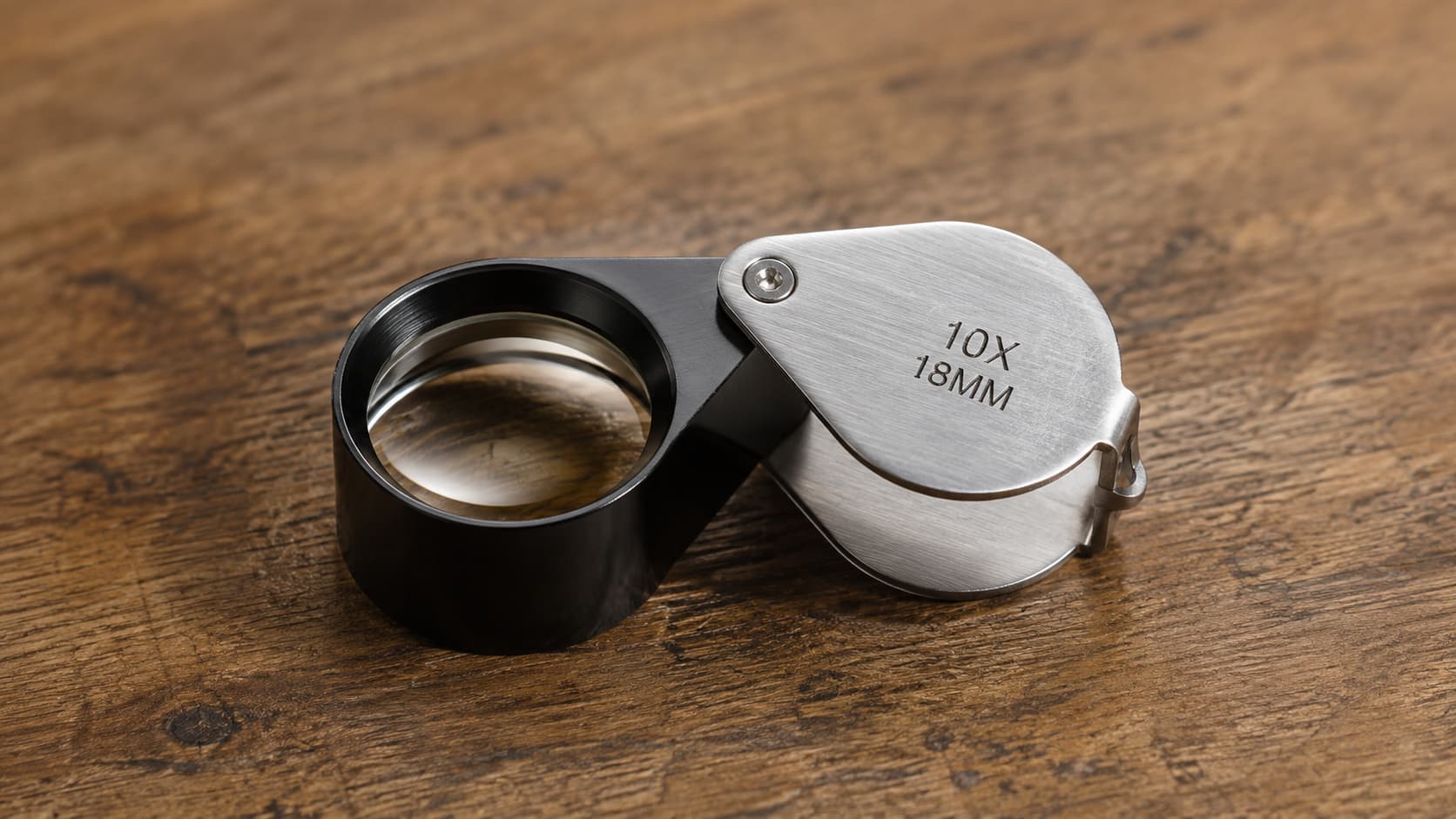
- Professional loupe examination at 10x magnification reveals internal characteristics that help identify genuine diamonds, including specific inclusion types, growth patterns, and crystal structures that simulants cannot perfectly replicate. However, this requires training to interpret what you’re seeing correctly.
- Spectroscopy equipment used by gemological laboratories analyzes the exact wavelengths of light that stones absorb and reflect, creating unique fingerprints that identify not only whether stones are diamonds but also whether they’re natural or lab-created. These machines cost thousands of dollars but provide 100% accuracy.
- Diamond testers combining multiple detection methods offer the most reliable portable testing, using both thermal and electrical conductivity measurements along with other sensors to eliminate false readings. Professional-grade combination testers cost $300 to $800 but can distinguish diamonds from all known simulants.
- Weight comparison against known diamonds of similar size can reveal density differences, since simulants often weigh noticeably more or less than genuine diamonds. This method requires reference stones and precision scales but can quickly eliminate obvious fakes without any risk to the tested jewelry.
The key advantage of these alternative methods is that they test multiple diamond properties simultaneously rather than relying on hardness alone, providing much more reliable identification while protecting your jewelry from the permanent damage that scratch testing can cause. Professional gemologists use combinations of these techniques to achieve certainty levels that scratch testing cannot approach.
When to Use Professional Diamond Testing
Professional gemological services become essential when the financial, emotional, or legal stakes are high enough that you cannot afford to risk damaging valuable jewelry or making costly mistakes based on unreliable home testing methods that modern diamond simulants can easily fool.
- Insurance purposes require official certification from recognized gemological laboratories like GIA, AGS, or SSEF because insurance companies will not accept home testing results or informal appraisals when processing claims for lost, stolen, or damaged jewelry. Professional certificates provide the detailed documentation that insurance policies demand for coverage verification and claim settlements.
- Before major purchases over $1,000, professional testing protects you from sophisticated fraud schemes where sellers use high-quality simulants or treated stones while claiming they’re selling natural diamonds. Reputable dealers provide certificates with expensive stones, but independent verification through a different laboratory ensures you’re getting what you paid for.
- Estate jewelry and inherited pieces often lack proper documentation, making professional testing the only reliable way to determine their true value and authenticity. Family stories about “grandmother’s diamond ring” can be wrong, and many vintage pieces contain simulants that were considered acceptable alternatives when they were originally purchased decades ago.
- Legal situations involving divorce settlements, estate disputes, or fraud investigations require certified gemological reports that courts will accept as expert testimony. Judges and attorneys cannot use scratch test results or informal opinions when making decisions about property division or criminal cases involving jewelry fraud.
- Investment diamonds intended for long-term value storage need comprehensive certification that documents not only authenticity but also quality grades for cut, color, clarity, and carat weight. Professional grading affects resale value significantly, and investors need detailed records to track their holdings properly over time.
- Engagement ring purchases represent major emotional and financial investments that deserve professional verification before the proposal, especially when buying from online dealers, estate sales, or private sellers who might not provide reliable documentation about the stone’s characteristics and authenticity.
- Antique or vintage jewelry often contains diamonds that were cut differently than modern stones, making visual identification more difficult for untrained observers. Professional gemologists have the experience and equipment needed to evaluate older cutting styles and identify period-appropriate characteristics that confirm authenticity.
- Colored diamonds require specialized testing because their rarity and high values make them frequent targets for fraud, with many colored simulants designed specifically to fool casual observers. Professional laboratories use advanced spectroscopy to distinguish natural colored diamonds from treated or synthetic alternatives.
- Large diamonds over 2 carats warrant professional testing because their high values make the cost of certification negligible compared to the financial protection it provides. Big stones are also more likely to be counterfeited since the potential profits from successful fraud schemes increase dramatically with size.
- Suspect stones that seem too good to be true in terms of size, quality, or price should always undergo professional testing before you make purchasing decisions or insurance claims. Unusual deals often involve treated, synthetic, or simulated stones being misrepresented as natural diamonds.
- Commercial jewelry businesses must use professional testing to verify their inventory, satisfy customer demands for certified merchandise, and protect themselves from liability issues that arise when selling misidentified stones. Professional dealers cannot rely on home testing methods without risking their reputations and legal standing.
The cost of professional testing typically ranges from $50 to $300 depending on the services required, making it an affordable investment compared to the potential losses from jewelry fraud, insurance problems, or accidental damage from home testing attempts. Professional gemologists also provide detailed written reports that document their findings permanently, creating valuable records for future reference.
Protecting Your Diamonds from Scratches
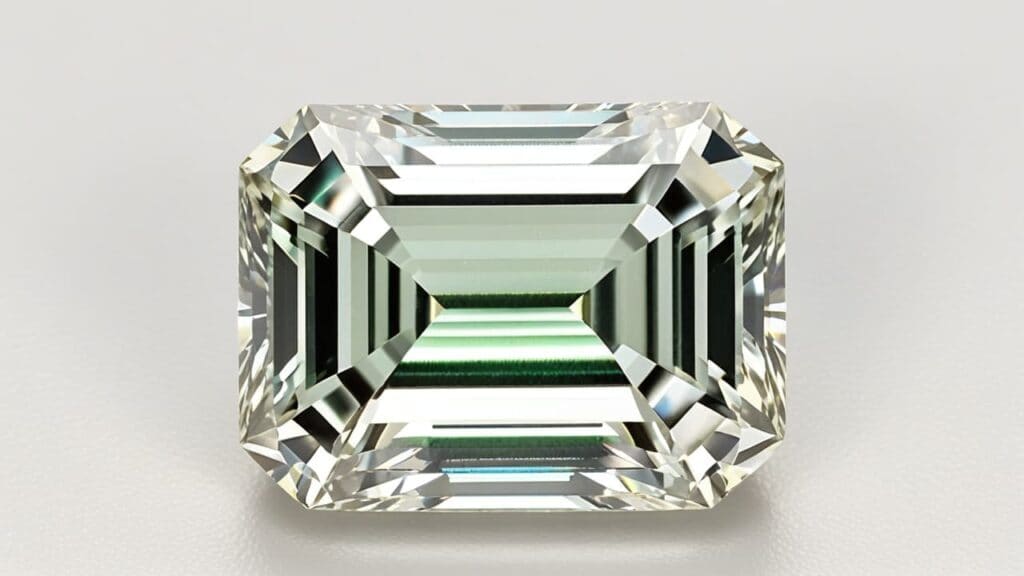
Real diamonds require careful handling and storage to prevent damage from their own hardness and vulnerability to impact forces, since the same properties that make diamonds capable of scratching other materials also create specific risks that many jewelry owners don’t fully understand.
- Store diamonds separately from other jewelry in individual fabric-lined compartments or soft pouches because diamonds can scratch other diamonds, gemstones, and precious metals during contact. Many people make the mistake of throwing all their jewelry together in one box, not realizing that their diamond pieces are constantly damaging their other valuable items.
- Remove diamond jewelry before doing manual work, sports, or household chores that might expose the stones to hard impacts against surfaces like concrete, metal tools, or kitchen counters. While diamonds resist scratching, they can chip or crack when struck at certain angles, especially along their natural cleavage planes where the crystal structure is weaker.
- Clean diamonds regularly with warm soapy water and soft brushes to remove oil, dirt, and debris that can accumulate and dull the stone’s brilliance over time. Built-up grime not only affects appearance but can also trap abrasive particles that scratch the diamond during normal wear, creating permanent damage that reduces the stone’s value.
- Avoid exposing diamonds to extreme temperature changes like jumping from hot tubs into cold pools or wearing jewelry near open flames, since thermal shock can create internal stress fractures that weaken the stone’s structure. Diamonds can actually burn at temperatures around 1,562°F, so kitchen work near stoves or grills poses real risks.
- Check prong settings and mountings regularly because loose stones become vulnerable to loss and damage when they’re not held securely in place. Professional jewelers recommend inspections every six months to ensure that wear hasn’t loosened the metal components that protect your diamonds from impacts and provide structural support.
- Use ultrasonic cleaners carefully and only for diamonds without fractures or inclusions, since the vibrations can worsen existing flaws or damage treated stones. Many commercial cleaning solutions also contain harsh chemicals that can damage metal settings or affect certain diamond treatments, making professional cleaning safer for valuable pieces.
- Protect diamonds from household chemicals like bleach, chlorine, and harsh cleaning products that can damage metal settings and create chemical reactions that affect the stone’s appearance. Swimming pool chemicals are particularly dangerous because they can cause gold and silver settings to become brittle and break, dropping diamonds into pools where they’re nearly impossible to recover.
- Avoid wearing diamond jewelry during activities that create friction or abrasion, such as gardening, weightlifting, or working with tools, since repeated contact with hard surfaces can gradually wear down prong settings and create microscopic chips that accumulate over time into visible damage.
- Store jewelry in stable temperature and humidity conditions away from direct sunlight, which can affect certain treatments and cause metal components to expand and contract in ways that stress the diamond’s mounting. Extreme environmental conditions also promote tarnishing of metal settings that can transfer discoloration to diamond surfaces.
- Handle diamonds by their metal settings rather than touching the stones directly, since skin oils create films that reduce brilliance and can trap dirt particles that act like sandpaper during normal wear. Professional jewelers always use tweezers or specialized tools when handling loose diamonds to avoid contamination and accidental drops.
- Schedule professional maintenance annually or after any impacts that might have damaged your jewelry, since trained jewelers can spot potential problems before they become serious issues requiring expensive repairs. Professional cleaning, inspection, and minor adjustments cost much less than replacing damaged diamonds or reconstructing destroyed settings.
The key principle for diamond protection involves recognizing that hardness doesn’t equal toughness, and that diamonds can be damaged by forces other than scratching. Understanding these vulnerabilities helps jewelry owners develop proper care habits that preserve their investments while allowing them to enjoy wearing their beautiful pieces safely.
Conclusion
The diamond scratch test represents an outdated and dangerous approach to gem authentication that belongs in the past rather than modern jewelry care practices. While diamonds truly are the hardest natural material on Earth with their perfect 10 rating on the Mohs scale, this exceptional hardness no longer provides reliable identification in today’s market filled with sophisticated simulants like moissanite, lab-created diamonds, and advanced cubic zirconia that can fool traditional hardness testing. The risks of permanently damaging valuable jewelry through chipping, cracking, or surface scratching far outweigh any potential benefits from attempting home authentication methods that professional gemologists have abandoned for good reasons.
Modern diamond authentication relies on multiple scientific testing methods that examine thermal conductivity, electrical properties, optical characteristics, and internal structure rather than simple scratch resistance. Professional gemological laboratories use expensive spectroscopy equipment, certified reference standards, and trained experts to provide 100% accurate identification that distinguishes not only real diamonds from simulants but also natural stones from lab-created varieties. These professional services cost between $50 and $300 depending on the testing required, making them affordable investments compared to the financial losses from jewelry fraud or accidental damage from home testing attempts.
For anyone who values their diamond jewelry, the path forward involves prevention rather than risky testing through purchasing from reputable dealers with return policies, requesting professional certification before major purchases, and investing in independent appraisals for valuable pieces. Understanding diamond’s remarkable hardness enhances appreciation for these extraordinary gems while recognizing that modern authentication requires modern solutions that protect both the physical integrity of your jewelry and your financial security in ways that destructive scratch testing never could achieve.