
Lost an earring again? You’re not alone. The most effective ways to prevent earrings from falling out are using secure earring backs like screw-on or safety backs, ensuring proper fit between the earring post and your piercing, and regularly maintaining your earrings. Most earring loss happens due to loose backs, worn posts, or simply using the wrong type of backing for your earring style. Losing earrings is frustrating and expensive, especially when it’s a favorite pair or valuable jewelry. The good news is that most earring loss is completely preventable with the right knowledge and simple adjustments. Whether you’re dealing with studs that slip out during sleep or hoops that open unexpectedly, there are proven solutions that work for every earring type and lifestyle.
Why Do My Earrings Keep Falling Out?
Before you can fix the problem, you need to understand what’s actually causing your earrings to fall out. The truth is, earring loss isn’t random bad luck – it happens for specific, fixable reasons that affect the mechanics of how earrings stay in place. Most earring problems stem from just a few common causes that millions of people experience daily, but surprisingly few understand. Whether you’re losing expensive diamond studs or favorite costume jewelry, the underlying reasons are usually the same and completely preventable once you know what to look for.
- Loose or worn earring backs create the most common problem. Standard butterfly backs (those small metal pieces that slide onto posts) lose their grip over time because the tiny metal tabs that create tension wear down with repeated use. When these tabs flatten or spread apart, they can no longer hold securely against the earring post. This is especially noticeable with earrings worn frequently, as the constant sliding on and off gradually reduces the back’s ability to maintain proper tension.
- Wrong earring size for your ear piercing causes instability and slippage. If the earring post is too thin for your piercing hole, it can move around freely and eventually work its way out. Conversely, if the post is too thick, it can stretch the piercing and cause discomfort, leading people to wear the earrings too loosely. The ideal fit allows the earring to sit securely without being forced or feeling loose in the piercing.
- Damaged or bent earring posts prevent proper backing attachment. When earring posts get bent from being dropped or stored improperly, the earring back cannot slide all the way down to create a secure hold. Even slight bends that aren’t visible to the naked eye can cause the back to sit at an angle, reducing its gripping power. Worn post tips that have become rounded or damaged also make it difficult for backs to stay in place.
- Natural ear movement and daily activities gradually loosen earrings throughout the day. Talking, chewing, sleeping, and even brushing hair creates constant micro-movements that can slowly work earrings loose. Heavy earrings are particularly susceptible because gravity pulls them downward while movement shifts them around. Activities like sports, swimming, or wearing headphones create additional forces that can dislodge even well-secured earrings.
- Poor quality earring mechanisms fail to provide adequate security. Cheap butterfly backs often use thin metal that bends easily, while low-quality hoop closures may not align properly or lack sufficient spring tension. Earrings made from soft metals can deform over time, affecting how well the backing system works. Investment in quality earrings with proper mechanisms significantly reduces the likelihood of loss.
The combination of these factors means that even expensive earrings can fall out if they’re not properly maintained or if you’re using inadequate backing systems. Once you identify which factors are affecting your specific earrings, you can choose the most effective prevention strategies that target the actual problem rather than just hoping for the best. Most people discover that their earring loss problems stem from just one or two of these causes, making solutions much simpler than they initially expected. The key is being honest about which factors apply to your situation and addressing them systematically rather than hoping different earrings will magically solve the problem.
How to Fix Loose Earrings at Home
Sometimes you need immediate solutions that don’t require shopping for new parts or visiting a jeweler. The good news is that many earring security problems can be solved right now with items you probably already have at home, often providing results that last for months or even permanently. These quick fixes work because they address the most common causes of earring loss – loose backs, dirty components, and improper positioning – using simple tools and techniques that anyone can master in just a few minutes.
- Tighten existing earring backs by gently squeezing the metal tabs together. Use clean needle-nose pliers or your fingernails to carefully compress the butterfly back’s tabs, which restores the tension needed to grip the post securely. Apply gentle pressure evenly on both sides to avoid breaking the delicate metal. This fix works best on backs that are worn but not completely flattened, and you may need to repeat it periodically as the metal continues to wear.
- Clean earring posts and backs thoroughly to remove buildup that prevents proper fit. Soap residue, dead skin cells, and natural oils accumulate on earring components over time, creating a slippery surface that reduces the back’s grip. Use rubbing alcohol on a cotton swab to clean both the post and the inside of the backing mechanism. Allow everything to dry completely before reassembling, as moisture can also contribute to slippage.
- Adjust earring position to ensure the back sits as close to your ear as comfortable. Many people wear earrings too loosely, leaving excess post length that allows movement and eventual loss. Slide the back closer to your earlobe while ensuring you’re not creating uncomfortable pressure. The back should be snug against your ear without pinching, eliminating the space that allows the earring to shift and work loose.
- Check for bent posts by rolling the earring between your fingers and looking for irregular movement. A straight post will roll smoothly, while a bent one will wobble or feel uneven. Minor bends can sometimes be carefully straightened using pliers, but be extremely gentle to avoid breaking the post. If the bend is severe or near the earring head, professional repair or replacement may be necessary.
These immediate fixes can often solve earring security problems without any cost or special tools, and many provide surprisingly long-lasting results for such simple solutions. While they may not be permanent solutions for severely worn earrings, they can buy you time to find better long-term options and prevent losses in the meantime. Many people are surprised to discover that simple cleaning and adjustment solves their earring problems completely, eliminating the need for more complex or expensive solutions. The best part is that these techniques work on virtually any earring type and can be repeated whenever needed without damaging your jewelry.
Best Earring Backs to Prevent Loss
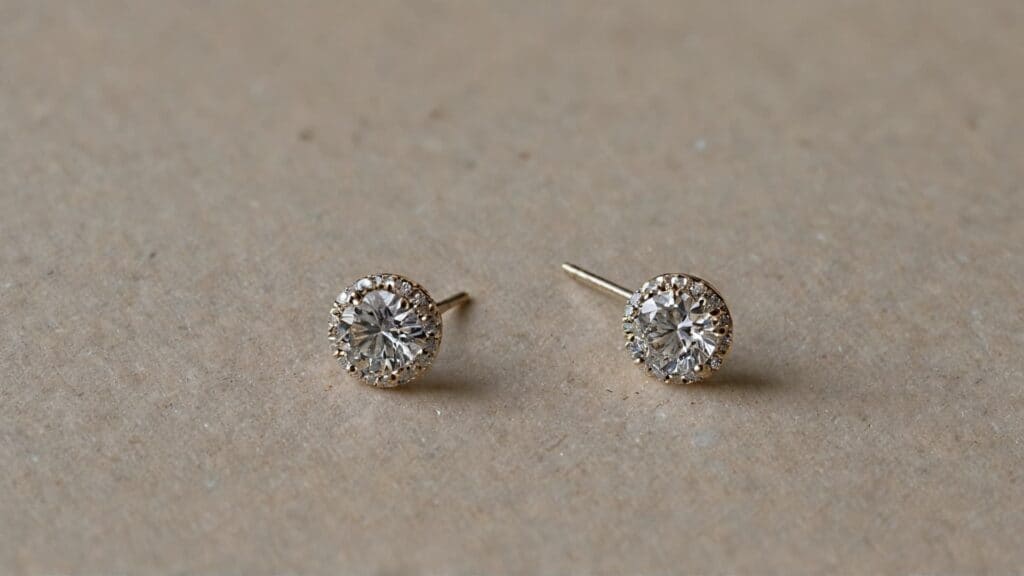
The backing system is your earring’s first and most important line of defense against loss, yet most people never think about upgrading from whatever backs came with their earrings. Choosing the right type can mean the difference between constantly losing earrings and never worrying about them again. Different backing systems offer varying levels of security, comfort, and convenience, and the right choice depends on your earring style, activity level, and how much security you need. Investing in quality backs often costs just a few dollars but can save hundreds in lost jewelry over time.
- Rubber or silicone backs provide excellent grip and comfort for most earring types. These soft backs conform to the earring post’s shape and create friction that prevents slipping, while their flexibility makes them comfortable for extended wear. They work particularly well with slightly thicker posts and are nearly invisible when worn. Silicone backs are also hypoallergenic, making them ideal for people with sensitive ears. However, they can collect lint and debris over time and may need replacement every few months with regular use.
- Screw-on backs offer the most secure option available for valuable or frequently worn earrings. These backs thread onto specially designed posts, creating a mechanical lock that cannot accidentally come loose during normal activities. The threading ensures that the back can only be removed intentionally by unscrewing it, making loss nearly impossible. While they take slightly longer to put on and remove, the security they provide makes them ideal for expensive jewelry, sleeping, or active lifestyles. They’re available in various metals to match your earrings.
- Butterfly backs remain the standard but can be significantly improved with proper selection and care. High-quality butterfly backs made from thicker metal with stronger spring tension last much longer than cheap alternatives. Look for backs with tighter tabs and smoother internal surfaces that grip the post without scratching it. Some butterfly backs feature additional safety mechanisms like small notches or ridges that provide extra holding power. While they’re the most common and convenient option, they require regular replacement as they wear out.
- Safety backs combine butterfly back convenience with additional security features. These backs include a small safety mechanism, such as a flip-up tab or sliding sleeve, that provides backup security if the main backing system fails. They’re particularly useful for children’s earrings or situations where losing an earring would be especially problematic. Safety backs typically cost more than standard butterfly backs but less than screw-on systems, making them a good middle-ground option.
- Magnetic backs represent a modern solution that uses strong magnets to hold earrings in place. These systems typically consist of two magnetic pieces – one that goes on the post like a traditional back and another that sits behind the earlobe. The magnetic attraction creates a secure hold while remaining easy to put on and remove. They work especially well for heavy earrings because the magnetic force can be stronger than mechanical friction. However, they’re more expensive than traditional options and may not be suitable for people with certain medical devices.
Choosing the right backing system depends on balancing security, comfort, convenience, and cost based on your specific needs and lifestyle. For everyday wear, quality butterfly backs or silicone backs usually provide adequate security, while valuable jewelry or active lifestyles may warrant the investment in screw-on or safety backs. Remember that different earrings in your collection may benefit from different backing types – there’s no rule that says you have to use the same backs for everything. The small investment in appropriate backing systems almost always pays for itself by preventing the loss of even one pair of earrings.
How to Secure Different Types of Earrings
Different earring styles present unique challenges for security, requiring specific approaches to prevent loss rather than generic one-size-fits-all solutions. What works perfectly for lightweight studs might be completely wrong for heavy hoops, and statement pieces need entirely different strategies than delicate drops. The physics of how each earring type interacts with your ear and daily activities determines which security measures will be most effective. By tailoring your approach to each earring style, you can dramatically improve security without sacrificing comfort or appearance.
- Stud earrings rely entirely on their backing system for security, making proper backing selection and post length crucial factors. The backing should be positioned close enough to the ear to eliminate excess post movement while avoiding uncomfortable pressure. For daily wear, the back should be snug but allow slight movement for comfort during activities like sleeping or phone calls. Post length considerations significantly affect stud security – posts that are too long create unnecessary space for movement and increase the likelihood of catching on clothing or hair. Ideally, only 1-2 millimeters of post should extend beyond the earring back when properly positioned.
- Hoop earrings present unique security challenges because they rely on closure mechanisms rather than backing systems. Hinged hoops with snap-shut closures provide better security than simple wire hoops that rely only on tension. Look for hoops with audible “click” closures that confirm proper engagement, with no visible gaps that could allow the hoop to open accidentally. Size and weight factors significantly affect how securely hoops stay in place – larger, heavier hoops create more leverage against the piercing and are more likely to pull out or catch on objects. The hoop’s diameter should be proportional to your ear size to prevent catching on clothing, hair, or other objects.
- Drop and dangle earrings face gravitational pull and movement forces that can gradually work them loose. Weight distribution affects how drop earrings hang and their tendency to fall out – earrings with heavy bottoms and light tops create pendulum effects that can gradually stretch piercings and work posts loose. Well-designed drop earrings distribute weight evenly or keep the heaviest elements close to the ear. For wire-style drop earrings, hook security improvements can prevent accidental loss by gently closing hook openings with pliers, ensuring the wire end sits securely against the main hook body.
- Heavy statement earrings require special strategies because their weight and size create forces that can overwhelm standard security measures. Support strategies help distribute weight and reduce strain on piercings – earring support patches that stick to the back of your ear can help carry some of the weight, reducing the pull on your piercing. Some people use clear tape to provide additional support behind the ear. Alternative wearing methods can make heavy earrings more practical, such as modifying them to clip onto the ear rather than going through the piercing, or using magnetic backing systems that can provide stronger holding force than mechanical backs.
Each earring type benefits from tailored security approaches that address its specific vulnerabilities and wearing characteristics. What works for lightweight studs may not be adequate for heavy statement pieces, so matching your security strategy to your earring style is essential for preventing loss. The good news is that once you understand the principles behind each earring type’s security needs, you can apply these concepts to any earrings in your collection. Most people find that addressing earring-specific security issues solves problems they’ve struggled with for years, often with surprisingly simple adjustments.
When to Get Professional Earring Repairs
When home remedies and new backing systems aren’t sufficient, professional jewelers can provide permanent solutions that address underlying structural problems with your earrings. These modifications often cost less than replacing lost earrings and can transform problematic pieces into secure, wearable jewelry that you’ll never worry about losing. Professional solutions work because they can modify the actual earring components rather than just working around existing problems. Many people are surprised to learn how affordable and effective these modifications can be.
- Jeweler modifications can transform problematic earrings into secure, wearable pieces. Professional jewelers can replace worn posts with new ones made from appropriate metals and proper dimensions for your piercings. They can also install more secure backing systems, such as converting butterfly back earrings to screw-on systems by threading the posts. For hoops with weak closures, jewelers can install spring-loaded mechanisms or safety chains that provide backup security. These modifications typically cost between $15-50 per pair, depending on the complexity of the work required.
- Earring post replacement addresses fundamental security problems that no backing system can fix. Bent, worn, or incorrectly sized posts are often the root cause of earring loss, and replacing them provides a permanent solution. Jewelers can install posts with proper diameter for your piercings, correct length for comfortable wear, and threading for screw-on backs if desired. They can also upgrade post materials to more durable options like surgical steel or platinum for people with metal sensitivities. Post replacement usually preserves the original earring design while dramatically improving security.
- Adding security features to existing earrings can prevent loss without changing their appearance. Jewelers can install safety chains that connect the earring to a small clip that attaches to clothing or hair, ensuring that even if the earring comes loose, it won’t fall to the ground. For valuable pieces, they can add tiny security pins that prevent earrings from being accidentally pulled out. Some jewelers can also create custom backing systems designed specifically for unusual earring shapes or weights that don’t work well with standard options.
- When to seek professional help depends on the value of your earrings and frequency of loss problems. If you’ve lost multiple earrings from the same pair or consistently have problems with earrings falling out despite trying various backing systems, professional modification is usually worthwhile. For valuable or sentimental pieces, professional upgrade costs are typically much less than replacement costs. Jewelers can also assess whether earrings are worth modifying or if replacement would be more cost-effective, helping you make informed decisions about your jewelry investments.
Professional solutions often provide permanent fixes that eliminate ongoing frustration and the risk of losing irreplaceable jewelry, making them excellent long-term investments. While there’s an upfront cost, the long-term value of never losing earrings again usually justifies the investment for frequently worn or valuable pieces. Many modifications also improve the overall wearing experience, making earrings more comfortable and easier to put on and remove. The key is finding a skilled jeweler who understands your specific needs and can recommend the most appropriate solutions for your earrings and lifestyle.
How to Maintain Earring Security

Regular maintenance prevents most earring security problems before they develop, extending the life of your earrings and their backing systems while saving money on replacements and repairs. A few simple habits can save you from the heartbreak of losing favorite pieces and ensure that your earrings remain secure and comfortable to wear. The beauty of preventive care is that it requires minimal time and effort but provides enormous benefits in terms of jewelry longevity and security. Most earring problems develop gradually, making them completely preventable with proper attention.
- Regular cleaning routines prevent buildup that interferes with proper backing function. Clean your earrings weekly with appropriate methods for their materials – soap and water for most metals, specialized cleaners for pearls or delicate stones. Pay special attention to earring posts and the inside of backing mechanisms, where oils and debris accumulate and create slippery surfaces. Use soft brushes like old toothbrushes to gently scrub posts and backs, removing buildup that prevents secure attachment. Always dry earrings thoroughly before reassembling, as moisture can contribute to slippage and corrosion.
- Proper storage methods protect earring components from damage that leads to security problems. Store earrings in individual compartments or soft pouches to prevent posts from bending and backs from getting lost or damaged. Avoid throwing earrings loose into jewelry boxes where they can scratch each other or become tangled. Use earring trees or foam blocks that keep pairs together and allow easy inspection of their condition. For valuable pieces, consider storage boxes with individual slots that protect each earring completely.
- Checking for wear and tear should become part of your regular jewelry routine. Examine earring posts monthly for bends, wear, or damage that could affect security. Test butterfly backs by sliding them on and off posts – they should require slight pressure and feel snug. Look for flattened or spread tabs on butterfly backs that indicate wear. Check hoop closures for proper alignment and spring tension. Inspect drop earrings for loose connections or worn hook closures that could fail unexpectedly.
- Replacing worn components before they fail prevents earring loss and more expensive repairs. Butterfly backs are inexpensive consumable items that should be replaced every 6-12 months with regular use, depending on quality. Keep spare backs in your jewelry box and replace them as soon as they feel loose. For valuable earrings, consider upgrading to higher-quality backing systems rather than repeatedly replacing cheap ones. Replace any earring components that show significant wear rather than waiting for them to fail completely.
Preventive maintenance requires minimal time and cost but provides enormous benefits in terms of earring security and longevity, often extending the life of your jewelry by years. Most earring loss is completely preventable with proper care, making these routines valuable investments in protecting your jewelry collection. The time spent on regular maintenance is always less than the time and money required to replace lost earrings. By making these simple practices part of your routine, you’ll enjoy greater peace of mind and better-performing jewelry throughout your collection.
DIY Hacks and Home Remedies for Loose Earrings
Simple household items can provide effective temporary or permanent solutions for earring security problems when commercial options aren’t available or when you need immediate fixes. These clever tricks work well for emergencies, travel situations, or when you’re testing solutions before investing in professional repairs. Many of these methods have been used successfully for generations and can be surprisingly effective despite their simplicity. The key is knowing which household items are safe to use with jewelry and how to apply them properly.
- The pencil eraser trick provides temporary backing for lost earring backs. Clean pencil erasers can be carefully pushed onto earring posts to hold them in place temporarily. Cut small pieces from clean erasers and pierce them with the earring post, creating a snug fit that prevents the earring from falling out. This method works best for short-term solutions and isn’t suitable for long-term wear, as erasers can harbor bacteria and may cause skin irritation with extended contact. Always clean the eraser piece and your ear before using this method.
- Clear nail polish applied to earring posts creates additional friction for better backing grip. Allow one thin coat of clear nail polish to dry completely on the earring post before adding the backing. The slight texture increase helps backs grip more securely while remaining nearly invisible. This method works particularly well with butterfly backs that have become slightly loose but aren’t completely worn out. Reapply as needed when the polish wears off, typically every few weeks with regular use.
- Tape solutions can provide emergency security for various earring types. Small pieces of clear medical tape placed behind the ear can prevent hook-style earrings from sliding out. For post earrings, tiny pieces of tape can be wrapped around the post behind the ear to create a larger diameter that prevents the earring from slipping through the piercing. Use only medical-grade or hypoallergenic tapes to avoid skin reactions, and remove tape gently to prevent irritation.
- Hair tie backup methods work well for drop earrings and situations where complete security is essential. Tiny clear hair ties can be looped around earring hooks or posts to create backup security that’s nearly invisible when worn. This method is particularly useful for outdoor activities, sports, or situations where losing an earring would be especially problematic. The hair tie doesn’t interfere with normal wear but prevents the earring from falling to the ground if the main closure fails.
While DIY solutions can be effective for temporary fixes or emergency situations, they shouldn’t replace proper backing systems for valuable jewelry or long-term wear. These methods are most useful as backup security measures or immediate solutions while you arrange for proper repairs or replacements. The beauty of these hacks is that they cost virtually nothing and can often solve problems immediately, buying you time to implement more permanent solutions. Many people keep some of these supplies on hand specifically for jewelry emergencies, especially when traveling.
What Not to Do With Loose Earrings
Avoiding common mistakes prevents damage to your earrings and ensures that your security efforts are effective rather than counterproductive. Many well-intentioned attempts to secure earrings actually create new problems or make existing issues worse, sometimes causing more damage than the original problem. These mistakes are surprisingly common because they seem logical at first glance, but they often ignore the delicate engineering that makes earrings work properly. Learning what not to do can be just as valuable as learning proper techniques.
- Over-tightening earring backs can damage both the backing mechanism and your ears. Excessive pressure can flatten butterfly back tabs permanently, making them unusable, or strip threading on screw-on backs. Over-tight backs also restrict blood flow to earlobes, causing swelling, discomfort, and potential tissue damage. The goal is snug security, not maximum tightness – earrings should feel secure without causing pain or leaving deep impressions on your skin when removed.
- Using inappropriate substitutes for proper earring backs creates safety hazards and unreliable security. Items like buttons, beads, or pieces of plastic may seem like creative solutions but can break apart and leave pieces in your piercing, or cause allergic reactions from inappropriate materials. Makeshift backing materials may also be too large or awkwardly shaped, making earrings uncomfortable to wear or more likely to catch on objects. Always use purpose-made earring backs designed for jewelry use.
- Ignoring damaged earring components leads to inevitable loss and potentially more expensive problems. Continuing to wear earrings with bent posts, cracked backs, or failing closure mechanisms almost guarantees eventual loss. Damaged components also put additional stress on other parts of the earring, potentially causing cascade failures that require more extensive repairs. Address problems early when simple fixes are still possible rather than waiting for complete failure.
- Forcing ill-fitting earrings can damage both the jewelry and your piercings. If earring posts are too thick for your piercings, forcing them through can tear the skin and create irregular holes that make future earring wear problematic. Similarly, forcing backing systems that don’t fit properly can strip threads, bend posts, or break delicate mechanisms. If earrings don’t fit comfortably and securely, seek professional modification or choose different earrings rather than forcing inappropriate combinations.
Knowing what not to do is often as important as knowing proper techniques, especially when dealing with delicate jewelry mechanisms that can be easily damaged. Many earring security problems result from well-meaning mistakes that create new issues rather than solving existing ones, making it essential to use appropriate methods and materials for earring care and security. The good news is that most of these mistakes are easily avoided once you understand why they cause problems. By steering clear of these common errors, you’ll save money on repairs and ensure that your security efforts actually improve rather than compromise your earrings’ performance.
When to Replace vs Repair Earrings
Knowing when earrings are beyond repair helps you make smart financial decisions about replacement versus continued maintenance, preventing you from throwing good money after bad. Some problems can’t be fixed cost-effectively, making replacement the better option even for sentimental pieces. The key is learning to assess damage objectively and understand when repair costs exceed the value of the earrings. This decision-making process becomes easier once you understand what types of damage are fixable and what problems indicate fundamental structural failure.
- Signs of irreparable damage include severely bent posts, completely worn backing mechanisms, and structural failures in the earring design. Posts that have been bent multiple times often develop stress fractures that make them likely to break completely. Butterfly backs with completely flattened or missing tabs cannot be repaired effectively. Earrings with broken solder joints, cracked gemstone settings, or separated components may cost more to repair than replace, especially for lower-value pieces. When repair costs approach or exceed the earring’s value, replacement is typically the wiser choice.
- Safety concerns should always take priority over sentimental or financial considerations. Earrings with sharp edges from damage, loose prongs that could lose stones, or compromised structural integrity pose risks to your ears and safety. Materials that have developed rough surfaces or sharp points can cut or irritate piercings. If earrings cannot be made safe through reasonable repairs, replacement is necessary regardless of their original cost or sentimental value.
- Cost versus replacement considerations help determine the most economical approach. For inexpensive fashion jewelry, replacement often costs less than professional repair. However, for precious metal or gemstone earrings, repair is usually more economical than replacement. Consider the earring’s original value, current replacement cost, and repair estimates when making decisions. Sometimes partial replacement – such as keeping valuable gemstones but replacing damaged settings – provides the best balance of economy and preservation.
Making informed decisions about when to replace earrings prevents throwing money away on hopeless repairs while ensuring you don’t discard fixable jewelry that could serve you for years longer. The key is honestly assessing damage severity, repair costs, and safety factors to determine the most practical course of action for each specific situation. Sometimes the emotional attachment to earrings makes replacement decisions difficult, but prioritizing safety and practicality usually leads to better outcomes. Remember that replacement doesn’t always mean losing sentimental value – many elements like gemstones can often be preserved in new settings.
How to Buy Earrings That Don’t Fall Out
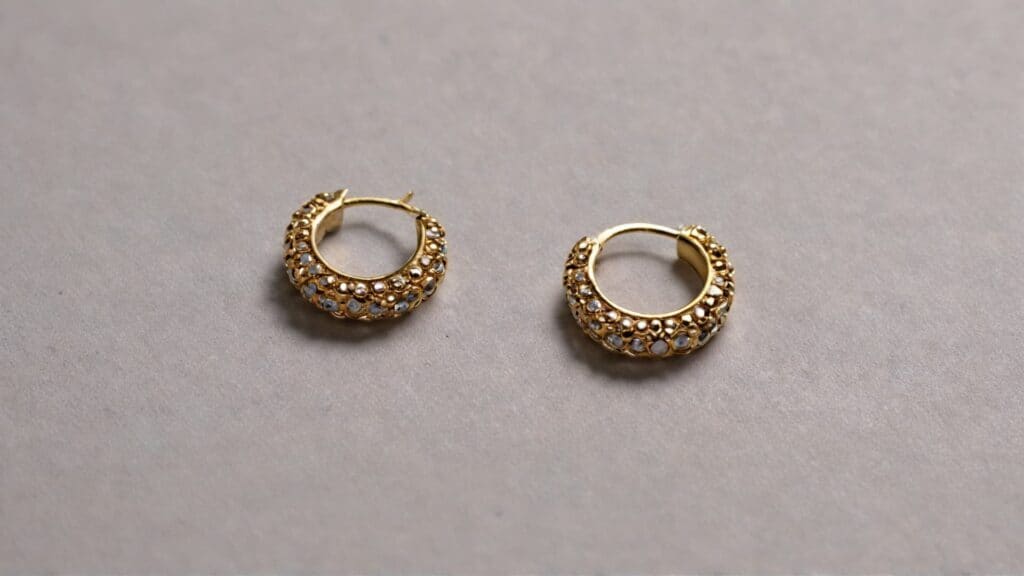
Choosing earrings with good security features from the start prevents many loss problems and provides better long-term value than repeatedly replacing poorly designed pieces. Smart shopping decisions can save you years of frustration with problematic jewelry and actually cost less over time than buying cheap earrings that constantly fall out. The key is knowing what security features to look for and understanding how different design elements affect earring performance. Many people focus only on appearance when buying earrings, but considering security features during the selection process pays enormous dividends.
- What to look for in quality earrings includes robust backing systems, appropriate post dimensions, and durable construction materials. High-quality earrings typically feature stronger backing mechanisms with better spring tension and more durable materials. Posts should be properly sized for standard piercings (typically 20 gauge or about 0.8mm diameter) and made from materials that won’t bend easily. Look for earrings with posts that are appropriate length for comfortable wear with secure backing attachment. Quality jewelry often includes better backing options like screw-on systems or high-grade butterfly backs.
- Questions to ask jewelry sellers help you understand exactly what you’re purchasing and what security options are available. Ask about post gauge and length to ensure compatibility with your piercings. Inquire about backing system options – many jewelers can provide upgraded backs even if the earrings come with standard ones. Find out about warranty coverage for defects or premature wear. Ask whether the seller provides repair services or can recommend qualified jewelers for future maintenance. Understanding return policies is also important in case the earrings don’t fit securely.
- Testing earring security before purchase, when possible, helps identify potential problems early. If trying on earrings in-store, pay attention to how the backing feels when attached – it should require slight pressure and feel secure without being difficult to remove. Check that posts are straight and that backing mechanisms align properly. For online purchases, test earrings immediately upon receipt and contact the seller promptly if security seems inadequate. Many reputable sellers will work with customers to ensure proper fit and security.
Investing in quality earrings with good security features often costs less in the long run than repeatedly replacing lost cheap jewelry, while providing better wearing experience and peace of mind. Taking time to evaluate security features during the purchasing process helps ensure you’ll be happy with your earrings for years to come. Remember that the most expensive earrings aren’t necessarily the most secure – focus on construction quality and appropriate backing systems rather than just price or brand names. By making security a priority during shopping, you’ll build a jewelry collection that you can actually enjoy wearing without constant worry about loss.
Conclusion
Preventing earring loss is entirely achievable with the right combination of quality backing systems, proper maintenance, and awareness of what causes earrings to fall out. The three most effective strategies are upgrading to secure backing systems like screw-on or safety backs, maintaining proper fit between posts and piercings, and establishing regular cleaning and inspection routines. Most earring loss problems can be solved with simple, inexpensive solutions that provide permanent security improvements. Whether you’re dealing with loose butterfly backs, worn posts, or heavy statement earrings, there’s a proven solution that will work for your specific situation.
Remember that earring security is primarily about prevention rather than reaction – addressing wear and fit issues before they cause loss saves both money and frustration. Regular inspection of your earrings helps you catch problems early when they’re still easy and inexpensive to fix. Simple maintenance like cleaning posts and backs, replacing worn components, and storing earrings properly prevents most security issues from developing in the first place. Professional modifications may seem like an investment, but they’re almost always less expensive than replacing lost jewelry.
Don’t hesitate to try multiple approaches until you find what works best for your particular situation. What works perfectly for lightweight studs may not be adequate for heavy chandelier earrings, and what suits an active lifestyle may be overkill for occasional wear. The investment in proper earring security – whether through upgraded backs, professional modifications, or careful maintenance – is always less than the cost of replacing lost jewelry, making these strategies both practical and economical for protecting your earring collection.