Demantoid is an exceptionally rare and valuable variety of green andradite garnet first discovered in Russia’s Ural Mountains in the 1850s. Named after the German word “demant” meaning diamond-like, this gemstone earned its name due to its remarkable brilliance and fire. With a vibrant green color ranging from yellowish-green to deep emerald-green and a dispersion rate higher than that of diamond, demantoid is widely considered the most precious member of the garnet family. It’s often called the “Czar of garnets” due to its historic popularity among Russian royalty and its status as the most valuable garnet variety. This extraordinary gemstone combines rarity, beauty, and unique characteristics that make it highly sought after by collectors and jewelry connoisseurs around the world.
Physical Properties of Demantoid Garnet
Demantoid garnet possesses a unique set of physical characteristics that set it apart from other garnets and colored gemstones. Its exceptional brilliance and unusual optical properties make it instantly recognizable to experienced gemologists and collectors. These distinctive properties have fascinated gemstone experts since its discovery and continue to make demantoid one of the most scientifically interesting members of the garnet family.
- Demantoid belongs to the andradite species of garnet with the chemical formula Ca₃Fe₂(SiO₄)₃, making it a calcium-iron garnet in the larger ugrandite garnet group. It is considered the most valuable variety of andradite garnet compared to other varieties like melanite or topazolite.
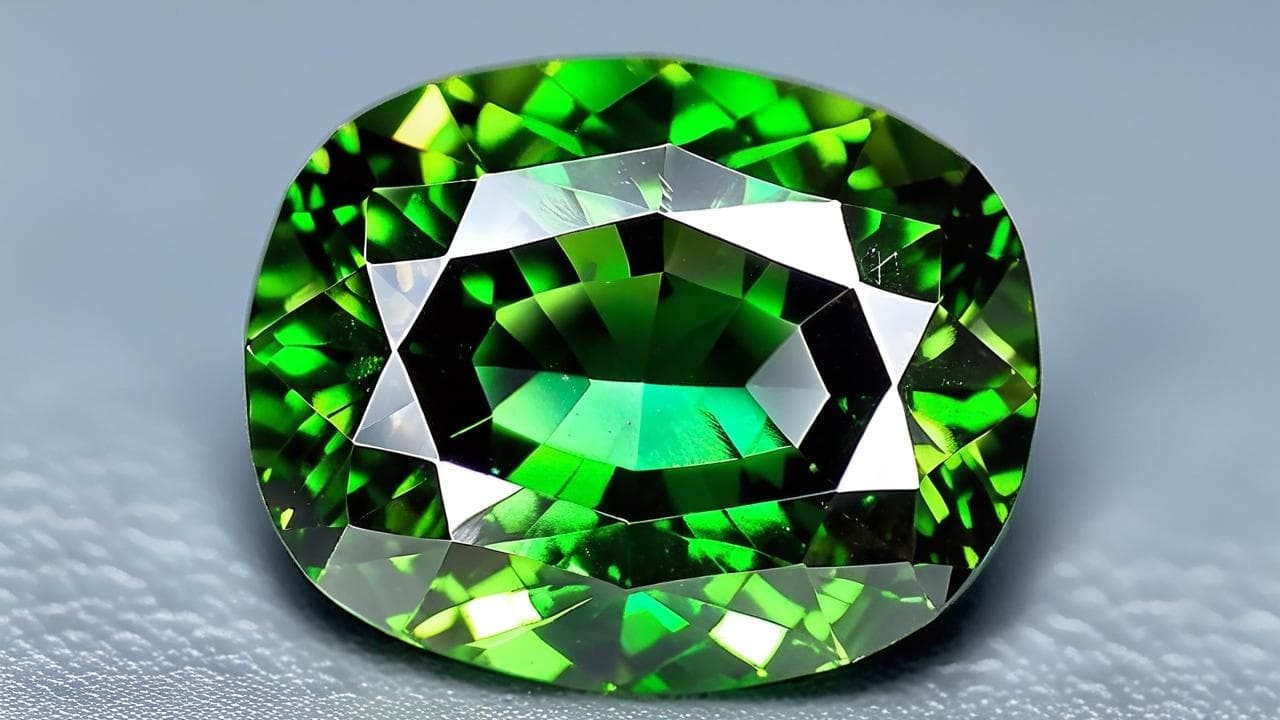
- Its color ranges from yellowish-green to emerald-green, with the green coloration primarily caused by chromium impurities, while yellow or brownish undertones result from ferric iron content. The most valuable specimens display a rich, vibrant green with minimal yellow or brown tinting.
- With a Mohs hardness of 6.5-7, demantoid is slightly softer than most other garnets, making it more susceptible to scratching and requiring protective settings in jewelry, especially for rings or bracelets that experience daily wear.
- Demantoid’s most remarkable property is its extremely high dispersion value of 0.057, exceeding that of diamond at 0.044, which creates exceptional “fire” or colorful light flashes when properly cut. This property is best observed in lighter-colored stones, as deeper green colors can sometimes mask the dispersion effect.
- It has an adamantine luster and a refractive index of 1.880-1.888, contributing to its incredible brilliance and making it one of the most visually striking colored gemstones when properly cut and polished.
- Demantoid garnet has no cleavage planes, which helps with its durability despite its moderate hardness. This absence of cleavage means it won’t split along defined planes when struck, though it does have a conchoidal fracture pattern.
- Most demantoids are small, with faceted stones typically under 1 carat. Specimens over 2 carats are rare, and stones over 5 carats are considered extremely rare collector’s items that can command extraordinary prices.
The physical properties of demantoid garnet combine to create a gemstone of extraordinary beauty and scientific interest. While its moderate hardness requires some care in jewelry applications, demantoid’s exceptional optical properties make it one of the most visually captivating gemstones available. These characteristics explain its historical popularity among royalty and high-end jewelers, as well as its continued desirability in the modern gemstone market. Few gemstones can match demantoid’s combination of vivid color, exceptional fire, and brilliant luster.
Horsetail Inclusions in Demantoid Garnet
Demantoid garnet presents a fascinating paradox in the world of gemstones. While inclusions typically decrease a gemstone’s value by reducing clarity, demantoid is one of the very few gemstones where certain inclusions can actually increase rather than decrease its value. The famous “horsetail inclusions” are among the most distinctive and desirable features found in demantoid garnets, particularly those from Russian sources, and they play a significant role in both identification and valuation of these rare gems.
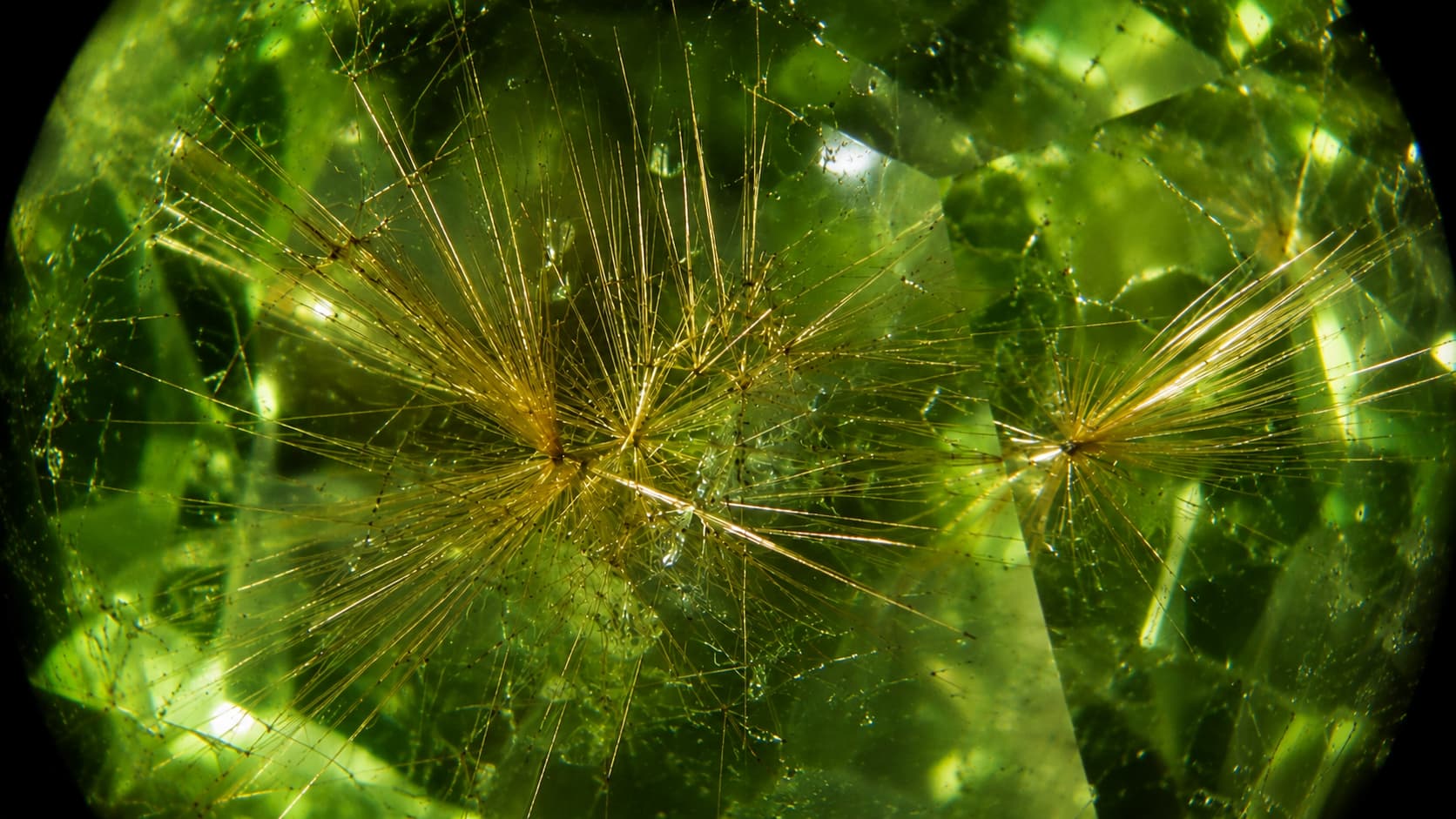
- Horsetail inclusions appear as fine, golden, feathery wisps that radiate outward from a central point in a pattern resembling a horse’s tail blowing in the wind. These radiating fibers create an aesthetically pleasing visual effect within the gemstone that many collectors find highly desirable.
- These distinctive inclusions consist of fibrous chrysotile or byssolite extending from a tiny chromite crystal within the demantoid. Recent research suggests some may be hollow tubes partially filled with serpentine minerals formed during the crystal’s growth.
- Horsetail inclusions are highly prized by collectors and often serve as an indicator of Russian origin, significantly increasing a demantoid’s value. A Russian demantoid with well-defined horsetail inclusions may sell for several times the price of a similarly colored and sized stone without these inclusions.
- Not all Russian demantoids have horsetail inclusions, and they have occasionally been found in specimens from other locations like Italy and Iran, though generally not in those from Namibia or Madagascar. The presence of these inclusions is not a guaranteed indicator of origin, but it does increase the likelihood of Russian provenance.
- When cutting demantoid with horsetail inclusions, skilled lapidaries position the stone carefully to showcase these unique features, typically orienting the stone so the horsetails radiate upward toward the crown for maximum visibility and aesthetic appeal.
- Gemologists and collectors use these distinctive inclusions as one method to help authenticate genuine demantoid garnets, as no other green gemstone displays this specific inclusion pattern, making them valuable for identification purposes.
The horsetail inclusions in demantoid garnets represent a fascinating exception to standard gemological valuation principles. In most gemstones, the clearer the stone, the more valuable it is. However, with Russian demantoids, these golden, feathery inclusions have become a defining characteristic that collectors actively seek out. This unusual situation highlights demantoid’s unique status in the gemstone world and adds another layer of interest to this already remarkable gemstone. The fact that a feature that would decrease value in most gemstones actually enhances value in demantoid garnets showcases the complex and sometimes counterintuitive nature of gemstone valuation.
The Discovery of Demantoid Garnet
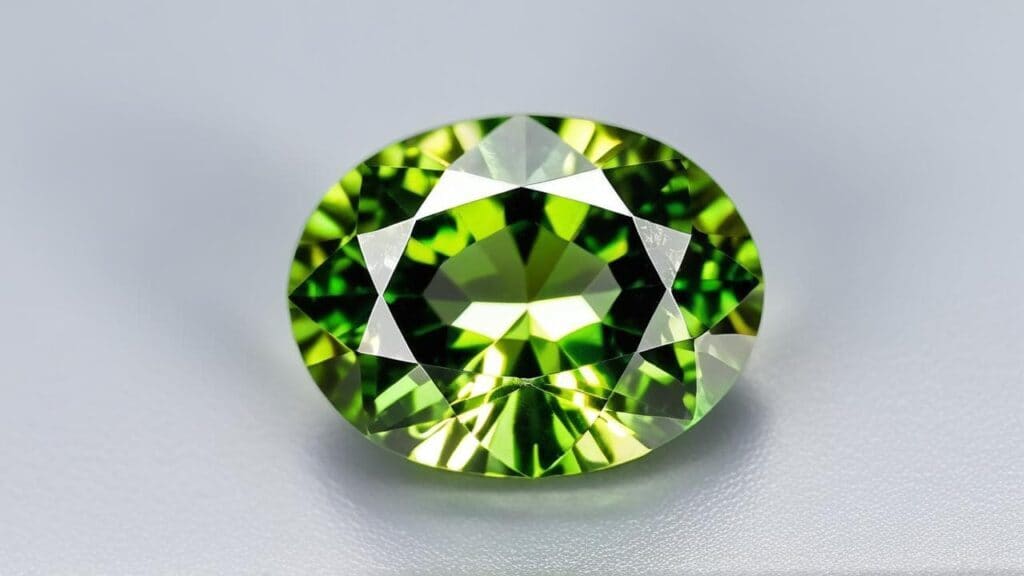
The story of demantoid garnet begins in the remote Ural Mountains of Russia, where this exceptional gemstone first revealed itself to the world in the mid-19th century. Its journey from obscure mineral specimen to coveted gemstone treasure spans over 170 years, intertwined with European royal history and the fortunes of famous jewelers. The rich historical context adds to demantoid’s allure and contributes to its enduring value in the gemstone market.
- Demantoid garnet was first discovered around 1853 near the Bobrovka River in Russia’s Ural Mountains. Local children found unusual green pebbles in river deposits, but Russian mineralogists initially misidentified them as peridot.
- In 1854, Finnish mineralogist Nils von Nordenskiöld examined these mysterious green stones during an expedition to the area and recognized them as a previously unidentified variety of garnet. He later presented his findings to the St. Petersburg Mineralogical Society.
- Nordenskiöld proposed the name “demantoid,” derived from the old word “demant” meaning diamond, referencing the stone’s exceptional diamond-like luster and fire. The name was officially published in 1878.
- Local miners initially rejected the name “demantoid” because it apparently sounded similar to a crude word in their dialect, preferring to call it “Ural chrysolite” instead, though the scientific name eventually prevailed.
- From the 1870s through the early 1900s, demantoid garnets achieved great popularity among Russian aristocracy, particularly with the Czars and their families. They became an emblem of luxury and status within Russian high society.
- The renowned jeweler Peter Carl Fabergé frequently incorporated demantoid garnets into his elaborate creations for the Russian imperial family, including some of his famous Fabergé eggs, further elevating the gem’s prestige.
- As demantoids were exported to Europe, they gained popularity during the Belle Époque and Art Nouveau periods (roughly 1890-1915), featuring prominently in the jewelry designs of that era. The gem even became a favorite of Britain’s King Edward VII.
- The Russian Revolution of 1917 and subsequent Soviet period effectively halted most mining and export of demantoid, causing this gem to largely disappear from the jewelry world for many decades. Soviet authorities considered such luxury items frivolous during the Communist era.
- Interest in demantoid revived in the 1980s and 1990s, with renewed mining in Russia and the discovery of new deposits in other countries. The gemstone community’s appreciation for demantoid’s exceptional properties led to a resurgence in its popularity.
The historical journey of demantoid garnet from obscure Russian mineral to globally-prized gemstone reveals much about how a gem’s reputation and value develop over time. Its association with royalty, its use by famous jewelry houses, and its scarcity due to historical events all contribute to its mystique and desirability. Today, antique jewelry featuring demantoid garnets from the original Russian sources commands premium prices at auction, not only for the intrinsic value of the stones but also for their historical significance. Modern collectors continue to be captivated by demantoid’s rich history as much as by its exceptional beauty.
Mining Locations for Demantoid Garnet
The geography of demantoid garnet sources significantly influences the stone’s characteristics, availability, and value. While Russia remains the most prestigious source, discoveries in other countries have expanded the market and introduced demantoids with different qualities and appearances. Each source produces stones with subtle differences that gemologists and collectors have come to recognize and value differently.
- Russia’s Ural Mountains remain the most historically important and prestigious source of demantoid garnets. The original deposits near the Bobrovka River and the Sissersk district produce demantoids with the most desirable rich green colors and the famous horsetail inclusions that collectors prize.
- New deposits discovered in Russia’s Chukotka region in the 1990s brought more material to market, helping revitalize interest in this rare gemstone. Russian demantoids are noted for their vibrant green color and the potential presence of the distinctive horsetail inclusions.
- Namibia emerged as an important secondary source following the discovery of the “Green Dragon Mine” in 1996. Namibian demantoids typically display more yellowish-green or brownish-green hues due to higher iron content and generally lack the classic horsetail inclusions, though they often come in larger sizes with excellent clarity.
- Some rare Namibian demantoids exhibit a unique color-change effect, shifting from yellow to green under different lighting conditions, creating a highly collectible subset of these already rare gems.
- Madagascar joined the list of demantoid sources following a significant discovery in 2009 near Antetezambato. Malagasy demantoids often have good color and clarity but seldom show the classic horsetail inclusions associated with Russian stones.
- Other minor sources include Italy’s Val Malenco region (known for deep apple-green stones), Iran (some with horsetail inclusions), Pakistan, Afghanistan, Mexico, Canada, California in the United States, Sri Lanka, and the Democratic Republic of Congo.
- Each location produces demantoids with slightly different characteristics, from color variations to growth patterns and inclusion types, allowing experts to often determine a stone’s origin through careful gemological analysis.
The geography of demantoid sources directly impacts the gemstone market, with Russian stones generally commanding the highest prices due to their superior color, historical significance, and the potential presence of horsetail inclusions. While newer sources have made demantoid somewhat more available than in previous centuries, it remains one of the rarest colored gemstones on the market. This rarity, combined with the distinct characteristics that each source imparts to its demantoids, creates a complex and fascinating market where origin plays a crucial role in determining a stone’s value and desirability among collectors and connoisseurs.
Demantoid Garnet in Fine Jewelry
Demantoid garnet’s journey through jewelry history began in the late 19th century and continues today with both vintage pieces and contemporary designs showcasing this extraordinary gemstone. From Fabergé’s imperial creations to modern designer jewelry, demantoid’s exceptional brilliance and rarity have made it a coveted material for creating distinctive jewelry pieces that stand apart from more common gemstones.
- Demantoid garnets first rose to jewelry prominence in Russia between the 1870s and early 1900s, featured in elaborate pieces created for the imperial court and aristocracy. These early examples represent some of the finest uses of the gemstone in jewelry history.
- Peter Carl Fabergé, court jeweler to the Russian Czars, frequently incorporated demantoids into his creations, including the famous imperial Fabergé eggs. His use of the gemstone helped establish its reputation as a luxury material associated with royalty.
- During the Art Nouveau period (approximately 1890-1915), European jewelers embraced demantoid for its vibrant color and exceptional brilliance, often using it in nature-inspired designs featuring leaves, flowers, and insects. These antique pieces are highly collectible today.
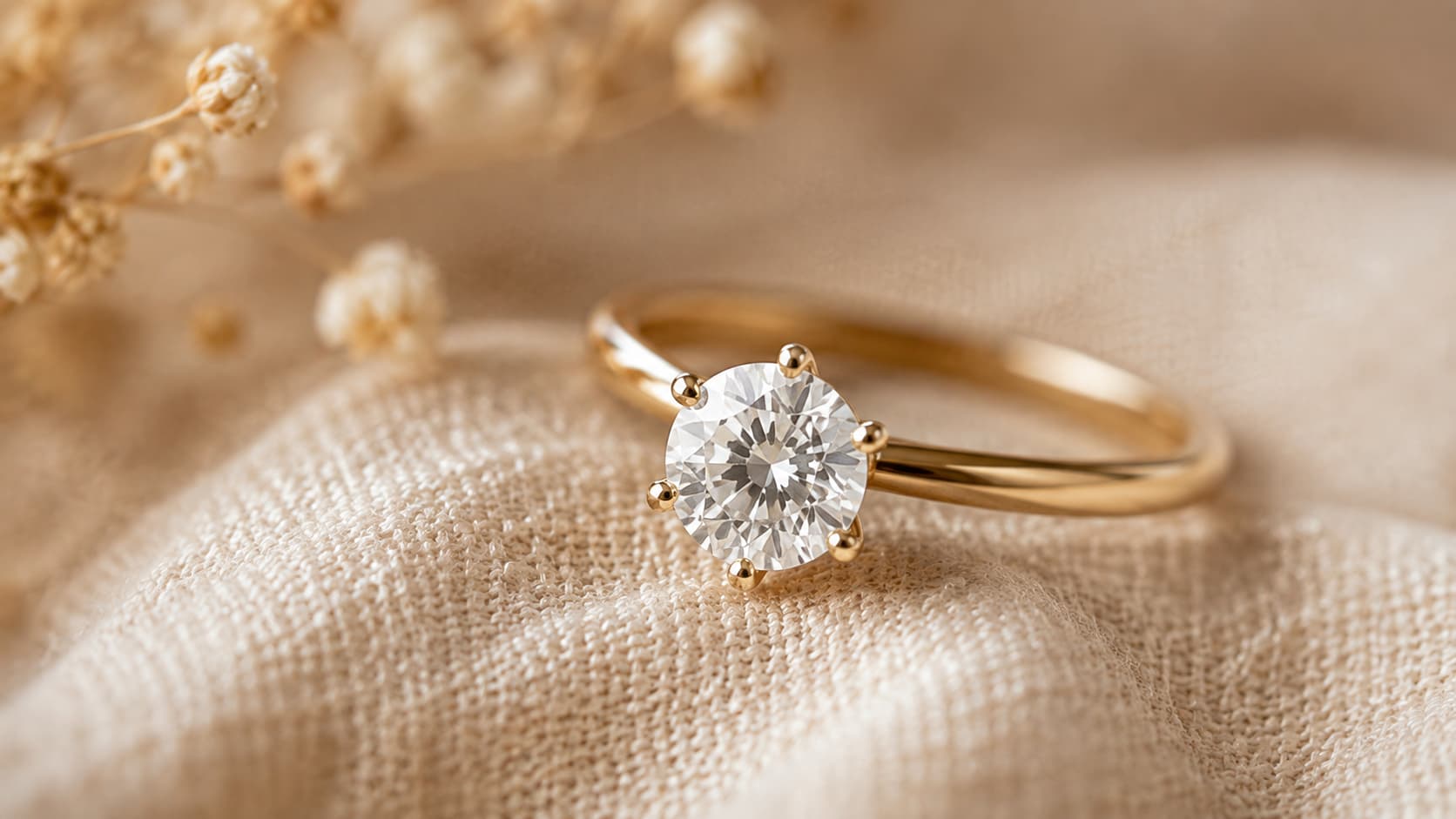
- Demantoid works beautifully with various metals, each highlighting different aspects of the stone. Yellow gold enhances the stone’s warmth, while white metals like platinum or white gold provide contrast, making the green color appear more vivid.
- Due to demantoid’s relatively lower hardness (6.5-7 on the Mohs scale), protective settings are advisable, especially for rings that will encounter daily wear. Bezel settings, which fully surround the stone’s girdle, offer excellent protection while showcasing the stone’s color.
- Earrings and pendants are ideal uses for demantoid, as they experience minimal impact and allow the stone’s exceptional fire and brilliance to be appreciated without the risk of damage that rings might face.
- Size limitations influence jewelry design, with most demantoids being under 1 carat. This has led to creative settings like halos, clusters, or accent stones, though larger specimens occasionally appear in statement pieces.
- Contemporary jewelers have rediscovered demantoid in recent decades, appreciating its exceptional optical properties. Modern designs often pair demantoid with diamonds to enhance its brilliance or with complementary colored gemstones for striking color contrasts.
- The stone’s vibrant green color makes it particularly popular for nature-inspired designs featuring leaves, vines, or floral motifs, echoing some of the historical Art Nouveau applications but with modern sensibilities.
Demantoid’s presence in jewelry represents a fascinating intersection of rarity, beauty, technical challenges, and historical significance. The relatively small supply of new material means that both antique pieces and newly created jewelry featuring demantoid garnets command premium prices in the marketplace. Collectors of fine jewelry particularly value demantoid for its historical associations, exceptional optical properties, and the distinctive character it brings to a jewelry collection. Whether in a museum-quality Fabergé creation or a contemporary designer piece, demantoid continues to hold a special place in the world of fine jewelry as one of the most extraordinary colored gemstones available.
How Much Does Demantoid Garnet Cost?
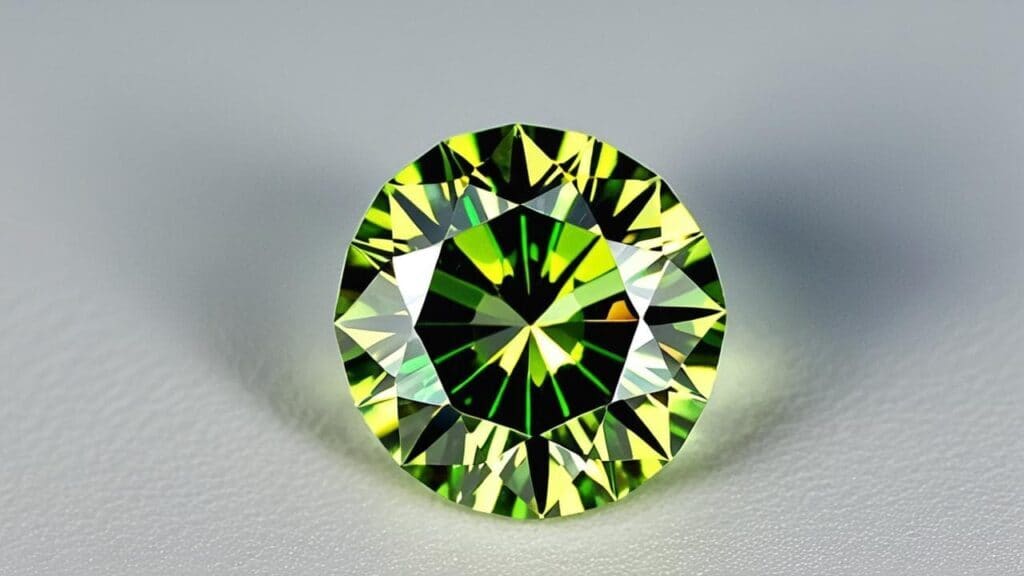
Demantoid garnet ranks among the most valuable varieties of garnet and colored gemstones in general, with prices reflecting its exceptional rarity and desirable optical properties. Multiple factors influence its valuation, creating a complex market where specimens with the right combination of characteristics can command remarkable prices. Understanding these value factors helps collectors and buyers navigate the demantoid market effectively.
- Color is perhaps the most significant value factor for demantoid garnets. The most valuable specimens display a rich, vibrant green color similar to fine emerald, with minimal yellow or brown undertones. Russian demantoids typically show the most desirable emerald-green hues.
- Different markets have varying color preferences. While American dealers generally favor the deeper green colors, German and Russian markets often prize the more yellowish-green demantoids that display maximum fire and dispersion.
- Size dramatically impacts value, as demantoid garnets are rarely found in large sizes. Most faceted specimens are under 1 carat, with stones between 1-3 carats being rare and commanding significantly higher per-carat prices, often increasing exponentially with size.
- Stones over 3 carats are considered extremely rare, and specimens over 5 carats can be museum-quality pieces that fetch extraordinary prices when they appear on the market. The largest faceted demantoid on record exceeds 20 carats.
- Clarity affects value differently than in most gemstones due to the unique case of horsetail inclusions. While generally clean stones command higher prices, Russian demantoids with well-formed horsetail inclusions can be more valuable than cleaner stones without these distinctive features.
- Origin significantly impacts pricing, with Russian demantoids commanding the highest prices due to their superior color, historical significance, and the potential presence of the prized horsetail inclusions. Namibian and other sources typically sell for less.
- Treatment status influences value, with untreated stones commanding higher prices. Some demantoids undergo heat treatment to improve their color, and while this treatment is stable, natural untreated specimens are more valuable to collectors.
- Faceted demantoids typically range from $300-$1,200 per carat for stones under 1 carat, while specimens between 1-3 carats may range from $1,000-$7,000 per carat depending on quality factors and origin.
- Exceptional specimens, particularly large, fine-color Russian stones with horsetail inclusions, can exceed $10,000 per carat at retail, placing them among the most valuable colored gemstones in the world relative to their size.
The pricing of demantoid garnets reflects its status as one of the rarest and most exceptional colored gemstones available on the market. While most common red garnets sell for under $100 per carat, fine demantoid can command 100 times that amount or more, illustrating the remarkable premium placed on this variety. The interplay between color, size, clarity, origin, and the presence of horsetail inclusions creates a sophisticated market where expertise is required to properly evaluate and price these extraordinary gems. For collectors and connoisseurs, the substantial investment in a fine demantoid garnet is justified by its exceptional beauty, historical significance, and extreme rarity in the world of gemstones.
How to Care for Demantoid Garnet
Demantoid garnet’s moderate hardness and exceptional value require specific care considerations to ensure its longevity in jewelry applications. With proper attention to wearing, cleaning, and storage, demantoid jewelry can retain its beauty for generations while avoiding damage that might diminish its appearance or value. These care guidelines help owners protect their investment while enjoying these extraordinary gemstones.
- Demantoid’s hardness of 6.5-7 on the Mohs scale makes it more susceptible to scratching than sapphires, rubies, or diamonds. Avoid wearing demantoid rings during activities that might subject them to impacts or abrasion against hard surfaces.
- For rings containing demantoid garnets, protective settings such as bezels or deep prongs are recommended to shield the stone’s edges from potential damage. Consider removing demantoid rings before engaging in household chores, sports, or gardening.
- Demantoid is more suited for occasional wear than daily wear when used in rings. For everyday jewelry, consider demantoid in earrings, pendants, or brooches, where the gemstone experiences less risk of impact or abrasion.
- Clean demantoid jewelry using warm water, mild soap, and a soft brush such as a toothbrush with soft bristles. Gently scrub around the setting to remove accumulated dirt or oils that can diminish the stone’s brilliance.
- Avoid using ultrasonic cleaners or steam cleaners, as demantoid may be heat-sensitive and could potentially be damaged by these cleaning methods. The rapid temperature changes or vibrations might affect the stone.
- After cleaning, rinse thoroughly with clean water and dry with a soft, lint-free cloth. Never use paper towels to dry gemstone jewelry, as they can scratch softer stones like demantoid.
- Store demantoid jewelry separately from other jewelry pieces, particularly harder gemstones like diamonds or sapphires that could scratch the demantoid. Individual jewelry pouches or compartmented jewelry boxes work well for this purpose.
- Periodically check the security of settings, particularly prongs, to ensure they still firmly hold the demantoid stone. Professional jewelers can tighten settings and clean demantoid jewelry thoroughly if needed.
Proper care of demantoid jewelry involves a balance between enjoying these exceptional gemstones and protecting them from potential damage. With their remarkable dispersion and brilliance, demantoids deserve settings and care that showcase their extraordinary beauty while ensuring their preservation. Although demantoid requires more careful handling than some harder gemstones, the extra attention is well worth the effort to maintain the appearance and value of these rare and magnificent gems. When properly cared for, demantoid jewelry can become cherished heirlooms that pass from one generation to the next, retaining their exceptional beauty and value over time.
Comparing Demantoid Garnet to Other Green Gemstones
In the spectrum of green gemstones, demantoid garnet occupies a unique position due to its extraordinary optical properties and distinctive characteristics. Comparing demantoid to other green gems reveals important differences that help jewelers, collectors, and consumers identify and appreciate what makes demantoid special. These comparisons also assist in proper identification and valuation of this rare garnet variety.
- Demantoid vs. Tsavorite: Both are rare green garnets, but they belong to different garnet species. Demantoid is an andradite garnet (Ca₃Fe₂(SiO₄)₃), while tsavorite is a grossular garnet (Ca₃Al₂(SiO₄)₃). Demantoid has higher dispersion and refractive index but lower hardness (6.5-7) than tsavorite (7-7.5). Demantoid often has yellowish undertones, while tsavorite tends toward pure green or slightly bluish-green.
- Demantoid vs. Emerald: While both display rich green colors, emerald is typically a deeper, more saturated green without the yellowish tints common in demantoid. Emerald has lower dispersion (0.014) compared to demantoid’s exceptional fire (0.057). Emeralds typically have more inclusions and lower clarity, yet command higher prices due to brand recognition and historical prestige.
- Demantoid vs. Peridot: These gems can appear similar, especially yellowish-green demantoids. Peridot typically shows more yellow-green to olive-green colors and has much lower dispersion (0.020) than demantoid. Peridot has characteristic “lily pad” inclusions rather than horsetails and is generally much more affordable and available in larger sizes.
- Demantoid vs. Chrome Diopside: Chrome diopside can show a similar rich green color but lacks demantoid’s exceptional fire. Chrome diopside has a distinctive pleochroism (showing different colors when viewed from different angles) not present in isotropic demantoid, and generally sells for much lower prices.
- Demantoid vs. Green Diamond: Both have exceptional brilliance and can show remarkable dispersion, but green diamonds are extremely rare and much more expensive. Green diamonds maintain the superior hardness (10) of diamond, while demantoid offers more saturated green color and often more visible fire at a fraction of the price.
- Demantoid vs. Green Sapphire: Green sapphires typically show more muted, darker green colors than demantoid and lack its exceptional fire. Sapphires have superior hardness (9) making them more durable for everyday wear, but they cannot match demantoid’s spectacular optical properties.
- Demantoid can be distinguished from imitations like green glass or synthetic green spinels through standard gemological testing. Its high refractive index, distinctive spectrum, and sometimes the presence of horsetail inclusions help confirm its identity.
Understanding how demantoid compares to other green gemstones highlights its exceptional position in the colored gemstone world. While emerald may be more famous and green diamond more valuable, demantoid’s combination of rich color, unmatched fire, and relative rarity makes it one of the most extraordinary green gemstones available. For collectors who appreciate exceptional optical properties and rarity over brand recognition, demantoid garnet represents one of the most rewarding acquisitions in the colored gemstone market. Its distinctive characteristics ensure that once familiar with demantoid, gem enthusiasts can readily distinguish it from other green gemstones through its spectacular performance in properly cut specimens.
How to Buy Demantoid Garnet
Acquiring a fine demantoid garnet requires careful consideration of multiple factors to ensure you receive a quality stone that represents good value. Successful purchasing depends on understanding the unique characteristics of demantoid, recognizing quality indicators, and working with reputable dealers who specialize in rare gemstones. The following guidance will help navigate the complex market for these exceptional gems.
- Always buy demantoid from reputable dealers who specialize in fine colored gemstones and can provide detailed information about the stone’s origin, characteristics, and any treatments. Ask for certification from recognized gemological laboratories when purchasing higher-value specimens.
- Examine the stone’s color under different lighting conditions. The most valuable demantoids display a rich, vibrant green similar to fine emerald, though some collectors prefer the more yellowish-green stones that show maximum fire and dispersion. Avoid stones with strong brown tints unless priced accordingly.
- Assess the stone’s brilliance and fire by viewing it under various light sources. Good-quality demantoid should display exceptional sparkle and noticeable dispersion (colorful flashes) even in modest lighting conditions. This property is best seen in lighter-colored stones.
- For Russian demantoids, check for the presence of horsetail inclusions, which can significantly increase value. Use magnification to confirm these distinctive golden, feathery inclusions that radiate from a central point, as they indicate likely Russian origin and add collector value.
- Consider size carefully in relation to price. Demantoids under 1 carat are most common, with stones over 2 carats commanding significant premiums. Be particularly cautious when offered large demantoids (over 3 carats) at surprisingly low prices, as they may be misidentified or treated stones.
- Ask about treatments explicitly. Some demantoids undergo heat treatment to improve their color. While this treatment is considered permanent and stable, untreated stones command higher prices and should be accompanied by laboratory certification confirming their natural state.
- When purchasing demantoid for jewelry, consider the setting design carefully. Protective settings such as bezels or deep prongs are recommended due to demantoid’s moderate hardness (6.5-7). For rings, choose designs intended for occasional rather than daily wear.
- Be aware of price ranges based on quality factors. Entry-level demantoids may start around $300-500 per carat, mid-range specimens from $800-2,000 per carat, and fine-quality stones (especially Russian) from $2,000-10,000+ per carat depending on size, color, and presence of horsetail inclusions.
- Request a return period when purchasing online or sight-unseen to allow examination by an independent gemologist if desired. Reputable dealers will typically offer a 7-30 day inspection period for significant purchases.
Purchasing demantoid garnet represents an opportunity to acquire one of nature’s most exceptional colored gemstones. Its rarity ensures that acquiring a fine specimen places you in an exclusive group of collectors who appreciate truly scarce and beautiful gems. While the financial investment can be substantial, particularly for larger or Russian specimens, demantoid’s combination of history, rarity, and extraordinary optical properties makes it one of the most rewarding acquisitions for the serious gemstone enthusiast. With proper knowledge and careful selection, finding the perfect demantoid becomes not just a purchase but a memorable addition to any fine gemstone collection.
Conclusion
Demantoid garnet stands as one of the most extraordinary members of the gemstone kingdom, combining exceptional beauty, fascinating history, and extreme rarity. From its discovery in Russia’s Ural Mountains in the 1850s to its coveted status in today’s gemstone market, demantoid has captivated collectors, jewelers, and gemstone enthusiasts with its remarkable properties and distinctive character. Its journey from obscurity to fame reflects the qualities that make certain gemstones rise above the ordinary to achieve legendary status among connoisseurs.
The unique combination of vibrant green color and diamond-exceeding dispersion makes demantoid visually spectacular, offering a light performance unmatched by virtually any other colored gemstone. Add to this its distinctive horsetail inclusions that actually increase value rather than diminish it, and you have a gemstone that defies conventional gemological valuation principles. This exceptional stone reminds us that in the world of fine gemstones, rarity and distinctive character often matter more than perfection or size.
For those fortunate enough to acquire a fine demantoid garnet, whether in an antique Fabergé creation or a contemporary custom design, the ownership experience connects them to a remarkable legacy of royal patronage, artistic creativity, and geological wonder. Each demantoid tells a story of extreme geological conditions, historical discovery, and the human appreciation for nature’s most extraordinary creations. In a market increasingly dominated by mass-produced gems, demantoid’s enduring scarcity ensures it will continue to be cherished by those who value the truly exceptional in the gemstone world.