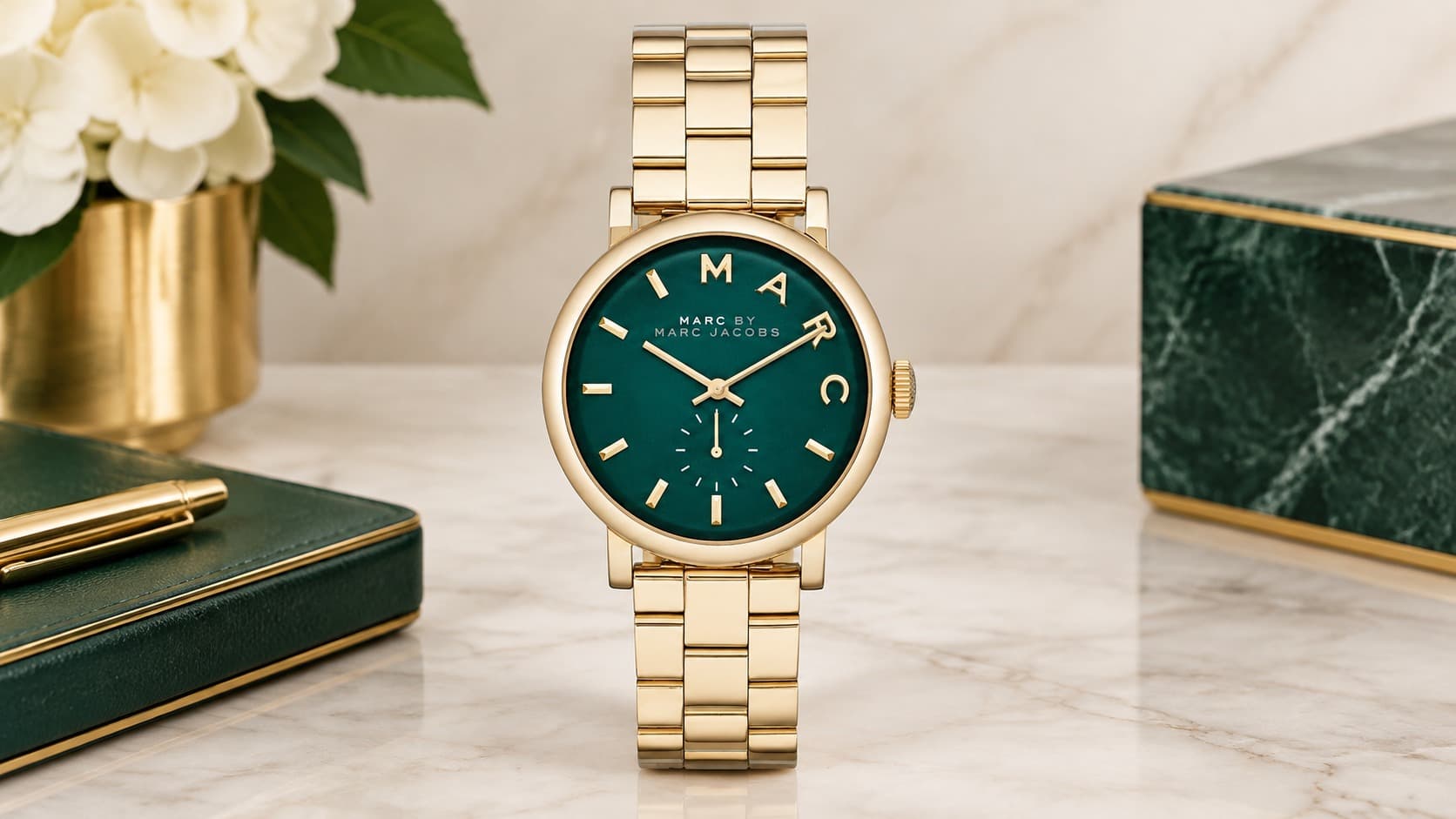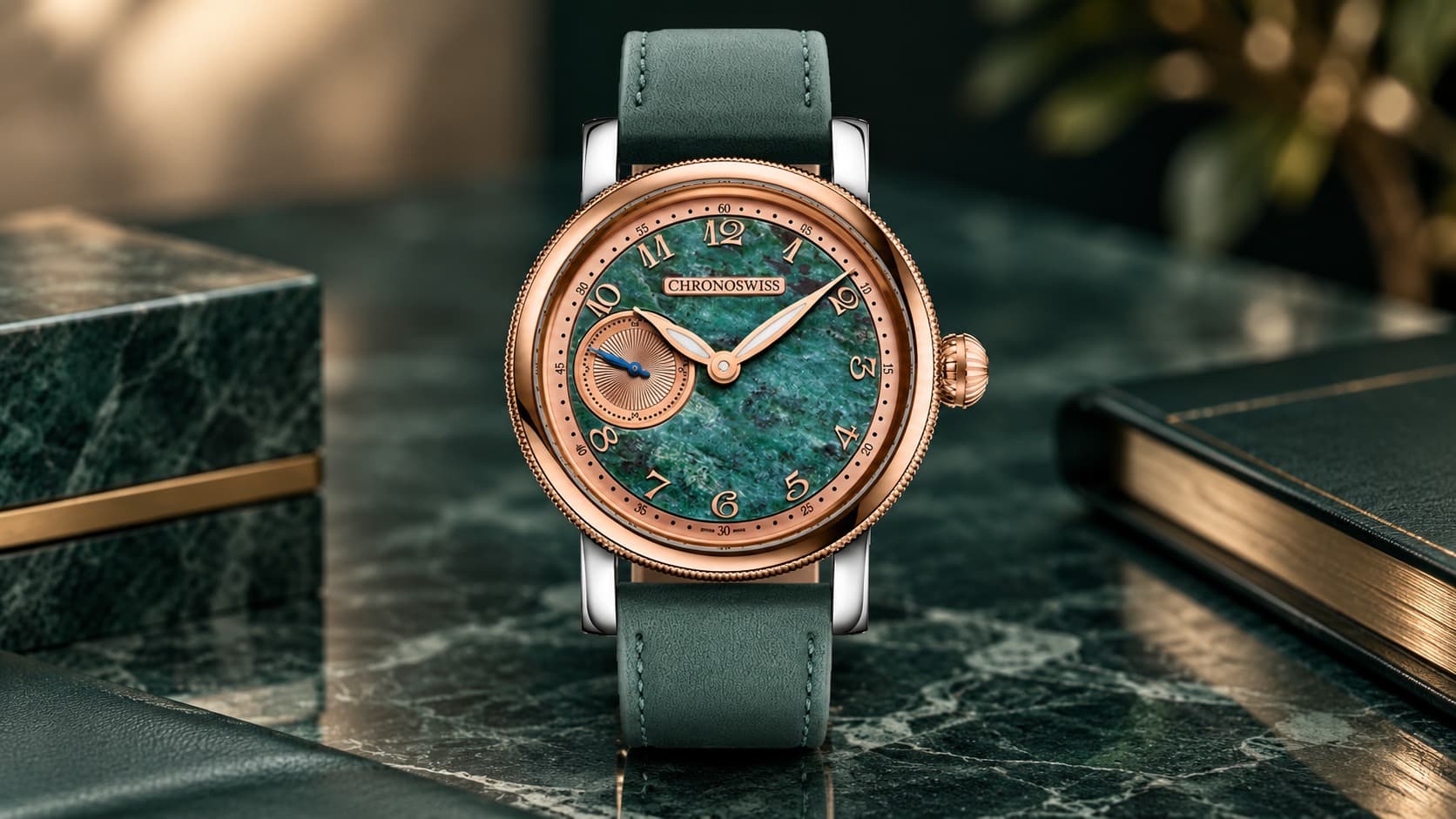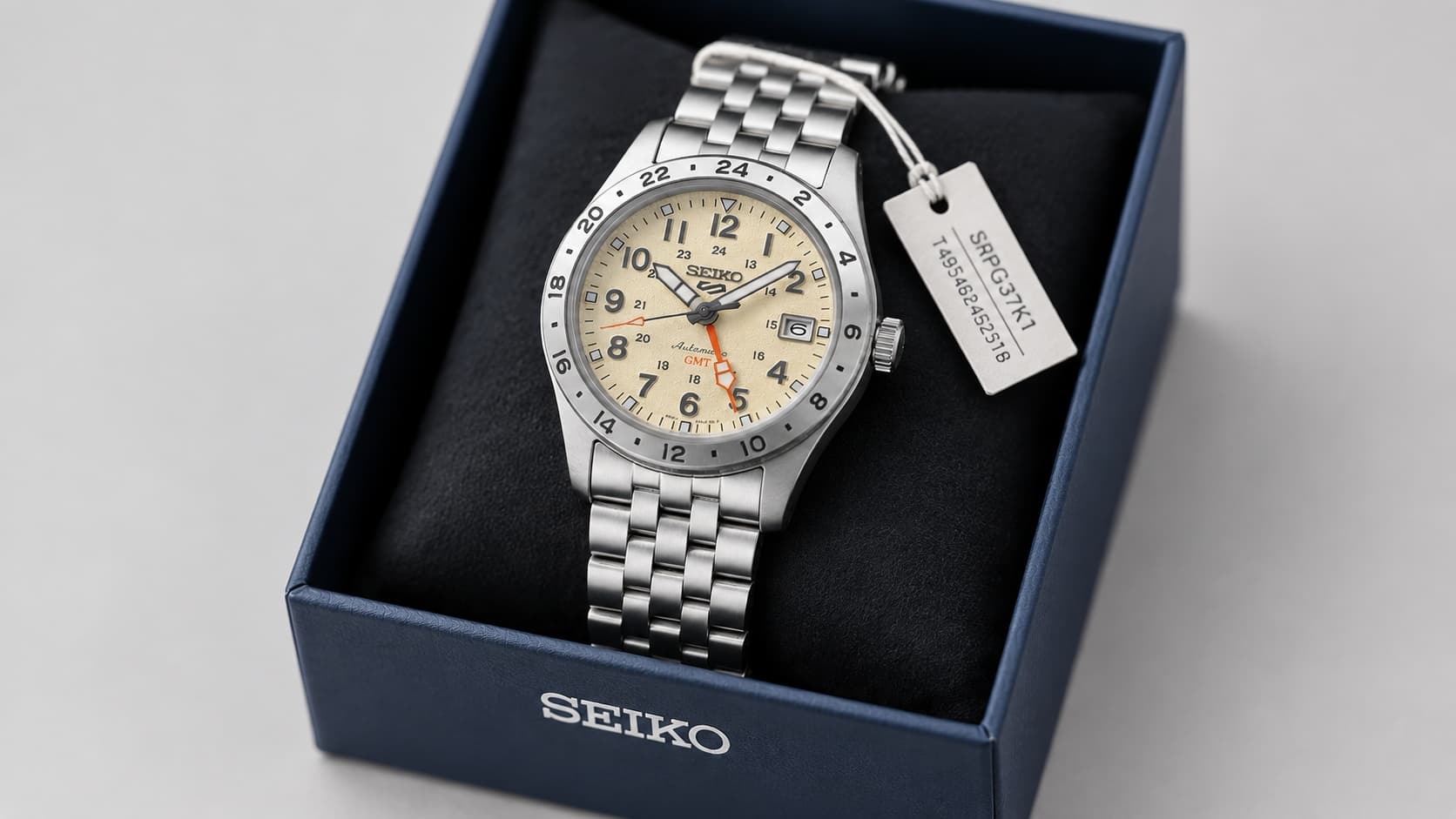
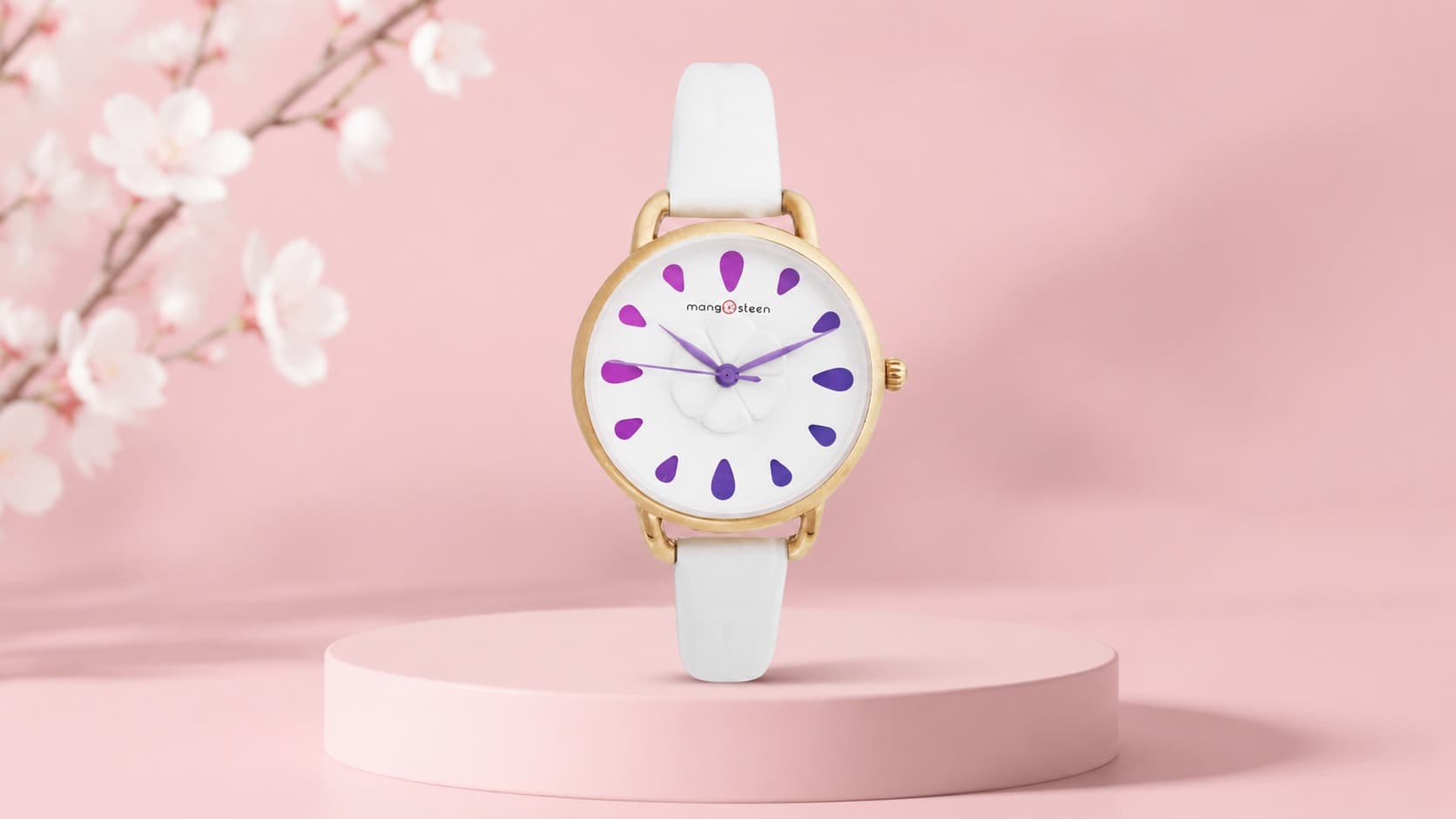
South Korea makes some of the best-known phones, cars, and skincare products on the planet, but it rarely comes up when people talk about watches. That gap is starting to close. A handful of Korean brands have built loyal followings with affordable, design-driven fashion watches, while Samsung has turned the country into one of the biggest forces in smartwatches worldwide. Understanding Korean watchmaking means looking at two very different stories at once: small, design-focused companies making traditional watches, and a tech giant reshaping what a “watch” even means.
Why South Korea Doesn’t Have a Long Watchmaking History
South Korea’s watch industry is young compared to Switzerland or Japan. It really only started taking shape in the 1970s and 1980s, during the country’s rapid industrial growth. Switzerland had centuries of watchmaking history by then. Japan already had global names like Seiko and Citizen decades earlier.
Korea’s early watch companies mostly worked as manufacturing partners, assembling parts for bigger international brands rather than designing their own watches. Much of the hands-on skill during this period actually lived with independent repair specialists rather than big manufacturers. Some of Korea’s most experienced watchmakers started out in the 1960s and 1970s repairing imported watches and clocks in Seoul, learning to fix everything from mechanical movements to the early digital and LED displays that arrived later in the decade.
Money got tight for many of these companies during the 1997–1998 Asian financial crisis, when currency collapses across the region forced Korean businesses of all kinds to scale back. Watch companies that made it through the downturn tended to narrow their focus afterward, leaning into design-driven, affordable products instead of chasing Swiss-style mechanical prestige. That pattern has stuck: even now, most Korean watch brands don’t build their own movements, and instead source the mechanical or quartz mechanism that powers the watch from established Japanese or Swiss suppliers.
Romanson: Korea’s Best-Known Watch Name
Romanson is the most recognized watch brand to come out of South Korea. Founded in Seoul in 1988 by Kim Ki-moon, it has grown into a company selling in more than 70 countries.
The name itself is a nod to Romanshorn, a Swiss town linked to watchmaking heritage, even though Romanson has always been a Korean company. Kim’s early strategy was unusual: instead of focusing on Korean shoppers first, he pushed hard into Middle Eastern markets, which were growing quickly thanks to oil wealth at the time. That bet paid off, and Romanson built an export business worth tens of millions of dollars a year.
The brand also has a habit of chasing “firsts.” In 2008, it developed a prototype manual-wind pocket watch, one of the first times a Korean company worked on its own mechanical movement rather than buying one ready-made. The brand says it was also the first Korean watchmaker to launch an ultra-slim watch measuring under 4 millimeters thick, and one of the first to popularize rose-gold-plated watches that found a strong following among European and Russian shoppers. One of its best-known pieces is the Atrax, a striking four-legged design released in 2011 under the Premier line, which became a strong seller despite its higher price point. In one of the stranger chapters of its history, Romanson also ran a manufacturing joint venture inside North Korea’s Kaesong Industrial Complex starting in 2005, producing a limited “Nuri Reunification Watch” there — a partnership that ended in 2016, when the complex itself closed its doors as relations between the two Koreas broke down. Today, Romanson operates under the same corporate group as the fashion accessories brand J.ESTINA.
Julius: South Korea’s Popular Fashion Watch Brand
Julius is the brand most young Korean watch shoppers would name first. It launched in Seoul in 2001 and built its identity around colorful, fashion-forward designs aimed at a younger audience than Romanson’s.
Julius watches typically use imported Japanese movements, including parts from Miyota and Citizen, while design work happens in Korea. Cases are often assembled overseas to keep prices low. The brand picked up a design award at the Hong Kong Watch & Clock Fair in 2012, which helped it expand into more than 30 countries. Julius has become especially popular across parts of Southeast Asia, where its budget-friendly pricing and trend-driven looks appeal to shoppers who want a stylish watch without paying luxury-brand prices.
The brand also organizes its catalog into clear sub-lines: everyday women’s watches under the core Julius name, small-batch pieces under Julius Limited, a menswear-focused range called Julius Home, and a trend-driven women’s line called Julius Star. That kind of structure is more common in fast fashion than in traditional watchmaking, and it reflects how Julius positions itself closer to an accessory brand than a heritage watchmaker.
More South Korean Watch Brands to Know
Beyond Romanson and Julius, a wider group of Korean labels has built its own following, ranging from a decades-old manufacturer to small mechanical and luxury micro-brands.
- Rolens is South Korea’s oldest surviving watch brand, founded in 1950. It’s best known for producing two official South Korean presidential watches, for Roh Moo-hyun and Lee Myung-bak, and has exported watches to markets including Switzerland, the United States, and Japan since the 1970s.
- Harriot makes handmade watches inspired by Korean landmarks and culture. One limited-edition collection was inspired by a footbridge used during a North-South Korean summit, and another collaborated with the Korean Aerospace Research Institute on moonphase designs.
- Tisell is a mechanical “homage” brand that emerged around 2011, building close copies of well-known dive and pilot watches using Miyota and Seagull movements. It has a loyal following on watch collector forums, though some collectors have questioned how much of the actual manufacturing happens in Korea versus China.
- ILLIMITE stands out for its surrealist “Melting” watch designs, where the dial numbers appear to drip down the face, paired with automatic movements sourced from Japan’s Miyota.
- Amy Eujeny is a Seoul-based brand founded around 2012 that positions itself as a luxury label, offering skeleton watches with hand-wound or automatic mechanical movements. It sells only through its own website and stores and doesn’t publish prices online.
- Foce, founded in 1997, focuses on budget-friendly fashion watches and has run co-branded collections with the English football club Tottenham Hotspur.
- Mangosteen is a Seoul-based brand known for bright, colorful watch designs, drawing inspiration from the look of tropical fruit rather than classic horology.
- Valence launched in Seoul in 2001 and pairs sapphire crystal glass with Japanese movements at a mid-range price point.
Information on several of these brands, especially the newest or most niche ones, is limited online, so specific manufacturing or pricing claims are harder to independently verify than for Romanson or Julius.
How Samsung Made South Korea a Smartwatch Leader
While traditional Korean watch brands stay fairly niche, Samsung has made South Korea a genuine leader in wearable technology. The Galaxy Watch line is one of the most widely used smartwatch families in the world, competing directly with Apple.
Samsung’s wearable story actually goes back further than most people realize. The company traces its wearable lineage back to 1999, when it released what it describes as the world’s first watch phone. Its modern smartwatch push began in 2013 with the Galaxy Gear, followed by the Gear S in 2014, which introduced a curved AMOLED screen that worked without a paired phone nearby. The Gear S2 in 2015 was the first Samsung smartwatch built around a circular face with a rotating bezel for scrolling through menus, a design choice Samsung kept reusing in nearly every Galaxy Watch that followed. The Gear S3, released in 2016, added a speaker and microphone so wearers could take calls directly from the watch, along with GPS for tracking runs or routes on its own.
Samsung officially launched the “Galaxy Watch” name in 2018, running on its own Tizen software. That changed with the Galaxy Watch4 in 2021, when Samsung dropped Tizen and partnered directly with Google to run Wear OS instead, giving users access to a much larger library of apps through the Google Play Store. That same generation introduced the BioActive Sensor, capable of tracking blood pressure, heart rhythm, and blood oxygen from the wrist. Samsung has kept pushing into new wearable categories since then, including the Galaxy Ring, a ring-shaped health tracker announced in 2024.
Samsung didn’t just enter the watch industry — it helped define what a modern smartwatch looks like, years before most competitors caught up.
South Korean vs. Swiss vs. Japanese Watches
Korean watch brands and their overseas counterparts are aiming at different goals, which makes direct comparison tricky.
| Category | South Korea | Switzerland | Japan |
|---|---|---|---|
| Watchmaking history | Since the 1970s–80s | Centuries old | Since the early 1900s |
| Typical movement source | Imported (Japanese/Swiss) | In-house or Swiss suppliers | In-house (Seiko, Citizen, Orient) |
| Main strength | Fashion design, affordability, smartwatches | Mechanical craftsmanship, prestige | Precision, reliability, in-house tech |
| Price range | Budget to mid-range | Mid-range to ultra-luxury | Budget to high-end |
Are Korean Watches Good Quality?
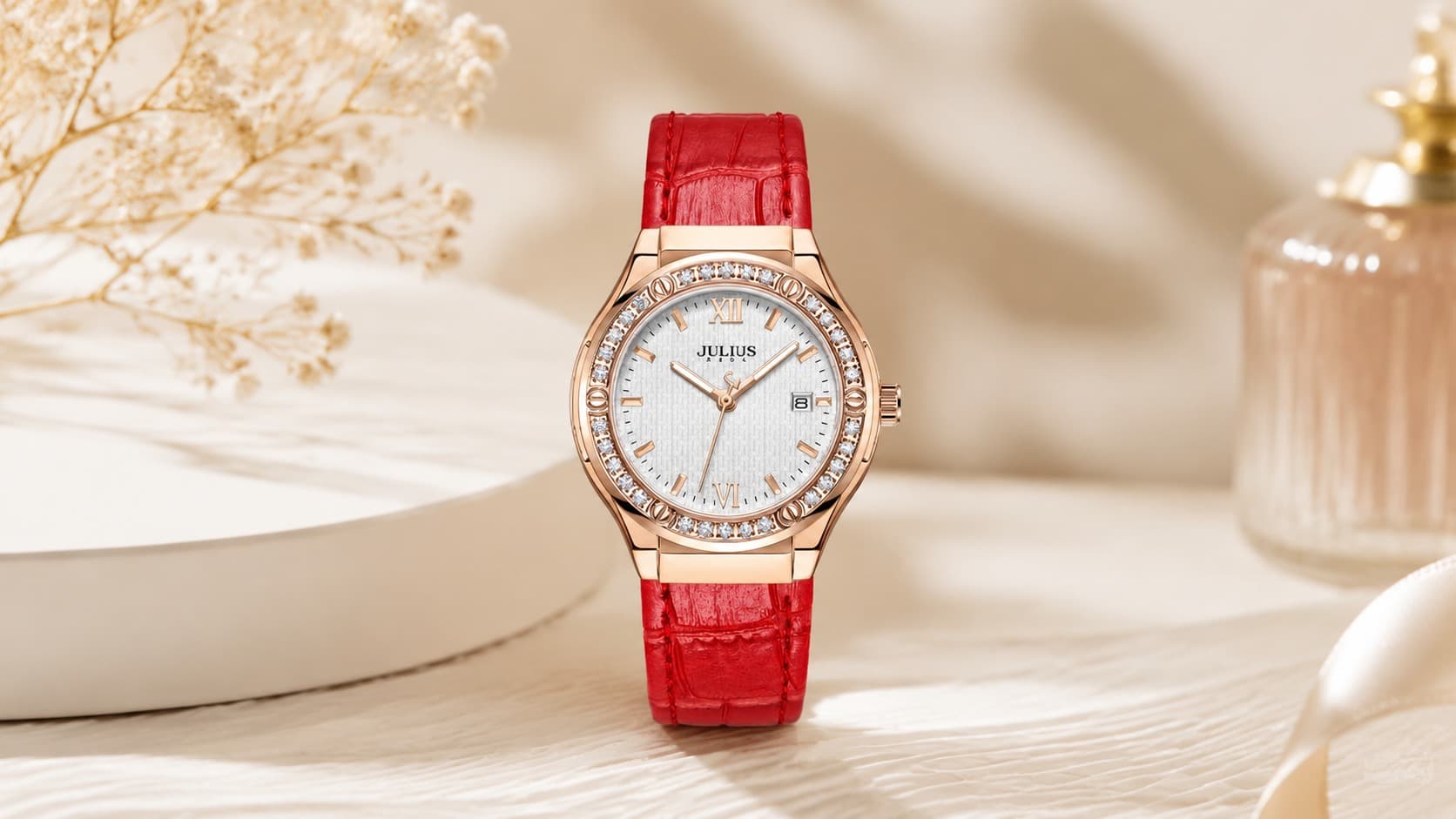
For what they’re designed to do, yes. Brands like Romanson and Julius aren’t trying to build heirloom mechanical watches — they’re built as affordable, design-led fashion accessories, and they generally deliver on that promise.
Where Korean watches don’t compete is in traditional fine watchmaking. No Korean brand currently matches the in-house movement expertise of Seiko or the centuries-deep mechanical heritage of a Swiss manufacture. That isn’t really the goal of most Korean watch brands, though. Samsung is the exception that changes the whole conversation: in the smartwatch category, Korean engineering is genuinely at the front of the pack, competing directly with Apple rather than following it.
Frequently Asked Questions
Does South Korea make luxury mechanical watches?
Not really, at least not in the way Switzerland or Japan do. Korean brands mostly focus on affordable fashion watches or smartwatches rather than high-end mechanical timepieces with in-house movements.
What movements do Korean watch brands use?
Most Korean fashion watch brands buy their movements from Japanese suppliers like Miyota or Citizen, or from Swiss suppliers, rather than building their own from scratch.
Is Samsung’s Galaxy Watch made in Korea?
Samsung is headquartered in South Korea and designs the Galaxy Watch there, though like most electronics companies, actual manufacturing happens across a global supply chain rather than in one single location.
Are Korean fashion watches worth buying?
For someone who wants a stylish, affordable watch without Swiss-level mechanical craftsmanship, Korean fashion brands like Julius or Romanson are a solid, budget-friendly option.
What’s the oldest South Korean watch brand?
Rolens holds that title, founded in 1950 and still making watches today, including two official South Korean presidential timepieces. Romanson, founded in 1988, is younger but better known internationally.
How much do South Korean watches cost?
Most Korean fashion watches from brands like Julius or Romanson cost roughly $30 to a few hundred dollars, while niche mechanical or luxury labels like Tisell or Amy Eujeny can run higher, and some of the luxury-focused brands don’t publish pricing online at all.
Conclusion
South Korea’s watch story doesn’t look like Switzerland’s or Japan’s, and it isn’t trying to. Brands like Romanson and Julius built their reputations on affordable, design-forward fashion watches rather than deep mechanical heritage, while Samsung took a completely different path and turned Korea into a genuine leader in smartwatch technology. The real distinction for anyone weighing a Korean watch comes down to two very different products: a fun, budget-friendly fashion piece from a brand like Julius, or a tech-packed smartwatch from Samsung that competes with the biggest names in the industry.