Most broken chains can be repaired, but the success depends on the type of break, chain material, and damage extent. Simple link separations and clasp issues are easily fixable, while severely damaged or multiple breaks may require professional assessment or complete replacement. Chain jewelry is among the most popular accessories worldwide, but it’s also one of the most fragile. Whether it’s your favorite necklace that caught on clothing or a bracelet that snapped during daily activities, a broken chain doesn’t necessarily mean the end of your beloved piece. The key to successful chain repair lies in identifying the type of damage and choosing the appropriate repair method based on the chain’s value, material, and sentimental importance. With the right knowledge and approach, many chain breaks can be fixed effectively, saving both money and preserving cherished jewelry for years to come.
Types of Chain Breaks You Can Fix
Chain breaks fall into distinct categories, with each type requiring different approaches and having varying success rates for repair. Knowing what kind of damage you’re dealing with helps determine whether you can fix it yourself at home or need to seek professional help from a jeweler.
- Simple link separation occurs when chain links come apart without actual metal breaking, usually due to worn jump rings or links slipping through each other from daily wear. These are the easiest repairs because no metal has been damaged or lost, and most can be fixed with needle nose pliers by simply opening one link, threading it through the connecting link, and closing it securely. This type of break is most common in cable chains and box chains where individual links can be manipulated without affecting the chain’s overall structure.
- Broken clasps and jump rings represent the most frequent chain repair issue, as jump rings are often the weakest point on chains and are the number one repair item on finished jewelry. Spring ring clasps, lobster claws, and magnetic closures fail due to repeated use, metal fatigue, or accidental force. Most clasp repairs involve replacing the entire clasp unit rather than attempting to fix the broken mechanism, which typically costs between $15-40 depending on the clasp quality and metal type.
- Snapped links and broken solder joints require professional repair through soldering or laser welding. Professional jewelers use soldering, a process involving metal alloy with a low melting point that acts like glue to hold broken pieces together without affecting the rest of the metal. The complexity of this repair depends on the chain type - simple cable chains are straightforward, while intricate designs like rope chains require the jeweler to weave links back together before soldering to maintain the chain’s appearance.
- Severely damaged chains with multiple breaks may be beyond economical repair, especially if the chain has lost significant portions or has been crushed. Certain chains will never look the same even after repair, particularly hollow chains that get “crushed” at repair spots and rope chains where the repair area won’t match the rest of the chain’s appearance. In these cases, the repair cost often exceeds the chain’s replacement value, making new purchase more practical.
The success of chain repair largely depends on identifying the damage type correctly and matching the repair method to the chain’s construction. While simple breaks can often be fixed at home with basic tools, complex repairs require professional expertise to maintain the chain’s strength and appearance. Recognizing these different break types helps determine whether to attempt DIY repair, seek professional help, or consider replacement as the most cost-effective option.
DIY Chain Repair Methods
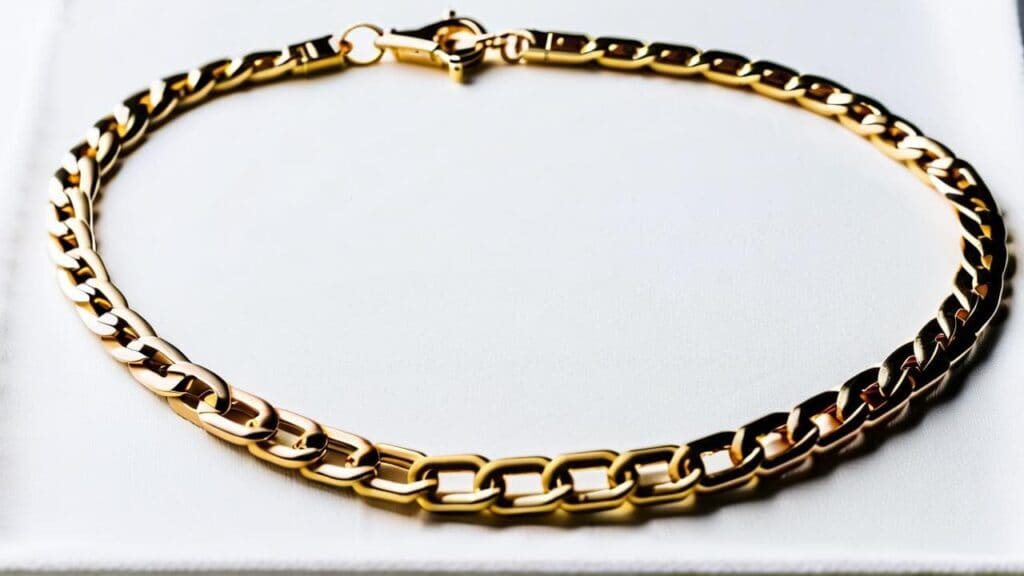
Basic chain repairs can be accomplished at home with the right tools and patience, though success depends heavily on having proper equipment and working carefully to avoid further damage. Most DIY repairs work best on inexpensive chains where the risk of costly mistakes is minimal, making them perfect practice pieces for developing repair skills.
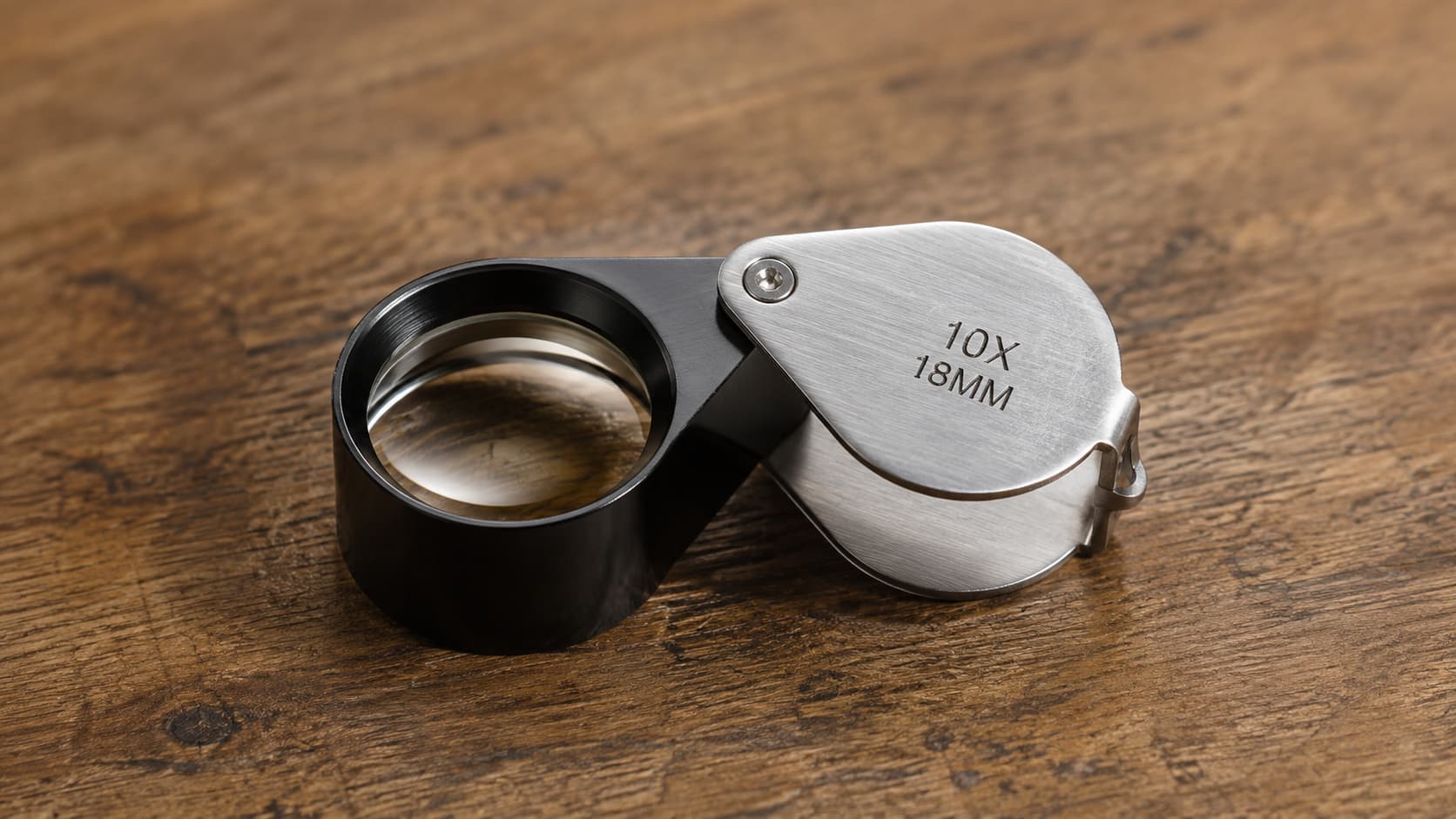
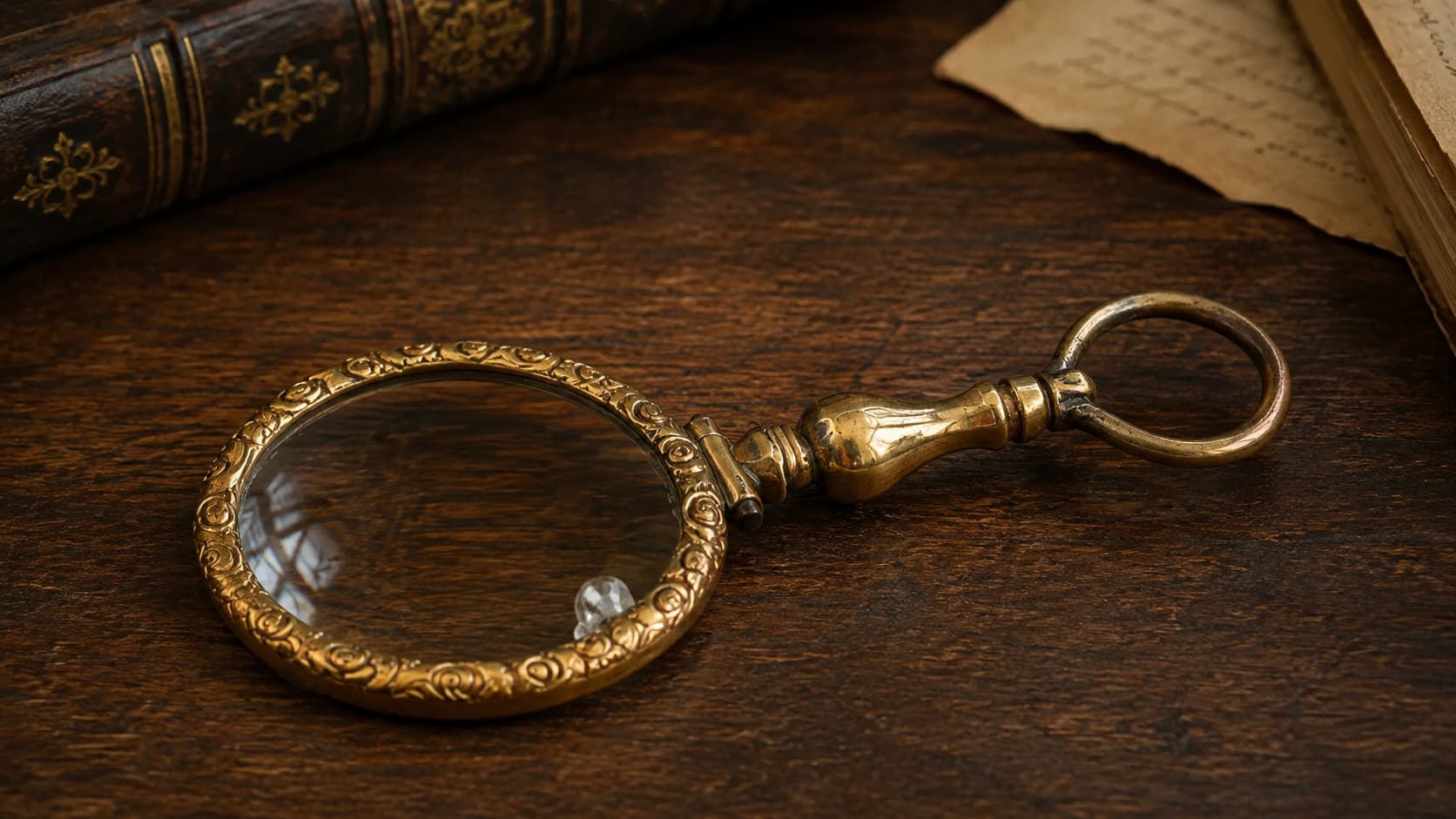
- Essential tools needed for DIY chain repair include jewelry pliers (needle nose and chain nose), small screwdrivers, tweezers, a magnifying glass or loupe, and good lighting for detailed work. Professional-quality repairs require jewelry pliers, tweezers, a magnifying glass, good lighting, and a flat work surface where you can stabilize your hands and prevent losing small parts. Basic jewelry repair kits available online typically cost $15-40 and include these essential tools along with jump rings, clasps, and other replacement parts.
- Simple link reconnection works for basic cable chains where links have separated but aren’t actually broken. The process involves using needle-nose pliers to separate the closure of a link on one side of the break, hooking the closed link from the opposite side into the open link, then carefully squeezing the open link closed while ensuring the connecting link stays inside. This repair works best on chains with simple round or oval links and requires steady hands and patience to avoid damaging the metal.
- Jump ring replacement is often the most successful DIY repair since jump rings are designed to be opened and closed. Most jewelry repair kits include assorted jump rings in different sizes and colors, typically providing around 150 pieces in 5mm size along with the necessary pliers. The key is selecting the right size jump ring - too small won’t fit through the chain links, too large will look obvious and may not hold securely.
- Temporary fixes using jewelry adhesive can work for lightweight chains that don’t bear much stress, though these repairs are not permanent solutions. Jewelry-specific adhesives can hold broken links together temporarily, but they typically don’t withstand the flexing motion of normal wear. These fixes work best as emergency solutions to make a chain wearable for special occasions while planning for proper repair.
- Safety considerations are crucial during DIY repairs, as improper technique can cause additional damage costing more to fix professionally. You need steady hands and careful pressure when working with pliers to avoid leaving unsightly indentations in soft precious metals, and warming the metal slightly with a hair dryer can make it more pliable for bending. Never attempt repairs on valuable pieces where mistakes could result in total loss, and always work on a clear, flat surface to prevent losing small parts.
While DIY chain repair can be rewarding and cost-effective for simple breaks, success depends heavily on having the right tools, adequate lighting, and realistic expectations about your skill level. Most successful home repairs involve simple link separations on inexpensive chains that serve as good learning opportunities. For valuable or sentimental pieces, the peace of mind from professional repair often justifies the additional cost.
When to Get Professional Chain Repair
Certain types of chain damage and repair situations require professional expertise that goes far beyond basic DIY capabilities. Recognizing when to stop attempting home repairs and seek professional help prevents costly mistakes and ensures the best possible outcome for valuable or sentimental jewelry pieces.
- Precious metal chains in gold, silver, or platinum should always receive professional repair due to their high value and the specialized techniques required to work with these metals. Professional jewelers have the proper solder and equipment to match the original metal composition, while attempting DIY repairs on precious metals often results in visible color differences, weakened joints, or complete destruction of the piece. The cost of professional repair is minimal compared to the potential loss from failed DIY attempts.
- Delicate and antique chains require professional expertise because their age, construction methods, and potential fragility make them extremely vulnerable to damage during repair attempts. Antique chains often use construction techniques no longer common, and their metal composition may be different from modern chains. Professional jewelers can assess the historical value and determine whether repair is advisable or if the attempt might destroy the piece’s collectible worth.
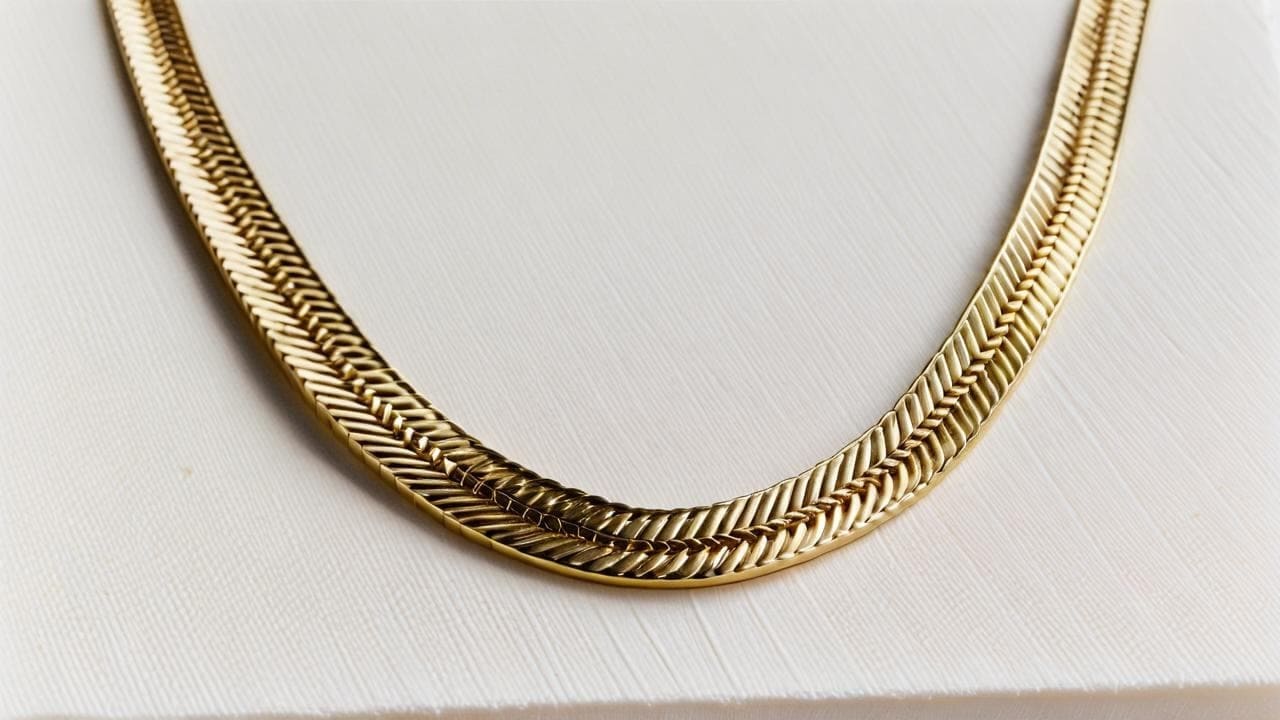
- Complex chain styles like rope chains, herringbone chains, snake chains, and Byzantine chains require specialized repair techniques that are nearly impossible to master without professional training. Rope chains require jewelers to weave links back together before soldering to ensure the repaired section matches the rest of the chain’s appearance, while herringbone chains can quickly unravel into tangled messes if not handled properly. These intricate designs demand precision and experience that typical DIY repair cannot achieve.
- Chains requiring soldering or welding need professional attention because these processes require specialized equipment, proper ventilation, and safety training. Professional jewelers use soldering irons or laser welders to add matching metal to damaged areas, melting components together to create strong, permanent repairs. Home soldering attempts often result in fire hazards, toxic fume exposure, or irreparable damage to the chain.
- Sentimental or expensive jewelry should always receive professional care regardless of the repair complexity, because the emotional or financial cost of a failed repair attempt far exceeds the professional repair cost. Heirloom pieces, engagement gifts, or chains with significant monetary value require the expertise and insurance coverage that professional jewelers provide. The peace of mind and guaranteed results make professional repair the only sensible choice for irreplaceable items.
Professional jewelers bring specialized knowledge, proper equipment, and years of experience to chain repairs that simply cannot be replicated at home. They can assess whether a repair is feasible, match materials precisely, and provide warranties on their work. While professional repair costs more upfront, it often saves money in the long run by ensuring the repair is done correctly the first time and preventing the need for costly corrections after failed DIY attempts.
How Much Does Chain Repair Cost
Professional chain repair costs vary significantly based on the metal type, chain complexity, and repair extent, with simple fixes starting around $15 and complex repairs on precious metals reaching $100 or more. These price differences reflect the varying skill levels, materials, and time required for different types of repairs, making it important to get estimates before committing to expensive restoration work.
- Basic chain link repairs on precious metals typically cost between $30-55 for simple soldering work. A single link repair in gold costs around $30, while platinum chain repairs cost approximately $35, though more complex repairs like soldering hinged joints can range from $55 to $230 depending on the complexity. These prices reflect the basic labor and materials needed for straightforward link reconnection or simple breaks.
- Clasp replacement costs vary dramatically based on the clasp type and metal quality, ranging from $20 for basic clasps to $250 for premium options. A standard 5mm gold spring ring clasp costs around $30-60, while the same clasp in platinum can cost $150, and lobster clasps range from $65-250 depending on size and material due to their higher metal content. The wide price range reflects the significant difference between basic and premium clasp styles.
- Complex chain repairs involving intricate designs like rope, snake, or herringbone chains command higher prices due to the specialized skills required. Complex chains like snake, Cuban, and rope chains require more precision and can cost $50-100 or more for soldering due to the extra labor involved in maintaining their intricate appearance. These chains often require partial reconstruction of the pattern, making them time-intensive repairs.
- Factors affecting repair costs include metal purity, chain thickness, damage extent, and geographic location of the jeweler. 14-karat gold chain repairs are typically cheaper and quicker than 18-karat gold repairs due to material costs and durability differences, while repair services in metropolitan areas may charge higher prices due to overhead costs. The jeweler’s experience and reputation also influence pricing, with master jewelers commanding premium rates.
- When repair costs exceed replacement value, it’s often more economical to purchase a new chain rather than repair the existing one. This typically occurs when chains have multiple breaks, extensive damage, or when the repair cost approaches 50-75% of a replacement chain’s price. Hollow chains are particularly prone to this situation because their lightweight construction makes them difficult to repair durably, often requiring complete section replacement rather than simple link repair.
Getting multiple quotes from reputable jewelers helps ensure fair pricing for complex repairs, while simple fixes often have standardized costs across most shops. For sentimental pieces, the emotional value often justifies higher repair costs, but for fashion jewelry, replacement may be more practical. Always request detailed estimates that break down labor and material costs to make informed decisions about repair versus replacement.
Chain Repair Timeline Expectations
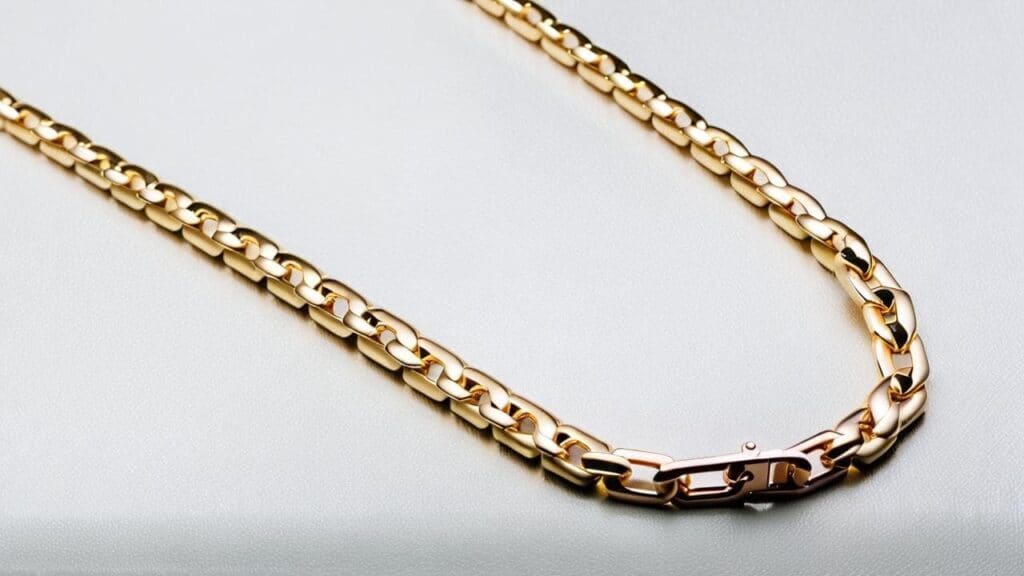
Chain repair timelines vary significantly based on the damage complexity, repair method required, and jeweler’s current workload, with simple fixes completed in minutes while complex repairs may take several weeks. These timeframes reflect the careful attention to detail required for quality jewelry repair, and rushing the process often compromises the final result.
- Simple repairs like basic link reconnection or clasp replacement typically take 1-2 days for completion when handled by experienced jewelers with standard equipment. Some simple repairs can be completed same-day if the jeweler isn’t busy and has the necessary materials in stock. However, rushing jewelry repair can compromise quality, so most professional jewelers prefer to take adequate time to ensure proper work.
- Standard chain repairs involving soldering, clasp replacement, or single link fixes typically require 7-10 days for completion. Professional jewelers generally need between seven and 10 days on average for repairs like ring re-sizing, broken chain soldering, or clasp replacement, as jewelry repair requires great attention to detail and should never be rushed. This timeframe allows for proper assessment, careful work, and quality control checks.
- Complex chain repairs involving intricate patterns, multiple breaks, or specialized techniques can take 1-2 weeks or longer. Gold rope chain repairs often take significantly longer than cable chain repairs due to the complexity of the rope chain’s design, while simpler chain links result in quicker and cheaper repairs. Snake chains, herringbone chains, and other delicate patterns require extra time for proper reconstruction and finishing.
- Factors affecting repair time include the jeweler’s current workload, material availability, and any special finishing requirements. Sourcing replacement components like clasps or beads may add 1-2 days to the repair timeline, while sourcing rare stones can take up to two weeks, and special finishes like gold plating can add 1-5 days depending on the complexity. Stainless steel chains take much longer to repair than precious metals due to their hardness and high heat requirements.
- Rush service availability varies by jeweler, with most offering expedited service for special occasions at additional cost. Many jewelers offer rush service that can return repaired jewelry in just a few short days when needed for special events, though this typically comes with additional charges. Rush services work best for simple repairs and may not be available for complex reconstruction work that requires specialized techniques or materials.
Planning ahead for jewelry repairs helps avoid disappointment when pieces are needed for special occasions. Quality repair work takes time, and jewelers who promise unrealistic turnaround times may compromise the repair quality or have limited experience with complex chain repairs. Always discuss timing expectations upfront and consider having backup jewelry options for important events while repairs are being completed.
Stop Your Chains From Breaking
Proper care and handling can significantly extend chain life and prevent most common breakage causes, saving money on repairs and preserving sentimental jewelry for years to come. Most chain failures result from preventable causes like improper storage, rough handling, or exposure to damaging conditions rather than normal wear and tear.
- Proper storage techniques prevent most chain damage by avoiding tangles, scratches, and stress on links during storage periods. Store chains with clasps fastened to prevent knots and tangles, as yanking and pulling on tangles can stress chain links and cause lightweight, fragile chains to break. Individual storage in soft pouches or jewelry boxes prevents chains from rubbing against each other, which can cause scratches on precious metals and weaken connection points over time.
- Safe wearing practices following the “last on, first off” rule significantly reduce chain breakage during daily activities. Jewelry should be the last thing you put on when leaving the house and the first thing you remove when coming home, and it’s essential to remove jewelry before sleeping to prevent hair tangles, bedsheet snags, and uncomfortable pressure. Avoiding activities like swimming, exercising, or handling children while wearing chains prevents sudden snags and chemical damage from chlorine or sweat.
- Regular maintenance inspections help identify weak points before they become complete breaks, making repairs cheaper and easier. Professional cleaning once yearly combined with personal inspections every few months can reveal loose stones, sticking clasps, worn chain links, discolored areas, or rough edges that indicate potential breaking points. Using a magnifying glass helps spot small cracks or abrasions invisible to the naked eye, while checking clasps ensures they function properly before failure occurs.
- Gentle handling techniques protect chains from stress damage by recognizing that chains are not elastic and excessive pulling causes permanent deformation. Chains are not elastic materials, and excessively pulling or stretching will either cause them to break or make links become elongated and deformed. When putting on or removing chains, avoid pulling them over the head, instead unfastening the clasp completely and handling the chain gently to prevent stress on individual links.
- Environmental protection from moisture, chemicals, and physical hazards extends chain life considerably by preventing corrosion and accidental damage. Remove jewelry before swimming, sweating, or steaming, as moisture and pool chlorine can discolor jewelry and provide opportunities for pieces to get lost or broken, while storing chains in dry environments with anti-tarnish pouches prevents moisture buildup. Avoid contact with cosmetics, perfumes, and harsh chemicals that can weaken metal integrity and cause premature aging of chain components.
These preventive measures require minimal investment in proper storage solutions and developing protective habits that become automatic with practice. Regular maintenance costs far less than frequent repairs, while proper handling techniques preserve both the physical integrity and sentimental value of cherished jewelry pieces. The small effort invested in prevention pays significant dividends in extended chain life and reduced repair expenses.
Which Chains Are Hardest to Fix
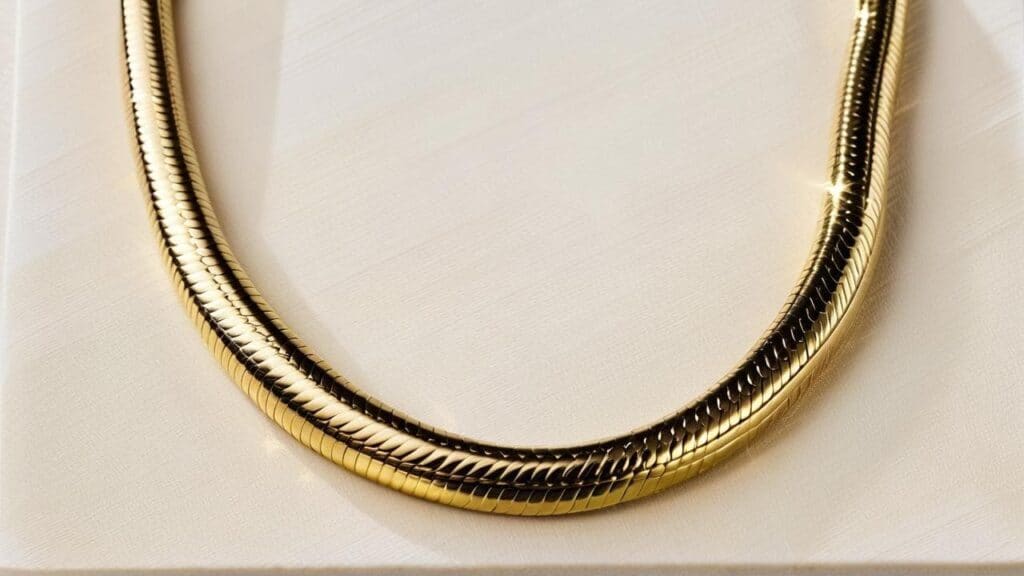
Chain construction varies dramatically between styles, with each type presenting unique repair challenges that affect both cost and success rates. The intricacy of different chain designs directly impacts how easily they can be repaired and whether the finished result will look seamless or obviously patched.
- Cable chains represent the easiest repair option due to their simple construction of interlocking round or oval links. Cable chains are the most straightforward type made from round or oval links and usually don’t require soldering repair work, as most open links can be closed with needle nose pliers. Their visible link construction allows jewelers to easily identify broken connections and make repairs that are virtually invisible when completed properly.
- Box chains offer moderate repair difficulty due to their square-shaped links that interlock in a sturdy pattern. Box chains feature square-shaped links that make them sturdy and resistant to breakage, and their unique links don’t always require soldering since repairs may be fixed with a quick pinch of pliers depending on the damage. While generally durable, box chains can be challenging to repair invisibly when links are severely damaged due to their geometric precision requirements.
- Rope chains present significant repair challenges due to their complex twisted construction that creates a rope-like appearance. Rope chains appear impossible to fix when broken due to their complexity, but they can be soldered with more work as jewelers need to weave links back together before soldering to ensure the repaired section looks indistinguishable from the rest. The intricate weaving pattern makes rope chain repairs time-intensive and expensive, often requiring master-level jeweling skills.
- Snake chains are among the most difficult to repair due to their tightly interlocking plates that create a smooth, flexible surface. Snake chains appear impossible to repair because of their construction with empty links inside to reduce weight, making them prone to being “crushed” at repair spots, and the repair area won’t match the rest of the chain’s appearance. Many jewelers recommend adding chain extenders rather than attempting direct repairs to maintain the chain’s integrity.
- Herringbone chains face unique challenges because their flat, interlocking links can unravel completely when damaged. Herringbone chains, also known as flat snake chains, are difficult to repair because they have a tendency to quickly unravel into tangled messes when broken, and jewelers often need special techniques to lay the plated links flat and remove kinks. Once a herringbone chain unravels, the repair complexity increases exponentially, often making replacement more cost-effective than repair.
- Curb and Cuban chains require specialized skills due to their flattened and twisted link construction that creates tight interlocking patterns. Curb chains have flattened and twisted links that interlock tightly forming a sturdy chain that rarely breaks, but when repairs are needed, thick chains in Cuban, curb, or Figaro styles require more time and labor to remove links, increasing repair costs by $20 or more. Their robust construction makes them durable but challenging to work with when repairs become necessary.
The key to successful chain repair lies in matching the repair approach to the specific chain construction and setting realistic expectations for the final appearance. Simple cable chains often justify DIY attempts on inexpensive pieces, while complex designs like snake or herringbone chains almost always require professional assessment. When choosing new jewelry, consider the repair implications of different chain styles, especially for pieces you plan to wear frequently or that have special sentimental value.
When to Replace Instead of Repair
Some chain damage exceeds the limits of practical repair, and recognizing these situations prevents wasting money on impossible fixes while helping make rational decisions about replacement versus restoration attempts. Even skilled jewelers face scenarios where the best advice is to accept that a chain has reached the end of its wearable life.
- Severely damaged chains with multiple breaks often exceed economical repair limits, especially when breaks occur at several points along the chain’s length. If chains have multiple breaks or are severely damaged, jewelers may suggest replacing the broken section entirely rather than attempting repairs, particularly when repair costs approach $50 or more for severely damaged pieces. Multiple breaks indicate systemic weakness throughout the chain, making future failures likely even after repair.
- Chains with excessive metal loss cannot be repaired when significant portions are missing or when links have been crushed beyond recognition. Hollow chains are particularly vulnerable because their lightweight construction can be “crushed” at repair spots, and repairs often aren’t strong enough to withstand daily wear over time. When the fundamental structure is compromised, replacement becomes the only viable option.
- Unknown metal composition creates repair impossibility when chains react unpredictably to heat or soldering processes. Unknown metals can react very strangely to heat during soldering, potentially melting or burning and causing damage to the chain and any attached components, while mismatched solder materials disrupt the overall color of the chain. Without knowing the exact metal composition, jewelers cannot safely apply appropriate repair techniques.
- Extremely thin or delicate chains often break beyond repair when their gauge falls below the minimum thickness for effective soldering. Chains must be within standard thickness around 1.4mm for most repair techniques, as thinner chains lack sufficient material for strong solder joints and are prone to further damage during repair attempts. Ultra-fine chains often cost more to repair than their replacement value.
- Cost-benefit analysis determines repair viability when restoration expenses approach or exceed replacement costs. When chains break beyond repair, some jewelers offer scrap gold programs where customers can apply the gold value toward new chain purchases, though this provides less value than the original purchase price due to manufacturing and markup costs. For inexpensive costume jewelry, replacement typically costs less than professional repair.
- Structural integrity concerns make some repairs inadvisable when the chain’s overall strength has been compromised by age, wear, or previous damage. Even successful repairs may create weak points that lead to future failures, making replacement the safer long-term choice. Professional jewelers can assess whether a chain’s remaining structure can support reliable repair or if the piece has reached the end of its usable life.
Professional assessment becomes crucial when damage extent is unclear, as experienced jewelers can evaluate whether repair is technically feasible, economically sensible, and likely to provide lasting results. Sometimes the most cost-effective and honest approach is accepting that a beloved piece has served its time and investing in a quality replacement that will provide years of reliable wear.
Conclusion
The success of chain repair depends largely on correctly identifying the type of damage, matching the repair approach to the chain’s construction, and making realistic decisions about DIY versus professional repair. Simple breaks in basic cable chains often respond well to home repair using jewelry pliers and jump rings, while complex designs like rope, snake, or herringbone chains require professional expertise to maintain their intricate patterns and structural integrity. The investment in proper tools and techniques for DIY repair pays off primarily for inexpensive practice pieces and simple link separations.
Professional repair becomes necessary for precious metal chains, antique pieces, and complex damage that requires soldering or specialized reconstruction techniques. Repair costs typically range from $30-100 depending on the metal type and complexity involved, but these expenses are often justified for valuable or sentimental pieces where replacement would be more costly or emotionally difficult. Prevention through proper storage, gentle handling, and regular maintenance extends chain life significantly and reduces the need for frequent repairs, making it the most cost-effective approach to chain care.
When chains suffer severe damage, multiple breaks, or structural compromise, replacement often proves more practical than attempted repair. Professional jewelers can provide honest assessments about repair feasibility and help determine whether restoration will provide lasting results or if replacement offers better long-term value. By combining preventive care with informed repair decisions, chain jewelry can provide years of reliable wear while preserving both financial investment and sentimental value for future enjoyment.