Jewelry clasps might seem like small details, but they play a crucial role in both functionality and style. The right clasp not only keeps your precious pieces secure but also affects how easily you can wear and remove your jewelry. From the simple spring ring to elaborate box clasps, each type offers different benefits in terms of security, ease of use, and aesthetic appeal. Understanding the various clasp types will help you make better decisions when buying jewelry and might save you frustration when dealing with pieces you already own.
Understanding the Importance of Jewelry Clasps
Jewelry clasps are the mechanical fasteners that secure your necklaces, bracelets, and anklets. They serve as both functional and sometimes decorative elements of jewelry design. A well-chosen clasp should balance security (preventing accidental loss), usability (allowing you to put on and remove pieces without help), and style (complementing the overall look of the jewelry). Some clasps are better hidden from view, while others are meant to be seen as part of the design.
- Clasps vary greatly in security level - some are designed for everyday wear while others provide museum-level protection for valuable pieces.
- The ease of use differs significantly between clasp types, with implications for people with arthritis, limited dexterity, or visual impairments.
- The weight of your jewelry should determine your clasp choice - heavier pieces require stronger clasps that won’t fail under tension.
- Certain clasps are purely functional and meant to be hidden, while others serve as focal points or design elements within the jewelry piece.
- Different materials used in clasps (precious metals, base metals with plating, or alternatives like plastic) affect durability, appearance, and allergenic properties.
- Clasps can significantly impact the price of jewelry, with more complex mechanisms or those made from precious metals adding considerable cost.
Selecting the right clasp is an important consideration when purchasing or repairing jewelry. The perfect clasp should align with your lifestyle needs, physical abilities, and the specific requirements of the jewelry piece. As we explore the various types of clasps in the following sections, consider which features matter most to you – whether that’s security, ease of use, or aesthetic appeal.
Different Jewelry Clasp Types & Their Uses
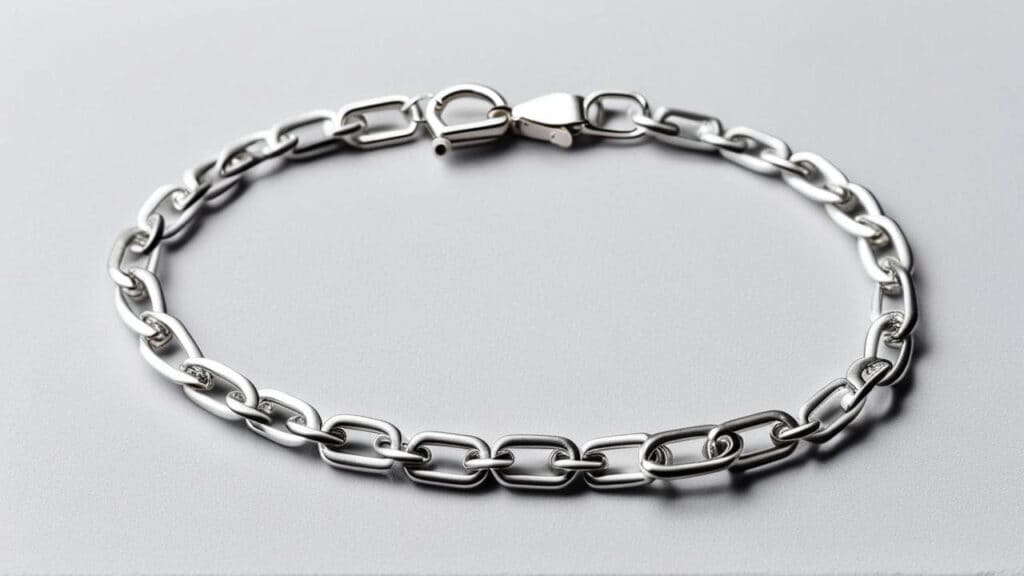
Jewelry clasps come in numerous designs, each with unique features that affect security, ease of use, and aesthetic appeal. The right clasp can make a significant difference in how comfortable, secure, and enjoyable your jewelry is to wear. From simple spring rings to complex slide locks, each clasp type serves specific purposes and works best with particular jewelry styles. Understanding these differences will help you make informed decisions when purchasing new pieces or having existing jewelry modified. Below, we explore the most common clasp types, their features, benefits, and ideal uses.
Spring Ring Clasps
Spring ring clasps are among the most common types you’ll find on mass-produced jewelry. These small circular clasps have a spring-loaded mechanism that opens when you pull back on a tiny lever. When released, the spring automatically closes the opening, securing your jewelry. Their popularity stems from their simplicity and cost-effectiveness, making them a standard choice for many commercial jewelry pieces.
- Spring ring clasps typically measure 5-8mm in diameter, making them relatively discreet but potentially challenging for those with dexterity issues or visual impairments.
- These clasps provide moderate security but aren’t recommended for very valuable pieces, as the spring mechanism can weaken over time and potentially fail without warning.
- Best suited for lightweight pieces under 25 grams, as heavier jewelry places too much strain on the spring mechanism, potentially causing premature failure.
- Commonly made from brass, sterling silver, gold-filled metal, or occasionally solid gold or platinum, with finishes to match the jewelry they secure.
- Spring rings generally include an attached jump ring on the opposite end of the jewelry to facilitate easier closing, as catching the small opening can be difficult otherwise.
- While affordable and widely available, these clasps are among the most frequently replaced components in jewelry repair due to spring failure or lever breakage.
While spring ring clasps are ubiquitous in jewelry making, they do have limitations. Their small size makes them difficult to manipulate for people with large fingers, arthritis, or limited dexterity. The spring mechanism can also weaken over time, especially when supporting heavier pieces or with frequent use. If you struggle with spring ring clasps, consider alternatives like magnetic or lobster clasps for easier handling, or ask a jeweler about replacing difficult clasps on your favorite pieces.
Lobster Clasps
Lobster clasps, named for their resemblance to a lobster’s claw, represent an upgrade from the basic spring ring. They feature a longer, spring-loaded lever that opens when pressed and automatically closes when released. These clasps offer excellent security for most jewelry with a design that balances functionality with a relatively sleek profile, making them one of the most versatile clasp options available.
- Available in sizes ranging from 6mm to 15mm, with the size typically proportional to the jewelry weight they’re designed to secure.
- The elongated design and larger lever make lobster clasps significantly easier to manipulate than spring rings, though they still require some finger dexterity.
- Provides excellent security for everyday wear, with a spring mechanism that’s less prone to failure than spring rings due to their more robust construction.
- Well-suited for medium to heavy pieces (20-100 grams), including charm bracelets, statement necklaces, and everyday wear items.
- Generally adds 5-15% to jewelry production costs compared to basic spring rings, reflecting their more complex construction and additional materials.
- Typically made with swivel attachments that prevent chains from twisting and tangling during wear, reducing strain on both the clasp and jewelry.
- Available in virtually all jewelry metals, from sterling silver and gold to stainless steel, titanium, and base metals with various platings.
Lobster clasps strike an excellent balance between security, usability, and aesthetics, which explains their widespread popularity. Their slightly bulkier profile compared to spring rings is offset by superior functionality and reliability. If you’re having clasps replaced on existing jewelry, lobster clasps are often an excellent upgrade choice that provides better security without dramatically changing the look of your piece. For people who wear jewelry daily or have concerns about losing valuable pieces, the additional security of a lobster clasp can provide significant peace of mind.
Box Clasps
Box clasps consist of two interlocking parts: a “box” component with an internal cavity and a “tongue” insert that clicks securely into place. Most quality box clasps also include a safety mechanism, typically a small hinged flap with a groove that fits over the tongue once closed, providing double security. These clasps are known for their clean, tailored appearance and excellent security for valuable pieces.
- Box clasps provide exceptional security when properly designed with functioning safety catches, making them ideal for valuable jewelry and heirloom pieces.
- Typically rectangular or square in shape, measuring 5-20mm depending on the jewelry they secure, with larger box clasps sometimes featuring ornate decorative surfaces.
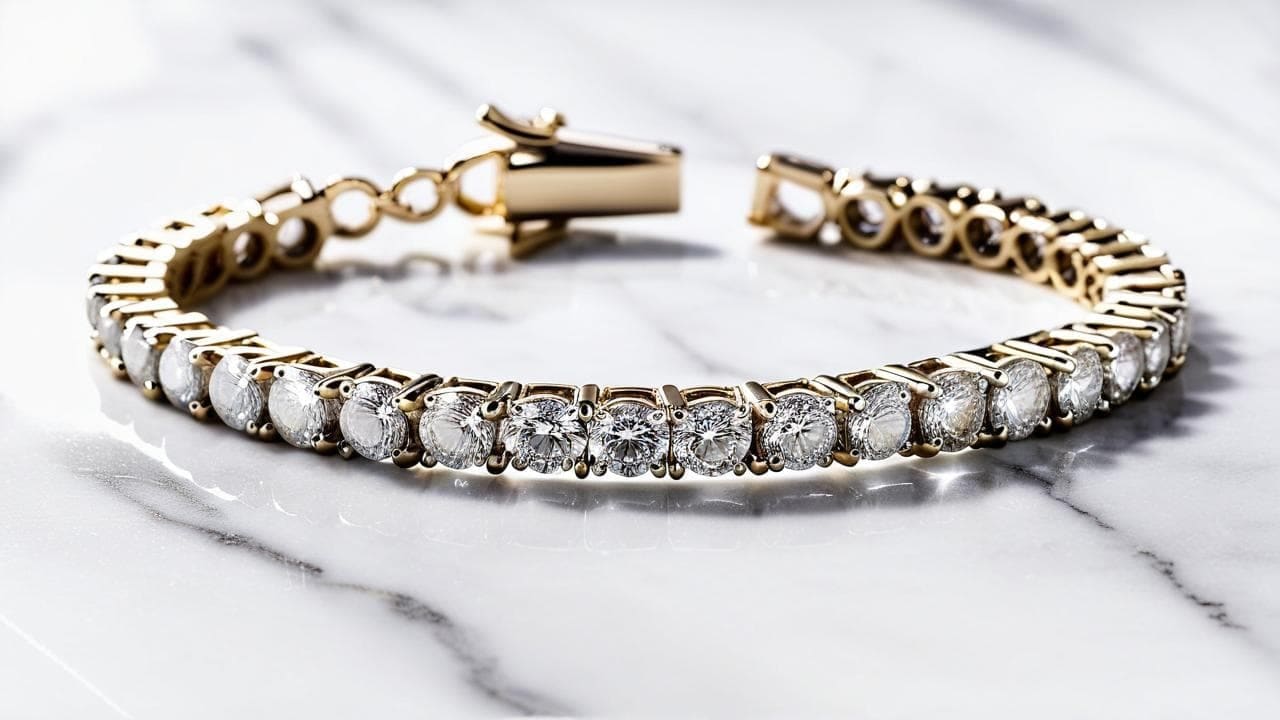
- Particularly well-suited for pearl strands, tennis bracelets, and other fine jewelry where security is paramount and a flat, elegant fastening is desired.
- Requires more precise alignment to close than simpler clasps, which can be challenging for some users, especially those with limited dexterity or vision issues.
- Often crafted from precious metals including 14K-18K gold, sterling silver, or platinum, though less expensive versions use base metals with plating.
- High-quality box clasps with safety catches can add significant cost to jewelry (sometimes 15-25% of the total piece value), reflecting their complex construction and materials.
- When designed as integral parts of the jewelry, box clasps can feature gemstones, engraving, or other decorative elements that enhance the overall piece.
Box clasps combine excellent security with clean aesthetics, making them a preferred choice for fine jewelry. Their flat profile sits comfortably against the skin, and when well-crafted, they integrate seamlessly into the overall design. The main drawback is their relative complexity – closing a box clasp requires aligning the tongue properly with the box cavity, which can be challenging for some users. If you’re considering jewelry with a box clasp, practice opening and closing it before purchase to ensure you can manage it independently, or consider whether you’d need assistance for wearing.
Toggle Clasps
Toggle clasps consist of two parts: a circular or oval ring on one end and a bar (sometimes called a T-bar) on the other. To secure the clasp, the bar is inserted through the ring and, when properly positioned, the bar’s length prevents it from pulling back through. Toggle clasps are distinctive for being both functional fasteners and decorative elements that often serve as focal points in jewelry design.
- Toggle clasps typically feature bars 15-25mm long and rings 10-20mm in diameter, with proportions that should match the scale and weight of the jewelry.
- Offer a unique blend of security and easy manipulation, making them excellent choices for those who struggle with smaller, more fiddly clasps.
- Particularly well-suited for statement necklaces, chunky bracelets, and designer pieces where the clasp is intentionally visible as part of the design.
- Requires sufficient chain length to allow the toggle to work properly – if the jewelry fits too tightly, the bar can slip through the ring accidentally.
- Often crafted as decorative elements with detailed metalwork, gemstone accents, or thematic designs that enhance the overall jewelry piece.
- Provides moderate to good security depending on the specific design and proper sizing relation to the jewelry piece.
- Not typically used for very fine chains or delicate pieces where the toggle would appear disproportionately large or heavy.
Toggle clasps excel in situations where ease of use and aesthetic appeal are priorities. Their larger size makes them significantly easier to manipulate than smaller clasps, benefiting those with arthritis or limited dexterity. However, they’re not the best choice for very active wear, as improper sizing or vigorous movement can occasionally cause the bar to slip through the ring. When shopping for toggle clasp jewelry, ensure the clasp components are proportional to the piece and that the bar is substantially longer than the diameter of the ring for proper security.
Magnetic Clasps
Magnetic clasps consist of two halves containing opposing magnets that attract and hold together. They’re designed to connect easily without requiring fine motor skills, making them ideal for those with dexterity challenges. While extremely user-friendly, their security varies widely depending on the strength of the magnets used and the weight of the jewelry they secure.
- Available in various strengths, with higher-quality versions using neodymium magnets that can support up to 75 grams of jewelry weight securely.
- Exceptional ease of use makes them ideal for people with arthritis, tremors, limited dexterity, or those who struggle with traditional clasps.
- Generally designed with alignment guides (small raised ridges or notches) that help the two halves connect in the correct position.
- Security varies dramatically based on magnet strength, with inexpensive versions separating under minimal tension while quality versions require significant force.
- Not recommended for valuable jewelry unless equipped with additional mechanical safety catches, as they can separate without warning if the magnetic bond is overcome.
- Available in various shapes and sizes from 4mm to 20mm, with larger sizes typically housing stronger magnets.
- Should be kept away from credit cards, pacemakers, and other electronic devices that might be affected by magnetic fields.
Magnetic clasps represent a revolutionary option for accessibility in jewelry. They allow many people with physical limitations to independently wear jewelry that would otherwise require assistance. However, their convenience comes with security trade-offs. For everyday, affordable pieces, they’re excellent choices, but for valuable items, look for hybrid designs that combine magnets with mechanical safety catches for added security. When purchasing jewelry with magnetic clasps, test the magnetic strength by gently pulling the pieces apart – quality magnetic clasps should require deliberate force to separate.
Hook Clasps
Hook clasps encompass a variety of designs featuring a curved hook element that connects to a loop, ring, or chain on the opposite end. These range from simple S-hooks to more elaborate designs with safety features. Hook clasps are valued for their simplicity and often integrate beautifully into jewelry designs, sometimes becoming decorative focal points themselves.
- Designs range from minimalist S-hooks to ornate fish hooks and specialty shapes that may be themed to match the jewelry’s overall aesthetic.
- Security varies widely depending on the specific design – basic hooks offer minimal security while those with safety catches or locking mechanisms provide excellent protection.
- Extremely easy to use once you can see and reach both ends of the jewelry, making them good options for necklaces but sometimes challenging for bracelets.
- Often used in handcrafted and artisanal jewelry where the clasp is integrated as a design element rather than hidden.
- Simple hook designs are among the oldest clasp types, with examples found in ancient jewelry across many cultures and civilizations.
- Can be crafted from virtually any jewelry material, from precious metals to base metals, wood, horn, or even reinforced glass or ceramic in art jewelry.
- Hook and eye configurations are particularly popular for multi-strand necklaces and bracelets where they can secure multiple strands simultaneously.
Hook clasps blend simplicity with style, making them popular choices for designer jewelry where the clasp contributes to the overall aesthetic. Their straightforward operation means fewer mechanical parts to fail, though basic hooks without safety mechanisms can open accidentally if caught on clothing or during activity. For everyday wear, look for hook designs with safety features like hinged guards or locking mechanisms. Custom and artisanal jewelry often features hook clasps that complement the piece’s theme – from nature-inspired forms to geometric modernist designs – adding value beyond mere functionality.
Barrel Clasps
Barrel clasps consist of two threaded components that screw together to form a complete cylinder or barrel shape. One half typically attaches to each end of the jewelry. To secure these clasps, you simply align the two halves and twist them together until they’re fully connected. The threaded design provides excellent security when properly engaged.
- Available in sizes ranging from 4mm to 12mm in diameter and 8mm to 25mm in length, with appropriate sizing based on the jewelry weight and aesthetic balance.
- Provides exceptional security when fully screwed together, making them excellent choices for valuable pieces and items worn during moderate activity.
- Requires good fine motor skills to align and twist the two halves together, which can be challenging for those with arthritis or dexterity issues.
- Popular for pearl strands, gold chains, and precious stone necklaces where security is crucial, but the clasp should remain relatively invisible.
- Some designs include internal magnets to help align the two halves before screwing them together, combining ease of use with mechanical security.
- Usually designed to blend seamlessly with bead or chain designs, featuring smooth, cylindrical shapes that don’t catch on clothing or hair.
- Precision manufacturing is essential – poor quality barrel clasps may have rough threading that makes them difficult to connect or prone to cross-threading.
Barrel clasps offer excellent security with a clean, unobtrusive appearance. Their cylindrical shape integrates well with many jewelry designs, particularly beaded necklaces and formal jewelry where visible clasps would detract from the overall aesthetic. The main consideration is usability – connecting these clasps requires aligning the two halves precisely and twisting them together, which demands reasonable dexterity and vision. If you’re purchasing jewelry with a barrel clasp, practice opening and closing it before committing to ensure you can manage it independently. High-quality barrel clasps should thread together smoothly without resistance or wobbling.
Slide Lock Clasps
Slide lock clasps (also called push clasps or slide inserts) feature a flat tab that slides into a box-like receiver and locks into place with internal springs or catches. They release when you press buttons or levers on the sides of the box component. These clasps combine excellent security with a sleek, contemporary appearance, making them popular choices for modern luxury jewelry.
- Characterized by their flat, rectangular design that ranges from 5mm to 25mm in length, with a slim profile that sits flat against the skin.
- Provides exceptional security once locked, requiring deliberate pressure on release buttons rather than accidental tension to open.
- Most commonly found on high-end bracelets, particularly tennis bracelets, fine chains, and luxury watch bands where security is paramount.
- Relatively easy to operate with one hand once the technique is learned, as the tab can be guided into the receiver by feel and released with simple pressure.
- Often incorporates additional safety catches or guards over the release buttons on very valuable pieces for double security.
- Typically crafted from precious metals including 14K-18K gold, platinum, or higher-grade stainless steel for strength and durability.
- More expensive to produce than simpler clasps due to their complex internal mechanisms, precision requirements, and multiple components.
Slide lock clasps represent some of the most secure and sophisticated fastening systems available in jewelry. Their flat profile makes them comfortable to wear, while their reliable locking mechanism provides peace of mind for valuable pieces. The main considerations are cost and complexity – these clasps add significant expense to jewelry and require precise manufacturing to function properly. However, for important pieces that will be worn regularly, the investment in a quality slide lock clasp is worthwhile. Many jewelers consider them the gold standard for securing valuable bracelets and necklaces where both security and comfort are essential.
S-Hook Clasps
S-hook clasps are exactly what their name suggests – clasps shaped like the letter S, with both ends typically curved inward to prevent accidental opening. One end attaches to each side of the jewelry, and the piece is secured by hooking the two ends together. These simple but effective clasps have been used across centuries and cultures for their straightforward functionality.
- Typically measure 10-30mm in length, with size proportional to the jewelry they secure and larger versions sometimes serving as decorative focal points.
- Offer moderate security in basic forms, though many modern versions include safety chains or additional mechanisms to prevent accidental opening.
- Extremely simple to use with minimal moving parts, making them durable and less prone to mechanical failure than more complex clasps.
- Particularly popular in ethnic, tribal, and artisanal jewelry where their visible design contributes to the overall aesthetic.
- Often handcrafted with decorative elements including wire wrapping, hammered textures, or thematic designs that enhance the jewelry piece.
- Can be manipulated both visually and by touch, making them relatively accessible for those with some dexterity limitations.
- Historically significant design found in jewelry artifacts dating back thousands of years across multiple civilizations.
S-hook clasps blend ancient tradition with practical functionality. Their simple design means fewer components to break or wear out, contributing to jewelry longevity. While basic S-hooks can open if caught on fabric or during vigorous activity, many contemporary versions feature inward-curving ends or additional security mechanisms that prevent accidental opening. These clasps are particularly well-suited to statement necklaces, ethnic-inspired designs, and artisanal jewelry where the clasp forms part of the visible design rather than being hidden. For those who appreciate jewelry with historical connections or handcrafted character, pieces featuring decorative S-hooks offer both aesthetic appeal and functional simplicity.
Push Button Clasps
Push button clasps consist of a box-like component with a spring-loaded button that, when pressed, releases a retractable post or hook. When not pressed, the internal mechanism keeps the post securely locked in place. These clasps are recognized for their excellent security and relatively easy operation, making them popular choices for valuable jewelry, particularly bracelets.
- Available in sizes from 7mm to 20mm in length, typically with rectangular or oval profiles designed to sit comfortably against the wrist or neck.
- Provides excellent security as the spring-loaded mechanism requires deliberate pressure to release rather than opening under tension or accidental contact.
- Operates with intuitive motion – press to open, release to close – making it relatively accessible for most users once the technique is learned.
- Commonly used for tennis bracelets, gold chain bracelets, and other valuable pieces where security is a primary concern.
- Many designs include additional safety catches that fold over the push button, preventing accidental activation.
- Typically made from precious metals including 14K-18K gold, platinum, or sterling silver, with internal mechanisms crafted from durable stainless steel.
- More complex construction than simpler clasps requires precise manufacturing and increases production costs.
Push button clasps represent an excellent balance of security, usability, and aesthetics. Their reliable locking mechanism provides confidence when wearing valuable pieces, while the intuitive operation makes them accessible to most users. The main considerations are cost and maintenance – these clasps are more expensive to produce than simpler designs, and their internal mechanisms may eventually require professional cleaning or repair to maintain smooth operation. However, for important pieces worn regularly, a quality push button clasp is a worthwhile investment. Many jewelers recommend these clasps particularly for bracelets, where the risk of loss is higher than with necklaces.
Fishhook Clasps
Fishhook clasps feature a curved hook component that inserts into a hollow box or oval casing, where it locks into place via tension or an internal catch. To release the clasp, you typically squeeze or press a small lever that disengages the locking mechanism. These elegant clasps combine security with a sleek profile, making them popular for fine jewelry where aesthetics are important.
- Typically measure 10-20mm in length, with a slim profile that integrates well with chain and bead designs.
- Provides good to excellent security depending on the specific design, with properly constructed versions requiring deliberate action to release.
- Easier to operate than many other secure clasps, as the hook naturally guides itself into the correct position when closing.
- Particularly popular for pearl necklaces, fine chains, and vintage-inspired pieces where period-appropriate fasteners enhance authenticity.
- Often features decorative elements that transform the clasp into a design feature rather than just a functional component.
- Requires somewhat less dexterity than screw-type clasps, making them more accessible while still providing good security.
- Long history in jewelry making, with versions appearing in Victorian and Art Deco pieces, giving them classical appeal for vintage styles.
Fishhook clasps blend traditional design with practical functionality, offering a good compromise between security and ease of use. Their elegant shape integrates well with many jewelry styles, from contemporary to vintage-inspired pieces. While not as mechanically complex as some modern clasps, well-crafted fishhook clasps provide reliable security for everyday wear. They’re particularly well-suited to necklaces of moderate weight, where their sleek profile doesn’t detract from the jewelry design. For those who appreciate classical jewelry elements with proven reliability, fishhook clasps represent a timeless choice that continues to serve both functional and aesthetic purposes in contemporary jewelry making.
How to Choose the Right Clasp for Your Jewelry
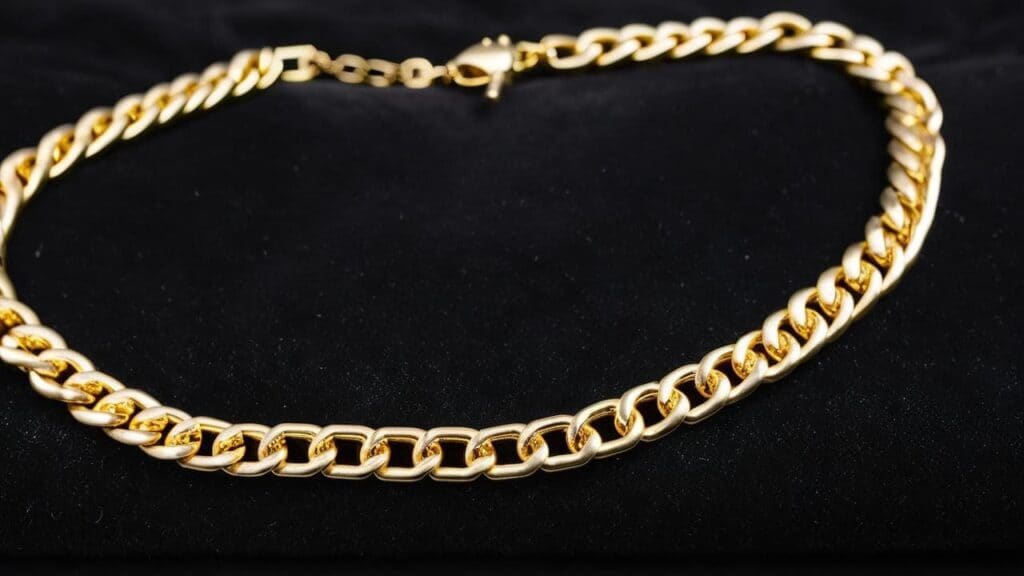
Selecting the appropriate clasp involves balancing security needs, ease of use, aesthetic preferences, and the physical characteristics of your jewelry piece. The right clasp should secure your jewelry reliably while allowing you to wear and remove it comfortably, all while complementing the overall design. Consider these factors carefully when purchasing new jewelry or having pieces repaired or modified.
- Match clasp strength to jewelry weight - heavier pieces require more robust clasps like lobster clasps or box clasps with safety catches to prevent loss.
- Consider your dexterity requirements - magnetic clasps or toggle clasps offer easier manipulation for those with arthritis, tremors, or limited fine motor skills.
- Assess activity levels during wear - active lifestyles demand more secure closures like box clasps with safety catches or slide lock mechanisms.
- Evaluate visibility preferences - determine whether you want a hidden functional clasp or a decorative element that contributes to the jewelry’s aesthetic.
- Consider placement accessibility - necklace clasps can be difficult to manage when positioned at the back of the neck without assistance.
- Factor in maintenance requirements - complex clasps with internal mechanisms may require professional cleaning and occasional repairs.
- Allergic sensitivities should influence metal choices - nickel content in many base metal clasps can cause reactions in sensitive individuals.
Finding the perfect clasp involves prioritizing your specific needs. For valuable pieces, security should be the primary consideration, while for everyday wear, ease of use might take precedence. Don’t hesitate to ask jewelers about clasp replacement options if your existing jewelry has fasteners that are difficult to manage or unreliable. Many people find that upgrading clasps on favorite pieces significantly improves their jewelry experience, making beloved items more wearable and secure. Remember that the most beautiful jewelry serves little purpose if its clasp makes it unwearable or places it at risk of loss.
How to Clean & Maintain Jewelry Clasps
Proper clasp maintenance ensures both functionality and longevity of your jewelry. Since clasps contain moving parts and mechanisms that experience regular stress, they often require attention before other jewelry components. Regular inspection and care can prevent unexpected failures and extend the useful life of your pieces significantly.
- Inspect clasps regularly for signs of wear, including spring weakening, hinge loosening, or metal fatigue around stress points.
- Clean clasps periodically using appropriate methods for their metal type - typically mild soap and water, followed by thorough drying.
- Apply small amounts of specialized jewelry lubricant to hinges and spring mechanisms if they begin to show stiffness or resistance.
- Have professional security checks performed annually on valuable pieces, particularly those with complex clasp mechanisms.
- Store jewelry with clasps closed but not under tension - hanging necklaces prevents chain strain while securing clasps prevents damage.
- Consider professional clasp replacement when wearing valuable pieces, particularly if the original shows any signs of weakness or unreliability.
- Be aware that rhodium plating on white gold clasps may wear more quickly than on other parts due to frequent handling and friction.
Maintaining your jewelry clasps is an essential aspect of responsible ownership, particularly for valuable or sentimental pieces. Even the highest quality clasps will eventually show wear with regular use, but proper care can significantly extend their lifespan. If you notice any changes in how a clasp feels or functions - including unusual stiffness, looseness, or difficulty in secure closing - consult a professional jeweler promptly. The modest cost of preventative maintenance or clasp replacement is insignificant compared to the potential loss of a treasured jewelry piece due to clasp failure.
Conclusion
Jewelry clasps may be small components, but they play outsized roles in the security, usability, and sometimes even the design of your precious pieces. From the simple utility of spring rings to the decorative appeal of toggle clasps or the security of box clasps with safety catches, each type offers distinct advantages for different jewelry styles and wearing situations. Understanding these differences empowers you to make informed choices when purchasing new jewelry or deciding on repairs and modifications to existing pieces.
The ideal clasp balances security appropriate to the jewelry’s value, ease of use suited to your physical abilities, and an aesthetic that complements the overall design. Don’t hesitate to request clasp changes on new purchases or to upgrade clasps on existing pieces if they don’t meet your needs. A reliable, user-friendly clasp transforms frustrating jewelry into enjoyable daily wear, while an inappropriate clasp can render even the most beautiful piece unwearable or at risk of loss.