Getting a new piercing is an exciting way to express yourself, but it also means making some important changes to your daily beauty routine for several months. Your fresh piercing isn’t just a small wound – it’s a direct pathway through your body’s protective barriers that needs careful protection while complex healing processes take place. Many people don’t realize that the makeup, skincare products, and hair treatments they use every day can actually be dangerous around new piercings, potentially causing infections, allergic reactions, or permanent scarring. The chemicals, bacteria, and particles in these products can interfere with your body’s natural healing process and turn what should be a straightforward recovery into a painful, expensive medical situation. Understanding which products pose risks and why can help you avoid the complications that affect thousands of people with new piercings every year.
Can I Use Makeup and Hair Products on Fresh Piercings?
You cannot safely use makeup, skincare, or hair products around fresh piercings during the healing period. This means keeping all beauty products at least one inch away from your piercing for 6-8 weeks minimum, and longer for cartilage or body piercings. The healing tissue is essentially an open wound that provides direct access to your bloodstream, making it extremely vulnerable to the bacteria, chemicals, and particles found in cosmetic products.
- Keep all beauty products at least one full inch away from any new piercing - this includes foundation, concealer, moisturizer, toner, serums, sunscreen, and any hair products that might drip or spray onto the area. Even products labeled as “gentle” or “natural” can contain bacteria, preservatives, or chemicals that interfere with healing.
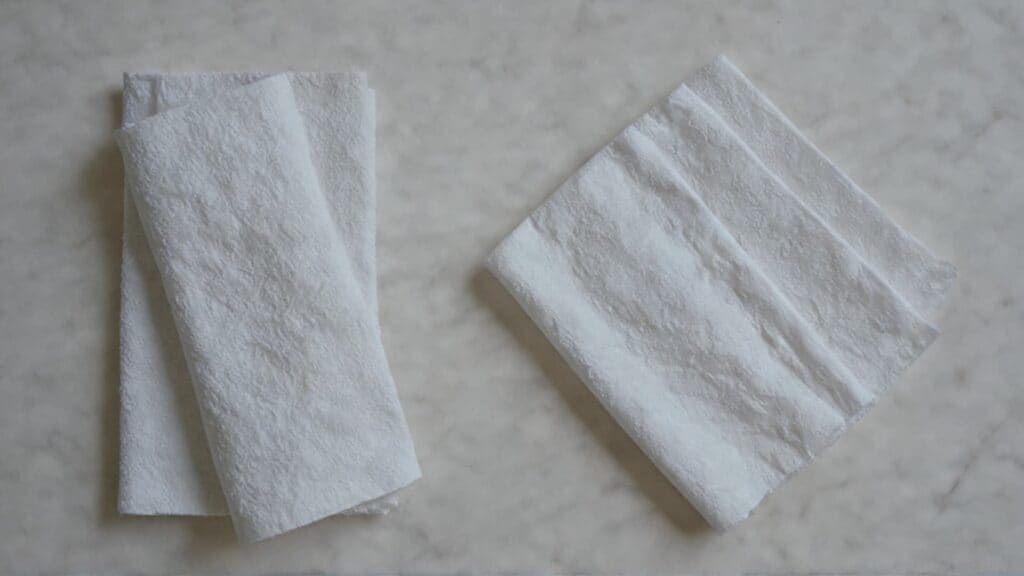
- If products accidentally contact your piercing, immediately flush with sterile saline solution - use only 0.9% sodium chloride solution sold for wound care or contact lenses, never tap water which contains bacteria, chlorine, and minerals that can irritate healing tissue. Gently pat dry with clean paper towels, never reusable cloth towels that harbor bacteria.
- Healing timelines vary dramatically by piercing location and individual factors - earlobes typically heal in 6-8 weeks, cartilage piercings take 3-6 months, naval piercings need 6-12 months, tongue piercings heal in 4-6 weeks, and some intimate piercings can take up to 18 months to fully heal. Age, immune system health, and aftercare quality all affect these timelines.
- The first two weeks are the most critical period for avoiding contamination - during this time your piercing is at highest risk for infection, and any product contact can introduce bacteria directly into your bloodstream. Even minor infections during this period can develop into serious complications requiring antibiotic treatment.
- Even “hypoallergenic” or “sensitive skin” products can cause severe reactions - healing piercings are exponentially more sensitive than normal skin, and ingredients that never bothered you before can cause chemical burns, allergic reactions, or contact dermatitis around fresh piercings.
The reality is that your beauty routine will need to change significantly during the healing period, but this temporary inconvenience is far better than dealing with infected piercings, permanent scarring, or jewelry rejection. Many people try to cheat these guidelines thinking “just a little bit” won’t hurt, but professional piercers report that the majority of serious complications they see could have been prevented by simply keeping beauty products away from healing piercings.
Why Fresh Piercings React Badly to Beauty Products
When you get pierced, your body immediately launches an incredibly complex healing process that must create a permanent tunnel through your tissue while simultaneously fighting off potential infections and foreign contaminants. This biological process is both remarkable and extremely delicate, requiring very specific conditions to proceed properly. Understanding what’s actually happening inside your piercing during healing helps explain why products that seem harmless can cause serious problems and why professional piercers are so strict about aftercare guidelines.
- The piercing creates an open wound with direct access to your circulatory and lymphatic systems - unlike surface cuts that can close within hours, piercings must heal while maintaining an open channel for jewelry, making them vulnerable to bacterial invasion for weeks or months. This open pathway allows bacteria to travel directly into deeper tissues and potentially your bloodstream, bypassing your skin’s natural protective barriers.
- Your immune system launches a massive inflammatory response for the first 72 hours - white blood cells flood the piercing site to fight potential infections, blood vessels dilate to bring healing nutrients to the area, and specialized cells begin producing collagen to form new tissue. This process requires enormous energy and resources from your body, and any additional challenges like product contamination can overwhelm this delicate system.
- The healing process occurs in three distinct phases that can be disrupted by chemical exposure - the inflammatory phase (first 1-3 days with redness and swelling), the proliferative phase (1-6 weeks as new tissue forms the piercing tunnel), and the maturation phase (up to 1 year as tissue strengthens and stabilizes). Each phase has specific requirements, and introducing foreign chemicals can halt or reverse progress.
- Fresh piercing tissue lacks the protective barriers and pH balance of normal skin - the new tissue lining your piercing is extremely thin, highly permeable, and hasn’t yet developed the acidic pH that helps normal skin resist bacteria. This means chemicals and microorganisms can penetrate much deeper and cause more damage than they could on intact skin.
- Your body treats both the jewelry and any product residue as foreign invaders - while your immune system is learning to tolerate the piercing jewelry, it remains hypervigilant about other foreign substances. Product ingredients that would normally be harmless can trigger intense inflammatory reactions that delay healing and increase infection risk.
- Cartilage piercings are especially vulnerable because cartilage has no direct blood supply - cartilage receives nutrients through diffusion from surrounding tissue, making it much slower to heal and more susceptible to permanent damage from chemical irritation or infection. This is why cartilage piercing complications are often more serious and longer-lasting than soft tissue piercing problems.
This complex healing process explains why professional piercers and medical professionals are so adamant about keeping beauty products away from fresh piercings. What seems like an overly cautious approach is actually based on decades of research into wound healing and thousands of documented cases where product exposure led to serious complications. Your piercing’s sensitivity isn’t a design flaw – it’s your body’s natural response to trauma, and respecting this process is essential for successful healing.
Makeup Products That Can Harm New Piercings

Makeup products pose some of the highest risks to healing piercings because they’re specifically designed to adhere to skin, often contain preservatives and colorants that can cause allergic reactions, and frequently harbor bacteria from repeated use. Even the highest-quality, most expensive makeup products can cause serious problems around fresh piercings because the ingredients that make them effective for cosmetic purposes – staying power, pigmentation, texture enhancers – are exactly what makes them dangerous for open wounds.
- Foundation and concealer create an occlusive barrier that traps bacteria and prevents proper drainage - these products are formulated to stay on your skin for hours, which means they also stay around your piercing, blocking the natural cleaning action of lymphatic fluid and creating an ideal environment for bacterial growth. The pigments and preservatives in these products can also cause permanent staining of new piercing tissue.
- Powder products including setting powder, eyeshadow, and blush contain particles that can lodge in piercing channels - these microscopic particles act like tiny splinters, causing mechanical irritation and providing surfaces for bacteria to attach and multiply. Once embedded in healing tissue, these particles can cause persistent inflammation and may require professional removal.
- Liquid makeup removers and cleansing oils contain harsh solvents and emulsifiers - ingredients like isopropyl alcohol, acetone, and various surfactants are designed to break down makeup but also strip away your skin’s natural protective oils and can cause chemical burns on delicate healing tissue. Many makeup removers also contain fragrances and preservatives that commonly trigger allergic reactions.
- Makeup brushes and sponges are breeding grounds for bacteria even when they appear clean - studies have shown that makeup applicators can harbor dangerous bacteria including Staphylococcus, Streptococcus, and even antibiotic-resistant strains within 24 hours of use. These tools are nearly impossible to completely sterilize at home, and even professional cleaning methods may not eliminate all pathogens.
- Waterproof and long-wearing formulas require harsh removal methods - these products contain stronger adhesives and solvents that bond more aggressively to skin, requiring more aggressive removal techniques that can traumatize healing piercing tissue. The removal process often involves rubbing and scrubbing that can reopen healing wounds.
- Cream and stick products applied directly from containers cross-contaminate with bacteria - every time you dip into a product container, you introduce bacteria from your skin, and these bacteria multiply rapidly in the warm, moist environment. Using these products near piercings essentially guarantees bacterial exposure to your healing wound.
The cosmetics industry isn’t required to test products for safety on open wounds, and the preservatives that keep makeup fresh in containers can be toxic to healing tissue. Professional makeup artists working on film sets where actors have fresh piercings follow strict protocols including single-use products and maintaining significant distances from piercing sites. If it’s too risky for professional makeup application, it’s definitely too risky for daily home use around your healing piercing.
Skincare Products That Can Harm New Piercings
Skincare products are often the most unexpected culprits in piercing complications because people assume that products designed to be “good for skin” must be safe around piercings. However, the active ingredients that make skincare products effective for treating various skin concerns – anti-aging compounds, acne treatments, exfoliants – are often too harsh for the delicate healing tissue of fresh piercings and can cause severe chemical burns, allergic reactions, or permanent scarring.
- Cleansers containing sulfates, fragrances, or antibacterial agents can cause severe irritation and disrupt natural healing - sodium lauryl sulfate and similar detergents are designed to strip away oils and debris but also remove the protective lipid barrier your body creates around healing piercings. Antibacterial ingredients like triclosan can kill beneficial bacteria that actually help protect against harmful pathogens.
- Exfoliating products including scrubs, brushes, and chemical exfoliants cause mechanical and chemical trauma - physical scrubs contain abrasive particles that can tear delicate healing tissue, while chemical exfoliants like salicylic acid, glycolic acid, and retinoids are designed to remove skin cells and can literally dissolve the new tissue your body is trying to form around your piercing.
- Anti-aging products containing retinoids, peptides, or alpha hydroxy acids are too potent for healing wounds - these ingredients work by increasing cell turnover and breaking down existing tissue to reveal newer skin underneath. While beneficial for mature skin, they can prevent proper wound healing and cause chemical burns on fresh piercings.
- Moisturizers and serums with heavy oils, silicones, or occlusive ingredients trap bacteria and prevent drainage - ingredients like dimethicone, petrolatum, and thick plant oils create barriers that prevent your piercing from “breathing” and block the natural flow of lymphatic fluid that carries away bacteria and dead cells. This creates ideal conditions for anaerobic bacterial growth.
- Acne treatments containing benzoyl peroxide, salicylic acid, or sulfur can cause severe chemical burns - these ingredients are designed to be harsh enough to kill acne bacteria and dissolve clogged pores, making them far too aggressive for healing piercing tissue. Even brief contact can cause tissue death and permanent scarring.
- Toners and astringents strip away natural protective oils and disrupt pH balance - alcohol-based toners and witch hazel products remove the slightly acidic protective layer your skin maintains to resist bacteria. Healing piercings need this protective environment to develop properly, and disrupting it leaves them vulnerable to infection.
- Face masks and overnight treatments contain concentrated active ingredients in occlusive formulations - these products are designed to deliver high concentrations of active ingredients over extended periods, which can cause severe reactions on healing piercings. Clay masks can also physically pull on jewelry and irritate fresh piercings.
Many people make the mistake of thinking that expensive, “clean,” or “natural” skincare products are automatically safer around piercings, but this isn’t true. Some of the most severe piercing reactions are caused by essential oils, plant extracts, and “natural” preservatives that are actually more likely to cause allergic reactions than synthetic ingredients. The skincare industry markets products for intact, healthy skin, not open wounds, so even the gentlest formulations can be harmful to healing piercings.
Hair Products That Can Harm New Piercings
Hair products present unique challenges for piercing safety because they’re often applied as sprays or liquids that can easily contact piercings, and many contain harsh chemicals designed to alter hair structure or provide long-lasting hold. The proximity of hair to many common piercing locations – ears, nose, eyebrows – means that routine hair care can inadvertently expose healing piercings to products that were never intended to contact open wounds.
- Shampoos and conditioners contain surfactants, sulfates, and conditioning agents that can irritate healing tissue - sodium lauryl sulfate and related cleansing agents are designed to strip oils from hair but also remove protective barriers from skin. Conditioning silicones and proteins can clog piercing channels, while preservatives and fragrances commonly cause allergic reactions on sensitive healing tissue.
- Hair styling products including gels, mousses, pomades, and waxes contain polymers and alcohols that can cause chemical burns - these products use strong alcohols as solvents and synthetic polymers for hold, both of which can cause severe irritation or chemical burns on healing piercings. The sticky nature of these products also makes them difficult to remove if they contact your piercing.
- Hair sprays and setting products create aerosol clouds that can settle on piercings - these products contain volatile solvents, lacquers, and propellants that become airborne during application. Even if you’re careful about direct contact, these particles can settle on healing piercings and cause irritation or allergic reactions.
- Hair dye and bleaching products contain some of the most dangerous chemicals for piercing contact - permanent hair color contains ammonia, peroxide, and synthetic dyes that can cause severe chemical burns and permanent tissue damage. Bleaching products use hydrogen peroxide or other oxidizing agents that can literally burn through healing tissue and cause permanent scarring.
- Dry shampoos contain talc, starches, and other powder particles that can contaminate piercings - these microscopic particles can become embedded in healing tissue, causing persistent inflammation and providing surfaces for bacterial growth. The propellants in aerosol dry shampoos can also cause chemical irritation.
- Hot styling tools and chemical treatments create additional risks through heat and harsh processing chemicals - curling irons, straighteners, and chemical relaxers can cause burns if they contact piercing jewelry, and the chemicals used in perms, relaxers, and keratin treatments are caustic enough to cause severe tissue damage.
- Hair oils and leave-in treatments can migrate to piercings and create bacterial breeding grounds - while these products may seem gentler, oils and heavy conditioning agents can clog piercing channels and prevent proper drainage, creating ideal conditions for bacterial overgrowth and infection.
The challenge with hair products is that many people don’t realize how easily these substances can travel from hair to piercings through normal activities like sleeping, exercising, or simply moving throughout the day. Professional piercers often see complications in ear and facial piercings that are directly traced back to hair product exposure, and these problems can be particularly difficult to resolve because people often don’t make the connection between their hair routine and piercing problems.
Safe Products for New Piercing Care
While the list of products to avoid around fresh piercings is extensive, there are safe alternatives that allow you to maintain good hygiene and basic skincare without compromising your piercing’s healing process. The key is choosing products with minimal, gentle ingredients that won’t interfere with your body’s natural healing mechanisms or introduce harmful bacteria to the piercing site.
- Sterile saline solution (0.9% sodium chloride) is the gold standard for piercing aftercare - this is the only cleaning product you should use directly on your piercing. Use pre-made sterile saline wound wash available at pharmacies, never homemade salt water which can contain impurities and the wrong concentration that could damage healing tissue. Apply twice daily by spraying or soaking, then gently pat dry with clean paper towels.
- Fragrance-free, dye-free gentle cleansers can be used away from the piercing area - look for products labeled as “free and clear” or designed for sensitive skin, containing minimal ingredients like ceramides, glycerin, and mild surfactants. Brands like Vanicream, CeraVe, Free & Clear, and Neutrogena Ultra Gentle work well, but always maintain at least a one-inch distance from your piercing.
- Mineral-based makeup products are safer than traditional formulations when used at a distance - pure mineral makeup without added preservatives, fragrances, or binding agents is less likely to cause reactions. However, these should still be kept well away from healing piercings and applied only where absolutely necessary.
- Single-use, individually packaged products eliminate bacterial contamination risks - when you do need to use products near piercing areas, choose single-use options like individual makeup remover wipes, single-use contact lens solution for saline, or sample-sized products that can be discarded after one use.
- Gentle, unscented hair products can be used with proper precautions - baby shampoos or products specifically formulated for sensitive scalps contain fewer harsh ingredients. Always rinse thoroughly, tilt your head away from piercings during washing, and consider protective barriers like plastic wrap over ear piercings during hair washing.
- Natural oils like jojoba or fractionated coconut oil can be used sparingly away from piercings - these oils are less likely to cause reactions than products with multiple ingredients, but should never be applied directly to piercings as they can clog healing channels. Use only small amounts and maintain distance from piercing sites.
- pH-balanced, alcohol-free products are less likely to disrupt skin’s natural protective barriers - look for products with pH levels between 5.5-7.0 that won’t alter your skin’s natural acidic environment that helps resist bacterial growth.
The most important principle when choosing safe products is to read ingredient lists carefully and choose formulations with the fewest possible ingredients. Avoid anything with long lists of chemicals you can’t pronounce, and when in doubt, consult with your piercer or a dermatologist familiar with piercing aftercare. Remember that even “safe” products should be used sparingly and kept away from direct piercing contact during the healing period.
How to Protect New Piercings During Beauty Routines
Creating effective barriers between your beauty products and healing piercings requires careful planning and specific techniques that professional piercers and medical professionals recommend to their clients. The goal is to allow you to maintain basic hygiene and appearance while completely preventing any product contact with your piercing during the critical healing period.
- Use medical tape and plastic wrap to create waterproof barriers during washing and product application - apply a small piece of plastic food wrap over your piercing, then secure with medical tape around the edges to create a complete seal. This allows you to wash your face, apply products, or shower without any risk of contamination. Remove immediately after use and clean any adhesive residue with saline solution.
- Modify your application techniques to work around piercing locations - use cotton swabs or makeup brushes to apply products in sections, working carefully around barrier areas. For facial piercings, apply makeup in layers, allowing each to dry completely before adding the next, and use setting spray only on areas away from piercings.
- Time your beauty routine to minimize piercing exposure risks - perform piercing aftercare first with completely clean hands, then wait at least 15 minutes before applying any other products. This allows your piercing to air dry completely and ensures no product mixing. Schedule hair washing and intensive skincare treatments for days when you can thoroughly clean the piercing area afterward.
- Create a dedicated clean workspace with proper lighting and tools - use a clean towel as a work surface, have adequate lighting to see exactly where you’re applying products, and keep cotton swabs, clean paper towels, and saline solution within easy reach. Wash your hands thoroughly before beginning any routine that brings you near your piercing.
- Use barriers during sleep to prevent product transfer from pillowcases and bedding - cover your pillow with a clean t-shirt that you change daily, or use special piercing pillows with holes cut out to prevent contact. If you use overnight hair treatments or skincare products, ensure they can’t migrate to piercing areas through movement during sleep.
- Develop emergency procedures for accidental product contact - keep sterile saline solution easily accessible in your bathroom and bedroom. If any product touches your piercing, immediately flush the area with saline for at least 30 seconds, gently pat dry, and monitor for signs of irritation over the next 24 hours.
- Practice new techniques before applying to areas near piercings - if you’re adapting your makeup routine to work around a new piercing, practice the modified application on areas away from the piercing first to ensure you can control product placement accurately.
These protection strategies require extra time and attention initially, but they become second nature with practice. Many people find that the careful, mindful approach to beauty routines they develop during piercing healing actually improves their overall skincare and makeup application skills. The temporary inconvenience of modified routines is far preferable to dealing with infected piercings or permanent scarring that could result from product exposure.
Piercing Care by Location: Ear, Face, and Body
The location of your piercing dramatically affects which products pose the greatest risks and what protection strategies will be most effective, as each area of the body has different healing characteristics, exposure patterns, and vulnerability levels. Understanding these location-specific considerations helps you tailor your aftercare approach and avoid the most common mistakes that lead to complications.
- Earlobe piercings are relatively easy to protect but vulnerable to hair product exposure - the soft tissue heals relatively quickly (6-8 weeks) but hair products, earphones, and pillowcase contact pose the biggest risks. Use protective barriers during hair washing, change pillowcases frequently, and avoid earphones or headphones that contact the piercing area.
- Cartilage ear piercings require extra caution due to poor blood supply and longer healing times - cartilage takes 3-6 months to heal and is much more vulnerable to permanent damage from product exposure. Hair dye and styling products are especially dangerous as they can cause chemical burns that damage cartilage permanently. Consider protective ear covers during hair treatments.
- Facial piercings including nose, eyebrow, and lip require complete makeup routine modifications - these locations are directly in the path of daily skincare and makeup application, making them among the most challenging to protect. Foundation, concealer, and cleansing products pose the highest risks. Consider using makeup only on the unaffected side of your face during initial healing.
- Oral piercings including tongue and lip have unique risks from food, drinks, and oral care products - avoid alcohol-based mouthwashes, whitening toothpastes, and acidic foods that can cause chemical burns. Smoking and alcohol consumption dramatically increase infection risk and delay healing. Use only alcohol-free, gentle oral rinses recommended by your piercer.
- Body piercings such as navel, nipple, and surface piercings are vulnerable to clothing friction and body products - avoid lotions, body washes with harsh ingredients, and tight clothing that rubs against the piercing. Body sprays, deodorants, and perfumes can cause severe reactions if they contact healing tissue. Choose loose, breathable clothing made from natural fibers.
- Intimate piercings require the strictest product avoidance and hygiene protocols - these areas are naturally moist and warm, creating ideal conditions for bacterial growth. Avoid all scented products, douches, lubricants, and harsh soaps. Use only plain water or sterile saline for cleaning, and maintain strict hand hygiene before any contact.
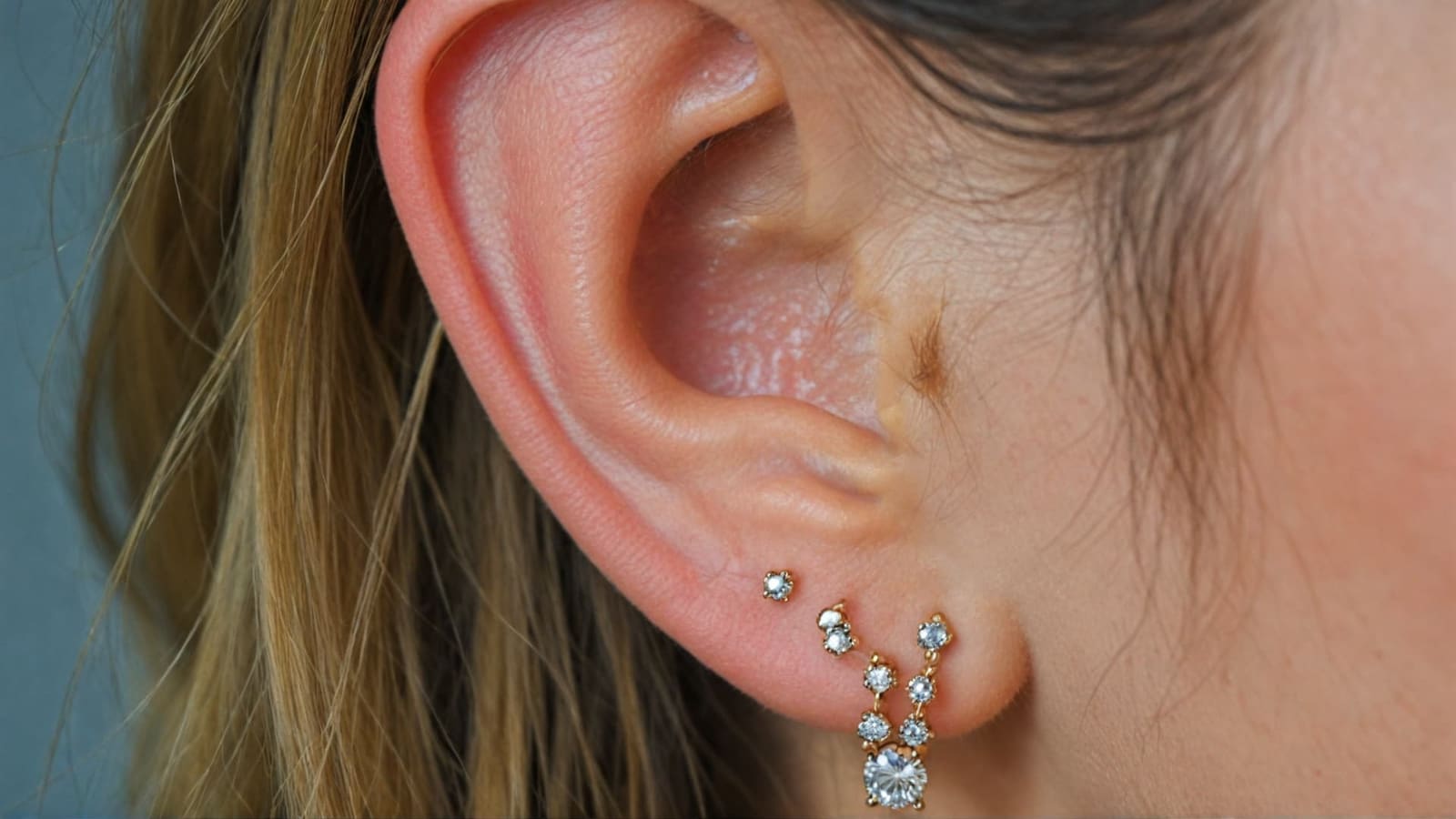
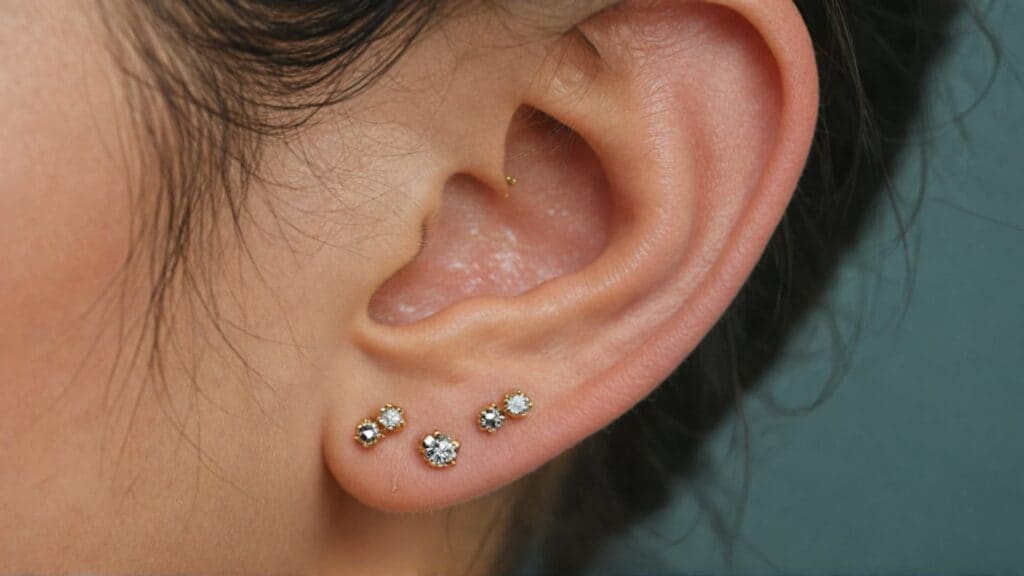
- Multiple piercings in the same area compound the risks and require extra vigilance - each additional piercing creates more vulnerable tissue and increases the total surface area exposed to potential contaminants. Consider spacing out multiple piercings to allow proper healing between procedures.
The healing environment for each piercing location affects how quickly problems can develop and how serious they can become. Facial and oral piercings can develop visible complications quickly that may affect your appearance permanently, while body piercings in covered areas may develop serious infections that go unnoticed until they become systemic. Understanding these location-specific risks helps you prioritize your aftercare efforts and recognize early warning signs of complications.
Signs Beauty Products Are Causing Piercing Infections
Recognizing the early warning signs of product-related piercing complications can mean the difference between minor irritation that resolves quickly and serious infections that require medical treatment or cause permanent damage. Many piercing problems start as subtle changes that people dismiss as normal healing, but catching these signs early allows for prompt intervention that can prevent escalation.
- Infection symptoms require immediate attention and possible medical treatment - look for increasing redness that spreads beyond the immediate piercing area, swelling that worsens after the first few days, pus that is yellow, green, or foul-smelling, red streaking extending from the piercing site, fever, and enlarged lymph nodes. These symptoms indicate bacterial infection that can become life-threatening if it spreads to your bloodstream.
- Allergic reactions can develop suddenly even to products you’ve used before - symptoms include intense itching, rash or hives around the piercing, sudden onset of severe swelling, blistering or peeling skin, and burning or stinging sensations. Healing piercings are much more sensitive to allergens than normal skin, so previous tolerance doesn’t guarantee safety.
- Chemical burns from product exposure can cause permanent tissue damage - signs include immediate severe pain upon contact, skin that turns white, red, or black around the piercing, blistering or tissue that appears to be dissolving, and severe swelling that develops within hours of product contact. Chemical burns require immediate flushing with saline and may need medical treatment.
- Signs of delayed or disrupted healing indicate ongoing product interference - normal healing should show steady improvement with decreasing redness, swelling, and tenderness over time. Warning signs include healing that seems to start and stop repeatedly, persistent drainage after the first week, tissue that appears gray or unhealthy, and jewelry that feels increasingly tight or loose.
- Jewelry rejection happens when your body pushes out the piercing - early signs include the jewelry appearing to move closer to the surface over time, increasing transparency of skin over the jewelry, persistent soreness that doesn’t improve, and the piercing holes appearing to enlarge. This process can be triggered by chemical irritation from products.
- Keloid formation and excessive scarring can result from repeated irritation - some people are genetically prone to keloid formation, but product exposure can trigger excessive scar tissue growth around piercings. Signs include raised, thick tissue around the piercing that continues growing beyond the original wound site and tissue that feels hard or rope-like.
- Systemic symptoms indicate serious complications requiring emergency care - fever above 101°F, chills, nausea, dizziness, rapid heartbeat, or feeling generally unwell can indicate that a piercing infection has spread to your bloodstream (sepsis), which is a medical emergency requiring immediate hospital treatment.
The key to managing piercing complications is understanding that healing piercings should steadily improve over time. Any worsening of symptoms, new symptoms that develop suddenly, or symptoms that persist beyond the expected timeframe for your piercing type warrant professional evaluation. Keep a simple log of your piercing’s appearance and symptoms, and take photos to track changes over time, as this information can be valuable for healthcare providers if treatment becomes necessary.
Safe Return to Normal Beauty Routine After Piercing
The transition back to normal beauty routines around healed piercings should be gradual and carefully monitored, as even fully healed piercings can be more sensitive than surrounding skin and may react to products that never caused problems before. Rushing this process or assuming your piercing is fully healed based on appearance alone can lead to setbacks that require starting the healing process over again.
- True healing completion varies significantly by piercing type and individual factors - while a piercing may look healed on the surface after a few weeks, the internal tissue takes much longer to fully mature and strengthen. Earlobes need 6-8 weeks minimum, cartilage piercings require 6-12 months, and some body piercings need up to 18 months for complete healing. Age, immune system health, and aftercare quality all affect these timelines.
- Healing milestones to look for before resuming product use include no tenderness when jewelry is gently moved, no discharge or crusting for at least two weeks, no redness or swelling around the piercing site, and jewelry that moves freely without resistance or pain - the tissue around your piercing should look and feel like normal skin, with no signs of ongoing inflammation or sensitivity.
- Gradual reintroduction should start with the gentlest products first - begin with single-ingredient products applied at a distance from your piercing, waiting 24-48 hours between each new product to monitor for reactions. Start with products you used successfully before getting pierced, as these are less likely to cause problems than entirely new formulations.
- Patch testing becomes essential for any new products near healed piercings - apply a small amount of new product to skin near (but not on) your piercing and wait 24 hours to check for reactions. Even products labeled as gentle or hypoallergenic can cause problems on piercing tissue that’s more sensitive than normal skin.
- Maintain modified application techniques even after healing - continue using clean tools, avoiding direct contact between product containers and your piercing area, and being mindful of product placement. These habits help prevent bacterial contamination and reduce the risk of sensitivity reactions.
- Watch for delayed sensitivity reactions that can develop weeks or months after resuming product use - some people develop sensitivities to products around old piercing sites, especially if the tissue was damaged during healing. Signs include recurring irritation, changes in piercing appearance, or discomfort that develops gradually over time.
- Consider seasonal factors when resuming normal routines - summer heat and humidity can increase sensitivity and bacterial growth, while winter dryness can make piercing tissue more vulnerable to irritation. You may need to adjust your product choices and application frequency based on environmental conditions.
- Keep aftercare supplies available even after healing - continue to have sterile saline solution and clean paper towels easily accessible, as even healed piercings can benefit from occasional gentle cleaning, especially if you notice any irritation from product use.
The process of returning to normal beauty routines is an opportunity to evaluate whether all your previous products are truly necessary and beneficial for your skin. Many people find that the simplified routine they used during piercing healing actually worked better for their skin than their previous complex regimen, leading them to permanently adopt a more minimalist approach to beauty products.Retry
What Professional Piercers Say About Beauty Products
Professional piercers see hundreds of piercing complications every year, and the vast majority are preventable problems caused by improper aftercare, including exposure to beauty products during healing. These experienced professionals have developed evidence-based recommendations through years of observing what works and what consistently causes problems. Their advice isn’t just opinion – it’s based on real-world outcomes from thousands of piercings and collaboration with medical professionals who treat piercing complications.
- Certified professional piercers universally recommend only sterile saline solution for piercing aftercare - brands like NeilMed Piercing Aftercare, H2Ocean, and Wound Wash Saline are specifically formulated for wound care with the correct 0.9% sodium chloride concentration and no additives. Avoid products marketed as “piercing cleaners” that contain tea tree oil, benzalkonium chloride, or other additives that can cause irritation.
- The most common client mistakes piercers observe include using homemade saline solutions with incorrect salt concentrations, applying makeup or skincare products too close to fresh piercings, over-cleaning with harsh products, and touching piercings with dirty hands - these seemingly minor errors account for the majority of healing complications that bring clients back to piercing studios seeking help.
- Red flag products that consistently cause problems include anything containing alcohol, hydrogen peroxide, tea tree oil, witch hazel, antibiotic ointments, and petroleum-based products - while these ingredients may seem beneficial for wound care, they actually interfere with piercing healing by either being too harsh, disrupting natural healing processes, or creating barriers that trap bacteria.
- Professional piercers maintain strict hygiene protocols that clients should emulate at home - this includes washing hands thoroughly before any piercing contact, using only single-use cleaning materials like paper towels, maintaining clean sleeping environments with fresh pillowcases, and avoiding any products or tools that could introduce bacteria to the healing piercing.
- Follow-up appointments are crucial for monitoring healing progress and catching problems early - most reputable piercers schedule check-ups at 2-4 weeks after piercing to assess healing progress, address any concerns, and adjust aftercare recommendations if needed. These appointments are especially important for complex piercings or if you’ve had any product exposure incidents.
- Piercers emphasize that expensive or “premium” products aren’t necessarily better for piercing care - some of the worst complications they see come from people using expensive essential oil blends, “natural” healing products, or boutique piercing care products with multiple active ingredients. Simple, medical-grade saline solution consistently produces the best healing outcomes.
- Professional organizations like the Association of Professional Piercers (APP) provide evidence-based guidelines that are regularly updated based on new research and clinical experience - these guidelines strongly emphasize avoiding all cosmetic and personal care products around fresh piercings, and any piercer worth trusting will follow these established protocols rather than recommending experimental or unproven aftercare methods.
The piercing industry has evolved significantly over the past decades, with professional standards now emphasizing evidence-based practices over traditional remedies that often caused more harm than good. When choosing a piercer, look for someone who follows APP guidelines, uses proper sterilization techniques, and provides clear, science-based aftercare instructions rather than recommending folk remedies or selling their own aftercare products with questionable ingredients.
Piercing Healing Stages and Safe Product Use
This condensed timeline provides essential do’s and don’ts for each stage of piercing healing, designed for people who need clear, actionable guidance without lengthy explanations. Print this section or save it to your phone for quick reference when you’re unsure about product safety during different healing phases.
- Days 1-14 (Critical Period): Absolute no-contact list - Zero makeup, skincare products, hair products, or cosmetics within 2 inches of piercing. Clean only with sterile saline solution twice daily. Sleep on clean surfaces, change pillowcases every 2 days. Wash hands before any piercing contact. No swimming, hot tubs, or baths. No touching except for cleaning. Emergency contacts: your piercer and your doctor’s office number readily available.
- Weeks 3-6 (Cautious Reintroduction): Limited product use with strict barriers - Begin using gentle, fragrance-free products at 1-inch minimum distance from piercing. Continue twice-daily saline cleaning. May use plastic wrap barriers during face washing. Single-ingredient products only. No makeup directly on piercing area. Hair washing with head tilted away from piercing. Monitor daily for any changes in appearance or sensation.
- Weeks 6-12 (Gradual Expansion): Careful product testing - Introduce one new product per week, starting with gentlest formulations. Patch test each product 24 hours before use near piercing. May begin using minimal makeup at piercing edges if no reaction occurs. Continue nightly saline cleaning until completely healed. Monthly check-ins with piercer if any concerns arise.
- Month 3+ (Maintenance Phase): Full routine restoration with awareness - Resume normal beauty routine while maintaining awareness of piercing sensitivity. Keep saline solution available for occasional cleaning. Watch for delayed sensitivity reactions. Maintain good hygiene practices developed during healing. Annual piercing check-ups for complex or multiple piercings.
- Emergency response protocols that apply during any healing stage - If any beauty product accidentally contacts your piercing, immediately flush the area with sterile saline solution for at least 30 seconds, then gently pat dry with clean paper towels and monitor the site for 24 hours for signs of irritation or reaction. When you notice signs of infection such as increasing redness, swelling, pus, or red streaking, contact both your piercer and healthcare provider on the same day for evaluation and treatment recommendations.
- Serious symptoms requiring immediate medical attention - If you experience severe pain that suddenly worsens, fever above 101°F, chills, nausea, dizziness, or any symptoms that make you feel generally unwell, these could indicate a serious infection that requires emergency medical care at a hospital or urgent care facility. For jewelry-related problems such as jewelry that becomes embedded, breaks, or causes sudden severe pain, contact your piercer immediately and do not attempt to remove or adjust the jewelry yourself.
- Travel considerations during healing - Pack extra saline solution and clean supplies. Research medical facilities at destination. Bring piercer contact information. Avoid swimming or activities that expose piercing to contaminated water. Maintain routine cleaning schedule regardless of time zone changes.
This quick reference should be supplemented with the detailed information in previous sections, but provides essential safety information for busy lifestyles. The key principle remains the same throughout all healing phases: when in doubt, err on the side of caution and consult your piercer or healthcare provider rather than risking complications that could affect your health or leave permanent damage.
Debunking Piercing Care Myths About Beauty Products
The internet is full of dangerous misinformation about piercing aftercare, with social media platforms amplifying folk remedies and unproven treatments that can cause serious harm to healing piercings. Understanding the difference between evidence-based piercing care and popular myths can prevent complications and help you make informed decisions about your healing process.
- “Natural” products like tea tree oil, coconut oil, and essential oils are safer for piercings - These substances are among the most common causes of piercing complications. Tea tree oil can cause chemical burns and severe allergic reactions. Essential oils are highly concentrated plant extracts that frequently cause contact dermatitis. Even coconut oil can clog piercing channels and create breeding grounds for bacteria. Natural doesn’t mean safe for open wounds.
- Alcohol and hydrogen peroxide are good for cleaning piercings because they kill bacteria - These substances also kill the healthy cells your body needs for healing and can cause tissue death around your piercing. They’re too harsh for delicate healing tissue and can actually delay healing by damaging new cell growth. Medical professionals stopped recommending these for wound care decades ago.
- Moving or rotating jewelry prevents it from “sticking” to healing tissue - Constantly moving jewelry traumatizes healing tissue and introduces bacteria from your hands into the piercing channel. Modern piercing jewelry is designed not to stick to tissue, and movement disrupts the formation of healthy tissue around the jewelry. Only move jewelry during cleaning if absolutely necessary.
- Antibiotic ointments prevent infection and speed healing - Topical antibiotics can cause allergic reactions in up to 10% of people and create barriers that trap bacteria inside piercing channels. They also contribute to antibiotic resistance and can interfere with your body’s natural healing processes. Use only when specifically prescribed by a healthcare provider for diagnosed infections.
- If a piercing looks healed on the outside, it’s safe to use all products normally - Internal healing takes much longer than external healing, and tissue around piercings remains more sensitive than normal skin for months or years. Rushing back to normal product use is one of the most common causes of late-stage piercing complications and jewelry rejection.
- Sea salt soaks are better than saline solution because they’re “more natural” - Homemade salt solutions often have incorrect concentrations that can damage tissue, and non-sterile water introduces bacteria and other contaminants. Sterile saline solution is precisely formulated for wound care and is the medical standard for cleaning open wounds.
- Expensive piercing aftercare products with multiple ingredients work better than simple saline - Complex formulations increase the risk of allergic reactions and often contain ingredients that interfere with healing. The most effective piercing aftercare is also the simplest: sterile saline solution with no additives. Many expensive piercing products are marketing gimmicks that prey on people’s desire to do “more” for their healing.
- You can use makeup and products around piercings if you’re careful and clean them well afterward - Even brief contact with cosmetic products can introduce bacteria and chemicals that disrupt healing. There’s no safe way to use these products around fresh piercings, and “cleaning” afterward often involves harsh removal methods that cause additional trauma to healing tissue.
The persistence of these myths reflects people’s natural desire to find quick fixes and “do something” to help their piercings heal faster. However, the most effective approach to piercing aftercare is actually the most minimal: gentle cleaning with saline solution and otherwise leaving the piercing alone to heal naturally. Trust evidence-based medical advice over social media trends, and remember that your piercer and healthcare providers are better sources of information than influencers or online forums.
Conclusion
Taking care of a new piercing means temporarily changing your entire beauty routine, but this short-term sacrifice prevents serious complications that could affect your health and appearance permanently. The evidence is clear: makeup, skincare products, and hair treatments contain chemicals, bacteria, and particles that can cause infections, allergic reactions, chemical burns, and permanent scarring around healing piercings. While it might seem inconvenient to avoid these products for weeks or months, the alternative – dealing with infected piercings, medical bills, or permanent scarring – is far worse.
The healing process for piercings is more complex and delicate than most people realize, requiring specific conditions that beauty products actively disrupt. Your body is performing an incredible biological feat by creating a permanent tunnel through your tissue while fighting off potential infections. Adding unnecessary chemicals and bacteria to this process creates additional challenges that can overwhelm your immune system and halt healing progress. Understanding what’s happening inside your piercing during healing helps explain why strict aftercare guidelines exist and why shortcuts often lead to problems.
The temporary inconvenience of modified beauty routines is a small price to pay for healthy, properly healed piercings that you can enjoy for years to come. Many people discover that the simplified routines they develop during piercing healing actually work better for their skin than their previous complex regimens. By following evidence-based aftercare guidelines and being patient with the healing process, you’re investing in both your piercing’s success and your overall health. Trust your piercer’s guidance, monitor your piercing’s progress carefully, and seek professional help if you notice any signs of complications.