If you’ve ever experienced redness, itching, or a rash after wearing a beautiful piece of jewelry, you may be dealing with a metal allergy. These uncomfortable reactions can turn favorite accessories into unworn relics, leaving many jewelry lovers frustrated and confused. Metal allergies affect millions of people worldwide, but understanding their causes, symptoms, and solutions can help you continue to enjoy beautiful jewelry without the discomfort. With the right knowledge, you can make informed choices about which metals to avoid and which alternatives will work best for your sensitive skin.
What Are Metal Allergies?
Metal allergies are a form of contact dermatitis that occurs when your skin comes into direct contact with certain metals that trigger an immune response. This reaction happens because your body mistakenly identifies specific metal ions as harmful invaders. Unlike immediate allergic reactions to foods or bee stings, metal allergies typically develop gradually after repeated exposure, which explains why someone might suddenly react to jewelry they’ve worn comfortably for years. These reactions represent your immune system’s attempt to protect you, even though the perceived threat isn’t actually dangerous.
- Metal allergies affect approximately 10-15% of the population, with women experiencing higher rates than men due to increased exposure through jewelry, particularly pierced earrings which create direct pathways for metal ions to enter the skin.
- The allergic reaction occurs when metals release positively charged ions that bind to proteins in your skin, creating compounds your immune system flags as foreign. This triggers inflammation, itching, and sometimes painful rashes that can last for weeks even after removing the jewelry.
- Genetics play a significant role in determining who develops metal allergies, with research showing these sensitivities often run in families. If your parents have metal allergies, you’re more likely to develop them as well.
- Metal allergies are typically lifelong conditions that can worsen with continued exposure. Once your body becomes sensitized to a particular metal, even brief contact can trigger reactions, and cross-reactivity between similar metals is common.
- Unlike toxic reactions which can affect anyone exposed to sufficient quantities, allergic reactions vary widely between individuals—jewelry that causes severe reactions in one person may be completely safe for another.
Understanding the mechanism behind metal allergies is the first step toward prevention and management. While these allergies aren’t typically dangerous, they can significantly impact quality of life and limit your jewelry options if not properly addressed. Fortunately, with today’s wide range of alternative metals and treatment options, most people with metal allergies can find comfortable solutions that allow them to wear beautiful jewelry without suffering uncomfortable or unsightly reactions.
Common Metal Allergens in Jewelry
Nickel stands out as the most prevalent culprit behind jewelry-related allergic reactions, but several other metals can cause problems for sensitive individuals. Knowing which metals commonly trigger reactions can help you make more informed choices when purchasing new pieces. Many people discover their metal allergies through trial and error, removing pieces that cause discomfort and noticing patterns in which types of jewelry seem to create problems.
- Nickel affects approximately 10-20% of the population, making it the most common metal allergen worldwide. This inexpensive metal is frequently used to add strength and durability to gold alloys, particularly in white gold, and is prevalent in costume jewelry due to its silver-like appearance and low cost.
- Cobalt allergies often occur alongside nickel sensitivity, with studies showing 50-60% of people allergic to nickel may also react to cobalt. This metal is used in many jewelry alloys, particularly those with a blue tint, and in some stainless steel formulations.
- Chromium, commonly found in stainless steel and chrome-plated jewelry, causes allergies in approximately 1-3% of people. Even “surgical stainless steel” may contain chromium, though in formulations less likely to release ions.
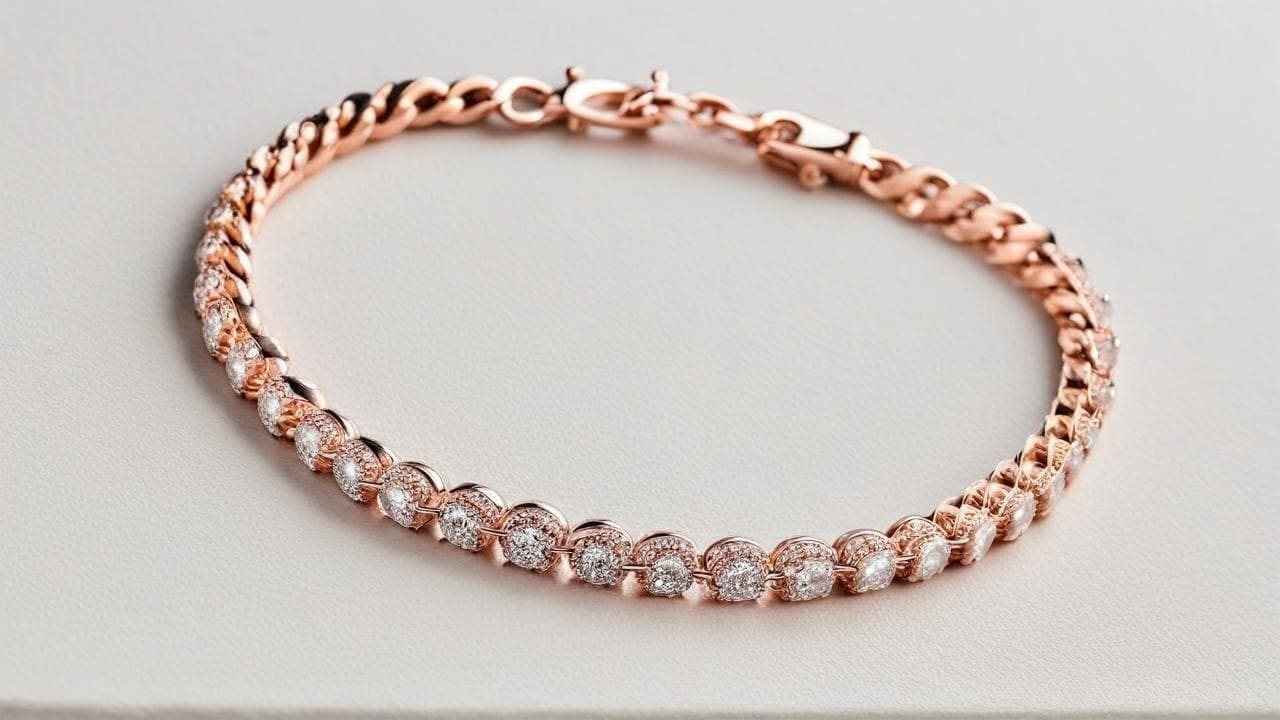
- Copper, while less allergenic than nickel, can cause reactions in some individuals, particularly when it oxidizes against the skin. This metal is a major component of rose gold and brass jewelry.
- Gold allergies are rare but possible, affecting less than 1% of people. These reactions are typically to the other metals in gold alloys rather than to pure gold itself, which is why higher karat gold (which contains more pure gold) tends to be less allergenic.
- Silver allergies are uncommon, but some people react to the copper in sterling silver alloys. Fine silver (99.9% pure) rarely causes reactions but is too soft for most jewelry applications.
Understanding which specific metals trigger your reactions is crucial, as it allows you to select jewelry made from alternative materials that won’t cause discomfort. Patch testing by a dermatologist can provide definitive identification of your specific metal allergies. Once you know your triggers, you can work with jewelers to find beautiful pieces made from safer materials that won’t compromise your skin health or force you to sacrifice your personal style.
Recognizing Metal Allergy Symptoms from Jewelry
Recognizing the signs of a metal allergy can help you identify problematic jewelry before severe reactions develop. Metal allergy symptoms typically appear 12-48 hours after exposure and can persist for several days even after removing the offending item. This delayed response often makes it challenging to connect the symptoms to a specific piece of jewelry, especially for those who regularly rotate their accessories or have just begun experiencing sensitivities.
- Skin redness and rash that precisely matches the area where the metal touched your skin is the most common and obvious symptom. This reaction often takes the shape of the jewelry item, creating a clear outline.
- Intense itching and burning sensations are typically present and may continue even after removing the jewelry. This discomfort can range from mildly annoying to severely distracting.
- Dry, cracked, or scaly skin develops in the affected area as the allergic reaction progresses. This can lead to painful fissures that take time to heal, especially if the area is continuously exposed to the allergen.
- Small blisters or fluid-filled bumps may form in severe reactions. These blisters can break, weep, and crust over, potentially leading to secondary infections if not kept clean.
- Swelling and warmth in the affected area occur as part of the inflammatory response. This can be particularly uncomfortable when it affects tighter jewelry areas like finger rings or earrings.
- Dark discoloration or hyperpigmentation may develop after repeated exposures to allergenic metals, sometimes persisting long after the acute reaction has resolved.
- Systemic symptoms like headaches, fatigue, or joint pain are rare but possible in individuals with severe metal hypersensitivity, particularly with prolonged exposure.
Metal allergy symptoms can mimic other skin conditions such as eczema, fungal infections, or irritant contact dermatitis. If you’re unsure whether your symptoms stem from a metal allergy, a dermatologist can perform tests to determine the cause and recommend appropriate treatment. While waiting for professional evaluation, removing suspected jewelry items and applying cool compresses and over-the-counter hydrocortisone cream can help manage symptoms and provide relief from discomfort.
Safe Metals for Sensitive Skin Jewelry
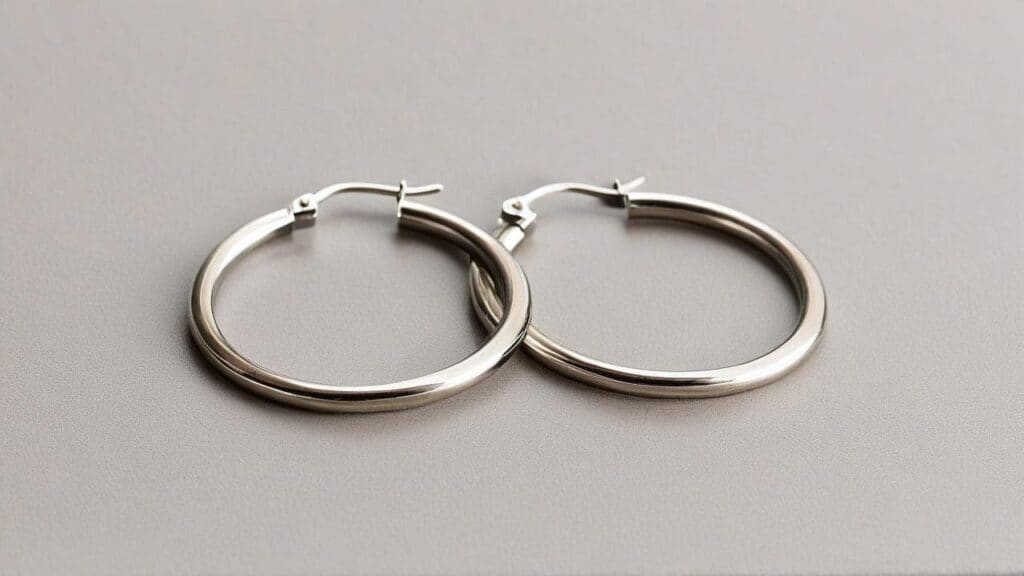
For those with metal allergies, choosing the right jewelry materials is essential for comfort and skin health. Truly hypoallergenic metals provide beautiful alternatives that allow everyone to enjoy wearing jewelry without worrying about reactions. The jewelry industry has responded to increased awareness of metal allergies by developing and promoting a wider range of options specifically designed for sensitive skin, giving allergic individuals more choices than ever before.
- Platinum (95-99% pure) stands as the gold standard for hypoallergenic jewelry metals. This naturally white, dense metal rarely causes allergic reactions due to its exceptional purity and stability, meaning it doesn’t release ions easily when in contact with skin.
- Titanium offers exceptional strength, lightweight comfort, and excellent biocompatibility, making it ideal for those with multiple metal sensitivities. Medical-grade titanium (Grade 23) is used for implants and is virtually allergy-proof.
- Niobium is less known but highly biocompatible and can be anodized to create vibrant colors without using potentially allergenic metal dyes or coatings. It’s an excellent choice for earrings and body jewelry.
- High-karat gold (18K and above) contains higher percentages of pure gold (75%+) and significantly less nickel or other allergenic metals. 24K gold is essentially pure gold but too soft for most jewelry applications.
- Argentium silver is a modern sterling silver alloy that replaces some copper content with germanium, making it more tarnish-resistant and typically less allergenic than traditional sterling silver.
- Surgical stainless steel (316L grade) is designed for medical implants and contains stabilized forms of nickel that rarely cause reactions, though extremely sensitive individuals may still experience issues.
- Fine silver (99.9% pure) rarely triggers allergies but is generally too soft for everyday jewelry. It works well for pendants or earrings that won’t experience significant wear.
When selecting hypoallergenic jewelry, certification and reputation matter more than marketing claims. Many pieces labeled “hypoallergenic” still contain small amounts of allergenic metals, so researching specific alloy compositions is essential for those with severe sensitivities. Reputable jewelers will be transparent about their materials and can provide information about the exact composition of their pieces, helping you make choices that keep your skin comfortable while satisfying your aesthetic preferences.
Testing Methods to Detect Jewelry Metal Allergies
Identifying exactly which metals cause your reactions is crucial for managing metal allergies effectively. Several testing methods can help pinpoint your specific triggers. While self-diagnosis might seem convenient, professional testing provides the most reliable results and can save you from unnecessarily avoiding metals that don’t actually cause problems. Understanding your specific sensitivities allows for more targeted prevention strategies and expands your jewelry options.
- Patch testing performed by a dermatologist or allergist is the gold standard for diagnosing metal allergies. This test involves applying small amounts of suspected allergens to your back using special patches, then evaluating skin reactions after 48-96 hours.
- Dimethylglyoxime (DMG) tests can detect nickel in jewelry. These commercially available kits use chemical swabs that turn pink when nickel is present, allowing you to test jewelry before purchasing or wearing it.
- The paper clip test serves as a simple at-home screening method. Place a straightened metal paper clip in a solution of white vinegar and salt for 30 minutes, then place it against your inner arm with a bandage for 48 hours. A reaction suggests metal sensitivity.
- Elimination testing involves removing all suspected allergenic jewelry for 2-4 weeks until symptoms clear, then reintroducing pieces one at a time to identify which items cause reactions. This method takes time but can be effective when professional testing isn’t available.
- Metal ion testing is a newer laboratory method that measures the release rate of metal ions from jewelry. While not widely available to consumers, some specialized jewelry retailers offer this testing for their products.
- Tracking exposure and reactions in a journal helps identify patterns over time. Note when reactions occur, which jewelry pieces were worn, and environmental factors like sweating or exposure to cleaning products.
Professional testing provides the most definitive results, but these at-home methods can help you identify problematic jewelry while waiting for medical appointments. If you experience severe reactions or widespread rashes, consult a healthcare provider before attempting self-diagnosis. Remember that metal allergies can develop at any time, so even if previous testing was negative, new symptoms warrant re-evaluation, especially if they appear after wearing new or different jewelry pieces.
How to Wear Problem Jewelry Without Reactions
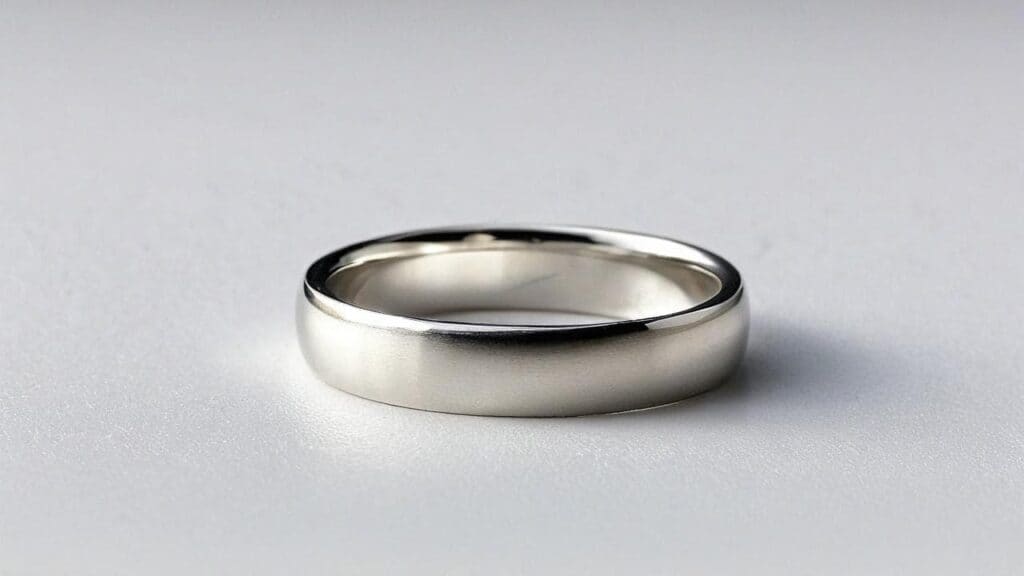
Even with diagnosed metal allergies, you don’t necessarily have to give up all your favorite jewelry pieces. Several management strategies can help you wear potentially problematic items safely. These approaches range from simple at-home solutions to professional modifications, giving you options regardless of budget or the sentimental value of your jewelry collection. With creative problem-solving, many allergic individuals find they can still enjoy most of their favorite pieces with minimal discomfort.
- Jewelry barriers like clear nail polish create a temporary shield between your skin and allergenic metals. Apply two thin coats to areas that contact skin, particularly earring posts, and reapply every few wears as it chips away.
- Professional rhodium plating offers a more durable solution for white gold or silver pieces containing nickel. This platinum-group metal creates a protective barrier that typically lasts 1-2 years before needing reapplication.
- Jewelry liners and inserts designed for rings can prevent direct metal contact with your skin. Made from hypoallergenic materials like surgical silicone, these transparent barriers are nearly invisible when worn.
- Time-limiting your exposure by removing potentially reactive jewelry before sleeping, showering, or exercising can significantly reduce reactions. Even allergenic pieces can often be worn for special occasions if limited to a few hours.
- Metal conversion services can retrofit beloved pieces with hypoallergenic parts, such as replacing earring posts with titanium or surgical steel alternatives while preserving the decorative elements.
- Perspiration management matters because sweat accelerates metal ion release. Using antiperspirant on areas where jewelry sits or wearing absorbent fabric between jewelry and skin can reduce reactions.
- Considering skin condition is important, as broken or irritated skin reacts more severely to allergens. Avoid wearing potentially problematic jewelry when skin is already damaged from cuts, sunburn, or eczema flares.
With thoughtful management strategies, many people with metal allergies can continue to enjoy most of their jewelry collection. For particularly treasured pieces that cause reactions, professional jewelers can often suggest modifications or alternative wearing methods. Don’t hesitate to discuss your sensitivity with jewelers when purchasing new items or seeking solutions for existing pieces—many now specialize in creating beautiful options for those with allergies and can provide valuable guidance based on your specific needs.
Jewelry Care Tips to Prevent Allergic Reactions
Proper jewelry care not only extends the life of your pieces but can also significantly reduce allergic reactions by minimizing metal ion release. Many allergic reactions occur or worsen because improper care has damaged protective coatings or created corrosion that accelerates ion release. Establishing a regular maintenance routine helps preserve both your jewelry investment and your skin comfort, allowing even sensitive individuals to wear a wider range of pieces.
- Regular cleaning removes body oils, soaps, and cosmetics that can trap allergens against your skin and accelerate corrosion. For most jewelry, mild soap, warm water, and a soft brush provide effective cleaning without damaging protective coatings.
- Proper drying after cleaning is essential, as moisture trapped between jewelry and skin creates ideal conditions for ion release. Thoroughly dry pieces with a soft, lint-free cloth before wearing.
- Coating maintenance on plated jewelry requires regular attention. Watch for signs of coating wear like discoloration or skin reactions, and have pieces re-plated before the protective layer fails completely.
- Avoiding harsh chemicals like chlorine, cleaning products, and perfumes can preserve protective coatings on jewelry. Apply lotions, perfumes, and hairsprays before putting on jewelry, and wait until products fully dry.
- Proper storage prevents scratches that might breach protective coatings. Store pieces separately in fabric-lined compartments or individual pouches, avoiding plastic bags which can trap moisture and accelerate tarnishing.
- Sweat management during wear significantly reduces reactions. Remove jewelry during exercise or hot weather, and thoroughly clean and dry both your skin and the jewelry before wearing again.
- Professional maintenance from a jeweler familiar with metal allergies can identify problems before reactions occur. Annual inspections of frequently worn pieces can catch worn plating, bent prongs, or other issues that might increase allergen exposure.
Developing a regular jewelry care routine helps preserve your investment while protecting your skin. For those with severe metal allergies, the extra time spent on proper maintenance is well worth the comfort of reaction-free jewelry wearing. Even the most hypoallergenic metals benefit from proper care, which extends their life and maintains their appearance while ensuring they remain as skin-friendly as possible for years to come.
Misunderstood Facts About Jewelry and Metal Allergies
Misinformation about metal allergies abounds, leading to confusion and potentially ineffective management strategies. Understanding the facts helps you make better decisions about your jewelry. Many myths persist because they contain elements of truth or because they offer seemingly simple solutions to complex problems. By separating fact from fiction, you can develop more effective strategies for managing your metal allergies and make more informed purchasing decisions.
- “Hypoallergenic” is not a regulated term in the jewelry industry. Products labeled this way may still contain allergenic metals in amounts that could trigger reactions in sensitive individuals. Always ask about specific metal content rather than relying on marketing terms.
- Gold allergies are rarely reactions to pure gold. When people react to gold jewelry, they’re typically responding to other metals in the alloy like nickel or copper. Higher karat gold (18K+) contains fewer alloying metals and generally causes fewer reactions.
- Sensitivity doesn’t develop immediately. Metal allergies typically develop after repeated exposure, which is why you might suddenly react to jewelry you’ve worn comfortably for years—your immune system has gradually become sensitized.
- Metal discoloration on skin doesn’t always indicate an allergy. Green marks from copper or brass and black marks from sterling silver are chemical reactions, not allergic responses. True allergic reactions involve inflammation, itching, and rash formation.
- “Surgical” stainless steel isn’t necessarily hypoallergenic. Different grades exist, with 316L being most suitable for sensitive individuals. Even this grade contains nickel, though in a form less likely to cause reactions.
- Price doesn’t determine allergenicity. Expensive jewelry can contain allergenic metals, while more affordable pieces made from titanium or niobium might be completely hypoallergenic. Material composition, not cost, determines reaction potential.
- Metal allergies aren’t psychosomatic. Though stress can worsen symptoms, metal allergies involve measurable immune system responses and aren’t “all in your head.” Dermatological testing can objectively confirm these allergies.
By understanding these common misconceptions, you can better advocate for yourself when purchasing jewelry and avoid potential triggers based on facts rather than myths. When in doubt about a jewelry piece’s composition or potential allergenicity, consult with reputable jewelers who specialize in working with sensitive individuals or seek advice from a dermatologist with experience in contact allergies. Their expertise can help you navigate conflicting information and find solutions tailored to your specific sensitivities.
When to Replace Jewelry That Causes Allergies
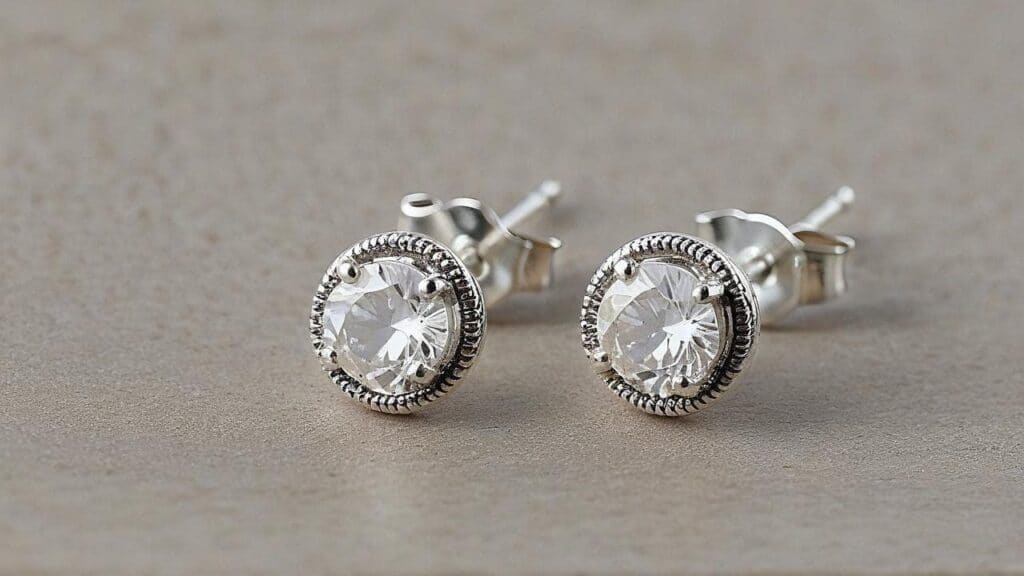
Sometimes management strategies aren’t enough, and jewelry replacement becomes necessary. Knowing when to make this decision helps protect your skin while maintaining your jewelry enjoyment. While sentimental attachment might make this choice difficult, persistent reactions can cause long-term skin damage and increasing sensitivity, making replacement the healthiest option in many cases. Fortunately, modern jewelry offers more hypoallergenic options than ever before.
- Persistent reactions despite barrier methods indicate that the piece may be releasing too many metal ions for management techniques to control effectively. If clear nail polish or professional plating doesn’t prevent reactions, replacement may be necessary.
- Coating failure on plated jewelry eventually occurs with regular wear. When white gold begins showing its yellowish base or when you notice skin reactions returning to previously “safe” pieces, replating or replacement should be considered.
- Cost-benefit analysis sometimes favors replacement, particularly for inexpensive pieces. When management or modification costs approach or exceed the value of the jewelry, replacing with hypoallergenic alternatives often makes more sense.
- Sentimental items with high emotional but low monetary value can often be redesigned by skilled jewelers who can transfer stones or decorative elements to hypoallergenic settings, preserving their significance.
- Severity of reactions should guide your decisions. Mild irritation might be manageable with barriers, but severe blistering reactions warrant immediate and permanent removal of the problematic jewelry from your rotation.
- Frequency of wear matters when deciding whether to replace pieces. Items worn daily, like wedding rings, should be prioritized for replacement with hypoallergenic alternatives if they cause reactions, while occasional pieces might be manageable with temporary solutions.
- Metal identification uncertainty suggests replacement for safety. If you can’t determine the exact composition of a piece that causes reactions, replacing it with certified hypoallergenic jewelry eliminates guesswork.
Replacing reactive jewelry doesn’t mean sacrificing style or sentiment. Modern jewelers offer beautiful hypoallergenic alternatives in every price range, and many can modify or recreate treasured pieces using safer materials. Consider replacement an opportunity to curate a collection that truly works for your body—jewelry that not only looks beautiful but feels comfortable throughout the day, allowing you to express your personal style without compromise or discomfort.
Conclusion
Metal allergies may present challenges for jewelry lovers, but they don’t have to limit your ability to accessorize beautifully. By identifying your specific triggers, exploring hypoallergenic alternatives, and implementing proper care techniques, you can build a collection that’s both stunning and comfortable. Proper testing, informed purchasing decisions, and appropriate management strategies allow even those with severe sensitivities to enjoy jewelry without suffering uncomfortable reactions.
Remember that your skin health is as important as your style preferences. When reactions occur despite your best efforts, don’t hesitate to seek professional advice from dermatologists and specialized jewelers who understand metal allergies. With today’s growing market for hypoallergenic options and increasing awareness of metal sensitivities, you can find beautiful pieces that express your personal style while respecting your body’s unique needs.