Many watch owners wonder if it’s safe to shower with their water-resistant timepiece. If your watch can handle swimming or rain, surely a simple shower wouldn’t cause problems, right? Unfortunately, this seemingly harmless practice could be silently damaging your watch. Despite impressive water resistance ratings, most watches aren’t designed for shower conditions. The combination of hot water, steam, soap chemicals, and direct pressure from shower spray creates a challenging environment that differs significantly from the controlled testing conditions used to determine water resistance.
How Shower Conditions Affect Your Water-Resistant Watch
Your everyday shower presents multiple challenges to even the most water-resistant watches, creating conditions that laboratory tests don’t account for when certifying water resistance ratings. The controlled testing environments where watches receive their water resistance certifications bear little resemblance to the dynamic, hot, and chemically complex environment of your bathroom shower.
- Temperature fluctuations cause watch components to expand and contract repeatedly. Your watch typically lives at room or body temperature, but a hot shower can quickly raise its temperature by 20-30 degrees or more. This thermal stress weakens the rubber gaskets and seals that keep water out of your watch case.
- Hot water reduces surface tension, making it easier for water molecules to penetrate tiny spaces they normally couldn’t enter. This means hot shower water is more likely to find its way into your watch than the cold water used in laboratory pressure testing.
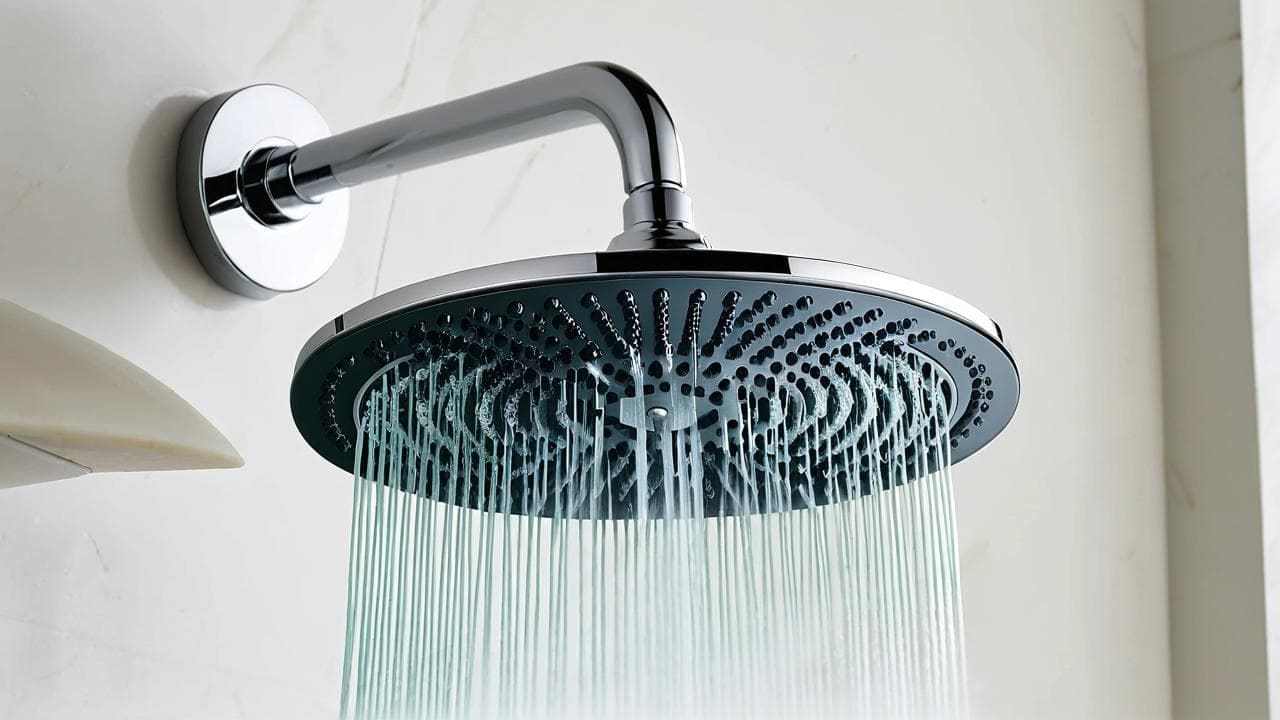
- The pressure from shower jets can exceed what your watch is designed to handle. While water resistance ratings measure static pressure at specific depths, the dynamic pressure from a shower head hitting your watch directly can simulate much greater depths.
- Steam can penetrate spaces that liquid water cannot. Even if your watch keeps liquid water out successfully, the gaseous water molecules in steam might still find their way inside, especially as the watch heats up and cools down, creating pressure differentials.
- Condensation forms when your watch cools after leaving the shower. If any moisture has penetrated the case during your shower, it can condense on the inside of the crystal and components as the watch returns to room temperature, potentially causing rust and damage over time.
The shower environment creates a perfect storm of conditions that can compromise your watch’s water resistance over time. What makes this particularly troubling is that the damage often isn’t immediately visible, giving watch owners a false sense of security until problems eventually appear months or even years later.
How Shower Products Damage Your Watch Over Time
The various cleansing products we use in the shower present another serious risk factor for watches that many owners overlook. These products interact with watch components in ways that pure water doesn’t, potentially causing long-term damage that isn’t covered by standard water resistance testing.
- Soaps, shampoos, and body washes contain chemicals designed to break down oils and grease. These same chemicals can gradually degrade the rubber gaskets and seals that keep your watch watertight, causing them to become brittle or lose elasticity over time.
- Many shower products contain moisturizers, scents, and other additives that can leave residue in the small crevices of your watch. This buildup can accumulate around the crown, in bezel mechanisms, or between bracelet links, affecting both functionality and appearance.
- The surfactants in cleaning products lower water’s surface tension even further, helping it to penetrate spaces it otherwise might not reach. This increases the likelihood of water infiltration beyond what your watch’s water resistance rating accounts for.
- Chemical residues from shower products can remain on and inside your watch even after you’ve toweled off. These substances continue working on your watch’s seals and components long after exposure.
- Specialty hair or skin treatments often contain stronger chemicals or oils that can be particularly damaging to watch components and may cause discoloration or deterioration of certain materials.
While showering with your watch once or twice likely won’t cause catastrophic failure, the cumulative effect of regular exposure to these products gradually compromises your watch’s water resistance. Even high-end dive watches with excellent water resistance aren’t immune to the chemical effects of shower products over time.
Which Watches Are Actually Safe for Showering?
While most watches should ideally be removed before showering, some timepieces are better equipped to handle shower conditions than others. However, even with these watches, caution is recommended as no watch is completely immune to the challenging shower environment.
- Dive watches with 200m water resistance or higher typically offer the best protection against shower conditions. These watches are designed with reinforced seals and more robust water resistance testing that includes pressure fluctuations and temperature variations.
- Watches with ISO-certified water resistance undergo more rigorous testing that better simulates real-world conditions. Look for dive watches that meet the ISO 6425 standard, which includes tests for condensation resistance and seal integrity under pressure.
- Modern digital sports watches and fitness trackers often feature fully sealed cases with fewer points of water entry. Many higher-end models from brands like Garmin, Suunto, and G-Shock are specifically designed with showering in mind.
- Watches with screw-down crowns provide better protection than those with push-pull crowns. The threaded seal creates a more secure barrier against water entry, especially during temperature changes experienced in the shower.
- Newer smartwatches like the Apple Watch Series 2 and later technically allow for showering according to manufacturer guidelines, though Apple still cautions against exposing their watches to soaps and shampoos that might damage the water seals.
Despite these features, watch experts and manufacturers generally recommend removing your watch before showering whenever possible. Even watches designed for extreme underwater conditions weren’t specifically created to handle the unique combination of heat, chemicals, and pressure fluctuations present in shower environments.
Post-Shower Watch Care to Prevent Damage
If you must shower with your watch on or if you’ve accidentally worn it in the shower, following certain practices can help minimize potential damage and extend the life of your timepiece. While these precautions won’t eliminate all risks, they can help protect your investment until proper service can be performed.
- Rinse your watch with clean, cool water after showering to remove any soap or chemical residue that might have accumulated on the surface or in small crevices. This helps prevent ongoing exposure to potentially harmful substances.
- Dry your watch thoroughly using a soft, clean cloth after exposure to water. Pay special attention to areas where water might collect, such as between bracelet links or around the case back and crown.
- Consider showering with cooler water when wearing your watch. Lower temperatures reduce the stress on gaskets and seals, minimizing expansion and contraction that might compromise water resistance.
- Verify that the crown is fully pushed in or screwed down (if applicable) before exposing your watch to water. The crown is one of the most common entry points for moisture, and ensuring it’s properly secured provides better protection.
- Avoid operating watch functions such as chronograph pushers, rotating bezels, or digital buttons while in the shower. These actions can temporarily compromise water resistance by creating pathways for water to enter.
- Schedule regular maintenance for your watch, including water resistance testing and gasket replacement. Most manufacturers recommend this every 1-2 years, but more frequent service might be necessary if you regularly expose your watch to shower conditions.
- Watch for signs of water intrusion such as condensation forming on the inside of the crystal, moisture spots on the dial, or sudden changes in timekeeping accuracy. Early detection can prevent more serious damage to the movement.
These best practices can help mitigate risks, but the safest approach remains removing your watch before showering whenever possible. The few moments it takes to remove and safely store your watch are well worth the potential savings in repair costs and extended lifespan of your timepiece.
Conclusion
While it might seem convenient to keep your water-resistant watch on during your morning shower, the evidence suggests this practice poses unnecessary risks to your timepiece. The unique combination of hot water, steam, soap chemicals, and pressure fluctuations creates conditions far different from the controlled testing environments used to determine water resistance ratings. Even watches with impressive depth ratings aren’t immune to the gradual deterioration of seals and gaskets caused by regular shower exposure.
The most prudent approach is to make removing your watch part of your pre-shower routine, treating your timepiece with the care it deserves. For those rare situations when wearing your watch in the shower is unavoidable, following proper care procedures afterward can help minimize potential damage. Remember that water resistance isn’t permanent—it requires maintenance and careful treatment to preserve. By understanding the unique challenges showers present to watches, you can make informed decisions that will help extend the life of your favorite timepiece.