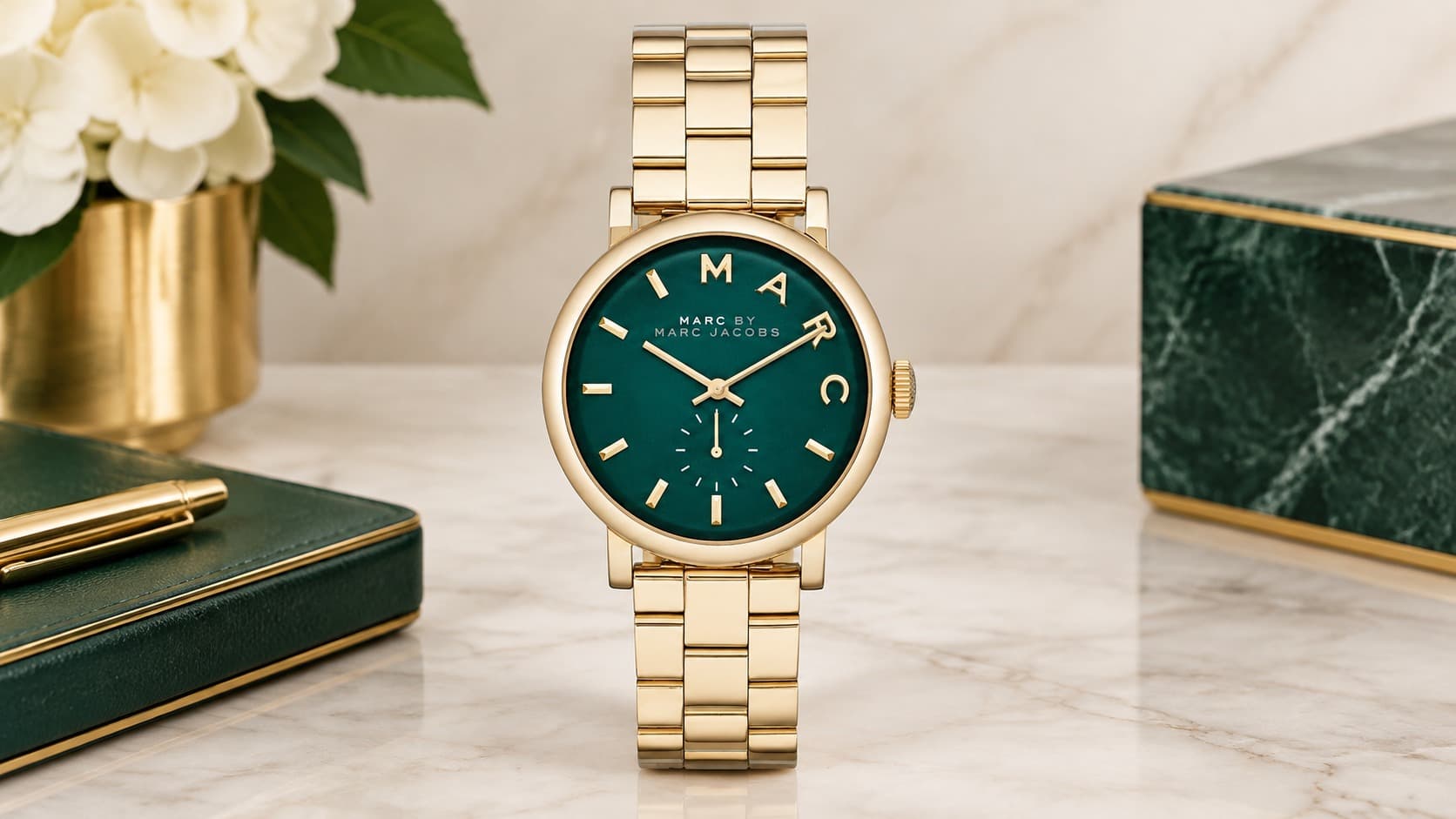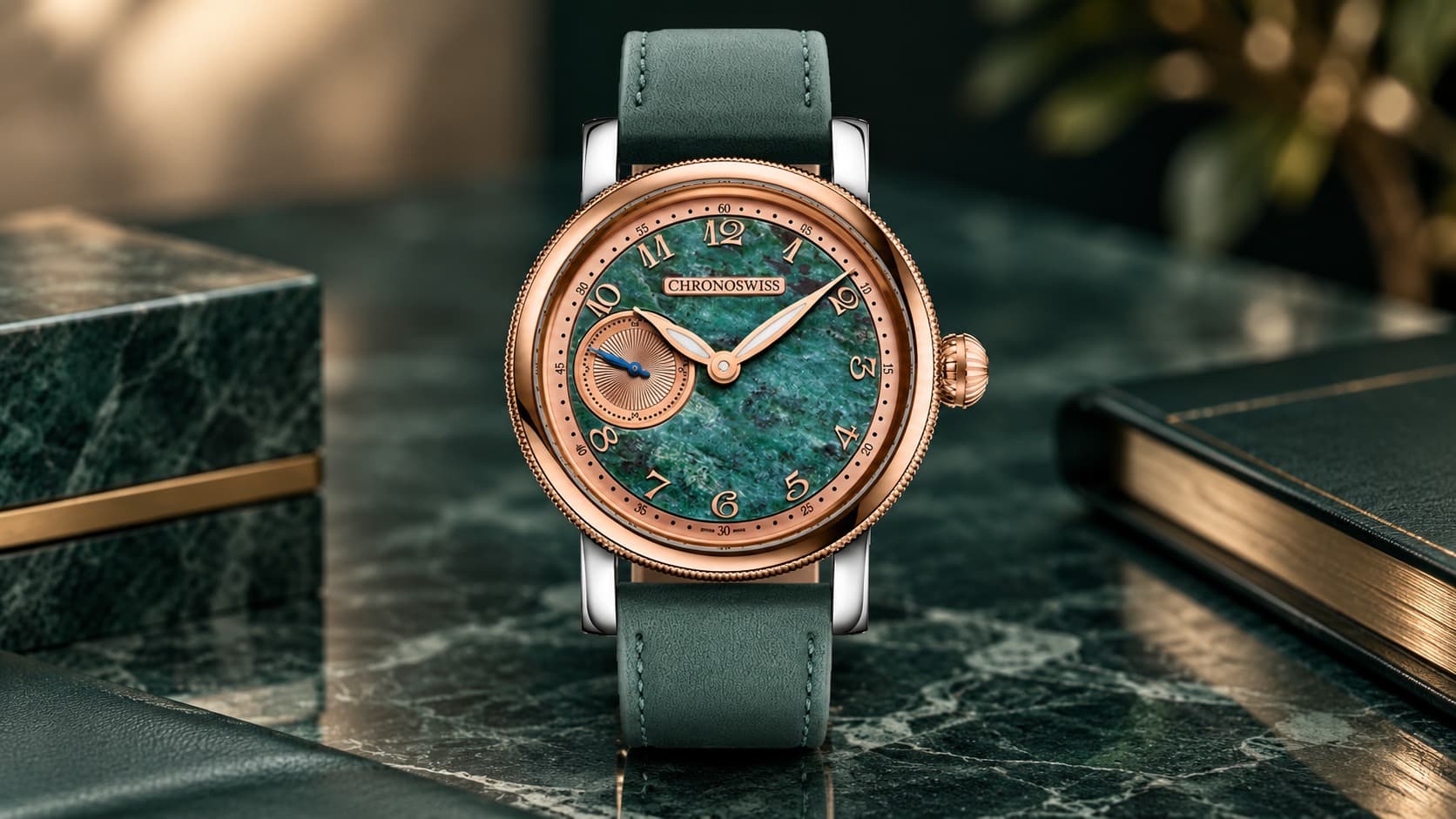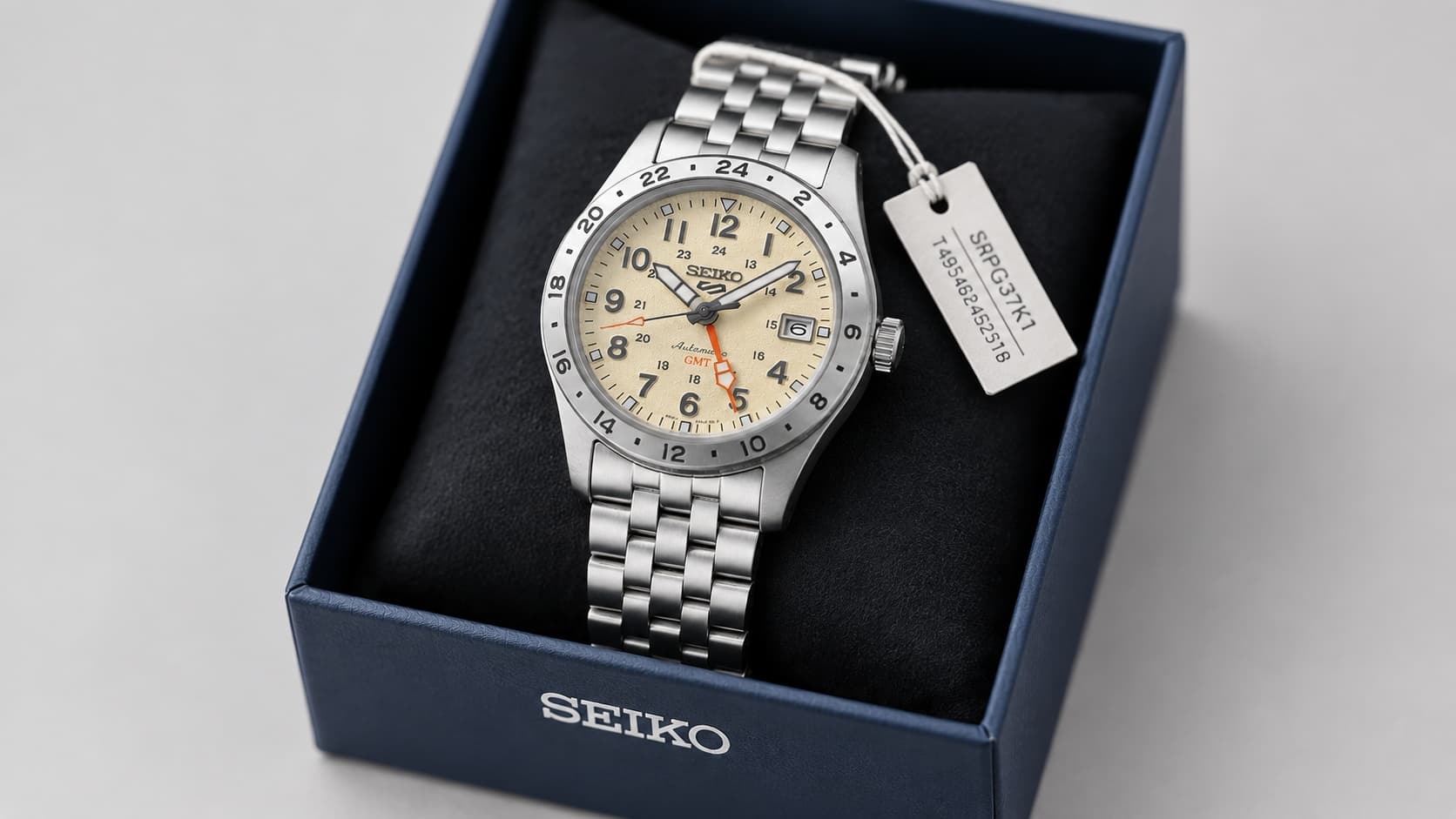
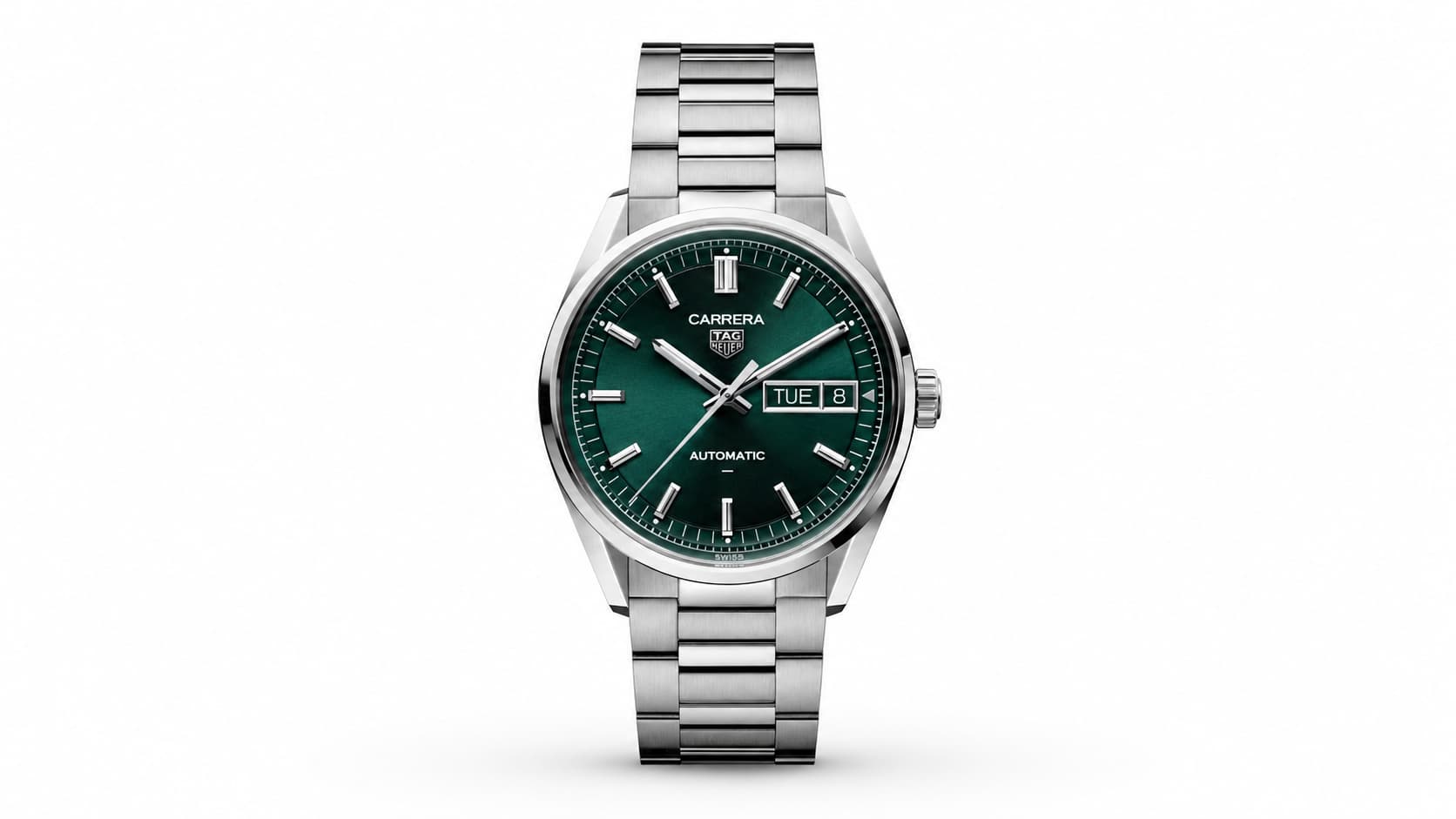
A strange pattern turns up in almost any watch boutique today: many of the “newest” watches on display are actually copies of designs from the 1950s and 1960s. A brand will dust off a model that stopped selling fifty years ago, tweak it slightly, and launch it again as if it were brand new. This isn’t a one-time gimmick. It’s a pattern that shows up across nearly every major watch company, from Rolex’s sister brand Tudor to Omega, Rado, and dozens of smaller names. The reasons behind it say a lot about how the watch industry actually works, and how it treats its own history as one of its most valuable assets.
What Counts as a “Heritage” Watch
A heritage watch is a new watch built to closely resemble an old model the brand once made, usually decades earlier. It’s not the same as a “vintage” watch, which is an original, aged piece from the actual time period. A heritage watch borrows the shape, dial layout, colors, and small details of a historic design, then rebuilds it with modern parts inside.
Brands sometimes call these “reissues,” “reeditions,” or “heritage lines.” The goal is to recreate the feeling of the original as closely as possible while making the watch actually work like a 2020s product: better water resistance, more accurate movements, and materials that hold up to daily wear far better than anything made seventy years ago.
It’s worth separating this from a “homage” watch, which is when one brand copies the design of a rival brand’s watch rather than its own. A heritage watch only draws from a company’s own back catalog, which is exactly why the process usually starts in-house, in the brand’s own archive or museum. Many major watchmakers keep boxes, sometimes entire rooms, of old technical drawings, sales catalogs, and surviving vintage pieces bought back from collectors over the years. Designers use these archives to check exact case dimensions, original color codes, and even the specific font used on old dials, so the finished reissue holds up to close scrutiny from people who own the real vintage piece.
Why Heritage Watches Make Good Business Sense
Heritage designs are proven, they’re cheaper to develop than something entirely new, and they tap into an emotional pull that fresh designs usually can’t match.
Designing a brand-new watch from scratch is a gamble. A company has to guess what people will want years from now, build tooling for shapes nobody has tested, and hope the market agrees with its taste. A heritage design removes most of that guesswork. If a watch sold well and became iconic sixty years ago, the brand already knows people respond to it. Reviving it is a much safer bet than inventing something untested.
There’s also a marketing advantage that money can’t easily buy: a real story. A brand can talk about the actual divers, pilots, or scientists who wore the original watch in the 1950s or 1960s, complete with old photographs and archive documents. That kind of authentic history is far more compelling to customers than a generic ad campaign for a brand-new model, and it’s something newer or smaller brands simply don’t have access to.
A heritage reissue isn’t just a watch. It’s a shortcut to decades of credibility that no marketing budget can buy overnight.
Finally, there’s plain economics. Once a design proves popular as a limited reissue, a brand can expand it into a full collection with different sizes, colors, and price points, stretching one good idea into years of new product releases.
Case Studies: Brands That Revived Classics
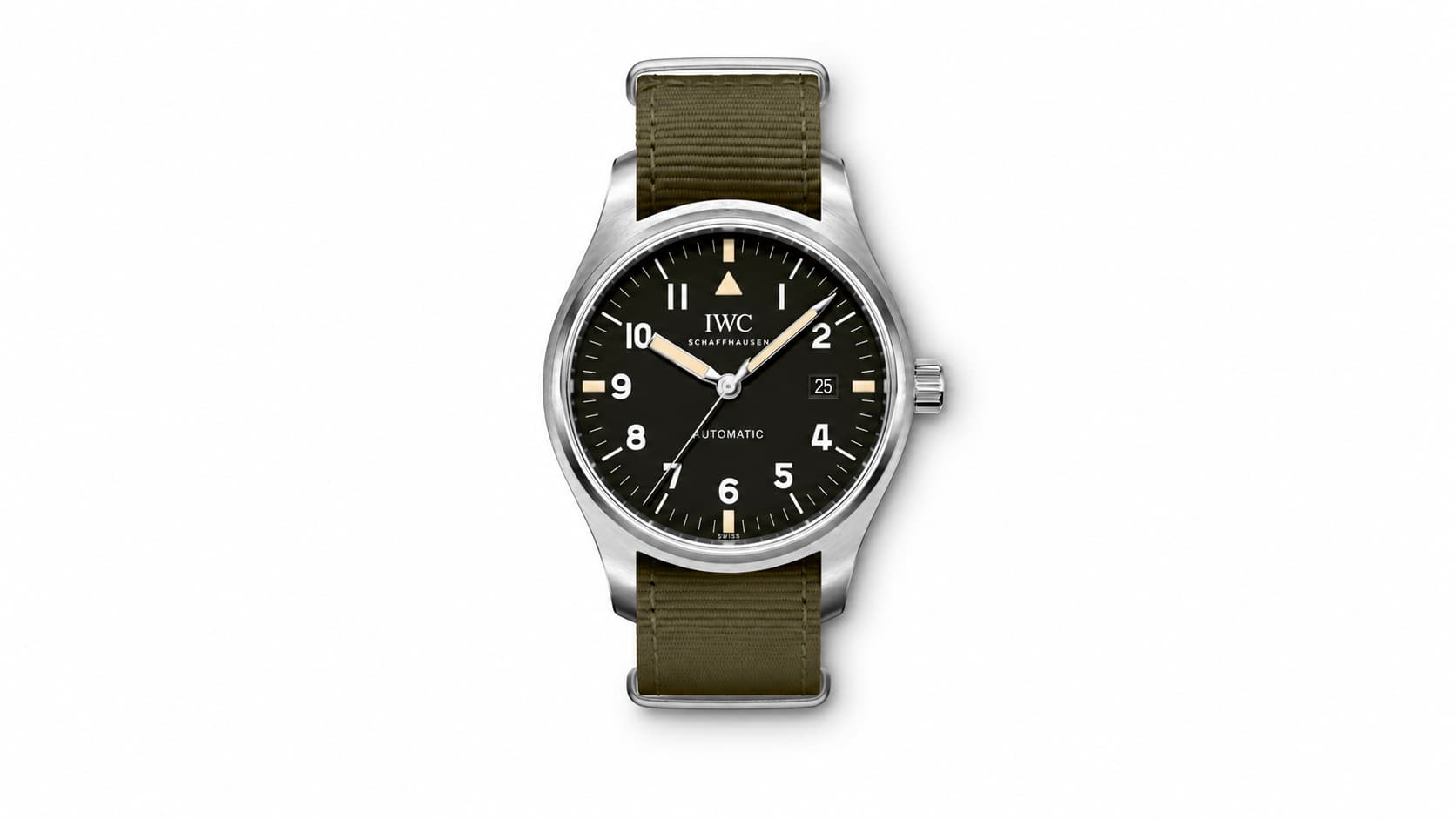
Three campaigns from three different companies show the same instincts at work, each in its own way.
Tudor’s Black Bay Line
Tudor, the sister company to Rolex, released its Heritage Black Bay watch in 2012. It borrowed design details from three different vintage Tudor dive watches made between the 1950s and 1970s, including the “snowflake” hour hand shape and the oversized crown from older Submariner-style models. The watch became such a hit that it won a major industry award for best revival design the following year, and Tudor kept building on it. In 2018 the brand released a smaller version, the Black Bay Fifty-Eight, sized to match the original 1958 diver it was named after. What started as one throwback model turned into an entire family of watches that now anchors Tudor’s whole lineup.
The snowflake hands themselves have a genuinely practical backstory rather than a purely decorative one. In the late 1960s, France’s navy, the Marine Nationale, asked Tudor for a hand and marker design that divers could read more easily in murky, low-light water. The resulting square-tipped hands held more luminous paint than the previous design and stayed legible longer underwater. Collectors later nicknamed them “snowflake” simply because of their shape, and the name stuck so well that Tudor still uses it today. For its first four years, the modern Black Bay actually ran on a modified movement bought from an outside supplier. Tudor didn’t switch to its own in-house-built movement until 2016, a reminder that even a heavily “vintage” watch can take years to become fully self-sufficient on the inside.
Omega’s 1957 Trilogy
In 2017, Omega marked the 60th anniversary of three watches it first released in 1957: the Speedmaster, the Seamaster 300, and the Railmaster. The brand used digital scanning technology on the original vintage watches to copy their exact case shapes and dial details, then rebuilt them with modern, highly accurate movements inside. Each of the three watches was limited to 3,557 pieces, a playful nod to the anniversary year. This wasn’t a random choice of old models, either. The Speedmaster later became the watch worn on the moon, so Omega had every reason to remind people where that legacy began.
Buyers could purchase any of the three watches individually or as a complete set, packaged in a wooden box lined with the same style of corduroy fabric Omega used for its original 1957 boxes, right down to the vintage seahorse logo stamped on the lid. Only 557 full trilogy sets were made. The Railmaster, the least famous of the three, was designed for people working near strong magnetic fields, like electricians and scientists, and its reissue could resist magnetism up to 15,000 gauss, roughly the strength of a hospital MRI machine, which is a level of protection the 1957 original could never have offered.
Rado’s Captain Cook
Rado is best known today for modern ceramic watches, so its 2017 decision to revive the Captain Cook, a simple dive watch it made only from 1962 to 1968, surprised a lot of people. The reissue matched the original’s 37mm case size and general look almost exactly, while adding a modern ceramic bezel and a movement with a much longer power reserve. It became one of the most talked-about releases of that year and has stayed in Rado’s regular lineup ever since, later expanding into larger sizes and even a full ceramic version.
The original Captain Cook had a clever functional detail: a small anchor on the dial, mounted on a lubricated bearing, that spun freely under normal conditions. If the anchor stopped rotating smoothly, it was a signal to the owner that the movement needed servicing. Rado kept the spinning anchor as a signature design touch in the modern version, though it no longer serves that diagnostic purpose. The first limited-edition reissue was capped at 1,962 pieces, matching the original’s birth year, a numbering trick that Rado repeated again for a 2019 follow-up release.
More Watch Brands Doing This Too
Tudor, Omega, and Rado are far from alone. The pattern shows up across nearly the entire watch industry.
- Zenith revived its 1969 A386, one of the earliest automatic chronographs ever built and a design often associated with the “first” claim, though rival brands like Seiko and the Heuer-Breitling-Büren consortium released competing automatic chronographs the same year, and watch historians still debate which one truly came first. Zenith used original blueprints found in its own archive to reproduce the 38mm case almost exactly. In one memorable case, Zenith even discovered a box of unused prototype dials hidden in an attic by a watchmaker who had secretly saved the brand’s old tooling decades earlier, and later turned that forgotten dial into a limited release.
- TAG Heuer has repeatedly revived its square-cased Monaco, first launched in 1969 and made famous when Steve McQueen wore one in the 1971 racing film Le Mans. The brand brought the design back in 1998, again for the watch’s 40th anniversary in 2009, and again in 2015 with a version restoring several original details that later reissues had changed.
- Longines has kept its Legend Diver in continuous production since 2007, based on a 1960 reference known for its distinctive double-crown “Super Compressor” case, a design also shared by a handful of other 1960s dive watches from different brands.
Seeing the trend repeat across such different brands, from a Swiss chronograph specialist to a French Navy dive watch supplier, makes it clear this isn’t one company’s clever idea. It’s become a standard tool in how the entire industry manages its own history.
How Brands Mix Vintage Style With Modern Tech
Most brands follow the same basic formula: keep the parts customers can see and feel looking old, and replace almost everything a customer can’t see with modern components.
Case shapes, dial layouts, hand styles, and color choices are usually copied as closely as possible, sometimes down to the millimeter, because that’s what makes a watch instantly recognizable as a tribute to the original. Underneath the dial, though, brands typically install movements with better accuracy, stronger anti-magnetic protection, and longer power reserves than anything available decades ago. Water resistance ratings, crystal materials (modern scratch-resistant sapphire instead of older acrylic), and finishing techniques are also usually upgraded significantly.
This balancing act is genuinely difficult to get right. Change too little, and the watch feels outdated and impractical for daily life. Change too much, and collectors accuse the brand of using a vintage name just to sell an unrelated modern product. The most successful reissues, like the ones described above, tend to be the ones where the visual changes are minimal but the mechanical improvements underneath are substantial.
Sizing is usually the trickiest decision of all. Watches from the 1950s and 60s were often small by today’s standards, commonly in the 34mm to 38mm range, because that simply matched the wrist sizes and fashion of the era. Modern buyers are used to larger cases, so brands often have to choose between staying period-accurate and risking that the watch feels too small to some shoppers, or sizing up and risking complaints that it no longer matches the original proportions. Tudor’s decision to release the Black Bay Fifty-Eight at the original 1958 diver’s 39mm size, smaller than the standard Black Bay’s 41mm, is a direct example of a brand choosing accuracy over the usual modern trend toward bigger cases.
What Changes and What Stays the Same
| Element | Why brands keep it | What usually changes |
|---|---|---|
| Case shape and size | Instantly recognizable to collectors | Often slightly reduced or offered in a size closer to the original |
| Dial layout and hand style | Core of the watch’s visual identity | Materials and luminous coating updated |
| Color palette | Ties directly to the original era | Sometimes offered in extra modern colorways |
| Branding and text on dial | Reinforces authenticity | Occasionally simplified or corrected for legal reasons |
| Movement inside | Rarely kept from the original | Almost always replaced with a modern, more accurate caliber |
| Crystal (the glass over the dial) | Domed shape kept for the vintage look | Acrylic usually swapped for scratch-resistant sapphire |
| Water resistance rating | Original rating referenced in marketing | Typically increased well beyond what the original offered |
Buying a Heritage Watch as an Investment
Some heritage watches have held or increased their value over time, but this is far from guaranteed, and nobody should buy one purely expecting a financial return.
Limited-edition reissues, especially ones tied to a significant anniversary and produced in small numbers, sometimes become desirable on the secondhand market because supply is capped from day one. Brands often lean into this by choosing production numbers with meaning attached, such as Omega’s 3,557-piece run for its 1957 Trilogy or Rado’s 1,962-piece Captain Cook, tied directly to each watch’s birth year. That kind of built-in scarcity, combined with a clear story, is part of why certain limited reissues attract more attention on the resale market than the brand’s standard catalog watches.
However, plenty of heritage watches are produced in large, ongoing quantities specifically because they sell well, and high production numbers usually work against strong resale value. Whether a specific watch will be considered a good investment down the road depends on brand reputation, production numbers, condition, and market trends that are impossible to predict with certainty. Buying a heritage watch because the design genuinely appeals on its own terms will always be a more reliable reason than buying it purely to flip for profit.
Why Some Collectors Dislike Heritage Watches
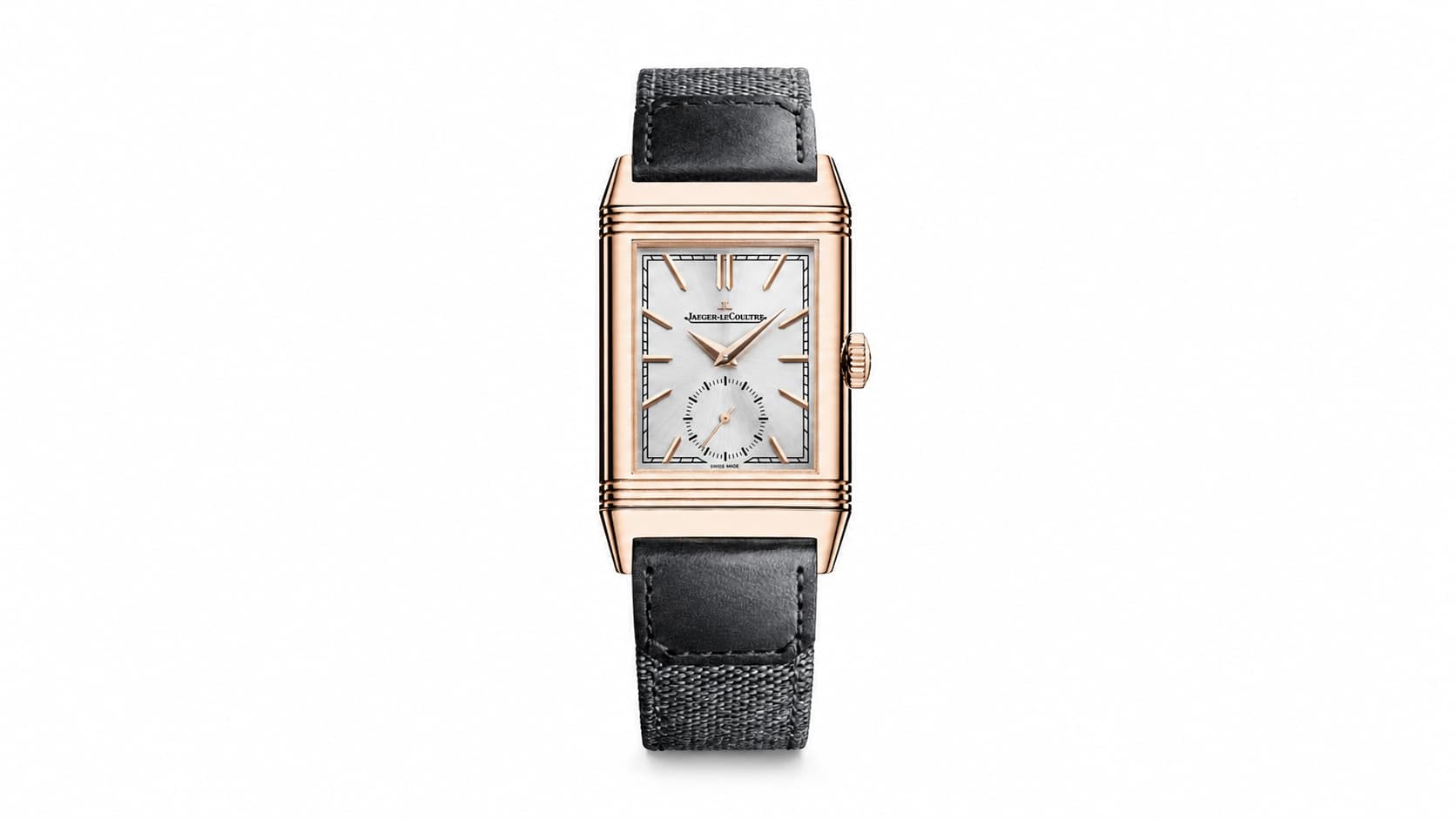
Not everyone in the watch world sees heritage reissues in a positive light. The most common complaint is that leaning on old designs lets a brand avoid the harder, riskier work of real design innovation, essentially playing it safe over and over instead of pushing the craft forward.
Some collectors and industry writers also use the term “vintage-washing” to describe reissues that borrow a famous old name or general look without much genuine connection to the original watch’s actual design, movement, or purpose. A watch marketed heavily around its “heritage” can sometimes share little more than a name and a rough silhouette with the vintage piece it claims to honor, which critics argue is closer to nostalgia marketing than real historical tribute. There’s also a fair concern about market saturation: when nearly every brand at every price point is releasing a vintage-style diver or field watch at the same time, it becomes harder for shoppers to tell which reissues are genuinely rooted in real archive research and which are simply following a trend because it currently sells.
None of this means heritage watches are dishonest or a bad choice. It simply means the label “heritage” isn’t a guarantee of authenticity on its own, and it’s worth looking at how closely a specific reissue actually matches its claimed inspiration before assuming the connection runs deep.
Frequently Asked Questions
What’s the difference between a heritage watch and a vintage watch?
A vintage watch is an original piece actually made decades ago, with all the wear, aging, and quirks that come with real age. A heritage watch is a brand-new watch built today that copies the look of an old model, using modern materials and movements inside.
Why don’t brands just keep making the original design forever instead of stopping and reviving it later?
Watch designs often get discontinued because of shifting fashion trends, changing manufacturing needs, or a company restructuring its lineup. Decades later, when vintage style becomes popular again, reviving the old design lets the brand meet new demand while reconnecting with its own history.
Are heritage watches more expensive than the brand’s other models?
Not necessarily. Some heritage reissues are priced similarly to a brand’s other current watches, while limited editions tied to a major anniversary can carry a premium because of their restricted production numbers.
Do heritage watches use the exact same movement as the original?
Almost never. The outward design is copied closely, but the movement inside is nearly always a modern one, built to be more accurate, more durable, and often more resistant to magnetism than anything available when the original was made.
Is it possible to tell a heritage reissue apart from the true vintage original?
Usually yes, for anyone who knows what to look for. Differences often include the crystal material (modern sapphire versus older acrylic), slightly updated proportions, modern clasp or bracelet designs, and printing on the caseback noting the anniversary or reissue status.
Conclusion
Heritage reissues exist because they solve a real problem for watch brands: creating something new that still feels trustworthy and proven. By returning to designs that already earned a place in their history, companies from Tudor and Omega to Zenith, TAG Heuer, and Longines get to offer something that looks familiar and story-rich, while quietly upgrading everything that makes a watch function well in daily life today. That said, the label “heritage” isn’t automatically a mark of quality or honesty, and it’s worth checking how genuinely a specific watch connects to its claimed original before buying into the story. For anyone shopping for one of these pieces, the smartest approach is to judge it the same way any watch should be judged: by whether it’s genuinely enjoyable to wear, not by the promise that its past will guarantee its future value.