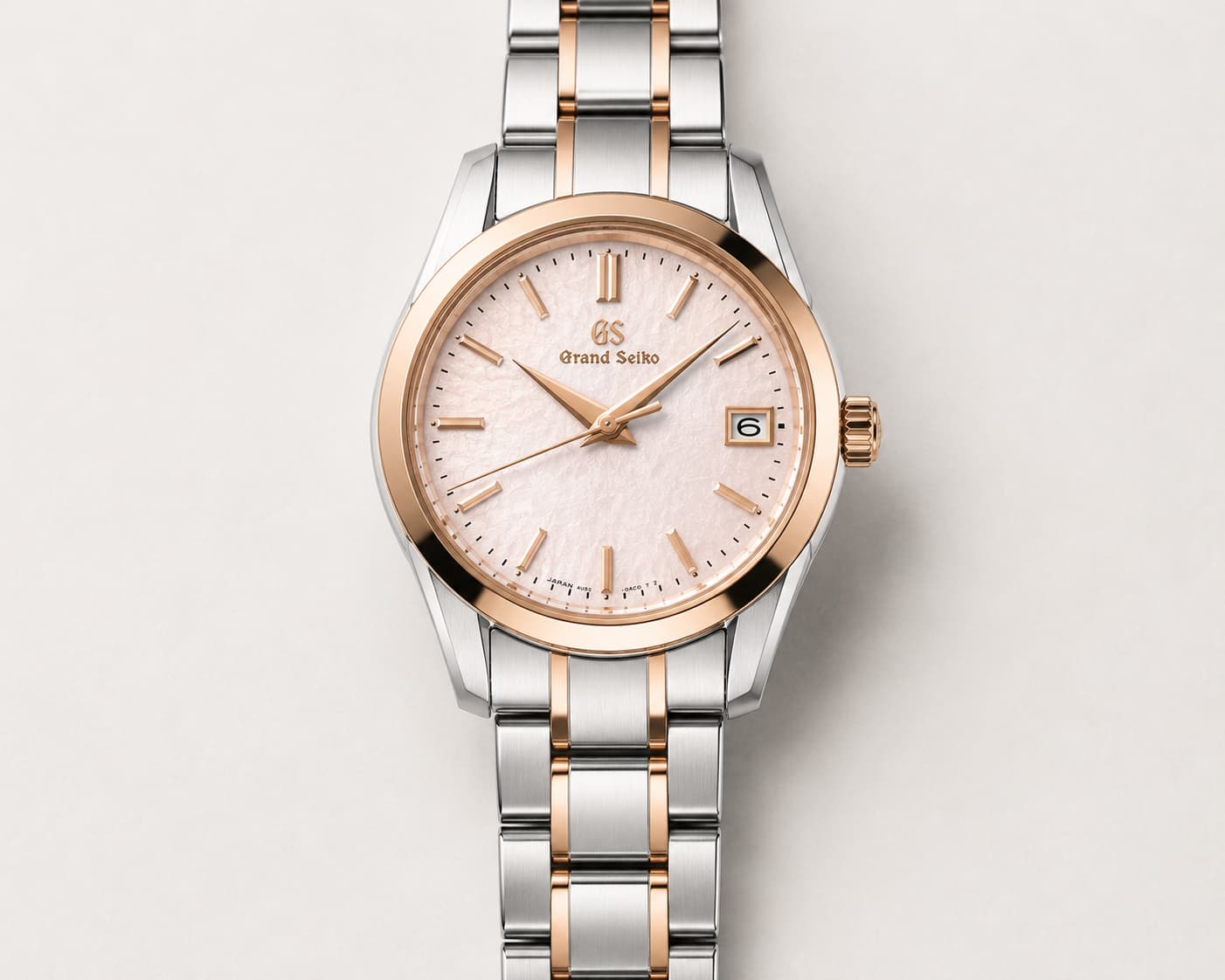
Grand Seiko spent decades as a quiet secret among watch collectors before finally stepping out of Seiko’s shadow in 2017 to become its own independent brand. What makes it stand out isn’t flashy branding or celebrity ambassadors — it’s a level of precision and hand-finishing that rivals many luxury watches costing two or three times as much. Its history, its unusual approach to movement technology, and a handful of standout references explain why the brand commands such devotion among newcomers and longtime collectors alike.
Grand Seiko’s Journey From Seiko to Independent Brand
Grand Seiko’s story starts long before the first Grand Seiko watch existed, tracing back to Kintaro Hattori, who opened a small watch and clock shop in Tokyo’s Ginza district in the late 1800s that eventually grew into Seiko. By the late 1950s, Seiko had become a respected name across Japan and was pushing into international markets, but the company wanted something more: a watch built to match or beat the best Swiss watchmaking of the era.
That ambition became reality in 1960 with the first Grand Seiko, reference 3180, worn in a 35mm gold-plated case with a movement good enough to be marked “chronometer” on the dial, even though Seiko had tested it against its own internal standards rather than the official Swiss trials at that point. That changed quickly. Seiko began entering the Neuchâtel and Geneva Observatory chronometer competitions in Switzerland during the 1960s, essentially challenging the Swiss on their own turf, and the results were humbling at first — the brand placed 144th at Neuchâtel in 1964.
Rather than walk away, Seiko’s engineers used the loss as motivation. Through the mid-1960s, two competing in-house manufacturing divisions, Daini Seikosha and Suwa Seikosha, pushed each other toward better accuracy, and by 1967 the effort produced the landmark 44GS, a manually wound watch that placed 2nd in its category at the Neuchâtel Observatory Competition that year and helped the brand claim 4th-through-10th place at the Geneva Observatory Competition the following year — a stunning turnaround in just a few seasons. That 1967 watch was designed under Seiko’s first dedicated design lead, Taro Tanaka, who studied why Swiss watches “sparkled” the way they did and traced it to a specific combination of sharp facets, mirror polishing, and brushed surfaces. He turned that observation into a formal design code — nine principles collectively known as the “Grand Seiko Style” — that still governs how every Grand Seiko is shaped and finished today.
Every modern Grand Seiko, from a $2,500 quartz dress watch to a $365,000 tourbillon, is still built around the same nine design principles first laid out by the 44GS in 1967.
The 1970s brought turbulence in the form of the quartz revolution, and Grand Seiko’s mechanical line was quietly retired in 1976 as the whole industry pivoted toward battery-powered movements. When Seiko did bring quartz technology to the nameplate, it did so with characteristic obsessiveness: the 1988 reference 95GS used specially grown quartz crystals from Seiko’s own facilities to reach an accuracy of about ten seconds per year, a record at the time. The mechanical line returned in 1998 with the 9S5 caliber, still in use in updated form today, and in 2010 Grand Seiko was distributed internationally for the first time, ending decades as a watch almost nobody outside Japan had heard of.
Spring Drive, the brand’s most unusual invention, had actually begun development as far back as 1977 under engineer Yoshikazu Akahane, though it didn’t reach a Grand Seiko model until 2004. A modern Hi-Beat movement followed in 2009. Finally, in 2017, Seiko split Grand Seiko off entirely, giving it its own boutiques, its own catalog, and no shared branding with the mainline Seiko watches sold in shopping malls — the culmination of a project that had spent nearly six decades quietly proving Japanese watchmaking belonged in the same conversation as Switzerland’s best.
Why Grand Seiko Watches Stand Out
Grand Seiko builds watches around three completely different types of movements, and knowing the difference matters more than knowing any single model number.
9S Mechanical
This is a traditional spring-powered mechanical movement, the same basic idea used by Swiss watchmakers for centuries, but tuned by Grand Seiko’s engineers for exceptional accuracy. The newest version of this movement, found in watches like the White Birch, keeps time to within a few seconds a day and can run for a very long time on a single wind.
9R Spring Drive
Spring Drive is Grand Seiko’s own invention and doesn’t exist anywhere else in watchmaking. It’s wound by a mainspring like a mechanical watch, but instead of a ticking balance wheel, an electronic regulator controls the release of energy, which is why the seconds hand glides in one continuous, silky sweep instead of ticking. The result is mechanical watchmaking with quartz-level accuracy of around one second a day.
9F Quartz
Don’t mistake this for a cheap battery watch. Grand Seiko’s 9F quartz movement is built with the same obsessive standards as its mechanical calibers, hand-assembled so it barely loses or gains more than a few seconds across an entire year. Extra touches like a mechanism that snaps the date over instantly at midnight and a system that keeps the hands perfectly aligned set it apart from an ordinary quartz watch. It’s the most affordable way into the brand and remains one of the most accurate wristwatches made anywhere.
Beyond the movements, every Grand Seiko is finished using a technique called Zaratsu polishing, a slow, hand-guided process that produces flat, distortion-free surfaces and razor-sharp edges. Grand Seiko dials are also almost always inspired by real places in Japan — snow, birch bark, rice fields, mountain ranges — rather than abstract patterns, part of why the brand has built such a devoted following among people who value storytelling as much as engineering.
Top 10 Best Grand Seiko Watches
1. Grand Seiko Snowflake (SBGA211)
The Snowflake is the watch most people picture when they hear “Grand Seiko”: a matte white dial with a soft, granular texture meant to recall snow after a night of drifting wind. Collectors gave it that nickname rather than Grand Seiko itself; the watch first appeared in the Japanese domestic market in 2005 and reached international buyers a few years later. It runs on the Spring Drive Caliber 9R65, which holds power for about three days and stays within roughly a second of perfect time either way each day. The case and bracelet are made of titanium, noticeably lighter on the wrist than steel would be. As of mid-2026 it retails for around $6,300 new.
| Spec | Detail |
|---|---|
| Movement | Spring Drive Caliber 9R65 |
| Case | 41mm titanium |
| Power reserve | ~72 hours |
| Accuracy | ±1 second/day |
| Price (new, 2026) | ~$6,300 |
2. Grand Seiko White Birch (SLGH005)
If the Snowflake represents winter, the White Birch represents the bark of birch trees near Grand Seiko’s Shizukuishi studio, and its dial texture reflects that. This model matters because it introduced the newest generation of automatic mechanical movement, the Caliber 9SA5, built around a new escapement design that pushes the power reserve out to roughly 80 hours — noticeably longer than most Swiss equivalents in this price range. The 40mm case is Zaratsu-polished, giving it sharp, mirror-like facets that catch light differently depending on the angle. New retail typically starts above $8,500, though clean pre-owned examples often trade several thousand dollars below that.
| Spec | Detail |
|---|---|
| Movement | Mechanical Caliber 9SA5 (Hi-Beat) |
| Case | 40mm stainless steel |
| Power reserve | ~80 hours |
| Accuracy | Approx. +5/-3 seconds/day |
| Price (new, 2026) | ~$8,500+ |
3. Grand Seiko Tentagraph (SLGC001)
Released in 2023, the Tentagraph holds a special title: it’s Grand Seiko’s first purely mechanical chronograph ever. The name blends together the watch’s four defining traits — a fast-beating movement, a roughly three-day power reserve, automatic winding, and the stopwatch function itself. It’s a sports-oriented piece built for people who want that stopwatch capability alongside serious mechanical engineering, and it retails for around $13,700, putting it in direct competition with major Swiss sports chronographs.
| Spec | Detail |
|---|---|
| Movement | Mechanical Caliber 9SC5 chronograph |
| Case | 43mm high-intensity titanium |
| Power reserve | ~72 hours |
| Frequency | 5Hz / 36,000 vph |
| Price (new, 2023–2026) | ~$13,700 |
4. Grand Seiko Kodo Constant-Force Tourbillon
At the very top of the range sits the Kodo, Grand Seiko’s first true high-complication watch and currently its most expensive creation. First unveiled in 2022, its movement fits a tourbillon and a constant-force device onto the same axis, something no other watchmaker had managed before, and the achievement earned Grand Seiko a top prize at watchmaking’s most respected industry competition in Geneva. Later limited editions of the Kodo have carried price tags around $365,000, with only 20 pieces made per release. It isn’t a watch most people will ever own, but it proves what the brand is capable of when cost isn’t a limiting factor.
| Spec | Detail |
|---|---|
| Movement | Manual-wind Caliber 9ST1 (constant-force tourbillon) |
| Case | 43.8mm platinum and titanium |
| Power reserve | ~72 hours (50 hours constant-force) |
| Limited edition | 20 pieces per release |
| Price (new) | ~$365,000 |
5. Grand Seiko Elegance Collection, 9F Quartz (SBGX261 and siblings)
This is where most people should actually start. The Elegance line houses Grand Seiko’s most accessible entry-level references, using the 9F quartz movement in slim, dress-oriented cases. These watches carry the exact same Zaratsu polishing and finishing standards as references costing four times more — the only difference is the movement inside. New prices for these entry-level 9F quartz models typically run from about $2,500 to $2,700, with well-kept pre-owned examples available for less.
| Spec | Detail |
|---|---|
| Movement | Quartz Caliber 9F62 |
| Case | 37mm stainless steel |
| Accuracy | Approx. ±10 seconds/year |
| Battery life | ~3 years |
| Price (new) | ~$2,500–$2,700 |
6. Grand Seiko Heritage 44GS (SBGW231 / SBGW291)
The 44GS is where the entire Grand Seiko design language began, and modern reissues bring that 1967 shape back almost unchanged. These watches use the manual-wind Caliber 9S64, a compact and reliable movement with a 72-hour power reserve, housed in a 36.5–37.3mm case that wears smaller and dressier than most of the current catalog. It remains the purest, most historically accurate expression of the Grand Seiko style. New pricing generally lands around $5,200.
| Spec | Detail |
|---|---|
| Movement | Manual-wind Caliber 9S64 |
| Case | 36.5–37.3mm stainless steel |
| Power reserve | ~72 hours |
| Accuracy | Approx. +5/-3 seconds/day |
| Price (new) | ~$5,200 |
7. Grand Seiko Spring Drive GMT “Hotaka Peaks” (SBGE295)
Built for people who actually cross time zones, this GMT watch uses Spring Drive Caliber 9R66, the first Spring Drive movement built with a GMT function from the ground up. A rotating 24-hour bezel combined with an inner day/night ring means it can track three time zones at once, and the deep green dial is textured to resemble the Hotaka mountain forests that inspired it. The 44mm steel case is larger and more tool-like than the Snowflake, reflecting its Sport Collection roots. New retail runs around $6,800.
| Spec | Detail |
|---|---|
| Movement | Spring Drive Caliber 9R66 (GMT) |
| Case | 44mm stainless steel |
| Power reserve | ~72 hours |
| Accuracy | ±15 seconds/month |
| Price (new) | ~$6,800 |
8. Grand Seiko Hi-Beat 36000 (SBGH201 and related references)
For buyers who want a traditional automatic movement rather than Spring Drive, the Hi-Beat 36000 line runs the 9S85 caliber at a fast 36,000 vibrations per hour, giving it a smoother-sweeping seconds hand than a typical mechanical watch while staying fully traditional inside. The steel SBGH201 wears with more heft than the titanium Spring Drive models and carries a new retail price around $5,800. It’s the pick for collectors who want mechanical purity over Spring Drive’s hybrid approach.
| Spec | Detail |
|---|---|
| Movement | Mechanical Caliber 9S85 (Hi-Beat) |
| Case | 40.2mm stainless steel |
| Power reserve | ~55 hours |
| Accuracy | Approx. +5/-3 seconds/day |
| Price (new) | ~$5,800 |
9. Grand Seiko Hi-Beat 36000 Professional 600m Diver (SBGH255)
Grand Seiko’s first dedicated professional diver watch under its own name, launched in 2017 at $14,200, this is a serious tool watch rather than a dress piece. The 46.9mm titanium case carries a 600m water resistance rating suitable for saturation diving, and a specially shaped crystal gasket does the job a helium escape valve would normally handle on other brands’ deep divers, keeping the case cleaner and simpler to service. It houses the same 9S85 Hi-Beat movement found in the brand’s dressier references. It’s oversized by Grand Seiko standards, but it proves the brand can build genuine dive tools, not just showpieces.
| Spec | Detail |
|---|---|
| Movement | Mechanical Caliber 9S85 (Hi-Beat) |
| Case | 46.9mm high-intensity titanium |
| Water resistance | 600m (saturation-diving rated) |
| Accuracy | Approx. +5/-3 seconds/day |
| Price (launch, 2017) | ~$14,200 |
10. Grand Seiko Skyflake (SBGA407)
The Skyflake is the Snowflake’s blue-dialed sibling, using the same Spring Drive Caliber 9R65 in a 40.2mm stainless steel case but with a deep blue dial meant to evoke a clear winter sky rather than snow. It sits in a similar price bracket to the original Snowflake and gives buyers who love the format but want a bolder color a nearly identical ownership experience with a different personality on the wrist.
| Spec | Detail |
|---|---|
| Movement | Spring Drive Caliber 9R65 |
| Case | 40.2mm stainless steel |
| Power reserve | ~72 hours |
| Accuracy | ±1 second/day |
| Price (new) | ~$5,800–$6,300 |
Choosing Your First Grand Seiko
Choosing a specific reference, especially for anyone starting a watch collection, tends to come down to a few practical factors rather than the dial that first catches the eye in a photo.
- Movement preference. The choice between the smooth sweep of Spring Drive, the traditional feel of a mechanical movement, and the low-maintenance accuracy of quartz shapes the entire ownership experience more than any other single decision.
- Case size and weight. Titanium cases like the Snowflake’s sit noticeably lighter on the wrist than steel cases like the Hi-Beat 36000’s, which matters for anyone wearing the watch all day.
- Budget for the long term. Grand Seiko watches carry a five-year international warranty and are built to be serviced and worn for decades, so it’s worth thinking of the purchase as a long-term piece rather than a quick buy.
- Dial texture. Grand Seiko is famous for dials inspired by nature — snow, birch bark, rice fields, mountain landscapes — and these details are genuinely different in person than in photos, so seeing one in daylight before buying is worthwhile whenever possible.
How to Buy a Genuine Grand Seiko
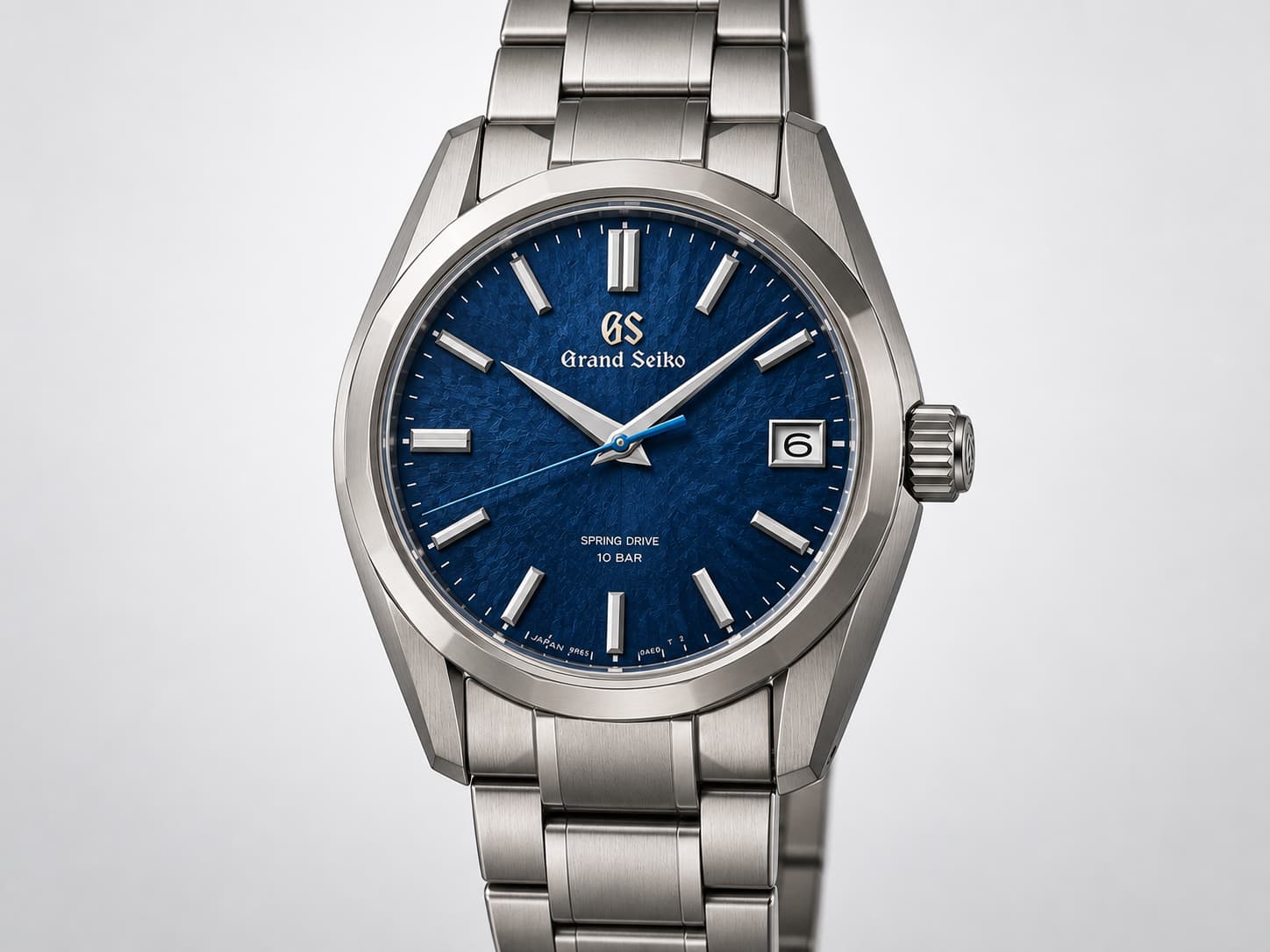
Because Grand Seiko has grown quickly in popularity, buying through an authorized boutique or dealer is the safest way to guarantee both authenticity and a valid international warranty. Authorized retailers register the watch’s serial number at the point of sale, which matters for warranty service and for reselling with full documentation later on.
On the secondary market, a complete set — original box, papers, warranty card, and any extra links or straps — carries real weight, since incomplete sets typically sell for noticeably less and can be harder to verify. Genuine Grand Seiko movements are clean, precisely finished, and free of the small alignment or printing errors that show up on counterfeits, which is why learning how to authenticate a watch or getting a careful in-person inspection matters most for any high-value reference.
Do Grand Seiko Watches Hold Their Value?
Grand Seiko doesn’t behave like a single category when it comes to resale value as an investment. Entry-level 9F quartz models and simpler mechanical references tend to depreciate after purchase, similar to most watch brands outside a small handful of blue-chip names. Iconic Spring Drive references like the Snowflake and White Birch, on the other hand, have shown more resilience, often holding value close to retail because demand consistently outpaces the limited numbers produced each year.
Limited editions and high-complication pieces like the Kodo sit in their own world entirely, valued more for rarity and horological achievement than everyday wearability. For most buyers, the more realistic takeaway is that Grand Seiko is worth buying for years of genuine enjoyment on the wrist, not purely as a financial play — though the brand’s steadily growing reputation among collectors has certainly helped values across the board over the past several years.
Keeping Your Grand Seiko in Good Shape
Grand Seiko’s care requirements depend heavily on which movement a given watch uses. Mechanical (9S) and Spring Drive (9R) models generally need professional servicing every three to four years to keep their internal oils and components in good condition, similar to any fine mechanical watch. Quartz (9F) models need far less attention — mainly periodic battery replacement, typically every three years — which is part of why they’re such a practical entry point.
Across all three movement types, a few habits go a long way: keep mechanical and Spring Drive models away from strong magnets, since magnetization can throw off their accuracy; avoid extreme temperature swings; and have the case and bracelet professionally cleaned occasionally to preserve the sharp Zaratsu-polished surfaces, which can dull if scrubbed with abrasive materials at home.
A handful of simple, inexpensive items help protect a Grand Seiko between professional services:
- A soft microfiber cloth. Wiping down the case, bracelet, and crystal after wearing removes skin oils, sweat, and dust before they have a chance to build up. Avoid paper towels or regular fabric, since they can leave tiny scratches on polished surfaces over time.
- A soft-bristled brush. A small brush (even a clean, soft toothbrush) is useful for gently clearing dust and debris out of bracelet links and lug gaps, where a cloth alone can’t reach.
- A watch winder, for automatic and Spring Drive models worn irregularly. If a mechanical or Spring Drive Grand Seiko sits unworn for more than a couple of days, it will wind down and stop, which means resetting the time and date afterward. A winder keeps the movement gently in motion so it’s always ready to wear, though it’s entirely optional — hand-winding and resetting the watch occasionally works just as well and won’t hurt the movement.
- A watch box or pouch with some kind of moisture control. Storing a watch in a soft-lined box, away from humidity and direct sunlight, helps protect the case finish and, for leather straps, prevents premature cracking or drying out.
- A dedicated lens or crystal cloth for the sapphire crystal. Sapphire is scratch-resistant but not scratch-proof, and a lint-free cloth kept just for the crystal helps avoid transferring grit from other surfaces.
None of this replaces a proper service interval, though a watch kept clean and stored well between visits to a watchmaker holds its finish and runs more smoothly for far longer.
Frequently Asked Questions
Is Grand Seiko the same company as Seiko?
They share the same corporate history, but Grand Seiko has been a fully independent brand with its own factories, designs, and pricing since 2017, and Seiko’s logo no longer appears anywhere on a Grand Seiko watch.
What is Spring Drive and why is it special?
Spring Drive is a movement unique to Grand Seiko that combines a traditional wound mainspring with an electronic regulator, producing the accuracy of a quartz watch and the smooth, glide-motion seconds hand that mechanical watches can’t replicate.
Which Grand Seiko is best for a first-time buyer?
The 9F quartz models in the Elegance Collection, such as the SBGX261, offer the same finishing quality as far more expensive references at a fraction of the price, making them a sensible and low-risk entry point.
Why are Grand Seiko watches so accurate?
Grand Seiko builds and adjusts each movement type — mechanical, Spring Drive, and quartz — to standards well beyond typical industry requirements, using in-house calibers designed and finished at dedicated Japanese studios rather than outsourced parts.
Do Grand Seiko watches hold their value?
Popular references like the Snowflake and White Birch tend to hold value reasonably well due to steady demand, while quartz and simpler mechanical models generally see more depreciation, similar to most watch brands outside a handful of blue-chip names.
Conclusion
Grand Seiko earns its reputation the unglamorous way: through movements engineered for genuine accuracy, dials inspired by real places in Japan, and a level of hand-finishing usually reserved for watches costing far more. Whether the right starting point is a $2,500 quartz Elegance model or a $6,300 Snowflake, the brand’s core promise stays the same across every price point — a watch built to be as close to perfect as its makers can manage, without needing to shout about it.