Medical scans are essential diagnostic tools that help doctors see inside your body to diagnose injuries, illnesses, and monitor your health. However, if you’re scheduled for a medical scan like an MRI, CT scan, or X-ray, you might wonder whether you need to remove your favorite necklace, wedding ring, or body piercings. The answer depends on the type of scan you’re having and the materials your jewelry is made from. While some scans allow certain types of jewelry, others require complete removal of all metal objects for both safety reasons and to ensure clear, accurate images. These restrictions aren’t just suggestions – they’re critical safety requirements that can prevent serious injuries and ensure your medical images are useful for diagnosis. Understanding these requirements ahead of time can help you prepare properly and avoid delays or complications during your appointment.
Jewelry Removal Rules for Different Medical Scans
When it comes to medical scans, jewelry removal isn’t just a suggestion – it’s often a critical safety requirement that varies dramatically depending on the imaging technology being used. Understanding which scans require jewelry removal can help you prepare properly and avoid potentially dangerous situations or the need to reschedule your appointment. The requirements range from complete removal of all metal objects for some scans to only removing pieces from specific body areas for others.
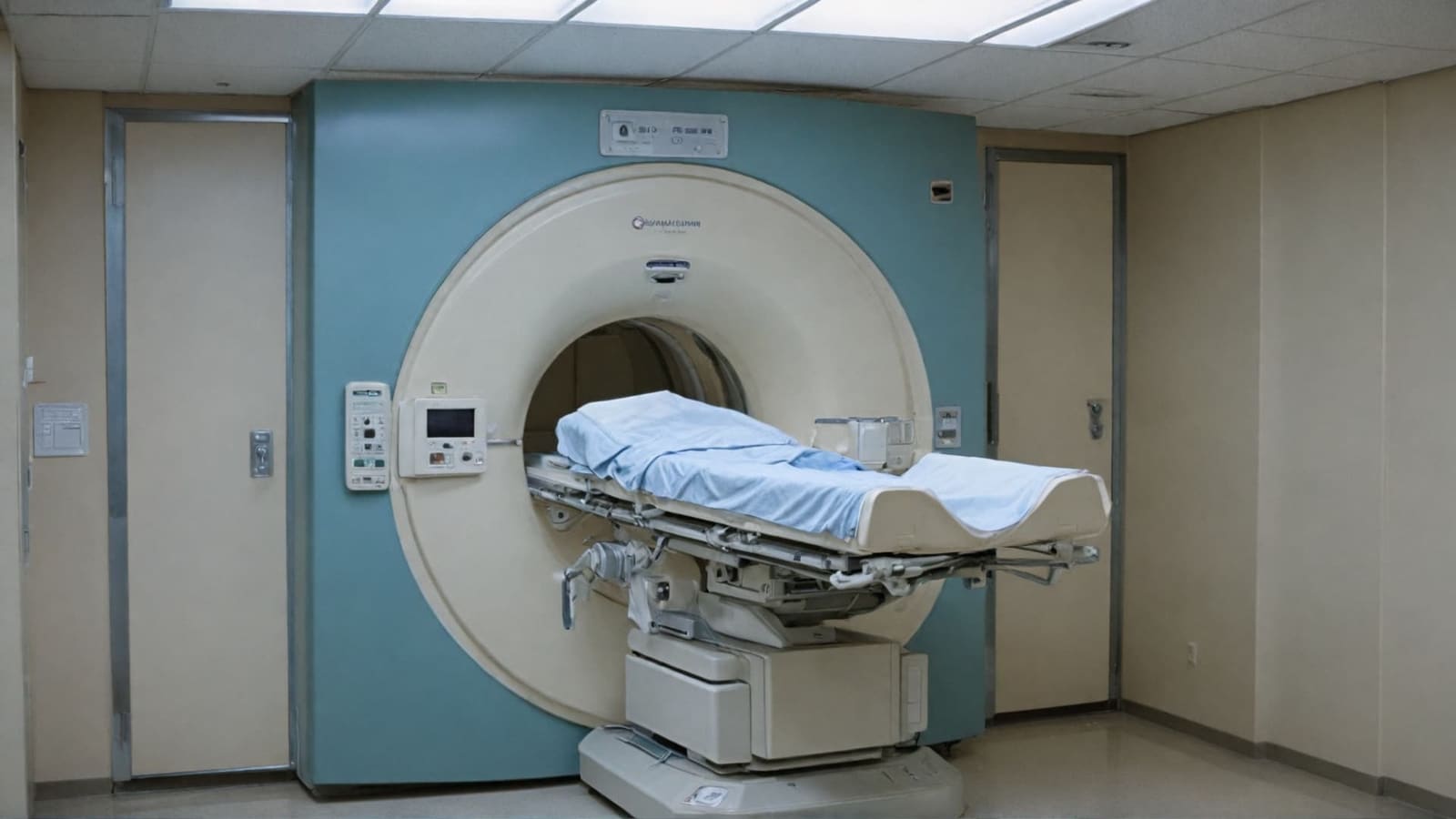
- MRI (Magnetic Resonance Imaging) scans require complete removal of all metal jewelry including rings, necklaces, earrings, bracelets, watches, and body piercings. This is because MRI machines use extremely powerful magnetic fields that can cause metal objects to become dangerous projectiles, heat up and cause burns, or create serious image distortions that make diagnosis impossible. Even small amounts of metal like watch batteries or jewelry clasps can be dangerous.
- CT (Computed Tomography) scans typically require removing jewelry from the area being scanned because metal can create bright streaks or “artifacts” on the images that obscure important details. For example, if you’re having a chest CT, you’ll need to remove necklaces and chest piercings, but rings and ankle bracelets might be acceptable since they’re outside the scan area.
- X-ray examinations require removing jewelry only from the specific body part being imaged since metal appears as bright white areas that can hide fractures, tumors, or other important findings. A broken wrist X-ray means removing bracelets and rings from that hand, while dental X-rays require removing earrings and necklaces that might overlap with your jaw area.
- Ultrasound scans generally allow you to keep most jewelry on because they use sound waves rather than magnetic fields or radiation. However, you may need to remove jewelry directly over the area being examined if it interferes with the ultrasound probe placement or if gel needs to be applied to the skin underneath.
- Nuclear medicine scans like PET or bone scans usually require removing metal jewelry because metal can interfere with the imaging equipment and affect how the radioactive tracers are detected, potentially leading to inaccurate results. The specific requirements depend on which part of your body is being scanned and the type of tracer being used.
- Mammography screenings require removing all jewelry from the chest and neck area including necklaces, chest piercings, and sometimes bras with underwire, as these can appear as suspicious spots on the breast tissue images and may require repeat imaging or additional testing.
Being prepared with this knowledge before your appointment can save you time, stress, and potentially prevent the need to reschedule if you arrive wearing jewelry that cannot be safely worn during your scan. Medical facilities always prioritize patient safety first, so when technicians ask you to remove jewelry, it’s never just a precaution – it’s an essential safety measure. Remember that medical staff are trained to identify potential hazards and will provide secure storage for your valuables during the procedure, so you can focus on getting the medical care you need without worrying about your jewelry.
Understanding Medical Scan Jewelry Restrictions
Each type of medical imaging uses completely different technologies to create pictures of your body, which means they each have unique safety requirements and jewelry restrictions. The level of jewelry restriction generally corresponds to how much the imaging technology can be affected by metal interference, ranging from scans that can tolerate some metal presence to those that become dangerous or completely unusable when any metal is detected. Knowing how these different scanning methods work helps explain why your preparation instructions may vary significantly between different types of appointments.
- MRI (Magnetic Resonance Imaging) scans use powerful magnetic fields and radio waves to create detailed images of soft tissues, organs, and structures inside your body, making them excellent for diagnosing brain injuries, torn ligaments, tumors, and spinal problems. Because of the extremely strong magnetic field (up to 60,000 times stronger than Earth’s magnetic field), absolutely no metal jewelry can be worn, and even patients with certain medical implants may not be candidates for MRI scans.
- CT (Computed Tomography) scans use X-ray beams that rotate around your body to create cross-sectional images that can be combined into 3D pictures, making them ideal for detecting fractures, internal bleeding, tumors, and organ damage. Metal jewelry in the scan area creates bright streaks called “artifacts” that can hide important details, so you’ll need to remove jewelry from the specific body region being imaged, though jewelry outside the scan area is usually acceptable.
- X-ray examinations use electromagnetic radiation to create images of bones and dense tissues by passing X-ray beams through your body onto special film or digital sensors, making them perfect for diagnosing broken bones, pneumonia, and dental problems. Since metal appears as bright white areas that can completely hide underlying structures, you must remove all jewelry from the specific area being X-rayed, but jewelry elsewhere on your body won’t affect the images.
- Ultrasound scans use high-frequency sound waves that bounce off internal structures to create real-time moving images, making them safe for pregnant women and ideal for examining developing babies, heart function, and abdominal organs. Since ultrasounds don’t use radiation or magnetic fields, most jewelry can stay on, though you may need to remove pieces that are directly over the area being examined if they interfere with the ultrasound probe.
- Nuclear medicine scans like PET and bone scans use small amounts of radioactive materials injected into your body that are detected by special cameras to show how organs and tissues are functioning, making them excellent for detecting cancer, heart disease, and bone disorders. Metal jewelry can interfere with the detection equipment and affect how the radioactive tracers are distributed in your body, so metal removal is usually required.
- Mammography uses low-dose X-rays specifically designed to examine breast tissue for early detection of cancer and other breast abnormalities, requiring specialized compression plates to spread breast tissue for optimal imaging. All jewelry from the chest, neck, and underarm areas must be removed, including necklaces, body piercings, and bras with underwire, as these can create shadows or bright spots that may be mistaken for tumors.
- Fluoroscopy uses continuous X-ray beams to create real-time moving images during procedures like cardiac catheterization, joint injections, or swallowing studies, allowing doctors to see organs and structures in motion. Since the X-ray beam may move to different areas during the procedure, you’ll typically need to remove more jewelry than for a standard X-ray, often including all jewelry from the torso area.
- DEXA scans measure bone density using very low-dose X-rays to diagnose osteoporosis and assess fracture risk, typically scanning the spine, hip, and sometimes the forearm. Metal jewelry over the scan areas can interfere with the precise measurements needed to calculate bone density, so you’ll need to remove jewelry from the specific areas being tested, though small amounts of metal outside the scan area usually don’t affect results.
These differences help explain why your preparation instructions may vary significantly between different types of appointments. While an ultrasound of your gallbladder might not require removing any jewelry, an MRI of your knee means taking off every piece of metal you’re wearing. The medical staff will always provide specific instructions for your particular scan, but knowing what to expect can help you plan ahead and avoid delays on the day of your appointment. Remember that these restrictions exist not to inconvenience you, but to ensure your safety and the quality of your medical images.
Understanding MRI Magnetic Field Risks with Jewelry
MRI machines create some of the most powerful magnetic fields used in medicine, and when any magnetic material enters this environment, the results can be catastrophic for both patients and equipment. These sophisticated imaging devices rely on precisely controlled magnetic fields that are tens of thousands of times stronger than what you experience in everyday life, making them incredibly sensitive to any metal objects that enter the scanning room. The combination of powerful magnets and radio frequency energy creates multiple ways that metal jewelry can become dangerous, from turning small objects into high-speed projectiles to causing severe burns on the skin.
- The projectile effect is the most immediate and dangerous risk when metal objects enter an MRI room, as the powerful magnetic field can turn any ferromagnetic item into a high-speed projectile that flies toward the machine. Even small items like hairpins, keys, or jewelry can become deadly missiles traveling at speeds over 40 miles per hour, potentially causing severe injuries or death to anyone in the room.
- Burns and heating injuries can occur when metal jewelry remains on the body during an MRI scan because the radio frequency energy used in MRI can cause metal objects to heat up rapidly, sometimes reaching temperatures hot enough to cause second or third-degree burns. This is especially dangerous with rings, as they can heat up and become impossible to remove quickly, causing severe burns to fingers.
- Image artifacts and distortion make diagnosis impossible when metal is present during scanning, as ferromagnetic materials create large black areas or bright streaks on the images that can completely obscure the area doctors need to examine. Even tiny amounts of metal can create artifacts much larger than the actual object, making it impossible to see tumors, injuries, or other important medical findings.
- Magnetic field interference can damage the MRI machine itself when large metal objects are brought too close, as the powerful magnetic forces can cause mechanical damage to the scanner’s delicate components or disrupt the carefully calibrated magnetic field that’s essential for creating clear images.
- Movement and vibration of metal objects during scanning occurs because the changing magnetic fields during an MRI can cause ferromagnetic materials to move, vibrate, or rotate, which not only creates safety risks but also causes severe discomfort or pain for the patient if the metal is attached to or near their body.
- Pacemakers and other medical implants require special consideration because the magnetic fields can interfere with electronic devices, cause heating of metal components, or even cause mechanical movement of implanted objects, which is why patients with certain implants may not be candidates for MRI scans at all.
The bottom line is that MRI machines and metal simply cannot coexist safely in the same space. The magnetic forces involved are so powerful that they override normal physical limitations – a small paperclip can be pulled from across a room, and a metal oxygen tank can become a 150-pound projectile. This is why MRI facilities have such strict protocols about metal removal and why technicians use metal detectors and extensive questionnaires before every scan. The goal isn’t to inconvenience patients, but to prevent potentially fatal accidents that have occurred when metal objects entered MRI rooms. These risks help explain why jewelry removal isn’t optional – it’s a life-or-death safety requirement.
Safe vs Unsafe Jewelry for Medical Scans
Different jewelry materials pose varying levels of risk during medical scans, and what might be perfectly safe for one type of imaging could be extremely dangerous for another. The key factors that determine jewelry safety include the specific metals or materials used, whether the piece contains any ferromagnetic components, and how the jewelry might interact with the particular imaging technology being used. Even jewelry that appears identical can have completely different safety profiles depending on manufacturing methods, alloy compositions, and hidden components like clasps or decorative elements.
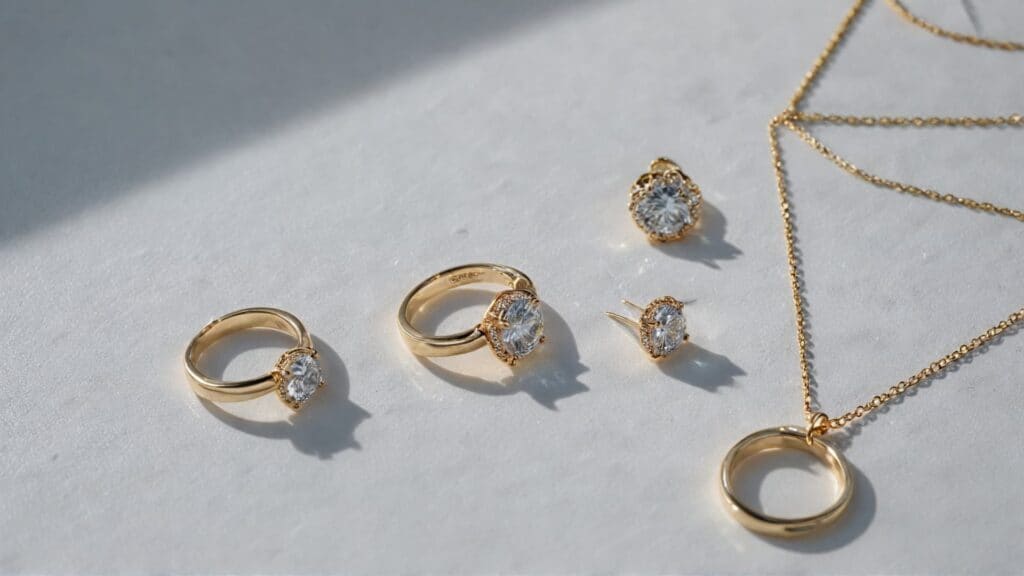
- Gold, silver, and platinum jewelry must always be removed for MRI scans despite being non-ferromagnetic metals, because they can still heat up from radio frequency energy and create image artifacts. While these precious metals won’t fly toward the MRI machine like iron or steel would, they can still cause burns and interfere with image quality, making accurate diagnosis difficult or impossible.
- Stainless steel and other ferromagnetic metals are extremely dangerous in MRI environments and must be removed completely, as they can become projectiles, cause severe burns, and create massive image distortions. This includes most costume jewelry, watches, belt buckles, and many body piercings, even if they’re labeled as “surgical steel” since this term doesn’t guarantee MRI safety.
- Titanium jewelry is generally MRI-compatible but still requires removal in most cases because while pure titanium is non-ferromagnetic and doesn’t heat up significantly, many titanium jewelry pieces contain other metals or alloys that can be dangerous. Additionally, even MRI-safe titanium can create minor image artifacts that interfere with diagnosis.
- Silicone, plastic, and ceramic jewelry are typically safe for most scans including MRIs, though you should always inform medical staff about any non-metal jewelry you’re wearing. These materials don’t interact with magnetic fields or create image artifacts, but they may still need to be removed if they’re in the exact area being scanned or if they contain metal components like clasps or decorative elements.
- Permanent jewelry and non-removable piercings require special protocols and must be evaluated case-by-case by medical staff, as some may need to be cut off for safety reasons while others might be acceptable depending on their location and materials. The decision often depends on the type of scan, the jewelry’s location, and whether alternative imaging methods are available.
- Dental work and permanent implants follow different rules than removable jewelry, with most dental fillings, crowns, and orthopedic implants being considered safe for MRI after a waiting period following implantation. However, older dental work may contain ferromagnetic materials, and some newer implants may have specific MRI restrictions that require documentation from your dentist or surgeon.
- Body piercings with captive bead rings or internally threaded jewelry are often more difficult to remove quickly and may require special tools or assistance from a professional piercer, so it’s important to plan ahead if you have piercings that can’t be easily removed at home. Some facilities have piercing removal tools available, but you shouldn’t count on this.
- Smart jewelry and fitness trackers must always be removed for any type of medical scan, as they contain electronic components, batteries, and often ferromagnetic materials that can be dangerous in MRI environments and interfere with other types of imaging equipment. The electronic components can also be permanently damaged by magnetic fields.
The most important thing to remember is that jewelry composition isn’t always obvious from appearance alone – many pieces that look like gold or silver are actually gold-plated or silver-plated base metals that can be ferromagnetic. When in doubt, it’s always safer to remove jewelry rather than risk your safety or compromise your scan results. Medical staff are trained to help identify potentially problematic jewelry and can provide guidance about what needs to be removed. If you’re unsure about any jewelry’s composition or safety, bring documentation from the manufacturer or jeweler, and always err on the side of caution by removing questionable pieces.
Non-Metal Jewelry Options for Medical Scans
While most medical scans require removing traditional metal jewelry, there are some materials and alternatives that may be considered safer for certain types of imaging procedures. However, it’s crucial to realize that “MRI-safe” or “MRI-compatible” doesn’t guarantee you can wear these items during your scan, as facility policies, scan locations, and individual circumstances can still require removal. The key is knowing which materials are less likely to cause problems and recognizing when they might be acceptable alternatives to traditional metal jewelry.
- Medical-grade silicone jewelry is generally the safest option for most scans because it contains no metal components, doesn’t interact with magnetic fields, won’t heat up during MRI procedures, and creates minimal image artifacts. This includes silicone wedding bands, fitness rings, and some body jewelry specifically designed for medical environments, though you should still inform medical staff about any silicone jewelry you’re wearing.
- Pure titanium jewelry may be MRI-compatible but policies vary between facilities because while pure titanium is non-ferromagnetic and doesn’t heat significantly in MRI machines, many facilities still require its removal to eliminate any possibility of image artifacts or patient discomfort. Additionally, jewelry labeled as “titanium” may contain other metals or alloys that are not MRI-safe, so documentation of purity is essential.
- Ceramic and high-tech ceramic jewelry typically won’t interfere with most scans because these materials are non-metallic, non-magnetic, and don’t conduct electricity, making them safe for MRI environments. However, some ceramic jewelry may contain metal glazes, decorative elements, or internal metal components that could still pose risks, so always check with the manufacturer about specific composition.
- Plastic and acrylic jewelry pieces are usually acceptable for most medical scans since they don’t contain magnetic materials and won’t create significant image artifacts, though they may still need to be removed if they’re directly over the area being scanned or if they contain any metal clasps, decorative elements, or internal components.
- Wooden jewelry is typically safe from a magnetic standpoint but may still need to be removed depending on its location and any metal hardware like clasps, pins, or decorative inlays. Some treated or painted wooden jewelry may also contain trace metals or create minor image artifacts that could interfere with detailed scans.
- Temporary tattoo jewelry and body paint alternatives can provide decorative options that won’t interfere with medical scans, though you should be aware that some metallic temporary tattoos or body paints may contain trace metals that could cause heating or image artifacts during MRI scans.
- String, cord, or fabric jewelry without metal components may be acceptable for some scans, but natural fibers can sometimes contain trace metals from processing, and synthetic materials may create static electricity or minor image artifacts. Always inform medical staff about any non-traditional jewelry materials you’re wearing.
- Magnetic therapy jewelry and wellness bracelets must always be removed regardless of their supposed health benefits, as these items specifically contain magnetic materials that can be extremely dangerous in MRI environments and will definitely interfere with imaging equipment of all types.
- Smart jewelry alternatives like fitness trackers with fabric bands may seem like safer options, but even if the band material is safe, the electronic components, batteries, and sensors will always require removal for medical scans and can be permanently damaged by magnetic fields.
Even when wearing supposedly “safe” jewelry materials, you should always inform medical staff about everything you’re wearing and be prepared to remove items if requested. Facility policies err on the side of caution, and what’s considered safe at one location may not be acceptable at another. Additionally, the specific type of scan, the area being imaged, and the strength of the MRI machine can all affect whether seemingly safe jewelry needs to be removed. Remember that no piece of jewelry is worth risking your safety or the quality of your medical diagnosis, so when medical professionals request removal of any item, it’s always best to comply without argument.
What Happens If You Forget to Remove Jewelry?
Even with clear instructions and multiple reminders, forgetting about jewelry is surprisingly common, especially items like wedding rings that people wear constantly or small earrings that become so familiar they’re easily overlooked. Medical facilities expect these situations and have established safety protocols to handle forgotten jewelry, but the consequences can range from minor appointment delays to serious safety emergencies depending on the type of scan and the jewelry involved. The discovery of forgotten jewelry often happens at the worst possible moment – when you’re already positioned for your scan and the procedure is about to begin.
- MRI technicians will stop the procedure immediately if any metal is discovered because even the smallest piece of ferromagnetic jewelry can become a dangerous projectile or cause severe burns once the magnetic field is activated. The technician will escort you out of the MRI room to remove the jewelry, and depending on how far into the process you were, you may need to restart preparations including changing back into a hospital gown and completing safety checklists again.
- Metal detectors and thorough visual inspections are standard protocol at most MRI facilities, with technicians using handheld metal detecting wands to scan your entire body before entering the MRI room. These detectors can find hidden jewelry like forgotten earrings, body piercings, or jewelry tucked under clothing, though they’re not foolproof and some non-ferromagnetic metals might not be detected.
- CT and X-ray technicians may discover jewelry only after starting the scan when metal artifacts appear on the initial images, requiring you to remove the problematic jewelry and repeat that portion of the scan. This means additional radiation exposure for X-ray and CT scans, longer appointment times, and potentially having to drink contrast material again if it was used for your scan.
- Emergency situations create the most serious complications when jewelry cannot be quickly removed, as medical staff may need to cut off rings, chains, or piercings to ensure patient safety during urgent scans. In life-threatening situations, jewelry may be forcibly removed or cut off without time for careful preservation, potentially damaging valuable or sentimental pieces.
- Scheduling delays and rescheduling may be necessary if jewelry cannot be safely removed on-site, particularly for piercings that require special tools or rings that are stuck due to swelling. Some facilities have basic jewelry removal tools, but complex situations may require rescheduling your appointment to allow time for professional jewelry removal.
- Documentation and liability issues arise when jewelry causes scan delays or complications, as medical facilities must document any safety incidents or procedural delays in your medical record. If forgotten jewelry causes equipment damage or safety hazards, you may be held financially responsible for costs associated with emergency shutdowns or equipment repairs.
- Stuck or swollen rings present special challenges during emergency removal situations, as medical staff may need to use ring cutting tools, soap and water, dental floss techniques, or even ice to reduce swelling before jewelry can be safely removed. These emergency removal methods can damage rings and may be uncomfortable or slightly painful.
- Body piercings in sensitive or intimate areas require special consideration when forgotten jewelry is discovered, as removal may require privacy accommodations, same-gender medical staff, or even referral to appropriate specialists if the piercing cannot be safely removed by medical personnel.
The best way to avoid these complications is to carefully review all jewelry before leaving home and consider wearing easily removable pieces or no jewelry at all on scan days. Medical staff know that forgotten jewelry happens and are trained to handle these situations professionally and safely, but prevention is always preferable to emergency removal. If you realize you’ve forgotten to remove jewelry after arriving at your appointment, inform the medical staff immediately rather than hoping it won’t be noticed – their safety protocols are designed to catch these issues, and early disclosure allows for safer, less stressful resolution than discovery during the scanning process.
Getting Ready for Medical Scans
Proper preparation for your medical scan can make the difference between a smooth, efficient appointment and a stressful experience with delays, complications, or even the need to reschedule. Taking time to prepare at home rather than rushing to remove jewelry at the medical facility helps ensure your safety, reduces appointment delays, and gives you peace of mind knowing you’re fully ready for your procedure. A systematic approach to scan preparation also helps you avoid forgetting important items or overlooking jewelry you wear so regularly that it feels like part of your body.
- Remove all jewelry at home before leaving for your appointment including rings, necklaces, earrings, bracelets, watches, anklets, toe rings, and any body piercings that can be safely removed. This gives you time to properly store valuable items, deal with any stuck or difficult-to-remove pieces, and ensures you won’t be rushed or stressed during jewelry removal at the medical facility.
- Check for hidden or forgotten jewelry pieces by doing a systematic head-to-toe inspection including hair accessories with metal components, small stud earrings you might forget about, ankle bracelets hidden under pants, toe rings, belly button piercings under clothing, and even dental grills or removable dental work that might contain metal.
- Prepare secure storage for your valuables by bringing a small bag or container to safely store removed jewelry during your scan, and consider leaving expensive or sentimental pieces at home entirely to avoid any risk of loss or damage. Many medical facilities provide lockers, but having your own secure storage gives you more control over your valuables.
- Wear clothing without metal components including avoiding bras with underwire for chest scans, clothing with metal snaps, buttons, or zippers near the scan area, belts with metal buckles, and shoes with metal eyelets or decorative elements. Opt for clothing that’s easy to change if you need to wear a hospital gown.
- Document any non-removable jewelry or medical implants by gathering information about permanent jewelry, implants, or medical devices including material composition, manufacturer details, and any MRI compatibility documentation from your doctor or the device manufacturer. This information helps medical staff make informed safety decisions.
- Plan extra time for jewelry-related delays by arriving early to allow time for jewelry removal, security procedures, and any unexpected complications like stuck rings or difficult-to-remove piercings. Rushing through jewelry removal increases the risk of forgetting items or damaging valuable pieces.
- Bring a trusted companion if needed especially if you have mobility issues, arthritis, or jewelry that’s difficult to remove independently, or if you’re concerned about managing valuable jewelry during your appointment. Your companion can help with jewelry removal and provide secure storage assistance.
- Research your facility’s specific policies by calling ahead to ask about jewelry storage options, whether they have emergency jewelry removal tools available, and any specific restrictions beyond standard metal removal requirements. Some facilities have stricter policies than others.
- Prepare for emergency jewelry removal scenarios by knowing which jewelry might be difficult to remove if swelling occurs, having contact information for your jeweler or piercing professional if specialized removal tools are needed, and understanding that medical staff may need to cut jewelry off in emergency situations.
- Consider postponing new piercings or jewelry changes if you have upcoming medical scans scheduled, as new piercings may be swollen or difficult to remove, and recently changed jewelry might not be easily removable without proper tools or healing time.
Taking these preparatory steps seriously isn’t just about following medical facility rules – it’s about ensuring your safety and the success of your medical procedure. Medical scans are important diagnostic tools that help your healthcare team provide the best possible care, and proper preparation helps ensure that your images are clear, accurate, and useful for diagnosis. Remember that medical staff want your appointment to go smoothly just as much as you do, and they’re always available to answer questions about preparation requirements. When in doubt, it’s always better to over-prepare by removing questionable jewelry rather than risk complications during your scan.
Special Cases: When Jewelry Can’t Be Removed
While standard jewelry removal protocols cover most situations, there are unique circumstances that require special consideration and individualized approaches from medical teams. These situations often involve permanent or difficult-to-remove jewelry, medical emergencies, or patients with specific needs that make standard protocols challenging to follow. Medical facilities encounter these exceptional cases regularly and have developed specialized procedures to balance patient safety with individual circumstances and needs.
- Permanent jewelry and welded pieces present unique challenges because these items are designed to never be removed and often require special cutting tools or professional jeweler assistance to safely remove. Medical facilities may have bolt cutters or jewelry saws available for emergencies, but permanent jewelry removal often means the piece will be destroyed, so patients must weigh the importance of their medical scan against the loss of their jewelry.
- Stuck rings due to injury, swelling, or weight changes require careful removal techniques that medical staff are trained to perform, including using soap and water, ice to reduce swelling, dental floss wrapping methods, or specialized ring cutting tools as a last resort. Emergency departments are particularly experienced with stuck ring removal, but the process can be time-consuming and may damage the ring.
- Body piercings in healing stages create safety and health concerns because newly pierced areas may be swollen, infected, or have jewelry that shouldn’t be removed during the healing process. Medical staff will evaluate whether the piercing location interferes with the scan area and may recommend postponing non-urgent scans until healing is complete, or finding alternative imaging methods.
- Religious or culturally significant jewelry may have special considerations where removal conflicts with personal beliefs or cultural practices, requiring sensitive discussions between patients and medical staff about alternatives like different imaging methods, scan positioning to avoid the jewelry area, or temporary religious exemptions in consultation with spiritual advisors.
- Medical alert jewelry serves a safety function that must be balanced against scan requirements, as these pieces often contain vital information about allergies, medical conditions, or emergency contacts. Medical staff may photograph the information, transfer it to temporary non-metal alternatives, or ensure the information is documented in your medical record before removal.
- Emergency scan situations may require immediate jewelry removal without time for careful techniques or patient preference considerations, as life-threatening conditions take priority over jewelry preservation. Emergency medical teams are trained to quickly cut through jewelry when necessary, though they’ll use preservation techniques when time permits.
- Patients with disabilities or mobility limitations may need assistance with jewelry removal and may require accommodations like privacy screens, same-gender staff assistance, or additional time for careful removal. Medical facilities are required to provide reasonable accommodations while maintaining safety standards.
- Valuable or irreplaceable jewelry creates anxiety for many patients who worry about theft, loss, or damage during storage, leading some medical facilities to allow trusted family members to hold jewelry during scans or provide extra-secure storage options with detailed documentation and tracking.
- Multiple piercing or extensive body modification situations may require consultation with piercing professionals or body modification specialists if standard medical staff aren’t equipped to safely remove complex jewelry, potentially requiring appointment rescheduling to allow time for professional jewelry removal.
- Pregnant patients face additional considerations where the safety of certain jewelry removal techniques must be weighed against potential risks to the pregnancy, and where alternative imaging methods like ultrasound might be preferred over radiation-based scans when jewelry removal is problematic.
- Pediatric patients and jewelry removal requires special consideration for children who may be frightened by the removal process, have jewelry that’s too small for adult hands to remove safely, or need parent/guardian assistance and comfort during the process.
The key to handling these special situations is open communication with your medical team about any concerns or unique circumstances before your appointment. Medical professionals are trained to balance patient safety, medical necessity, and individual needs to find solutions that work for everyone involved. If you know you have permanent jewelry, difficult-to-remove pieces, or other special circumstances, calling ahead to discuss options can help the medical team prepare appropriate tools and allocate sufficient time for your appointment. Remember that medical staff have likely encountered similar situations before and are committed to finding safe solutions that allow you to receive the medical care you need.
Getting Your Jewelry Back After Medical Scans

Once your medical scan is complete, retrieving your jewelry safely and ensuring everything is accounted for requires the same careful attention you gave to the removal process. Medical facilities have established procedures for jewelry storage and return, but taking an active role in securing your valuables helps ensure nothing is lost or forgotten during what can be a busy and sometimes chaotic post-procedure period. This is also when you might discover any damage that occurred during emergency removal or need to address complications that arose during your scan.
- Systematic jewelry retrieval should follow the same careful approach as removal by checking all storage locations where your jewelry was placed, verifying that you’ve collected every piece you brought by comparing against any written inventory you made, and examining each piece for any damage that might have occurred during storage or emergency removal procedures.
- Medical facility storage procedures vary significantly between institutions with some providing individual locked containers or bags, others using general storage areas with identification tags, and some allowing family members to hold jewelry during procedures. Understanding your facility’s specific storage method helps you know what to expect and how to properly identify your belongings.
- Documentation of valuable items becomes crucial if anything is missing or damaged including taking photos of expensive jewelry before your appointment, keeping receipts or appraisals for valuable pieces, and reporting any missing or damaged items to medical facility staff immediately rather than waiting until you get home to discover problems.
- Insurance considerations may come into play if jewelry is lost, stolen, or damaged during your medical appointment, as homeowner’s or renter’s insurance policies may cover valuable items away from home, but medical facilities typically have limited liability for patient belongings. Check with your insurance provider about coverage for jewelry during medical procedures.
- Emergency removal damage requires immediate attention if jewelry had to be cut off during your scan, as medical staff should inform you of any damage that occurred and provide documentation for insurance claims. Some facilities may offer to help arrange repairs or provide referrals to jewelers who can restore damaged pieces.
- Proper jewelry inspection after retrieval helps identify any issues by checking clasps and closures that might have been stressed during removal, looking for scratches, dents, or other damage that occurred during storage, and testing electronic components in smart jewelry that might have been affected by magnetic fields even if the jewelry was stored outside the scan room.
- Replacement considerations for damaged pieces may be necessary if emergency removal destroyed jewelry that cannot be repaired, requiring documentation from the medical facility about the circumstances of damage for insurance claims or potential facility compensation programs that some institutions offer for emergency jewelry removal.
- Security protocols during jewelry retrieval should include verifying your identity before staff returns your jewelry, checking that other patients aren’t present when you’re handling valuable items, and ensuring you have secure transportation arrangements for expensive pieces rather than leaving them loose in pockets or bags.
- Follow-up care for piercing sites may be necessary if body jewelry was removed, especially for healing piercings that shouldn’t have been disturbed, requiring proper cleaning of piercing sites, monitoring for signs of infection or irritation, and potentially consulting with a professional piercer about when and how to safely replace jewelry.
- Time management for jewelry replacement is important if piercings were involved, as some piercing sites can begin to close within hours of jewelry removal, requiring prompt replacement with appropriate jewelry to maintain the piercing. Some medical facilities may allow immediate replacement of non-metal jewelry after scans.
Taking an active role in your jewelry retrieval process helps ensure a smooth conclusion to your medical appointment and protects your valuable items. Don’t hesitate to ask medical staff questions about their storage procedures, request to see where your jewelry is being kept, or ask for assistance if you’re having trouble with clasps or closures after your scan. Medical facilities want to return your belongings safely just as much as you want to receive them back, and most staff members are happy to help ensure everything is properly accounted for. If you discover any problems with your jewelry after leaving the medical facility, contact them promptly to report the issue and ask about their procedures for handling jewelry-related complications.
Common Questions About Jewelry and Medical Scans
Patients consistently ask similar questions about jewelry and medical scans, reflecting common concerns about safety, practicality, and what happens in various scenarios. These frequently asked questions address the most pressing concerns that arise when preparing for medical imaging procedures, covering everything from wedding rings that won’t come off to complex medical implant situations that require special consideration.
- Can I wear my wedding ring during an MRI scan, and what if it’s stuck and won’t come off? No, all rings must be removed for MRI scans regardless of metal type. If stuck, medical staff can help with soap, ice, or dental floss techniques, or use ring cutting tools as a last resort.
- What about dental work, fillings, and metal crowns during MRI scans? Most permanent dental work is safe for MRI scans, but removable items like grills, retainers, or partial dentures with metal must be removed before scanning.
- Are titanium implants, joint replacements, and surgical hardware safe during medical scans? Most titanium implants are MRI-safe after 6-8 weeks post-surgery, but always inform staff and bring documentation from your surgeon about specific materials and compatibility.
- Can I wear makeup, nail polish, or hair products during my scan? Most cosmetics are fine, but some contain metallic particles that can heat up during MRI. It’s safest to go makeup-free for MRI scans, especially metallic eye makeup and glittery products.
- What happens if I have a permanent piercing that absolutely cannot be removed? Each case requires individual evaluation by medical staff considering piercing location, scan type, and safety factors. Emergency situations may require cutting jewelry for patient safety.
- Can I wear contact lenses or glasses during my medical scan? Contact lenses are fine for all scans. Metal-framed glasses must be removed for MRI and may need removal for head/neck CT scans or X-rays.
- Is it safe to have medical scans if I have a pacemaker, insulin pump, or other electronic medical device? Electronic devices require special evaluation and may prevent certain scans, especially MRI. Always inform staff about any implanted or external medical devices before scheduling.
- What about body piercings in intimate or private areas that I’m embarrassed to discuss? Medical staff are professionals who provide privacy accommodations and same-gender assistance when needed. Your safety is more important than embarrassment.
- Can children keep their jewelry on during medical scans, and how do you handle scared kids? Children follow the same safety rules as adults. Medical staff use age-appropriate explanations and comfort techniques, and parents can usually stay during non-MRI scans.
- What if I forget to remove jewelry and only remember after the scan has started? The procedure stops immediately for safety, you remove the jewelry, and the scan restarts from the beginning, potentially meaning additional radiation exposure and longer appointment times.
- Are there any long-term effects from having jewelry accidentally exposed to MRI magnetic fields? Brief exposure typically doesn’t permanently damage most jewelry, though ferromagnetic pieces may become magnetized and electronic components can be damaged. The main concern is immediate safety during scanning.
- What should I do if my jewelry is damaged or lost during my medical appointment? Report issues to facility staff immediately, document with photos and written reports, and ask about facility policies for property damage. Some have insurance programs, and your homeowner’s insurance may provide coverage.
Remember that medical staff would rather answer too many questions than have you remain uncertain about jewelry safety requirements. Every question you ask helps ensure your safety and the success of your medical procedure, so don’t hesitate to contact your medical facility with any concerns specific to your situation or jewelry.
Conclusion
The safety requirements for wearing jewelry during medical scans aren’t arbitrary rules designed to inconvenience patients – they’re critical safety protocols that protect you from serious injury and ensure your medical images are clear enough for accurate diagnosis. Understanding why different types of scans have different jewelry restrictions, from the complete metal removal required for MRI scans to the area-specific requirements for X-rays and CT scans, helps you prepare properly and avoid potentially dangerous situations. The powerful magnetic fields, radiation, and imaging technologies used in modern medical equipment simply cannot safely coexist with most types of jewelry, making removal a non-negotiable safety requirement.
Proper preparation is your best defense against jewelry-related complications during medical scans. Taking time at home to remove all questionable pieces, understanding which materials might be acceptable for certain scans, and bringing secure storage for your valuables can transform a potentially stressful experience into a smooth, efficient appointment. Remember that medical staff are trained professionals who have encountered every type of jewelry situation imaginable, from stuck wedding rings to complex body piercings, and they’re equipped with tools and techniques to handle removal safely when necessary. Don’t hesitate to ask questions, voice concerns, or request assistance – your medical team wants your scan to be successful just as much as you do.
When in doubt about any piece of jewelry, the safest approach is always removal rather than risking your safety or compromising your medical care. The temporary inconvenience of removing jewelry pales in comparison to the potential consequences of jewelry-related injuries or the need to repeat scans due to image artifacts. Your health and safety should always take priority over any piece of jewelry, no matter how valuable or sentimental. By following medical facility guidelines, preparing thoroughly for your appointment, and maintaining open communication with your healthcare team, you can ensure that your medical scan provides the clear, accurate images your doctors need to give you the best possible care.