Silicone jewelry has grown remarkably popular as a practical, versatile alternative to traditional metal accessories. It offers an ideal combination of comfort, durability, and contemporary style that appeals to modern consumers. More people today seek jewelry options compatible with active lifestyles or that accommodate sensitivities to traditional metals, and silicone perfectly addresses these needs. From its unique composition and numerous benefits to proper care methods and environmental considerations, understanding all aspects of silicone jewelry helps consumers make informed decisions. As this material continues gaining popularity in the jewelry world, knowing its properties, applications, and limitations becomes increasingly valuable for anyone interested in expanding their accessory collection with these innovative pieces.
What is Silicone Jewelry?
Silicone jewelry is crafted from a synthetic polymer composed primarily of silicon, oxygen, carbon, and hydrogen. Unlike common misconceptions, silicone begins with silica (found in sand), which undergoes extensive processing at temperatures reaching 1800 degrees Celsius to isolate pure silicon. This silicon is then ground into a fine powder and combined with other compounds to create the flexible material we recognize as silicone. The resulting material possesses remarkable properties that make it ideal for jewelry applications, including flexibility, heat resistance, and durability.
- Silicone is fundamentally different from plastic, as it’s based on silicon (a naturally abundant element) rather than petroleum, giving it different properties and environmental characteristics that make it more durable and less prone to chemical leaching.
- The material can withstand extreme temperature variations from approximately -150°F to 550°F without deteriorating, making it suitable for virtually any climate or activity from snowy mountain conditions to hot beach environments.
- Silicone used in jewelry is typically medical or food grade, meaning it’s non-toxic and safe for prolonged skin contact, which is particularly beneficial for those with sensitive skin or allergies to traditional metals like nickel.
- Unlike rubber, silicone maintains its flexibility and doesn’t become brittle or crack over time when properly cared for, allowing silicone jewelry to last for years without degrading in quality or appearance.
- Silicone jewelry is non-conductive, making it safer for those working around electricity or in environments where metal jewelry could pose hazards, including construction workers, electricians, and healthcare professionals.
- The molecular structure of silicone creates a non-porous surface that resists bacteria growth, making it more hygienic than some traditional jewelry materials and easier to keep clean for daily wear.
The history of silicone in jewelry is relatively recent compared to traditional materials like gold or silver. While silicone itself was developed in the early 1900s, its widespread use in jewelry gained significant momentum in the early 2000s, particularly with the popularity of the Livestrong silicone wristbands that began a trend of awareness bracelets. Since then, innovative designers and manufacturers have expanded silicone’s use into various jewelry forms, creating pieces that combine practicality with contemporary aesthetics. Today, silicone jewelry represents a growing segment of the accessories market, appealing to those who value both function and style in their everyday wear.
Common Types of Silicone Jewelry
Silicone jewelry has evolved far beyond simple bands, now encompassing a diverse range of styles and forms to suit various preferences and needs. Each type offers unique benefits, from practical everyday wear to specialized applications that traditional jewelry materials simply can’t match. The versatility of silicone allows it to be molded, colored, and textured in countless ways, creating jewelry options for virtually any taste or purpose.
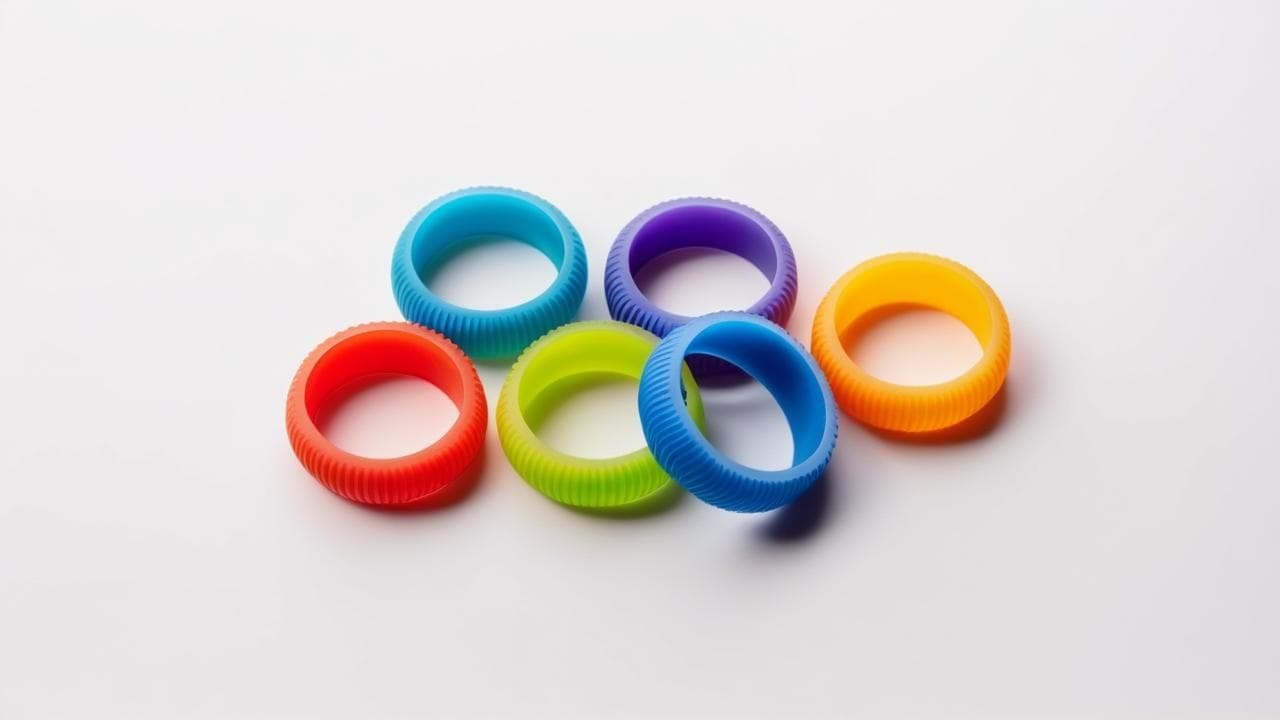
- Silicone Rings: Silicone rings have become particularly popular as alternative wedding bands and everyday rings for active individuals. They offer safety for those working with machinery or equipment where metal rings could cause injuries through catching or “ring avulsion.” They come in various widths, colors, and designs, from simple bands to intricate patterns, and are particularly appreciated by athletes, mechanics, healthcare workers, and outdoor enthusiasts.
- Silicone Bracelets and Wristbands: Originally popularized by awareness campaigns like the Livestrong movement, silicone wristbands have evolved into fashion accessories and personalized items. They’re customizable with colors, text, and designs, making them popular for events, promotions, and personal expression. Their comfort and durability make them suitable for everyday wear.
- Silicone Necklaces and Pendants: These pieces offer lightweight alternatives to traditional metal necklaces. They’re popular for active lifestyles as they don’t weigh the wearer down during movement and won’t cause injury if caught on something. Many styles include breakaway features for added safety.
- Silicone Body Jewelry: Silicone is commonly used for body piercing jewelry, particularly for stretched earlobes (plugs and tunnels), as well as retainers for other piercings. They’re lightweight, reducing strain on pierced areas, and their flexibility allows them to accommodate swelling and movement better than rigid materials.
- Silicone Earrings: These lightweight alternatives to metal earrings are ideal for sensitive ears or active lifestyles. They don’t pull on earlobes like heavier materials and come in endless color options and designs.
- Children’s Silicone Jewelry: Specifically designed to be safe for children, these pieces are free from small parts and harmful chemicals, making them appropriate toys and accessories for younger wearers. They’re often designed with bright colors and fun shapes.
- Teething Jewelry: A specialized category designed for parents of teething babies, these pieces allow babies to safely chew on the jewelry while the parent wears it, providing relief for sore gums while being stylish for the parent.
The range of silicone jewelry continues to expand as designers experiment with new techniques and combinations of materials. Many pieces now incorporate other elements like metal accents, gems, or fabric to create hybrid designs that offer both the practical benefits of silicone and the aesthetic appeal of traditional jewelry materials. This versatility has helped silicone jewelry transition from purely practical alternatives to fashion-forward accessories in their own right.
Silicone Jewelry Benefits
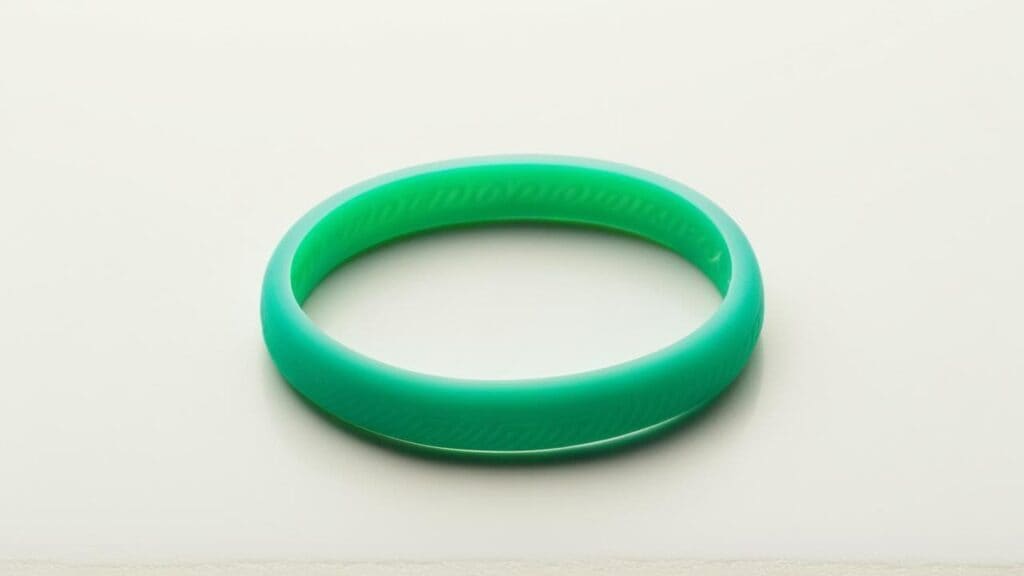
Silicone jewelry offers a remarkable array of advantages that have contributed to its growing popularity across various demographics. From practical considerations like safety and durability to lifestyle compatibility and affordability, silicone provides solutions to many common issues associated with traditional jewelry materials. These benefits make silicone a compelling choice for many situations where conventional jewelry might present challenges.
- Safety Features: Perhaps the most significant benefit is the safety silicone provides. Unlike metal rings that can cause serious injuries like ring avulsion (when a ring catches on something and tears off skin and tissue), silicone rings break away under pressure, preventing potential finger injuries or amputations. This makes them ideal for anyone working with machinery, tools, or in active environments.
- Comfort and Flexibility: Silicone jewelry is extremely lightweight, reducing strain on pierced areas or fingers. Many wearers report forgetting they’re even wearing silicone jewelry due to its comfortable fit and flexibility that moves naturally with the body. This makes it ideal for long-term daily wear.
- Hypoallergenic Properties: Silicone doesn’t rust and won’t cause skin discoloration like copper and nickel often do. It’s generally well-tolerated by those with metal allergies or sensitivities, making it accessible to people who struggle with reactions to traditional jewelry metals.
- Durability in Various Conditions: Silicone jewelry can be fully submerged in water without damage and holds up well to sweat, making it perfect for athletes, swimmers, and active individuals. It also doesn’t get uncomfortably cold in winter like metal jewelry can.
- Cost Effectiveness: Quality silicone jewelry is significantly more affordable than precious metals, allowing for multiple pieces or replacements at a fraction of the cost of traditional jewelry. This makes it practical for those who enjoy frequently changing their accessories.
- Versatility: Silicone jewelry works well in nearly any environment – from professional settings to outdoor adventures. It can be worn during activities where traditional jewelry would need to be removed, such as swimming, working out, or manual labor.
- Style Options: Modern silicone jewelry comes in virtually unlimited colors, patterns, and designs, allowing for personalization and fashion expression without sacrificing functionality. Some pieces can even change color under different conditions or feature embedded designs.
- Low Maintenance: Silicone jewelry requires minimal care compared to materials like silver that tarnish or need special cleaning solutions. A simple wash with mild soap and water is typically all that’s needed to keep silicone looking new.
- Environmental Considerations: Unlike plastic, silicone doesn’t degrade into microplastics that harm marine life. It’s more resistant to oxidative deterioration, providing a longer-lasting alternative that doesn’t contribute to plastic pollution in oceans.
The combination of these benefits has made silicone jewelry particularly popular among specific groups, including healthcare workers, first responders, athletes, parents of young children, people with active outdoor lifestyles, and those working in industrial environments. However, its appeal continues to broaden as more people discover the practical advantages and aesthetic possibilities of this versatile material.
Who Should Wear Silicone Jewelry?
Silicone jewelry appeals to a diverse range of individuals across various demographics, each drawn to different aspects of its functionality and aesthetic appeal. Understanding who typically chooses silicone jewelry and their motivations can help you determine if it might be right for your lifestyle and preferences. The growing popularity of silicone pieces reflects how this material addresses specific needs that traditional jewelry often cannot.
- Active Individuals and Athletes: Fitness enthusiasts, runners, swimmers, weightlifters, and other athletes often choose silicone jewelry because it stays comfortable during intense physical activity. It doesn’t pinch, catch, or irritate skin during movement and remains secure even during vigorous exercise or water sports.
- People with Hands-On Professions: Tradespeople, healthcare workers, mechanics, chefs, and others who work extensively with their hands appreciate silicone rings as safer alternatives to metal. The risk of ring avulsion injuries is virtually eliminated as silicone breaks away under pressure instead of catching and causing trauma.
- Individuals with Metal Allergies: People who experience skin irritation, rashes, or allergic reactions to metal jewelry find relief with hypoallergenic silicone options. The non-reactive nature of silicone makes it suitable for those with sensitive skin or specific metal sensitivities like nickel allergy.
- Outdoor Enthusiasts: Hikers, campers, climbers, and others who spend significant time outdoors prefer silicone jewelry that won’t be damaged by exposure to elements or require special care in rugged conditions. Silicone withstands sun, water, dirt, and temperature fluctuations without degrading.
- Parents of Young Children: Silicone jewelry is popular among parents because it won’t scratch or injure children during play or caregiving. Specialized silicone teething jewelry allows babies to safely chew on necklaces or bracelets while being worn, providing teething relief without sacrificing style.
- Minimalists and Practical Individuals: Those who prioritize functionality over luxury or traditional status symbols often appreciate silicone’s practical benefits, low maintenance requirements, and reasonable price point compared to precious metals and gemstones.
- Fashion-Forward Individuals: As silicone jewelry designs become more sophisticated and diverse, trend-conscious consumers choose these pieces for their unique aesthetic qualities, bold colors, and ability to complement various outfits without the cost of multiple fine jewelry pieces.
- Travelers and Adventure Seekers: People who travel frequently choose silicone jewelry to avoid drawing attention to valuable pieces or risking loss of expensive items. Silicone provides a practical alternative that won’t set off metal detectors and doesn’t require special security precautions.
- Environmentally Conscious Consumers: Those concerned about traditional jewelry mining practices and environmental impact may choose silicone as a more sustainable alternative to mined metals and gems. Silicone is made primarily from abundant silica (sand) and doesn’t contribute to the environmental degradation associated with metal mining.
The appeal of silicone jewelry continues to grow as manufacturers develop increasingly sophisticated designs and techniques. While initially adopted primarily for practical reasons, silicone jewelry has evolved to become a legitimate fashion choice in its own right, with some designers creating high-end silicone pieces that rival traditional jewelry in visual appeal. This versatility has helped silicone transition from a purely functional alternative to an intentional style choice for many jewelry wearers across various age groups and lifestyles.
How to Care for Silicone Jewelry
Silicone jewelry offers exceptional durability and longevity when properly maintained. Fortunately, caring for silicone pieces requires minimal effort compared to many traditional jewelry materials. Following these simple guidelines will help keep your silicone jewelry looking its best and extend its useful life, ensuring you continue to enjoy both its aesthetic appeal and practical benefits for years to come.
- Regular Cleaning: Clean your silicone jewelry regularly with mild, fragrance-free antibacterial soap and warm water. This simple routine prevents buildup of oils, dirt, and bacteria that can accumulate from daily wear. Gently rub the piece with your fingers while cleaning to remove any residue from skincare products or natural skin oils.
- Thorough Drying: After washing, dry your silicone jewelry completely before wearing or storing it. Pat it dry with a soft cloth and allow it to air dry fully to prevent moisture buildup that could potentially harbor bacteria, especially important for body jewelry.
- Avoid Harsh Chemicals: Protect your silicone jewelry from exposure to harsh cleaning products, solvents, alcohol, and hydrogen peroxide, which can damage the material over time. These substances can cause erosion or create micro-pockets in the silicone that may harbor bacteria.
- Periodic Deep Cleaning: For more thorough cleaning, especially for pieces worn daily, consider occasionally boiling silicone items (except those with metal components or gems) for 3-5 minutes to sanitize them completely. Allow them to cool before handling.
- Storage Considerations: Store silicone jewelry in a cool, dry place away from direct sunlight, which can potentially fade colors over extended periods. Unlike metal jewelry, silicone pieces can be stored together without risk of scratching or damaging each other.
- Remove During Certain Activities: While silicone is extremely durable, remove your silicone jewelry when applying lotions, perfumes, essential oils, or sunscreen to prevent chemical buildup. Some concentrated oils and chemicals can potentially affect silicone over time.
- Inspect Regularly: Periodically check your silicone jewelry for signs of wear, including small tears, stretching, or discoloration. Address minor issues early to prevent further damage and replace pieces that show significant deterioration.
- Refresh with Light Oiling: Occasionally apply a very light dab of moisturizing oil to keep silicone jewelry looking new and prevent it from drying out. Use only food-grade or skin-safe oils and apply sparingly.
- Prevent Prolonged Compression: Avoid storing silicone rings or bracelets in compressed positions for extended periods, as this can potentially cause the material to become misshapen. Store rings on a ring holder or flat surface rather than crumpled in a drawer.
- Gentle Handling for Special Designs: For silicone jewelry with intricate details, textures, or additional components like embedded designs or metal elements, take extra care during cleaning to preserve these features. Use a soft brush for cleaning textured areas.
One of the major advantages of silicone jewelry is its resilience and easy maintenance compared to precious metals and gemstones. There’s no need for specialized jewelry cleaners, polishing compounds, or professional servicing. With minimal care, most silicone jewelry items can maintain their appearance and structural integrity for years, making them not only a convenient choice for everyday wear but also a cost-effective investment compared to traditional jewelry that might require more intensive care routines and occasional professional maintenance.
Silicone Jewelry Customization
The versatility of silicone as a jewelry material offers extraordinary potential for customization, allowing for personal expression and unique designs that might be prohibitively expensive or technically challenging with traditional materials. This adaptability has contributed significantly to silicone jewelry’s rising popularity, as it gives wearers the opportunity to create pieces that truly reflect their individual style, interests, or meaningful connections.
- Color Variety: Silicone jewelry can incorporate both gel-based and powder dyes to achieve virtually any color imaginable. From subtle neutral tones to vibrant neons, the color possibilities are unlimited, allowing for perfect matches to team colors, company branding, or personal preferences.
- Multi-Color Designs: Advanced manufacturing techniques allow for marbled effects, color layering, swirl patterns, and multi-tone designs that create visually striking pieces. These can include gradient effects or sharp contrasts between different colored sections.
- Texture and Pattern Options: Silicone jewelry can be molded with various surface textures, from smooth and polished to intentionally textured for grip or visual interest. Patterns can include geometric designs, nature-inspired textures, or custom surface effects.
- Embedded Elements: Modern silicone jewelry production can incorporate other materials within the silicone itself, including glitter, metal flecks, fabric, or even encapsulated objects like dried flowers or small mementos for truly unique pieces.
- Engraving and Debossing: Personalized text, symbols, or images can be engraved or debossed into silicone jewelry during the manufacturing process. This allows for names, dates, meaningful phrases, or custom designs to be permanently incorporated into the piece.
- Glow-in-the-Dark and Color-Changing: Special additives can create silicone jewelry that glows in darkness or changes color in response to temperature, UV light exposure, or other environmental factors, adding an interactive element to the pieces.
- Size Customization: Silicone’s flexibility in manufacturing allows for easy production of custom sizes, including non-standard ring sizes or bracelet lengths that might be difficult to find in traditional jewelry materials.
- Shape Variations: Beyond standard ring bands or bracelet shapes, silicone can be molded into countless forms, including asymmetrical designs, organic shapes, or representational forms like animals, symbols, or objects that would be complex to achieve in metal.
- Scented Options: Some specialty silicone jewelry incorporates safe fragrances into the material itself, creating pieces that emit subtle scents when worn, adding another sensory dimension to the jewelry experience.
The customization potential of silicone jewelry continues to expand as manufacturing techniques evolve. From mass-produced personalized items to completely bespoke pieces, the flexibility of silicone as a material allows for creativity and personalization at price points that remain accessible compared to custom work in precious metals and gemstones. This combination of affordability and customization has helped silicone jewelry transcend its utilitarian origins to become a legitimate medium for artistic expression and personal storytelling in jewelry form.
Is Silicone Jewelry Eco-Friendly?
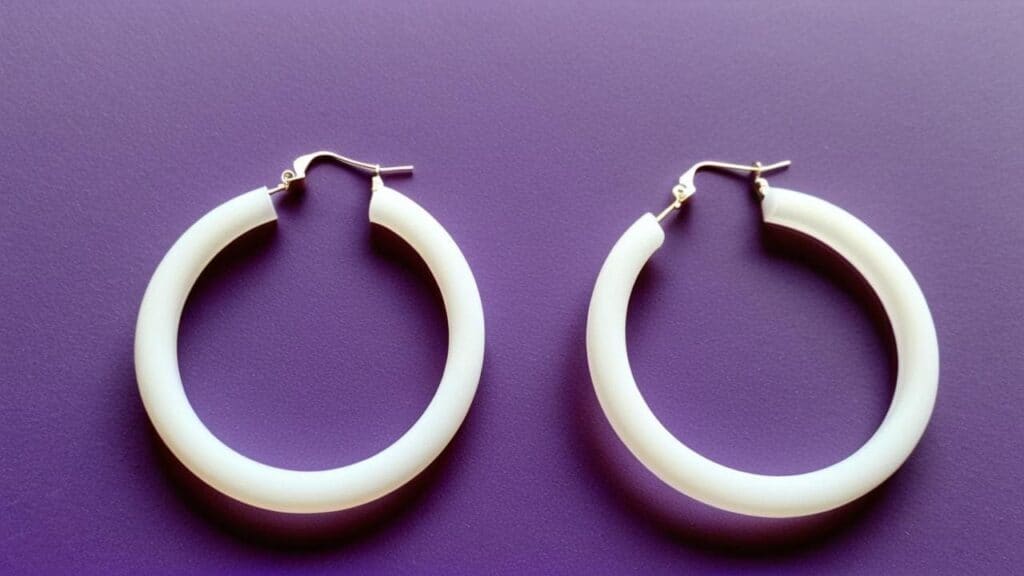
Understanding the environmental impact of silicone jewelry requires looking at its entire lifecycle—from production to disposal—and comparing it to alternative materials. While no jewelry material is entirely without environmental footprint, silicone presents some distinct characteristics that are important to consider when making environmentally conscious purchasing decisions. Its environmental profile offers both advantages and challenges compared to traditional jewelry materials.
- Production Process: Silicone production begins with extracting silicon from silica (sand), which is abundant in nature. The manufacturing process involves heating silica to extremely high temperatures (around 1800°C) and combining it with methyl chloride to create the final silicone material. This process does require significant energy, creating a carbon footprint during production.
- Resource Comparison: Unlike traditional jewelry materials like gold or silver that require extensive mining operations that can devastate landscapes and ecosystems, silicone jewelry uses silica, which is one of Earth’s most abundant resources. This makes its raw material sourcing less environmentally destructive than mining precious metals or gemstones.
- Durability and Longevity: Silicone’s exceptional durability means products typically last much longer than plastic alternatives. This longevity reduces the need for frequent replacements, ultimately creating less waste over time compared to more disposable jewelry options.
- Biodegradability Concerns: Silicone is not biodegradable and can persist in the environment for hundreds of years. However, it doesn’t break down into harmful microplastics like petroleum-based plastics do, which is a significant environmental advantage.
- Chemical Stability: When exposed to environmental conditions, silicone remains chemically stable and doesn’t leach harmful toxins into soil or water systems. This stability makes it safer for ecosystems when improperly disposed of, unlike some metals that can release harmful compounds.
- Recycling Challenges: While silicone is technically recyclable, mainstream recycling programs typically don’t accept it. Specialized silicone recycling facilities do exist but are not widely accessible, meaning most silicone jewelry ultimately ends up in landfills at the end of its useful life.
- Environmental Comparison: When compared to traditional jewelry materials like gold and diamonds, silicone has a significantly lower environmental impact. Traditional mining operations can cause river rerouting, erosion, habitat destruction, and water contamination, while silicone production has comparatively minimal ecosystem disruption.
- Carbon Footprint Balance: According to the Global Silicones Council, the greenhouse gas emissions reductions achieved through silicone products’ use and efficiency can outweigh the impacts of their production and disposal by a factor of 9, suggesting a potentially positive net environmental benefit.
- Manufacturing Improvements: The silicone industry continues to develop more sustainable production methods, including using renewable energy sources for manufacturing processes and creating more recyclable formulations that may improve its environmental profile in the future.
- Conscious Consumer Choices: For environmentally concerned consumers, choosing high-quality silicone jewelry from companies committed to sustainable manufacturing practices and potentially offering take-back recycling programs can minimize the environmental impact of silicone jewelry purchases.
When evaluating silicone jewelry from an environmental perspective, it presents a complex picture with both advantages and disadvantages. It generally offers environmental benefits compared to both precious metals and petroleum-based plastics, particularly regarding resource extraction impacts and chemical leaching. However, its non-biodegradable nature and recycling challenges remain environmental concerns. For consumers prioritizing sustainability, focusing on quality over quantity and selecting pieces designed to last for many years can help minimize the environmental footprint of silicone jewelry choices while still enjoying its practical benefits.
Comparing Silicone to Traditional Jewelry Materials
When considering jewelry options, understanding how silicone compares to traditional materials helps make informed decisions based on your specific needs, lifestyle, and preferences. Each material brings distinct advantages and limitations, making certain options more suitable for particular situations or individuals. This comparison highlights the key differences that might influence your jewelry selection.
- Durability Comparison: While silicone is quite durable for everyday wear, it doesn’t match the longevity of metals like platinum or gold. Silicone may need replacement after several years of heavy use, whereas precious metal jewelry can last for generations when properly maintained. However, silicone withstands certain conditions like exposure to chemicals and moisture better than many metals.
- Comfort and Wearability: Silicone jewelry is significantly lighter than metal alternatives, making it more comfortable for extended wear. Its flexibility allows it to conform to the body’s movements and changes (like minor swelling), whereas metal jewelry maintains a rigid shape that can become uncomfortable during activity or temperature changes.
- Safety Factors: In situations involving machinery, heavy equipment, or electrical work, silicone jewelry offers substantially greater safety than metal. While metal rings can cause serious injuries through electrical conductivity or catching on equipment, silicone’s breakaway nature and non-conductive properties virtually eliminate these risks.
- Allergen Potential: For those with metal sensitivities or allergies, particularly to nickel which is common in many metal alloys, silicone provides a hypoallergenic alternative that rarely causes skin reactions. This makes it accessible to people who cannot comfortably wear traditional metal jewelry.
- Temperature Sensitivity: Unlike metal jewelry that conducts heat and cold (becoming uncomfortably hot in summer or painfully cold in winter), silicone maintains a relatively neutral temperature regardless of environmental conditions, enhancing comfort in extreme weather.
- Aesthetic Considerations: Traditional materials like gold, silver, and gemstones offer a classic, prestigious appearance that silicone cannot fully replicate. While silicone technology has advanced to include metallic finishes and embedded elements, it generally has a more casual, contemporary aesthetic compared to fine jewelry materials.
- Financial Investment: Silicone jewelry represents a fraction of the cost of precious metal pieces, with quality silicone rings typically costing $20-50 compared to hundreds or thousands for gold or platinum equivalents. This makes silicone more accessible and replaceable, though it lacks the investment value of precious metals.
- Maintenance Requirements: Silicone requires minimal maintenance—simple washing with soap and water—compared to silver that tarnishes and requires polishing, or gemstones that may need professional cleaning and inspection to maintain their appearance and security.
- Environmental Impact Differences: Traditional jewelry metals often involve environmentally destructive mining practices, whereas silicone’s primary ingredient is abundant silica (sand). While silicone isn’t biodegradable, it doesn’t contribute to the habitat destruction, water contamination, and social issues sometimes associated with precious metal and gemstone mining.
- Symbolic and Emotional Value: Traditional materials like gold and diamonds carry deep cultural symbolism and historical significance that silicone doesn’t share. For occasions with strong traditional associations, like weddings, this symbolic aspect may influence material choices regardless of practical considerations.
The ideal choice between silicone and traditional jewelry materials ultimately depends on individual priorities and specific usage contexts. Many people find that maintaining a collection that includes both silicone pieces for active or casual scenarios and traditional materials for formal occasions or sentimental purposes provides the best of both worlds. This hybrid approach allows for appropriate jewelry choices based on the day’s activities, dress code, or practical considerations without compromising either safety or style.
Silicone Jewelry FAQs
As silicone jewelry continues to gain popularity, many consumers have questions about its properties, care, and suitability for various situations. Addressing these common concerns can help you make informed decisions about purchasing and wearing silicone pieces, ensuring they meet your expectations and needs. Here are answers to the questions people frequently ask about silicone jewelry.
Is silicone jewelry safe for sensitive skin?
Yes, quality silicone jewelry is generally hypoallergenic and well-tolerated by people with sensitive skin or metal allergies. Medical-grade silicone is non-toxic, non-porous, and resistant to bacteria growth, making it suitable for extended skin contact even for those with sensitivities. However, as with any material, some individuals with specific silicone allergies may experience reactions.
Can I wear silicone jewelry while swimming or showering?
Absolutely. Silicone jewelry can be fully submerged in water without damage, unlike many traditional jewelry materials. It won’t tarnish, rust, or degrade from exposure to chlorine, salt water, or soaps, making it ideal for water activities and daily wear through all activities.
How long does silicone jewelry typically last?
With proper care, quality silicone jewelry can last for years. Unlike plastic that degrades quickly with temperature changes and cleaning, silicone is resistant to temperature fluctuations, oxidation, and many chemicals. Most manufacturers offer warranties ranging from one year to lifetime guarantees on their silicone products.
Will silicone rings stretch out over time?
Quality silicone rings maintain their shape remarkably well and won’t stretch out with normal wear. Silicone is flexible enough to remain comfortable but won’t shrink or stretch permanently under typical conditions, which is why most manufacturers can confidently offer lifetime warranties on their products.
Can silicone jewelry be worn during medical procedures like MRIs?
Yes, silicone jewelry is non-metallic and therefore MRI-safe. It doesn’t contain ferromagnetic materials that would be affected by the strong magnets used in MRI machines, making it appropriate to wear during imaging procedures where all metal items must be removed.
Is silicone jewelry appropriate for formal occasions?
While traditionally considered casual, modern silicone jewelry designs have become increasingly sophisticated. High-end silicone pieces with metallic finishes or embedded elements can be appropriate for semi-formal settings, though precious metals and gemstones remain the conventional choice for highly formal events.
Can silicone rings be resized?
Unlike metal rings that can be resized by jewelers, silicone rings cannot be altered after manufacturing. However, their flexibility accommodates minor fluctuations in finger size, and their affordability makes replacement with a different size more practical than resizing would be.
Is silicone jewelry environmentally friendly?
Silicone occupies a middle ground environmentally. It’s more eco-friendly than plastic as it’s made primarily from silica (sand) rather than petroleum, doesn’t break down into microplastics, and lasts much longer. However, it’s not biodegradable and has limited recycling options currently available.
Can I sleep wearing silicone jewelry?
Yes, silicone jewelry is generally comfortable and safe to wear while sleeping. Its flexibility and lightweight nature make it less noticeable than metal jewelry, and it won’t catch on bedding or cause discomfort if you roll onto it during sleep.
Does silicone jewelry look “cheap” compared to metal?
The appearance of silicone jewelry has evolved significantly. While early silicone rings were plainly distinguishable from metal, modern manufacturing techniques allow for metallic finishes, embedded elements, and sophisticated designs that can be quite attractive. However, they do maintain a different aesthetic than traditional fine jewelry.
Understanding these common considerations can help set appropriate expectations for silicone jewelry purchases. For many people, the practical benefits outweigh any aesthetic differences from traditional materials, particularly for everyday wear or specific activities where metal jewelry would be impractical or unsafe. The growing range of design options also continues to narrow the appearance gap between silicone and traditional jewelry, offering increasingly sophisticated choices for style-conscious consumers.
Where to Buy the Best Silicone Jewelry Online
Finding high-quality silicone jewelry involves knowing what to look for and understanding which retailers specialize in superior products. As with any purchase, not all silicone jewelry is created equal, and quality can vary significantly between manufacturers. This guide will help you identify reputable sources and recognize the hallmarks of well-crafted silicone pieces that will maintain their appearance and performance over time.
- Material Quality Indicators: Look for jewelry made from medical-grade or food-grade silicone, which indicates higher purity levels appropriate for extended skin contact. Quality silicone should be labeled as 100% silicone without fillers or questionable additives that might cause skin reactions or degrade more quickly.
- Manufacturing Standards: Reputable companies clearly state their manufacturing processes and quality control standards. Look for retailers that highlight their testing protocols, material safety certifications, and commitment to consistent production quality rather than those focusing solely on low prices.
- Specialized Silicone Jewelry Retailers: Several companies have built their brands specifically around high-quality silicone jewelry. These specialized retailers typically offer better quality control and more innovative designs than generic accessories stores.
- Warranty Offerings: The best silicone jewelry manufacturers stand behind their products with substantial warranties, often lifetime guarantees. A company confident enough to offer a lifetime warranty typically produces durability-tested, high-quality silicone products that resist degradation.
- Price Considerations: While silicone jewelry is generally affordable compared to precious metals, extremely low-priced options (under $5 for rings, for example) often indicate inferior materials or manufacturing shortcuts. Quality silicone rings typically range from $20-50, with specialized or designer collections potentially higher.
- Customer Reviews and Reputation: Check independent review sites, social media feedback, and consumer forums for authentic customer experiences with specific retailers. Look for comments about durability, comfort during extended wear, and how well products maintain their appearance over time.
- Body Jewelry Specialists: For silicone body jewelry like plugs, tunnels, or retainers, specialized body jewelry retailers typically offer higher quality options than general retailers, with appropriate attention to materials safe for pierced tissue.
- Customization Capabilities: If you’re seeking customized silicone jewelry, look for companies with established personalization processes, quality printing or engraving techniques, and clear examples of their custom work. Quality customized silicone should have crisp, durable personalization that won’t quickly fade or wear away.
- Physical Examination: When possible, physically examine silicone jewelry before purchasing. Quality silicone should have smooth, even coloring without air bubbles, a consistent texture throughout, clean edges without excess material (flashing), and a silky rather than sticky feel.
- Ethical Manufacturing Considerations: Some consumers prioritize ethically manufactured jewelry. Look for companies transparent about their manufacturing locations, labor practices, and sustainability efforts. Quality producers often highlight their ethical production methods and workplace standards.
- Return Policies: Reputable silicone jewelry retailers typically offer reasonable return policies that allow customers to evaluate their purchases. This indicates confidence in product quality and demonstrates respect for customer satisfaction, which are hallmarks of trustworthy businesses.
- Specialty Retailers vs. General Stores: Dedicated jewelry stores (both online and brick-and-mortar) often provide better quality silicone jewelry than general merchandise retailers. These specialized sellers typically have deeper product knowledge and higher quality standards than mass-market stores.
High-quality silicone jewelry is now widely available through various channels, from specialized online retailers to jewelry stores and wellness shops. The market has matured significantly as consumer demand has grown, leading to improved manufacturing standards and greater product variety. When making your purchase, remember that quality silicone jewelry represents a modest investment compared to traditional precious metals, but the durability, comfort, and practical benefits of well-made pieces make them worth seeking out reputable sources. Taking time to research retailers and examine their products carefully will help ensure you select silicone jewelry that meets your expectations for both performance and appearance.
Conclusion
Silicone jewelry offers an exceptional blend of practicality and modern aesthetics, addressing challenges that traditional jewelry materials simply can’t match. From its hypoallergenic properties and safety features to its impressive durability in diverse conditions, silicone provides solutions for active individuals, those with sensitive skin, and anyone seeking comfortable, low-maintenance accessories. The incredible versatility of silicone allows for unlimited colors, textures, and customization options at accessible price points, making it a practical alternative that doesn’t sacrifice style.
While silicone may not replace precious metals and gemstones entirely, its unique benefits have secured its place in the modern jewelry landscape. Quality silicone pieces can last for years with minimal care, providing reliable everyday wear that moves seamlessly between activities—from workplace to workout, water sports to weekend adventures. Whether you’re choosing silicone for safety, comfort, aesthetics, or environmental considerations, this innovative material continues to evolve with increasingly sophisticated designs that bridge the gap between practicality and fashion-forward style.