Creating your own jewelry is a rewarding hobby that lets you express creativity while making beautiful, wearable art pieces. The right equipment makes all the difference in your jewelry-making journey. Expensive professional tools aren’t necessary at first - many beginners start with basic sets and gradually add specialized tools as their skills and interests develop. Quality hand tools form the foundation of your jewelry making experience, allowing you to create stunning handmade pieces right from the start.
Essential Hand Tools for DIY Jewelry Making
The foundation of any jewelry making kit starts with quality hand tools that allow you to manipulate, shape, and connect various components. These versatile instruments will handle most of your basic jewelry construction needs and are worth investing in for long-term use. Choosing tools with comfortable grips and proper alignment will prevent hand fatigue during extended creative sessions.
- Round-nose pliers create loops, circles, and curves in wire for making earring hooks, jump rings, and decorative elements. The gradually tapering cylindrical jaws let you form different sized loops depending on where you place the wire. Quality round-nose pliers should have smooth jaws without teeth to prevent marking your wire and should maintain alignment even with repeated use.
- Chain-nose pliers have flat inner surfaces with tapered tips, perfect for gripping small components, opening jump rings, and making precise bends. These are perhaps the most frequently used pliers in jewelry making. Look for models with a comfortable grip and a spring mechanism that automatically reopens the pliers after each use, reducing hand fatigue during extended work sessions.
- Flat-nose pliers feature wide, flat jaws that provide maximum grip surface, ideal for holding larger pieces steady, creating sharp angles in wire, and flattening crimps. The squared edges allow for crisp, 90-degree bends in wire and metal, and they’re essential for firmly holding components while you work with a second tool on the same piece.
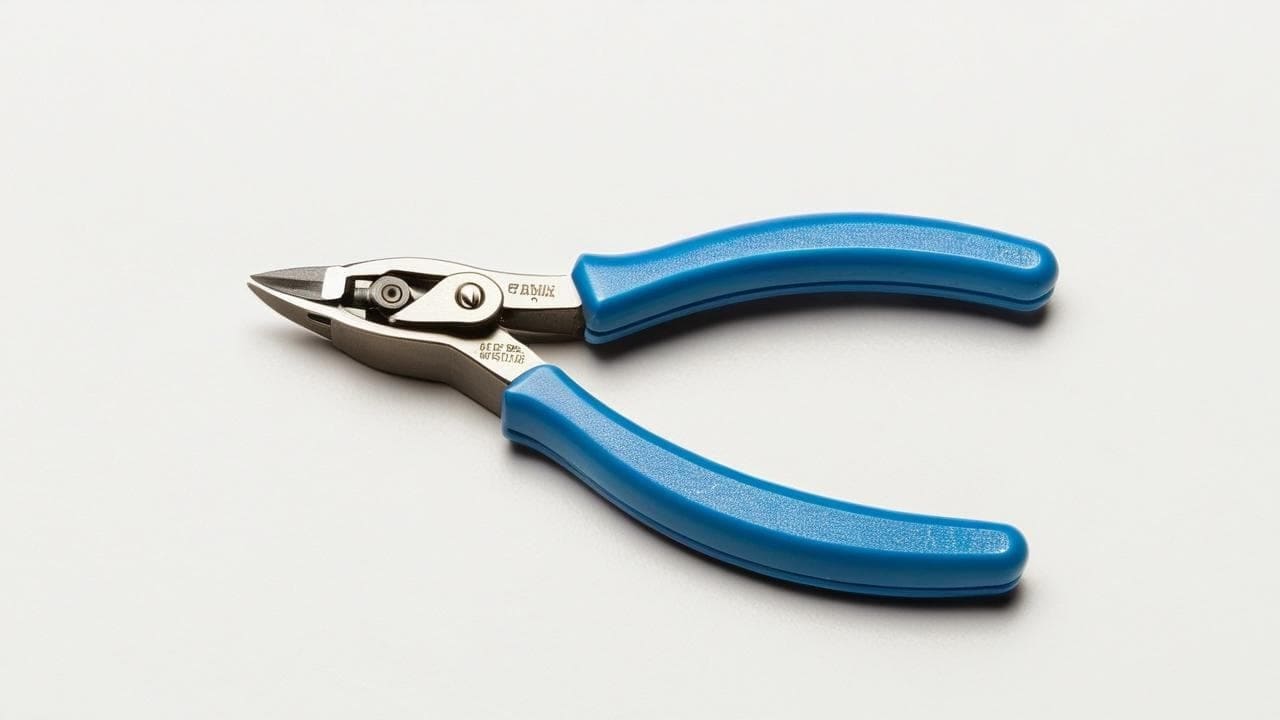
- Flush cutters deliver clean cuts on wire, headpins, and eye pins without leaving sharp edges. Quality cutters will create a flat cut on one side, allowing precise trimming close to your work. The cutting edges should be made from hardened steel that maintains sharpness through repeated use, and the handles should provide enough leverage to cut through thicker wire without straining your hands.
- Crimping pliers have specially designed notches that properly compress crimp beads in two steps – first folding and then rounding them – creating secure, professional-looking connections. The front notch folds the crimp in half, while the back notch rounds it into a neat barrel shape that resembles a manufactured finding rather than a flattened bead.
- Nylon-jaw pliers feature plastic or nylon-coated jaws that prevent scratching on delicate metals and finished pieces. Essential when working with soft metals like gold or silver, these pliers allow you to firmly grip and manipulate components without leaving marks or dents that would require additional finishing to remove.
- Memory wire cutters are heavy-duty cutters specifically designed to cut hardened steel memory wire without damaging regular wire cutters. Standard jewelry cutters will be damaged if used on memory wire because memory wire is significantly harder than craft wire or even sterling silver. These specialized cutters have reinforced cutting edges that can withstand the extreme hardness of memory wire.
These hand tools will be the workhorses of your jewelry-making studio, used in almost every project you undertake. Quality matters with these everyday tools, as they directly affect the precision and professional appearance of your finished pieces. While good tools can be an investment, they typically last for years with proper care. Many jewelers find that ergonomic handles and spring-loaded mechanisms help prevent hand fatigue during lengthy creative sessions.
Essential Measurement Tools for DIY Jewelry Making
Accurate measurements ensure your jewelry pieces fit properly and maintain consistent sizing across your designs. Precision tools help you achieve professional results by allowing exact component placement and consistent dimensions. These tools become increasingly important as you progress from basic to more complex jewelry designs.
- Metal ruler or measuring tape with both metric and imperial measurements is essential for accurate sizing of components, chains, and finished pieces. Metal rulers won’t warp over time like plastic ones and provide a straight edge for marking or cutting. Look for rulers with etched rather than printed measurements, as printed markings wear off with use, and choose ones with clear, fine increments for precise jewelry work.
- Ring mandrel is a tapered metal rod marked with standard ring sizes used for measuring, sizing, and shaping rings. Steel mandrels are more durable than wooden ones and can withstand hammering directly on them when shaping metal. Quality mandrels are precisely calibrated to ensure accurate sizing and have clearly marked size indicators that won’t wear off with repeated use.
- Bracelet mandrel provides a standardized form for shaping bracelet components and ensuring proper sizing. These come in various shapes from round to oval to accommodate different wrist shapes and anatomical variations. Some bracelet mandrels are adjustable, allowing you to create custom sizes for specific clients, while others feature multiple circumference measurements to create standard sizes.
- Digital calipers precisely measure the thickness of wire, beads, and other components down to fractions of a millimeter. Crucial when matching components from different suppliers, digital calipers provide instant, accurate measurements and can switch between metric and imperial systems with the push of a button. Look for models with both inside and outside measurement capabilities for maximum versatility.
- Bead sizers are cards or gauges with holes of standard sizes to accurately measure beads and pearls. Essential for creating symmetrical designs, these tools ensure consistency when working with natural materials that vary in size. Professional bead sizers include measurements in both millimeters and industry-standard size names, allowing you to accurately order replacement beads or match components.
- Wire gauge tool accurately measures wire thickness, helping you select the appropriate wire for your project. Different gauges of wire have different strengths and flexibility, directly affecting how your finished piece performs. A quality wire gauge includes both AWG (American Wire Gauge) and millimeter measurements, with notches precisely calibrated to standard sizes used in jewelry making.
- Ring sizer set includes plastic or metal rings in standard sizes to determine a person’s correct ring size before creating a custom piece. Far more accurate than printable ring sizers, a professional set includes half sizes and international conversions, allowing you to create properly fitted rings for any client. Metal ring sizers provide the most accurate representation of how a finished ring will feel on the finger.
Precision tools elevate your jewelry making from casual crafting to professional-quality creation. These instruments ensure consistency across pieces and can help troubleshoot when components don’t fit together as expected. While beginners might start with just a ruler and ring mandrel, adding specialized measurement tools becomes necessary as you tackle more complex projects requiring precise dimensions and fits.
Organizing Your Jewelry Making Station
A properly organized workspace dramatically improves your jewelry-making efficiency and enjoyment. Creating a dedicated area with good lighting and proper organization not only makes the creative process more pleasant but also prevents loss of tiny components and protects your tools and materials from damage. A thoughtful workspace setup is an investment that pays dividends in productivity and reduced frustration.
- Bead board or design board features channels and compartments to lay out your design before assembly, keeping components organized and preventing beads from rolling away. Professional-quality boards include built-in measuring guides to ensure symmetrical designs, and the flocked surface provides friction that keeps components in place. Some boards even have specialized compartments for findings and multiple stringing channels for complex multi-strand designs.
- Task lighting with adjustable positioning illuminates your work area without shadows, reducing eye strain when working with small components. Look for daylight spectrum bulbs (5000-6500K) that render colors accurately and provide high contrast for detailed work. Adjustable arm lamps let you direct light precisely where needed, while magnifying lamps combine illumination with magnification for working with tiny components.
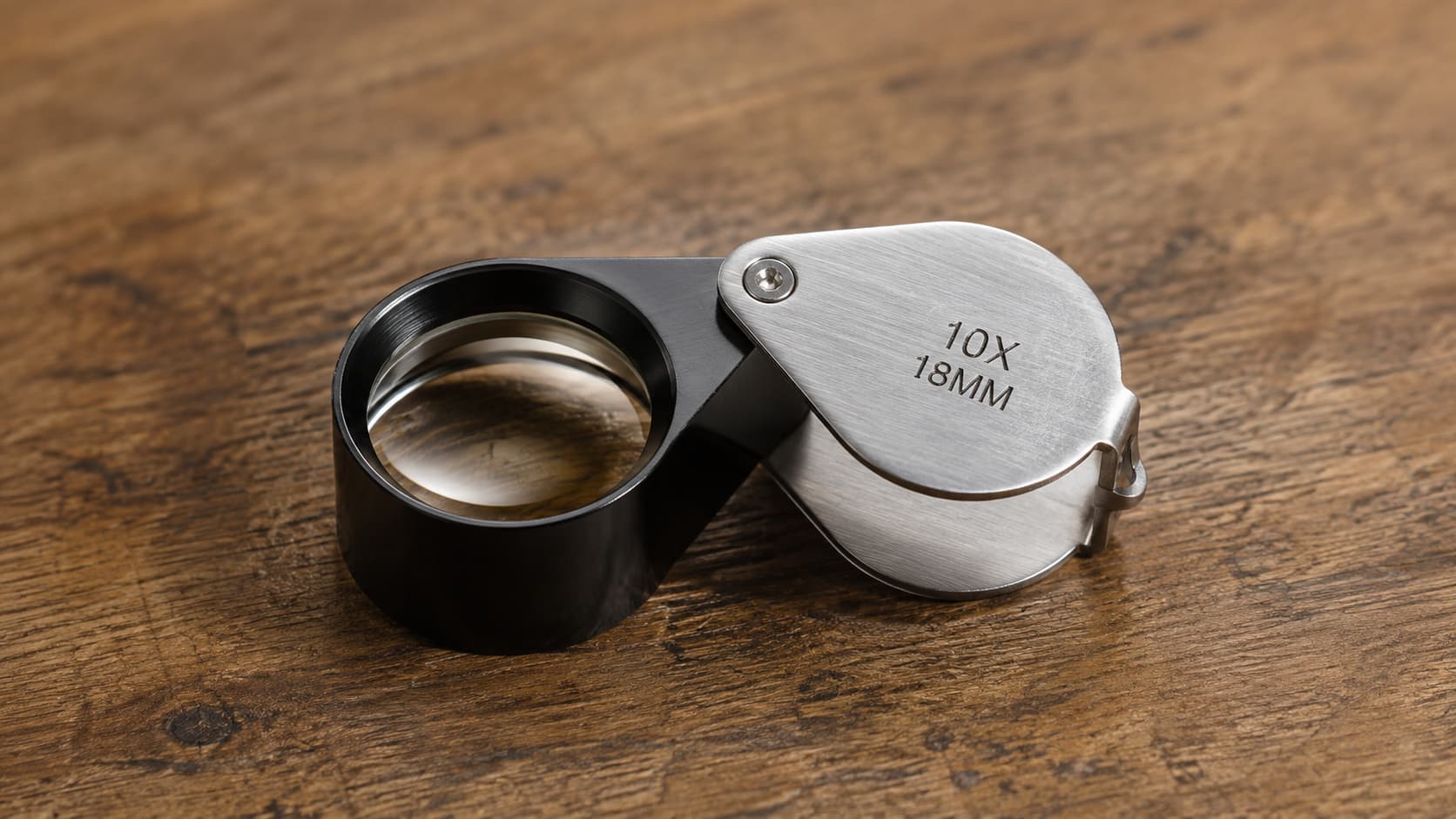
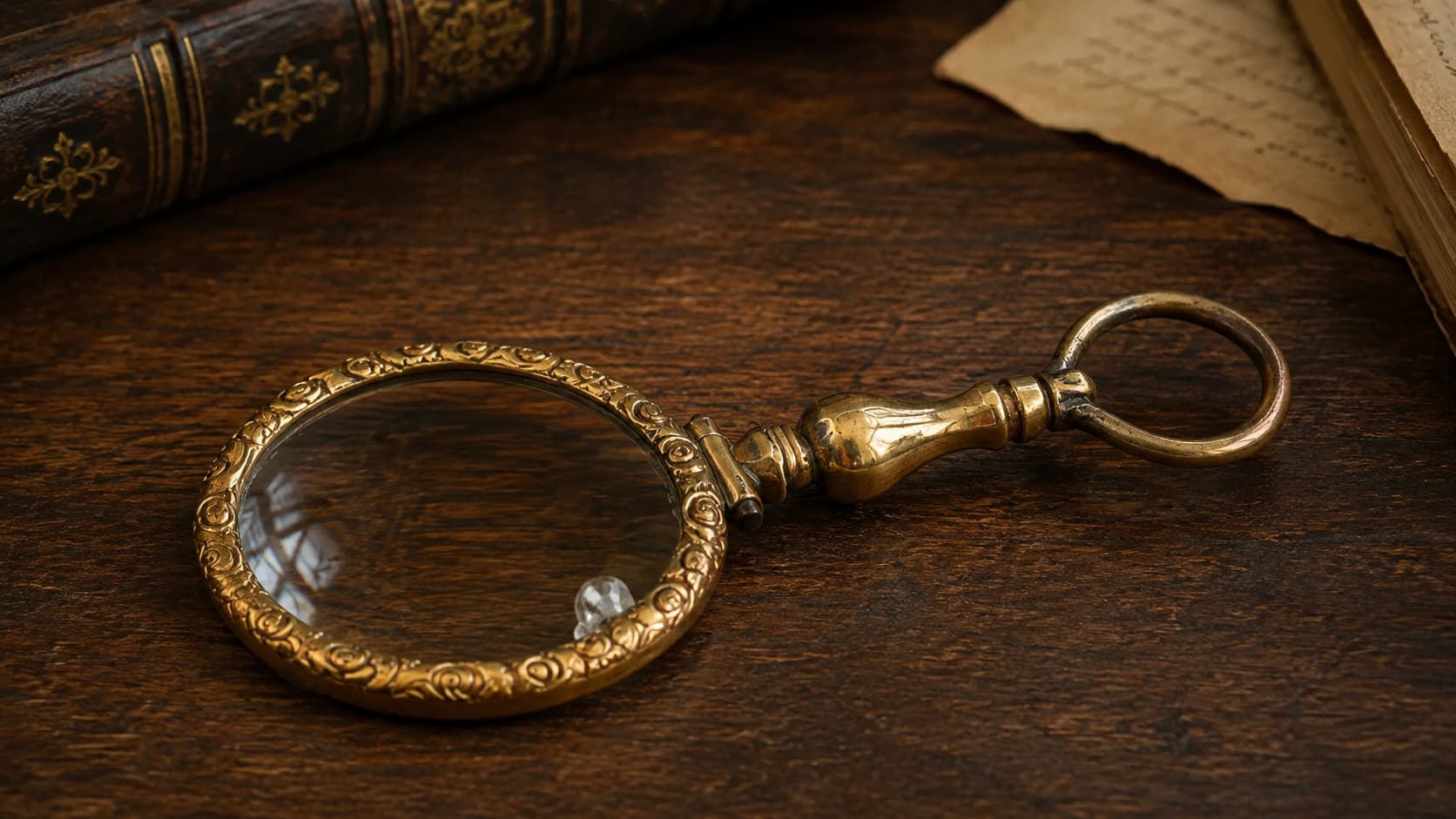
- Magnification tools like magnifying glasses, visors, or desktop magnifiers help when working with tiny components or intricate details. Professional-grade magnifiers offer between 2.5x and 10x magnification, with optical-quality glass that minimizes distortion. Headband-style magnifiers leave both hands free to work, while articulating arm magnifiers can be positioned exactly where needed without taking up space on your work surface.
- Anti-fatigue mat reduces back and leg strain during long periods of standing at your work table. These specialized mats have ergonomically designed cushioning that encourages subtle foot movement, improving circulation and reducing fatigue during extended creative sessions. Quality mats have beveled edges to prevent tripping and non-slip bottoms that keep them securely in place on your floor.
- Bench pin or third-hand tool holds pieces steady while you work on them, functioning as an extra set of hands. Bench pins attach securely to your work surface and provide a notched edge for sawing, filing, or detailed assembly work. Third-hand tools feature adjustable, alligator clips mounted on weighted bases that can be positioned at any angle to hold components precisely where you need them.
- Non-slip mat or bead mat provides a soft working surface that prevents components from rolling away and protects your tools and work surface from damage. Professional-quality mats are made from silicone or microfiber that creates friction to keep beads and findings in place without being sticky. These mats can be easily cleaned with water and prevent marring of delicate components that might be damaged on harder surfaces.
- Small containers and organizers keep findings, beads, and other small components sorted and easily accessible. Clear containers let you see contents without opening, saving time during project assembly. Stackable containers maximize storage efficiency, while organizers with removable dividers can be reconfigured as your component collection grows. Look for containers with secure closures that prevent accidental spills and cross-contamination between compartments.
- Tool rack or stand keeps frequently used tools within easy reach and prevents damage to cutting edges or tips. Vertical stands minimize the footprint on your workspace while keeping tool handles easily accessible. Quality racks include protective features that prevent tools from touching each other, avoiding damage to cutting edges or precision tips that could affect tool performance.
- Dust cover or project box protects in-progress work from dust and accidental disruption between work sessions. Transparent covers allow you to see your project without removing the protection, while shallow project boxes with compartments keep partially assembled components organized exactly as you left them. This protection is essential for multi-day projects or when working with adhesives that require undisturbed curing time.
Creating an efficient, comfortable workspace is often overlooked by beginners but becomes increasingly important as you develop your skills. A well-planned jewelry making station reduces frustration, prevents lost components, and allows you to focus on creativity rather than searching for misplaced tools or materials. Consider how your work naturally flows and arrange your space to minimize reaching or awkward positions that could lead to repetitive strain injury during extended sessions.
Essential Specialty Tools for Beginning Jewelry Designers
Beyond the basic tools, several specialty instruments make specific jewelry-making techniques easier and more precise. These tools are designed for particular functions and can significantly improve your results with certain types of projects. While not essential for every beginner, these tools become valuable as you explore different jewelry styles and techniques.
- Jump ring opener tool holds jump rings steady and properly aligned while opening and closing them, preventing distortion and ensuring clean connections. Unlike using two pairs of pliers, this dedicated tool maintains the circular shape of jump rings by opening them with a sideways motion rather than pulling ends apart. Quality openers have ergonomic handles and precision-machined heads that fit standard jump ring sizes from 3mm to 10mm.
- Bead stoppers temporarily attach to the ends of stringing materials to prevent beads from falling off during design and assembly. These rubber-tipped clamps save tremendous frustration when working with multiple strands or when you need to set aside a project temporarily. Professional-quality stoppers have strong, non-marring clamps that won’t damage delicate threads and compact designs that don’t add unnecessary bulk to your work area.
- Bead reamer enlarges or smooths the holes in beads that are too small or have rough edges that might damage your stringing material. Essential when working with natural stone beads, which often have irregularly drilled or rough-edged holes. Quality reamers include multiple diamond-coated bits in different sizes and shapes, allowing you to gradually enlarge holes without cracking valuable beads.
- Bead spinner rapidly loads seed beads onto needle and thread, saving enormous time on heavily beaded projects. This ingenious tool uses centrifugal force to automatically align beads with your needle, allowing you to pick up dozens of beads in seconds rather than individually stringing them. Professional-quality spinners have stable bases, smooth bearings for consistent rotation, and interchangeable bowls for different bead sizes.
- Wire jig creates consistent wire shapes and patterns using a pegboard system. Allows you to replicate exact shapes for earring pairs or component series by positioning metal pegs in specific configurations. Professional jigs include multiple peg sizes, precise measurement markings, and sturdy bases that remain stable during wire forming. This tool transforms wire wrapping from freehand approximation to precise, reproducible results.
- Hole punch pliers create precise holes in metal sheet, leather, or other materials without distortion. Various sizes are available for different project needs, from tiny 1mm holes for jump rings to larger sizes for decorative elements. Quality punches have hardened steel cutting surfaces that maintain sharpness through hundreds of uses and alignment features that ensure clean, consistent holes without tearing or distorting surrounding material.
- Polishing cloth specially treated fabric that cleans and removes tarnish from metal components and finished jewelry. Professional cloths contain fine abrasives and anti-tarnish compounds that restore luster to precious metals without scratching their surface. The inner cloth typically removes tarnish, while the outer cloth buffs the metal to a high shine, extending the time between major cleanings and maintaining your jewelry’s appearance.
- Thread burner seals the ends of synthetic threads with a quick touch of heat, preventing fraying without bulky knots. This precision tool creates a small, neat finish that’s nearly invisible in your completed piece, unlike the bulky appearance of knotted thread ends. Quality thread burners maintain a consistent temperature that melts thread without burning it, creating strong, smooth seals that won’t unravel over time.
- Cord cutter provides clean cuts on thicker materials like leather, suede, or heavy cord that regular wire cutters can’t handle. These specialized scissors have micro-serrated blades that grip slippery materials while cutting, preventing fraying and ensuring professional-looking ends. Quality cord cutters maintain sharpness through hundreds of cuts and have comfortable handles that provide the leverage needed for thick materials.
- Knot hider or crimp cover creates a professional finish by concealing knots or crimps under decorative metal covers. These components transform the functional elements of your jewelry into design features, elevating the overall appearance of your piece. Available in various metals, sizes, and decorative styles, these finishing components are the difference between obviously handmade and professionally finished jewelry.
These specialty tools solve specific problems in the jewelry-making process and often represent the difference between professional-looking results and obviously handmade pieces. While you don’t need all of these tools right away, adding them to your collection as you encounter the techniques they support will significantly improve your efficiency and results. Many beginners find that specialty tools for their preferred jewelry style are worth the investment once they move beyond their first few projects.
Essential Safety Tools for DIY Jewelry Making
Jewelry making involves working with sharp tools, small particles, and sometimes chemicals, making proper safety equipment essential. Protecting yourself from potential hazards ensures that your creative journey remains enjoyable and injury-free. Even simple projects can present unexpected risks, so developing safety habits early is important for long-term jewelry making success.
- Safety glasses or protective eyewear shield your eyes from flying metal snips, splashing chemicals, or airborne particles when cutting or filing. Look for glasses that meet ANSI Z87.1 safety standards, which provide both impact and peripheral protection. Wraparound styles offer the best protection, and if you wear prescription glasses, consider models designed to fit over them or prescription safety glasses for frequent use.
- Dust mask or respirator protects your lungs when working with processes that create dust or fumes, such as filing, sanding, or using certain adhesives. For basic dust protection, an N95-rated mask filters 95% of airborne particles. For chemical vapors or soldering fumes, use a respirator with appropriate cartridges rated for the specific hazards you’re working with. Proper fit is essential—the mask should create a seal against your face.
- Heat-resistant gloves protect hands when working with hot tools like soldering irons or when using a torch for metal work. Kevlar or leather gloves designed specifically for jewelry work offer protection while maintaining enough dexterity for precision tasks. Some gloves feature silicone-coated fingertips that can briefly handle hot objects directly, while others are designed to protect from radiant heat while using tools.
- Finger guards or thimbles protect fingers from sharp wire ends, needle pricks, or tool slips during intricate work. Metal or leather guards offer the best protection and are available in various sizes to fit different fingers. Some are designed for specific tasks, like special wire-working thimbles with grooves that hold wire in place while you work, reducing both injury risk and frustration.
- Fire-resistant work surface provides protection when using heat tools, preventing damage to your workspace and reducing fire risk. Ceramic tiles or special soldering pads designed for jewelry work can withstand high temperatures without damage. Quality soldering surfaces include heat-reflective materials that direct heat back toward your project, improving efficiency and reducing the working temperature needed.
- Ventilation system or fan removes harmful fumes or particles from your workspace, especially important when soldering, using chemicals, or creating dust. Professional ventilation systems draw air away from your breathing zone and filter it before recirculation or exhaust. Even a simple fan positioned to blow across your work area (away from your face toward an open window) significantly reduces exposure to airborne hazards.
- First aid kit specifically stocked for jewelry-making injuries including burns, cuts, and chemical exposure. Include eye wash, burn treatment, and appropriate bandages. Add specific items for jewelry-related emergencies, like burn gel with lidocaine for soldering accidents and chemical neutralizers for acids used in metal cleaning. Place this kit within easy reach of your work area and check regularly that supplies are unexpired and complete.
- Fire extinguisher rated for electrical and chemical fires should be kept within easy reach of your workspace. Look for an ABC-rated extinguisher that handles multiple fire types, including flammable liquids and electrical fires common in jewelry studios. Learn how to use it before an emergency occurs—the PASS method (Pull, Aim, Squeeze, Sweep) is the standard procedure for operating most fire extinguishers effectively.
Safety equipment might not be the most exciting part of your jewelry-making toolkit, but it’s arguably the most important. Developing good safety habits from the beginning prevents accidents and protects your health for years of creative enjoyment. Most safety equipment is relatively inexpensive compared to the cost of tools and materials, making it a worthwhile investment in your long-term well-being. Remember that different techniques require different protective equipment, so research the safety requirements for new processes before attempting them.
Money-Saving Tool Alternatives for Jewelry Making Beginners
Getting started in jewelry making doesn’t have to break the bank. Many household items can substitute for specialized tools, especially when you’re just beginning. These creative alternatives allow you to explore the craft before investing heavily in professional equipment. Starting with these alternatives helps you determine which techniques you enjoy most before committing to specialized tools.
- Nail clippers can substitute for wire cutters when working with thin, soft wire in a pinch. While not ideal for precision cutting or hardened wire, they can cut craft wire up to 24 gauge for simple projects. The curved cutting edge can even provide a cleaner cut than dull scissors, though they’ll eventually lose their edge if used regularly on wire.
- Household needle-nose pliers from your toolbox can temporarily replace jewelry-specific pliers for basic tasks. To prevent marring soft metals, wrap the jaws with masking tape or use a small piece of leather between the pliers and your work. The tape not only protects your materials but also provides additional grip for small components.
- Emery boards or nail files work well for smoothing rough wire ends or metal edges instead of purchasing specialized jewelry files. Diamond nail files are particularly effective for metal work, while paper emery boards work well for softer materials. Use different grits progressively for a professional finish—start with coarser grits and move to finer ones for polishing.
- Drinking straws cut into segments make excellent bead organizers for in-progress projects, keeping beads in order when stringing complex patterns. Simply thread your beads onto the straw segments in the desired order, then transfer them to your stringing material one section at a time. This method is particularly useful for symmetric designs where maintaining pattern sequence is crucial.
- Plastic food containers with dividers substitute for specialized bead organizers at a fraction of the cost. Pill organizers, tackle boxes, and sectioned food storage containers all work well for sorting small components. Label each compartment with the size, color, or type of finding for efficient project assembly.
- Desk lamp or clip-on reading light provides adequate task lighting for beginners before investing in specialized jewelry lighting. Position the light to shine from the side or slightly above your work area to minimize shadows. If possible, replace standard bulbs with daylight-spectrum bulbs (5000-6500K) for better color accuracy.
- Old towels or pillowcases laid over your work area catch rolling beads and protect components from getting lost, similar to commercial bead mats. The slight texture of fabric creates enough friction to keep beads from rolling while providing a soft surface that won’t damage delicate components. Dark-colored fabrics make light-colored beads easier to see.
- Kitchen measuring spoons can be used to hold and sort small components during assembly. The different sizes are perfect for separating tiny findings like jump rings or head pins, and their curved shape keeps components from sliding out. This solution is particularly useful when working with mixed components for a single project.
- Bobby pins work as temporary bead stoppers to prevent beads from sliding off stringing material during design and assembly. Simply bend the pin slightly more open, slide it over your stringing material, and squeeze it gently closed. The coated tips won’t damage most stringing materials, though they should be used cautiously with delicate threads.
While these alternatives can get you started, they generally lack the precision and efficiency of proper jewelry tools. For tools you’ll use frequently, such as wire cutters and round-nose pliers, investing in proper jewelry-specific versions early makes sense. For occasional-use tools or when testing new techniques, these substitutes can serve adequately until you decide to pursue that style more seriously.
How to Clean and Maintain Your Jewelry Making Tools
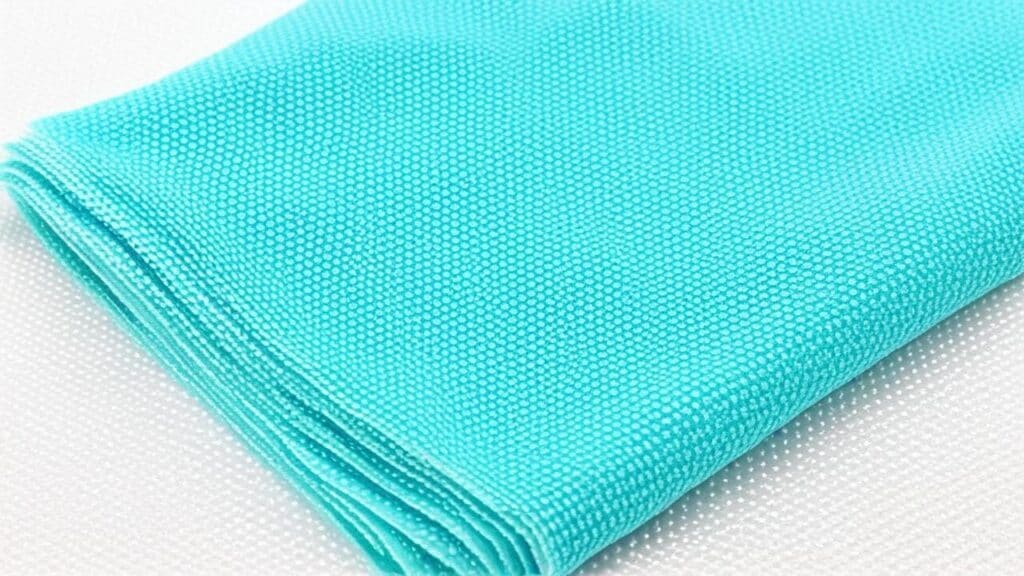
Proper maintenance of your jewelry making tools not only extends their useful life but also ensures consistent, quality results in your projects. Regular care prevents common issues like dulled cutting edges, misaligned jaws, or corroded surfaces that can compromise your work. Establishing good maintenance habits from the beginning saves money in the long run and prevents frustration from poorly performing tools.
- Clean tools after each use by wiping them with a soft cloth to remove metal fragments, adhesive residue, or chemical traces that could corrode metal parts or transfer to future projects. For stubborn residue, use a small amount of isopropyl alcohol on a cloth, being careful to avoid handles with markings that might be affected by solvents. This simple habit prevents cross-contamination between different metals and projects.
- Store cutting tools with protective caps or in separate compartments to prevent damage to the cutting edges. Even slight contact between cutting edges and hard surfaces can create microscopic nicks that affect cutting performance. Purpose-made tool rolls with individual pockets provide excellent protection while keeping tools organized and accessible. For flush cutters, small pieces of cork or foam can protect the cutting edges when not in use.
- Oil moving parts periodically with tool oil or sewing machine oil to maintain smooth operation and prevent rust, especially if you live in a humid environment. Apply a small drop at pivot points and hinges, then work the tool through its range of motion to distribute the oil evenly. Wipe away any excess oil to prevent transfer to your jewelry materials. A regular schedule of oiling every 1-3 months depending on humidity and frequency of use helps maintain optimal performance.
- Sharpen or replace cutting edges when they begin to crush rather than cleanly cut wire. Professional sharpening services can restore many quality tools to like-new condition for less than replacement cost. For precision cutters, however, replacement may be more economical than sharpening once they’ve dulled significantly. Some manufacturers offer resharpening services specifically for their tools, ensuring proper angle and edge quality.
- Check plier jaws regularly for alignment to ensure they meet properly along their entire length. Misaligned pliers can damage wire or components and make precise work difficult. Hold the pliers up to a light source when closed—if you can see light between the jaws, they’re misaligned. Many quality pliers can be realigned by carefully adjusting the pivot screw, though severely misaligned tools may need professional adjustment or replacement.
- Keep tools dry to prevent rust and corrosion, particularly important for carbon steel tools. After cleaning, ensure tools are completely dry before storage. In humid environments, consider storing tools with silica gel packets or other moisture absorbers. For long-term storage, a light coating of protective oil on metal parts provides additional corrosion protection, though this should be thoroughly removed before using the tools on jewelry components.
- Dedicate specific tools to specific metals when possible, as working with harder metals can damage tools more quickly when later used on softer materials. Having separate sets for base metals versus precious metals prevents cross-contamination and extends tool life. At minimum, mark tools used for memory wire or hardened steel to prevent accidentally using them on regular wire and damaging them.
- Remove any rust promptly using fine steel wool and tool oil before it spreads or pits the metal, which would permanently damage the tool. Grade 0000 steel wool with a drop of oil can gently remove surface rust without scratching polished tool surfaces. After rust removal, thoroughly clean the tool to remove all steel wool particles and oil residue, then protect with a fresh, light coating of tool oil.
With proper care, quality jewelry tools can last for decades of creative work. The small amount of time invested in maintenance pays dividends in consistent performance and reduced replacement costs. Developing a routine of checking and cleaning your tools at the end of each jewelry making session helps ensure they’re always ready for your next burst of creativity. For tools that see heavy use, like wire cutters or pliers with intricate mechanisms, budgeting for occasional replacement or professional servicing keeps your toolkit performing at its best.
Specialized Tools for Different Jewelry Making Techniques
Different jewelry styles require specialized tools beyond the basics. As you explore various techniques, you’ll discover tools designed specifically to make those processes easier and more precise. Understanding which tools support your preferred jewelry style helps you invest wisely in equipment that will actually enhance your creative process rather than collecting dust.
- Beading tools include specialized needles, awls, and thread conditioners essential for creating strung jewelry. Beading needles come in various sizes and flexibility levels—flexible beading needles navigate multiple passes through beads for techniques like peyote stitch, while collapsible eye needles allow easier threading and bigger eyes for thicker threads. Thread conditioners such as beeswax or synthetic alternatives strengthen threads and prevent tangling, extending the life of beaded creations.
- Wire wrapping tools include nylon-jaw hammers for hardening wire without marking it, stepped mandrels for creating consistent spirals, and wire straighteners that remove kinks from wire without stretching or damaging it. Quality wire-wrapping toolkits include bail-making pliers that create consistent-sized bails for pendants and loops. Special forming pliers with various jaw shapes create uniform curves, loops, and angles that would be difficult to achieve with standard pliers.
- Metal stamping tools include steel stamps in various designs and letters, specialized hammers with polished striking surfaces, and bench blocks that provide a solid foundation for stamping. Professional-grade stamps are made from hardened tool steel that maintains crisp impressions through thousands of uses. Tape measures with centering scales help position stamps accurately, while practice metals let you perfect your technique before working with precious materials.
- Chainmaille tools include specialized pliers with grooves for specific ring sizes, mandrels for coiling wire into consistent rings, and jaw protectors that prevent marring when opening or closing hundreds of jump rings. Specialized tools like jump ring openers dramatically speed up the process of creating chainmaille, while pattern boards with precisely positioned pins help maintain complex weave patterns during assembly. Despite being an ancient technique, modern tools have made chainmaille far more accessible to hobbyists.
- Metalsmithing tools range from basic files and hammers to specialized equipment like rolling mills and polishing motors. Beginning metalsmiths need jeweler’s saws with adjustable frames for different blade lengths, various files for shaping metal, and basic forming tools like dapping blocks for creating domed shapes. Safety equipment becomes particularly important for metalsmithing, including proper ventilation for soldering and eye protection for hammering and filing operations.
- Polymer clay tools include pasta machines for conditioning clay and creating even sheets, texture sheets for imprinting patterns, and specialized slicing tools for creating precise canes and beads. Dedicated work surfaces prevent contamination of clay with dust or other materials, while graduated tissue blades create clean cuts without distorting the clay. Temperature-controlled ovens ensure proper curing without color changes or bubbling that can occur at incorrect temperatures.
- Resin jewelry tools include precise measuring cups for proper hardener-to-resin ratios, silicone molds in various shapes, and pressure pots or vacuum chambers that remove bubbles for crystal-clear results. Heat guns or small torches remove surface bubbles before curing, while specialized colorants designed for resin create vibrant, non-fading colors. Protective equipment is particularly important when working with resin, including chemical-resistant gloves and proper ventilation.
- Stone setting tools include gravers for creating seats for stones, burnishers for smoothing metal around set stones, and prong pushers that secure stones without scratching them. Stone setters also use specialized tweezers and pick tools designed to handle gemstones without damage. Depending on the setting style, specialized burs and cutting tools create precise stone seats that ensure secure settings and optimal light reflection through faceted stones.
Each jewelry-making discipline has its own specialized toolkit that develops as you advance in that particular technique. Rather than purchasing tools for every possible jewelry style at once, most makers add to their collection as they explore new methods. This approach allows you to invest in quality tools for the techniques you use most frequently while experimenting with basic versions for techniques you’re just trying out.
Best Starter Tool Kits for New Jewelry Makers
For beginners, the array of available jewelry tools can feel overwhelming. Starting with a well-chosen basic kit provides the essential tools you need without breaking the bank or cluttering your workspace with unused equipment. These foundational tools will support your early learning and can be supplemented as your skills and interests evolve.
- Basic starter tool kit typically includes round-nose pliers, chain-nose pliers, and flush cutters – the absolute minimum for most jewelry projects. Quality kits have ergonomic handles with spring-loaded mechanisms to reduce hand fatigue and properly aligned tool heads that meet precisely. Even the most basic kit should include tools made from hardened steel with smooth, precisely ground working surfaces. Expect to spend $30-60 for a decent beginner set that will last through your learning phase without frustrating limitations.
- Tool quality considerations include durability of cutting edges, precise alignment of plier jaws, comfort of handles for extended use, and material quality. Professional-grade tools often feature box-joint construction at the hinge for better alignment stability, hardened jaws that maintain their shape under pressure, and replaceable parts for long-term value. The difference between economy and professional tools becomes apparent with frequent use—budget tools may need replacement within months, while quality tools often last decades.
- Material-specific tool kits are designed for working with particular types of materials. Wire working kits include multiple pliers with specialized jaw shapes and wire gauges for reference. Beading kits focus on needles, thread conditioners, and specialized scissors for different thread types. Metal working kits include files, hammers, and forming tools suited to specific metals’ hardness. Starting with a kit focused on your primary interest ensures your initial investment directly supports your creative goals.
- Technique-based starter kits bundle tools specific to particular jewelry styles like wire wrapping, beading, or metal stamping. These curated collections typically include project materials and instructions along with the essential tools, providing immediate creative opportunities. The advantage of technique-specific kits is that they’re optimized for a particular style of jewelry making, with tools selected specifically for how they work together in that process.
- Expandable systems allow you to add compatible tools to your kit as your skills grow. Some manufacturers offer consistent handle styles across their range for comfort and aesthetic coordination. These systems often include specialized storage cases or rolls designed to accommodate additional tools as your collection expands. Starting with a system you can grow with prevents duplicate purchases and ensures compatibility between components.
- Storage solutions like tool rolls, cases, or stands keep your tools organized and protected between uses. Professional tool rolls feature individual pockets that prevent tools from touching each other, protective flaps that cover cutting edges, and secure closures that prevent tools from falling out during transport. Desktop stands provide easy access during work sessions while keeping frequently used tools visible and organized by function.
- Educational resources included with better kits provide technique guidance and project ideas to help you make the most of your new tools. Look for kits that include access to online tutorials, printed guides with clear photographs, or even QR codes linking to video demonstrations. The value of proper instruction cannot be overstated—even the best tools require proper technique to achieve professional results.
- Budget allocation is most effective when you invest in high-quality versions of frequently used tools (wire cutters, round-nose pliers) while choosing more economical options for specialty tools used occasionally. For daily-use tools, the difference between economy ($10-15) and professional ($30-60) versions is quickly justified through improved results and reduced frustration. A commonly recommended strategy is to purchase basic tools of decent quality, then upgrade the ones you use most frequently as your skills develop.
Starting with a thoughtfully assembled kit rather than individual tools often provides better value and ensures tool compatibility. Many experienced jewelry makers recommend purchasing the best quality basic tools you can afford, as these will directly impact your results and enjoyment of the process. As you discover which jewelry styles you enjoy most, you can add specialized tools for those techniques. Remember that frustration with inadequate tools is a common reason beginners abandon the craft, so view quality tools as an investment in your creative journey rather than simply an expense.
Conclusion
Building your jewelry making toolkit is a journey that evolves alongside your skills and creative interests. Starting with quality versions of the essential hand tools provides a solid foundation that will serve you through countless projects. As you develop your technique and explore different jewelry styles, you’ll naturally discover which specialized tools best support your creative vision. Remember that proper maintenance of your tools not only extends their lifespan but ensures consistent, professional results in your finished pieces.
Ultimately, tools are extensions of your hands and creativity – they should make the creative process more enjoyable and help bring your design ideas to life with precision and beauty. While budget-friendly alternatives can help you get started, investing in quality tools for techniques you regularly practice will significantly improve both your experience and results. The right tools remove technical barriers, allowing you to focus on the artistic elements of jewelry making rather than struggling with equipment limitations.