A colorful gemstone can feel like more than jewelry. It’s rare, it’s beautiful, and it seems like the kind of thing that should hold its value forever, the way gold or a piece of art might. Gemstones, however, don’t behave like stocks or savings accounts, and treating them that way often leads to disappointment. Understanding how the gemstone market actually behaves, what separates an investment-grade stone from a decorative one, and where the real risks hide changes the picture considerably before any money changes hands.
Can You Make Money Investing in Gemstones?
Yes, but only the rarest, highest-quality stones tend to hold or grow in value over time. Most gemstones bought at retail jewelry stores are not good investments, because the price paid includes design work, brand markup, and retail costs that don’t come back on resale.
The gemstones that do function as investments are usually unset, natural, and extremely rare in size, color, or origin. The difference between a pretty sapphire pendant from a mall jewelry counter and a large, unheated Kashmir sapphire sold through a major auction house illustrates the point well. Both are sapphires, but only one behaves anything like an investment asset. The auction market has shown this clearly: in 2017, a 59.60-carat pink diamond called the Pink Star sold for $71 million at Sotheby’s, becoming the most expensive gemstone ever sold at auction, while millions of far smaller colored stones change hands every year for a tiny fraction of that price with no resale potential at all.
Industry data backs up the idea that this is a top-heavy market. According to Knight Frank’s Luxury Investment Index, ruby sales roughly tripled between 2006 and 2016, with record per-carat prices climbing to around $1.2 million by 2016. That kind of growth happened almost entirely at the very top of the market, among museum-quality stones, and says very little about what happens to an average colored gemstone bought at a normal jewelry counter.
Best Gemstones for Investment
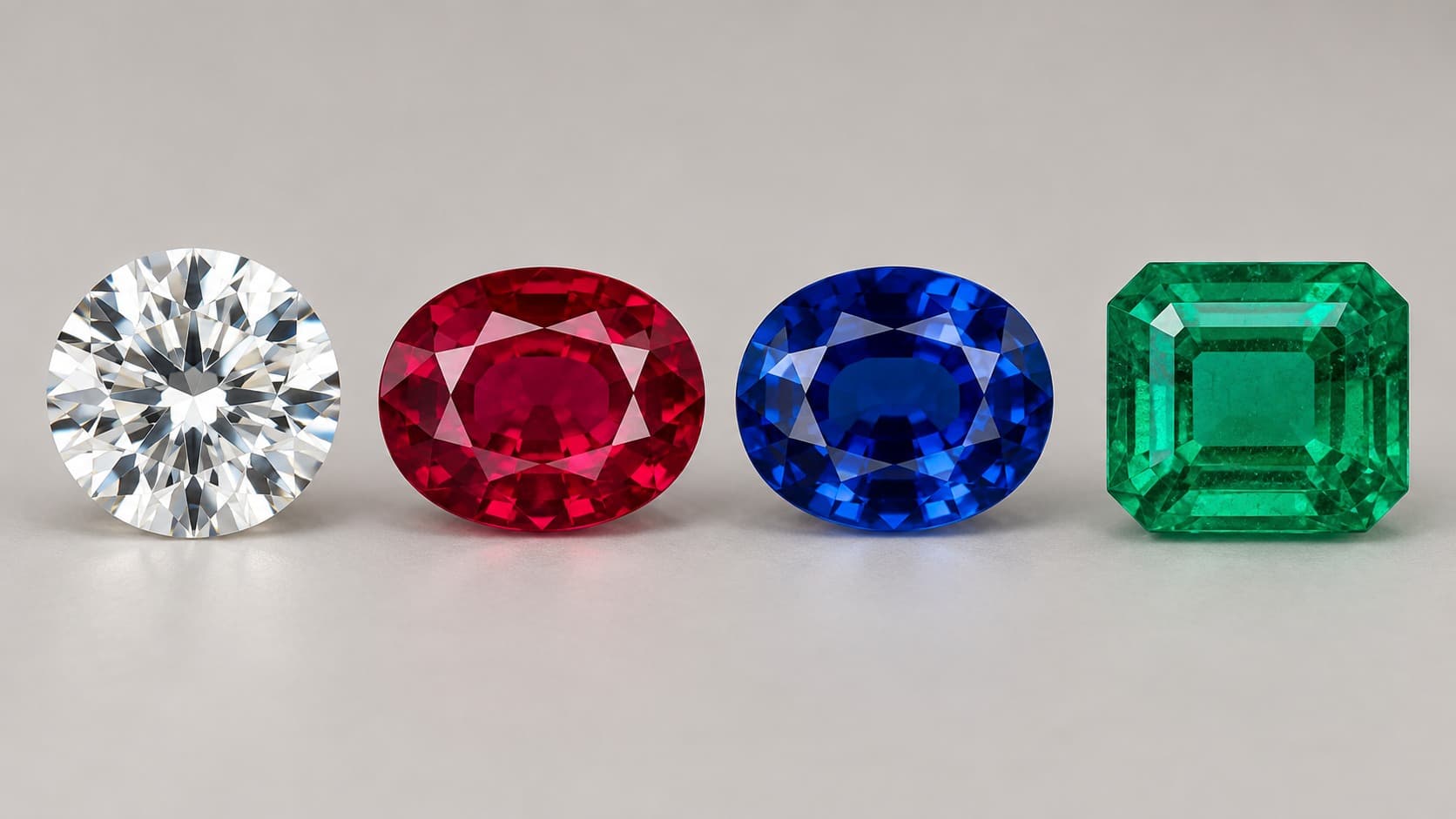
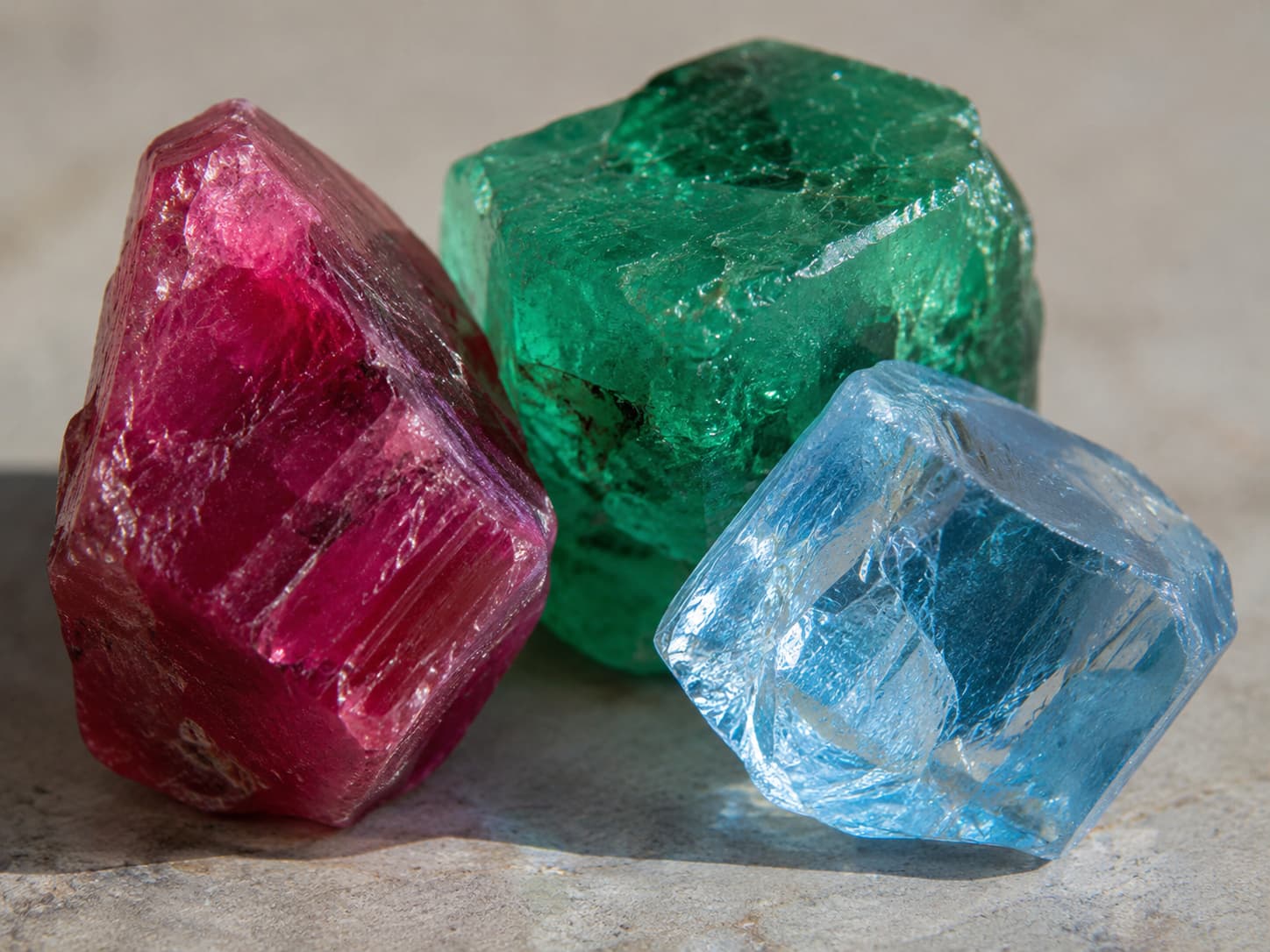
Diamonds, rubies, sapphires, and emeralds — often called the “big four” — have the deepest, most established markets, which makes them the easiest to resell. A deep market simply means more buyers and sellers are trading the stone regularly, so prices are easier to track and there’s less guesswork involved.
Within that group, colored diamonds and top-grade rubies have shown the strongest price growth at the high end. The Sunrise Ruby, a 25.59-carat Burmese stone with the rare “pigeon’s blood” color, set the world record for the most expensive colored gemstone ever sold at auction when it fetched roughly $30 million in 2015. That record didn’t last forever: in 2023, a 55.22-carat Mozambican ruby named the Estrela de Fura sold for $34.8 million at Sotheby’s, taking over as the current record-holder. Together, the two sales illustrate a pattern that holds across the market: origin, color intensity, and rarity drive value far more than size alone.
Below that top tier, gemstones like Paraiba tourmaline, Kashmir and Burmese sapphires, and Colombian emeralds also carry investment interest because of how scarce untreated, high-quality material has become. Major auction houses in Hong Kong and Geneva have set multiple new records in these categories within just the last ten years, with collectors based in Asia emerging as some of the most active bidders. Common gemstones, even attractive ones like amethyst or citrine, are mined in large enough quantities that they rarely appreciate in any meaningful way, no matter how nicely they’re cut.
Rarity by itself isn’t enough. A gemstone needs rarity, quality, and a real market of buyers who want it — all three at once — before it can function as an investment.
What Determines a Gemstone’s Price?
A gemstone’s value comes down to four main factors: color, clarity, cut, and carat weight, plus a fifth that matters enormously for colored stones — whether it’s been treated. These are sometimes summarized as the “4Cs,” a framework originally built for diamonds but useful for judging any gemstone.
- Color — For colored gemstones, an even, vivid, well-saturated hue is usually the single biggest price driver.
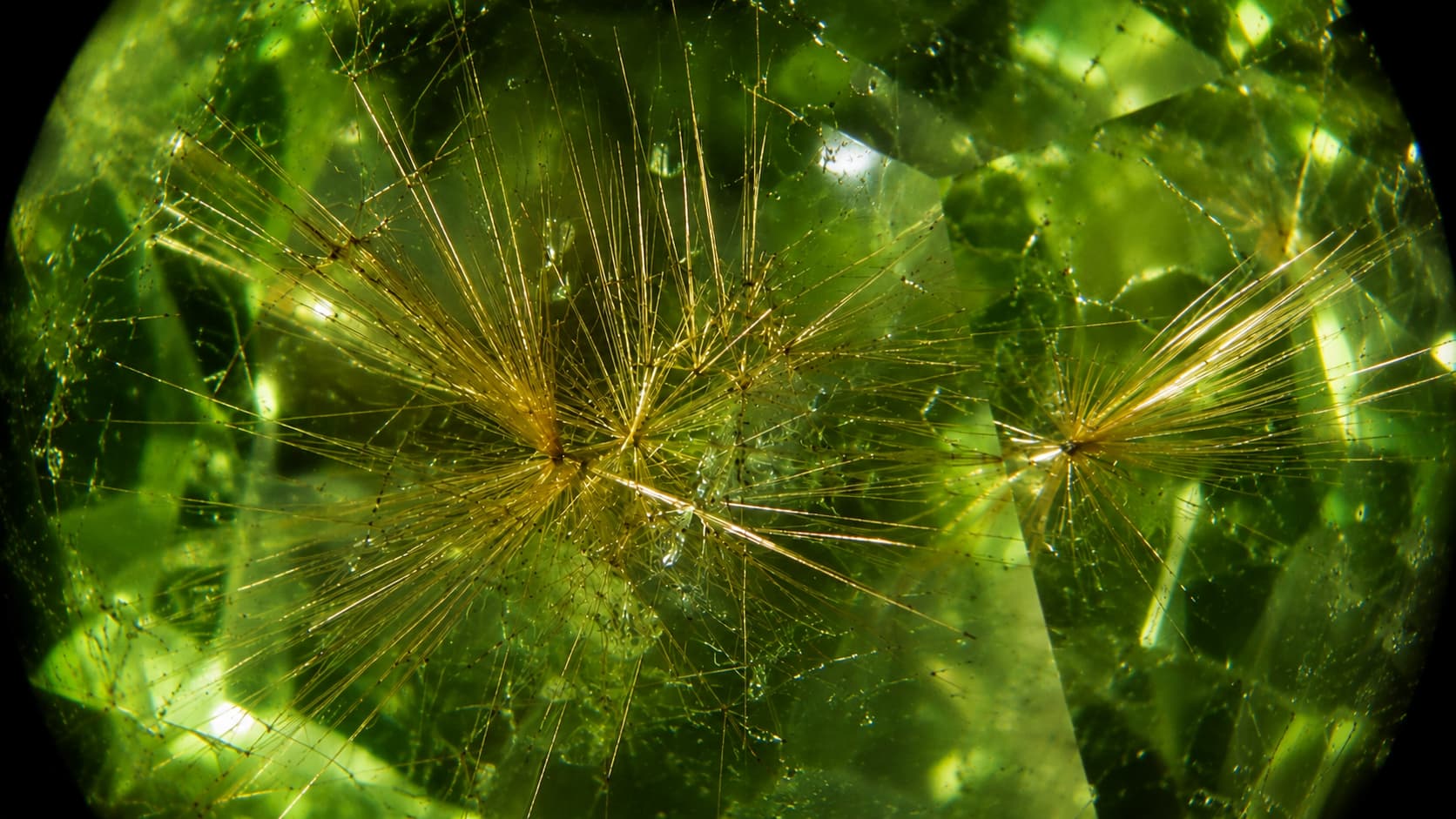
- Clarity — Fewer visible inclusions (internal marks) generally means a more valuable stone, though some gems, like emeralds, are expected to have a few.
- Cut — A skilled cut brings out a stone’s brilliance and can make a lower-grade gem look far better, or waste the potential of a high-grade one.
- Carat weight — Larger stones are rarer, so value tends to rise faster than weight alone would suggest, especially past certain size thresholds.
- Treatment history — Untreated (“natural”) stones command a significant premium over heated, dyed, or filled stones of similar appearance.
Origin also plays a much bigger role for colored gemstones than most people expect. A ruby mined in Myanmar’s Mogok Valley, a sapphire from Kashmir, or an emerald from Colombia can sell for several times the price of a chemically similar stone from a more common source, purely because of where it came from and the reputation that region has built over centuries. This is one reason lab reports for fine colored stones often include an origin determination alongside the usual quality grading.
Is Gemstone Certification Important?
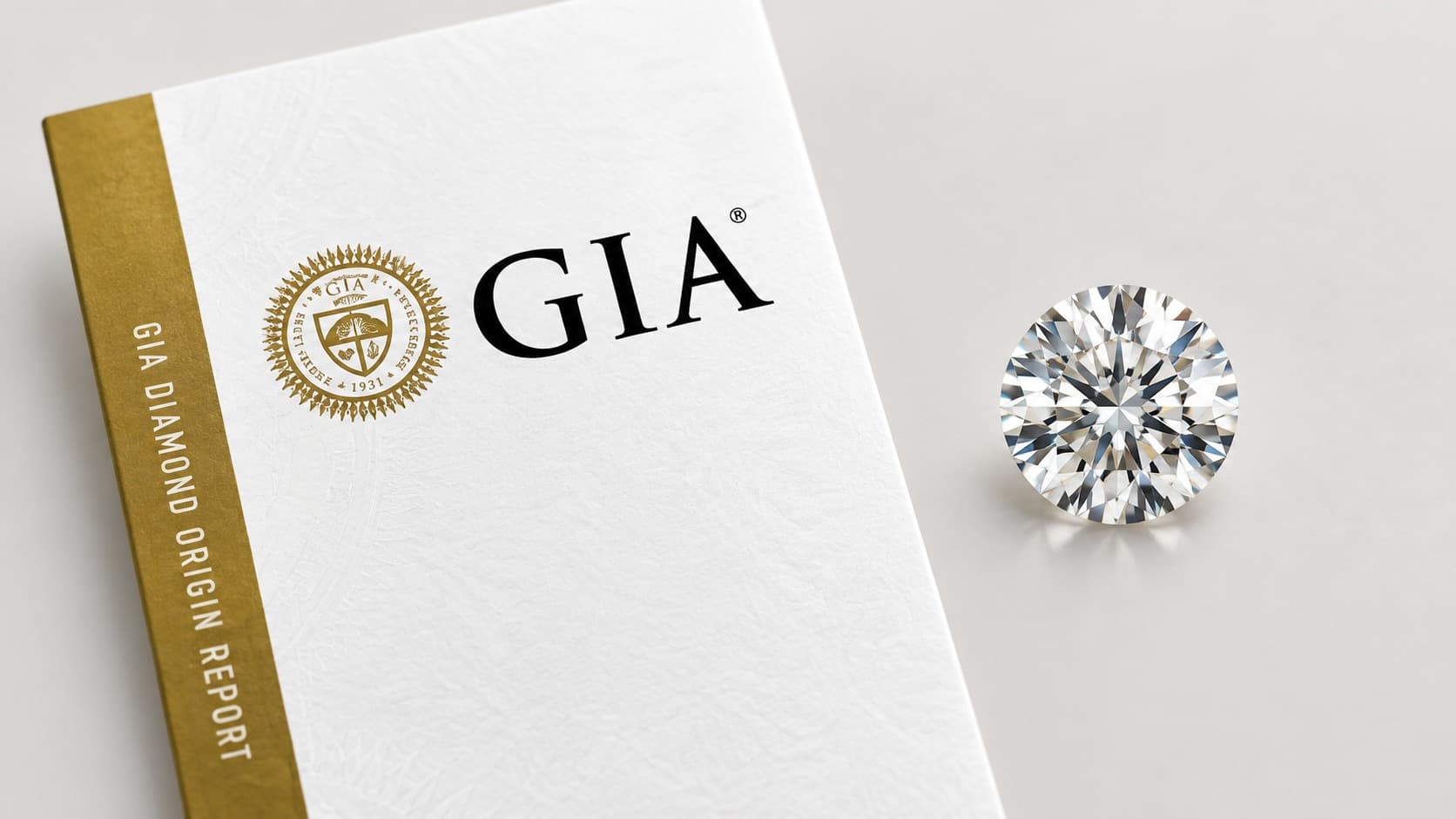
Yes, certification from a respected gemological laboratory is one of the most important things separating an investment-grade gemstone from a decorative one. A certificate from a lab like GIA, SSEF, Gübelin, or AGL confirms a stone’s identity, whether it’s been treated, and often its country of origin — details that can swing the price by tens of thousands of dollars on a single stone.
Without a credible certificate, there’s no independent confirmation of what’s actually being bought. Two rubies can look nearly identical to the naked eye while one is untreated Burmese material worth ten times more than the other, which has been heated and lacks a documented origin. This is exactly why serious collectors and dealers won’t buy a significant colored stone without paperwork from a trusted lab, and why major auction catalogues always list the certifying lab right next to the stone’s estimate.
Natural or Lab-Grown Gemstones: Which Holds Value?
Natural gemstones currently hold investment value much better than lab-grown ones. Lab-grown gemstones, like lab-grown diamonds, are chemically identical to their natural counterparts, but they can be produced in large quantities, and that supply keeps prices low and falling.
This doesn’t make lab-grown stones a bad purchase — they’re often a great option for everyday jewelry, since they look the same as natural stones for a much lower price. But the entire idea behind gemstone investment is scarcity, and a gem that can be manufactured on demand doesn’t carry the same scarcity that drives long-term value. As lab-grown production technology keeps improving and expanding, prices for those stones have generally continued to drift downward year after year, which is the opposite of what an investment is supposed to do.
Why Don’t Gemstones Have a Fixed Price?
Unlike gold, which trades on a public spot price updated by the minute, colored gemstones have no single, universal price chart to check. There’s no central exchange listing what a fine sapphire or emerald should cost on a given day, and no ticker that updates as deals close. Two nearly identical sapphires could reasonably be quoted at very different prices by two different sellers, and neither one is necessarily wrong — both prices simply reflect what that particular seller believes the market will bear.
Dealers and trade groups feel this problem just as much as buyers do. Efforts to fix it have picked up in recent years: trade associations in China and Thailand jointly released a shared reference-price guide for colored stones in 2023, India’s gem trade held sessions on a comparable pricing framework in early 2026, and a handful of digital platforms have started listing verified stones with disclosed treatments. None of these efforts has yet produced anything close to the single, universal price index that exists for gold or publicly traded stocks.
More than one opinion matters far more than any single number in a market like this. Independent appraisals, recent comparable auction results, and quotes from multiple reputable dealers reveal a stone’s realistic value far better than any one price tag can.
Risks of Investing in Gemstones
The biggest risk is liquidity: gemstones can be hard to sell quickly at a fair price, unlike stocks or gold, which have active daily markets. Even a genuinely valuable gemstone might take months to find the right buyer, and private sales often involve a large gap between what a seller hopes to get and what a buyer is willing to pay.
Liquidity isn’t the only concern:
- Wide bid-ask spreads. Dealers typically buy gemstones for well below retail price, so an owner might struggle to recoup even a fair market value quickly.
- Authentication and fraud risk. Undisclosed treatments, synthetic stones sold as natural, and false origin claims are real problems in parts of the trade, which is why lab certification matters so much.
- Subjective pricing. Colored gemstones don’t have a single universal price chart, so valuations can vary between experts.
- Storage and insurance. High-value stones need secure storage and proper insurance, both of which add ongoing costs that eat into any potential return.
- Fashion and demand shifts. Tastes change. A gemstone that’s fashionable today, driving up demand and price, may cool off over a decade.
A gemstone is only worth what someone else is willing to pay for it at the moment it’s sold — and that number can be surprisingly hard to predict.
Tips for Buying Investment-Grade Gemstones
Working only with reputable dealers and insisting on certification from an internationally recognized gem lab before any significant purchase eliminates the majority of investment mistakes, since it confirms exactly what is being bought and whether the stone has been treated.
The rarest categories within each gem type tend to matter most — untreated stones, desirable origins such as Burmese ruby or Kashmir sapphire, and strong, saturated color. Buying at auction through a major house can also provide more price transparency than a private sale, since auction results are public record and build a track record for that type of stone that anyone can check later. An independent appraisal, from someone who isn’t also trying to sell the stone, avoids the obvious conflict of interest that comes with a dealer valuing their own inventory.
Knowing where a stone would actually be sold matters as much as knowing where to buy it. Major auction houses handle the top tier of the market and offer the most price transparency, since results are published and become part of the public record. Below that level, specialist colored-stone dealers and consignment through a jeweler who deals in pre-owned or estate pieces are the more realistic routes for most collectors, though both typically pay less than a private sale to another collector would.
Time horizon matters more than almost anything else. Gemstone markets move slowly, records at the very top can take a decade or more to break, and the biggest gains tend to go to those who bought quality material and simply held onto it rather than those looking for a quick flip.
How Gemstones Compare to Other Investments
| Feature | Investment-Grade Gemstones | Gold | Stocks/ETFs |
|---|---|---|---|
| Liquidity | Low — can take months to sell | High — sold almost instantly | High — sold in seconds |
| Price transparency | Low — no single published price | High — daily spot price | High — real-time pricing |
| Storage needs | Requires secure, insured storage | Requires secure storage | None |
| Entry cost | High for investment-grade quality | Low, scalable at any amount | Low, scalable at any amount |
| Historical volatility | Slow-moving, varies by stone | Moderate | Higher, short-term swings |
Frequently Asked Questions
Are gemstones a better investment than diamonds?
Not necessarily — rare colored gemstones and rare colored diamonds both sit at the top of the auction market, and the better question is quality and rarity within either category, rather than gemstones versus diamonds as a whole.
How much money is needed to start investing in gemstones?
There’s no fixed minimum, but investment-grade stones with strong resale potential typically start in the thousands of dollars, since anything smaller usually carries too much retail markup to ever be resold at a profit.
Can a gemstone held as an investment be insured?
Yes, most insurers offer specialty jewelry or valuable-items policies for certified gemstones, and having a recent appraisal and lab certificate on file makes the process much easier.
Do gemstones need to be set in jewelry to hold value?
No, unset (“loose”) stones are actually often easier to sell as investments, since a buyer isn’t paying for design or metalwork they may not want.
How can a gemstone’s treatment history be verified?
A certificate from a major gemological lab, such as GIA, SSEF, or Gübelin, will state clearly whether a stone is natural and untreated or has undergone processes like heating, dyeing, or fracture filling.
The Bottom Line
Gemstones can genuinely hold and grow in value, but only under specific conditions: real rarity, documented quality, and a market of buyers who want that exact type of stone. The record-breaking sales that make headlines involve stones most people will never hold, and the pricing behind them is far less transparent than the daily spot price of gold or the ticker of a stock. Anyone considering gemstones as an investment should prioritize certified, natural, high-quality stones over size or sentiment, weigh more than one independent opinion on value, and expect a slow-moving, illiquid asset rather than a quick flip.