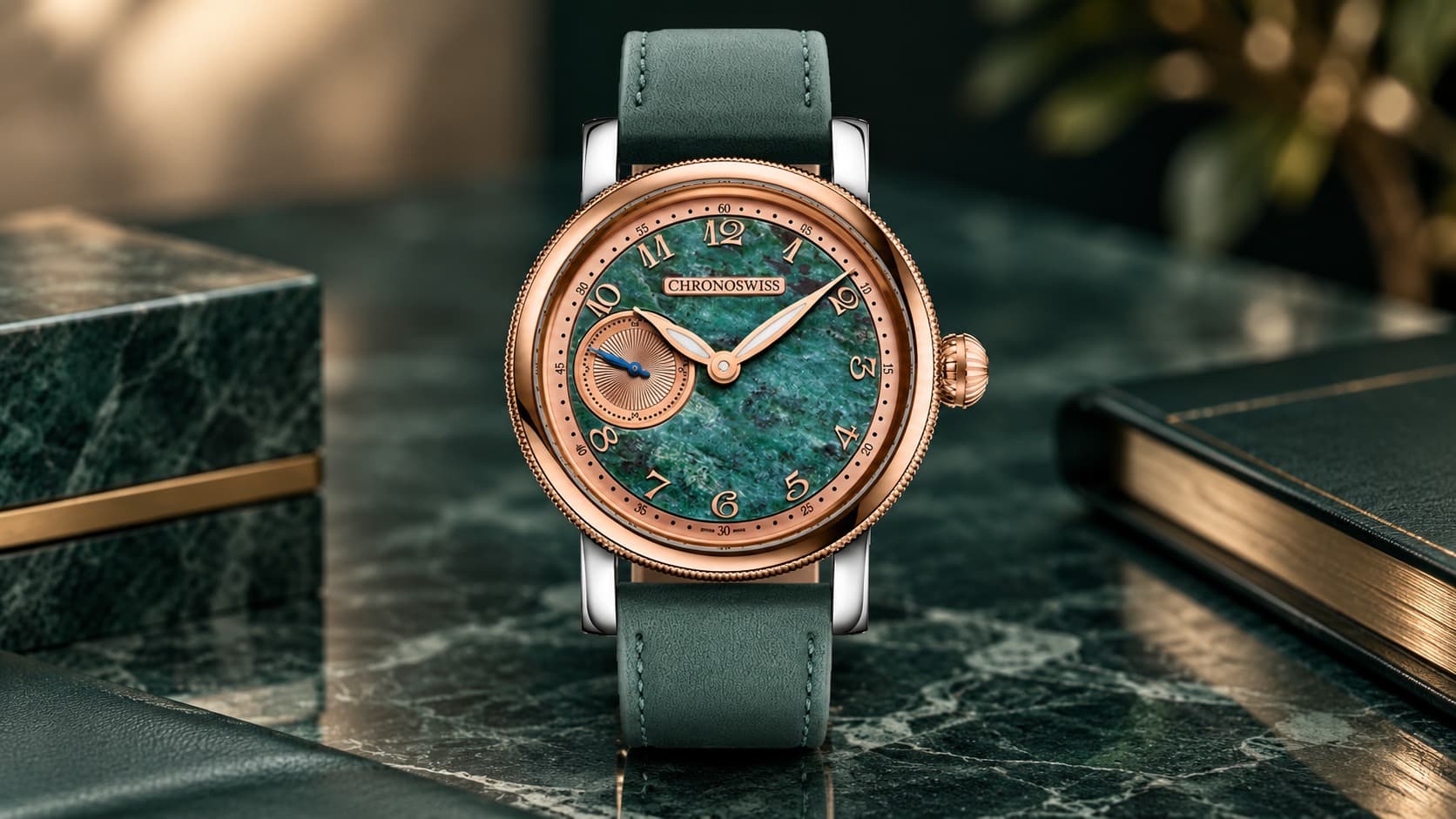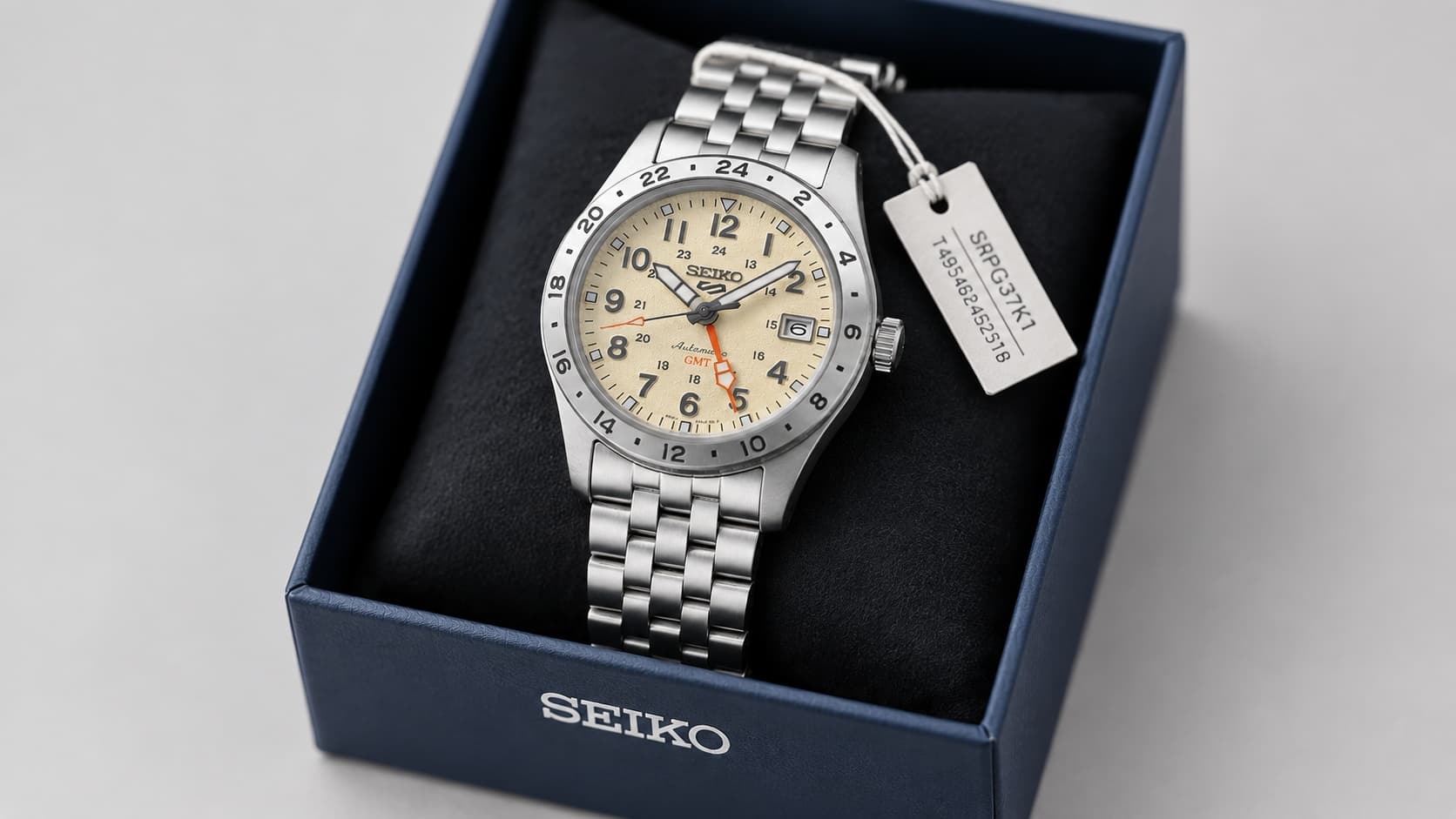
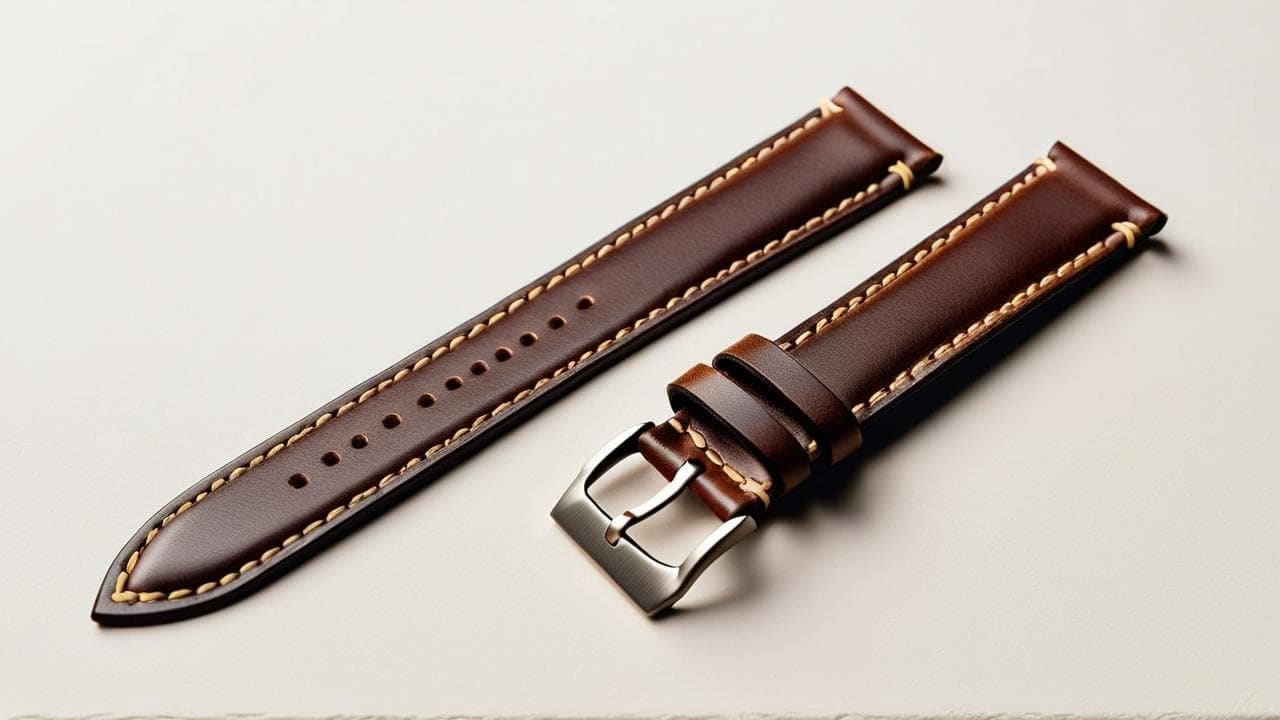
A new leather watch strap often feels stiff and uncomfortable when you first start wearing it. This is completely normal, as leather is a natural material that needs time to adjust to your unique wrist shape and movement patterns. Breaking in a leather watch strap properly transforms it from rigid to supple, creating a personalized fit that enhances both comfort and appearance. With the right techniques, you can expedite this process while preserving the integrity and longevity of your leather strap.
Why New Leather Watch Straps Need Breaking In?
New leather watch straps are stiff because the natural fibers in the leather are tightly compressed during manufacturing, and the oils and waxes used in tanning haven’t had a chance to distribute evenly throughout the material. Breaking in the strap helps realign these fibers and distribute the natural oils, creating flexibility while maintaining structural integrity.
- Leather contains collagen fiber bundles that are initially rigid and organized in tight patterns. Breaking in gradually repositions these fibers to follow your unique wrist contours, improving both comfort and fit.
- During manufacturing and tanning, leather is treated with various oils and compounds that need time and movement to fully penetrate all layers. This gradual distribution of oils is essential for preventing cracking while maintaining the leather’s protective qualities.
- A properly broken-in strap will conform to your wrist’s specific shape, creating a custom fit that reduces pressure points and prevents the watch from sliding around your wrist.
- The breaking-in process helps the leather develop its characteristic patina – the subtle sheen and color variations that give quality leather its distinctive, personalized appearance over time.
- Stiff leather that hasn’t been properly broken in is more prone to developing permanent creases and cracks along fold lines, significantly reducing the strap’s lifespan.
The breaking-in process is an investment in both comfort and longevity for your watch strap. By understanding why this process matters, you’ll be more likely to approach it with the patience it requires. A well-broken-in leather strap not only feels like a natural extension of your wrist but also develops character that mass-produced synthetic straps simply cannot match.
Know Your Watch Strap Leather Type First
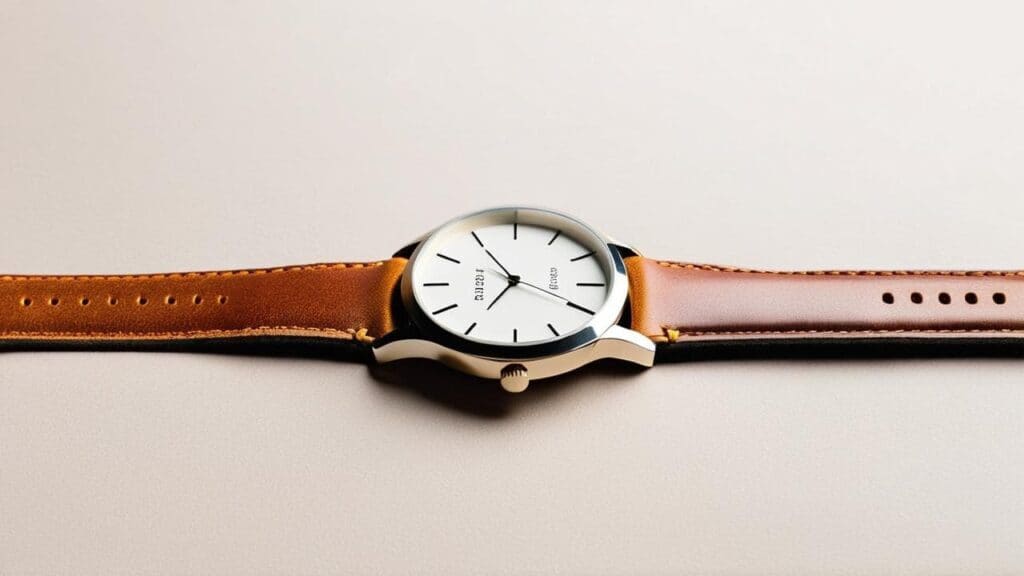
Understanding what type of leather your watch strap is made from is crucial before attempting any breaking-in techniques. Different leathers have unique properties based on their source, tanning methods, and finishing processes, which affects how they should be treated during the breaking-in period.
- Calfskin leather is soft, supple, and fine-grained, making it one of the most common choices for quality watch straps. It breaks in relatively quickly and responds well to gentle methods like regular wearing and light manual flexing without needing much additional treatment.
- Full-grain cowhide is thicker and more robust than calfskin, featuring visible natural grain patterns. This type requires more patience to break in properly but results in exceptional durability. It benefits from occasional light conditioning to help the breaking-in process.
- Shell cordovan, made from a specific part of horsehide, is dense and highly resistant to stretching. It takes significantly longer to break in (sometimes months) but forms a remarkable, glossy patina. Shell cordovan requires minimal conditioning and primarily breaks in through consistent wear.
- Exotic leathers like alligator, crocodile, or ostrich have unique scale or quill patterns and often receive special treatments during tanning. These require very gentle breaking-in methods and should never be over-manipulated or exposed to conditions that might damage their distinctive textures.
- Vegetable-tanned leather, which uses plant tannins rather than chemicals, is initially stiff but develops a rich patina more quickly than chrome-tanned options. It responds well to natural body oils and moderate conditioning.
By identifying your specific leather type, you can avoid techniques that might damage the material while focusing on methods that will enhance its particular characteristics. If you’re unsure about your strap’s leather type, contacting the manufacturer or consulting the product description is recommended before proceeding with more intensive breaking-in methods.
Gentle Methods for Breaking In Leather Watch Straps
Natural breaking-in methods work with the leather’s inherent properties, allowing it to adapt gradually without risking damage. These approaches focus on consistent wear and gentle manipulation rather than forcing the process with potentially harmful shortcuts.
- Simply wearing your watch regularly is the most effective and safest method for breaking in a leather strap. Your body heat, natural oils from your skin, and regular movement all contribute to gradually softening the leather in exactly the way it needs to conform to your wrist.
- Manual flexing can supplement regular wear by gently working the leather. Roll the strap into a loose circle (with the inside of the strap facing outward) and hold for 30 seconds, then reverse the direction. Repeat a few times weekly, but never force the leather to bend sharply.
- Apply gentle pressure along the length of the strap with your thumbs, gradually working from the lugs toward the buckle. This helps distribute the leather’s natural oils and begins the process of making the fibers more flexible.
- The “wrap-around” method involves wrapping the strap around a rounded object similar in diameter to your wrist (like a small jar) overnight. This provides consistent, gentle pressure that helps form the leather into a more wrist-friendly curve.
- Alternating which hole you use on the strap for a few days helps create flexibility across different parts of the leather, preventing the strap from developing a single permanent crease that could later become a weak point.
Natural breaking-in methods respect the leather’s biological structure and work in harmony with its properties. While these approaches take more time than accelerated methods, they result in a more comfortable strap that retains its strength and develops a beautiful, natural patina. Patience during this process rewards you with a strap that not only fits perfectly but also ages gracefully over years of wear.
Quick Methods to Soften Leather Watch Straps
When you need to speed up the breaking-in process, several methods can safely accelerate the softening of your leather watch strap without compromising its integrity. These techniques should be approached with care and moderation to avoid potential damage.
- Apply a small amount of high-quality leather conditioner specifically formulated for fine leathers. Work a thin layer into both sides of the strap with your fingertips using circular motions, then allow it to absorb completely before wearing. This helps distribute and supplement the natural oils in the leather.
- The gentle heat method involves warming the strap slightly with your hands by rubbing them together to generate heat, then immediately working the leather with your fingers. Body heat is sufficient – never use external heat sources like hair dryers, which can dry out and damage the leather.
- Leather balm containing natural waxes and oils can be sparingly applied to particularly stiff areas of the strap. Let it absorb overnight, then gently flex the strap in the morning. This works particularly well for thicker, full-grain leathers.
- The “book method” involves placing the strap between the pages of a paperback book, closing it, and applying gentle pressure by placing something moderately heavy on top. Leave it overnight, which helps flatten the strap without creating sharp bends or creases.
- For very stiff straps, wearing the watch slightly looser than normal for the first week allows the leather to flex more freely with movement, accelerating the breaking-in process without creating stress points.
While these accelerated methods can help expedite the breaking-in process, they should complement rather than replace natural wear. The goal is to work with the leather’s natural properties, not force it into submission. Remember that even with these techniques, quality leather still needs time to fully develop its optimal fit and character.
What to Avoid When Breaking In Leather Watch Straps
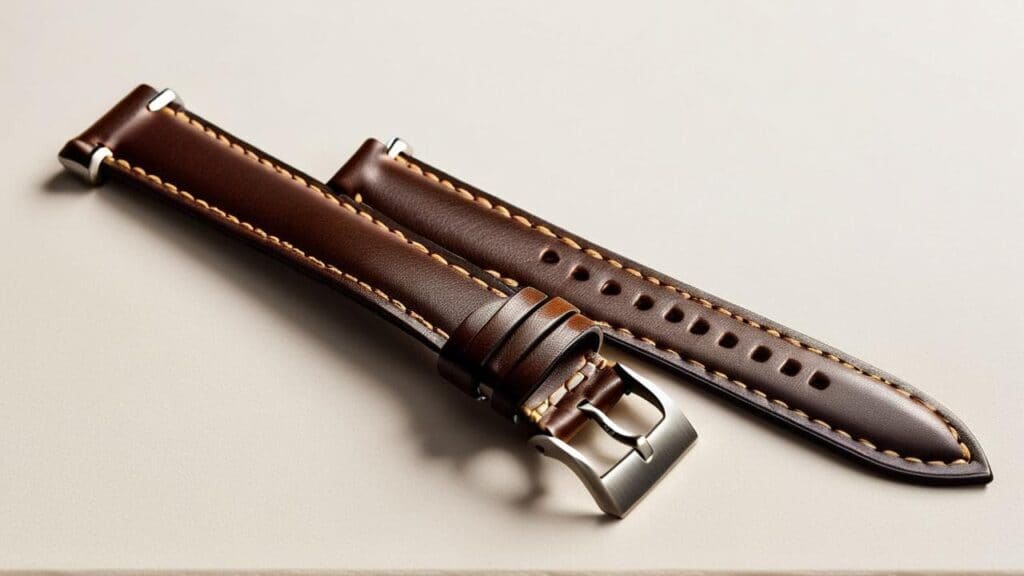
Certain practices can permanently damage your leather watch strap during the breaking-in process. Knowing what to avoid is just as important as knowing the right techniques to use.
- Never soak or submerge your leather strap in water. Excessive moisture damages the structure of the leather, can wash away essential oils, and may lead to warping, cracking, or mold growth as it dries.
- Avoid using petroleum-based products or household oils (like olive oil or cooking oils) which can cause discoloration, weaken the leather fibers, attract dirt, and create an unpleasant smell that’s nearly impossible to remove.
- Direct sunlight and artificial heat sources like radiators, hair dryers, or ovens can dry out the leather’s natural oils, leading to brittleness and cracking. These methods might seem to soften the leather initially but cause significant long-term damage.
- Aggressive bending, folding, or twisting can break the internal fiber structure of the leather. Never fold the strap sharply or crease it intentionally, as this creates weak points that will likely develop into tears over time.
- Alcohol-based products, including many hand sanitizers, can strip essential oils from leather and cause drying and cracking. Be mindful of incidental contact with these substances while wearing your watch.
- Avoid over-conditioning the leather, which can saturate the fibers and create a greasy appearance while potentially weakening the structure. More is not better when it comes to leather conditioner.
By avoiding these damaging practices, you’ll ensure that your leather strap breaks in naturally without compromising its structural integrity or appearance. Remember that proper breaking in is about encouraging the leather to adapt gradually, not forcing it to change quickly through harsh methods.
Signs Your Leather Watch Strap Is Properly Broken In
Recognizing when your leather watch strap has reached optimal break-in condition helps you know when to stop applying breaking-in techniques and transition to regular maintenance. A properly broken-in strap has distinct characteristics that indicate it has adapted to your wrist without losing its structural integrity.
- A well-broken-in leather strap should conform to the natural curve of your wrist when removed from the watch, maintaining a gentle C-shape rather than lying completely flat or remaining rigidly curved.
- The strap should feel noticeably more flexible compared to when it was new, bending easily around your wrist without resistance, yet still maintaining enough structure to support your watch securely.
- Pressure points and discomfort should be eliminated, with the strap fitting comfortably for extended wearing periods without causing marks, pinching, or irritation on your skin.
- The leather should have developed a subtle sheen or patina, especially around areas that experience the most contact with your skin, giving it a warm, lived-in appearance rather than the matte, uniform look of new leather.
- The holes and buckle area should have adapted to regular use without showing signs of stress or excessive stretching, with the hole you regularly use maintaining its shape without elongating.
- When you put on the watch, the strap should feel like it’s “at home” on your wrist, requiring minimal adjustment throughout the day and staying in position without sliding around or needing frequent tightening.
The breaking-in process typically takes between two to four weeks of regular wear for most leather straps, though premium thick leather or exotic varieties might take longer. Once you’ve achieved these signs of a well-broken-in strap, you can transition from breaking-in routines to regular leather care and maintenance, which focuses more on preservation than flexibility.
How to Care for Your Broken-In Leather Watch Strap
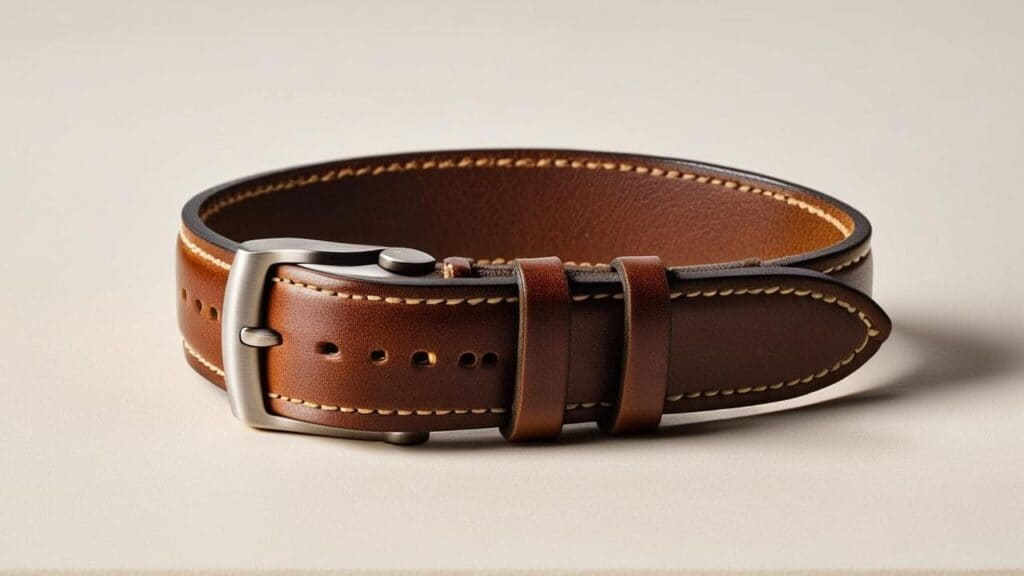
After successfully breaking in your leather watch strap, proper maintenance ensures it remains comfortable and extends its lifespan. A well-maintained leather strap can last for many years, developing character while maintaining its functionality.
- Clean your leather strap regularly by gently wiping it with a slightly damp microfiber cloth, focusing particularly on areas that contact your skin where sweat and oils accumulate. Allow it to dry completely away from direct heat or sunlight.
- Apply a high-quality leather conditioner specifically formulated for fine leather every 2-3 months (more frequently in dry climates, less in humid environments). Use sparingly – a small amount worked in with fingertips will prevent the leather from drying out without oversaturating it.
- Remove your watch before showering, swimming, or engaging in activities that cause heavy perspiration. While normal daily sweat helps maintain leather, excessive moisture can damage it over time.
- Store your watch with the leather strap in a cool, dry place when not wearing it for extended periods. A watch box or pouch that allows some air circulation is ideal, as airtight containers can trap moisture and lead to mildew.
- Check the strap regularly for early signs of wear, particularly around the holes, buckle, and bending points. Minor issues addressed early can prevent more significant damage later.
- Consider using a leather protector spray (test on an inconspicuous area first) if your watch will be exposed to occasional light rain or humidity, but remember that no leather is truly waterproof.
A properly maintained leather watch strap becomes more than just a functional item – it develops a unique patina that tells the story of your experiences together. With the right care, your broken-in strap will continue to provide comfort and style while developing more character with each passing year, often becoming more attractive as it ages.
Conclusion
Breaking in a leather watch strap is a rewarding process that transforms a stiff, generic band into a comfortable, personalized accessory that complements both your watch and your wrist. By understanding the nature of leather and approaching the breaking-in process with patience and proper techniques, you create a symbiotic relationship between yourself and this natural material.
The time invested in properly breaking in your leather strap yields dividends in comfort, appearance, and longevity. A well-broken-in strap not only feels better against your skin but also secures your watch more effectively and develops a unique patina that cannot be manufactured or replicated. This personal evolution of the leather makes each strap as individual as its wearer – a quality that mass-produced synthetic straps can never achieve.
Remember that leather is a natural material with inherent variation and character. Embracing this organic quality and working with it rather than against it results in the best possible experience. Whether you choose the purely natural approach of regular wear or supplement with gentle acceleration techniques, the key is respecting the leather’s properties and giving it the time it needs to adapt properly. With the right approach, your leather watch strap will reward you with years of comfortable wear and distinctive character that only improves with time.