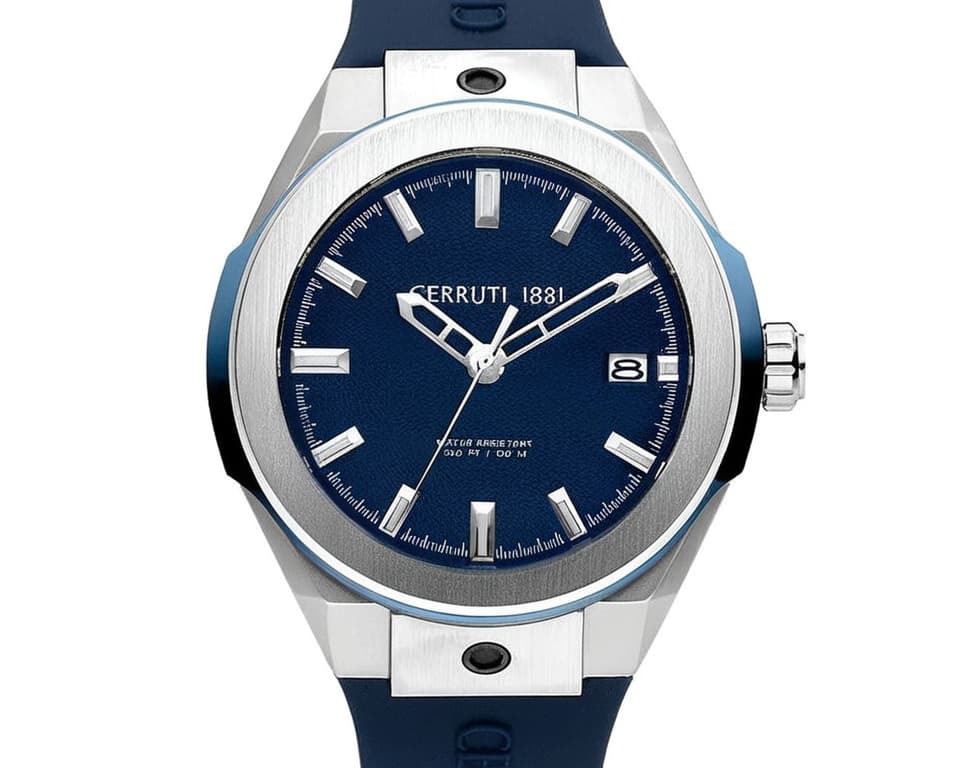
Cerruti 1881 is one of those brand names that sits at the crossroads of fashion and horology, born from an Italian textile family and shaped into a Parisian style house. Its watches don’t try to compete with the big Swiss manufacturers on complicated mechanics, and that’s kind of the point — they’re built for people who want a well-made, good-looking timepiece that reflects a European fashion pedigree without needing a small fortune to buy. Understanding where the name comes from, and what you’re actually paying for, makes it much easier to pick the right piece and know if it’s a good fit for your wrist and your wallet.
Cerruti 1881 Brand History
Cerruti’s story starts in 1881, not with a watchmaker, but with a wool mill. Nino Cerruti’s grandfather founded Lanificio Fratelli Cerruti in Biella, a textile town in Italy’s Piemonte region known for its clean water, which was ideal for washing and treating wool.
Nino Cerruti took over the family mill in 1950 after his father passed away, while he was still in his early twenties. He kept the textile business running, but his real ambition was fashion. In 1967, he opened a menswear house in Paris under his own name, choosing a flagship location on Place de la Madeleine that the brand still associates itself with today. A young Giorgio Armani actually worked as a design assistant for Cerruti in the mid-1960s, years before starting his own label — a detail that says a lot about the design talent passing through the house early on.
Through the 1980s and 90s, Cerruti became a favorite of Hollywood costume designers, dressing actors like Michael Douglas in Wall Street and Basic Instinct, Richard Gere in Pretty Woman, and Tom Hanks in Philadelphia. That film presence helped cement the brand’s image as sharp, confident, and a little bit corporate glamorous. Ownership changed hands several times after Nino Cerruti sold the label in 2000, passing through Italian investors, an American private equity firm, and eventually landing with the Hong Kong group Trinity Ltd. Since 2017, Cerruti has been owned by Shandong Ruyi, a major Chinese textile conglomerate. Watches are produced and sold under the “Cerruti 1881” name as part of the brand’s accessories line, alongside clothing, leather goods, and fragrances.
Cerruti Watches: Key Features and Style
Cerruti’s watches stand apart mainly because of what they’re attached to: a real fashion house with a documented history, not a name invented purely to sell accessories. That matters, because the fashion-watch shelf is crowded with brands that exist only as a logo licensed onto a generic case. Cerruti, by contrast, traces back to an actual wool mill in 1881 and an actual Paris ready-to-wear label from 1967, with decades of film and runway history behind it. Buyers get a story with real depth, not just a name.
The brand is known for a specific design language that shows up again and again across its watch collections:
- Bold case shapes. Tonneau (barrel-shaped), square, and cushion cases show up far more often than in most competing brands, which tend to default to plain round cases.
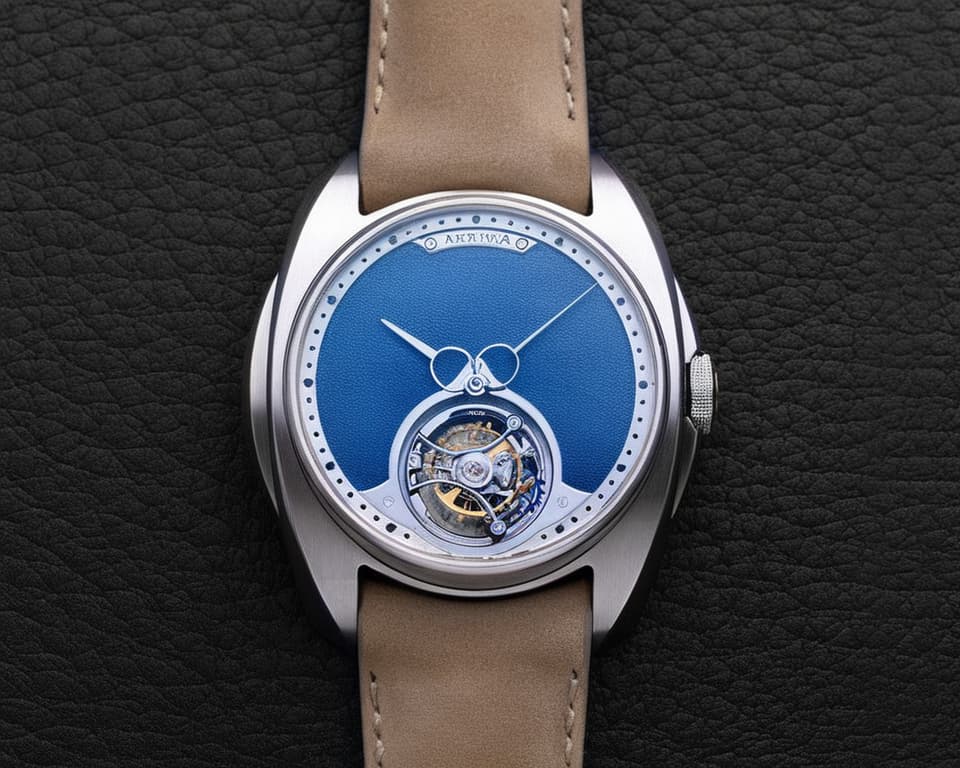
- Open and skeleton dials. Several collections show off the gear train through a partially or fully open dial, turning the mechanical guts of the watch into part of the design instead of hiding them.
- Two-tone and IP-coated finishes. Rose gold, yellow gold, gunmetal, and black ion-plated coatings are common, giving the watches a richer look than their price point would suggest.
- A mix of quartz and automatic movements. Not every fashion-watch brand bothers offering self-winding mechanical options; Cerruti does, which appeals to buyers who want that mechanical feel without paying luxury-tier prices.
- European fashion-house DNA. Design details borrow from tailoring and ready-to-wear thinking — proportion, finish, and contrast — rather than from traditional watchmaking conventions.
Compared to other affordable fashion-watch names, Cerruti tends to lean dressier and more design-forward rather than sporty or logo-driven. It doesn’t try to be a tool watch or a sports watch brand — it’s built for people who think of a watch as a wardrobe accessory first, in the same way they’d think about a belt or a pair of cufflinks. That single-minded focus on style over specs is really the brand’s whole identity, and it’s the main reason someone would pick Cerruti over a rival at a similar price.
Top 10 Best Cerruti 1881 Watches
Cerruti’s catalog changes with the seasons and covers dozens of active models at any given time, so rather than picking ten exact reference numbers that could be discontinued by the time you read this, the picks below represent the ten collection styles and design directions that consistently show up as the brand’s strongest, most representative work. Use the specs in each table as a general guide to that style of watch — always confirm the exact numbers on the specific listing or box before buying.
1. Calliano Skeleton Tonneau
The Calliano line is Cerruti’s clearest expression of its design identity: a barrel-shaped (tonneau) case with a partly open dial that lets you see part of the movement working underneath.
| Spec | Detail |
|---|---|
| Movement | Quartz |
| Case material | Stainless steel, often with rose-gold or gunmetal IP coating |
| Case shape/size | Tonneau, roughly 44–48mm |
| Glass | Sapphire crystal |
| Strap | Leather or rubber, deployant buckle |
| Water resistance | Up to 50m |
| Typical retail price | Around $250–$350 |
2. Lucardo Automatic
Lucardo is the collection to look at if you want a self-winding mechanical watch without stepping up to a Swiss luxury price tag, usually built around a large exhibition dial.
| Spec | Detail |
|---|---|
| Movement | Automatic (self-winding) |
| Case material | Stainless steel |
| Case shape/size | Round, roughly 46–49mm |
| Glass | Mineral crystal |
| Strap | Silicon or rubber with buckle clasp |
| Water resistance | Up to 50m |
| Typical retail price | Around $270–$400 |
3. Eleganza Ladies’ Collection
Eleganza is built for everyday women’s wear, favoring a slimmer, more classic case over the brand’s bolder skeleton designs.
| Spec | Detail |
|---|---|
| Movement | Quartz |
| Case material | Stainless steel |
| Case shape/size | Round, smaller diameter (typically under 36mm) |
| Glass | Mineral crystal (varies by model) |
| Strap | Leather |
| Water resistance | Varies by model — check the listing |
| Typical retail price | Around $150–$250 |
4. Tradizione Classic Round
Tradizione leans into a traditional dress-watch silhouette — simple dial layout, no skeleton work, built for office and formal settings.
| Spec | Detail |
|---|---|
| Movement | Quartz |
| Case material | Stainless steel |
| Case shape/size | Round/oval, mid-size |
| Glass | Mineral crystal |
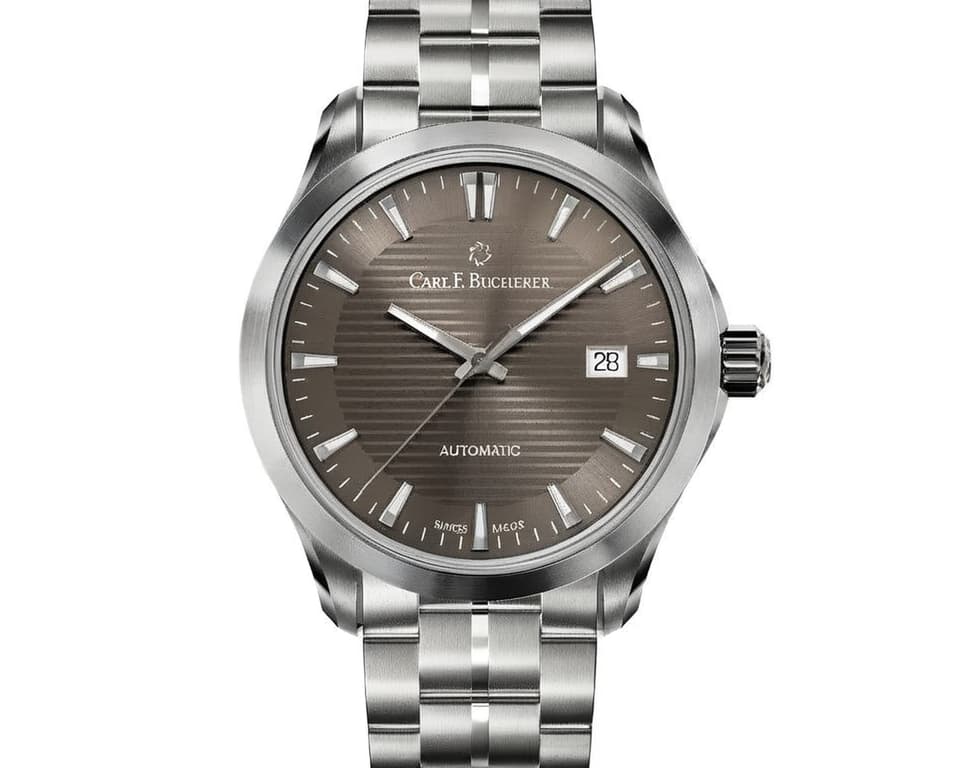
| Strap | Steel bracelet |
| Water resistance | Varies by model — check the listing |
| Typical retail price | Around $180–$280 |
5. Two-Tone IP Chronograph
This style pairs a stainless steel case with rose-gold or yellow-gold IP coating and a working chronograph (stopwatch) function across two or three sub-dials.
| Spec | Detail |
|---|---|
| Movement | Quartz chronograph |
| Case material | Stainless steel with gold-tone IP coating |
| Case shape/size | Round, roughly 42–46mm |
| Glass | Mineral or sapphire crystal, depending on model |
| Strap | Steel bracelet or leather |
| Water resistance | Up to 50m |
| Typical retail price | Around $250–$400 |
6. Rubber-Strap Sport Chronograph
The most casual style in the lineup, aimed at a younger buyer who wants a larger, bolder watch for everyday wear rather than formal occasions.
| Spec | Detail |
|---|---|
| Movement | Quartz chronograph |
| Case material | Stainless steel |
| Case shape/size | Round, 44–49mm |
| Glass | Mineral crystal |
| Strap | Rubber |
| Water resistance | Up to 50m |
| Typical retail price | Around $200–$350 |
7. Skeleton Dress Watch
A dressier take on the open-dial concept found in Calliano, built on a smaller case with a leather strap for more formal occasions.
| Spec | Detail |
|---|---|
| Movement | Quartz or automatic, depending on model |
| Case material | Stainless steel |
| Case shape/size | Round, 40–44mm |
| Glass | Sapphire crystal (higher-end models) or mineral crystal |
| Strap | Leather |
| Water resistance | Up to 30–50m |
| Typical retail price | Around $220–$380 |
8. Gunmetal and Black IP Models
These lean into a darker, moodier finish, with black or gunmetal ion-plated coating replacing the more traditional silver-steel look.
| Spec | Detail |
|---|---|
| Movement | Quartz |
| Case material | Stainless steel with black/gunmetal IP coating |
| Case shape/size | Round or tonneau, 42–48mm |
| Glass | Mineral crystal |
| Strap | Rubber or coated steel bracelet |
| Water resistance | Up to 50m |
| Typical retail price | Around $220–$350 |
9. Women’s Diamond-Accent Tonneau
A dressier women’s option that pairs the brand’s signature tonneau case with a crystal- or diamond-set bezel for evening or special-occasion wear.
| Spec | Detail |
|---|---|
| Movement | Quartz |
| Case material | Stainless steel |
| Case shape/size | Tonneau, smaller diameter |
| Glass | Mineral crystal (varies by model) |
| Strap | Leather or steel bracelet |
| Water resistance | Up to 50m |
| Typical retail price | Around $200–$330 |
10. Minimalist Steel Bracelet Watch
The most understated option in the catalog — no chronograph, no skeleton dial, just a clean face and a steel link bracelet.
| Spec | Detail |
|---|---|
| Movement | Quartz |
| Case material | Stainless steel |
| Case shape/size | Round, 38–42mm |
| Glass | Mineral crystal |
| Strap | Stainless steel bracelet |
| Water resistance | Up to 30–50m |
| Typical retail price | Around $150–$250 |
How to Choose a Cerruti Watch
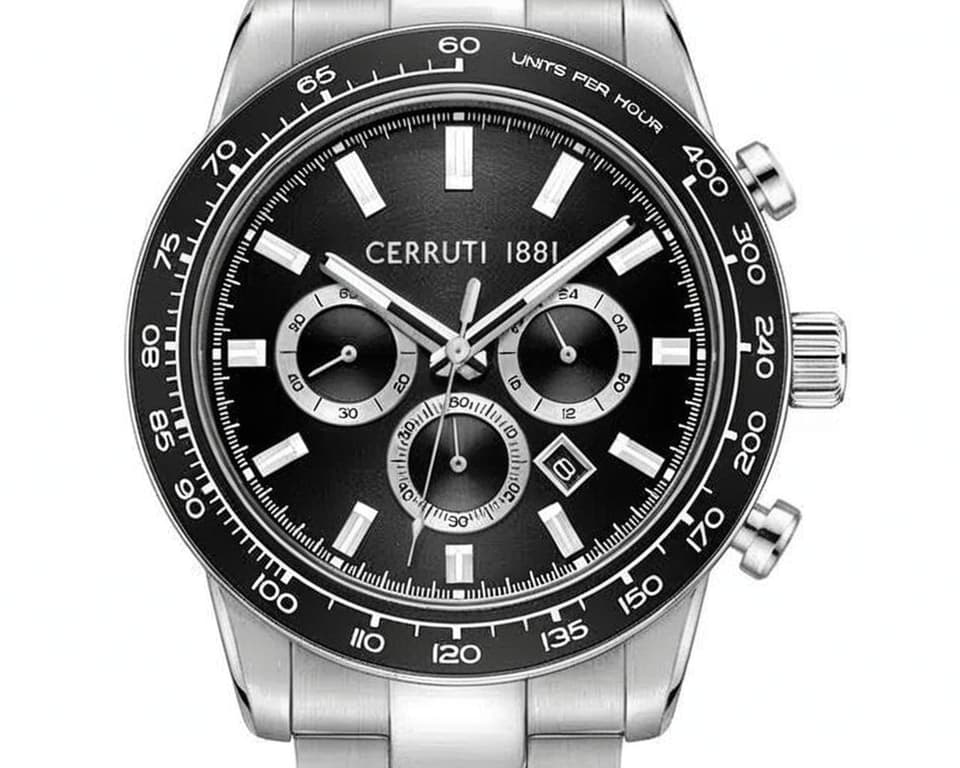
With hundreds of active models spread across a dozen collections, the real challenge with Cerruti isn’t finding a watch you like the look of — it’s narrowing that down to the one that actually fits how you’ll wear it. The factors below are the ones that separate a watch you’ll reach for daily from one that ends up sitting in a drawer.
- Movement type. Quartz is cheaper to buy, keeps time reliably, and only needs a battery swap every year or two. Automatic movements cost more, need periodic professional servicing, and can drift a few seconds a day, but they appeal to people who like the mechanical, self-winding feel and don’t want to think about a battery at all.
- Case size. Cerruti runs bold — plenty of men’s models sit between 44mm and 49mm across, which reads as fashion-forward on some wrists and oversized on smaller ones. Measure your wrist and compare it against the listed case diameter rather than judging from a photo, since product images rarely show true scale.
- Water resistance. Most models sit at 30m or 50m. Both are fine for rain, splashes, and hand-washing, but neither is meant for swimming, showering, or diving — treat the rating as a buffer against everyday accidents, not a green light for water sports.
- Case and glass material. Stainless steel with sapphire crystal will resist scratches far better than a coated base-metal case with mineral glass, even if two watches look nearly identical in photos. If you expect daily wear, prioritize sapphire crystal where it’s offered.
- Strap type and how you’ll wear it. Leather straps look dressier but need more care and won’t hold up to daily water exposure; rubber and silicon straps are more casual and far more forgiving for active, everyday use; steel bracelets sit in between and are the easiest to maintain long-term.
- What you’ll actually use it for. A slim Eleganza or Tradizione piece makes sense for office and formal wear, while a rubber-strap chronograph is a better match for daily casual use. Buying the boldest, most eye-catching design in the lineup isn’t always the right call if it doesn’t fit your day-to-day wardrobe.
- Warranty and documentation. Confirm the watch comes with an international warranty card, original box, and any paperwork, since these matter for both future repairs and resale.
If you only have time to think through three of these, make it movement type, case size, and how you’ll actually use the watch day to day. Get those three right and everything else on the list — strap, finish, water resistance — comes down to personal taste rather than a real risk of ending up with the wrong watch.
Where to Buy Cerruti Watches
Cerruti watches are sold through the brand’s own official retail channels, along with a network of authorized watch specialists and department stores across Europe, Asia, the Middle East, and other regions where the brand maintains distribution partnerships. Coverage isn’t uniform everywhere — some countries have a strong dedicated retail presence, while others only carry the brand through select multi-brand watch counters, so availability of specific collections can vary a lot by region.
In some markets, Cerruti 1881’s watch business runs through a formal local partnership rather than standalone Cerruti-branded stores. In India, for example, the brand’s watch line is distributed exclusively through Titan Company, and sold across Titan’s own retail network, department stores, and select multi-brand watch counters. That kind of structured distribution partnership is worth knowing about, because it means the local retail experience, pricing, and after-sales service can differ noticeably from what you’d find buying directly through Cerruti’s operations in Europe.
Buying from an authorized retailer matters more with fashion-watch brands than people tend to assume, because it’s the surest way to get the manufacturer’s warranty, genuine parts, and a real return policy if something’s wrong out of the box. If you’re shopping outside the brand’s own stores or its named distribution partners, look for a seller that clearly states they’re an authorized dealer, confirms the watch is new with original packaging, and offers a documented warranty period — most authorized sellers offer somewhere between one and two years of coverage. Be cautious with heavily discounted listings on general marketplaces or auction sites, since counterfeit and gray-market fashion watches are common enough that a price far below the going rate is worth double-checking before you buy.
Do Cerruti Watches Hold Value?
Cerruti watches are not investment pieces, and it’s worth being upfront about that from the start. Unlike Swiss houses with in-house movements, limited production runs, or decades of collector demand, Cerruti operates as a fashion-accessory watch brand, similar in market position to other designer-label watchmakers rather than to horology-first companies. Retail prices for current models tend to fall in a modest range — roughly $150 to $450 (or the regional equivalent) depending on the collection, materials, and complications — and that range has stayed fairly consistent across the catalog for years rather than climbing the way some collectible brands do.
Resale value on the secondhand market typically sits well below original retail, often 40–60% lower depending on the model’s condition, age, and whether the original box and papers are included. Automatic models and limited or discontinued designs tend to hold value a little better than basic quartz pieces, but none of this comes close to the kind of appreciation seen with established Swiss mechanical brands. Selling privately, through a consignment shop, or via a watch-focused marketplace will usually net more than a pawn shop or a quick trade-in, since those buyers price in a much larger margin.
None of this makes Cerruti a bad purchase — it just means the right reason to buy one is that you like how it looks and want to wear it, not because you expect it to hold or gain value over time. If resale value and long-term appreciation are a real priority for you, that’s a signal to look toward Swiss mechanical brands with an established collector market instead.
Keeping Your Cerruti Watch in Good Shape
A Cerruti watch isn’t a rugged tool built to shrug off abuse, so most of the damage these watches suffer isn’t from wearing them too much — it’s from small, avoidable habits repeated over months and years. A few consistent routines make the difference between a watch that still looks sharp after five years and one that looks tired after one.
- Wipe it down after wear. A soft, dry cloth after a day of wear removes sweat, skin oils, and dust before they build up around the case back, crown, and strap. This is especially important in hot weather or after exercise.
- Keep it away from chemicals. Perfume, hairspray, hand sanitizer, and cleaning products can dull metal finishes and, over time, damage IP coatings and leather. Put the watch on after applying any of these, not before.
- Respect the water resistance rating, but don’t rely on it fully. Ratings can drop over time as seals age, especially if the watch has been opened for a battery change without a proper reseal. Avoid showering, swimming, or washing dishes with the watch on even if it’s rated for 50m.
- Store it properly. A watch box, watch pouch, or lined drawer protects the crystal and case from scratches when it’s not on your wrist, and keeps straps away from direct sunlight, which fades and dries out leather over time.
- Clean the strap based on material. Leather straps should only be wiped with a slightly damp cloth and dried fully before storage — never soaked. Rubber and silicon straps can be rinsed with mild soap and water. Steel bracelets can be cleaned with a soft brush and lukewarm soapy water, with attention to the links where dirt tends to collect.
- Service quartz batteries properly. Replace the battery every one to three years, ideally through a professional who can reseal the case back afterward — this protects the water resistance rating, which is easy to compromise with a DIY battery swap.
- Service automatic movements on schedule. Have an automatic Cerruti watch professionally serviced roughly every three to five years. This keeps the internal lubrication fresh and the movement accurate, and catches small issues before they turn into expensive repairs.
- Avoid magnets and shocks. Keep the watch away from strong magnets (speakers, some phone cases, laptop edges) which can affect quartz and automatic movements alike, and avoid impacts against hard surfaces that can knock the movement out of alignment.
Most of this is just about building two or three habits into how you take the watch on and off each day — wiping it down, keeping it away from chemicals, storing it properly. Stay on top of the battery changes or servicing on schedule, and a Cerruti watch will easily outlast the years you actually spend wearing it.
Frequently Asked Questions
Even after covering the collections, buying factors, and upkeep above, a handful of specific questions tend to come up again and again from people considering a Cerruti watch for the first time. Here are straight answers to the ones that matter most.
Is Cerruti 1881 a luxury watch brand?
Are Cerruti watches made in Switzerland?
Not all of them. Some Cerruti 1881 models are described as Swiss Made or use Swiss movements, while others are manufactured in France or elsewhere, depending on the collection and model year. Always check the specific listing or case back marking for the country of origin if this matters to you.
How long does a Cerruti watch battery last?
Most Cerruti quartz watches get one to three years out of a single battery, depending on usage and the specific movement inside. A rundown battery is one of the most common reasons a watch stops working, and it’s a quick, inexpensive fix at any watch repair shop.
Can I swim while wearing my Cerruti watch?
It depends on the exact water resistance rating printed on the case back, but most Cerruti models are rated for splashes and hand-washing rather than swimming. Even a 50m rating is generally considered too low for confident submersion, so it’s safer to remove the watch before getting in a pool or the ocean.
Do Cerruti watches hold their value?
No, not in the way collector-grade Swiss watches do. Cerruti watches lose a significant portion of their retail value once resold, which is typical for fashion-accessory watch brands rather than a flaw specific to this label.