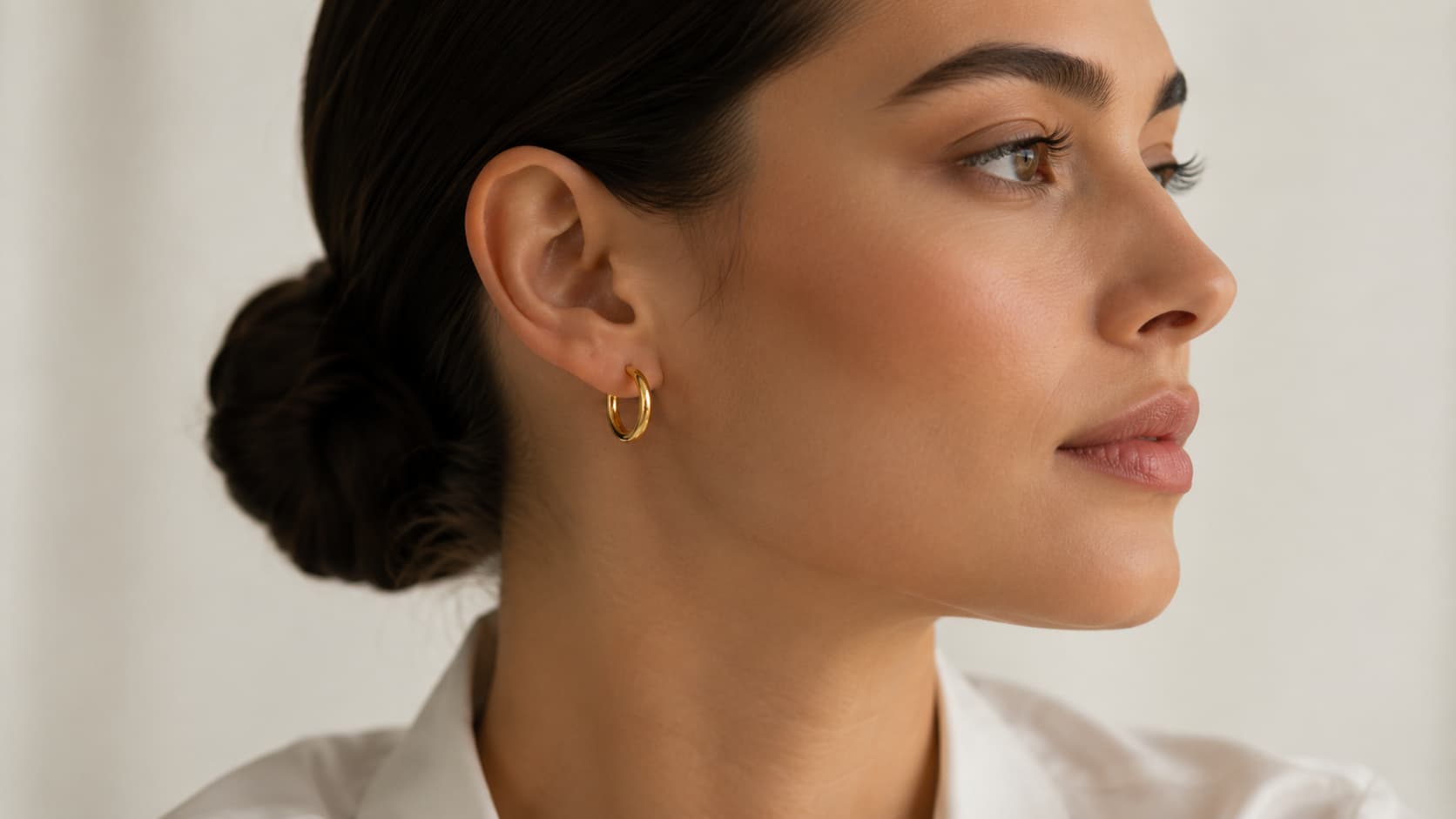

Getting your ears pierced is an exciting milestone that requires careful preparation to ensure a safe, comfortable experience and proper healing. Whether you’re getting your first piercing or adding to your collection, taking the right steps beforehand can prevent complications, reduce pain, and help your new piercings heal beautifully. From choosing a reputable piercing studio to preparing your body and gathering the right supplies, proper preparation makes all the difference between a positive piercing experience and potential problems down the road. Understanding what to expect, how to prepare your body, and what steps to take can transform what might seem like a scary procedure into a positive experience that you’ll be happy with for years to come.
Pre-Piercing Checklist: Research and Planning
The foundation of a successful piercing experience begins long before you sit in the piercer’s chair. These preparatory steps involve understanding legal requirements, choosing the right timing, researching professional studios, and educating yourself about different piercing options. Taking time to properly plan and research ensures you make informed decisions that will affect both your immediate experience and long-term satisfaction. Many piercing complications and disappointments can be traced back to rushed decisions or inadequate preparation, making this phase one of the most important parts of your piercing journey.
- Age requirements vary by location, but most studios require parental consent for anyone under 18 years old. Some states have specific age restrictions, with many professional piercers refusing to pierce infants or very young children due to safety concerns and the child’s inability to properly care for the piercing. If you’re a minor, research your local laws and discuss the decision thoroughly with your parents, as they’ll need to be present during the procedure in most cases.
- Choose your timing carefully by avoiding periods when your immune system might be compromised. Don’t get pierced when you’re sick, stressed, or about to face major life events like exams, weddings, or important presentations. Your body heals best when it’s healthy and not dealing with other stressors. Also consider seasonal factors - summer piercings mean dealing with swimming pools, sweat, and sun exposure, while winter piercings must contend with hats, scarves, and dry air.
- Research piercing studios thoroughly by checking their certifications, health department ratings, and customer reviews. A reputable studio should have current licenses displayed, use proper sterilization equipment like autoclaves, and maintain visibly clean facilities. Ask friends for recommendations, read online reviews, and don’t hesitate to visit studios in person to assess their cleanliness and professionalism before booking an appointment.
- Understand the different ear piercing locations and their healing requirements before making your choice. Earlobe piercings typically heal in 6-8 weeks and are considered the easiest starter piercings, while cartilage piercings can take 6-12 months to fully heal and require more careful aftercare. Different locations also have varying pain levels and jewelry requirements, so research what you’re getting into before committing.
- Schedule a consultation or ask detailed questions about the studio’s procedures, jewelry options, and aftercare protocols. Professional piercers should be willing to answer your questions, explain their sterilization processes, and discuss jewelry materials. They should also provide detailed aftercare instructions and be available for follow-up questions during your healing period.
The research and planning phase is where many people either set themselves up for success or create unnecessary challenges down the road. Professional piercers can immediately tell the difference between clients who have done their homework and those who haven’t, and this preparation often correlates directly with better healing outcomes. Remember that a good piercing studio will never pressure you to make quick decisions - they want you to be informed and confident in your choices. Taking the time to thoroughly research and plan demonstrates respect for both the piercing process and your own body, setting the stage for a positive experience from start to finish.
What to Eat and Avoid Before Ear Piercing Appointment
Your diet in the days leading up to your piercing appointment can significantly impact your body’s ability to handle the procedure and begin the healing process effectively. Proper nutrition supports your immune system, helps manage stress responses, and provides the building blocks your body needs for tissue repair and wound healing. Many people underestimate the connection between nutrition and piercing success, but what you eat in the 3-5 days before your appointment can make a noticeable difference in how you feel during the procedure and how quickly you begin to heal. Understanding which foods support your body’s natural healing processes and which ones might interfere can help you optimize your pre-piercing preparation.
- Eat foods rich in vitamin C for several days before your appointment, as this nutrient is essential for collagen production and wound healing. Include citrus fruits, strawberries, bell peppers, broccoli, and leafy greens in your meals. Vitamin C also helps your immune system function optimally, which is crucial for preventing infections during the initial healing period. The recommended daily amount is at least 75-90mg, but you can safely consume more through whole foods.
- Include protein-rich foods in your diet to provide the amino acids necessary for tissue repair and new cell formation. Lean meats, fish, eggs, beans, nuts, and dairy products all provide the building blocks your body needs to heal effectively. Protein deficiency can significantly slow the healing process and increase the risk of complications, so aim for adequate protein intake in the days leading up to your piercing.
- Avoid alcohol for at least 24-48 hours before your piercing appointment, as it thins your blood and can increase bleeding during the procedure. Alcohol also dehydrates your body and can interfere with your immune system’s ability to respond effectively to the piercing. Some piercers will refuse to work on clients who appear to have been drinking, as it can complicate the procedure and healing process.
- Stay well-hydrated by drinking plenty of water in the days leading up to your appointment. Proper hydration helps your body maintain healthy blood flow, supports immune function, and keeps your skin in optimal condition for piercing. Dehydration can make you feel faint during the procedure and can slow the initial healing response.
- Avoid excessive caffeine on the day of your piercing, as it can increase anxiety and make you feel jittery or uncomfortable. While a normal amount of caffeine is fine, avoid consuming large amounts that might make you feel nervous or cause your hands to shake. Some people find that caffeine makes them more sensitive to pain, though this varies from person to person.
- Get adequate sleep the night before your appointment to ensure your body is well-rested and your immune system is functioning optimally. Poor sleep can increase stress hormones, make you more sensitive to pain, and reduce your body’s ability to begin the healing process effectively. Aim for at least 7-8 hours of quality sleep before your piercing day.
The relationship between nutrition and healing is well-established in medical literature, and this applies directly to piercings as controlled wounds that require proper healing. Your body’s ability to form new tissue, fight off potential infections, and manage the stress of the piercing procedure all depend on having adequate nutrients available. While you don’t need to follow a special diet, being mindful of these nutritional factors can contribute to a smoother experience and better healing outcomes. Remember that these dietary recommendations work best when followed consistently for several days before your appointment, rather than just trying to eat well on the day of your piercing.
Best Jewelry Materials for New Ear Piercings
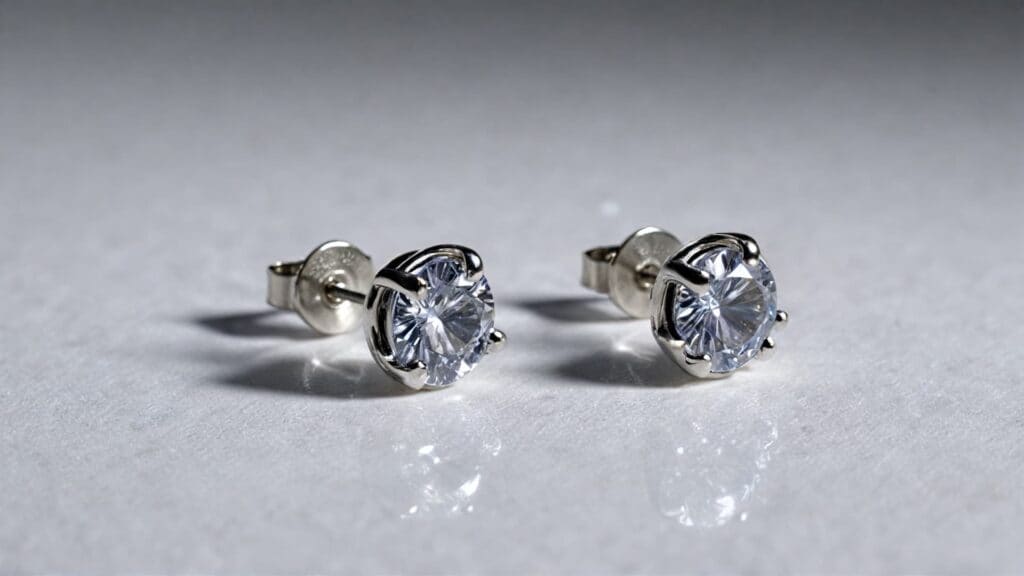
Selecting the right initial jewelry for your new piercing is one of the most critical decisions you’ll make in the entire process. The jewelry you start with will remain in your piercing for the entire initial healing period, which means it needs to be made from safe materials, properly sized, and designed to accommodate swelling and movement during healing. Poor jewelry choices are one of the leading causes of piercing complications, including allergic reactions, prolonged healing, migration, and infection. Understanding the difference between appropriate piercing jewelry and fashion accessories can save you from weeks or months of problems and ensure your piercing heals successfully.
- Choose surgical-grade stainless steel, titanium, or 14k-18k solid gold for your initial piercing jewelry, as these materials are biocompatible and unlikely to cause allergic reactions. Surgical steel (specifically 316LVM or 316L) is the most common choice because it’s affordable and well-tolerated by most people. Titanium is considered the gold standard for sensitive skin because it’s completely hypoallergenic and lightweight. Solid gold (not gold-plated) in 14k or higher is also safe, but avoid gold-filled or gold-plated jewelry during healing.
- Avoid nickel-containing metals, cheap costume jewelry, and any materials that aren’t specifically designed for body piercing. Nickel is one of the most common allergens and can cause severe reactions even in people who haven’t had problems before. Sterling silver, while fine for healed piercings, can tarnish and cause discoloration during the healing process. Brass, copper, and other base metals should never be used in fresh piercings.
- Ensure your initial jewelry is properly sized to accommodate swelling, which is normal in the first few weeks after piercing. Your piercer should select jewelry that’s slightly longer or larger than what you’ll eventually wear to allow room for swelling. Jewelry that’s too tight can become embedded in swollen tissue, while jewelry that’s too loose can get caught on clothing or hair and cause trauma to the healing piercing.
- Opt for simple, smooth designs without gemstones, dangles, or decorative elements that could catch on clothing or harbor bacteria. Basic studs with flat backs for earlobes or simple rings for cartilage piercings are ideal for healing. Ornate jewelry with multiple components, rough surfaces, or moving parts can interfere with healing and increase the risk of complications.
- Discuss threadless or push-fit jewelry options with your piercer, as these designs often provide better comfort and security during healing. Traditional threaded jewelry can loosen over time and may be more difficult to clean thoroughly. Threadless jewelry uses friction or pressure to stay in place and often provides a more secure, comfortable fit during the healing process.
- If you have known metal sensitivities or a history of allergic reactions, inform your piercer and consider getting allergy testing before your appointment. Some people discover metal allergies through piercing experiences, but if you already know you’re sensitive to certain materials, choose your jewelry accordingly. Niobium is another hypoallergenic option for people with multiple metal sensitivities.
The jewelry you choose for your initial piercing sets the foundation for your entire healing experience, and this decision should never be rushed or based solely on appearance. Quality piercing jewelry is an investment in your health and the success of your piercing, and trying to save money on initial jewelry often leads to much more expensive problems later. Professional piercers stock jewelry specifically designed for healing piercings, and while it might cost more than fashion jewelry, it’s engineered to support your body’s natural healing process. Remember that you can always upgrade to more decorative pieces once your piercing has fully healed, but starting with appropriate, high-quality jewelry is essential for getting there successfully.
Getting Your Ears Ready for Piercing
Properly preparing your ears for piercing involves more than just basic cleanliness - it requires creating the optimal conditions for the piercing procedure and setting up your ears for successful healing. Your ear preparation should begin several days before your appointment and continue right up until you arrive at the studio. This preparation phase involves cleaning protocols, hair management, and avoiding certain products that could interfere with the piercing process or initial healing. Taking the time to properly prepare your ears demonstrates respect for the piercing process and can significantly improve both your experience during the procedure and your healing outcomes afterward.
- Clean your ears thoroughly with a gentle, fragrance-free soap for several days before your appointment, paying special attention to the areas where you plan to get pierced. Use clean hands and avoid scrubbing aggressively, as you don’t want to irritate the skin before piercing. Remove any buildup of oils, dead skin, or hair products that might interfere with the piercing process or introduce bacteria.
- If you’re re-piercing previously closed holes, allow adequate time for the old piercing channels to fully heal before getting re-pierced. Most piercers recommend waiting at least 3-6 months after a piercing closes before attempting to re-pierce the same location. Scar tissue from previous piercings can complicate the new piercing process and may require special consideration from your piercer.
- Plan your hairstyle carefully, keeping in mind that you’ll need easy access to your ears for cleaning and that hair can harbor bacteria during healing. Consider cutting your hair before your appointment if it’s very long, or plan to wear it up frequently during the healing period. Hair that constantly touches or covers new piercings can slow healing and increase infection risk.
- Remove all makeup, lotions, oils, and hair products from the ear area on the day of your piercing. These products can interfere with the cleaning process your piercer will perform and may introduce bacteria or chemicals into the fresh piercing. Come to your appointment with completely clean, product-free ears.
- Avoid using cotton swabs or other cleaning tools that might leave fibers or cause micro-tears in the skin around your ears. Simply wash with soap and water using clean hands, then pat dry with a clean towel. Over-cleaning or aggressive cleaning can actually irritate the skin and make it more vulnerable to complications.
- If you wear glasses regularly, consider how the earpieces might interact with your new piercings and plan accordingly. Glasses can put pressure on healing piercings, especially those in the upper ear area. You might need to adjust your glasses, use different frames temporarily, or choose piercing locations that won’t conflict with your eyewear.
The ear preparation phase is often overlooked, but it plays a crucial role in piercing success. Clean, healthy skin provides the best foundation for piercing and healing, while contaminated or irritated skin can lead to complications from the very beginning. Your piercer will also clean and sterilize the area before piercing, but arriving with properly prepared ears makes their job easier and reduces any risks associated with bacteria or product residue. This preparation phase also gives you time to really think about your piercing placement and make any final adjustments to your plans, ensuring you’re completely ready for your appointment.
What to Bring to Your Piercing Appointment
Coming prepared to your piercing appointment with the right documents, supplies, and mindset can make the difference between a smooth, stress-free experience and a chaotic, uncomfortable one. Professional piercing studios have specific requirements and procedures, and being prepared shows respect for their processes while ensuring you get the best possible service. The items you bring should address legal requirements, comfort needs, and practical considerations for both the appointment itself and your immediate post-piercing care. Taking time to gather everything you need in advance prevents last-minute stress and allows you to focus entirely on the piercing experience.
- Bring valid photo identification, as all reputable piercing studios require ID verification regardless of your age. Your driver’s license, passport, or state-issued ID card are acceptable forms of identification. The studio needs to verify your identity for legal and insurance purposes, and some also photograph IDs for their records. Make sure your ID is current and not expired.
- If you’re under 18, bring the required parental consent forms completely filled out, along with your parent or legal guardian who must be present during the procedure. Some studios provide consent forms in advance, while others have you fill them out on arrival. Call ahead to understand your studio’s specific requirements, as some may need forms notarized or require additional documentation proving guardianship.
- Pack a small comfort kit including items that help you manage anxiety or discomfort during the procedure. This might include a stress ball to squeeze, headphones with calming music, or a small snack for afterward if you tend to feel lightheaded. Some people find that having familiar comfort items helps them feel more relaxed and confident during the piercing.
- Bring the appropriate payment method, as many studios have specific policies about cash, credit cards, or tips. Call ahead to confirm what payment methods are accepted and whether tipping is customary in your area. Some studios prefer cash for tips, while others allow you to add gratuity to credit card payments. Budget for both the piercing cost and a tip for good service.
- Prepare a list of questions to ask your piercer about the procedure, aftercare, and what to expect during healing. Having questions written down ensures you don’t forget important information when you’re nervous or excited. Good questions include asking about their sterilization process, aftercare product recommendations, when you can change jewelry, and how to recognize signs of problems.
- Consider bringing a trusted friend or family member for emotional support, but check with the studio first about their policy on additional people in the piercing area. Some studios limit the number of people who can accompany you due to space constraints or hygiene protocols. A supportive friend can help keep you calm and remember important aftercare instructions that you might forget due to adrenaline.
- Pack any aftercare supplies your piercer has recommended you purchase in advance, though most studios will provide or sell you everything you need. Some piercers prefer specific cleaning solutions or techniques, so ask during your consultation what they recommend and whether you should bring anything specific.
Being well-prepared for your appointment demonstrates that you take the piercing process seriously and respect your piercer’s time and expertise. Professional piercers appreciate clients who come prepared because it allows them to focus on providing the best possible service rather than dealing with missing documents or unprepared clients. Remember that your piercing appointment is a professional service appointment, similar to visiting a doctor or dentist, and preparing accordingly helps ensure everything goes smoothly. The more prepared you are, the more you can relax and enjoy the experience of getting your new piercings.
Mental Preparation Tips for First-Time Piercings
Preparing mentally and physically for your piercing appointment is just as important as the practical preparations, as your mental state and physical condition can significantly affect both your experience during the procedure and your body’s healing response afterward. Many people focus so heavily on the technical aspects of piercing preparation that they neglect the psychological component, but managing anxiety, setting realistic expectations, and preparing your body for the stress of the procedure can make the entire experience much more positive. Understanding what to expect, learning coping techniques, and getting your body into the best possible condition for healing will help you approach your piercing with confidence rather than fear.
- Practice relaxation and breathing techniques in the days leading up to your appointment, as controlled breathing can significantly reduce pain perception and anxiety during the piercing. Deep breathing exercises, progressive muscle relaxation, or meditation can help you stay calm and focused. During the actual piercing, slow, deep breaths help your body relax and can make the procedure feel less intense.
- Set realistic expectations about pain levels by understanding that ear piercings typically involve a brief, sharp sensation followed by mild throbbing or soreness. Earlobe piercings are generally described as feeling like a quick pinch, while cartilage piercings may be more intense but still very brief. The anticipation of pain is often worse than the actual sensation, and the entire piercing process usually takes only a few seconds.
- Get adequate sleep for several nights before your appointment to ensure your body is well-rested and your stress tolerance is high. Sleep deprivation can make you more sensitive to pain, increase anxiety, and reduce your body’s ability to cope with stress. Well-rested bodies also begin the healing process more effectively than tired, stressed bodies.
- Avoid scheduling your piercing during stressful life periods, such as during exams, major work deadlines, or family emergencies. Your body handles the piercing and healing process better when it’s not already dealing with high stress levels. Chronic stress can slow healing and increase the risk of complications.
- Learn about the piercing process step-by-step so you know exactly what to expect during your appointment. Understanding that your piercer will clean the area, mark the placement, sterilize equipment, and perform the piercing quickly can help reduce anxiety about the unknown. Most piercers are happy to explain each step as they work.
- Practice staying still and holding comfortable positions, as movement during piercing can be dangerous and may result in poor placement. Some people find it helpful to practice sitting still for short periods or holding their head in different positions. Your piercer will position you carefully, but being able to stay relaxed and motionless helps ensure the best results.
- Consider your pain tolerance honestly and discuss any concerns with your piercer before beginning the procedure. If you’re particularly sensitive to pain or have a history of fainting during medical procedures, let your piercer know so they can take appropriate precautions and provide extra support during your appointment.
Mental preparation often determines whether someone remembers their piercing experience positively or negatively, even when the technical aspects are identical. Anxiety and fear can amplify pain sensations and make the entire experience feel overwhelming, while feeling prepared and confident can make even more intense piercings feel manageable. Your piercer is experienced in helping nervous clients feel comfortable, but the work you do beforehand to prepare mentally will serve you well during the appointment. Remember that millions of people get pierced successfully every year, and with proper preparation, there’s no reason your experience shouldn’t be positive and straightforward.
What to Expect During Your Ear Piercing
Understanding the step-by-step process of getting pierced helps reduce anxiety and allows you to feel more in control during your appointment. Professional piercers follow specific protocols designed to ensure safety, accuracy, and comfort throughout the procedure. Knowing what to expect at each stage helps you prepare mentally and know what’s normal versus what might be cause for concern. The entire process, from initial consultation to walking out with your new piercing, typically takes 30-60 minutes, with the actual piercing happening very quickly within that timeframe. Being familiar with each step helps you relax and cooperate effectively with your piercer.
- Your appointment will begin with a consultation where your piercer discusses your goals, examines your ear anatomy, and explains the process and aftercare requirements. This is your opportunity to ask questions, express any concerns, and make final decisions about placement and jewelry. Professional piercers want to ensure you’re making informed decisions and feeling confident before proceeding.
- The piercer will clean their hands thoroughly and put on fresh gloves before handling any equipment or touching your ears. You should observe proper hygiene protocols throughout the process, including hand washing, glove changes, and sterilized equipment. If you don’t see these safety measures being followed, speak up or consider leaving.
- Your ear will be cleaned with an antiseptic solution to remove bacteria and oils from the skin surface. This cleaning is more thorough than what you can achieve at home and prepares your ear for the sterile piercing process. The cleaning solution may feel cool or tingly, but shouldn’t be uncomfortable.
- The piercer will carefully mark the exact placement of your piercing using a sterile marker, allowing you to approve the location before proceeding. This marking step is crucial for achieving the placement you want, and you should feel comfortable asking for adjustments if the marks aren’t exactly where you envisioned. Once you approve the placement, the piercer will proceed with the actual piercing.
- The piercing itself happens very quickly using either a sterile needle or piercing gun, depending on the location and studio practices. Professional piercers typically prefer needles for most piercings because they create cleaner holes and cause less tissue trauma than guns. The sensation is brief but intense, followed immediately by the insertion of your chosen jewelry.
- Immediately after piercing, your piercer will clean any blood, insert and secure your jewelry properly, and provide initial aftercare instructions. Some bleeding is normal, and your piercer will clean the area thoroughly before giving you aftercare materials and instructions. They should also schedule any follow-up appointments if needed.
- Before leaving, you’ll receive detailed written aftercare instructions, emergency contact information, and guidance on what to expect during healing. Quality piercing studios provide comprehensive aftercare information and remain available for questions during your healing period. Make sure you understand all instructions before leaving the studio.
The professionalism and care demonstrated during your piercing appointment often predicts how well your piercing will heal and how satisfied you’ll be with the results. A good piercer takes time with each step, maintains perfect hygiene, communicates clearly throughout the process, and prioritizes your comfort and safety above all else. The actual piercing happens quickly, but the preparation and aftercare discussion are equally important parts of the appointment. Don’t hesitate to ask questions or request clarification about anything you don’t understand - professional piercers want you to feel informed and confident about your new piercing.
First 24 Hours After Getting Pierced
The first 24-48 hours after getting pierced are critical for establishing healthy healing patterns and preventing complications that could affect your piercing long-term. Your body’s immediate response to the piercing determines how well the healing process begins, and the care you provide during this crucial window can significantly impact your overall healing experience. Professional aftercare starts the moment you leave the piercing studio and continues for the entire healing period, but these first few days require extra attention and care. Understanding what’s normal, what to watch for, and how to properly care for your fresh piercing during this initial period sets the foundation for successful healing.
- Keep your new piercing clean and dry for the first 24 hours, avoiding submersion in water and limiting exposure to potential contaminants. You can shower carefully, keeping the pierced area out of the direct water stream, but avoid baths, swimming pools, hot tubs, or any situation where your piercing might be submerged. Pat the area dry gently with a clean paper towel rather than rubbing with a cloth towel.
- Begin your cleaning routine as instructed by your piercer, typically involving saline solution cleanings 2-3 times daily. Use only the cleaning products recommended by your piercer, avoiding alcohol, hydrogen peroxide, or other harsh antiseptics that can damage healing tissue. Clean hands are essential before touching your piercing or cleaning supplies.
- Expect some swelling, redness, and tenderness around the piercing site, as these are normal parts of the body’s healing response. The area may feel warm to the touch and look slightly red or puffy for the first few days. Some clear or slightly yellowish discharge is also normal as your body begins forming new tissue around the piercing.
- Avoid sleeping on your new piercing by using a travel pillow or sleeping on the opposite side to prevent pressure and irritation. Pressure from pillows can cause swelling, pain, and healing complications. Some people find it helpful to use a donut-shaped pillow or sleep with their ear hanging off the edge of their regular pillow.
- Take over-the-counter pain relievers as needed, following package directions and avoiding aspirin, which can increase bleeding. Ibuprofen is often preferred because it also reduces inflammation, but acetaminophen is also appropriate for pain management. Ice packs wrapped in clean cloth can also help reduce swelling if applied for short periods.
- Monitor your piercing closely for signs of complications, including excessive swelling, increasing pain after the first few days, fever, or unusual discharge. While some discomfort and mild swelling are normal, symptoms that worsen rather than gradually improve may indicate problems requiring professional attention. Trust your instincts - if something feels wrong, contact your piercer or healthcare provider.
- Avoid touching, twisting, or playing with your new piercing, as this introduces bacteria and can disrupt the healing process. Your hands carry bacteria even when they look clean, and unnecessary manipulation of healing tissue can cause irritation, infection, or prolonged healing. Resist the urge to check how the piercing feels by touching it.
The immediate aftercare period tests your commitment to proper piercing care and often determines whether you’ll have a smooth healing experience or encounter problems along the way. Many piercing complications can be traced back to inadequate care during these crucial first few days, making this period one of the most important phases of piercing ownership. Your piercer should provide detailed instructions specific to your piercing type and location, and following these instructions precisely gives you the best chance of uncomplicated healing. Remember that healing is a gradual process, and what you do in these first few days creates the foundation for everything that follows.
What Not to Do After Getting Pierced
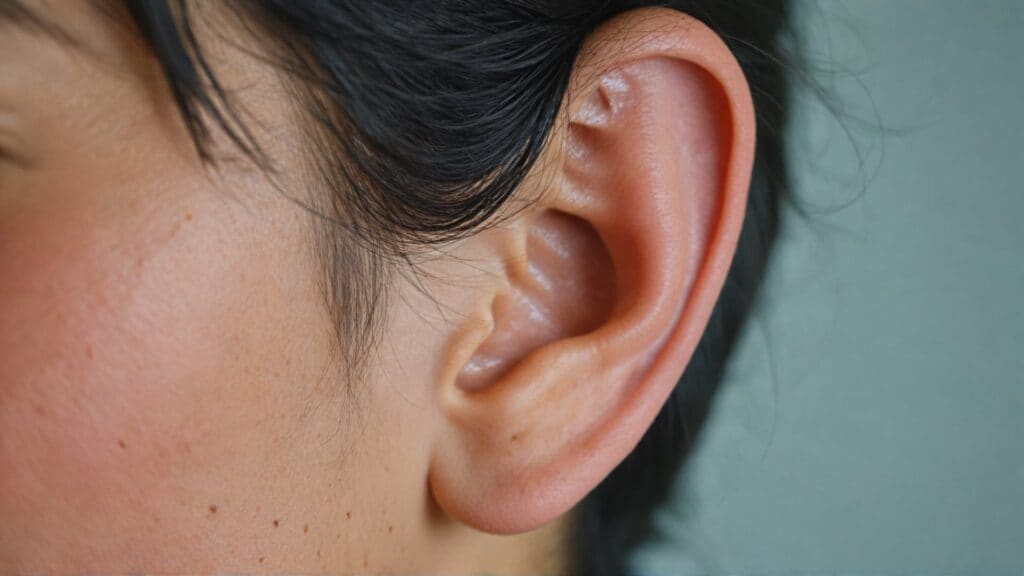
Even with the best intentions, many people make preventable mistakes during their piercing preparation and healing process that can lead to complications, prolonged healing, or unsatisfactory results. Understanding these common pitfalls helps you avoid them and increases your chances of having a positive piercing experience from start to finish. Many of these mistakes seem minor or harmless but can have significant consequences for your piercing’s health and appearance. Learning from others’ experiences and understanding why certain behaviors are problematic can save you from weeks or months of unnecessary problems and help ensure your piercing heals beautifully.
- Never touch your fresh piercing with unwashed hands, as this is one of the most common ways bacteria enters the wound and causes infections. Even hands that look clean carry bacteria, oils, and contaminants that can harm healing tissue. Always wash your hands thoroughly with soap and warm water before any contact with your piercing, including during cleaning routines.
- Avoid over-cleaning your piercing, as excessive cleaning can actually delay healing by irritating the tissue and disrupting the natural healing process. Cleaning 2-3 times daily with appropriate products is sufficient - more frequent cleaning can cause dryness, irritation, and prolonged healing. Your body needs time between cleanings to form new tissue and establish healthy healing patterns.
- Don’t change your jewelry too early, even if the piercing looks healed from the outside, as internal healing takes much longer than external healing. Earlobe piercings need at least 6-8 weeks before jewelry changes, while cartilage piercings may need 6-12 months. Changing jewelry prematurely can reopen healing tissue and restart the entire healing process.
- Resist the urge to sleep on your new piercing, as pressure from pillows can cause irritation, swelling, and healing complications. Use a travel pillow, sleep on the opposite side, or find creative solutions to avoid putting weight on your healing piercing. Pressure can also cause piercings to heal at angles or migrate from their original placement.
- Never use alcohol, hydrogen peroxide, or other harsh chemicals on your healing piercing, as these products damage healthy tissue and slow healing. These products were once commonly recommended but are now known to be harmful to healing piercings. Stick to saline solutions or cleaning products specifically recommended by your piercer.
- Avoid submerging your fresh piercing in bodies of water including pools, hot tubs, lakes, or bathtubs until it’s fully healed. These environments contain bacteria and chemicals that can cause serious infections in healing piercings. Showering is fine as long as you keep the piercing out of the direct water stream and clean it afterward.
- Don’t ignore signs of problems or hope that complications will resolve on their own without intervention. Early intervention for piercing problems is usually much more effective than waiting until complications become severe. Contact your piercer or healthcare provider if you notice increasing pain, excessive swelling, fever, or unusual discharge.
Understanding and avoiding these common mistakes demonstrates respect for the piercing process and commitment to proper healing. Many people who experience piercing problems can trace their issues back to one or more of these preventable mistakes, making education and awareness crucial for success. Your piercer should warn you about these potential pitfalls, but ultimately it’s your responsibility to follow proper care protocols and make good decisions about your piercing. Remember that piercings are controlled wounds that require appropriate care to heal properly, and treating them casually or ignoring proper care protocols often leads to preventable problems.
Conclusion
Proper preparation for getting your ears pierced transforms what could be a stressful, risky experience into a positive milestone that you’ll remember fondly for years to come. From researching reputable studios and choosing appropriate jewelry to preparing your body and mind for the procedure, each step of preparation contributes to your overall success and satisfaction with your new piercings. The time and effort you invest in preparation pays dividends throughout the entire healing process, reducing your risk of complications while ensuring the best possible outcomes.
Communication with your piercer is absolutely essential throughout this entire process. A professional piercer should be willing to answer all your questions, explain their procedures clearly, and provide ongoing support during healing. If you find that a piercer is unwilling to discuss these topics openly or seems rushed or dismissive of your concerns, consider this a red flag and look elsewhere for your piercing needs. The right piercer will welcome your questions and take time to ensure you feel informed and comfortable.
By taking the time to prepare properly, educate yourself about the process, and work with a communicative professional who respects your questions and concerns, you’re setting yourself up for a piercing experience that you’ll be proud of and happy with for many years to come. The investment you make in proper preparation and aftercare will reward you with beautiful, healthy piercings that enhance your personal style while avoiding common complications.