A watch that stops functioning can be both inconvenient and frustrating, especially when you’re not sure what’s causing the problem. While there are multiple reasons a watch might stop working, a dead battery is often the most common culprit. Recognizing the signs of a failing watch battery can save you time, money, and the disappointment of glancing at your wrist only to find your timepiece has stopped. Knowing how to identify when your watch battery needs replacement, test it properly, and take appropriate action will help keep your watch running reliably and prevent unnecessary trips to the jeweler.
Common Causes of Watch Battery Failure
Watch batteries are the silent powerhouses behind most modern timepieces, providing consistent energy for years before requiring replacement. Most watch batteries last between 1-3 years depending on the watch type, features, and usage patterns. Recognizing when a battery is failing rather than assuming your watch needs expensive repairs can save you significant money and hassle.
When a watch battery begins to fail, the watch typically exhibits several distinctive behaviors before stopping completely. Learning to identify these early warning signs allows you to replace the battery before you’re caught without a functioning timepiece. Additionally, understanding battery basics helps you maximize battery life and protect your watch’s internal components from potential damage caused by leaking batteries.
Signs of a Dead Watch Battery
When a watch battery begins to fail, it usually provides several warning signals before stopping entirely. Recognizing these signs early can help you address the issue before your watch stops working altogether. Most batteries don’t fail suddenly but gradually lose power, giving you time to notice changes in your watch’s performance before it stops completely.
- Complete stoppage - The most obvious sign is when your watch stops running completely. If your watch has been reliable and suddenly stops with no apparent reason, a dead battery is the most likely cause, especially for quartz watches that typically run without interruption until the battery dies.
- Erratic second-hand movement - Many quality watches include a built-in low battery indicator where the second hand begins jumping in 2-second or 4-second intervals instead of the normal 1-second movements. This feature intentionally preserves remaining power while visibly alerting you to replace the battery soon.
- Slowing down or losing time - Before stopping completely, a watch with a dying battery often loses several minutes per day when it was previously accurate. This happens because the declining voltage no longer provides sufficient power for the quartz crystal to oscillate at its calibrated frequency.
- Intermittent functionality - A watch that works only occasionally or requires tapping or shaking to temporarily function likely has a failing battery. The remaining power may be just enough to operate the watch briefly when disturbed before stopping again.
- Dimming display in digital watches - Digital timepieces will often show fading numbers, dim backlights, or flickering displays when battery power decreases. Some digital watches also feature a specific low battery indicator on the display.
- Non-responsive functions - In multi-function watches, features like chronographs, alarms, or date changes may stop working while the main timekeeping continues. This happens because these additional features often require more power to operate than basic timekeeping.
- Crown resistance - When setting the time becomes unusually difficult or the crown feels resistant to turning, this may indicate insufficient power from a dying battery to engage the setting mechanism properly.
Understanding these warning signs can save you from the inconvenience of an unexpectedly non-functioning watch. Pay special attention to any changes in your watch’s performance, especially if it’s been more than a year since the last battery change. Early detection of battery issues not only ensures continuous timekeeping but also protects your watch from potential damage caused by completely drained batteries, which may leak corrosive materials over time.
Easy Ways to Test a Watch Battery at Home

Confirming a battery issue before seeking replacement can save time and potentially unnecessary service costs. Several simple tests can help determine if your watch battery is indeed the problem. These tests can be performed at home with minimal equipment, though more precise testing may require professional tools or assistance.
- The basic movement check - Remove your watch and hold it near your ear in a quiet environment. If you can hear a faint ticking sound in an analog watch, the movement is still working, though the battery might be weak. Complete silence could indicate a dead battery or another issue.
- The multimeter test - For a more definitive diagnosis, use a digital multimeter set to DC voltage. A healthy watch battery typically reads between 1.55 and 1.65 volts for silver-oxide batteries or 2.8-3.2 volts for lithium batteries. Readings below these ranges indicate a weakening battery.
- The temperature test - Sometimes a temporarily unresponsive watch may simply be affected by cold temperatures, which can slow battery chemical reactions. Allow your watch to warm to room temperature for about 30 minutes before concluding the battery is dead.
- The date/time adjustment test - Try adjusting the date or time settings. If these functions work smoothly but the watch still doesn’t keep time, the problem might be with the movement rather than the battery.
- The professional quick-check - Most jewelry stores or watch repair shops can test your watch battery for free or a nominal fee in just a few minutes, providing a definitive answer without requiring you to open the watch.
- The watch back removal test - If you’re comfortable opening your watch (not recommended for water-resistant models), visual inspection can reveal battery issues. Look for corrosion, leakage, or discoloration around the battery, all signs of battery failure.
- The replacement test - When all else fails, sometimes the most practical test is simply replacing the battery. If your watch returns to normal operation with a new battery, the diagnosis is confirmed.
Testing your watch battery can be a straightforward process that helps identify the true cause of watch malfunction. While simple tests like listening for movement or warming the watch can be done easily at home, more definitive testing may require special equipment or professional assistance. For valuable timepieces, it’s often worth consulting a professional rather than potentially damaging your watch during amateur testing. Remember that water-resistant watches should only be opened by professionals to maintain their sealing properties.
Watch Battery Types and How Long They Last
Not all watch batteries are created equal, and understanding the differences can help you make informed decisions about replacement and maintenance. Various factors influence how long your watch battery will last, and knowing what to expect can help you plan for replacements proactively rather than reactively.
- Silver-oxide batteries (SR or SG) - The most common type used in watches, these batteries typically last 2-3 years. They provide stable voltage throughout their lifespan and are ideal for watches with numerous functions that require consistent power.
- Lithium batteries (CR) - These longer-lasting batteries can power a watch for 5-10 years depending on the watch’s power requirements. They’re commonly used in watches with higher energy demands like chronographs or those with illumination features.
- Mercury batteries - These are now obsolete due to environmental concerns but were common in vintage watches. If you have an older timepiece, it has likely been converted to accept modern battery types.
- Rechargeable batteries - Used in solar-powered or kinetic watches, these specialized batteries can last 10+ years before requiring replacement, as they’re continuously recharged during normal use.
- Watch-specific batteries - Some high-end watches use proprietary batteries designed specifically for their movements. These often require replacement by authorized service centers and may have different lifespan expectations.
- Button cell variations - Identified by numbers and letters (like 371, SR920SW, or CR2032), these batteries come in specific sizes and power outputs for different watch designs. Using the correct replacement is crucial for proper function.
- Low-drain vs. high-drain batteries - Watches with additional features require high-drain batteries that can deliver more power, while simple time-only watches can operate efficiently with low-drain options.
Understanding watch battery types helps you make better decisions about maintenance and replacement schedules. While the average watch battery lasts 2-3 years, factors like temperature exposure, frequency of backlight or chronograph use, and the watch’s age can all affect battery life. Quality watches often consume battery power more efficiently than cheaper models, potentially extending battery life. When replacing a battery, always ensure you’re using the exact type specified for your watch, as using an incorrect battery can damage your timepiece or provide suboptimal performance.
When to Replace Your Watch Battery and When to Seek Repairs
Sometimes a watch problem that seems battery-related might actually indicate other issues requiring more extensive repair. Knowing when to simply replace the battery versus when to seek professional repair can save both time and money while ensuring your timepiece receives appropriate care.
- Simple stoppage - If your watch has been running perfectly and suddenly stops with no other symptoms, a battery replacement is likely all that’s needed, especially if it’s been 1-3 years since the last change.
- Water damage indicators - Fogging under the crystal, rust on visible components, or discoloration on the dial suggests water intrusion, which requires professional repair beyond battery replacement.
- Battery replacement history - If batteries consistently die much faster than expected (within months rather than years), there may be an electrical issue in the movement draining power prematurely.
- Age consideration - In vintage watches (30+ years old), a simple battery replacement might not suffice as deteriorated gaskets, dried lubricants, and worn components often need attention simultaneously.
- After battery leakage - If you discover a leaking battery has damaged internal components, professional cleaning and repair will be necessary alongside battery replacement.
- Mechanical issues - Grinding sounds, hands that catch or stop at certain positions, or crown problems indicate mechanical issues that won’t be resolved by changing the battery.
- Value assessment - For inexpensive watches (under $50), often the cost of professional repair exceeds the watch’s value, making replacement more economical than repair.
- Water resistance maintenance - Watches rated for water resistance require proper resealing after battery change, which typically requires professional equipment to test and verify.
Determining whether your watch needs a simple battery replacement or more complex repair requires careful consideration of its symptoms, value, and history. While battery replacement is a relatively quick and inexpensive fix, attempting this solution when deeper issues exist can lead to frustration and potentially greater damage. For valuable or sentimental timepieces, consulting a professional watchmaker offers the safest approach, as they can properly diagnose issues beyond battery depletion. Many watchmakers offer free evaluations that can help you make an informed decision about whether to proceed with repairs or simply replace the battery.
DIY Watch Battery Replacement
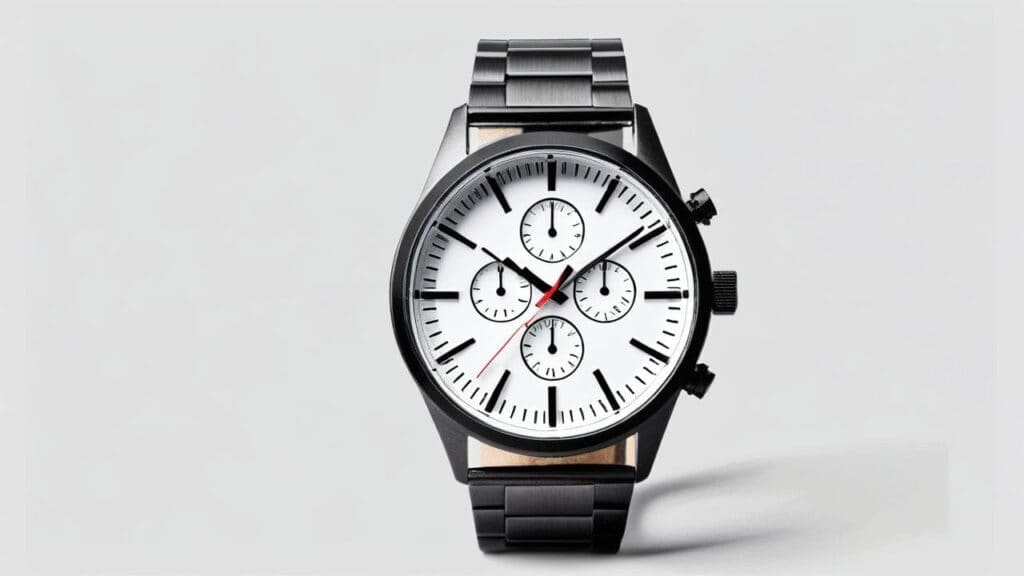
For those comfortable with precision tasks, replacing a watch battery at home can save money and time. However, it’s important to approach this task with care and the right tools to avoid damaging your timepiece. This section covers the essentials for a successful DIY battery replacement.
- Required tools - At minimum, you’ll need a watch case opener (case knife or specialized case back tool depending on your watch type), fine-tipped tweezers, a small screwdriver, and a clean, well-lit workspace with a soft surface to prevent scratches.
- Identifying the correct battery - Before opening your watch, research the exact battery type needed. This information can be found in your watch manual, on the old battery itself, or by searching your watch model online. Using the wrong battery can damage your watch.
- Opening the watch case - Different watches open differently. Snap-off backs require a specialized prying tool at the notch point; screw-down backs need a case wrench of the correct size; and some watches open from the front by removing the crystal.
- Proper handling techniques - Always hold the new battery by its edges, never touching the flat surfaces. Oils from your skin can damage the battery and potentially interfere with electrical contact inside the watch.
- Battery orientation - Note the position of the old battery before removing it, particularly which side faces up. Incorrect installation can prevent the watch from working or potentially damage the movement.
- Gasket inspection - Examine the rubber gasket that seals the watch case. If it appears dry, cracked, or deformed, it should be replaced to maintain water resistance (a job best left to professionals).
- Testing after replacement - After replacing the battery and securing the case back, listen for ticking and observe the second hand for several minutes to confirm proper function before wearing the watch.
Replacing a watch battery yourself can be a satisfying and economical solution for basic watches without specialized sealing requirements. However, this DIY approach comes with risks, particularly for valuable, water-resistant, or complex timepieces. Water-resistant watches require professional pressure testing after opening to ensure their seals remain intact. Similarly, watches with complex functions or high value are generally better serviced by professionals who have the proper tools and expertise. Remember that opening your watch typically voids any warranty, so consider this before proceeding with a DIY replacement.
How to Extend Your Watch Battery’s Lifespan
While all batteries eventually need replacement, several practices can help maximize the lifespan of your watch battery. These simple habits can extend battery life significantly and reduce the frequency of replacements.
- Crown pulling technique - Many watches allow you to pull out the crown to stop the movement when not wearing the watch. This simple action can extend battery life substantially for watches you wear only occasionally.
- Function limitation - Features like chronographs, alarms, or backlights consume significant power. Using these functions only when necessary can preserve battery life, especially in digital watches with illumination.
- Temperature management - Extreme temperatures reduce battery efficiency and lifespan. Avoid leaving your watch in very hot environments (like a car dashboard in summer) or extremely cold conditions for extended periods.
- Proper storage - When storing a watch for long periods, consider removing the battery entirely to prevent potential leakage and damage, especially for valuable timepieces that won’t be worn for months.
- Regular cleaning - Dirt or corrosion on the case can sometimes create micro-pathways for electrical discharge. Keeping your watch clean helps maintain optimal electrical efficiency.
- Moisture control - While not directly related to the battery, moisture intrusion can create short circuits that drain batteries quickly. Ensure water-resistant seals are maintained through regular service.
- Magnetic field avoidance - Strong magnetic fields can affect quartz watch movements, potentially increasing power consumption. Keep watches away from speakers, magnetic clasps, and other strong magnetic sources.
- Professional servicing - Having your watch professionally serviced every 3-5 years ensures the movement operates efficiently, reducing unnecessary power drain from friction or misalignment.
Implementing these practices can significantly extend your watch battery’s service life, saving you money and the inconvenience of frequent replacements. While all batteries have finite lifespans, proper care and usage habits can ensure you get the maximum potential from each one. Additionally, watches treated with these battery-preserving practices often maintain better overall condition, as they’re subjected to fewer battery changes (each presenting an opportunity for damage). For valuable watches, these habits combine with regular professional maintenance to protect both the timekeeping function and the watch’s long-term value.
Conclusion
Understanding the signs of a failing watch battery and knowing how to address the issue appropriately can save you time, money, and frustration. While a dead battery is often the simplest explanation for a non-functioning watch, proper diagnosis ensures you don’t overlook more serious issues that could worsen with time. Whether you choose DIY replacement or professional service depends on your watch’s value, complexity, and water resistance requirements.
By recognizing early warning signs like erratic second-hand movement, slowing timekeeping, or dimming displays, you can address battery issues proactively. Implementing simple habits like pulling the crown when not wearing your watch and limiting power-hungry features can extend battery life significantly. Regular maintenance and proper care not only keep your timepiece running reliably but also protect its long-term value and functionality.