Scroll through enough watch forums or online listings and a brand-new Rolex, Omega, or Tag Heuer will eventually turn up priced well below what the boutique down the street charges. That gap in price is usually the first clue of the grey market, a huge but often misunderstood corner of the watch world where genuine timepieces change hands outside the paths their manufacturers officially approve. How it works matters to any prospective buyer, since purchasing grey doesn’t just affect the price tag, it can also affect the warranty, the paperwork, and how much trust can be placed in the seller.
What Does Grey Market Mean for Watches?
The grey market is the trade of genuine, authentic watches sold through sellers who are not officially authorized by the brand that made them. The watches themselves are 100% real, made in the same factories and to the same standards as anything sold in a boutique, but they reach the customer through a side door rather than the front one.
A watch brand’s official sales network works like a series of approved doors: brand boutiques and authorized dealers (often shortened to “ADs”). Every watch is supposed to walk out through one of those doors and land with the person who bought it there. The grey market exists because watches sometimes slip out a side exit instead, through an authorized dealer with more stock than they can sell, a distributor in a country with lower demand, or a private buyer who never intended to keep the watch. From there it gets resold, often at a discount, by a dealer who has no formal agreement with the brand.
Brands generally aren’t fans of this. An authorized dealer network exists partly so a manufacturer can control pricing, protect the buying experience, and keep a paper trail on every watch it makes. When watches leak into grey channels, that control disappears, which is part of why some brands treat grey market sales as a breach of contract whenever they can trace a watch back to the dealer who let it slip out.
Is the Grey Market the Same as the Black Market?
Grey market watches are genuine and legal to buy and sell; black market watches are counterfeit or stolen, which is illegal. That single distinction is the one people mix up most often: “grey” describes the sales channel, not the authenticity of the product.
Gray market watches are authentic timepieces sold outside the manufacturer’s official distribution network, made in the same factories as those sold through authorized dealers. A black market watch, by contrast, is either a fake built to imitate a real design, or a genuine watch that was stolen and is being sold illegally to dodge taxes or hide its origin. Buying a grey market watch carries commercial and warranty considerations, but it doesn’t carry the legal risk of buying counterfeit or stolen goods. As one industry report from 2011 shows, U.S. authorities have historically gone after sellers for illegally importing watches to dodge duties, not for grey market trading itself, which underlines that the issue is about how goods cross borders and get taxed, not whether the watches are real.
How Do Watches End Up on the Grey Market?
Watches reach the grey market mainly through authorized dealers offloading extra stock, international price differences, and private sellers who never intended to keep their purchase. Brands manufacture and ship watches to a network of approved dealers, and once that watch leaves the factory’s control, the brand has limited say over where it goes next.
A few common paths a watch takes to get there:
- Overstock from authorized dealers. A boutique that ordered too many units of a slow-selling model may offload the extra pieces in bulk to a grey market wholesaler rather than let them sit unsold.
- International price gaps. Because luxury brands sell to authorized dealers in different countries, and taxes, import duties, and currency values vary by region, a watch can be bought cheaply in one country and resold at a profit in another.
- Private resellers. Someone who buys a watch new, wears it briefly, or never wears it at all, may sell it on to a grey market dealer instead of back to the boutique.
- Distributor overflow. Regional distributors sometimes receive more stock than local demand can absorb and pass the surplus along to unofficial channels.
- Waitlist flipping. For the hardest-to-get sports models, some buyers who land a coveted allocation at their AD turn around and sell it immediately at a markup rather than keep it, feeding the grey market from the demand side instead of the supply side.
None of these paths involve counterfeiting. They’re really just watches moving through unofficial supply chains rather than getting sold once, by one approved shop, to one customer.
Why Are Grey Market Watches Cheaper?
Grey market watches are usually cheaper because dealers buy them at a discount, from tax-free zones, oversupplied markets, or bulk wholesale deals, and then pass part of that saving on to the customer while still making a profit. Unlike authorized dealers, grey market sellers aren’t bound by the brand’s pricing rules, so they’re free to discount.
Savings of around 20 to 30 percent below the official retail price are common for popular watches sold through grey channels, though this swings wildly by model.
That said, the discount isn’t guaranteed or universal. Watches with long waiting lists and constant demand, certain steel sports models from the biggest Swiss brands are the classic example, can actually sell for more on the grey and secondary markets than they cost brand new, simply because supply can’t keep up with demand. So “grey market” doesn’t automatically mean “cheap.” It means “outside the official channel,” and price can move in either direction depending on how badly people want that particular watch.
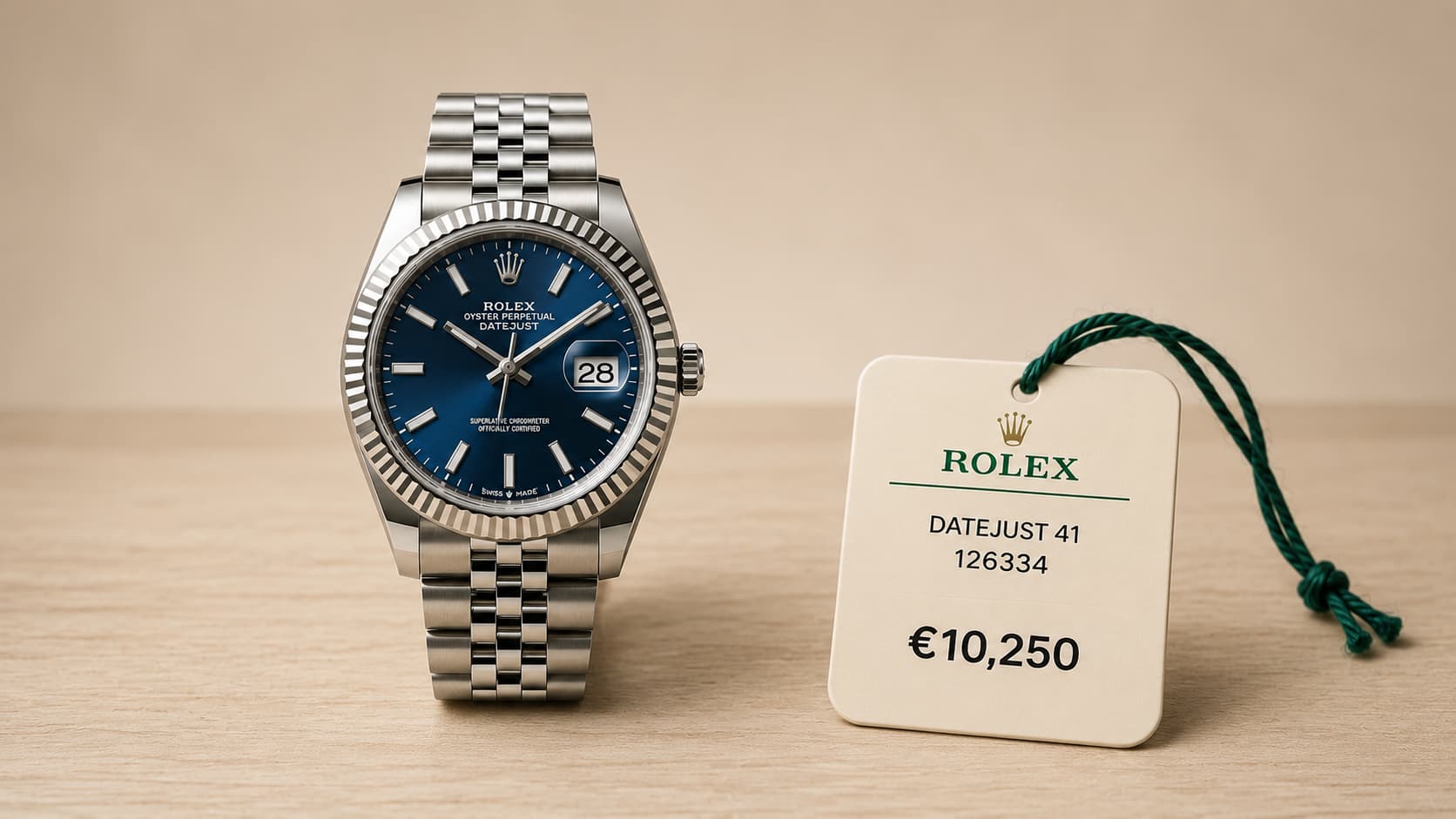
Rolex is the clearest example of this split personality. As of 2026, a steel Rolex Submariner sells on the grey market for roughly 25 to 35 percent above its retail price, and a steel Daytona has historically traded for anywhere from 30 to well over 100 percent above what Rolex charges, simply because authorized dealers receive far fewer of these models than customers want. Meanwhile, a Rolex Cellini or certain Datejust references, watches with no waiting list and steady but unspectacular demand, can actually be found for a genuine 5 to 20 percent discount through grey market sellers. The takeaway is that the specific model drives the price far more than the grey market label does, so the same term can mean a bargain on one watch and a steep premium on another.
Does Buying Grey Market Void the Warranty?
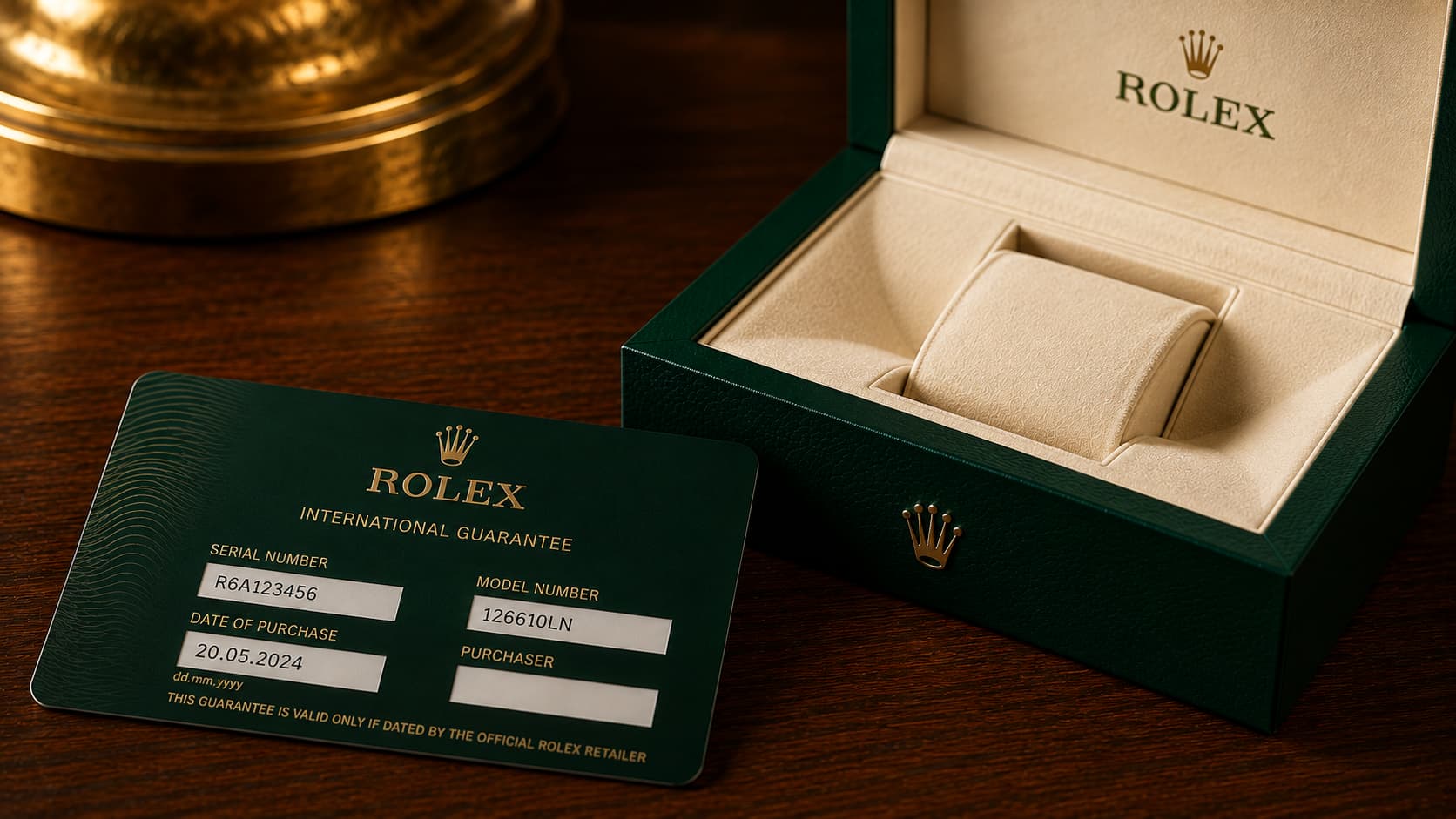
In most cases, yes. Major brands including Rolex, Audemars Piguet, and Patek Philippe generally only honor their manufacturer warranty on watches sold through their authorized network, so a watch purchased from an unauthorized dealer often won’t carry that protection, even though the watch itself is completely genuine.
The situation carries some nuance. Several people who work with these watches day to day report that the manufacturer’s warranty is technically tied to the watch itself rather than to a specific owner’s name, so a watch that was originally sold through an authorized dealer and comes with its original warranty card intact can sometimes still carry valid coverage even after changing hands. The real risk shows up when a grey market seller can’t or won’t provide that original warranty card, box, and papers, since that’s often a sign the watch left an authorized dealer’s inventory before ever being registered to a first owner, meaning there’s no factory warranty to inherit in the first place. A few brands have started softening their stance too, offering warranties tied to a serial number rather than a purchase receipt, but this varies by company and can change, so confirming directly with the brand remains more reliable than assuming either way.
The exact mechanics vary by brand. Omega, for instance, offers a five-year international warranty, but it only activates when an authorized retailer stamps or electronically registers the card with the watch’s specific serial number at the point of sale; a card that was never activated this way isn’t recognized later, no matter who ends up owning the watch. Breitling runs a two-year international warranty that’s meant to activate automatically at the time of an authorized purchase. In both cases, the warranty is tied to that first authorized sale actually happening, so a watch that bypassed an AD entirely, rather than one that was properly sold and later resold, is the one most likely to arrive with no valid coverage at all.
Reputable grey market dealers typically fill that gap with their own store warranty, often lasting a year or two, to cover what the manufacturer won’t.
Is Grey Market the Same as Pre-Owned?
The grey market involves watches sold by dealers with no formal relationship to the brand, while the secondary market refers to previously-owned watches being resold after their first legitimate sale through a boutique or authorized dealer. The two terms get used loosely, and even people within the watch trade disagree on exactly where the line falls, but the distinctions generally break down as follows:
| Grey Market | Secondary/Pre-Owned Market | |
|---|---|---|
| Condition | Usually new, unworn | Usually previously worn |
| Origin | Sold by an unauthorized dealer before reaching a first private owner | Resold by a private owner after buying it properly |
| Warranty | Often void or reduced | Depends on remaining factory coverage |
| Typical seller | Grey market wholesaler | Individual, consignment shop, or resale platform |
| Price behavior | Can be cheaper on slow-moving models, pricier on hyped ones | Tends to track overall demand plus wear and paperwork |
In practice, the two markets overlap constantly, since a watch that starts life as a grey market piece can later be resold again as a “pre-owned” watch, carrying whatever paperwork gaps it picked up along the way.
Is It Safe to Buy a Grey Market Watch?
The biggest risks with grey market watches are a voided or missing manufacturer warranty, no relationship with a boutique for future servicing or trade-ins, and a higher chance of running into missing paperwork. The watch being fake is generally not one of the real risks, since grey market goods are authentic by definition.
Some brands’ official service centers will still service a grey market watch, just without warranty coverage and often at full cost. Others may be less accommodating, particularly if the watch shows signs of being opened or serviced by someone outside their network, since that alone can be treated as a reason to deny service altogether. Boutiques can also be reluctant to accept a grey market watch toward a trade-in or upgrade, since they typically only credit watches with a documented history through their own authorized network. Buying from an established, reputable grey market or pre-owned dealer, one that inspects watches, discloses their history honestly, and stands behind its own warranty, closes most of these gaps. Buying from an anonymous online listing with no return policy and no paper trail is where the real risk lives.
Tips for Buying a Grey Market Watch
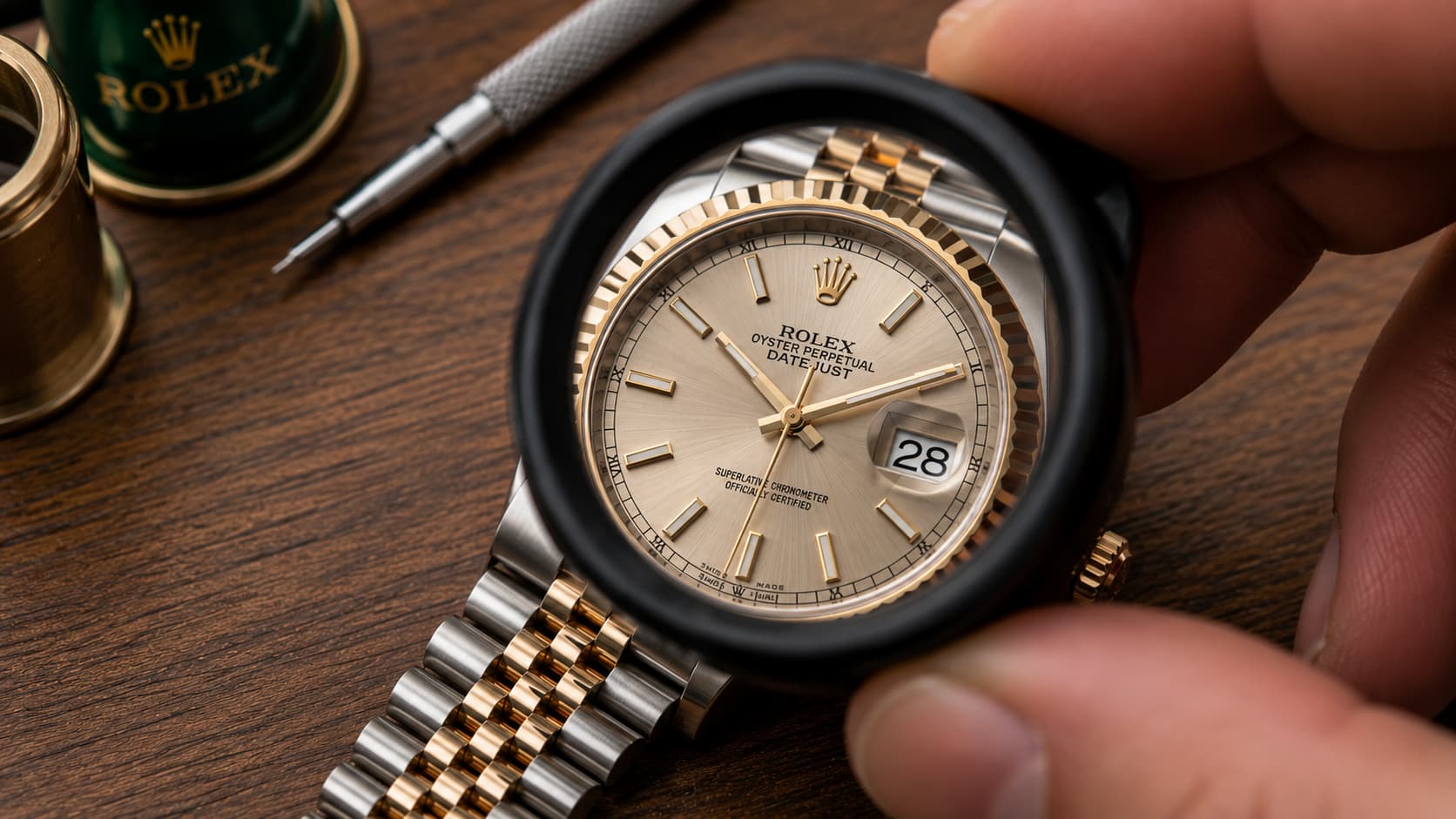
The grey market isn’t a place buyers need to avoid, it simply rewards a bit of homework before money changes hands. A handful of checks tend to separate a smooth grey market purchase from a costly mistake.
- Verifying the serial number. Most brands can confirm whether a serial number is genuine and, in some cases, whether it’s already registered to a warranty, making this one of the simplest ways to catch a problem before buying.
- Requesting the full set. The original box, papers, and warranty card aren’t just extras, they’re often the only proof of when and how a watch first entered the market, and they carry real weight for resale value later.
- Checking for a written return policy. A dealer confident in what they’re selling will typically offer a clear inspection or return window; the absence of one in writing is usually a warning sign.
- Choosing an established dealer over a stranger. A grey market dealer with a real storefront, a review history, and a track record has a reputation to protect, which an anonymous online seller does not.
- Confirming warranty status directly. Calling the brand or the dealer for a straight answer on remaining manufacturer coverage is more reliable than assuming either way.
Frequently Asked Questions
Are grey market watches fake?
No. Grey market watches are genuine products made by the original brand. “Grey” refers only to the unauthorized sales channel, not to the authenticity of the watch. Counterfeit watches are a separate, illegal category entirely.
Is it legal to buy or sell grey market watches?
Yes, buying and selling grey market watches is legal in most countries, including the United States, the United Kingdom, and across the EU. Legal trouble in this space has historically centered on unpaid import duties or customs violations, not on the act of grey market trading itself.
Will a brand’s service center repair a grey market watch?
Often, yes, but usually without warranty coverage and at the customer’s own expense. Some brands are stricter than others, and a watch that shows signs of being serviced outside the brand’s network can complicate things further, so confirming directly with a service center beforehand is generally the safer approach.
How can I tell if a watch is grey market or properly authorized?
Checking for the original warranty card, box, and papers, and confirming whether the seller is listed as an authorized dealer on the brand’s official website, are the most direct ways to tell. Missing warranty documentation, unusually steep discounts on hard-to-get models, and a seller with no verifiable authorization are the clearest signs a watch came through the grey market.
Will I owe customs duty on a grey market watch bought from overseas?
Likely, and the specifics depend on timing, since U.S. import policy on watches has shifted several times through 2025 and 2026. The previous rule exempting low-value shipments from duties no longer applies, so imported watches are generally subject to duty regardless of price. As of mid-2026, Swiss-made watches, which make up the large majority of watches imported into the U.S., carry an effective tariff of roughly 12.5 percent, following a volatile stretch that saw the rate spike as high as 39 percent in 2025 before settling lower. Rates for watches assembled elsewhere vary by country of origin. Because these figures have changed multiple times in a short period, the current rate is best confirmed directly with U.S. Customs and Border Protection or the seller before an international purchase is finalized.
Do grey market watches hold their value as well as ones bought from a boutique?
Generally yes, since resale value is driven mainly by the model, condition, and completeness of the box and papers rather than which type of dealer originally sold it. A grey market watch with full original documentation typically resells about as well as one bought at a boutique; it’s a watch missing its warranty card or papers that tends to lose the most value.
Conclusion
Grey market watches are genuine, legally tradable timepieces that simply take a different route to reach the customer, one that skips the brand’s authorized dealer network rather than skipping the factory itself. That route can mean a real discount, especially on models authorized dealers are overstocked on, but it typically comes at the cost of manufacturer warranty coverage and the paper trail that boutique buyers take for granted. The smartest way to shop this market isn’t to avoid it outright, it’s to buy from dealers who are upfront about a watch’s history, insist on full original documentation, and back their sales with their own solid warranty.