Anyone who has tried to sell a watch quickly learns that the watch itself is only half the story. Two identical models, same condition, same scratches, same year, can sell for very different prices depending on whether a small cardboard box and a folder of papers come along with them. That gap surprises a lot of first-time sellers, because the box and papers don’t make the watch run any better or look any nicer on the wrist. What they do is answer a question every buyer is silently asking: is this watch really what it claims to be, and can I trust the person selling it?
What Does “Box and Papers” Mean?
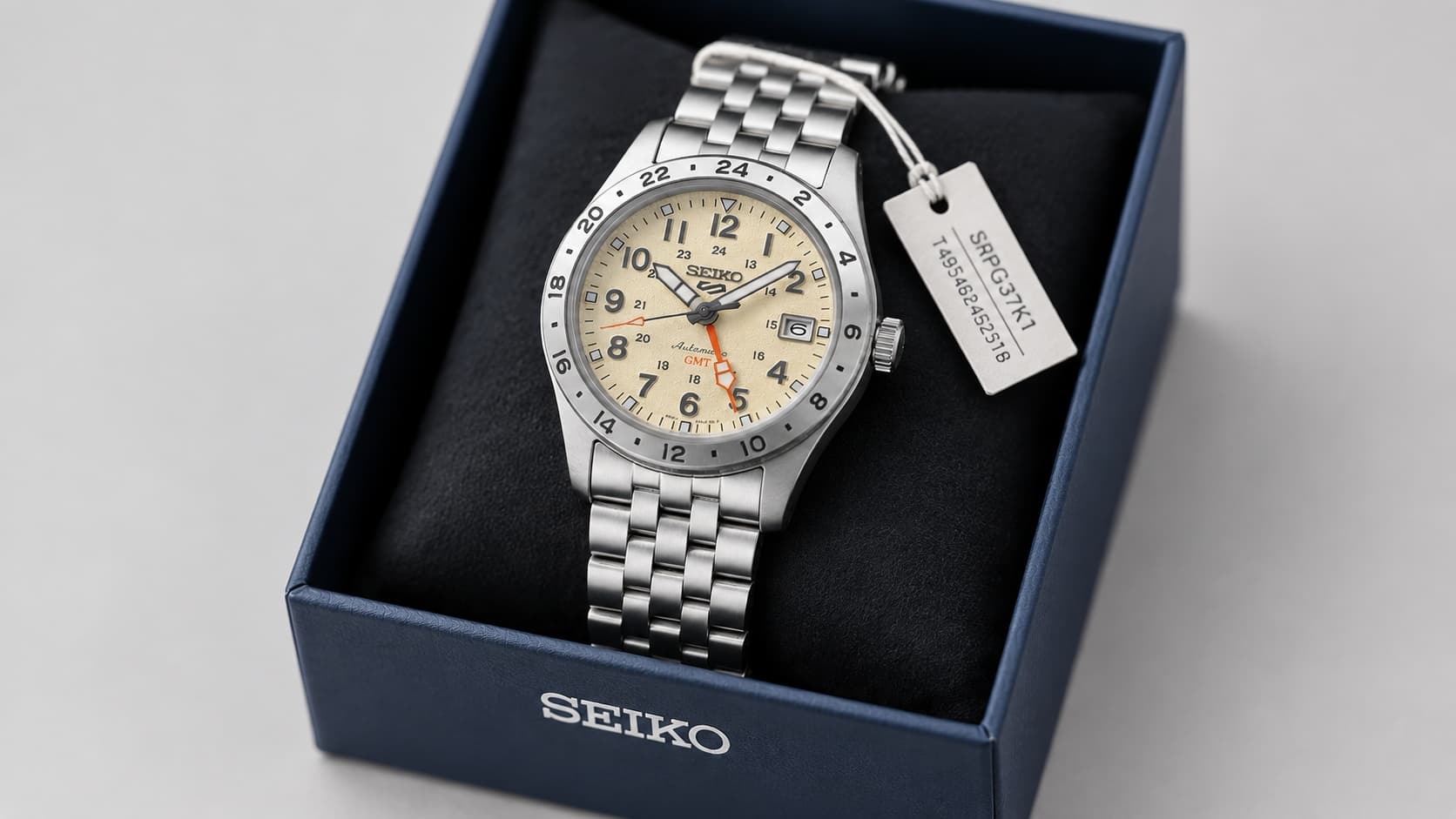
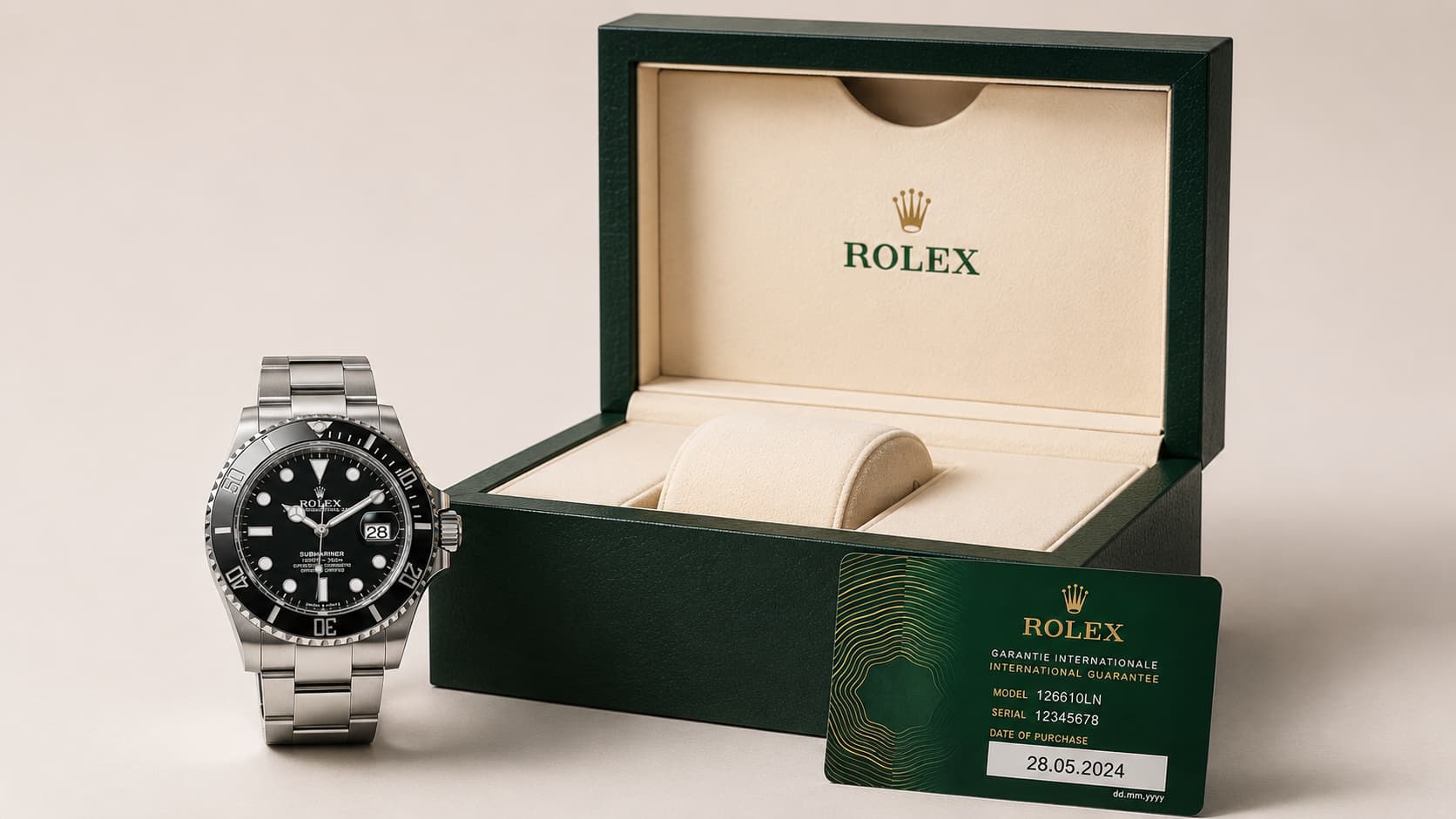
“Box and papers” means the original packaging a watch came in plus the documents that were issued with it when it was new. The box is usually a case, sometimes an outer box and an inner box, made from wood, leather, or plastic depending on the brand and era. The papers are the warranty card, the original sales receipt, and sometimes a small instruction booklet or a certificate specific to that model.
Together these are often called a “full set.” A watch missing either piece is usually described as “watch only” or, if just the papers are gone, “box only.” Buyers, dealers, and collectors all use this language, and it matters before any sale or purchase of a used watch.
The papers themselves have changed shape over the decades, a detail that matters for older watches in particular. Before the mid-2000s, most brands issued a printed paper certificate, hand-stamped or handwritten with the dealer’s name, the date, and the serial number. Rolex, for example, switched from paper certificates to a credit-card-style warranty card in 2006, and has updated that card’s security features several times since, including a UV-reactive hologram and, more recently, a built-in chip that links the card to the brand’s website when scanned with a phone. So “papers” doesn’t always mean an actual sheet of paper anymore, but the term has stuck around regardless of what the document physically looks like.
How Much Value Do Box and Papers Add?
A full set typically adds somewhere between 10% and 30% to a watch’s resale price, though the exact number depends heavily on the brand and model. This isn’t a fixed rule written down anywhere, but it shows up consistently across dealers, auction results, and private sales.
The premium tends to be bigger for watches that are heavily counterfeited or in high demand, like a popular steel sports watch from a major Swiss brand. A less sought-after, everyday model from the same brand might only see a 5% to 15% bump, simply because fewer people are worried about fakes when the watch isn’t valuable enough to bother copying. Rare or vintage pieces can sometimes command an even larger jump, since original documentation on an old watch is much harder to replace than it is for something made last year.
Think of the premium less as payment for a nice box, and more as payment for skipped hassle. A buyer with a full set doesn’t have to pay someone else to prove the watch is real.
To put a rough figure on it, a mid-five-figure watch carrying a 20% box-and-papers premium could be worth several thousand dollars more than the identical watch sold on its own. That gap is also roughly in line with what it can cost, in time and money, for a buyer to have a “naked” watch professionally authenticated before feeling comfortable paying full price for it. A full set also tends to sell faster. Listings and dealer offers for complete sets often move noticeably quicker than watch-only sales, since there’s less back-and-forth needed to build trust between buyer and seller.
The Papers Are More Important Than the Box
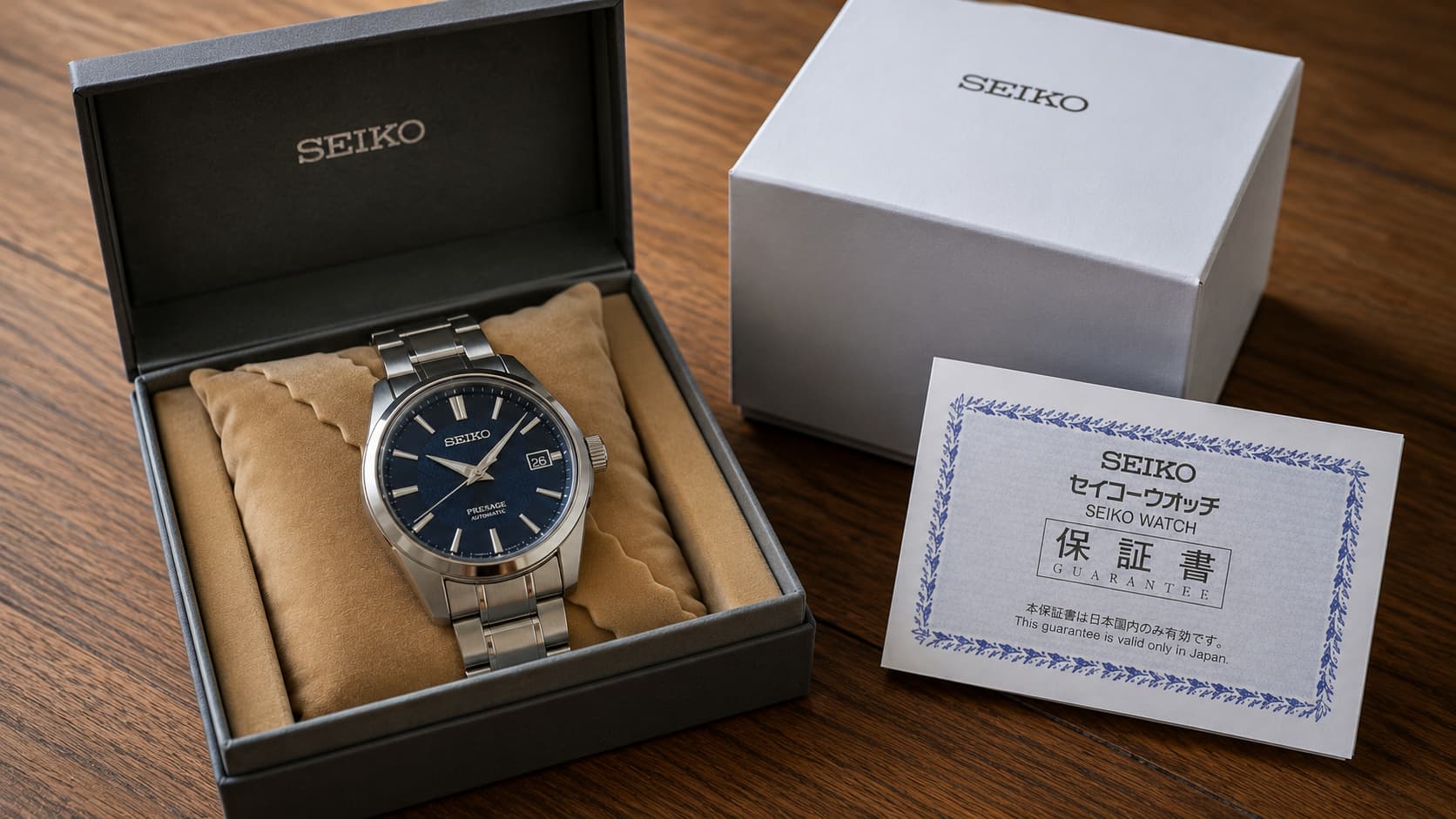
Between the two, the papers carry more weight than the box. The warranty card or certificate is the document that actually links the watch to a real sale, because it usually lists the serial number, the model reference, and the date and location of purchase. When those details match the numbers stamped on the watch itself, a buyer has strong evidence the watch is genuine and wasn’t altered.
The box, by comparison, mostly proves presentation rather than authenticity. A pristine box with no papers is far less convincing than a slightly dented box with a complete, matching warranty card. That’s because boxes are relatively easy to replace or fake, while a correctly matched, aged paper trail is much harder to fake convincingly.
Modern warranty cards have also become harder to copy on purpose. Brands have added security features over the years, like embossed serial numbers instead of flat printing, watermarks, UV-reactive ink, and even embedded chips that respond to a smartphone. These features exist specifically because counterfeit warranty cards became common enough to worry brands and buyers alike. If a warranty card looks slightly off in texture, print quality, or color compared to known genuine examples, that’s usually a sign to get it checked before trusting it.
What Documents Are Included in “Papers”?
Not every piece of paper in a watch’s box carries the same weight, and the documents fall into a rough hierarchy of importance:
- Warranty card or certificate of authenticity — the single most important document, since it ties the serial number to a specific sale.
- Original sales receipt — confirms the price paid and the date, and backs up the warranty card.
- Service records — show the watch has been maintained properly over time, which matters for mechanical watches especially.
- Instruction manual or booklet — nice to have, but adds very little to resale value on its own.
A photocopy or a warranty card with no serial number filled in generally doesn’t count as real documentation. Buyers and dealers specifically look for the original card with the correct information written on it.
It’s also worth checking that every detail actually matches. The reference number, serial number, and sometimes the country code printed on the warranty card should line up exactly with what’s stamped on the watch case. A mismatch doesn’t always mean something dishonest happened, since parts get swapped during repairs sometimes, but it’s a detail worth asking about before buying, and it’s a detail that lowers value if it can’t be explained.
How Papers Help Confirm a Watch Is Genuine
Counterfeit watches are a real problem in the secondary market, and the more valuable a model becomes, the more fakes tend to appear. A matching set of box and papers doesn’t guarantee a watch is genuine by itself, since a good watch can still exist without them and a fake can, in rare cases, be paired with stolen documents. But it removes a huge amount of guesswork for a buyer.
When the serial number on the case matches the number printed on the warranty card, and the model reference matches too, a buyer can be far more confident without needing an expert to physically inspect the movement. That confidence is exactly what drives up the price, because it shortens the time and cost needed to close a sale.
Used-watch dealers rarely make an offer without first sorting a piece into one of three buckets in their own heads: complete, box but no papers, or neither. That mental sorting isn’t bureaucracy for its own sake. A complete piece needs little more than a glance to confirm, while a bare watch has to go through an internal check of the movement and case before anyone will commit to a number. That difference in workload is exactly why the same watch, walked into the same shop twice, can come back with two very different offers depending on what’s in the bag.
What to Check Before Buying a Used Watch With “Full Set”
A seller’s claim of “full set” isn’t the same as an actual full set, so verifying the pieces individually matters more than trusting the claim at face value. The basics come first: whether the reference number and serial number on the warranty card match what’s engraved or stamped on the watch case. Sellers don’t always mismatch pieces on purpose, but boxes and papers do get swapped between watches, especially in collections where someone owns more than one model from the same brand.
Verification also extends to smaller details before a price gets agreed on. Seeing the papers in person or in clear, close-up photos, rather than a distant listing photo of a box, is a reasonable request. A warranty card that hasn’t actually been filled in, with no dealer stamp or date, isn’t proof of anything despite looking official. A country code or dealer name on the card, paired with a clear answer about where the watch was originally purchased, adds confidence, while a vague or evasive answer is a signal worth noting. Extra caution is generally warranted on “full set” claims for heavily counterfeited models, since those are exactly the watches most likely to attract faked documentation.
Treating “full set” as a claim to verify rather than a label to trust automatically is really the whole approach, applied the same way any other detail gets double-checked before a purchase.
Does the Brand Affect How Much Papers Matter?
The premium is real across most brands, but it isn’t identical everywhere. Watches from well-known Swiss houses like Rolex, Patek Philippe, and Audemars Piguet tend to see the largest boosts, since these are also the brands most frequently counterfeited and most actively traded on the secondary market.
For mid-range or fashion watch brands, box and papers still help, but the dollar difference is usually smaller simply because the watches themselves cost less to begin with. A 20% premium on a $300 watch is a much smaller number than 20% on a $10,000 one, even though the percentage is the same. Quartz watches, which are less mechanically complex, generally see a smaller papers-related bump than mechanical or automatic watches, where service history and originality matter more to collectors.
The size of a brand’s resale market plays a role too. The bigger and more active the secondary market for a brand, the more buyers there are who specifically shop by completeness, and the more that completeness gets rewarded in price. A hyped, hard-to-find sports watch will almost always be expected to arrive with its full set, while a quiet, everyday model from the same brand draws far less scrutiny if it shows up alone.
What If the Box or Papers Are Missing?
Losing the box or papers doesn’t make a watch worthless or unsellable. Plenty of watches change hands every day without a full set, especially older pieces where original paperwork has simply been lost over the decades. What it does mean is a lower offer, typically in the range of 10% to 25% less than an identical watch with everything included.
A trusted watchmaker or dealer can usually still verify a watch’s authenticity by examining the movement, case markings, and other internal details, even with no paperwork at all. It just takes more time and sometimes costs more, since that verification work has to be paid for somehow, and buyers factor that into their offer.
For most brands, a lost warranty card cannot simply be reissued, even by the original manufacturer, since it was tied to one specific sale that already happened. There are a couple of partial workarounds, though. Having the watch professionally serviced by an authorized service center often produces a new service card or record, which isn’t the same as the original warranty card but still adds a layer of documented history. A written letter of authenticity from a well-known, credible expert or dealer can also help reassure a buyer, though it typically carries less weight than original paperwork would have.
How to Store Box and Papers Safely
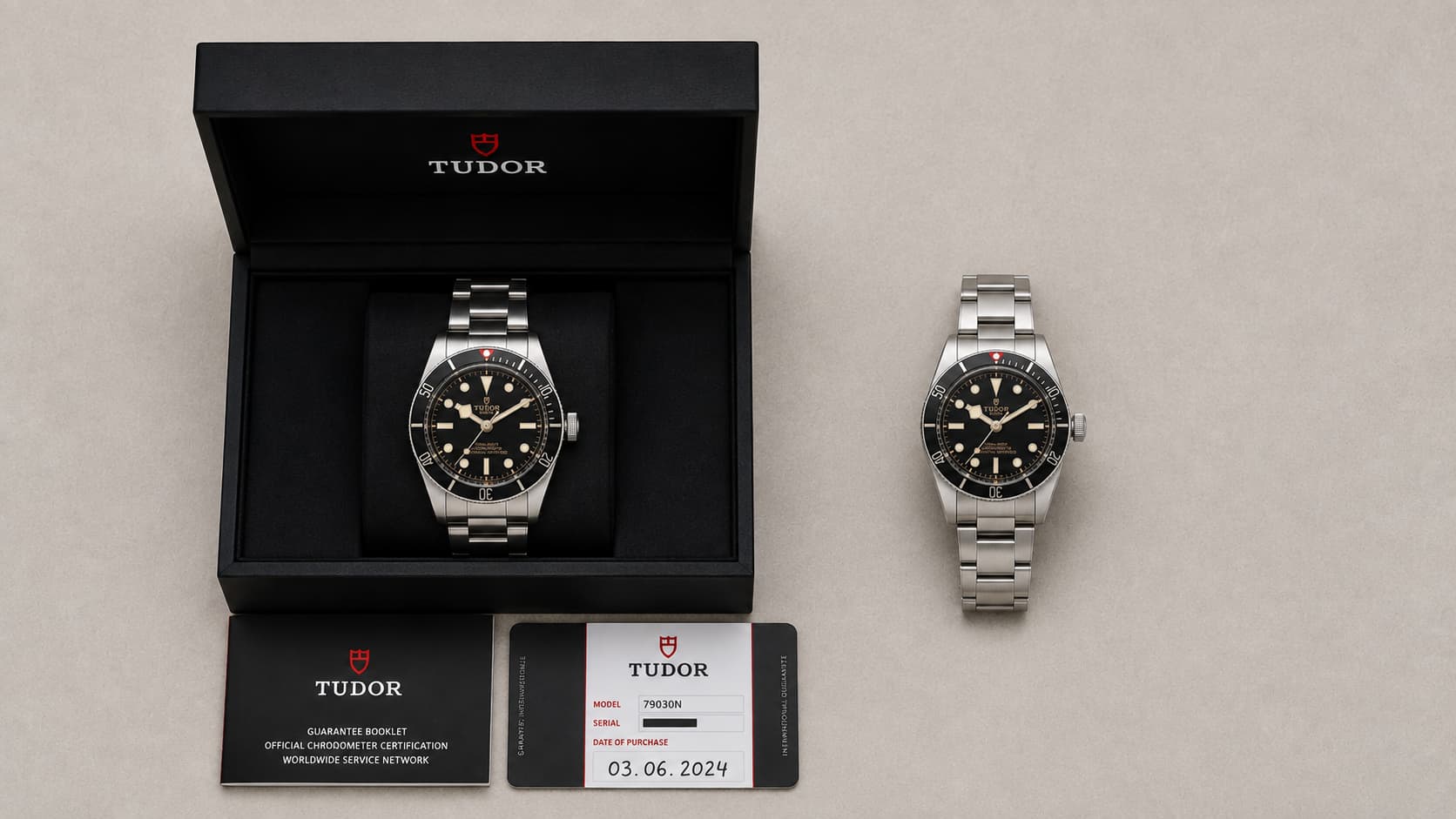
Since documentation carries real financial value, treating it that way from the day a watch is purchased tends to pay off later.
- Dry storage away from direct sunlight prevents paper from yellowing and boxes from warping or cracking in heat and humidity.
- Keeping the warranty card separate from the box, in a document folder or small safe, means a single accident like a spill or fire doesn’t destroy everything at once.
- Writing on or altering a warranty card in any way tends to make it look tampered with, so it’s best left untouched.
- Photographing the papers creates a useful backup record, though photos alone don’t replace the physical originals for resale purposes.
- An outer shipping box, when the watch has one, is worth keeping too, though it adds the least value of the bunch compared to the inner presentation box or the card itself.
None of this needs to be complicated. Most collectors simply keep the box and card together in the original bag or pouch it came in, tucked into a drawer that doesn’t get direct sun or damp air, pulled out only when it’s time to sell, insure, or service the watch.
Comparing Full Set and Watch-Only Value
| Full Set (Watch + Box + Papers) | Watch Only | |
|---|---|---|
| Typical resale premium | +10% to +30% | Baseline price |
| Buyer confidence | High, minimal verification needed | Lower, requires expert inspection |
| Time to sell | Usually faster | Often slower |
| Best for | Popular or high-demand models | Watches bought purely to wear and keep |
Frequently Asked Questions
Does a scratched or damaged box still add value?
Yes, a damaged box still adds some value as long as it’s the genuine original box, though less than one in perfect condition. Since papers matter more than the box for proving authenticity, a beat-up box paired with clean, matching papers is still worth more than a flawless box with no papers at all.
Can lost papers be replaced?
In most cases, no. Brands don’t typically reissue an original warranty card once it’s lost, since it’s tied to a specific sale that already happened. Some brands can confirm a watch’s production details through their archives, but that’s different from replacing the physical original documentation.
Does the resale premium apply to every price range of watch?
The premium exists across most price ranges, but it’s usually a smaller dollar amount on lower-cost watches and a much larger dollar amount on expensive or rare ones. Percentage-wise, though, the boost tends to land somewhere in a similar range regardless of price.
Are photocopies of papers acceptable to buyers?
Generally not. A photocopy can’t be checked for the same physical details, like paper texture, printing method, or ink, that help confirm a warranty card is original. Serious buyers and dealers usually ask for the physical original.
Do vintage watches follow the same box-and-papers rules?
Mostly yes, though vintage watches often make the premium even more noticeable, since original paperwork from decades ago is rare and easy to lose. A vintage watch with intact, matching original documentation can sometimes be worth significantly more than a similar example with no history behind it.
Are the newer digital or chip-based warranty cards more secure than old paper ones?
Generally yes. Newer cards from major brands often include features like embossed printing, UV-reactive elements, or a chip that links to the brand’s official website when scanned, all specifically designed to make counterfeiting harder. That said, security features only matter if a buyer actually knows to check for them, so it’s still worth confirming a card’s details against the watch itself rather than trusting the card on appearance alone.
Conclusion
Box and papers won’t change how a watch keeps time, but they change how much a buyer trusts it and how quickly a fair price gets agreed on. The warranty card carries the most weight because it links the watch’s serial number to a real, verifiable sale, while the box mainly adds presentation and a smaller boost on top. The simplest habit worth building from the day a watch is purchased is keeping the original box and papers and storing them somewhere safe, a small effort that can add real money back at resale.