Meteorite jewelry merges cosmic wonder with human craftsmanship in a truly unique way. These pieces contain actual space fragments that journeyed through our solar system for millions of years before surviving Earth’s atmosphere. Wearing meteorite jewelry means carrying a piece of the cosmos that may be billions of years old—possibly older than Earth itself. This connection to something so ancient and otherworldly has made these pieces increasingly popular among those seeking jewelry with deeper meaning and characteristics that Earth-formed materials simply cannot replicate.
Understanding Meteorites in Jewelry Making
Meteorites are fragments of space objects—typically asteroids, comets, or even debris from other planets—that have survived their journey through Earth’s atmosphere and landed on our planet’s surface. These celestial travelers undergo dramatic transformations, from being heated to extreme temperatures during atmospheric entry to cooling and sometimes fragmenting before impact. Talented jewelers transform these cosmic visitors into wearable art by carefully cutting, shaping, and incorporating them into various jewelry designs.
- Meteorites typically fall into three main categories: iron (composed primarily of iron-nickel alloys), stony (made of silicate minerals), and stony-iron (containing both metal and stone components), with iron meteorites being most commonly used in jewelry making due to their durability and distinctive patterns.
- The process of creating meteorite jewelry begins with selecting appropriate fragments that are structurally sound and possess interesting visual characteristics, followed by careful cutting and polishing to reveal the inner beauty while preserving the material’s integrity.
- Each meteorite jewelry piece is inherently one-of-a-kind because the patterns and composition of meteorites vary based on their origin in space and their journey to Earth, making them truly unique compared to Earth-sourced materials.
- Jewelry makers often pair meteorites with precious metals like gold, silver, platinum, or contemporary metals like titanium to create a protective setting that showcases the meteorite while ensuring the piece remains durable for everyday wear.
- The rarity of meteorites contributes significantly to their value in jewelry. Estimates suggest that meteorites are approximately 1,000 times rarer than gold on Earth’s surface, with only about 500-1,000 new specimens recovered annually worldwide.
Meteorite jewelry transforms fragments of the cosmos into wearable treasures that carry both aesthetic appeal and profound significance. Whether fashioned into rings, pendants, earrings, or bracelets, these pieces allow us to maintain a tangible connection to the vastness of space while appreciating the extraordinary journey these materials have undergone to reach us.
What Is the Widmanstätten Pattern in Meteorite Jewelry?
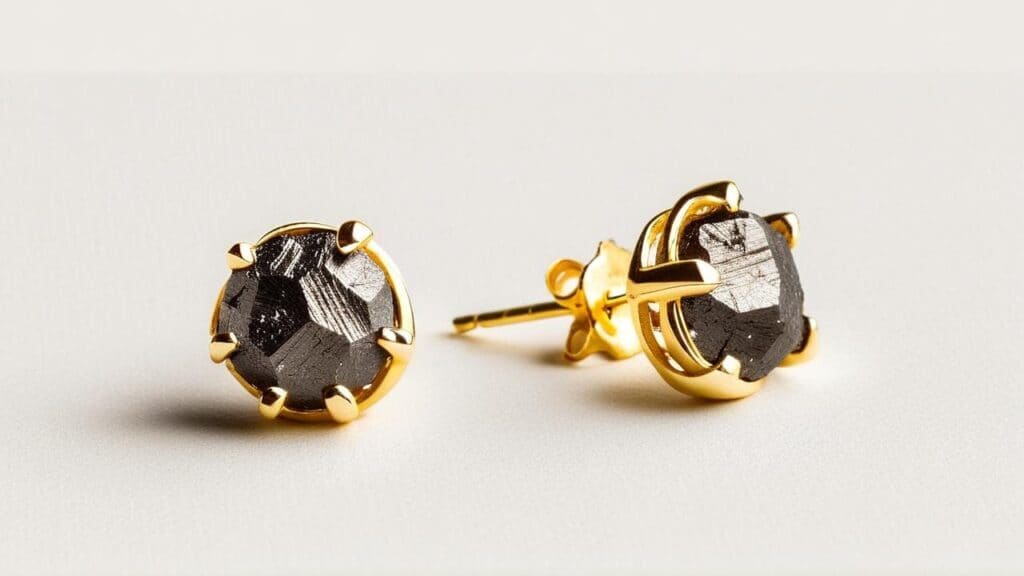
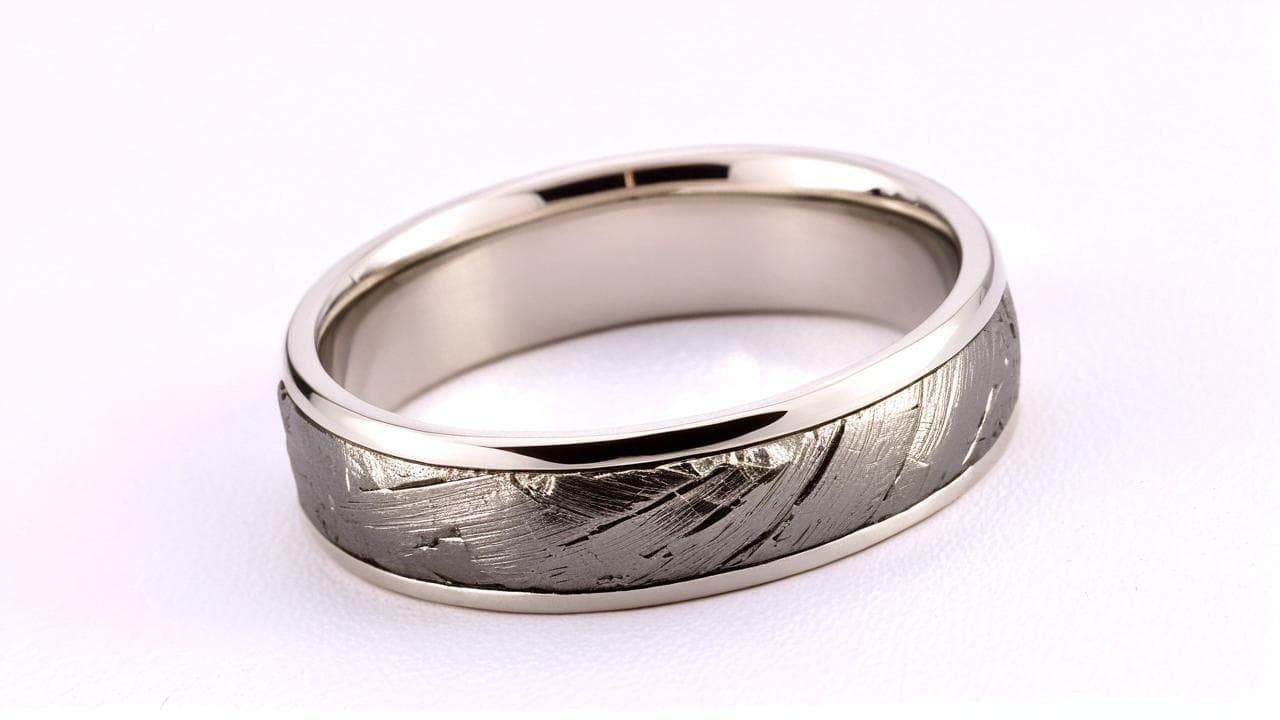
The Widmanstätten pattern represents one of the most distinctive and fascinating features of iron meteorites used in jewelry. This unique crystalline structure, named after Austrian scientist Alois von Widmanstätten who discovered it in 1808, forms a geometric arrangement of long, interlocking metallic crystals that can only be found in certain iron meteorites. When cut, polished, and etched with acid, these patterns emerge as beautiful intersecting lines that serve as both decorative elements and proof of the material’s extraterrestrial origin.
- Widmanstätten patterns form during the extremely slow cooling of molten iron-nickel alloys in space, at a rate estimated between 1°C and 100°C per million years. This cooling process is impossible to replicate naturally on Earth, making these patterns a definitive marker of cosmic origin.
- The pattern consists of two types of iron-nickel alloys: kamacite (with lower nickel content) and taenite (with higher nickel content). These form along specific crystallographic planes in the meteorite’s structure during the slow cooling process.
- Each Widmanstätten pattern is unique, like a cosmic fingerprint, with variations in line thickness, spacing, and overall appearance depending on the meteorite’s nickel content and cooling history, ensuring that every piece of meteorite jewelry displays its own individual character.
- The process of revealing these patterns typically involves cutting and polishing the meteorite, then etching it with a weak acid solution (commonly nitric acid diluted with alcohol). This affects the two different metal alloys at different rates, causing the pattern to become visible.
- Over time with regular wear, the Widmanstätten pattern on jewelry may become less pronounced due to handling and exposure to the elements, but it can be restored through professional re-etching, allowing the cosmic pattern to be enjoyed for generations.
These remarkable patterns not only create visually striking jewelry but also serve as a direct window into the formation processes of our solar system. When you look at a Widmanstätten pattern in meteorite jewelry, you’re observing structures that formed in space billions of years ago under conditions that cannot be replicated on Earth, providing both aesthetic beauty and scientific wonder in one wearable piece.
What Meteorite Jewelry Symbolizes
Meteorite jewelry carries an exceptional array of symbolic meanings that elevate these pieces beyond mere accessories to profound personal talismans. The extraordinary origins of these materials – having traveled through the vastness of space before reaching Earth – infuse them with symbolism related to cosmic connection, eternity, transformation, and ancient wisdom. This rich symbolism makes meteorite jewelry particularly meaningful for significant life events, spiritual practices, or as expressions of one’s fascination with the universe.
- Cosmic Connection: Wearing meteorite jewelry creates a tangible link to the universe beyond our planet, symbolizing our place within the cosmos and reminding us of the vastness of space and time. Many wearers report feeling a sense of perspective and connection to something greater than themselves.
- Eternal Love and Commitment: Meteorites have journeyed through space for millions or even billions of years before reaching Earth, making them powerful symbols of endurance and timelessness. Meteorite wedding bands have become increasingly popular as representations of love that transcends time and space.
- Strength and Resilience: Having survived the extreme heat and pressure of traveling through space and Earth’s atmosphere, meteorites symbolize extraordinary strength and the ability to endure challenging conditions. This makes them meaningful gifts for someone overcoming obstacles or embarking on difficult journeys.
- Ancient Wisdom and Protection: Many cultures throughout history have viewed meteorites as sacred objects that fell from the heavens, imbuing them with spiritual significance. Some believe meteorite jewelry helps connect the wearer to higher consciousness and provides protection against negative energies.
- Transformation and New Beginnings: The fiery journey of a meteorite through Earth’s atmosphere represents dramatic transformation. This symbolism resonates with those experiencing significant life changes or seeking personal growth and evolution.
- Scientific Wonder and Exploration: For those fascinated by astronomy, physics, or scientific discovery, meteorite jewelry serves as a daily connection to these interests. It can represent curiosity about the universe and humanity’s ongoing journey to understand our cosmic surroundings.
The profound symbolism of meteorite jewelry makes these pieces especially meaningful as gifts for significant life events like weddings, anniversaries, graduations, or career milestones. When you give or wear meteorite jewelry, you’re embracing a connection to the cosmos that transcends ordinary existence, carrying with you a literal piece of the universe with a story billions of years in the making.
Types of Meteorites Used in Jewelry
Different types of meteorites offer varying characteristics that determine their suitability for jewelry creation. The classification of meteorites is based on their composition, structure, and origin, with each type bringing unique visual elements and properties to the finished jewelry piece. Understanding these differences helps appreciate the diversity of meteorite jewelry available and what makes each type special for specific jewelry applications.
- Iron Meteorites: Composed primarily of iron-nickel alloys (90-95% iron, 5-10% nickel), these are the most commonly used in jewelry due to their durability, stability, and distinctive Widmanstätten patterns when etched. Popular varieties include Gibeon (from Namibia), Muonionalusta (from Sweden), and Campo del Cielo (from Argentina).
- Stony-Iron Meteorites: These rare meteorites (less than 2% of all known meteorites) contain nearly equal parts metal and silicate minerals, with pallasites being the most prized subcategory featuring olivine crystals embedded in an iron-nickel matrix. When cut and polished, they create stunning translucent green or amber-colored elements surrounded by metallic structures.
- Stony Meteorites: Though representing approximately 95% of all meteorites that fall to Earth, these silicate-rich specimens are less commonly used in jewelry due to their relative fragility. However, certain types like carbonaceous chondrites can create dramatic black stones with unique textures and occasionally contain micro-diamonds formed in space.
- Tektites: While not technically meteorites (they’re formed when meteorite impacts melt Earth materials that are then ejected into the atmosphere), tektites like Moldavite are often included in “cosmic jewelry.” These glass-like green stones formed during meteorite impacts are prized for their otherworldly appearance and supposed metaphysical properties.
- Lunar and Martian Meteorites: Extremely rare and valuable, these meteorites originate from the Moon or Mars after being ejected by impacts and eventually reaching Earth. They’re seldom used in commercial jewelry due to their scientific importance and high cost, but represent some of the most exclusive meteorite jewelry possible.
- Seymchan Meteorite: A specific and highly desirable pallasite discovered in Russia in 1967, containing beautiful olivine crystals in a metallic matrix. Jewelry made from this meteorite showcases dramatic contrasts between translucent green crystals and metallic elements.
Each type of meteorite brings its own story and visual characteristics to jewelry, creating pieces that are not only beautiful but also scientifically fascinating. The choice of meteorite type significantly impacts both the appearance and value of the finished jewelry, with rarer varieties commanding premium prices while offering truly one-of-a-kind cosmic elements that no terrestrial material can match.
How to Care for Your Meteorite Jewelry
Meteorite jewelry requires specific care considerations due to its unique composition and properties. Since most meteorite jewelry contains iron, it has the potential to rust or oxidize when exposed to moisture and other environmental factors. With proper care and maintenance, however, these extraordinary pieces can maintain their beauty and cosmic patterns for generations, allowing you to enjoy your connection to the stars for years to come.
- Moisture Protection: Keep meteorite jewelry away from water whenever possible. Remove before swimming, bathing, washing hands, or activities where perspiration might be excessive, as prolonged moisture exposure can lead to oxidation and potentially damage the unique Widmanstätten patterns.
- Chemical Avoidance: Protect your meteorite jewelry from exposure to household chemicals, perfumes, cosmetics, and cleaning solutions. These substances can react with the iron in meteorites, causing corrosion or altering the surface appearance of the piece.
- Regular Cleaning: Clean meteorite jewelry periodically using isopropyl alcohol (91% or higher concentration) applied with a soft cloth or cotton swab. For pieces made entirely of meteorite, brief submersion in alcohol is acceptable, but for pieces with other materials, apply alcohol only to the meteorite portions.
- Rust Prevention and Treatment: Apply a thin layer of protective oil (such as gun oil, Renaissance Wax, or specialized ring wax provided by many meteorite jewelers) to create a barrier against moisture. Reapply this protective coating every 1-3 months depending on wear frequency and your local climate conditions.
- Pattern Restoration: Over time, the Widmanstätten pattern may become less pronounced due to everyday wear. This is normal and doesn’t indicate damage, but if you wish to restore the pattern’s visibility, consult with a professional jeweler experienced in meteorite work who can safely re-etch the pattern.
- Proper Storage: When not wearing your meteorite jewelry, store it in a dry place, ideally in an airtight container with a small silica gel packet to absorb any ambient moisture. Keep meteorite pieces separate from other jewelry to prevent scratching and abrasion.
- Climate Considerations: Be aware that humid environments require more vigilant care. Those living in coastal areas or regions with high humidity should check their meteorite jewelry more frequently for signs of oxidation and apply protective coatings more regularly.
- Professional Maintenance: Consider having your meteorite jewelry professionally cleaned and re-sealed annually, especially for frequently worn pieces. Jewelers specializing in meteorite can ensure that the piece remains in optimal condition while preserving its unique cosmic patterns.
With attentive care, meteorite jewelry can be enjoyed for a lifetime and beyond. Unlike purely decorative aspects of other jewelry that may go out of style, the cosmic connection and ancient patterns of meteorite pieces carry a timeless appeal that transcends fashion trends. By following proper maintenance practices, you preserve not just a beautiful accessory, but a literal piece of our solar system’s history that connects you to the stars every time you wear it.
Meteorite Jewelry Designs and Styles
Meteorite’s unique characteristics have inspired jewelers to create a diverse range of designs that showcase this cosmic material in various ways. From traditional wedding bands to contemporary statement pieces, meteorite jewelry spans a wide spectrum of styles that appeal to different tastes while maintaining the material’s inherent connection to the cosmos. These designs often balance the raw, natural beauty of meteorites with refined craftsmanship to create wearable art with powerful symbolic significance.
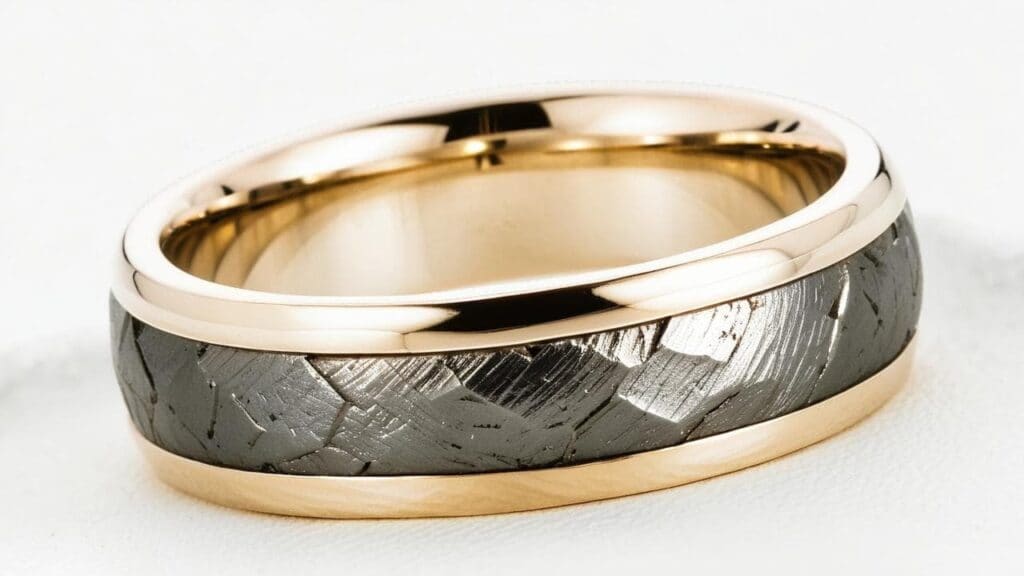
- Meteorite Wedding Bands: Perhaps the most popular application, meteorite inlays in wedding rings symbolize a love as enduring as the cosmos. These typically feature a strip of etched meteorite set between more durable metals like titanium, tungsten carbide, or precious metals that protect the more delicate meteorite material.
- Engagement Rings: For truly unique proposals, some couples choose engagement rings featuring small meteorite inlays alongside traditional gemstones. The combination of a terrestrial diamond with extraterrestrial meteorite creates a powerful symbolic union of Earth and cosmos.
- Pendant Necklaces: Meteorite pendants often showcase larger sections of the material to prominently display the Widmanstätten patterns. These might be simple polished slices of meteorite in minimal settings or more elaborate designs where the meteorite is complemented by gemstones or decorative metalwork.
- Watch Dials: Luxury watchmakers have embraced meteorite for creating distinctive watch faces that display the beautiful crystalline structures. Brands like Rolex, Omega, and Jaeger-LeCoultre have created limited edition timepieces featuring dials cut from meteorites, combining cosmic materials with precision engineering.
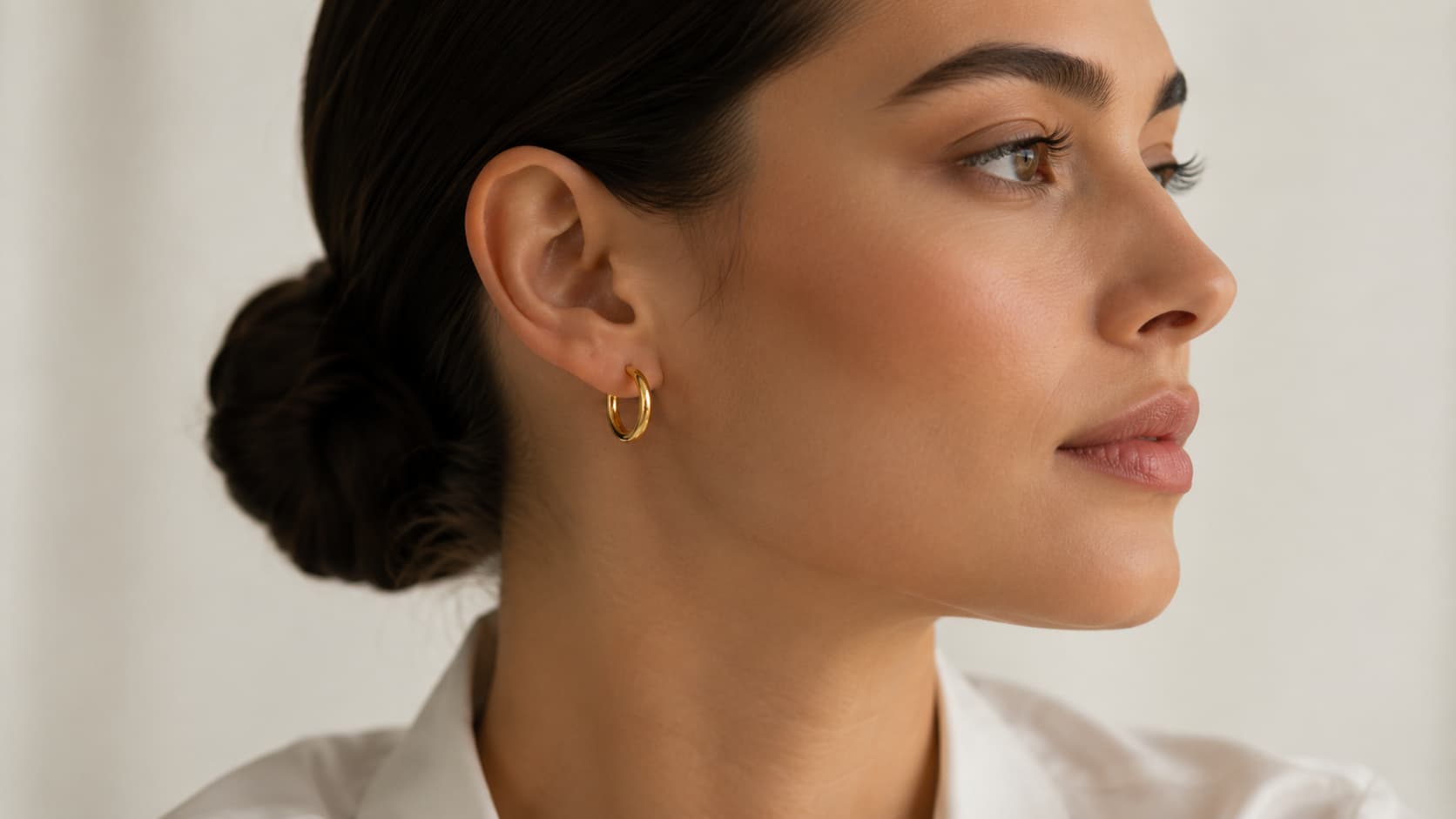
- Earrings: Meteorite earrings typically feature small, carefully matched sections of meteorite in protective settings. These range from simple studs showcasing the material’s natural patterns to more elaborate dangling designs that combine meteorites with other materials for dramatic effect.
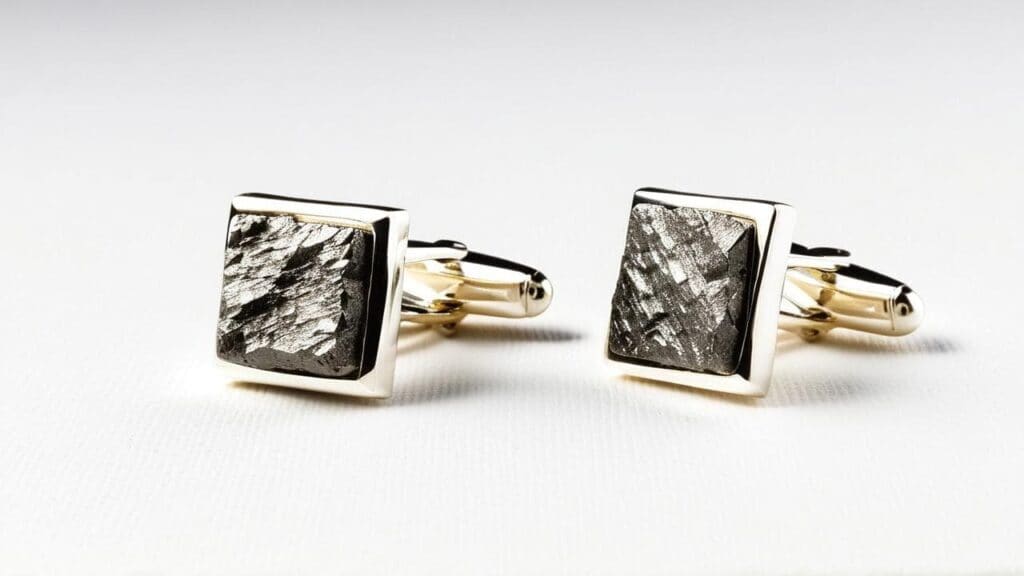
- Cufflinks: For formal wear with cosmic significance, meteorite cufflinks offer a subtle yet meaningful accessory. These often feature polished meteorite discs or squares set in precious metals, revealing the distinctive Widmanstätten patterns when viewed up close.
- Bracelets: Meteorite bracelets may incorporate multiple small meteorite segments linked together or feature larger meteorite portions as focal elements. These designs often combine the meteorite with complementary materials like leather, wood, or various metals to create striking contrast.
- Custom Symbolic Pieces: Some jewelry designers create bespoke meteorite pieces that incorporate personal symbolism. These might include star charts marking significant dates, coordinates of meaningful locations, or other elements that enhance the cosmic connection of the meteorite material.
These diverse design approaches demonstrate how versatile meteorites can be as jewelry materials, despite their extraterrestrial origins and special care requirements. Whether incorporated as subtle accents or showcased as dramatic focal points, meteorites bring an unmatched level of meaning and uniqueness to jewelry designs. Each piece carries not just aesthetic value but also a tangible connection to the cosmos, allowing wearers to literally carry a piece of space with them in beautifully crafted form.
How to Identify Authentic Meteorite Jewelry
With the increasing popularity of meteorite jewelry, ensuring authenticity has become an important consideration for consumers. Genuine meteorite jewelry commands premium prices due to the rarity and extraterrestrial origin of the material, which unfortunately has led to imitations entering the market. Understanding how to identify authentic meteorite jewelry and selecting reputable sources helps ensure that you’re truly wearing a piece of the cosmos rather than a terrestrial lookalike designed to mimic meteorite’s distinctive appearance.
- Verify the Widmanstätten Pattern: Authentic iron meteorites display distinctive Widmanstätten patterns when etched. These natural crystalline structures form intersecting lines that cannot be perfectly replicated artificially, so examine the pattern carefully for irregular, natural-looking formations rather than too-perfect or stamped designs.
- Check the Weight: Meteorites contain dense iron-nickel alloys that make them heavier than they appear. Authentic meteorite jewelry will feel noticeably heavy for its size compared to similar pieces made from terrestrial materials, so if a supposed meteorite piece feels unusually light, it may be fake.
- Research the Source Meteorite: Legitimate meteorite jewelers can tell you exactly which meteorite was used in creating your piece. Common sources include the Gibeon (Namibia), Muonionalusta (Sweden), Campo del Cielo (Argentina), and Seymchan (Russia) meteorites, each with documented scientific histories.
- Look for Certificate of Authenticity: Quality meteorite jewelry should come with documentation confirming its authenticity, including information about the source meteorite, its classification, and when possible, where and when it was discovered. Reputable dealers maintain these records and willingly share them with customers.
- Examine Surface Characteristics: Real meteorites often show natural imperfections, small inclusions, or variations in their pattern. Be suspicious of pieces with perfectly uniform surfaces or patterns that look mechanically reproduced rather than naturally formed over millions of years.
- Consider the Price: Authentic meteorite jewelry requires specialized handling and rare materials, which is reflected in the pricing. If a piece is marketed as genuine meteorite but priced suspiciously low compared to similar items from established jewelers, it may be counterfeit.
- Purchase from Reputable Sources: Buy meteorite jewelry from established jewelers with specific expertise in meteorites or from dealers connected to meteorite societies or scientific institutions. These sources have reputations to uphold and expertise to ensure authenticity.
- Ask About Care Instructions: Legitimate meteorite jewelry requires specific care due to its iron content. If a seller claims their “meteorite” jewelry needs no special care or is completely immune to rust or oxidation, this should raise concerns about authenticity.
By taking these considerations into account when shopping for meteorite jewelry, you can ensure that your cosmic adornment is genuinely extraterrestrial. Authentic meteorite jewelry not only offers unique beauty and symbolic significance but also represents a literal connection to the formation of our solar system. The value of knowing your jewelry contains actual material from space – matter that has traveled across the cosmos before becoming part of your personal adornment – adds a profound dimension to these pieces that makes the effort to verify authenticity well worthwhile.
Conclusion
Meteorite jewelry stands apart from all other accessories by offering more than just aesthetic appeal – it provides a tangible connection to the cosmos that has fascinated humanity since we first gazed upward at the night sky. Each piece represents a convergence of cosmic history, scientific wonder, and artistic craftsmanship that transcends ordinary adornment. When you wear meteorite jewelry, you’re carrying a fragment that formed in the early days of our solar system, traveled through space for billions of years, survived a fiery descent through Earth’s atmosphere, and finally found its way into a form that celebrates its extraordinary journey.
This profound lineage imbues meteorite jewelry with meanings and symbolism that resonate on deeply personal levels, whether representing eternal love, cosmic connection, transformation, or an appreciation for the wonders of the universe. Though these pieces require special care to maintain their beauty, the effort is justified by their uniqueness and significance. There is simply no other material on Earth that carries such a profound story or connects us so directly to the stars above. Wearing meteorite jewelry isn’t just a fashion statement – it’s a declaration of your place in the cosmos, a reminder of the vastness beyond our world, and a celebration of the extraordinary journey that brought a piece of space directly to you.