Wearing jewelry in public combines personal expression with personal safety considerations. While jewelry enhances our appearance and holds sentimental value, it can also attract unwanted attention in certain situations. Understanding how to wear, store, and carry jewelry safely helps protect both your valuable pieces and your personal security. These practical tips will help you enjoy your jewelry collection while maintaining awareness and taking appropriate precautions in various public settings.
Stay Safe When Wearing Jewelry in Crowded Places
Situational awareness forms the foundation of jewelry safety. When wearing valuable pieces in public, your ability to notice and respond to potential threats significantly reduces risk. This means understanding which environments pose greater challenges and how to navigate them safely.
- Avoid high-risk locations at vulnerable times - Tourist areas, public transportation during rush hour, crowded markets, and late-night entertainment districts present elevated risks for jewelry theft. These locations often have higher concentrations of opportunistic criminals who specifically target visible wealth.
- Practice the buddy system - When possible, travel with companions when wearing valuable jewelry. Groups are less likely to be targeted than individuals, and having someone watch your belongings while you use ATMs or make purchases adds an extra layer of security.
- Maintain physical awareness - Keep your hands free when walking in crowded areas, avoid checking your phone constantly, and position yourself away from the edge of platforms or curbs. Criminals often create distractions by bumping into victims or spilling items to divert attention while accomplices attempt theft.
- Trust your instincts - If someone appears to be following you or showing excessive interest in your jewelry, immediately move to a populated, well-lit area. Enter stores, approach security personnel, or change directions suddenly to confirm whether you’re being followed.
- Limit jewelry visibility in high-risk zones - In areas known for pickpocketing or theft, tuck necklaces inside clothing, remove statement earrings, or cover watches with sleeves. Consider leaving your most valuable pieces at home when visiting unfamiliar areas.
Developing strong situational awareness becomes second nature with practice. By combining alertness with strategic jewelry choices, you can significantly reduce vulnerability while still enjoying your accessories. Remember that confidence and awareness often deter potential thieves more than any security device.
Best Ways to Secure Your Jewelry While Out

Physical security of jewelry involves choosing proper fasteners, wearing pieces correctly, and maintaining them properly. Many jewelry thefts occur not through dramatic robbery, but through items falling off due to poor clasps or being easily grabbed due to how they’re worn.
- Invest in secure clasps and fasteners - Replace weak spring rings with lobster clasps or spring ring clasps for necklaces. Use screw-back posts for valuable earrings, add safety chains to charm bracelets, and consider adjustable clasps that lock for expensive pieces.
- Layer jewelry strategically - Wear necklaces of varying lengths to prevent tangling and reduce the risk of multiple pieces being grabbed at once. This technique also makes individual pieces less prominent and harder to snatch quickly.
- Keep loose items close to your body - Tuck long necklaces inside clothing in crowds, ensure earrings fit securely without being too tight, and avoid wearing pieces that extend far from your body where they can catch on objects or be grabbed.
- Secure rings properly - Wear valuable rings on fingers that make removal difficult, such as middle fingers rather than index fingers or thumbs. For rings that spin or slide easily, consult a jeweler about professional ring guards, sizing beads, or resizing rather than using temporary solutions.
- Perform regular maintenance checks - Inspect clasps monthly for wear, have prongs checked by jewelers annually, clean settings to ensure stones remain secure, and replace worn parts before they fail in public.
- Carry backup security items - Keep spare earring backs in your purse, carry clear nail polish for ring tightening, pack a small jewelry repair kit with basic tools, and always have a safe place designated for removing jewelry when needed.
Proper securing of jewelry not only prevents theft but also protects against accidental loss. Regular maintenance and appropriate fasteners ensure your jewelry stays exactly where you want it, regardless of your activities or environment.
Choosing Safe Jewelry for Different Public Settings
Selecting jewelry appropriate for your environment demonstrates both style sense and safety awareness. Different settings present unique challenges for jewelry wear, from professional restrictions to physical safety concerns in active environments.
- Professional settings require conservative choices - Follow workplace dress codes, avoid jewelry that makes noise during presentations, choose pieces that won’t interfere with equipment or keyboards, and remove anything that could pose safety hazards in medical or industrial environments.
- Travel calls for versatile, secure pieces - Pack jewelry that transitions from day to night, avoid bringing your most expensive items, choose pieces that won’t trigger airport security unnecessarily, and bring items that complement multiple outfits to reduce overall volume.
- Active settings demand practical selections - Remove all jewelry before exercising except medical alert pieces, avoid wearing anything that could scratch workout equipment, choose sweat-resistant materials like silicone for gym wear, and secure hair completely to prevent earring entanglement.
- Social events require risk assessment - Consider the venue’s reputation for safety, evaluate whether you’ll be drinking alcohol (which impairs judgment), think about transportation methods late at night, and have a plan for securing jewelry if you need to check coats or bags.
- Outdoor activities need durable options - Choose jewelry made from materials that withstand weather, avoid pieces that can get caught on camping gear or hiking equipment, select items that won’t reflect sunlight dangerously, and ensure nothing interferes with safety equipment like helmets.
- Special occasions balance style with security - Plan jewelry around photography needs, consider whether pieces will be comfortable for long periods, ensure formal jewelry won’t interfere with activities like dancing, and have secure storage options for the event venue.
Making environment-appropriate jewelry choices protects both your accessories and your wellbeing. When in doubt, err on the side of caution by choosing simpler pieces or leaving valuable items at home. Your safety and comfort should always take precedence over any fashion statement.
How to Wear Valuable Jewelry Discreetly
Discretion in displaying valuable jewelry reduces unwanted attention and potential security risks. While personal expression remains important, understanding how visible wealth affects public interactions helps maintain both style and safety. Strategic presentation of jewelry allows you to enjoy your collection without broadcasting affluence unnecessarily.
- Mix high-end pieces with everyday jewelry - Combine expensive items with costume pieces to create balanced looks that don’t emphasize wealth. This technique maintains style while reducing the appearance of wearing entirely valuable collections.
- Understand local customs and economic conditions - Research jewelry norms for travel destinations, especially in developing countries where visible wealth can create significant disparities. Adapt your jewelry choices to respect local sensibilities and avoid standing out as an obvious tourist target.
- Practice social media safety with jewelry photos - Avoid posting real-time photos that reveal your location while wearing expensive pieces. Consider privacy settings that limit who can see jewelry photos, and be cautious about sharing close-up shots that reveal specific brands or appraisals.
- Recognize situational appropriateness - Wearing flashy jewelry to charity events for poverty awareness sends mixed messages. Consider the context of events and adjust jewelry accordingly to show respect for the situation while maintaining personal style.
- Develop subtle sophistication - Choose quality over quantity, focusing on well-crafted pieces that demonstrate taste rather than price tags. Subtle luxury often speaks louder than obvious displays of wealth and carries less security risk.
- Create distraction through styling - Draw attention to your overall appearance rather than specific expensive pieces through complementary clothing choices, interesting accessories beyond jewelry, and confident presentation that doesn’t rely solely on valuable items.
Smart jewelry presentation allows you to enjoy your collection while maintaining appropriate boundaries. By understanding when and how to display valuable pieces, you can express personal style without creating unnecessary security concerns or social discomfort. True elegance often lies in restraint and thoughtful selection.
Securing Jewelry at Home and in Cars
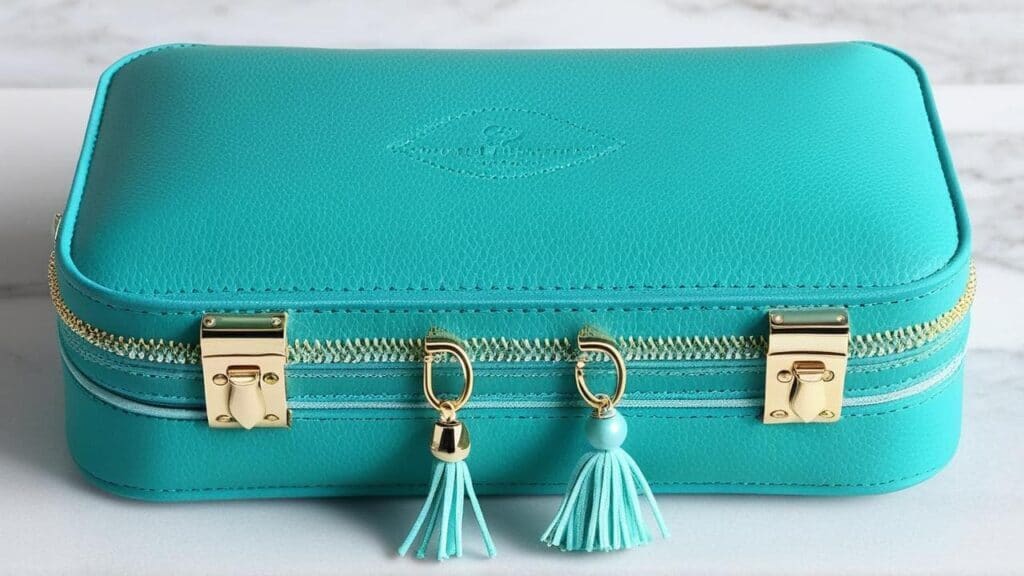
Securing jewelry extends beyond wearing it safely to include proper storage and handling in private spaces. Many jewelry losses occur during transitional moments - entering and leaving homes, cars, and temporary accommodations. Establishing secure routines for these vulnerable times prevents theft and ensures your jewelry remains protected.
- Implement home entry protocols - Remove jewelry in secure areas, not near windows or doors, and avoid placing items on entry tables or counters. Establish a routine of immediately securing valuable pieces in designated storage upon entering your home.
- Secure vehicle practices - Never leave jewelry visible in parked cars, even locked ones, as this invites break-ins. Remove watches and rings before placing hands on steering wheels in parking lots, and avoid fumbling with jewelry while sitting in stationary vehicles.
- Hotel room safety measures - Use hotel safes for all valuable jewelry when leaving rooms, avoid leaving pieces in bathrooms where they’re easily forgotten, bring a portable safe or jewelry case with locks for extended stays, and photograph your room’s safe contents before leaving.
- Smart storage solutions - Invest in a proper jewelry safe or secure drawer, avoid storing all valuable pieces in one location, use jewelry boxes with individual compartments to prevent tangling and damage, and ensure storage areas aren’t visible from windows.
- Entrance security awareness - Install motion-activated lighting around entry points, use peepholes or doorbell cameras before opening doors, avoid wearing valuable jewelry when answering unexpected callers, and have a secure place to quickly store jewelry if needed.
- Create backup plans - Keep an inventory of all valuable pieces with descriptions and photos, store copies of insurance documents separately from the jewelry itself, establish protocol for temporary visitors or service workers, and have emergency contacts readily available.
Transitional security - the moments between private and public spaces - represents a critical vulnerability in jewelry safety. By developing consistent routines and secure practices for these times, you protect your collection from the majority of jewelry losses, which occur through opportunistic theft rather than sophisticated robbery.
Safety Tips for Different Types of Jewelry
Different types of jewelry present unique safety challenges and require specific precautions. Understanding these individual considerations helps you make informed decisions about which pieces to wear in various situations. Each category of jewelry demands particular attention to fit, security, and appropriate use.
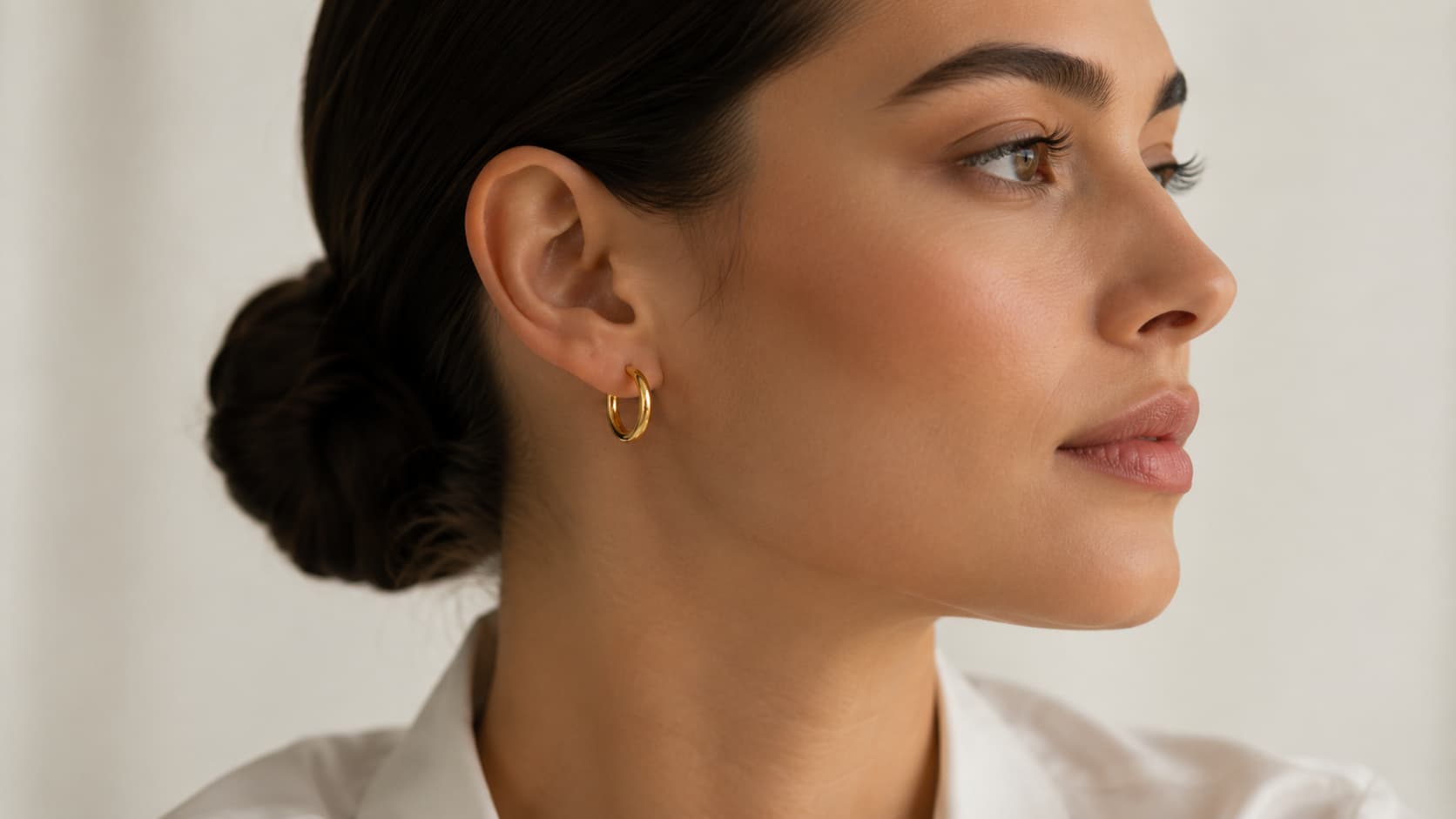
- Earring safety considerations - Large hoop earrings can catch on clothing, hair, or equipment, potentially tearing earlobes. Choose appropriate sizes for activities, ensure backs fit securely without being too tight, avoid sleeping in earrings to prevent embedding, and remove statement pieces during sports or physical activities.
- Necklace and chain precautions - Adjust chain lengths to avoid catching in car doors or elevator doors, secure pendants with small rings to prevent sliding, avoid necklaces that can strangle if caught, and check chain links regularly for weakness or breakage.
- Bracelet and watch safety - Ensure bracelets don’t interfere with gloves, keyboard use, or equipment operation. Remove watches before activities involving chemicals or extreme temperature changes, secure loose-fitting pieces with safety chains, and consider the weight distribution of heavy bracelets over long periods.
- Ring-specific guidelines - Remove rings before handling chemicals, exercising, or performing manual labor to prevent damage or injury. Ensure rings don’t impede circulation, especially during temperature changes or altitude variations, and be aware that rings can conduct electricity and heat.
- Ankle jewelry precautions - Choose appropriate lengths to prevent tripping hazards, avoid wearing anklets with shoes until proper fit is confirmed, ensure materials won’t irritate skin during extended wear, and remove ankle jewelry during activities involving ladders or climbing.
- Mixed jewelry wearing strategies - Layer pieces carefully to prevent tangling and damage, ensure different metals don’t cause allergic reactions when combined, balance weight distribution to avoid strain on ears, neck, or wrists, and consider how multiple pieces might interact during normal movement.
Understanding jewelry-specific risks allows you to enjoy your collection safely across various activities and situations. Regular inspection of individual pieces, combined with appropriate wearing choices, extends jewelry lifespan while protecting against injury and loss.
What to Do if Someone Threatens You for Jewelry
While avoiding dangerous situations remains the best strategy, having a plan for emergency scenarios provides important backup security. Understanding how to respond if someone threatens you for your jewelry can help minimize risk to your personal safety, which always takes precedence over material possessions.
- Personal safety prioritization - Never resist violent jewelry theft; possessions can be replaced but personal injury cannot. Immediately comply with demands and avoid sudden movements that might escalate the situation. Your life and health are infinitely more valuable than any jewelry.
- Practice safe surrender techniques - Keep calm and move slowly when removing jewelry under duress. Remove rings by twisting rather than pulling, which can jam on swollen fingers during stress. Unclasping necklaces from the front prevents strangers from getting behind you, and always place items in the aggressor’s hand rather than throwing them.
- Develop emergency communication plans - Establish check-in protocols with family or friends when wearing valuable jewelry to high-risk areas. Create simple code words to communicate distress situations discreetly, carry emergency contact information separately from your jewelry, and program ICE (In Case of Emergency) contacts in your phone.
- Understand legal implications - Research local laws regarding self-defense with jewelry items (such as rings with spikes or sharp edges). Understand insurance requirements for reporting theft within specific timeframes, and know your legal obligations regarding cooperative behavior with law enforcement investigations.
- Create post-incident protocols - Immediately report theft to police and provide detailed descriptions of stolen items. Contact insurance companies within required timeframes with police report numbers, secure credit monitoring services if personal information was potentially compromised, and document any injuries with medical professionals and photographs.
- Practice behavioral deterrence - Walk confidently and purposefully, which reduces likelihood of being targeted. Keep valuable items concealed when possible, maintain awareness without appearing paranoid or fearful, and travel in well-lit, populated areas when wearing significant jewelry.
Emergency preparedness, while hopefully never needed, provides peace of mind and practical strategies for worst-case scenarios. Remember that jewelry, regardless of sentimental or monetary value, is never worth risking personal harm. Having clear protocols reduces panic and improves safety outcomes in crisis situations.
Safe Ways to Travel with Valuable Jewelry
Travel presents unique challenges for jewelry security, from airport screening to accommodation storage. International travel especially requires careful planning to protect valuable pieces while maintaining appropriate style across different cultural contexts. Smart packing and handling strategies ensure your jewelry remains secure throughout your journey.
- Airport security considerations - Remove large jewelry before screening to avoid setting off metal detectors, which draws unwanted attention. Pack valuable pieces in carry-on luggage only, never in checked bags where temperature extremes and rough handling can cause damage. Use TSA-approved locks on jewelry cases and be prepared to open them for inspection.
- Documentation and protection - Photograph all jewelry before traveling and email copies to yourself for cloud storage. Carry printed lists of valuable items with descriptions and estimated values for insurance purposes. Consider travel insurance specifically covering jewelry, as many standard policies have low limits for valuables.
- Public transportation safety - Keep jewelry concealed on buses, trains, and shared ride services where you’re confined with strangers. Avoid displaying wealth while waiting at stations or stops, and secure items before sleeping on overnight transportation. Choose seats that provide good visibility of your surroundings.
- International considerations - Research local customs regarding jewelry display to avoid offending cultural sensibilities. Understand import/export regulations for valuable items, especially when crossing multiple borders. Consider bringing duplicate copies of significant pieces in costume jewelry form for formal events.
- Accommodation security practices - Always use hotel safes for storing jewelry when leaving rooms, but photograph contents before closure. Check safe functionality immediately upon arrival and report any issues to management. Consider booking rooms on higher floors with secure access, and avoid ground-level accommodations with accessible windows.
- Emergency response planning - Keep copies of key emergency contacts in multiple locations, including embassy information for international travel. Understand local emergency services numbers and procedures, and carry sufficient cash reserves to handle potential theft situations without relying on jewelry as emergency funds.
Traveling safely with jewelry requires balancing security with practicality. By preparing thoroughly and following consistent protocols, you can enjoy your jewelry throughout your journey while minimizing risks. Remember that adapting to local conditions and customs not only protects your possessions but also enhances your overall travel experience.
Safe Online Jewelry Buying and Selling Tips

Digital transactions for jewelry present unique security challenges different from in-person shopping. Whether buying investment pieces or selling inherited jewelry, online platforms require careful verification and secure practices to protect both your identity and financial interests. Understanding common scams and legitimate transaction protocols helps ensure safe digital jewelry commerce.
- Verify seller authenticity - Check business registration and licensing information for online jewelry retailers. Look for established physical addresses, not just P.O. boxes, and verify professional certifications like gemological credentials. Read detailed reviews from multiple platforms and be wary of universally positive feedback that seems artificially generated.
- Secure payment methods - Use payment platforms that offer buyer protection, such as PayPal or credit cards, which allow dispute resolution and chargeback options. Avoid wire transfers, cryptocurrency payments, or payment methods that offer no recourse for fraudulent transactions. Never pay for jewelry through untraceable channels like gift cards or Western Union.
- Photography and documentation practices - Require multiple detailed photos including marks, hallmarks, and any imperfections when buying online. For selling, provide comprehensive documentation including certification, appraisals, and clear photographs from multiple angles. Use watermarks on your images to prevent unauthorized use in scams.
- Safe meeting locations for local sales - Conduct in-person jewelry transactions only in public places with security cameras, such as bank lobbies or police station parking lots. Bring a companion and inform others of your meeting details, including time, location, and buyer/seller information. Never invite strangers to your home or visit theirs.
- Authentication and appraisal requirements - Insist on independent gemological certifications for significant purchases, using recognized laboratories like GIA or AGS. Understand that online “certificates” may be fabricated, and always verify certifications through official websites. Have valuable pieces independently appraised after purchase for insurance purposes.
- Privacy protection strategies - Use separate email addresses specifically for jewelry transactions to prevent exposing your primary accounts. Limit personal information sharing and avoid discussing other valuable possessions during transactions. Be cautious of buyers or sellers requesting excessive personal details beyond basic transaction requirements.
Online jewelry transactions require heightened vigilance compared to traditional retail experiences. While digital platforms expand access to unique pieces and global markets, they also present opportunities for sophisticated fraud. Following established security protocols and trusting your instincts about suspicious interactions protect both your financial and personal safety in digital jewelry commerce.
Understanding Jewelry Insurance Coverage Options
Proper insurance coverage forms the cornerstone of jewelry protection, offering financial security against loss, theft, or damage. Many jewelry owners underestimate the importance of adequate coverage or misunderstand their existing policies. Understanding insurance options, maintaining proper documentation, and following policy requirements ensure your valuable pieces remain protected beyond physical security measures.
- Understanding policy types and limitations - Standard homeowners or renters insurance typically caps jewelry coverage at $1,000-$3,000 (with $1,500 being the most common limit), severely limiting protection for valuable collections. Scheduled personal property coverage, jewelry floaters, or standalone jewelry insurance provide comprehensive protection with higher limits. Review policy deductibles and whether coverage includes mysterious disappearance, traveling jewelry, and full replacement value.
- Professional appraisal requirements - Most insurance companies require recent appraisals (typically within 2-3 years) for valuable pieces, conducted by certified gemologists or qualified appraisers. Understand the difference between replacement value and market value appraisals, and ensure documentation includes detailed descriptions, measurements, and high-quality photographs. Keep original purchase receipts, certificates, and appraisal documents in secure, fire-proof storage.
- Maintenance and inspection protocols - Follow insurance requirements for regular jewelry inspections and cleaning to maintain coverage validity. Document any changes, repairs, or modifications to insured pieces, and update insurance providers accordingly. Many policies require specific security measures for high-value collections, including safes meeting certain standards or security systems.
- Claims process understanding - Know your insurance company’s procedures for reporting losses, including required timeframes and documentation. Understand whether your policy covers temporary loss during repairs, shipping, or professional cleaning. Keep detailed records of all jewelry-related communications with insurance providers and maintain backup documentation in multiple secure locations.
- International coverage considerations - Verify whether your jewelry insurance extends to international travel, as many policies have geographic limitations. Understand any required notifications to insurers before traveling with valuable pieces, and research whether additional travel insurance is necessary for extended trips. Some countries require declaration of valuable items at customs, which can affect insurance validity.
- Prevention credit opportunities - Many insurers offer premium discounts for implementing specific security measures like monitored home security systems, jewelry safes, or regular professional cleanings. Completing jewelry care courses or working with certified insurance jewelers might qualify for additional savings while improving protection.
Insurance provides crucial financial protection but requires active management and maintenance to remain effective. Regular policy reviews, updating coverage as collections grow or change, and following all policy requirements ensure your jewelry investment stays protected. Remember that insurance supplements but never replaces good security practices and careful handling of valuable pieces.
Protecting Your Jewelry Information Online
Modern jewelry ownership involves significant digital interactions, from purchasing online to sharing images on social media. These digital touchpoints create security vulnerabilities that require specific strategies to protect both your physical jewelry and personal information. Understanding digital risks helps maintain comprehensive security for your jewelry collection.
- Social media privacy settings - Review and update privacy settings on all social media platforms before posting jewelry photos. Limit photo visibility to trusted friends rather than public posting, which can advertise your collection to potential thieves. Avoid posting jewelry photos with location tags or real-time updates that reveal when you’re away from home.
- Secure digital documentation - Store jewelry photos and documentation in cloud services with two-factor authentication rather than only on physical devices. Create detailed digital catalogs with photos, descriptions, and serial numbers, but avoid including estimated values in cloud-accessible files. Maintain separate, secure backups of insurance documentation and appraisals.
- Email and communication security - Use secure, dedicated email addresses for jewelry-related business to prevent exposing primary accounts. Be skeptical of unsolicited emails regarding jewelry opportunities, appraisals, or purchases, as these often represent phishing attempts. Verify sender identity independently before providing any personal or financial information.
- Online marketplace safety - Research platform security measures and seller verification processes before making purchases. Read user agreements carefully to understand dispute resolution procedures and payment protection options. Use platform messaging systems rather than moving conversations off-site, which removes platform protections.
- Password and account management - Create unique, strong passwords for all jewelry-related accounts, including insurance providers, online retailers, and auction sites. Use password managers to generate and store complex passwords, and enable two-factor authentication wherever possible. Regularly review account activity for unauthorized access attempts.
- Digital privacy awareness - Understand that metadata in photos can reveal location information, camera details, and other identifying data. Use photo editing tools to remove this information before online sharing. Be cautious about downloading apps or software that request excessive permissions unrelated to jewelry management.
Digital security represents an increasingly important aspect of jewelry protection. As more jewelry transactions, documentation, and community interactions move online, maintaining strong digital hygiene becomes essential for protecting both your collection and personal information. Treating digital jewelry security with the same importance as physical security creates comprehensive protection.
Jewelry Safety for Children, Seniors, and Special Needs
Certain demographics and situations require additional jewelry safety considerations beyond general guidelines. Understanding these special circumstances helps ensure appropriate protection for vulnerable populations and unique situations. Recognizing specific challenges allows for tailored safety strategies that address individual needs.
- Children’s jewelry material safety - Be aware of toxic material risks in children’s jewelry. Recent testing has found that some children’s jewelry contains dangerous levels of heavy metals, with some items containing lead at 300 times the recommended limits. Always purchase children’s jewelry from reputable sources and check for safety certifications.
- Elderly jewelry considerations - Account for arthritis or reduced dexterity when selecting clasps and fastenings, choosing magnetic or easy-open closures over small traditional clasps. Consider medical alert jewelry for seniors with health conditions, ensuring pieces are comfortable for continuous wear. Address memory concerns by creating simple, consistent jewelry routines and labeling storage clearly. Involve trusted family members in jewelry management if cognitive changes affect decision-making.
- Medical jewelry requirements - Ensure medical alert jewelry is immediately visible and contains current, accurate information. Choose durable materials that withstand daily wear, medical procedures, and emergency situations. Inform healthcare providers about medical jewelry to prevent removal during procedures, and carry backup medical information cards. Update medical jewelry information regularly and replace worn pieces promptly.
- Professional and uniformed considerations - Understand workplace jewelry policies for professions with specific safety requirements, such as healthcare workers, food service employees, or industrial workers. Remove jewelry that could interfere with protective equipment like gloves, masks, or helmets. Consider silicone alternatives for wedding rings in professions where metal presents electrical or snagging hazards.
- Athletic and sports-specific needs - Choose appropriate jewelry for different sports, removing pieces that could injure the wearer or other participants. Use specialized athletic jewelry designed for specific activities, such as swimming-safe materials or sweat-resistant options. Secure loose hair completely to prevent earring entanglement during sports, and understand team or league regulations regarding jewelry during competition.
- Cultural and religious considerations - Respect religious jewelry requirements while maintaining safety awareness, especially during travel to different regions. Understand cultural sensitivities regarding jewelry display in various settings, including conservative religious communities. Balance traditional jewelry practices with modern security needs, adapting ancient customs to contemporary safety requirements.
Special circumstances require thoughtful adaptation of standard jewelry safety practices. By acknowledging and addressing specific needs, whether related to age, health, profession, or cultural background, we can ensure jewelry remains a safe and enjoyable form of personal expression for everyone. These considerations demonstrate that effective jewelry security is inclusive and responsive to diverse needs.
Conclusion
Wearing jewelry safely in public requires balancing personal style with practical security measures. From maintaining situational awareness to choosing appropriate pieces for different settings, these strategies help protect both your valuable collection and personal wellbeing. Remember that proper insurance, secure storage, and digital safety practices work together with physical precautions to create comprehensive protection for your jewelry investment.
Your personal safety always takes precedence over any material possession, regardless of sentimental or monetary value. By implementing these proven strategies consistently, you can confidently enjoy wearing jewelry while minimizing risks. Whether you’re traveling internationally, attending special events, or going about daily activities, these safety practices become second nature, allowing you to express your personal style without unnecessary concern about security vulnerabilities.