Jewelry tumblers are essential tools for both professional jewelers and hobbyists looking to achieve a professional finish on their creations. These specialized machines automate the polishing process through controlled motion, using various media to smooth, clean, and shine jewelry pieces. Whether you’re creating new pieces or restoring vintage jewelry, understanding how tumblers work and how to use them effectively can dramatically improve your results while saving countless hours of hand polishing.
What Is a Jewelry Tumbler?
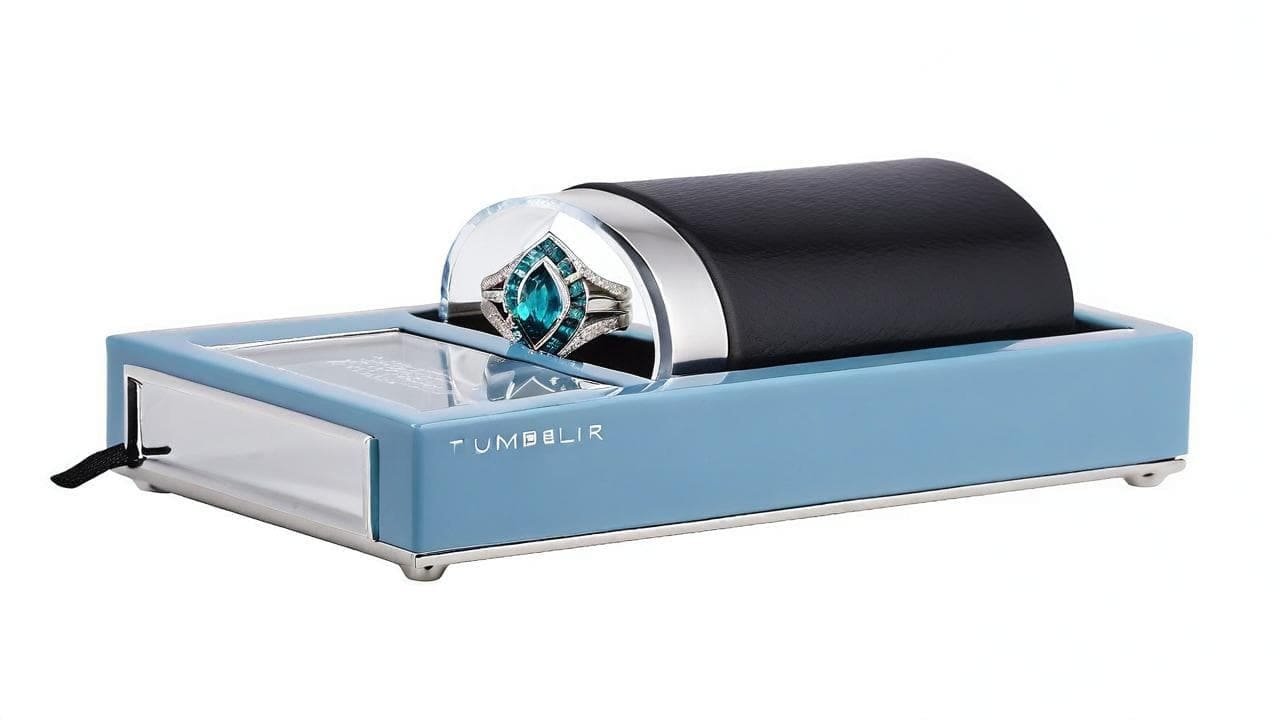
A jewelry tumbler is a machine designed to polish and finish jewelry by creating continuous motion that causes media to interact with jewelry surfaces. This process effectively smooths edges, removes scratches, and creates a brilliant shine without the tedious work of hand polishing. Unlike manual techniques that might miss hard-to-reach areas, tumblers provide 360-degree finishing that reaches every surface of your jewelry pieces, including complex inner details of chains, filigree work, and intricate designs.
- Jewelry tumblers evolved from rock tumblers but are specifically calibrated for the delicate nature of jewelry pieces, with gentler action and specialized media options for precious metals and gemstones.
- Modern tumblers consist of a motor unit, a barrel or bowl container, media, polishing compounds, and water or other liquid carriers that work together to create the polishing action.
- Home units typically range from $100-500 depending on size and features, while professional-grade machines can cost $500-2000 but offer greater durability, capacity, and precision control over the polishing process.
- The tumbling process reaches areas that would be difficult or impossible to polish by hand, including inside ring bands, chain links, and intricate filigree work, creating a consistent finish across the entire piece.
- Most jewelry tumblers can process multiple pieces simultaneously, increasing productivity by 5-10 times compared to hand polishing while delivering more consistent results.
- Quality tumblers are designed with rubber or neoprene barrel linings and sound-dampening features, reducing noise levels to allow overnight operation without disturbance.
- The tumbling process not only polishes but can also work-harden certain metals like sterling silver, slightly increasing their durability and scratch resistance.
The investment in a quality tumbler quickly pays for itself through time savings and professional results that would otherwise require years of practice to achieve by hand. Many jewelers consider a tumbler to be as essential to their toolkit as pliers or soldering equipment, especially when producing multiple pieces or working with intricate designs. For businesses, the consistent quality and time savings directly translate to higher profit margins and customer satisfaction with the finished product.
How Jewelry Tumblers Work
Jewelry tumblers operate by creating continuous movement that causes polishing media to interact with jewelry surfaces, gradually smoothing and polishing them through controlled friction and sometimes chemical action from compounds. This mechanical process mimics what jewelers have done by hand for centuries but with remarkable consistency and efficiency. Understanding the physics behind tumbling helps jewelers optimize their processes and troubleshoot when results aren’t as expected.
- Rotary tumblers spin on a horizontal axis at 40-60 rotations per minute, creating a cascading motion where jewelry and media repeatedly tumble together, providing more aggressive polishing action ideal for initial finishing stages and harder metals.
- Vibratory tumblers create rapid shaking movements at frequencies between 1,500-3,600 vibrations per minute, causing media to rub against jewelry surfaces with less impact force, making them suitable for delicate pieces with stones or fine details.
- The tumbling process typically progresses through stages from coarse to fine media, similar to sanding wood with increasingly finer grits, with each stage refining the surface further.
- Water mixed with specialized compounds creates a slurry that carries away removed material, prevents scratching, and often contains surfactants, anti-tarnish agents, or mild cleaning chemicals.
- The barrel or bowl fill ratio is critical – most experts recommend filling the container 1/2 to 3/4 full (including jewelry, media, and liquid) to ensure proper tumbling action without excessive impact.
- Processing time varies significantly based on material, desired finish, and tumbler type – rotary tumbling typically requires 6-24 hours, while vibratory systems can achieve results in 2-8 hours.
- The physics of tumbling involves thousands of tiny impacts and abrasions that collectively smooth surfaces at a microscopic level, gradually creating light-reflecting surfaces that appear shiny to the human eye.
Both professional jewelers and hobbyists benefit from understanding these mechanical principles, as they allow for troubleshooting and optimization of the tumbling process. The type of tumbler you choose should match the kind of jewelry you typically create and the finish you want to achieve. Many professional studios utilize both types of machines in their workflow, starting with rotary tumblers for rough finishing and moving to vibratory systems for final polishing, especially for pieces containing gemstones or detailed design elements.
Best Media for Jewelry Tumbling
Tumbling media is the material that creates the actual polishing action in a jewelry tumbler. Different types serve specific purposes, from aggressive initial smoothing to delicate final polishing. The appropriate selection of media is perhaps the most critical factor in achieving your desired finish, as each type interacts differently with metal surfaces and has specific advantages for different applications in the jewelry finishing process.
- Stainless steel shot comes in various shapes (pins, balls, cylinders) and sizes (0.5mm-5mm) and excels at creating high shine on precious metals like gold, silver, and platinum by burnishing the surface through impact rather than abrasion.
- Ceramic media, typically made from aluminum oxide or porcelain, comes in angular forms for cutting action or pre-polished forms for finishing and works well for initial smoothing of rough surfaces and removing tool marks.
- Plastic media, made from materials like polyester or urea, provides gentle polishing action safe for use with gemstone-set jewelry and delicate pieces that might be damaged by heavier media types.
- Walnut shell media, made from crushed walnut shells, offers an organic option that creates a soft luster rather than high shine and works well for final polishing of silver jewelry that will receive patina treatments.
- Corn cob media, using ground corn cobs, provides extremely gentle finishing and is often used with polishing compounds to create a final luster on pieces with intricate details or soft metals.
- Mixed media combinations are often used in professional settings to achieve specific effects – for example, a mix of steel shot in different sizes can reach various crevices in complex pieces.
- Specialized media like glass beads or synthetic materials are available for specific applications such as matte finishing or working with alternative metals like titanium or aluminum.
The choice of media dramatically affects your results, and most experienced jewelers maintain several types to address different finishing needs. Media typically needs replacement every 12-24 months depending on usage, as it gradually wears down and becomes less effective over time. Professional workshops often develop specific “recipes” combining different media types and compounds for signature finishes that help distinguish their work in the marketplace. Investing in quality media from reputable suppliers ensures better results and longer service life than cheaper alternatives that may break down quickly or contain impurities that could damage jewelry.
Jewelry Tumbling Process from Start to Finish
The jewelry tumbling process involves several distinct stages, each contributing to the final polished result. Following a systematic approach ensures optimal results while protecting your jewelry pieces. Understanding this process as a progression rather than a single operation helps jewelers develop workflows that consistently produce excellent finishes while minimizing the risk of damage to valuable pieces.
- Before tumbling, inspect all jewelry for loose stones, weak solder joints, or other vulnerabilities – not all pieces are suitable for tumbling, particularly those with soft stones (under 7 on Mohs scale) or porous materials.
- Clean jewelry thoroughly before tumbling to remove oils, polishing compounds, or debris that could contaminate the media or interfere with the polishing process.
- For new jewelry pieces, pre-polish to remove major tool marks and rough areas – tumbling excels at final finishing but isn’t designed to remove significant surface irregularities.
- Load the tumbler properly, maintaining a ratio of approximately 3:1 media to jewelry by volume to ensure proper tumbling action without pieces impacting each other directly.
- Add water to approximately 1 inch above the media level, then add the recommended amount of burnishing compound (typically 1-2 tablespoons per gallon of capacity).
- For rotary tumblers, run an initial cycle of 4-8 hours with coarser media if needed, then switch to finer media for another 4-12 hours depending on the desired finish.
- With vibratory tumblers, run cycles of 2-4 hours, checking progress more frequently as they work faster than rotary systems.
- After tumbling, strain the contents through a fine mesh sieve to separate jewelry from media, being careful not to lose small pieces down the drain.
- Rinse all jewelry thoroughly under running water, then dry completely with a soft cloth or compressed air to prevent water spots.
- Store used media properly in labeled containers to prevent mixing different types, and rinse media thoroughly before storage to prevent compound residue from hardening.
The tumbling process can be adapted based on the specific metals, designs, and desired finish. Many professionals keep detailed logs of their successful tumbling recipes for different types of jewelry to ensure consistent results across production batches. Temperature also plays a role – warmer water (not hot) typically accelerates the process slightly, while cooler water might be gentler for delicate pieces. With experience, you’ll develop intuition for when pieces have reached optimal polish and when additional time might yield diminishing returns or even risk over-polishing certain designs.
Benefits of Using a Tumbler for Jewelry
Using a tumbler offers numerous advantages over hand polishing, making it an invaluable tool for both professional jewelers and hobbyists. The benefits extend beyond mere convenience, affecting everything from the physical quality of finished pieces to business profitability and even the health of jewelers who would otherwise spend hours on manual finishing techniques.
- Time efficiency is perhaps the greatest benefit, with tumblers processing multiple pieces simultaneously while requiring minimal active attention – what might take hours by hand can happen automatically overnight.
- Consistency of finish is significantly improved, as the tumbling process treats all surfaces equally, including hard-to-reach areas that might be missed during hand polishing.
- Professional-grade results are achievable even by beginners, as the tumbler does the skilled work of creating an even, high-quality finish regardless of the user’s polishing experience.
- Work hardening occurs naturally during tumbling for certain metals like sterling silver and copper alloys, slightly increasing their durability and scratch resistance.
- Burnishing action from steel shot can compress the metal surface microscopically, resulting in increased reflectivity and brightness that’s difficult to achieve by hand.
- Labor costs are dramatically reduced for professional studios, allowing skilled jewelers to focus on creation rather than time-consuming finishing work.
- Reduced physical strain is significant, as hand polishing can cause repetitive stress injuries and fatigue, especially when finishing multiple pieces.
- Environmental benefits include reduced use of polishing compounds and more efficient use of materials compared to traditional buffing wheels that can throw off significant amounts of compound.
While initial investment in equipment and media is required, most jewelers find that tumblers quickly pay for themselves through time savings, improved quality, and reduced labor costs. Even small studios or hobbyists typically recoup their investment within a few months of regular use. The consistency of tumbled finishes also contributes to a professional brand image, as customers receive pieces with reliable quality that enhances perception of craftsmanship and attention to detail—critical factors in the competitive jewelry marketplace.
Jewelry Tumbling Mistakes and How to Avoid Them
Even experienced jewelers can make mistakes when using tumblers. Understanding these common pitfalls can help you avoid damage to your jewelry and equipment. Learning from these issues, many of which are discovered through costly trial and error by others, can save you significant time, money, and frustration as you develop your tumbling skills.
- Overloading the tumbler with too much jewelry decreases the effectiveness of the media and can result in pieces colliding directly with each other, causing dents or damage to delicate components.
- Using incorrect media for the job is a frequent error – steel shot used with soft stones can cause scratching, while plastic media may be too gentle for removing heavy tool marks from metals.
- Inadequate separation of different metals can lead to cross-contamination, such as copper residue depositing on silver pieces, requiring additional cleaning afterward.
- Tumbling inappropriate items such as jewelry with soft stones (pearls, opals, turquoise), glued components, or porous materials can result in permanent damage that’s difficult or impossible to repair.
- Insufficient burnishing compound leads to less effective polishing and potential scratching, while too much can cause excessive foaming and reduced tumbling action.
- Improper water levels affect tumbling efficiency – too little causes excessive abrasion and potential scratching, while too much dilutes the compound and reduces effective contact between media and jewelry.
- Neglecting regular cleaning of equipment and media leads to residue buildup that can contaminate future batches and diminish polishing effectiveness over time.
- Forgetting to secure small components or check for loose stones before tumbling often results in lost pieces or damaged settings that require expensive repairs.
Taking time to properly prepare your jewelry, select appropriate media, and maintain your equipment will help ensure consistent, professional results without costly mistakes. When in doubt about a particular piece, err on the side of caution or test the process on a similar but less valuable item first. Many jewelers keep a “test piece” made of similar materials to their production jewelry specifically for evaluating new tumbling processes before risking valuable inventory or customer pieces in the machine.
DIY Jewelry Tumbling vs Professional Services
Jewelers face the choice between tumbling their own pieces and outsourcing to commercial finishing services. Each approach has distinct advantages and considerations that affect not only costs but also quality control, turnaround time, and the development of in-house expertise for jewelry businesses of all sizes.
- Home tumbling provides complete control over the process, allowing for customization based on specific metals, designs, and desired finishes that might not be possible with standardized commercial services.
- Equipment costs for basic home tumbling start around $150-300 for a decent rotary tumbler plus initial media, making it accessible for most jewelers who regularly finish pieces.
- Commercial tumbling services typically charge $15-50 per batch depending on size, material, and turnaround time, with higher costs for rush services or specialized finishes.
- Time investment differs significantly – home tumbling requires setup and cleanup time but can run unattended, while commercial services require packing, shipping, and waiting for return delivery.
- Quality control remains in your hands with DIY approaches, allowing immediate assessment and adjustments if needed, whereas commercial services might not match your exact specifications.
- Expertise development comes with operating your own equipment, building valuable knowledge about finishing techniques that can improve your overall craftsmanship.
- Volume considerations matter – for occasional pieces, commercial services might be more economical, while regular production makes owning equipment more cost-effective over time.
- Risk management differs – with DIY tumbling you assume all responsibility for potential damage, while commercial services typically offer some level of insurance or guarantees.
For most jewelry makers who regularly produce pieces, investing in at least a basic tumbling setup makes economic sense after finishing just 10-20 batches of jewelry. However, very large jobs or specialized finishes might still be better left to commercial services with industrial-grade equipment. Some businesses adopt a hybrid approach, handling routine finishing in-house while outsourcing particularly challenging pieces or unusually large batches to specialized services, combining the advantages of both approaches to optimize their workflow and control costs effectively.
How to Maintain Your Jewelry Tumbler
Proper maintenance of your tumbling equipment ensures consistent results, prevents costly repairs, and extends the life of your investment. A well-maintained tumbler can provide many years of reliable service, while neglected equipment might fail prematurely or produce inconsistent results that affect your jewelry’s quality and your professional reputation.
- Regular cleaning after each use prevents buildup of polishing compounds and metal residue that can contaminate future batches – rinse the barrel or bowl thoroughly with warm water and mild soap.
- Inspect drive mechanisms periodically for signs of wear, particularly rubber components that can deteriorate over time and belts that may need occasional tension adjustments.
- Motor maintenance is minimal on most units, but keep air vents clear of dust and avoid overheating by following recommended duty cycles (typically 12-24 hours of operation followed by cooling).
- Media should be rinsed after each use and stored in labeled containers to prevent mixing different types – inspect periodically for excessive wear and replace when necessary.
- Barrels and bowls should be checked for cracks or wear, especially rubber or plastic components that contact jewelry and media – even small damage can lead to leaks or contamination.
- Bearings on rotary tumblers should be lubricated according to manufacturer recommendations, typically every 6-12 months depending on usage frequency.
- Controllers and timers should be protected from water damage and tested periodically to ensure they’re still operating at the correct speeds and durations.
- Replacement parts for common tumbler models are typically available from manufacturers or jewelry supply companies – keeping critical spares on hand prevents lengthy downtime.
With proper care, a quality jewelry tumbler can last 10-15 years of regular use. The most common failure points are rubber components and motors, but these are usually replaceable without needing to purchase an entirely new unit. Maintaining detailed records of maintenance performed, parts replaced, and any operational issues encountered helps identify patterns that might indicate developing problems before they cause significant equipment failure or damage to valuable jewelry pieces during processing.
FAQs About Jewelry Tumbling
These frequently asked questions address common concerns and provide practical guidance for both beginners and experienced jewelers. They represent the accumulated wisdom from thousands of jewelers who have refined their tumbling techniques through practical experience and shared knowledge within the craft community.
Can all jewelry be tumbled?
No – pieces with soft stones (under 7 on Mohs scale), glued components, porous materials, or very delicate constructions should be hand polished instead to prevent damage.
How long should tumbling take?
Rotary tumblers typically require 6-24 hours depending on material and desired finish, while vibratory tumblers can achieve results in 2-8 hours – always start with shorter times and check progress.
Is tumbling noisy?
Modern tumblers with rubber-lined barrels operate at about 50-70 decibels (similar to a dishwasher) – vibratory models tend to be louder than rotary ones but run for shorter periods.
Can different metals be tumbled together?
How often should media be replaced?
Most media gradually wears down and should be replaced every 6-12 months with regular use – steel shot lasts longest while organic media like walnut shells requires more frequent replacement.
Can tumbling remove deep scratches?
Tumbling excels at improving overall finish but isn’t designed to remove deep scratches or significant defects – these should be addressed with files or sandpaper before tumbling.
Does tumbling remove patina or intentional oxidation?
Yes, tumbling will remove most surface treatments – pieces with intentional patina should either be tumbled before applying patina or finished by hand.
Understanding these basics helps jewelers make informed decisions about which pieces to tumble and what results to expect. When in doubt about a particular piece, test the process on a similar item of lower value first or consult with experienced jewelers. The jewelry community is generally generous with sharing knowledge about tumbling techniques, and many suppliers of tumbling equipment offer detailed guides and even workshops to help customers achieve optimal results with their products—resources worth exploring as you develop your tumbling expertise.
Conclusion
Jewelry tumbling represents a perfect balance of traditional craft and modern efficiency. By understanding the principles, processes, and best practices outlined in this guide, you can achieve professional quality finishes on your jewelry creations while saving countless hours of manual labor. The technology continues to evolve, with newer models offering digital controls, specialized programs for different metals, and even ultrasonic features that combine cleaning and polishing functions.
For sustainability-minded jewelers, tumbling also reduces chemical waste compared to traditional polishing compounds while often using less water and electricity than other finishing methods. Whether you’re a hobbyist looking to improve your work or a professional seeking to streamline production, mastering the art of tumbling will significantly enhance your jewelry-making capabilities and give your pieces that coveted professional look that customers expect.