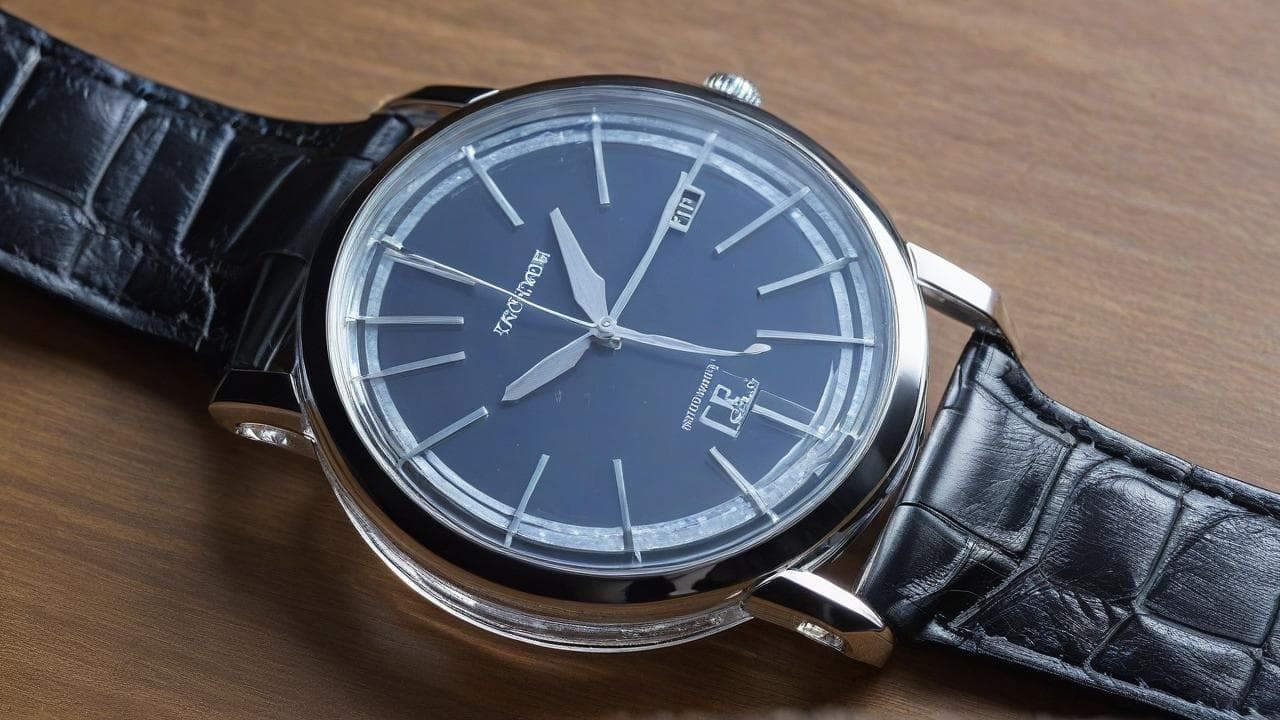
Finding fog or condensation under your watch crystal can be alarming, especially if you’ve invested in a quality timepiece. This cloudy appearance isn’t just an aesthetic issue—it’s a warning sign that moisture has penetrated your watch’s defenses and could potentially damage its delicate internal components. The delicate gears, springs, and electronic parts inside watches are designed to operate in a clean, dry environment, and even small amounts of moisture can lead to significant problems over time. Whether you own a luxury mechanical watch or an everyday quartz model, understanding why this happens and how to address it can save you from costly repairs and extend your watch’s lifespan.
Why Does My Watch Get Foggy Inside?
When moisture becomes trapped inside your watch case and encounters a temperature difference between the inside of the watch and its crystal, condensation forms on the cooler surface—usually the underside of the watch glass. This physical reaction is similar to how a bathroom mirror fogs up during a hot shower, but with potentially serious consequences for your timepiece. The condensation process requires both moisture inside the watch and a temperature differential that causes that moisture to change from vapor to visible droplets on surfaces.
- Temperature fluctuations create condensation when moving between environments—like stepping from air-conditioned spaces into hot, humid settings. The crystal cools faster than the rest of the watch, causing water vapor inside to condense on its surface, much like a cold drink “sweats” in warm air.
- Hot showers or baths generate steam that can penetrate even water-resistant watches. The high humidity combined with the pressure changes and heat can force moisture through microscopic openings in the seals, with steam molecules being smaller and more penetrative than liquid water.
- Swimming or water activities subject watches to direct water pressure that can overcome aging or damaged seals. Even watches rated as water-resistant can leak if their integrity has been compromised, with pressure increasing significantly with depth, forcing water through tiny imperfections in seals.
- Age-related seal deterioration happens naturally as rubber gaskets harden, shrink, and develop microscopic cracks over time. Even unworn watches stored for years can experience gasket degradation as the rubber compounds break down through natural aging processes and exposure to air.
- Improper servicing or battery changes by unqualified technicians can result in misaligned or damaged gaskets, creating pathways for moisture to enter the case. Properly trained watchmakers use specialized tools and techniques to maintain seal integrity during these procedures.
Condensation inside a watch is never normal—it always indicates that the water resistance system has been compromised. Even high-end diving watches can develop this issue if their seals have worn out or been damaged. The fogging you see is essentially your watch’s way of alerting you to a problem that needs attention before more serious damage occurs to the movement and other internal components.
How Water Gets Inside Your Watch
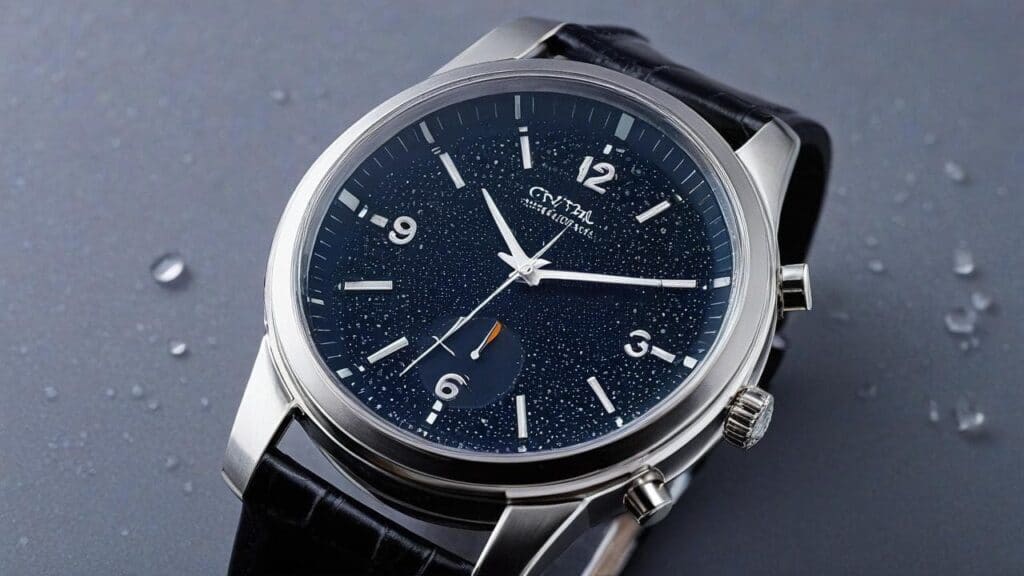
Understanding the specific entry points for moisture helps explain why watches fog up and how to prevent it. Watch cases are designed with multiple potential vulnerabilities that require proper sealing to maintain water resistance. Modern watches employ sophisticated sealing systems, but these defenses are only as strong as their weakest point and require regular maintenance to remain effective against the persistent threat of moisture.
- Case back gaskets form the primary seal between the main case and back cover. These circular rubber rings compress when the back is secured, creating a water-tight barrier. When these deteriorate or aren’t properly seated, they create the largest potential area for water infiltration, as the case back covers a significant portion of the watch’s surface area.
- Crown and stem assemblies represent the most common entry point for moisture. This movable component needs to penetrate the case while maintaining water resistance. Worn crown gaskets or forgetting to push in or screw down a crown before water exposure often leads to fogging, as the stem creates a direct channel from the outside to the movement.
- Crystal seals secure the watch face to the case. Modern watches use gaskets to create a water-resistant seal, but these can deteriorate or become damaged during crystal replacement. The connection between crystal and case must withstand both pressure and temperature changes while maintaining perfect integrity.
- Push-button seals on chronographs and multi-function watches provide additional vulnerable points. These buttons penetrate the case and require special gaskets to maintain water resistance, with each pusher representing another potential entry point for moisture if not properly maintained.
- Micro-cracks or damage to the case itself can develop from impacts or stress over time, creating pathways too small to see but large enough for water molecules to penetrate. Even hairline fractures in metal or crystal components can allow moisture to slowly enter the case over time.
All these potential entry points require regular maintenance and inspection to ensure continued water resistance. Once moisture finds its way in, it becomes trapped in the sealed environment of the watch case, leading to condensation when temperature conditions are right. The very features that make watches functional—crowns, pushers, removable backs—create inherent vulnerabilities that manufacturers address with gaskets and seals that inevitably age and require replacement.
How Watch Seals Protect Against Moisture
Watches employ various sealing systems with different levels of effectiveness against moisture. Understanding your watch’s specific sealing mechanism helps explain its vulnerability to fogging and informs proper maintenance. The quality, design, and condition of these sealing systems directly impact how well a watch resists water infiltration, with significant differences between entry-level timepieces and professional diving instruments.
- Screw-down case backs provide superior water resistance by using threads that tighten the back against a gasket, creating compression that increases with depth. This system is common in diving and sports watches, offering the best protection when properly maintained, as the threading creates mechanical advantage that generates strong, even pressure on the gasket.
- Screw-down crowns feature threads that secure the crown against the case with a gasket, creating a watertight seal when fully screwed down. These crowns must be completely tightened before water exposure, as even partial threading compromises water resistance by reducing the compression force on the sealing gaskets.
- Push-in case backs rely solely on friction and gasket compression without threading. They offer moderate water resistance but are more susceptible to compromise from impacts or pressure changes. These systems depend entirely on the gasket’s elasticity and proper sizing to maintain their seal.
- Snap-on case backs, common in dress watches and less expensive timepieces, provide minimal water resistance. They use tension to hold the back against a gasket and can more easily be compromised by minor impacts or case distortion that affects the precise fit required for sealing.
- Integrated gasket systems in modern watches use specially designed channels and multiple sealing points to improve water resistance, but these complex systems require professional servicing to maintain their integrity as they age, with multiple points that need inspection and potential replacement.
The effectiveness of any sealing system diminishes over time as gaskets age and harden. Understanding your watch’s specific sealing mechanisms helps you gauge its vulnerability to moisture ingress and informs proper maintenance schedules. Even the most sophisticated sealing system will eventually fail without periodic inspection and gasket replacement, making regular servicing essential for maintaining water resistance throughout a watch’s lifetime.
How Moisture Damages Your Watch
Moisture inside a watch doesn’t just create unsightly fog—it poses significant risks to the delicate components that keep your timepiece running accurately. Understanding these dangers highlights why addressing fogging promptly is critical. The internal environment of a watch is precisely engineered, with components machined to exact tolerances and lubricants specifically formulated for particular functions, all of which can be compromised by even small amounts of moisture.
- Metal oxidation begins almost immediately when moisture contacts internal components. Steel parts rust, while brass and copper parts develop verdigris. These reactions can jam the movement and cause permanent damage, with some parts beginning to oxidize within hours of moisture exposure.
- Movement lubrication becomes compromised when mixed with water, as oils and greases break down, lose their viscosity, or wash away entirely. This leads to increased friction, wear, and eventual movement failure, as modern watch lubricants are specialized compounds that aren’t designed to mix with water.
- Dial and hand deterioration occurs as moisture attacks the paint, markers, and luminous materials. Watch faces can develop spotting, discoloration, or flaking that is often irreversible, particularly with vintage watches that use organic compounds in their dial materials.
- Electronic component corrosion in quartz watches can cause short circuits, battery drain, and complete module failure. Even brief exposure to moisture can damage sensitive circuits and contact points, with water potentially creating conductive pathways between components designed to be electrically isolated.
- Condensation cycles repeatedly as temperatures change, causing moisture to continually move throughout the watch and affect more components over time, even if the initial entry point is sealed. This cycling spreads the moisture to previously unaffected areas of the movement.
- Mineral deposits form as water evaporates, leaving behind minerals and contaminants that can scratch components, impede gear function, or create abrasive compounds that accelerate wear. These deposits can cause scoring on pivots and jewel bearings, permanently affecting accuracy.
The damage from internal moisture often progresses silently, with significant harm occurring before visible problems with timekeeping appear. What begins as condensation on the crystal can quickly escalate to movement damage that requires extensive, expensive repairs if not addressed promptly. The financial impact of moisture damage can be substantial, sometimes exceeding the value of the watch itself if critical components need replacement or if extensive servicing is required to restore proper function.
Solutions for Watch Condensation Problems
When you discover condensation inside your watch, taking appropriate action quickly can minimize damage to the delicate internal components. The approach depends on the value of your watch and the severity of moisture exposure. While some methods can help with minor condensation, it’s important to understand that visible fog is often just the symptom of a more significant moisture problem that may already be affecting internal components.
- The rice method involves placing your watch in an airtight container filled with uncooked rice for 24-48 hours. Rice acts as a desiccant, absorbing moisture from the air inside the container and potentially drawing humidity out from the watch. This method works better for minor condensation but won’t remove moisture from tight internal spaces or address existing oxidation on components.
- Silica gel packets provide a more effective alternative to rice. When placed in a sealed container with your watch, these commercial desiccants can absorb more moisture than rice. For best results, use several fresh packets and leave the watch for at least 48 hours, replacing the packets if they become saturated during the process.
- Gentle warming can help evaporate moisture but requires extreme caution. Place the watch in sunlight or near (not on) a mild heat source like a lamp. Never use high heat sources like hair dryers, ovens, or direct heating elements, as excessive heat can damage components and warp plastic parts, potentially causing more harm than the moisture itself.
- Professional watch dehumidifiers create controlled environments that gradually draw moisture out of watches. These specialized tools used by watchmakers maintain proper temperature while removing humidity, creating the ideal conditions for extracting moisture without risking damage from excessive heat or rapid temperature changes.
- Professional watchmaker service offers the only complete solution for valuable timepieces. A trained technician will disassemble the watch, properly dry all components, clean and lubricate the movement, replace damaged gaskets, and pressure test the reassembled watch to ensure water resistance has been fully restored.
Remember that DIY methods may remove visible condensation from the crystal but won’t address moisture trapped deep within the movement or any damage already caused. For valuable watches, professional service remains the safest and most effective solution to ensure no lingering moisture remains to cause future problems. The cost of professional service is typically far less than repairing extensive damage caused by prolonged moisture exposure, making it the economical choice for watches of significant value.
How to Prevent Watch Condensation
Prevention is always preferable to dealing with moisture damage. Proper maintenance and awareness of your watch’s limitations are key to avoiding condensation problems in the first place. Establishing good habits and understanding the true capabilities of your timepiece can save you from the disappointment and expense of water damage, while ensuring your watch provides reliable service for years or even generations.
- Regular professional servicing every 2-5 years (depending on the manufacturer’s recommendation) ensures gaskets are replaced before they deteriorate beyond effectiveness. This preventative maintenance costs far less than repairing water damage and maintains both the function and value of your timepiece, with quality watches often including detailed maintenance schedules in their documentation.
- Water resistance testing should be performed annually for watches regularly exposed to water. Professional watchmakers use specialized pressure testing equipment to verify that seals remain intact without subjecting the watch to actual water exposure, identifying potential problems before they lead to moisture infiltration.
- Crown position awareness is crucial—always ensure the crown is fully pushed in or screwed down before any water exposure. A crown left pulled out creates a direct pathway for water to enter the case, bypassing otherwise effective sealing systems and potentially causing immediate damage to the movement.
- Avoid extreme temperature changes while wearing your watch, such as moving directly from air conditioning to hot outdoors, or wearing your watch in saunas, hot tubs, or during hot showers, as these conditions stress seals and promote condensation even in watches with good water resistance ratings.
- Avoid wearing non-water-resistant watches in humid environments whenever possible. Even high humidity can eventually penetrate watch seals through diffusion without direct water contact, particularly in tropical climates or during activities that cause perspiration.
- Be mindful of water resistance limitations—understand that a 30m water-resistant watch isn’t suitable for swimming, despite what the rating might suggest. Water resistance ratings indicate ideal performance with new seals under specific test conditions, not real-world capabilities after months or years of wear.
- Consider the age of your watch when judging its water resistance. Even unworn, a 10-year-old “water-resistant” watch likely has degraded seals unless they’ve been replaced, as rubber compounds naturally deteriorate with time regardless of use.
Maintaining your watch’s water resistance is an ongoing process, not a one-time feature. By understanding the limitations of water resistance and following proper maintenance schedules, you can significantly reduce the risk of moisture infiltration and the resulting condensation. The small investment in preventative care protects both the function and value of your timepiece, allowing you to enjoy it with confidence in various environments and conditions.
Signs Your Watch Needs Professional Moisture Removal
While some minor fogging issues might respond to DIY solutions, certain situations demand immediate professional attention to prevent serious damage to your timepiece. Recognizing these warning signs can help you make timely decisions that may save your watch from permanent damage and preserve both its function and value for years to come.
- Persistent fogging that doesn’t clear within 24 hours indicates a significant moisture problem that home remedies are unlikely to resolve completely. This suggests moisture has penetrated deeply into the watch and may already be affecting sensitive components.
- Visible water droplets (not just fog) inside the crystal suggest substantial water infiltration that has likely already reached the movement. This level of moisture ingress requires immediate professional intervention to prevent corrosion and component failure.
- Mechanical symptoms like irregular timekeeping, unusual noises, or the second hand stuttering or stopping indicate water has affected the movement’s function. These signs suggest moisture has already caused operational problems that require professional diagnosis and repair.
- Recent submersion of a non-dive watch or a dive watch with the crown pulled out requires immediate professional attention, even if no visible moisture is present yet. Water may have entered the case and could be working its way to sensitive components even if condensation isn’t immediately visible.
- Valuable or sentimental timepieces should always be taken to professionals at the first sign of moisture, as the cost of proper service is insignificant compared to the potential for permanent damage that could render heirloom pieces irreparable or significantly diminish their value.
- Heritage or vintage watches are particularly vulnerable to moisture damage due to their age and often have movements that are difficult to source parts for if damaged. These timepieces typically have historical and collector value that warrants professional care at the first sign of any moisture issues.
Professional watchmakers have specialized equipment to properly dry watch components without causing additional damage. They can also assess and repair any harm already caused by moisture exposure. Most importantly, they can restore proper water resistance by replacing necessary gaskets and testing the watch under pressure to prevent future occurrences. When selecting a watchmaker, look for certifications, experience with your specific watch brand, and proper equipment for pressure testing after service to ensure your timepiece receives appropriate care.
Conclusion
Finding fog inside your watch glass is more than just an inconvenience—it’s a warning that your timepiece’s water resistance has been compromised. The condensation you see on the crystal indicates that moisture has found its way into the sealed case, potentially threatening the delicate movement within. This visible symptom often represents just the beginning of potential problems, with more serious damage occurring invisibly within the mechanism itself if not promptly addressed.
While DIY methods might temporarily remove visible moisture, professional service remains the most reliable solution to ensure all moisture is removed, any damage is repaired, and proper water resistance is restored. Regular maintenance, awareness of your watch’s water resistance limitations, and proper usage habits are your best defenses against the insidious threat of internal moisture. By respecting the engineering limitations of even the finest timepieces and providing them with regular professional attention, you ensure they remain reliable instruments that can be enjoyed daily.