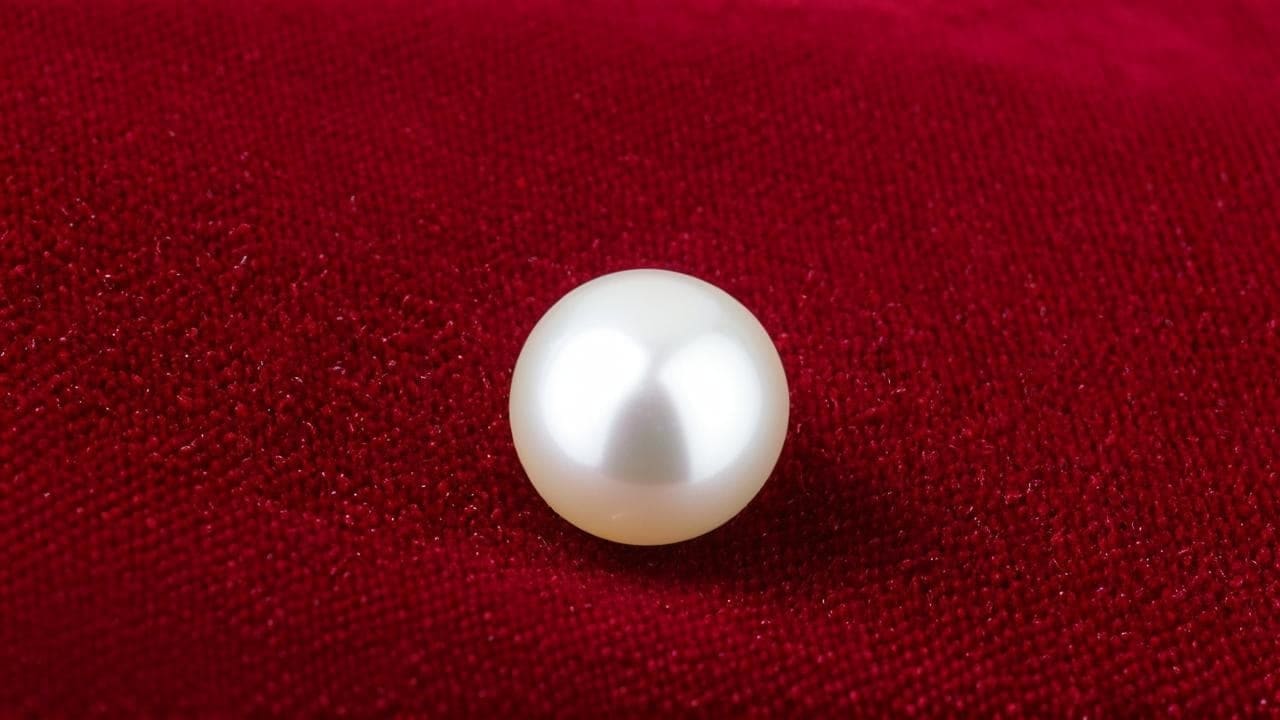
Pearls have captivated humans for thousands of years with their luminous beauty and rarity. While natural pearls were once accessible only to royalty and the extremely wealthy, the innovation of pearl cultivation in the early 20th century revolutionized the jewelry world. Today, cultured pearls account for more than 95% of all pearls on the market, offering the same beauty as natural pearls but at more accessible prices. The fascinating world of cultured pearls encompasses their creation process, diverse varieties, and the special qualities that make them unique among gemstones.
What Are Cultured Pearls?
Cultured pearls are real pearls created with human assistance, where a skilled technician implants an irritant into a mollusk, prompting it to produce nacre layers that form a pearl. Unlike synthetic or imitation pearls, cultured pearls are genuinely organic gems with the same composition as natural pearls – they simply begin with human intervention rather than by chance.
- Cultured pearls are composed of calcium carbonate (aragonite crystals) and conchiolin protein – exactly the same materials found in natural pearls, giving them identical physical, chemical, and optical properties.
- The cultivation process was pioneered in Japan in the early 1900s and transformed pearls from extremely rare treasures to more accessible luxury items while preserving depleted wild oyster populations.
- Most cultured pearls contain a nucleus (typically a round bead made from freshwater mussel shell) that serves as the foundation for nacre formation, though some varieties like certain freshwater pearls are created using only mantle tissue.
- Quality cultured pearls typically require 2-5 years of development inside the host mollusk, with longer development times generally producing higher quality pearls with thicker nacre layers.
- Laboratories can distinguish cultured from natural pearls only by examining their internal structure using X-ray or CT scanning technology, as their exterior appearance and composition are identical.
Cultured pearls democratized these coveted gems, making pearl jewelry accessible to people beyond royalty and the ultra-wealthy. They represent one of the most successful intersections of human innovation with natural processes, creating genuine organic luxury that maintains the authentic beauty and properties of pearls formed in the wild while making them more accessible and environmentally sustainable.
The Origins of Pearl Farming
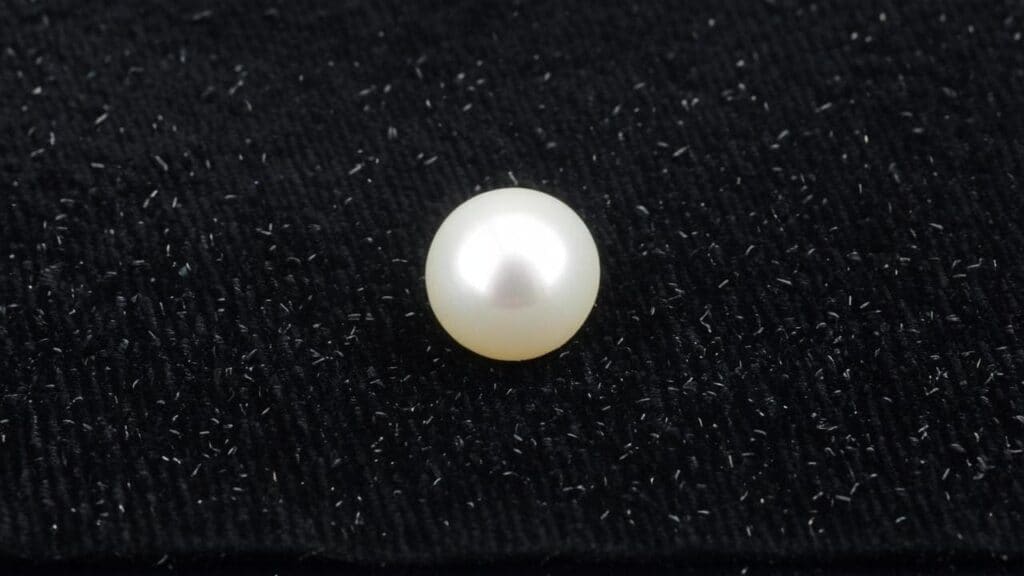
The cultivation of pearls transformed them from incredibly rare treasures to beloved jewelry staples, marking one of the most significant innovations in jewelry history. This breakthrough changed not only the accessibility of pearls but also helped preserve wild oyster populations that had been decimated by centuries of pearl hunting.
- For thousands of years, natural pearls were among the world’s most valuable items, with pearl divers searching through thousands of oysters to find just a few gems. Ancient civilizations in Egypt, Rome, China, and India all prized natural pearls for their rarity and beauty.
- The earliest documented attempts at pearl cultivation date back to 13th century China, where Buddha figurines were inserted into freshwater mussels to create pearl-coated religious objects, though these were not round pearls intended for jewelry.
- The modern method of pearl cultivation was developed independently by three Japanese innovators – Kokichi Mikimoto, Tatsuhei Mise, and Tokichi Nishikawa – around 1893-1907, revolutionizing the pearl industry forever.
- Mikimoto received a patent for his cultivation method in 1908 and established the first commercial pearl farm, turning his name into a global brand synonymous with cultured pearls.
- By the 1920s and 1930s, Japanese cultured pearls had entered world markets in significant numbers, causing controversy in the pearl trade but ultimately making these gems accessible to a much wider audience.
- The cultured pearl industry spread globally in the mid-20th century, with significant pearl farming developing in Australia, French Polynesia, Indonesia, the Philippines, and China, each region specializing in different types of cultured pearls.
The development of pearl cultivation represents one of humanity’s most successful partnerships with nature – a process that works with natural biological mechanisms rather than against them. Today, pearl farming is not only a significant industry providing livelihoods for thousands of people worldwide but also an example of sustainable luxury, as well-managed pearl farms depend on maintaining clean water and healthy ecosystems to produce high-quality pearls.
How Are Cultured Pearls Made?
The cultivation of pearls is a fascinating blend of science, skill, and patience that mirrors natural pearl formation while providing more consistent results. This process has been refined over more than a century but still relies on the same biological mechanisms that create natural pearls, with human intervention primarily at the beginning of the pearl’s development.
- The cultivation process begins with selecting healthy, mature mollusks (typically 2-3 years old) that have demonstrated good growth and resilience in the farming environment.
- During the nucleation procedure, technicians carefully open the living mollusk and make a precise incision in its reproductive organ or mantle tissue where the pearl will form.
- For most saltwater pearls, technicians insert both a round shell bead nucleus (typically made from Mississippi River mussel shells) and a small piece of mantle tissue from a donor mollusk that contains the cells that will secrete nacre.
- In freshwater pearl cultivation, often only small pieces of mantle tissue are used without a bead nucleus, allowing the mollusk to produce multiple pearls simultaneously.
- After nucleation, the mollusks are returned to the water in protected baskets or nets and allowed to recover before being placed in their growing environment – either suspended in open water or placed on the sea floor.
- Throughout the growth period (typically 6 months to 5+ years depending on the pearl type), farmers must carefully maintain water quality, manage temperature, protect mollusks from predators, and regularly clean the shells of parasites and algae.
- The mollusk’s mantle tissue cells form a sac around the implanted nucleus and secrete nacre, which builds up in microscopic layers (approximately 0.5 microns thick), eventually forming a pearl.
- Harvest timing significantly impacts pearl quality – prematurely harvested pearls have thin nacre that may crack or peel, while longer cultivation periods generally yield pearls with thicker, more lustrous nacre.
The pearl cultivation process represents one of the most successful forms of aquaculture, working in harmony with natural biological processes to create genuine gems. Despite technological advances, pearl cultivation remains labor-intensive and subject to many natural variables, including water temperature, pollutants, disease, and predators – factors that contribute to the relatively high value of quality cultured pearls compared to manufactured imitations.
Different Cultured Pearl Varieties and Their Unique Qualities
The world of cultured pearls is diverse, with distinct varieties prized for their unique characteristics. Each type comes from different mollusk species, growing environments, and cultivation techniques, resulting in pearls with varying colors, sizes, shapes, and price points to suit different preferences and budgets.
- Akoya Pearls: Cultivated primarily in Japan and China from the Pinctada fucata martensii oyster, these are the classic white or cream pearls with high luster that Mikimoto first cultivated. They typically range from 2-10mm in size, with 7-8mm being most common, and are known for their perfectly round shapes and sharp, mirror-like luster.
- Freshwater Pearls: Primarily cultivated in China’s lakes and rivers using Hyriopsis species mussels, these pearls often form without a bead nucleus, resulting in nearly all-nacre compositions. Modern freshwater pearls come in a wide range of natural colors and shapes and are generally more affordable than saltwater varieties while offering excellent quality and durability.
- Tahitian Pearls: Produced by the Pinctada margaritifera (black-lipped oyster) in French Polynesia, these are the only naturally dark pearls. Their colors range from black to gray with overtones of green, blue, purple, and peacock. They typically range from 8-18mm in size and command premium prices for their unique coloration.
- South Sea Pearls: The largest and often most valuable cultured pearls, grown in the Pinctada maxima oyster in Australia, Indonesia, and the Philippines. White and golden South Sea pearls typically range from 9-20mm in size and are known for their satiny luster, thick nacre, and naturally luminous colors that range from silvery white to deep gold.
- Keshi Pearls: These are byproducts of the cultivation process, forming when oysters reject or eject the implanted nucleus but continue producing nacre around remaining mantle tissue fragments. Keshi pearls are composed of solid nacre with no nucleus, have unique irregular shapes, and often display exceptional luster and iridescence.
- Mabe Pearls: These are cultivated differently from other pearls – the nucleus is placed against the inside shell of the mollusk rather than within its tissues, resulting in a half-pearl or “blister pearl” that’s cut from the shell, filled with resin, and backed with mother-of-pearl.
Each type of cultured pearl has its distinctive appeal, history, and quality considerations. The diversity among cultured pearls means there’s a pearl type suited to almost every taste and budget – from affordable freshwater pearls perfect for everyday wear to magnificent South Sea specimens that represent significant investments and potential heirlooms.
Cultured Pearl Quality Factors
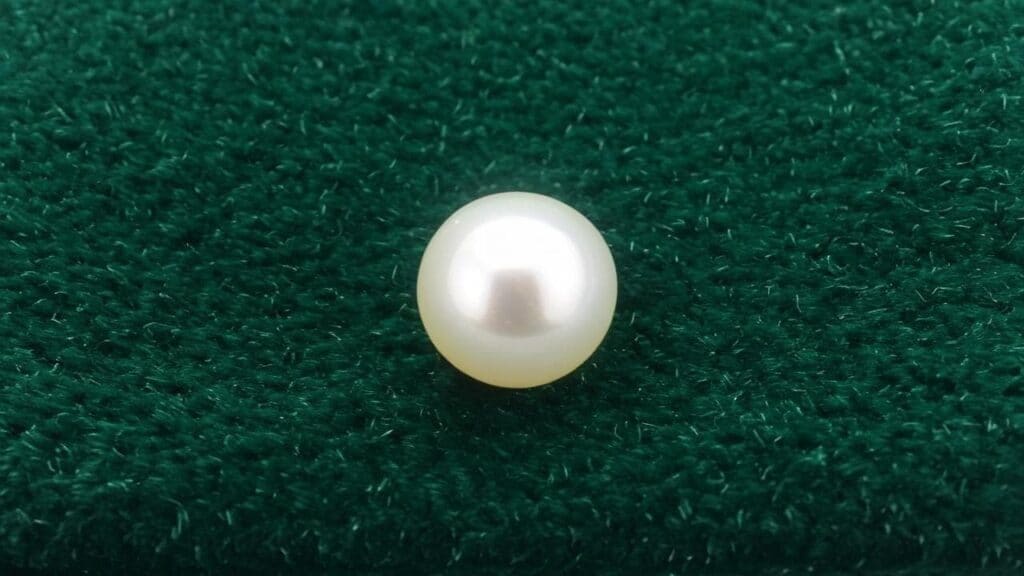
Understanding the factors that determine cultured pearl quality helps buyers make informed decisions and appreciate what makes certain pearls more valuable than others. Unlike many gemstones with standardized grading systems, pearl quality assessment combines objective measures with subjective evaluation of beauty.
- Luster: Considered the most important quality factor, luster refers to the pearl’s reflective quality – how sharply and clearly it reflects light and images. High-luster pearls have a bright, mirror-like reflection, while poor-luster pearls appear chalky or dull. Luster is directly related to nacre thickness and arrangement of the crystalline structure.
- Surface Quality: This refers to how free from imperfections the pearl’s surface appears. Blemishes might include bumps, pits, cracks, spots, wrinkles, or bands. Completely flawless pearls are extremely rare, but higher quality pearls have fewer and less noticeable imperfections.
- Shape: Round pearls are traditionally most valuable, especially in Akoya varieties, but other symmetrical shapes like drops, buttons, and ovals can be highly prized as well. Baroque (irregularly shaped) pearls have gained popularity for their unique character and often lower price points. Shape preferences may vary by culture and current fashion trends.
- Size: Generally, larger pearls are more valuable than smaller ones of similar quality, as they are rarer and take longer to form. Size is measured in millimeters, with typical ranges varying by pearl type – from 2-10mm for Akoyas to 9-20mm for South Sea pearls.
- Color: Color consists of three components: body color (main color), overtone (translucent color overlaying the body color), and orient (iridescent rainbow-like effect). Preferred colors vary by pearl type and market trends, with natural colors generally valued over treated ones.
- Nacre Thickness: Thicker nacre generally means better luster, durability, and value. Thin-nacre pearls may look dull and can eventually reveal the nucleus or peel. Quality pearls should have nacre thick enough to last for generations with proper care.
- Matching: For strands or pairs, how well the pearls match in all quality factors significantly affects value. Creating well-matched strands requires sorting through many pearls, particularly for larger sizes or exceptional quality, adding to their cost.
While these factors apply universally, their relative importance can vary by pearl type – for instance, perfect roundness is highly valued in Akoya pearls but less expected in Tahitian or freshwater varieties. Most quality pearls come with certificates from gemological laboratories that assess these factors, though the pearl industry lacks a single standardized grading system comparable to the diamond industry’s 4Cs, making educated buying from reputable sources particularly important.
How Cultured Pearls Compare to Natural Pearls
While cultured and natural pearls share the same biological origin and composition, understanding their differences helps explain their varying availability, pricing, and historical significance in the jewelry world. Both are genuine pearls, but their formation processes and rarity create meaningful distinctions.
- Natural pearls form entirely by chance when an irritant enters a mollusk without human intervention, making them exceedingly rare – experts estimate fewer than 1 in 10,000 wild mollusks contain a pearl, and fewer still contain gem-quality pearls.
- Cultured pearls involve human assistance at the beginning of the process but develop through the same biological mechanisms as natural pearls, with the mollusk depositing nacre around an introduced irritant.
- The interior structure differs – natural pearls typically have a tiny central cavity or irregular core around which concentric rings of nacre have formed, while most cultured pearls contain a visible nucleus (except tissue-nucleated freshwater pearls).
- Natural pearls today are extraordinarily expensive collector’s items primarily found in antique jewelry, museums, or royal collections – a quality natural pearl necklace can sell for millions at auction.
- Before the advent of X-ray technology in the 1920s, distinguishing cultured from natural pearls was challenging; today, gemological laboratories use X-ray, CT scans, or microradiography to reveal the internal structure that differentiates them.
- The ecological impact differs significantly – natural pearls historically required harvesting and opening countless wild mollusks to find few gems, depleting wild populations, while pearl cultivation is a form of sustainable aquaculture.
- Both types require the same careful handling and maintenance – they have identical hardness (2.5-4.5 on the Mohs scale), sensitivity to chemicals, and care requirements.
The introduction of cultured pearls transformed pearls from among the rarest gems available only to the extremely wealthy into beloved jewelry accessible to much wider audiences. While natural pearls hold historical significance and extreme rarity value, cultured pearls offer the same beauty and composition with more consistent quality and sustainability – making them the ethical choice for modern pearl enthusiasts.
Common Myths About Cultured Pearls
Despite their century-long history in the jewelry market, cultured pearls remain surrounded by misconceptions that can confuse consumers. Clearing up these myths helps pearl enthusiasts make more informed decisions and better appreciate these remarkable gems.
- “Cultured pearls are artificial or fake pearls” - Actually, cultured pearls are genuine pearls created by living mollusks through the same biological process as natural pearls – they simply begin with human assistance rather than by chance.
- “You can tell cultured pearls from natural pearls by rubbing them against your teeth – natural pearls feel grittier” - In truth, both cultured and natural pearls have the same surface texture, composed of identical nacre. This test might help distinguish real pearls from imitations, but cannot differentiate between natural and cultured pearls.
- “All cultured pearls have a perfectly round shape” - In fact, cultured pearls come in various shapes – round, near-round, oval, button, drop, baroque, and circled. While round pearls are often most valued in certain varieties, each shape has its unique appeal and place in jewelry design.
- “Freshwater pearls are inferior to saltwater pearls” - While historically true, modern freshwater pearl cultivation techniques have dramatically improved quality. Today’s high-end freshwater pearls can rival saltwater varieties in luster and beauty, often with thicker nacre, though saltwater pearls typically grow larger.
- “Cultured pearls don’t last as long as natural pearls” - Both types have identical durability when they have comparable nacre thickness. Some cultured pearls, particularly earlier or lower-quality ones, had thin nacre that could wear away, but quality modern cultured pearls have substantial nacre layers designed to last generations.
- “Pearl colors are always artificially enhanced” - While pearl enhancement (through bleaching, dyeing, or irradiation) is common, many cultured pearls display beautiful natural colors, particularly Tahitian and South Sea varieties. Higher-value pearls typically feature natural, untreated colors.
- “The perfect strand of pearls should be absolutely identical” - Even the most expensive, well-matched pearl strands show subtle variations when examined closely. Complete uniformity usually indicates imitation pearls.
Understanding these realities about cultured pearls helps consumers appreciate their true value and make more informed purchasing decisions. Modern cultured pearls represent an extraordinary blend of nature and human innovation, creating genuine gems with the same beauty, composition, and wearing properties as their natural counterparts, just with greater consistency and accessibility.
Ethical Pearl Farming: Environmental Impact and Sustainability
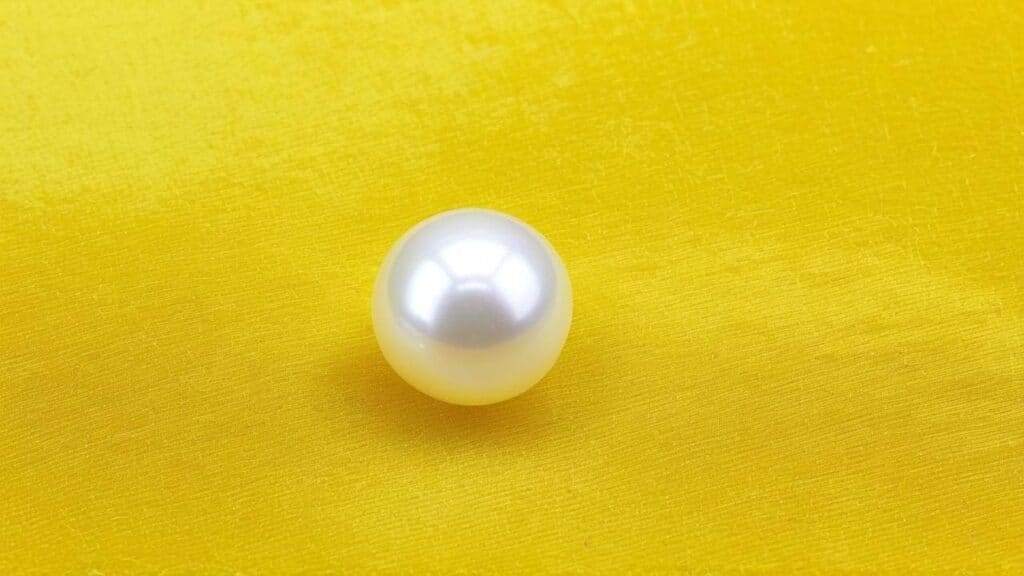
As consumers become increasingly conscious about the ethics and sustainability of luxury goods, understanding the environmental and social impact of pearl farming becomes important. The pearl industry presents an interesting case study in sustainable luxury production with both positive attributes and areas for continued improvement.
- Pearl farming is widely considered one of the most environmentally sustainable forms of aquaculture, as pearl-producing mollusks require clean, pollution-free water to produce high-quality pearls – creating economic incentives for environmental protection.
- Well-managed pearl farms often serve as marine conservation areas, protecting coastal ecosystems that might otherwise face degradation from more destructive industries like mining or intensive fishing.
- The symbiotic relationship between pearl farmers and their environment has led to pearl farming communities becoming advocates for marine conservation, water quality monitoring, and protection of mangrove forests and coral reefs.
- Pearl farming provides sustainable livelihoods in remote coastal and island communities where economic opportunities may be limited, supporting traditional maritime skills and knowledge.
- There remains variability in environmental practices across different regions and farms – with some operations maintaining higher standards than others regarding waste management, chemical use, and ecosystem impact.
- Labor practices and worker conditions also vary across the industry, though many pearl farms, particularly larger operations, have implemented fair labor standards and community benefit programs.
- As climate change impacts ocean temperatures and acidity, pearl farming faces challenges that threaten both the industry and the coastal communities that depend on it, prompting adaptation strategies and research.
- Conservation efforts are underway in many pearl farming regions to protect wild mollusk populations that provide genetic diversity for pearl cultivation, some of which are threatened or endangered from historical overharvesting.
For environmentally and socially conscious consumers, cultured pearls often represent a more ethical choice than many other luxury goods, particularly when purchased from companies that emphasize traceability and sustainable practices. The industry’s dependence on clean water and healthy ecosystems creates a natural alignment between commercial success and environmental protection that makes pearl farming a potential model for sustainable luxury production. Like all fine jewelry, cultured pearls maintain their beauty longest when properly maintained and stored.
Conclusion
Cultured pearls represent one of humanity’s most successful collaborations with nature – gems that harness natural biological processes while making pearl jewelry accessible to far more people than ever before in history. From their revolutionary beginnings in early 20th century Japan to today’s global industry producing diverse pearl types, cultured pearls maintain the authentic beauty and character of pearls while addressing the sustainability and scarcity issues associated with natural pearl collection.
Whether you’re drawn to the classic luster of Akoya pearls, the mysterious dark hues of Tahitians, the golden glow of South Sea pearls, or the accessible variety of freshwater pearls, understanding what makes these gems special enhances appreciation for their beauty. As both science and art, pearl cultivation continues to evolve, producing ever more beautiful results while working to maintain the delicate balance with nature that makes these organic gems possible.