In today’s world of personalization and custom design, 3D engraving represents one of the most innovative techniques for adding detail and character to jewelry and other precious items. Unlike traditional engraving methods that simply scratch the surface, 3D engraving creates depth, texture, and lifelike imagery that transforms ordinary pieces into extraordinary keepsakes. The technology allows for complex designs with genuine visual depth, capturing and reflecting light in dynamic ways that bring unprecedented dimensionality to decorative elements and meaningful symbols.
What Is 3D Engraving in Jewelry?
3D engraving is a cutting-edge technique that adds significant depth and dimension to designs, creating visually striking results that conventional engraving cannot achieve. This modern method uses advanced technology to produce engravings with remarkable detail and a three-dimensional appearance, making it increasingly popular for personalizing jewelry, awards, and keepsakes. The ability to create multi-layered, textured designs has revolutionized how we think about personalization, opening up new possibilities for artistic expression in even the smallest items.
- 3D engraving creates engravings with multiple layers and varying depths, producing a three-dimensional visual effect that appears to have volume and perspective, unlike traditional flat engravings that simply mark the surface with a single depth.
- The technology behind 3D engraving typically involves either laser systems that can focus at different depths within transparent materials, or computer-controlled mechanical tools that can precisely remove material at varying levels to create complex textures and designs.
- The technique emerged in the 1990s with the development of advanced lasers but has seen dramatic improvements with more precise technology over the past two decades, allowing for increasingly detailed and intricate designs that were previously impossible.
- 3D engraving can be applied both externally by creating raised or sunken designs on the surface of materials like metal, wood, or stone and internally by creating images inside transparent materials like crystal or glass using focused laser points.
- Most 3D engraving begins with a digital design process where 2D images are converted into multi-level designs using specialized software that determines how depth will be distributed throughout the image for the most realistic three-dimensional effect.
As technology continues to advance, 3D engraving has become more accessible and refined, offering increasingly detailed results that were impossible just a few years ago. The unique dimensional quality of 3D engraving creates memorable pieces that capture attention and preserve memories in a way that traditional engraving simply cannot match, making it a valuable technique for anyone interested in truly personalized items.
Understanding 3D Engraving Technology
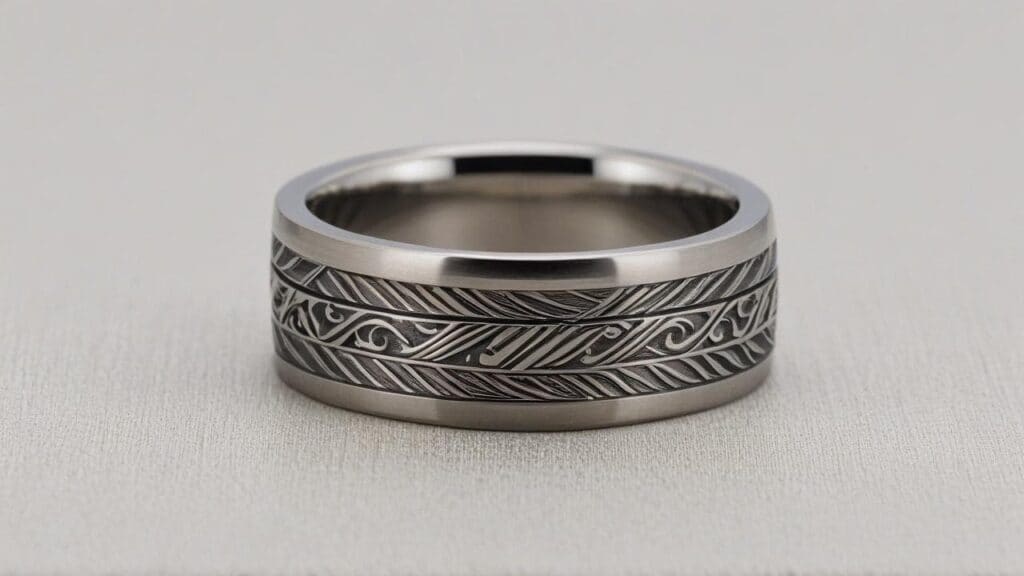
3D engraving is a sophisticated process that creates multi-dimensional designs by removing material at varying depths to produce an image with realistic depth and texture. Unlike conventional engraving that cuts at a uniform depth, 3D engraving utilizes advanced technology to create multiple layers, giving designs a true sense of dimension that can range from subtle texturing to dramatic relief effects. This technique transforms flat surfaces into dynamic visual experiences, whether on jewelry pieces like rings and pendants or other items like crystal awards or metal plaques.
- 3D engraving derives its name from the three-dimensional appearance of the finished product, where the engraving exhibits height, width, and depth dimensions that create visual complexity and realism beyond what traditional engraving can achieve.
- There are two primary approaches to 3D engraving: subsurface laser engraving which creates points inside transparent materials and relief engraving which removes varying amounts of material from the surface to create different elevations.
- Subsurface laser engraving uses focused laser beams to create tiny fractures or points inside clear materials like crystal or glass, with each point positioned at a specific three-dimensional coordinate to form a complete image that appears to float inside the material.
- Relief 3D engraving, commonly used on metals and other solid materials, involves removing material to different depths to create varying levels and textures, similar to topographic maps where different elevations are represented.
- The depth variation in 3D engraving can be extremely precise, with some systems capable of creating microscopic depth changes as small as 0.1mm, allowing for incredibly detailed gradients and textures.
- Modern 3D engraving typically starts with digital designs or photographs that are converted into depth maps through specialized software, determining exactly how deeply the engraving tool will cut at each point of the design.
3D engraving represents a significant technological advancement over traditional engraving methods, offering unprecedented levels of detail and visual interest. As the technology continues to improve, 3D engraving has become more accessible and versatile, making it possible to create increasingly complex and realistic designs on a wider range of materials, from precious metals in fine jewelry to everyday items like phone cases or keychains.
3D Engraving Technology and Methods
3D engraving relies on precision technology to create multi-dimensional designs by carefully removing material at varying depths. The process transforms digital designs into physical engravings through computer-controlled equipment that can manipulate lasers or cutting tools with exceptional accuracy. While the specific methods may vary depending on the material and desired effect, all 3D engraving shares the fundamental principle of creating dimension through precisely controlled depth variation.
- Laser 3D engraving works by focusing high-powered laser beams at different intensities and focal points, either creating microscopic fractures within transparent materials for subsurface engraving or vaporizing material from the surface at controlled depths for surface engraving.
- CNC 3D engraving uses mechanical cutting tools that physically remove material at programmable depths, following complex toolpaths generated from digital models to create detailed relief patterns.
- The process typically begins with creating or preparing a digital image, which specialized software then converts into a grayscale depth map where different shades correspond to different engraving depths—darker areas become deeper cuts, lighter areas become shallower cuts.
- For internal crystal engraving, lasers are precisely focused at thousands of individual points within the material, with each laser pulse creating a tiny fracture that reflects light, collectively forming a complete 3D image inside the crystal without breaking the surface.
- Advanced 3D engraving systems use multi-axis movement to approach the material from different angles, allowing for complex undercuts and details that would be impossible with simpler up-and-down movement.
- The engraving depth can be controlled with extreme precision, sometimes down to microns, enabling incredibly fine gradations of depth that create smooth transitions and realistic texturing.
- Modern 3D engraving machines often incorporate vision systems or cameras that can precisely align the workpiece and automatically adjust for material variations, ensuring accurate placement of the design.
The technological complexity behind 3D engraving enables artisans and manufacturers to create incredibly detailed and visually striking designs that were impossible with traditional methods. As these technologies become more refined and accessible, 3D engraving continues to expand the possibilities for personalization and artistic expression in jewelry and other items, offering unprecedented levels of detail and dimension in even the smallest pieces.
Comparing 3D and Traditional Engraving Methods
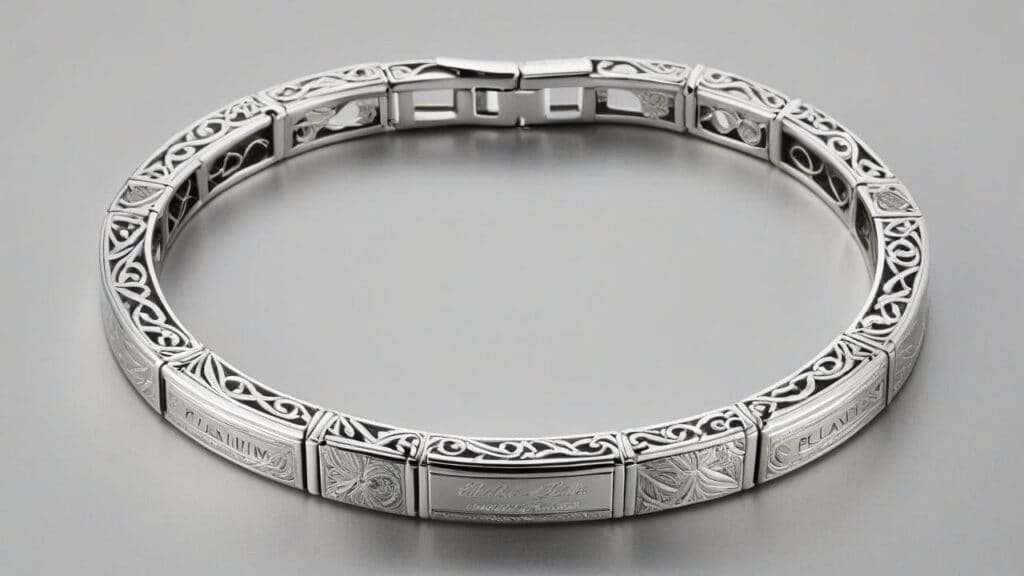
3D engraving represents a significant advancement over traditional engraving techniques, offering greater depth, detail, and visual impact. While traditional engraving has been practiced for centuries and still serves many purposes effectively, 3D engraving opens up new possibilities for creating complex, realistic designs with genuine dimensional qualities. Understanding the differences between these techniques helps in choosing the right approach for specific projects and appreciating the unique capabilities of each method.
- Traditional engraving typically creates single-depth cuts or lines on the surface of materials, producing flat designs with limited dimensionality, while 3D engraving creates multiple levels of depth that give designs true spatial dimension and more realistic appearance.
- Traditional engraving is often done by hand using tools like gravers or with simple mechanical engravers that follow template patterns, whereas 3D engraving requires complex digital systems with computer-controlled lasers or CNC machines guided by sophisticated software.
- The visual impact of traditional engraving relies primarily on line quality and skilled craftsmanship, while 3D engraving achieves its effect through the interplay of light and shadow across different depths, creating natural highlights and shadows that enhance the three-dimensional appearance.
- Traditional engraving typically works with simpler designs like text, basic images, or decorative patterns, while 3D engraving can handle complex imagery including photographs, detailed illustrations, and intricate textures with remarkable fidelity.
- The learning curve for traditional hand engraving is steep and requires years of practice to master, whereas 3D engraving relies more on technical knowledge of digital design and equipment operation, with the machine handling the precision cutting work.
- Traditional engraving generally creates sharper, more defined lines that can be felt when running a finger over the surface, while 3D engraving can create both sharp details and smooth gradients that transition seamlessly between different depths.
- Cost differences are significant—traditional engraving equipment is relatively inexpensive for hand tools, while professional 3D engraving systems can cost tens of thousands of dollars, though this gap is narrowing as technology becomes more accessible.
While traditional engraving maintains its place in craftsmanship and certain aesthetic traditions, 3D engraving has revolutionized what’s possible in the field of personalization and detailed design work. The choice between these methods often depends on the specific project requirements, desired aesthetic, material being engraved, and budget considerations. Many professional engravers now offer both techniques, recognizing that each has its unique strengths and appropriate applications.
Ways to Use 3D Engraving in Jewelry
3D engraving has revolutionized the jewelry industry by enabling unprecedented levels of detail and personalization in relatively small pieces. This technique allows jewelers to create intricate designs with genuine depth and dimension, transforming simple metal surfaces into complex artistic expressions. From wedding bands to lockets, 3D engraving adds significant value and meaning to jewelry items by creating visually stunning and emotionally resonant designs.
- Wedding rings and bands benefit tremendously from 3D engraving, allowing couples to include detailed landscapes, fingerprints, sound wave patterns from their voices, or intricate designs that wrap completely around the band with varying depths that catch light differently as the ring moves.
- Pendants and lockets can showcase remarkably detailed portraits or scenes with true dimensional qualities, creating miniature relief sculptures that tell stories or preserve memories with far greater realism than traditional flat engraving.
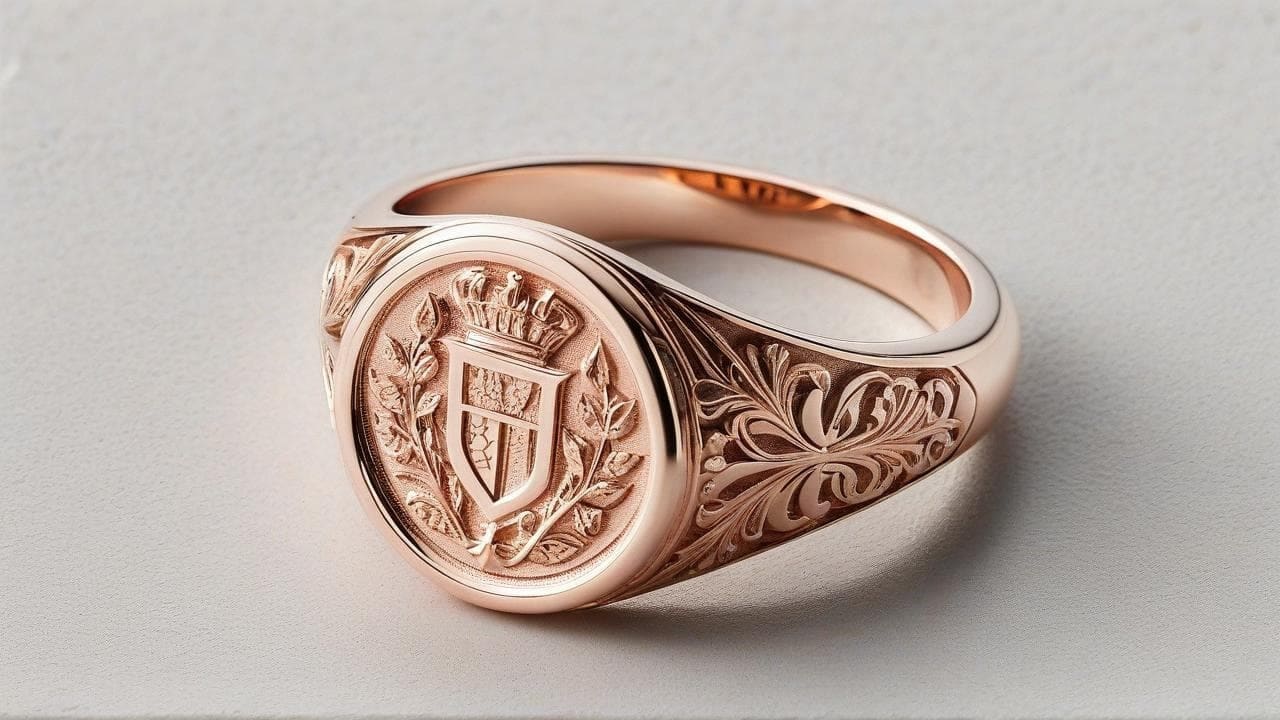
- Signet rings have evolved beyond simple monograms to feature complex family crests, detailed symbols, or custom designs with multiple levels of depth that create impressive visual impact despite their small size.
- Memorial jewelry has been transformed by 3D engraving, allowing precise replication of handwriting, signatures, or fingerprints of loved ones with faithful reproduction of the subtle pressure variations that make these personal marks unique.
- Custom charms gain significant character through 3D engraving, with miniature scenes, pets, homes, or symbolic images rendered with surprising detail and depth despite their tiny canvas.
- Watch case backs and faces can be personalized with 3D engraved designs that transform plain surfaces into artistic statements, adding significant value and uniqueness to timepieces.
- Bracelets with wider surfaces provide excellent canvases for 3D engraving, allowing for continuous scenes, meaningful text with dimensional qualities, or patterns that utilize depth to create visual interest from every angle.
The application of 3D engraving in jewelry continues to expand as designers and customers discover new possibilities for expressing meaning through dimension. The technology allows for personalization that goes beyond simple inscription to create truly unique pieces with emotional significance and artistic merit. As 3D engraving technology improves in precision and accessibility, we can expect to see even more innovative applications in jewelry design, further blurring the line between personal adornment and miniature sculptural art.
Best Materials for 3D Engraving
The effectiveness and quality of 3D engraving largely depends on choosing appropriate materials that can showcase depth and detail while standing up to the engraving process. Different materials interact uniquely with various engraving methods, offering distinct aesthetic results and practical considerations. Understanding which materials work best for 3D engraving helps ensure satisfying results for both artistic expression and durability in jewelry applications.
- Precious metals like gold, silver, and platinum are excellent candidates for 3D engraving in jewelry, with their malleability allowing for precise cutting and their durability preserving fine details for generations—though softer precious metals may require more gentle handling after engraving.
- Stainless steel provides an excellent balance of hardness and workability for 3D engraving, maintaining crisp details while offering exceptional durability and tarnish resistance, making it ideal for everyday jewelry items exposed to frequent wear.
- Crystal and glass are perfect for internal 3D laser engraving, where focused lasers create thousands of microscopic fractures that collectively form a complete three-dimensional image within the material without breaking its surface.
- Titanium can be 3D engraved despite its hardness, offering exceptional durability for engraved designs and the ability to be anodized in various colors before or after engraving to create striking visual effects with added dimension.
- Tungsten carbide, while extremely hard, can be 3D engraved using certain advanced laser technologies, creating permanent designs that will never fade or wear away even with daily use—though the hardness limits the depth achievable.
- Wood, while not common in fine jewelry, can be beautifully 3D engraved for alternative jewelry pieces, with different wood species offering varying grain patterns that can enhance the dimensional effect of the engraving.
- Ceramic and high-quality acrylic materials can accept detailed 3D engraving and are sometimes used in contemporary jewelry designs where lightweight, colorful alternatives to traditional metals are desired.
Material selection should always consider not just the engraving quality but also the intended use of the jewelry piece and its exposure to wear, chemicals, and environmental factors. The interaction between material properties and engraving method significantly impacts the final result, with some combinations achieving remarkable detail and others offering superior longevity. Professional jewelers typically recommend materials based on both aesthetic goals and practical considerations to ensure that 3D engraved jewelry remains beautiful and intact throughout its lifetime.
Advantages of 3D Engraving for Jewelry
3D engraved jewelry offers significant advantages over conventionally engraved pieces, delivering enhanced visual impact, greater personalization options, and often superior durability. These benefits have made 3D engraving increasingly popular for meaningful jewelry pieces where distinctive character and emotional significance are priorities. The investment in this advanced technique typically yields jewelry that stands out with unique dimensional qualities that flat engraving simply cannot achieve.
- 3D engraved jewelry exhibits genuine visual depth that catches light in complex ways, creating natural highlights and shadows that change as the piece moves, giving the design a dynamic, lifelike quality that flat engraving cannot replicate.
- The dimensional quality of 3D engraving allows for more realistic reproduction of photographs, portraits, landscapes, and complex images in jewelry, preserving subtle details and textures that make the representation more faithful to the original.
- Many 3D engraving techniques actually strengthen the engraved area by creating a work-hardened surface or compressing the material during engraving, potentially making the design more durable than the surrounding metal in some cases.
- The precision of computer-controlled 3D engraving ensures consistent quality and exact reproduction of designs, eliminating the variations and potential errors associated with hand engraving, especially for complex or highly detailed work.
- 3D engraving opens up new creative possibilities for jewelry design, allowing for the incorporation of topographical elements, natural textures, architectural details, and other complex forms that would be impossible to render effectively with traditional engraving.
- The uniqueness of 3D engraved jewelry makes it especially valuable for commemorative pieces, with the ability to create truly one-of-a-kind items that capture special moments, relationships, or achievements with remarkable detail and emotional resonance.
- Despite the higher initial cost compared to traditional engraving, the durability and distinctive quality of 3D engraved jewelry often represents better long-term value, as the designs remain impressive and legible much longer than shallower traditional engravings that may wear down over time.
The benefits of 3D engraving have revolutionized how we think about personalized jewelry, transforming simple inscriptions into artistic elements that enhance the overall design of the piece. As the technology continues to evolve and become more accessible, we can expect even greater refinement and creative applications in jewelry personalization, further cementing 3D engraving as the premier choice for adding meaningful, lasting detail to jewelry items.
How to Care for 3D Engraved Jewelry
Proper care is essential for maintaining the beauty and detail of 3D engraved jewelry over time. While 3D engraving often creates more durable designs than traditional engraving, these intricate dimensional engravings still require appropriate maintenance to preserve their detailed appearance. Following specific care guidelines ensures that the depth, detail, and visual impact of 3D engraved pieces remain impressive for years to come.
- Clean 3D engraved jewelry gently using a soft brush with mild soap and warm water to remove dirt and oils from the various depth levels without scratching the surface or damaging fine details.
- Avoid ultrasonic cleaners for many 3D engraved items, as the vigorous vibrations can potentially damage delicate details or loosen stones that might be integrated into the 3D design.
- Steam cleaning should be approached with caution for 3D engraved jewelry, as the high-pressure steam might affect certain materials or cause unexpected expansion and contraction that could impact the engraving.
- For 3D engraved pieces with deep recesses, extra attention should be paid to drying thoroughly after cleaning, as moisture can become trapped in the deeper areas and potentially cause corrosion or discoloration over time.
- Protect 3D engraved jewelry from harsh chemicals, including chlorine, bleach, and strong household cleaners, which can react with the metal and potentially damage or discolor the engraved areas.
- Store 3D engraved pieces separately from other jewelry to prevent scratching, as the various depth levels of the engraving can be more susceptible to damage from harder materials rubbing against them.
- For 3D engravings inside crystal or glass, avoid exposure to extreme temperature changes, which can cause expanding and contracting that might affect the internal laser engravings or even crack the material.
Properly cared for, 3D engraved jewelry can maintain its impressive dimensional qualities and detailed appearance for generations. The additional effort invested in appropriate cleaning and storage pays dividends in preserving both the artistic quality and the emotional significance of these special pieces. When in doubt about the best care methods for a specific 3D engraved item, consulting with a professional jeweler familiar with the engraving technique and material can provide valuable guidance tailored to the particular piece.
How Much Does 3D Engraving Cost?
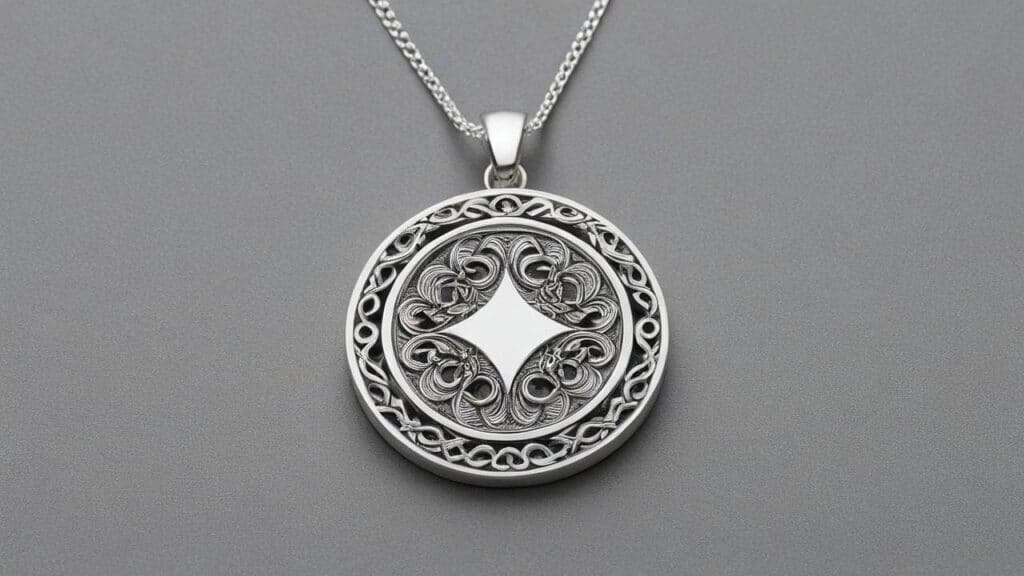
3D engraving typically represents a higher investment than traditional engraving, but its superior dimensional qualities and visual impact often justify the additional expense. Understanding the factors that influence pricing helps consumers make informed decisions about when and where to employ this advanced technique for their jewelry personalization. While costs continue to become more accessible as the technology evolves, several key factors determine the final price of 3D engraved jewelry.
- The complexity and size of the design significantly impact cost, with intricate designs requiring more time to program and engrave, sometimes adding hours to the production process compared to simpler designs.
- The material being engraved affects pricing considerably, with harder materials like tungsten or titanium requiring more powerful equipment and longer engraving times than softer metals like gold or silver.
- The depth and number of levels in the 3D design influence cost, as more complex dimensional work requires more precise control and potentially multiple passes with different tools or laser settings.
- Equipment quality plays a major role in pricing, with high-end professional 3D engraving systems capable of finer detail and better results commanding premium prices compared to entry-level equipment.
- Design preparation often forms a significant portion of the cost, as creating proper 3D digital models from customer-provided images or concepts requires specialized software and skilled designers who understand how to translate 2D imagery into effective 3D depth maps.
- For custom designs, expect to pay between $50-$500 for 3D engraving, depending on complexity, size, and material—significantly more than the $20-$100 typical for traditional engraving of similar items.
- Many jewelers offer tiered pricing options, allowing customers to choose between basic 3D effects with fewer depth levels and premium options with maximum detail and dimensional complexity.
Despite the higher cost, many customers find that the visual impact and emotional resonance of well-executed 3D engraving provides excellent value, especially for significant pieces like wedding bands, heirloom items, or commemorative jewelry. As with most specialized techniques, shopping around and comparing examples of different engravers’ work can help find the best balance of quality and price. Additionally, some jewelers offer package pricing when 3D engraving is included with the purchase of a new jewelry item, potentially providing better value than adding engraving to an existing piece.
How to Choose a 3D Engraving Service
Selecting the right provider for 3D engraving can make the difference between a mediocre result and a truly impressive piece of personalized jewelry. With the growing popularity of this technique, more services now offer 3D engraving, but their capabilities, equipment, and expertise vary significantly. Taking time to evaluate potential providers ensures your vision will be translated into a high-quality three-dimensional engraving that meets or exceeds your expectations.
- Review the portfolio of previous 3D engraving work, looking specifically for examples similar to your intended design—providers should be able to show detailed before-and-after photos that demonstrate their capability with various materials and design types.
- Ask about the specific equipment used for 3D engraving, as higher-quality machines generally produce better results—professional-grade systems from manufacturers like Epilog, Trotec, GF Machining Solutions, or Vision Engraving offer superior precision and capabilities.
- Inquire about resolution capabilities, measured in DPI or microns, which determines how fine the details in your engraving can be—higher resolutions allow for more realistic and detailed 3D effects.
- Discuss the design process thoroughly, including how your concept or image will be translated into a 3D model—experienced providers will explain their approach to creating depth maps and how they determine which areas should be deeper or shallower.
- Check what file formats the engraver accepts and whether they provide design assistance—some services require print-ready 3D files, while others can develop suitable 3D models from photographs or simple sketches.
- Compare turnaround times, as complex 3D engravings often take longer than traditional engravings—be wary of services promising very quick turnarounds for detailed 3D work, as quality may be compromised.
- Seek warranties or guarantees for the engraving work, particularly for valuable jewelry items—reputable providers stand behind their craft and offer some protection against defects or errors in the engraving process.
Finding the right 3D engraving service often requires balancing cost, quality, and convenience. Local jewelers may offer more personalized service and the ability to discuss your project face-to-face, while specialized online engraving services might provide more competitive pricing or advanced technical capabilities. Taking time to research options and communicate clearly about your expectations helps ensure that your 3D engraved jewelry will be a treasured item that showcases the full potential of this impressive technology.
Can You DIY 3D Engraving at Home?
The growing accessibility of technology has made DIY 3D engraving increasingly feasible for enthusiasts, though significant limitations remain compared to professional services. While complete novices can now experiment with basic 3D engraving, achieving professional-quality results on valuable jewelry still requires substantial investment in equipment, software, and skill development. Understanding the realistic possibilities and constraints of DIY 3D engraving helps determine whether this approach makes sense for your specific needs.
- Entry-level laser engravers suitable for basic 3D work now start around $500-$2,000, making experimentation possible for dedicated hobbyists, though these machines typically have limited power, work area, and precision compared to professional equipment.
- Desktop CNC mills capable of basic 3D engraving in soft metals can be found starting around $1,000-$3,000, but achieving fine jewelry-quality results usually requires industrial equipment costing $10,000 or more.
- Software presents another hurdle, as creating effective 3D engraving files requires specialized programs like ZBrush, Fusion 360, or dedicated engraving software that can convert 2D images into proper depth maps with appropriate gradients.
- Learning the technical skills for DIY 3D engraving takes considerable time, with most practitioners needing several months of regular practice before achieving consistent, satisfying results even with proper equipment.
- Safety considerations are significant, especially with laser engravers, which require proper ventilation systems to remove potentially harmful fumes and may pose eye hazards without appropriate protective equipment.
- Material limitations restrict DIY efforts, as engraving harder jewelry materials like tungsten or titanium requires industrial-grade equipment well beyond the reach of most hobbyists.
- For crystal internal engraving, specialized subsurface laser equipment is required that typically costs $20,000 or more, making this particular 3D engraving technique impractical for most DIY enthusiasts.
For those interested in exploring DIY 3D engraving, starting with simpler projects on more forgiving materials like wood, acrylic, or soft metals provides a more accessible entry point. Many makerspaces and community workshops now offer access to higher-quality engraving equipment with proper training, providing a middle ground between fully DIY and professional services. For valuable jewelry pieces or important commemorative items, professional 3D engraving services still offer the best combination of quality, reliability, and peace of mind, even as DIY options continue to improve.
Frequently Asked Questions About 3D Engraving
Many consumers have questions about 3D engraving as they consider this option for personalizing jewelry or other items. These frequently asked questions address common concerns and provide helpful information for those exploring 3D engraving for the first time. Understanding these basics can help you make more informed decisions about whether and how to incorporate 3D engraving into your jewelry projects.
How long does 3D engraving last?
3D engraving in metals is permanent and will last as long as the jewelry itself when properly cared for. The deeper nature of 3D engraving often makes it more durable than traditional engraving, with designs remaining crisp and visible even after years of regular wear.
Can any image be converted to a 3D engraving?
Most images can be adapted for 3D engraving, but some translate better than others. Images with good contrast, clear details, and distinct elements work best. Very busy images or those with subtle gradients may lose clarity when converted to 3D engraving.
Is 3D engraving safe for all types of jewelry?
Most jewelry can be safely 3D engraved, but there are exceptions. Items with heat-sensitive gemstones, very thin metal sections, or antique pieces with uncertain compositions may not be suitable candidates. Professional engravers can assess whether a specific piece can safely receive 3D engraving.
Can 3D engraving be removed if I change my mind?
Unlike traditional surface engraving which sometimes can be buffed out, 3D engraving removes significant material and creates permanent changes. Removal typically requires reshaping the entire surface and may not be possible without substantially altering the jewelry piece.
How detailed can 3D engraving be on a small jewelry item?
Modern 3D engraving technology can create remarkably fine details, with some systems capable of features as small as 0.05mm. However, practical limits depend on the material, with softer metals generally allowing finer detail than harder materials.
Does 3D engraving weaken jewelry items?
When properly executed by professionals, 3D engraving does not significantly compromise structural integrity. Engravers carefully consider depth in relation to the thickness of the material. In some cases, the work-hardening effect of engraving can actually strengthen the engraved area.
How do I know if traditional or 3D engraving is better for my project?
3D engraving excels for complex images, portraits, landscapes, or designs where depth and dimension enhance the visual impact. Traditional engraving remains preferable for simple text, basic symbols, or classic monograms where a clean, sharp line is more appropriate than dimensional effects.
As 3D engraving technology continues to advance, even more possibilities are emerging for personalized jewelry. Professional jewelers and specialized engraving services can provide specific guidance tailored to your unique project, helping you determine whether 3D engraving will achieve your desired outcome and suggesting the best approach for your particular design and material.
Conclusion
3D engraving represents a remarkable advancement in the art and technology of jewelry personalization, offering unprecedented depth, detail, and visual impact. This innovative technique transforms simple inscriptions into dynamic, dimensional designs that capture light in complex ways and create truly unique personal expressions in jewelry. From wedding bands bearing realistic landscapes to pendants containing intricate portraits, 3D engraving enables a level of personalization and artistic expression previously impossible on such small canvases.
When considering personalization options for jewelry, the additional investment in 3D engraving often proves worthwhile for pieces with special significance. The technique’s ability to create genuine dimension and capture complex imagery translates into jewelry that feels more connected to the memories, relationships, or achievements it represents. As with any technological advancement, the real value of 3D engraving lies not just in its technical impressiveness but in how it enhances human connection and expression through the ancient and enduring medium of personal adornment.