Argentium Silver represents one of the most significant advancements in precious metals technology in recent decades. Developed in the 1990s, this modern silver alloy offers remarkable improvements over traditional sterling silver while maintaining the beauty and versatility that has made silver a beloved metal for centuries. Whether you’re considering purchasing Argentium Silver jewelry or simply curious about this innovative material, you’ll find valuable information about its composition, benefits, care requirements, and value in the sections that follow.
What Is Argentium Silver?
Argentium Silver is a premium silver alloy invented by Peter Johns at Middlesex University in the UK during the 1990s. It was created specifically to address the primary drawbacks of traditional sterling silver, particularly its tendency to tarnish quickly. What makes Argentium truly revolutionary is its modified composition—replacing some of the copper found in sterling silver with the element germanium. This seemingly small change creates a metal with dramatically improved performance characteristics while maintaining the beauty and workability that makes silver so popular in jewelry and other fine objects.
- Argentium Silver was patented in the late 1990s and became commercially available to jewelers in the early 2000s, representing the first major advancement in silver alloy technology in generations.
- The name “Argentium” comes from the Latin word “argentum” meaning silver, and it’s a registered trademark protected by the Argentium International Limited company that oversees its production standards.
- Unlike traditional sterling which tarnishes quickly when exposed to air, Argentium forms a transparent germanium oxide layer that significantly slows tarnishing and creates a naturally protective surface.
- Argentium Silver is recognized by international hallmarking authorities with its own distinct hallmarks—typically including a flying unicorn logo or the letters “A” or “ARG” alongside standard silver purity markings.
- Argentium exceeds the purity of traditional sterling silver, coming in two main grades: Argentium 935 (93.5% pure silver) and Argentium 960 (96% pure silver), compared to sterling’s 92.5% purity.
- This modern silver alloy is more environmentally friendly than traditional sterling, as it requires less chemical treatments and cleaning products throughout its lifetime.
The development of Argentium Silver represents a true breakthrough that has given jewelers, silversmiths, and consumers a premium alternative to traditional sterling. Its innovative composition delivers a metal that not only stays beautiful longer with less maintenance but also offers improved working properties for craftspeople. For jewelry enthusiasts seeking silver pieces that maintain their luster and require less frequent polishing, Argentium offers compelling advantages that justify its slightly higher price point.
The Composition of Argentium Silver
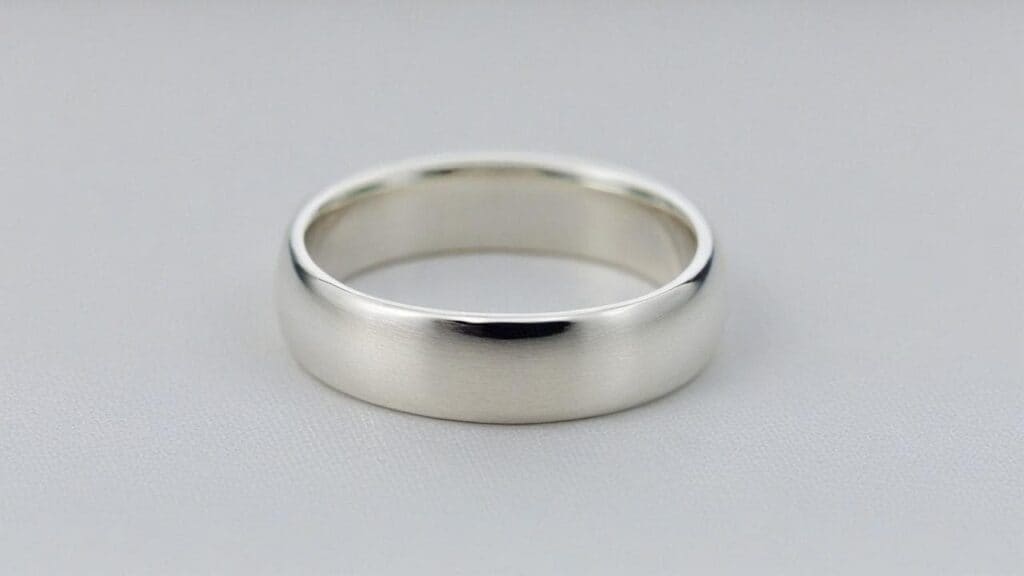
The remarkable properties of Argentium Silver begin with its unique composition. While traditional sterling silver has followed the same formula for centuries, Argentium introduces germanium—a semi-metallic element that fundamentally changes how silver behaves. This addition creates a metal that not only contains more pure silver than traditional sterling but also performs better in nearly every measurable category.
- Argentium Silver replaces some of the copper in traditional sterling silver with germanium (typically about 1.2%), which creates a transparent germanium oxide layer on the surface that acts as a natural barrier against tarnish.
- Traditional sterling silver contains 92.5% silver and 7.5% copper, while Argentium 935 contains 93.5% silver and Argentium 960 contains 96% silver—both exceeding the purity of standard sterling.
- Germanium belongs to the same family of elements as silicon and shares some properties with both metals and non-metals, making it uniquely suited to enhance silver’s characteristics.
- The germanium in Argentium prevents firescale (a reddish-purple copper oxide that forms during heating), eliminating the need for potentially harmful anti-firescale chemicals used in traditional silver production.
- Argentium’s molecular structure is more crystalline than traditional sterling silver, which contributes to its greater hardness, scratch resistance, and tensile strength.
- Both varieties of Argentium Silver are nickel-free, making them excellent choices for people with nickel allergies or sensitivities.
- Argentium meets international hallmarking standards and often carries the “935” or “960” mark to indicate its silver content, along with the distinctive Argentium hallmark showing a flying unicorn.
This innovative composition gives Argentium Silver properties that were previously impossible to achieve in a silver alloy. The addition of germanium not only addresses the age-old problem of tarnishing but also enhances the metal’s working properties for jewelers and its durability for wearers. The result is a premium silver that maintains its white, brilliant appearance longer while requiring significantly less maintenance than traditional sterling silver.
How Argentium Silver Compares to Sterling Silver
When deciding between Argentium and traditional sterling silver, understanding their differences is crucial. Both are beautiful silver alloys, but Argentium offers several distinct advantages that make it worth considering despite its typically higher price point. These differences become particularly important when selecting jewelry you plan to wear frequently or hope to maintain with minimal effort.
- Argentium Silver is dramatically more tarnish-resistant than traditional sterling silver, which can begin to darken within days of exposure to air. Argentium can remain bright for months without polishing.
- Traditional sterling silver often develops firescale during manufacturing that must be removed with chemicals, while Argentium’s germanium content prevents firescale formation entirely.
- Argentium has a naturally whiter, brighter appearance than traditional sterling silver, which tends to have a slightly yellowish cast due to its copper content.
- When scratched or dented, Argentium Silver is harder to damage and more resistant to wear than traditional sterling silver, making it better suited for everyday jewelry pieces.
- Argentium Silver can be heat-hardened to nearly twice the hardness of traditional sterling silver, allowing for more secure stone settings and more durable designs.
- Both Argentium 935 and 960 contain more pure silver than the 92.5% found in traditional sterling, making them technically purer silver products.
- Argentium is more thermally resistant, meaning it conducts heat more slowly and maintains its temperature more evenly, which helps prevent thermal shock to gemstones during soldering.
- Traditional sterling silver typically requires chemical cleaners or polishes to maintain its appearance, while Argentium can often be cleaned with just mild soap and water.
While both metals are beautiful and suitable for fine jewelry, Argentium Silver represents a significant upgrade over traditional sterling in terms of performance. For consumers, the primary advantages are practical: less time spent cleaning and maintaining jewelry, a brighter white appearance that lasts longer, and increased durability for pieces worn regularly. For those who love silver but have been frustrated by its tendency to tarnish, Argentium offers a compelling alternative that addresses this age-old limitation.
Benefits of Argentium Silver Jewelry
Argentium Silver offers numerous practical advantages for jewelry wearers who value both aesthetics and convenience. These benefits make it particularly well-suited for everyday jewelry pieces and for people who prefer low-maintenance accessories that maintain their beauty with minimal intervention.
- Superior tarnish resistance means Argentium jewelry stays bright and white significantly longer than traditional sterling silver, requiring far less frequent polishing or cleaning.
- Argentium Silver is hypoallergenic and nickel-free, making it an excellent choice for people with sensitive skin or metal allergies who still want the bright white look of silver.
- The increased hardness of Argentium (especially when heat-treated) makes it more scratch-resistant than traditional sterling, helping jewelry maintain its pristine appearance longer.
- Argentium’s resistance to firescale during manufacturing means fewer chemicals are used in production, making it a more environmentally friendly choice than traditional sterling silver.
- The higher silver content (935 or 960 parts per thousand versus sterling’s 925) gives Argentium a brighter, whiter natural color that more closely resembles white gold or platinum.
- Unlike traditional sterling silver that can sometimes leave black marks on the skin with wear, Argentium Silver typically doesn’t cause skin discoloration due to its different composition.
- The germanium in Argentium creates stronger molecular bonds than the copper in traditional sterling, resulting in greater strength and durability for delicate design elements.
- Argentium can be fusion welded (joined without solder), allowing for seamless repairs and adjustments that are virtually invisible—particularly valuable for heirloom pieces.
- The metal’s natural resistance to firescale means designs can include more complex soldered joints without compromising the metal’s appearance or requiring additional chemicals.
For jewelry enthusiasts, these benefits translate to pieces that remain beautiful with far less effort. While Argentium Silver typically costs about 10-20% more than traditional sterling silver, many find this premium well worth the practical advantages gained. The combination of reduced maintenance, increased durability, and hypoallergenic properties makes Argentium an excellent choice for engagement rings, wedding bands, and other jewelry meant for daily wear.
How to Clean and Care for Argentium Silver Jewelry
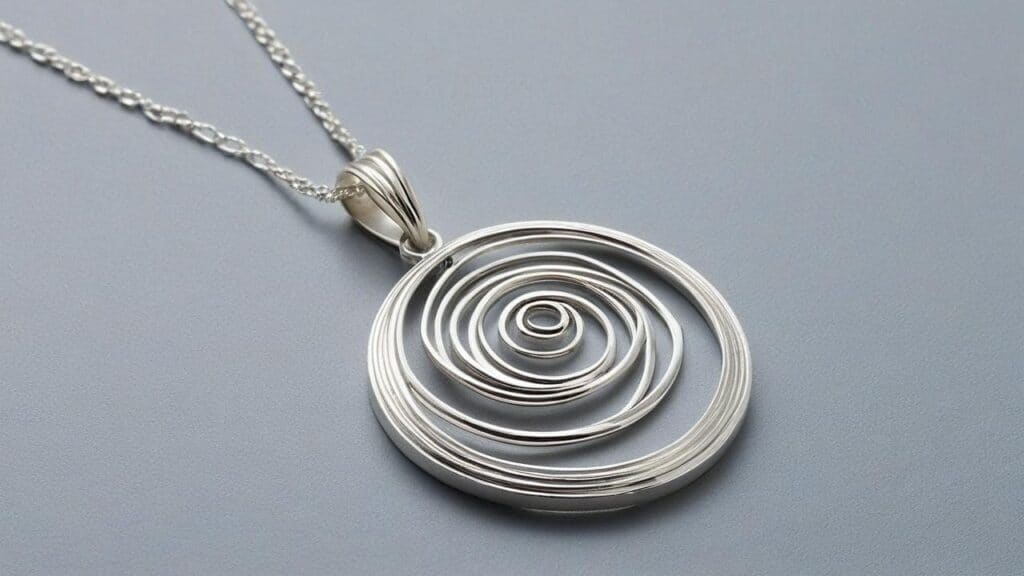
One of Argentium Silver’s greatest advantages is how much easier it is to maintain compared to traditional sterling silver. While no silver product is completely maintenance-free, Argentium requires significantly less attention to keep it looking its best. Following these simple care guidelines will help maintain your Argentium jewelry’s beautiful appearance for years to come.
- Argentium Silver can typically be cleaned with just warm water and mild soap, avoiding the harsh chemical cleaners often required for traditional sterling silver.
- While Argentium is highly tarnish-resistant, it isn’t completely tarnish-proof—occasional light polishing with a soft silver cloth may still be needed, though far less frequently than with traditional sterling.
- Store Argentium Silver jewelry in a cool, dry place, ideally in an anti-tarnish bag or cloth, which will further extend the time between cleanings.
- Unlike traditional sterling silver, Argentium can be safely cleaned in an ultrasonic cleaner without risk of firescale or surface damage (though this isn’t recommended for pieces with gemstones that may be sensitive to ultrasonic cleaning).
- Avoid exposing Argentium Silver to chlorinated water (pools, hot tubs) or harsh chemicals like bleach, as these can potentially accelerate tarnishing or damage the metal over time.
- If your Argentium jewelry does develop tarnish, it typically forms more evenly than on traditional sterling silver and is easier to remove with gentle polishing.
- For heavily tarnished pieces, professional silver dips can be used, but they should be used sparingly as they can be more abrasive than necessary for Argentium.
- Argentium Silver can actually become whiter and brighter with regular wear, as the natural oils from your skin help maintain its protective surface layer.
The practical reality of owning Argentium Silver is that it requires dramatically less maintenance than traditional sterling silver while maintaining its beautiful appearance much longer. For most wearers, occasional cleaning with mild soap and water followed by drying with a soft cloth is all that’s needed to keep Argentium looking its best. This ease of care makes it particularly well-suited for everyday jewelry pieces that would quickly tarnish if made from traditional sterling silver.
The History and Development of Argentium Silver
The story behind Argentium Silver illustrates how innovation can transform even ancient materials into something new and improved. This modern metal’s development represents a thoughtful response to longstanding limitations of traditional silver and offers insights into how metallurgical advancements continue to shape the jewelry industry.
- Argentium Silver was invented by Peter Johns, a master silversmith and professor at Middlesex University in London, who began his research in the 1990s specifically to address silver’s tendency to tarnish.
- After years of experimentation with various elements, Johns discovered that adding germanium to the silver alloy created remarkable improvements in tarnish resistance and working properties.
- The first Argentium Silver alloy was patented in the UK in 1998, with international patents following soon after as the metal’s exceptional properties became apparent.
- Commercial production of Argentium Silver began in the early 2000s, with the first jewelry makers adopting the material around 2003-2004.
- Argentium International Limited was established to protect the trademark and ensure quality standards are maintained across all Argentium Silver production.
- In 2009, Argentium received official recognition from international hallmarking authorities, allowing it to carry its own distinctive hallmark that distinguishes it from traditional sterling silver.
- The development of Argentium 960 (96% pure silver) in the 2010s expanded the range of options, offering an even higher purity version with enhanced properties.
- Argentium has won numerous awards for innovation, including the Technological Innovation Medal from the Worshipful Company of Goldsmiths, one of the most prestigious recognitions in the jewelry industry.
The development of Argentium Silver represents a significant breakthrough in precious metals technology—the first major advancement in silver alloys in centuries. By addressing the primary drawbacks of traditional sterling silver while maintaining its beauty and workability, Peter Johns created a material that honors silver’s long heritage while moving it firmly into the modern age. Today, Argentium is increasingly recognized as a premium alternative to traditional sterling silver by both jewelry makers and discerning consumers.
How to Identify Authentic Argentium Silver
With Argentium Silver’s growing popularity, it’s important to know how to identify authentic pieces, especially since the price premium over traditional sterling silver makes it a target for misrepresentation. Fortunately, there are several reliable ways to identify genuine Argentium Silver.
- Authentic Argentium Silver is hallmarked with specific identifiers—most commonly, the flying unicorn logo of Argentium International Limited or the letters “A” or “ARG” alongside standard silver purity marks.
- Argentium Silver typically carries a numerical hallmark of either “935” or “960” to indicate its silver content, compared to the “925” mark found on traditional sterling silver.
- Genuine Argentium Silver has a distinctly brighter, whiter appearance than traditional sterling silver when placed side by side, lacking the slightly yellowish cast of conventional sterling.
- Authentic Argentium jewelry should come with certification or documentation from the retailer confirming its authenticity, particularly for more expensive pieces.
- Reputable jewelers selling Argentium Silver will typically highlight this premium material in their product descriptions and be able to explain its benefits over traditional sterling.
- When exposed to tarnishing conditions, Argentium Silver will resist tarnishing significantly longer than conventional sterling silver—a practical test over time.
- Genuine Argentium Silver is typically 10-20% more expensive than comparable pieces made from traditional sterling silver, reflecting its higher material cost and improved properties.
- Unlike traditional sterling silver that may quickly tarnish when exposed to sulfur compounds (like eggs or rubber bands), authentic Argentium will show remarkable resistance to this type of tarnishing.
Being able to identify authentic Argentium Silver ensures you’re getting the premium product you’re paying for. The hallmarking system provides the most reliable verification, though the material’s performance characteristics also offer practical confirmation over time. If you have doubts about whether a piece is genuine Argentium, ask the jeweler for documentation or look for the official hallmarks that distinguish this premium silver alloy from traditional sterling silver.
Popular Argentium Silver Jewelry Types and Uses
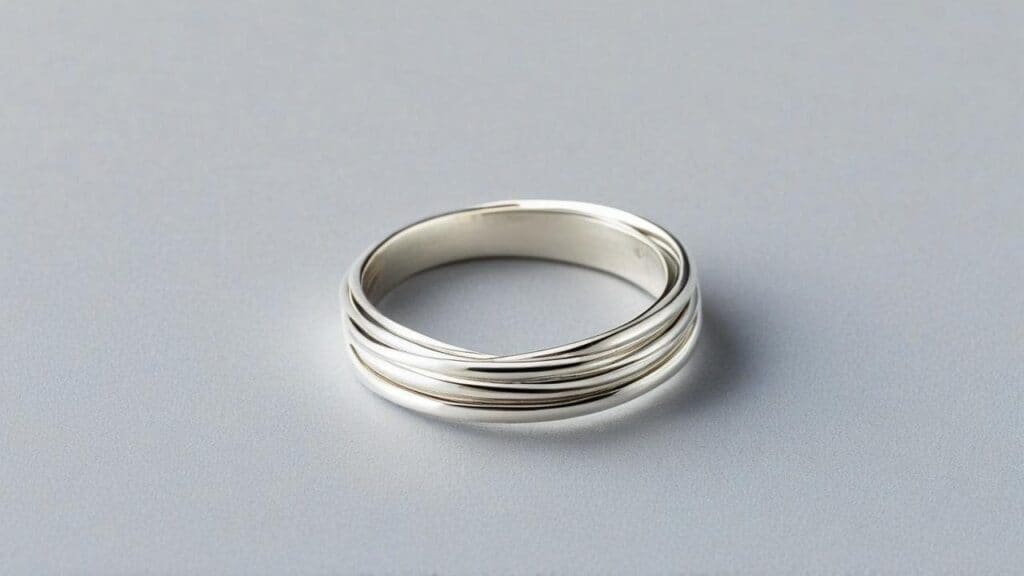
Argentium Silver’s exceptional properties make it ideal for a wide range of applications, particularly those where tarnish resistance, durability, and hypoallergenic properties are valuable. While it excels in jewelry applications, its benefits extend to other silver products as well.
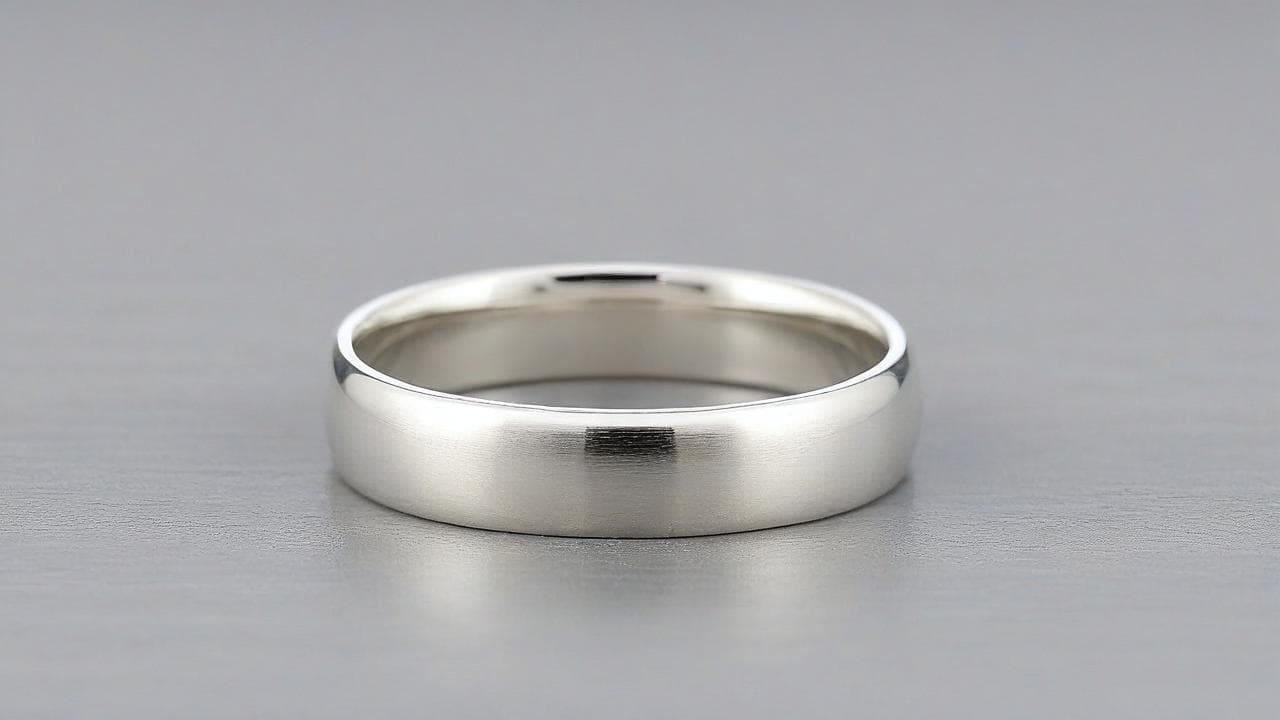
- Argentium is particularly well-suited for everyday jewelry like wedding bands, engagement rings, and other frequently worn pieces where traditional sterling silver would tarnish quickly.
- Fine silver chains benefit tremendously from Argentium’s increased hardness and tarnish resistance, as thin sterling silver chains are especially prone to both tarnishing and deformation.
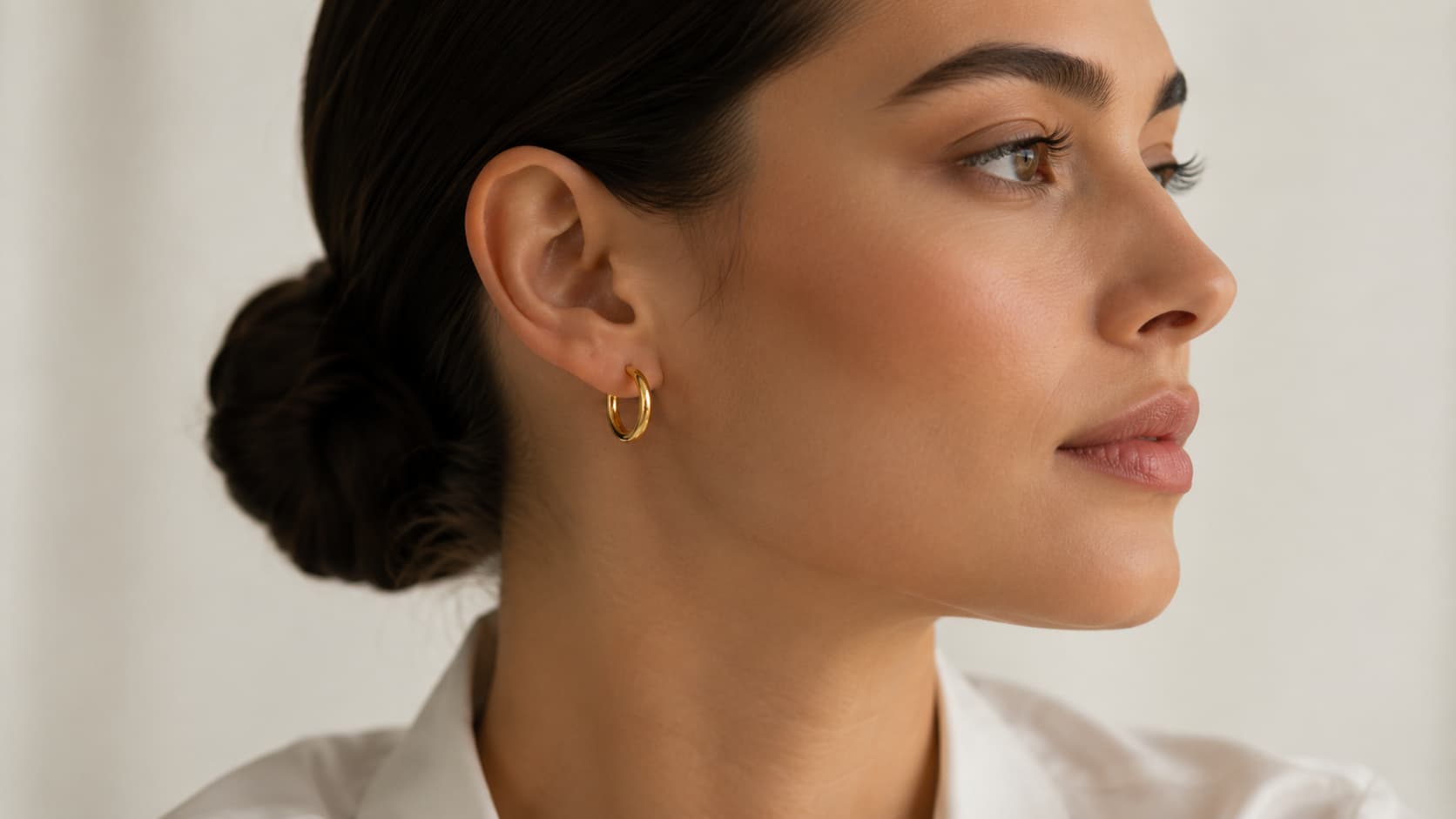
- Earrings made from Argentium Silver are ideal for people with sensitive ears, as the absence of nickel and reduced copper content minimizes the risk of allergic reactions.
- Intricate designs with fine details last longer in Argentium due to its increased hardness and wear resistance compared to traditional sterling silver.
- Argentium Silver is excellent for hollowware (bowls, cups, flatware) that would otherwise require frequent polishing to maintain their appearance.
- Professional silversmiths often choose Argentium for commissioned pieces and artwork, as its working properties allow for more complex designs and its durability helps preserve the artwork’s appearance.
- Musical instruments with silver components, particularly wind instruments like flutes, benefit from Argentium’s tarnish resistance and hypoallergenic properties.
- Medical and scientific instruments made from Argentium benefit from its tarnish resistance and ability to be sterilized without degradation.
- Religious and ceremonial objects traditionally made from silver are increasingly crafted from Argentium to reduce maintenance requirements while maintaining traditional appearances.
Argentium Silver has found particular success in applications where traditional sterling silver’s maintenance requirements or tarnishing tendencies have been problematic. For jewelry wearers, this means pieces that can be worn daily without constant attention, while for silversmiths and designers, it offers creative freedom without some of the technical limitations of traditional sterling silver. As awareness of Argentium continues to grow, its applications continue to expand across both decorative and practical uses.
Pricing and Value of Argentium Silver
Understanding Argentium Silver’s value proposition helps consumers make informed decisions about whether the premium price is justified for their specific needs. While Argentium typically costs more than traditional sterling silver, there are several factors that influence whether this investment makes sense for different types of purchases.
- Argentium Silver typically costs about 10-20% more than comparable traditional sterling silver, reflecting both its higher silver content and the premium for its improved properties.
- The most significant value advantage comes from reduced maintenance costs over time—fewer cleaning products needed and less professional polishing required to maintain appearance.
- For everyday jewelry pieces that would require frequent polishing if made from traditional sterling, the convenience value of Argentium often justifies its higher initial price.
- Argentium’s increased durability means pieces typically last longer with less wear, potentially offering better long-term value despite the higher purchase price.
- For people with metal sensitivities who want the look of silver, Argentium’s hypoallergenic properties offer value beyond just appearance and durability.
- Professional jewelry pieces that require extensive handwork benefit from Argentium’s resistance to firescale, as it eliminates costly and time-consuming steps in the finishing process.
- The resale value of Argentium Silver remains strong due to its recognized premium status among knowledgeable collectors and jewelry enthusiasts.
- For heirloom pieces meant to be passed down through generations, Argentium’s superior longevity and reduced maintenance requirements offer significant value advantages over traditional sterling silver.
Whether Argentium Silver represents good value depends largely on how you plan to use it. For rarely worn decorative pieces kept in display cases, traditional sterling silver may be perfectly adequate. However, for jewelry worn regularly, items that will receive minimal care, or pieces intended to last for generations with their original beauty intact, Argentium Silver often represents an excellent value despite its higher initial cost. The premium you pay upfront typically translates to less time and money spent on maintenance over the life of the piece.
Conclusion
Argentium Silver represents a genuine revolution in precious metals technology—taking the beauty and tradition of silver and enhancing it to meet modern expectations for performance and convenience. Its remarkable tarnish resistance, improved durability, brighter appearance, and hypoallergenic properties make it an excellent choice for contemporary jewelry and silverware that combines classic appeal with practical advantages.
While Argentium Silver does command a price premium over traditional sterling silver, the benefits it offers—particularly for frequently worn pieces or items where maintenance is a concern—often justify the additional investment. For jewelry enthusiasts tired of constantly polishing their silver pieces or those with sensitive skin who have avoided silver in the past, Argentium offers a compelling alternative that addresses these common frustrations.
As awareness of Argentium Silver continues to grow among both consumers and jewelry designers, this innovative metal is likely to become increasingly common in fine jewelry and high-quality silver products. Its combination of traditional beauty with modern performance perfectly exemplifies how technological innovation can honor and enhance even the most ancient craft traditions, giving us silver pieces that not only look beautiful when new but stay that way with minimal effort for years to come.