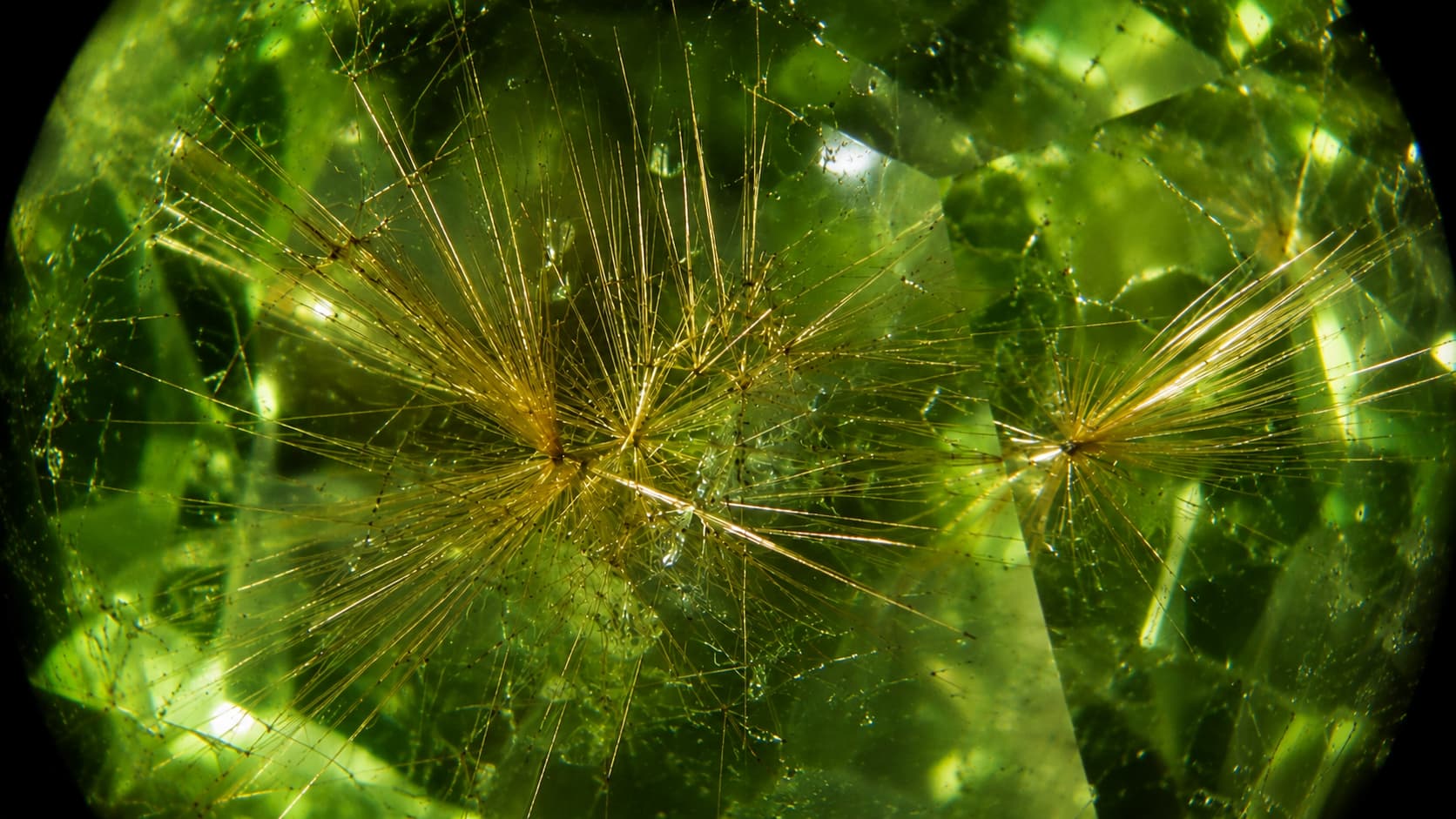
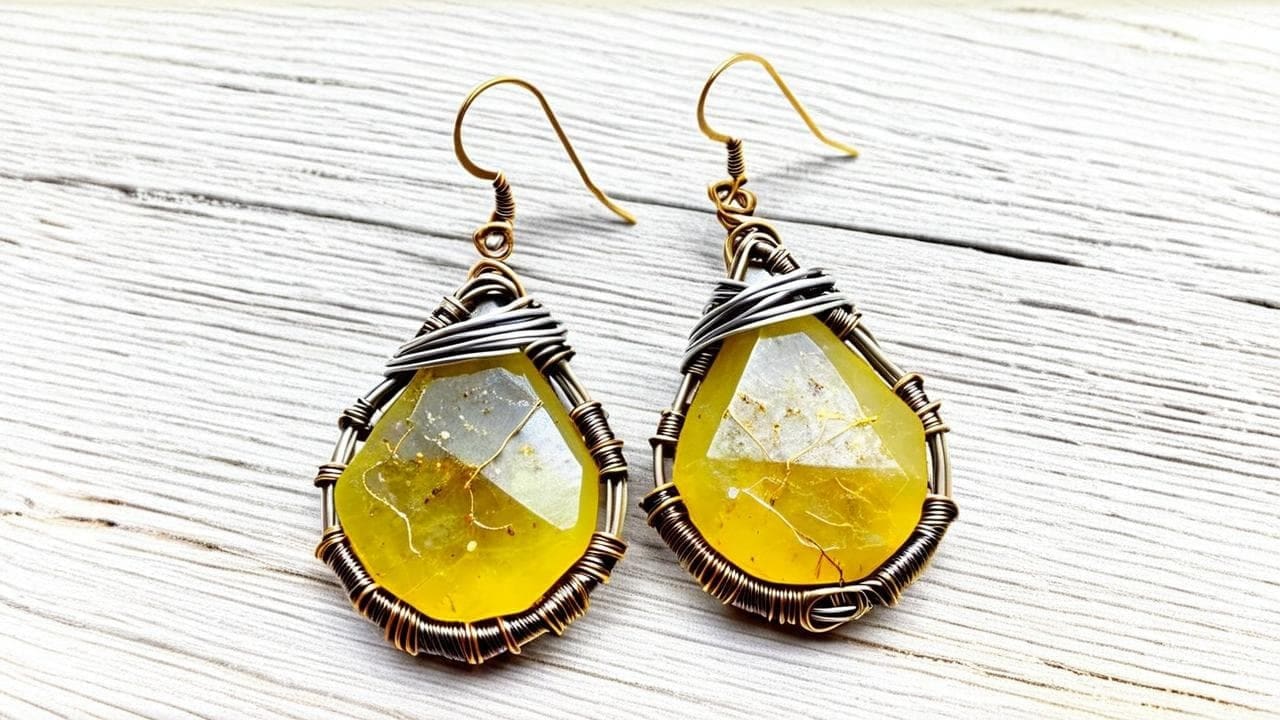
Copal holds a special place in the world of natural materials, existing in that fascinating middle ground between fresh tree sap and fully fossilized amber. For thousands of years, humans across diverse cultures have treasured this golden substance for its beauty, scent, and supposed metaphysical properties. From its golden glow in jewelry to its aromatic smoke in ancient ceremonies, copal connects us to both natural processes and human history spanning continents and civilizations.
What Is Copal?
Copal is a young to semi-fossilized tree resin that hasn’t yet completed the full fossilization process required to become amber. It forms when sticky sap from certain tree species hardens after exposure to air and begins the long process of molecular transformation. While amber takes millions of years to form, copal is much younger, typically ranging from several hundred to a few million years old. This places it in an interesting intermediate stage where it has solidified but still retains some of its original plant compounds.
- Copal primarily comes from trees in the Fabaceae family, especially the Hymenaea genus found in Colombia, Mexico, and the Dominican Republic. These trees produce a resin-rich sap that slowly hardens when exposed to air and begins the fossilization process that would eventually lead to amber if given enough time and the right conditions.
- The term “copal” originates from the Nahuatl (Aztec) word “copalli,” meaning “incense,” which reflects its historical importance as a ceremonial burning material long before it became popular in jewelry. This etymology highlights copal’s aromatic properties that have made it valuable across different civilizations.
- With a Mohs hardness rating of 1-2, copal is noticeably softer than fully-formed amber (2-3), making it more susceptible to scratching and damage. This softness occurs because copal hasn’t completed the polymerization process that gives amber its durability, though it’s still hard enough to be carved and polished for jewelry.
- Fresh copal has a distinctive pine-like aroma when heated or burned, much stronger than amber’s subtler scent. This aromatic quality made it highly prized for religious ceremonies in Mesoamerican cultures, where it was burned as an offering to deities and used to purify ritual spaces.
- The color spectrum of copal ranges from nearly transparent to deep amber, with variations including yellow, orange, red, and occasionally green or blue tints depending on the tree species, age, and mineral inclusions. This color diversity makes it versatile for jewelry applications.
- Unlike fully matured amber, copal still contains volatile compounds and hasn’t completely stabilized at the molecular level. Over thousands of years, these compounds gradually evaporate and the resin continues to harden through oxidation and polymerization, eventually transforming into amber if environmental conditions permit.
Copal occupies a unique position in the spectrum of natural resins, combining some of the workability of younger materials with a glimpse of the preservative qualities that make amber so fascinating. Its relative youth in geological terms means that copal sometimes contains remarkably well-preserved insect and plant inclusions, offering scientists valuable insights into relatively recent ecological history.
Main Differences Between Copal and Amber
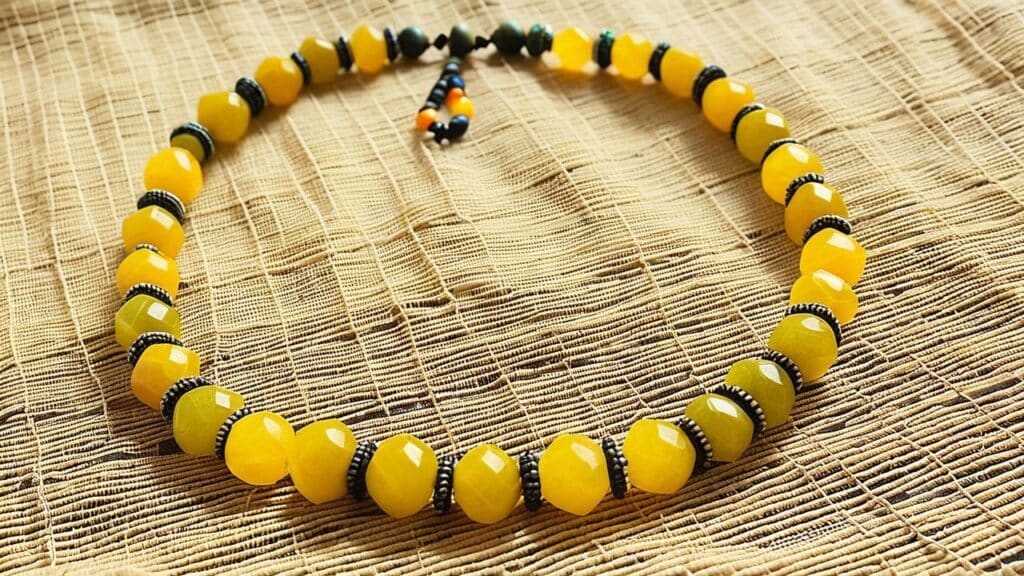
Though often confused for one another, copal and amber represent different stages in the same fossilization journey. The primary distinction lies in their age – amber has typically aged for 30-90 million years, while copal might be anywhere from a few hundred to a few million years old. This age difference creates several notable variations in their physical properties that help gemologists, collectors, and jewelry enthusiasts distinguish between these two related materials.
- Age and Formation: Amber is significantly older (typically 30-90 million years) and has undergone complete polymerization, while copal is much younger (hundreds to a few million years old) and represents an intermediate stage in the fossilization process. This fundamental difference affects all other physical properties and explains why copal is sometimes called “young amber” or “semi-fossil resin.”
- Hardness and Durability: Amber rates 2-3 on the Mohs hardness scale, making it more durable and resistant to scratching than copal, which only rates 1-2. This difference in hardness means copal jewelry requires more careful handling and is more susceptible to damage from everyday wear.
- Solubility Test: When exposed to solvents like acetone, ether, or alcohol, copal will become sticky or partially dissolve due to its incomplete polymerization, while genuine amber remains largely unaffected. This provides one of the most reliable tests for distinguishing between the two materials without damaging the specimen.
- Heat Response: The “hot needle test” reveals significant differences – when touched with a heated needle, copal softens quickly at lower temperatures (150-200°C), becomes sticky, and releases a strong pine-like aroma. Amber, by contrast, requires higher temperatures to soften (250-300°C) and produces less pronounced fragrance and stickiness.
- Fluorescence Characteristics: Under ultraviolet light, copal typically fluoresces a bright blue-white color, while amber often shows a greenish or yellowish fluorescence. However, this can vary depending on the specific origin and conditions of formation, so it’s not always a definitive test.
- Flotation Properties: In a saturated salt solution, amber will float while many types of copal sink due to differences in density. This simple test can provide a quick preliminary indication when differentiating between the two materials.
- Inclusion Preservation: While both materials can contain insect and plant inclusions, those in amber are often better preserved due to its complete polymerization, which creates a more stable environment that prevents decay over millions of years.
Understanding these differences is crucial for anyone interested in collecting or purchasing copal and amber jewelry. While copal may be less expensive and more readily available than genuine amber, it offers its own unique beauty and historical significance. The fact that it represents an intermediate stage in the fascinating process of fossilization makes copal a remarkable material in its own right, rather than simply a lesser version of amber.
Different Types of Copal from Around the World
Copal varies significantly based on geographic origin, source tree species, age, and environmental conditions during formation. Each variety has distinctive characteristics that influence its appearance, durability, and value in both commercial and cultural contexts. Understanding these different types provides insight into the diversity and global significance of this natural material.
- Colombian Copal: Sourced from Hymenaea trees in the tropical forests of Colombia, this variety is prized for its exceptional clarity and warm yellow to orange coloration. Colombian copal frequently contains well-preserved insect inclusions, making it particularly valuable to both collectors and researchers studying relatively recent biodiversity. The resin has been harvested from these forests for centuries and continues to be an important cultural and economic resource.
- Dominican Copal: Found in the same general regions as Dominican amber but in younger geological deposits, this type ranges from pale yellow to deep reddish-brown. Dominican copal is particularly valued for its rich color variations and high quality. The Dominican Republic’s unique geological conditions have created perfect preservation environments for resin, resulting in both copal and amber with remarkable clarity and inclusion content.
- Mexican Copal: Often whitish, pale yellow, or occasionally with a blue tint, Mexican copal has been used extensively since pre-Columbian times. The Maya, Aztec, and other Mesoamerican civilizations collected this resin for religious ceremonies and medicinal purposes. It comes primarily from the tree species Bursera and continues to be harvested and used in traditional ceremonies throughout Mexico, particularly during Day of the Dead celebrations.
- African Copal: Harvested from Daniellia trees across East Africa, particularly in Tanzania, Kenya, and Madagascar, African copal tends to have a deeper reddish-orange coloration and sometimes contains distinctive inclusions specific to the African ecosystem. This variety has been traded along the East African coast for centuries and was historically exported to China, India, and the Middle East for incense and varnishes.
- Indonesian Copal: Derived from Agathis and Shorea genera trees across the Indonesian archipelago, this type often exhibits excellent transparency with colors ranging from clear to golden yellow. Indonesian copal has played an important role in traditional varnishes for wooden boats and instruments throughout Southeast Asia and has been part of the extensive maritime trade networks in the region for centuries.
- New Zealand Copal (Kauri Gum): Produced by the ancient Kauri trees (Agathis australis) of New Zealand, this distinctive variety ranges from pale yellow to dark brown and was extensively mined during the 19th and early 20th centuries. Maori people traditionally used it for decorative purposes and as a fire starter, while European settlers later developed a significant industry harvesting the buried deposits for use in high-quality varnishes.
- Madagascar Copal: Known for its rich amber-like appearance despite its relatively young age, Madagascar copal comes from the copal tree (Hymenaea verrucosa) and has been collected from both surface deposits and through shallow digging. It was historically an important export item for Madagascar, with significant quantities shipped to Europe and America for use in varnishes before synthetic alternatives became available.
These regional varieties showcase how local environments, tree species, and cultural practices have created a diverse world of copal types, each with unique properties and historical significance. The geographic distribution of copal-producing trees across tropical and subtropical regions has influenced cultural practices, trade routes, and artistic traditions throughout human history, making copal not just a natural material but a connection point between human culture and the natural world.
How Copal Was Used Throughout Human History
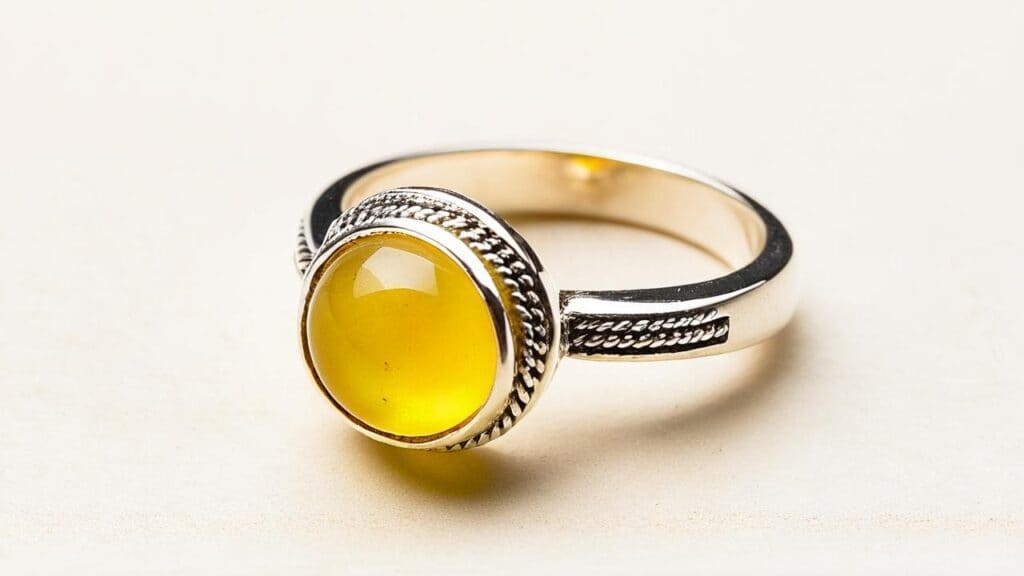
Copal has played a profound role in human cultures across multiple continents for thousands of years, serving as a bridge between the physical and spiritual worlds in many societies. Its aromatic properties, golden appearance, and relative scarcity made it a valuable substance long before the modern era, shaping religious practices, trade networks, and artistic traditions from Mesoamerica to East Asia.
- Mesoamerican Ceremonial Use: For the Maya, Aztec, and other pre-Columbian civilizations, copal wasn’t just a commodity but a sacred substance essential for communicating with deities. Priests burned copal in specialized ceramic burners called “copadores,” believing the rising smoke carried prayers upward to the gods. Archaeological evidence shows copal was routinely placed in burial chambers and temple offerings, indicating its central role in religious practices that connected the living and the dead.
- Traditional Medicine: Indigenous healers across Central America have used copal for centuries in traditional medicine, burning it to purify spaces of negative energy and treat various ailments including headaches, respiratory problems, and spiritual imbalances. The smoke was believed to have cleansing properties that could drive away both disease and malevolent spirits, demonstrating how spiritual and medical practices were intertwined in these cultural contexts.
- Ancient Trade Networks: Historical records and archaeological findings reveal extensive trade networks centered around copal that spanned continents. African copal traveled along Indian Ocean trade routes to Asia, while Mesoamerican copal moved through complex internal exchange systems. These trade relationships weren’t simply commercial but helped establish cultural connections and diplomatic ties between different regions and civilizations.
- Early Industrial Applications: By the 16th century, European colonizers had discovered copal’s value for creating high-quality varnishes and began large-scale exportation to Europe. The resin became an essential component in furniture finishing, carriage making, and early painting mediums, driving significant economic activity and sometimes exploitative harvesting practices in colonized regions.
- Archaeological Importance: Copal offerings found in ancient Maya sites like Chichen Itza and Palenque have provided archaeologists with valuable insights into religious practices, trade relationships, and social hierarchies. The preservation of organic materials within copal has also yielded important biological and ecological information about past environments.
- Contemporary Indigenous Cultures: Many indigenous communities continue to use copal in traditional ceremonies today, maintaining cultural practices that have survived centuries of colonial pressure and modernization. In Mexico, copal remains central to Day of the Dead celebrations and traditional healing ceremonies, serving as a living connection to pre-Columbian heritage.
- Artistic Traditions: Throughout history, artisans have worked with copal to create decorative items, jewelry, and ceremonial objects. From intricately carved figurines to polished beads incorporated into ceremonial garments, copal’s workability and beautiful appearance have made it a favored material for artistic expression across many cultures.
The historical and cultural significance of copal extends far beyond its physical properties, representing how natural materials become imbued with profound meaning through human practices and beliefs. From its sacred status in ancient religious systems to its role in global trade networks, copal has connected people to their environments, their deities, and each other for millennia. Today, as traditional knowledge receives renewed appreciation, copal’s cultural heritage continues to inform contemporary practices and understanding of this remarkable substance.
Metaphysical Properties of Copal: Traditional Beliefs
Throughout history, copal has been attributed with numerous metaphysical properties across different cultural traditions. Its position between sap and amber—caught in a state of transformation—has made it symbolically powerful in many spiritual systems. While scientific evidence doesn’t support metaphysical claims, these traditional beliefs have shaped how copal has been used and valued for centuries and continue to influence its use in contemporary spiritual practices.
- Energy Cleansing: In traditional belief systems from Mexico to Madagascar, copal is considered a powerful energy cleanser. Many practitioners believe burning copal smoke purifies spaces by removing negative energies and entities. This cleansing aspect is why copal has been used to prepare ritual spaces before important ceremonies and spiritual work across multiple cultures.
- Spiritual Connection: Due to its use in smoke offerings, copal has long been considered a bridge between physical and spiritual realms. Traditional healers and shamans in Mesoamerican cultures believe copal smoke creates a pathway for communication with ancestors, deities, and other spiritual entities. The rising smoke is seen as carrying prayers, intentions, and messages upward.
- Healing Attributes: Traditional medicine practices attribute various healing properties to copal. It’s been used to address conditions ranging from respiratory issues to headaches, and for emotional healing from grief and trauma. Some traditional healers use copal in combination with other plant medicines to enhance their effectiveness, believing it helps clear blockages that prevent healing.
- Protective Properties: Many cultures consider copal a protective substance that creates an energetic shield against negative influences. In some traditions, wearing copal as jewelry is thought to offer personal protection from harmful energies, psychic attacks, or malevolent entities. This protective quality is why copal has often been included in amulets and talismans.
- Enhanced Intuition: Some contemporary spiritual practitioners believe copal helps open the third eye chakra and enhances intuitive abilities. This association likely stems from its traditional use in divination ceremonies where the patterns of smoke were interpreted for guidance and prophecy.
- Transformative Energy: Because copal represents a transitional state between fresh resin and fossilized amber, it’s often associated with transformation and change in metaphysical systems. Some believe it helps facilitate personal growth and transitions between different life stages, making it popular during ceremonies marking important life changes.
- Solar Connections: Due to its golden color and warm energy, copal has been linked to solar deities and sun worship in various cultural traditions. In some belief systems, it’s thought to enhance solar or masculine energies and bring vitality, confidence, and creative power to the wearer or user.
These metaphysical associations have ensured copal’s enduring importance in spiritual practices even as its industrial uses have been largely replaced by synthetic materials. From traditional indigenous ceremonies to contemporary new age practices, copal continues to be valued for its supposed energetic and spiritual properties. While scientific evidence doesn’t support these metaphysical claims, the cultural belief in copal’s spiritual potency demonstrates how natural materials can become embedded with meaning through centuries of human use and interpretation.
How to Care for Copal Jewelry
Copal jewelry requires more delicate handling than many other gemstones or amber due to its softer nature and sensitivity to environmental factors. Proper care can significantly extend the life of your copal pieces, preserving their beauty and preventing damage. Understanding these special care requirements will help ensure your copal jewelry remains in excellent condition for years to come.
- Temperature Sensitivity: Copal has a relatively low melting point compared to fully fossilized amber and can begin to soften at temperatures as low as 150°C (302°F). Always store copal jewelry away from heat sources, direct sunlight, and hot environments like car interiors on sunny days. This sensitivity also means you should never clean copal with hot water or steam cleaning methods commonly used for other jewelry.
- Chemical Vulnerability: Avoid exposing copal to household chemicals, perfumes, hairsprays, cosmetics, and cleaning products, as these can damage the surface or even partially dissolve the resin. Always apply perfumes, lotions, and cosmetics before putting on your copal jewelry, and remove pieces before swimming, bathing, or household cleaning to prevent chemical exposure.
- Cleaning Recommendations: Clean copal jewelry by gently wiping with a soft, slightly damp cloth using only lukewarm water. Never use ultrasonic cleaners, harsh soaps, or commercial jewelry cleaners, as these can damage the surface. For light polishing, a small amount of olive oil applied with a soft cloth can restore shine without damaging the material.
- Storage Considerations: Store copal jewelry separately from harder gemstones and metals to prevent scratching. Ideally, keep pieces in individual soft pouches or lined jewelry boxes. Avoid plastic bags for long-term storage, as some plastics can interact with the resin over time. Maintaining moderate humidity (40-60%) prevents excessive drying that could lead to cracking.
- Physical Protection: Due to its softness (1-2 on the Mohs scale), copal can be easily scratched and damaged by impact. Remove copal jewelry before engaging in physical activities, sports, housework, or other situations where it might be knocked against hard surfaces. Consider copal pieces as special occasion jewelry rather than everyday wear to minimize exposure to potential damage.
- Handling Practices: Always handle copal jewelry with clean, dry hands, as oils and acids from skin can affect the surface over time. When putting on or removing pieces, hold them by the metal settings rather than directly grasping the copal, which helps prevent oils from your fingers from transferring to the stone and potentially causing cloudiness or damage over time.
- Periodic Maintenance: Examine your copal jewelry regularly for signs of deterioration, cloudiness, or cracking. If you notice any changes in appearance, consult with a jeweler who specializes in amber and copal. Unlike many gemstones, copal cannot be effectively repolished once damaged, so preventative care is especially important.
With proper care and attention, copal jewelry can maintain its beauty for many years. Understanding that this material requires gentler handling than most gemstones will help you preserve your pieces as both beautiful adornments and connections to a fascinating natural material with deep historical significance. Remember that the relative softness of copal isn’t a flaw but rather an inherent characteristic of this intermediate stage between fresh resin and fossilized amber—a glimpse of nature’s transformation process captured in jewelry form.
How to Identify Real Copal
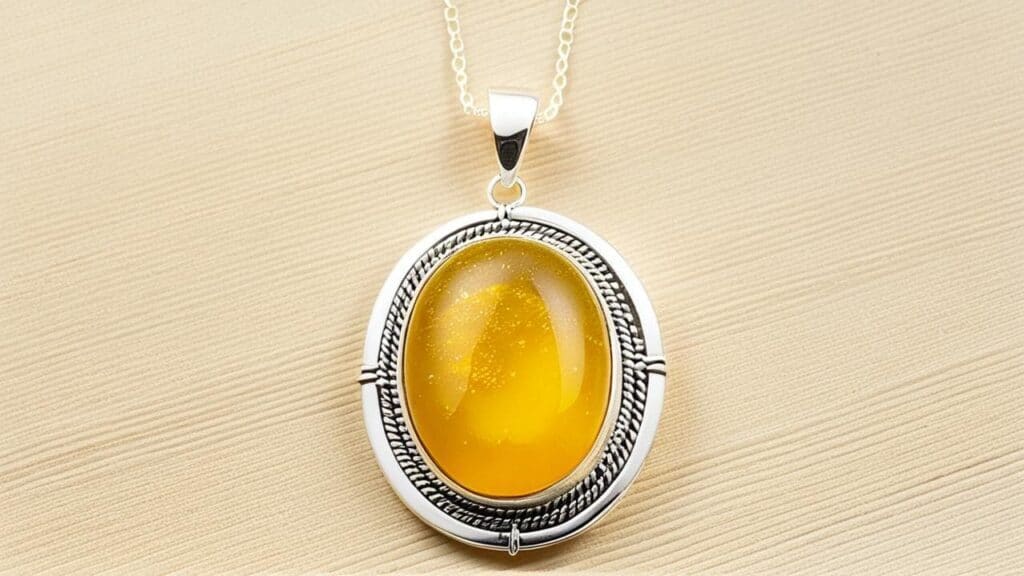
With the market flooded with imitations and misrepresentations, knowing how to identify authentic copal has become crucial for collectors, jewelry enthusiasts, and those interested in its cultural or spiritual uses. Synthetic resins, plastics, and treated materials are often sold as genuine copal, making authentication knowledge valuable for making informed purchases and appreciating the real material’s unique properties.
- The Solvent Test: One of the most reliable tests involves applying a small drop of acetone or alcohol to an inconspicuous area of the suspected copal. Genuine copal will become sticky or slightly dissolve when exposed to these solvents, while plastics, glass, and most imitations will remain unchanged. This happens because copal, unlike fully fossilized amber, still contains soluble compounds due to its incomplete polymerization. However, this test should be used cautiously as it can damage the piece.
- Hot Needle Test: When a heated needle touches genuine copal, it will penetrate the surface easily, releasing a sweet, pine-like aroma and creating a sticky spot. Synthetic materials typically produce a plastic smell and different surface reaction. This test should only be performed on a hidden area of the piece and with extreme caution, as it causes permanent damage to the material.
- UV Light Examination: Under ultraviolet light, most authentic copal fluoresces blue-white, while many imitations show different fluorescence patterns or none at all. This non-destructive test can be particularly useful when examining set pieces where other testing methods might be impractical, though fluorescence can vary depending on the copal’s origin and age.
- Weight and Temperature Feel: Genuine copal has a distinctive lightweight feel compared to many synthetics and glass. It also warms to the touch more quickly than glass or some plastics, feeling less “cold” when first held. This tactile assessment requires experience but can become a reliable initial indicator with practice.
- Visual Inspection: Authentic copal often contains natural inclusions, bubbles, and flow patterns that differ from those in synthetics. Under magnification, look for characteristic surface patterns called “crazing” (fine networks of shallow cracks), natural-looking bubbles of varying sizes, and organic debris or inclusions that appear random rather than deliberately placed.
- Flotation Test: In a saturated salt solution, many types of copal will sink while amber floats. However, this test primarily distinguishes between copal and amber rather than identifying imitations, as some synthetic materials may share similar density properties with either natural material.
- Common Imitations: The most frequent copal substitutes include phenolic resins (Bakelite), modern synthetic resins, glass, and treated materials like dyed howlite or reconstituted amber powder. Each has telltale signs: plastics often have perfect clarity without natural irregularities; glass feels cold and heavy; and reconstituted materials may show unnatural color patterns or bubbles arranged in regular patterns not found in nature.
Learning to identify authentic copal requires developing both knowledge and experience. While individual tests have limitations, combining multiple authentication methods provides more reliable results. When purchasing copal jewelry or specimens, work with reputable dealers who provide detailed provenance information and guarantee authenticity. The increasing sophistication of imitations makes authentication an ongoing challenge, but understanding the physical properties that make genuine copal unique can help preserve the market for this remarkable natural material and the cultural traditions associated with it.
How Copal Is Used Today
While copal has ancient roots in human culture, it continues to find relevant applications in our contemporary world. From traditional uses that have persisted for centuries to new adaptations in modern contexts, copal remains a versatile material with significance across multiple fields. Its unique properties ensure it maintains cultural, artistic, and practical relevance even in an age of synthetic alternatives.
- Contemporary Jewelry: Modern jewelry designers work with copal to create everything from traditional-inspired pieces to contemporary art jewelry. Its warm colors, natural inclusions, and relatively affordable price compared to amber make it appealing for creating distinctive pieces that connect to natural materials. Some designers specifically highlight copal’s intermediate status between resin and amber as a metaphor for transformation and growth in their artistic statements.
- Aromatherapy and Incense: Copal remains popular in contemporary aromatherapy practices, where it’s burned as an incense for meditation, spiritual cleansing, and creating ambiance. The natural pine-like scent is appreciated both for its historical connections and its pleasantly woodsy aroma. Commercial incense producers often incorporate copal into products marketed for purification, meditation enhancement, and stress relief.
- Spiritual and Religious Practices: Many indigenous communities continue their traditional use of copal in ceremonies and rituals, while it has also been adopted in contemporary spiritual movements, including new age practices, modern paganism, and eclectic spiritual approaches. This crossover between traditional and newer spiritual applications has created renewed interest in copal’s cultural significance and traditional harvesting methods.
- Art and Sculpture: Artists work with copal for small sculptures, carvings, and mixed-media pieces, appreciating its warm color, translucency, and workability. Some contemporary artists deliberately explore the material’s cultural history and significance in their work, creating pieces that comment on cultural appropriation, indigenous rights, or environmental concerns related to resin-producing forests.
- Natural Medicine: In traditional medicine systems that continue to be practiced today, copal plays a role in treatments for various conditions. While scientific evidence for its efficacy is limited, practitioners of traditional Mexican, Central American, and South American healing methods continue to use copal for respiratory conditions, spiritual cleansing, and emotional healing.
- Varnishes and Specialized Finishes: Though largely replaced by synthetic resins in mass-market products, copal continues to be used in specialized natural varnishes, particularly for fine art conservation, musical instruments, and heritage restoration projects. These applications value copal’s traditional characteristics and historical authenticity over the convenience of modern alternatives.
- Scientific Research: Modern scientists study copal to understand relatively recent ecological history through the insects, plant materials, and other biological specimens preserved within it. Unlike amber’s ancient inclusions, copal provides information about ecosystems from the more recent past, offering insights into evolutionary changes, extinction events, and historical biodiversity patterns.
The enduring presence of copal in these contemporary contexts demonstrates how natural materials can remain relevant despite technological advances. As interest in traditional knowledge, natural products, and cultural heritage continues to grow, copal’s significance extends beyond its physical properties to encompass the stories, traditions, and connections it represents. While no longer as economically important as during its height in pre-industrial varnish production, copal has found a secure place in modern cultural niches where its unique characteristics and rich history are specifically valued.
Ethical Concerns About Copal Harvesting and Trade
As interest in copal continues in jewelry, spiritual practices, and other applications, important ethical and environmental questions have emerged regarding its sourcing and sustainability. Understanding these considerations helps consumers make informed choices that respect both cultural heritage and ecological balance, ensuring that copal harvesting doesn’t contribute to environmental degradation or cultural exploitation.
- Forest Conservation Concerns: The trees that produce copal are vital components of tropical forest ecosystems, particularly in regions like the Amazon, Central America, and Southeast Asia where deforestation is already a critical issue. Unsustainable harvesting that damages or kills trees can contribute to habitat loss, reduced biodiversity, and disruption of fragile ecosystems. Ethical sourcing should involve collection methods that allow trees to heal and continue producing resin.
- Indigenous Rights and Knowledge: Many copal-producing regions are home to indigenous communities with traditional knowledge about sustainable harvesting practices and cultural relationships with copal-producing trees. Ethical sourcing respects indigenous territorial rights, involves fair compensation, and acknowledges traditional expertise rather than exploiting these resources without permission or proper recognition.
- Sustainable Harvesting Methods: Traditional techniques like tapping trees (similar to maple syrup collection) allow for resin collection without killing the tree. These methods, developed over generations by indigenous harvesters, contrast with destructive practices that involve cutting down trees or stripping bark excessively. Supporting producers who use traditional sustainable methods helps preserve both trees and cultural knowledge.
- Archaeological Concerns: In some regions, copal is found in archaeological contexts where it was placed as offerings or burial goods. The collection of such material raises serious ethical concerns about respecting cultural heritage and ancient sacred sites. Legitimate copal should come from natural deposits or sustainable harvesting, not archaeological looting.
- Fair Trade Considerations: Workers in copal harvesting often face economic exploitation, working in difficult conditions for minimal compensation. Fair trade initiatives aim to ensure harvesters receive living wages, work in safe conditions, and benefit equitably from the value of the material they collect, though certification programs specifically for copal remain limited compared to other natural products.
- Climate Change Impacts: Copal-producing trees not only create valuable resin but also play crucial roles in carbon sequestration and climate regulation. Preserving these trees supports broader climate goals, while their loss contributes to climate change. Some copal producers are now emphasizing this connection, highlighting how sustainable harvesting helps maintain the climate benefits of intact forests.
- Market Transparency: The copal market often lacks transparency regarding sourcing, age, and authenticity. Responsible sellers provide information about a piece’s origin, harvesting methods, and age verification, helping consumers make ethical choices and avoid supporting environmentally damaging or culturally inappropriate practices.
As awareness of these ethical considerations grows, some producers, artisans, and retailers are developing more responsible approaches to copal sourcing and sales. These include direct partnerships with indigenous communities, certification of sustainable harvesting practices, and education about the cultural and ecological context of copal. For consumers, seeking out information about sourcing, asking questions about sustainability practices, and being willing to pay fair prices for ethically sourced material are important steps toward supporting responsible copal trade. By approaching copal with awareness of these complexities, contemporary appreciation for this ancient material can help preserve both the natural environments and cultural traditions that have made it significant for thousands of years.
Conclusion
Copal stands as a fascinating bridge between the world of fresh plant resins and fully fossilized amber, capturing a moment in the slow geological transformation process that turns tree sap into a gemstone over millions of years. Throughout human history, this golden material has connected people to their environments, their spiritual beliefs, and each other through trade networks and shared cultural practices. From the smoke of Mesoamerican ceremonies to the gleam of contemporary jewelry, copal continues to fascinate us with its beauty, aromatic properties, and cultural significance.
As we’ve explored in this comprehensive guide, copal is more than just a pretty material—it’s a window into ecological history through its inclusions, a carrier of cultural heritage through its traditional uses, and a reminder of our ongoing relationship with the natural world. Understanding how to identify authentic copal, care for copal jewelry, and make ethical choices about its sourcing allows us to appreciate this remarkable substance while respecting both its natural origins and cultural significance.
Whether you’re drawn to copal for its warm golden glow in jewelry, its aromatic properties for ceremonial or therapeutic purposes, or its fascinating position between modern and ancient worlds, this remarkable resin offers a tangible connection to both natural processes and human history. By approaching copal with knowledge and respect, we can ensure that this ancient material continues to be appreciated for generations to come, sustaining both the environments where it forms and the cultural traditions that have valued it for thousands of years.