Cotton jewelry blends natural fiber craftsmanship with wearable art, creating sustainable, lightweight accessories that suit various styles and occasions. From ancient cultural traditions to contemporary fashion statements, these unique adornments offer an eco-friendly alternative to conventional jewelry while providing comfort and versatility. Understanding cotton jewelry’s historical significance, creation techniques, and practical care helps wearers fully appreciate these distinctive pieces that connect textile arts to personal expression through adornment.
Understanding Cotton Jewelry
Cotton jewelry represents a diverse category of adornments made primarily from cotton fibers, threads, or fabrics. Unlike traditional metal and gemstone jewelry, cotton pieces offer lightness, flexibility, and a distinct organic aesthetic. These accessories have ancient roots in many cultures and have experienced a resurgence in popularity due to growing interest in sustainable fashion and handcrafted items. Cotton jewelry bridges the gap between textile arts and personal adornment, appealing to those who value comfort, affordability, and environmental consciousness in their accessory choices.
- Cotton jewelry dates back thousands of years, with archaeological evidence showing cotton used in adornments in the Indus Valley Civilization around 5000 BCE and in pre-Columbian cultures of Peru and Mexico where cotton thread was used for ceremonial ornaments and status symbols.
- Cotton jewelry embraces diverse techniques including macramé (knotting cotton cords in geometric patterns), crochet (creating lace-like structures with a hook), kumihimo (Japanese braiding method), tatting (forming rings and chains with shuttle or needle), and fabric manipulation (folding, twisting, and shaping cotton textiles).
- The color versatility of cotton is exceptional as it accepts dyes readily, allowing artisans to create vibrant multicolored pieces while also showcasing cotton’s natural cream and off-white shades for a more minimal aesthetic.
- Contemporary cotton jewelry ranges from bohemian-inspired festival accessories to sophisticated, gallery-worthy art pieces that challenge traditional notions of what constitutes “precious” materials in jewelry.
- Unlike most commercial jewelry materials, cotton can be organically grown, ethically harvested, and biodegrades at the end of its lifecycle, making it one of the most environmentally sustainable jewelry material options available.
Cotton jewelry’s journey from ancient adornment to modern sustainable fashion choice reflects changing values in the jewelry industry. As consumers become more conscious of the environmental and social impacts of their purchases, cotton jewelry offers an appealing alternative that combines aesthetic appeal with ethical considerations. This accessible art form continues to evolve, incorporating new techniques and designs while honoring traditional craftsmanship methods that have endured for generations.
What is Cotton Jewelry?
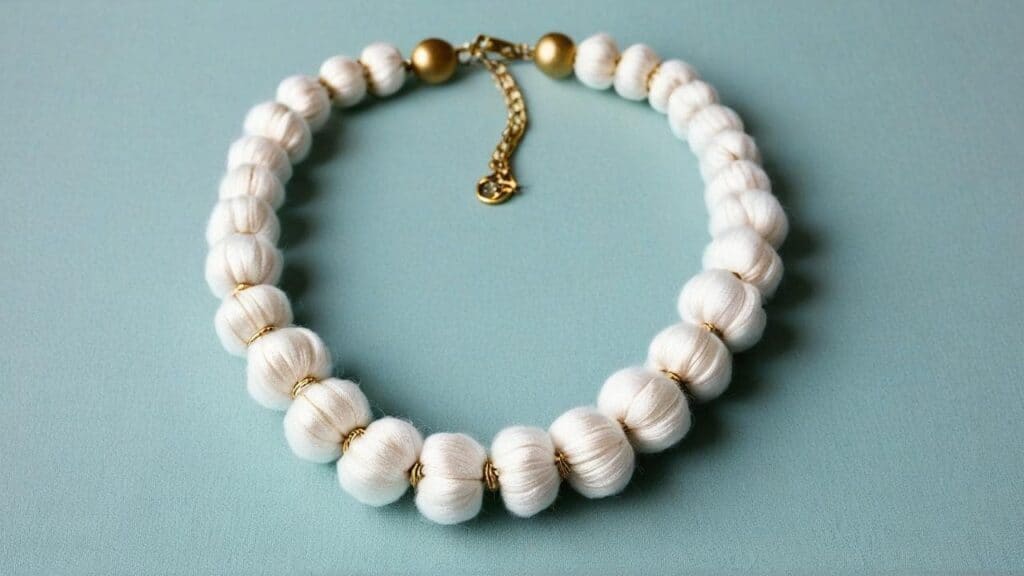
Cotton jewelry encompasses any decorative accessory where cotton serves as the primary material rather than metals or gemstones. These pieces are characterized by their organic texture, flexibility, and relatively lightweight nature. Cotton jewelry can range from delicate crocheted earrings to substantial statement necklaces made from thick cotton rope, providing versatility for various style preferences and occasions.
- Cotton thread jewelry uses fine cotton embroidery floss or sewing thread to create intricate, delicate designs through techniques like tatting, micro-macramé, or fine crochet work, producing lace-like earrings, pendants, and bracelets that showcase remarkable detail despite their lightweight structure.
- Cotton cord and rope jewelry employs thicker material (typically 2-10mm in diameter) to create more substantial pieces through knotting techniques like macramé, often incorporating wood, ceramic, or glass beads as accent elements for texture and visual interest.
- Cotton fabric jewelry transforms textiles into wearable art through techniques like fabric origami, quilting, shibori dyeing, appliqué, and fabric manipulation, creating dimensional flowers, geometric shapes, or abstract forms that serve as statement pieces.
- Hybrid cotton jewelry combines cotton elements with other materials such as wood, brass findings, semi-precious stones, or recycled materials to create mixed-media pieces that balance the softness of cotton with contrasting textures.
- Cotton fiber jewelry works with raw or minimally processed cotton to create sculptural pieces that showcase the material’s natural texture and organic quality, often incorporating spinning and fiber art techniques.
- Traditional ethnic cotton jewelry includes items like friendship bracelets from Central America, woven cotton talismans from West Africa, and ceremonial cotton adornments from indigenous cultures that carry cultural significance beyond their decorative function.
What distinguishes cotton jewelry from other accessories is not just the material itself, but the specific techniques developed to work with this plant fiber. These techniques create distinctive textures and structures impossible to achieve with metal or plastic. The resulting pieces connect wearers to ancient textile traditions while offering a contemporary alternative to conventional jewelry that aligns with values of sustainability, craftsmanship, and individuality in personal adornment.
Cotton Jewelry Benefits: Comfort, Style & Sustainability
Cotton jewelry offers numerous advantages that make it an appealing alternative to conventional metal and gemstone accessories. Its natural origins and physical properties create a wearing experience that’s distinctly different from traditional jewelry, with benefits ranging from practical comfort to broader ethical considerations about consumption and sustainability.
- Exceptional comfort due to cotton’s lightweight nature and soft texture makes these pieces ideal for all-day wear, particularly for those with sensitivity to heavier metal jewelry or individuals who work with their hands.
- Hypoallergenic properties benefit those with metal allergies or sensitive skin, as pure cotton rarely causes skin reactions, making it a safe choice for people who experience irritation from nickel, copper, or other common metal allergens found in conventional jewelry.
- Sound-free wearing experience makes cotton jewelry ideal for environments where the clinking of metal pieces would be disruptive, such as professional settings, libraries, or certain performance contexts.
- Affordability compared to fine jewelry allows for more experimental and seasonal purchasing, giving wearers the freedom to build diverse collections that reflect changing trends and personal style evolution without significant financial investment.
- Environmentally sustainable characteristics include biodegradability at end of life, lower energy requirements for production compared to mining and metal fabrication, and the renewable nature of cotton as a resource when grown responsibly.
- Versatility in water situations unlike metal pieces that may tarnish or gemstones that could be damaged, many cotton jewelry pieces can be worn while swimming or bathing (though they may require proper drying afterward).
- Customization potential is exceptional as cotton pieces can be easily dyed, embellished, or modified by both makers and wearers, allowing for personalized expressions and adaptations over time.
- Travel-friendly qualities include resistance to damage from being packed in luggage, lightweight addition to travel accessories, and no concerns about metal detection at security checkpoints.
The benefits of cotton jewelry extend beyond the individual wearer to encompass broader ethical considerations about consumption and production. By choosing cotton jewelry, particularly pieces made from organic or responsibly sourced cotton, consumers can align their personal adornment choices with values of sustainability, craftsmanship appreciation, and support for traditional textile arts that have cultural significance across many communities worldwide.
Cotton Jewelry Styles and Designs
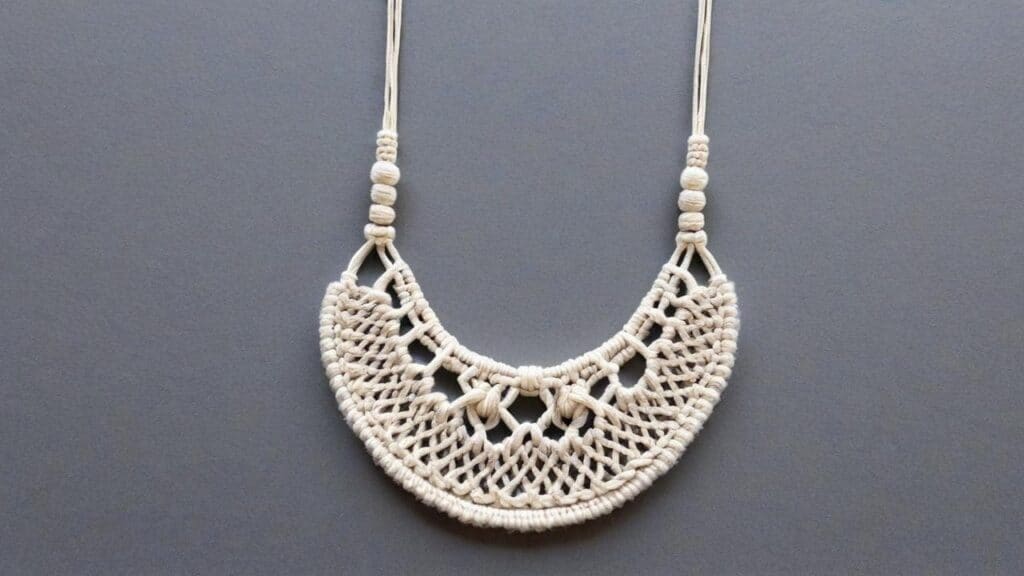
Cotton jewelry encompasses a wide variety of accessories that cater to different style preferences, occasions, and wearing habits. From casual everyday pieces to more elaborate statement items, cotton’s versatility allows for numerous expressions in jewelry form, each with its own aesthetic and functional characteristics.
- Cotton friendship bracelets represent perhaps the most recognizable form of cotton jewelry, featuring intricate patterns created through diagonal forward-backward knotting techniques with embroidery floss, ranging from simple striped designs to complex pictorial patterns that can tell stories or carry symbolic meaning.
- Macramé necklaces utilize square knots, half-hitches, and other macramé techniques to create sculptural pendants or entire necklace structures from cotton cord, often incorporating natural elements like wooden beads, semi-precious stones, or sea glass as focal points.
- Crocheted earrings showcase delicate lacework created with fine cotton thread and tiny crochet hooks, producing lightweight yet visually impactful pieces that range from simple geometric shapes to elaborate three-dimensional forms resembling flowers, mandalas, or abstract art.
- Woven cotton cuffs and wide bracelets made using small looms or finger-weaving techniques create substantial wrist adornments with intricate patterns, sometimes incorporating beads or metallic threads for additional texture and visual interest.
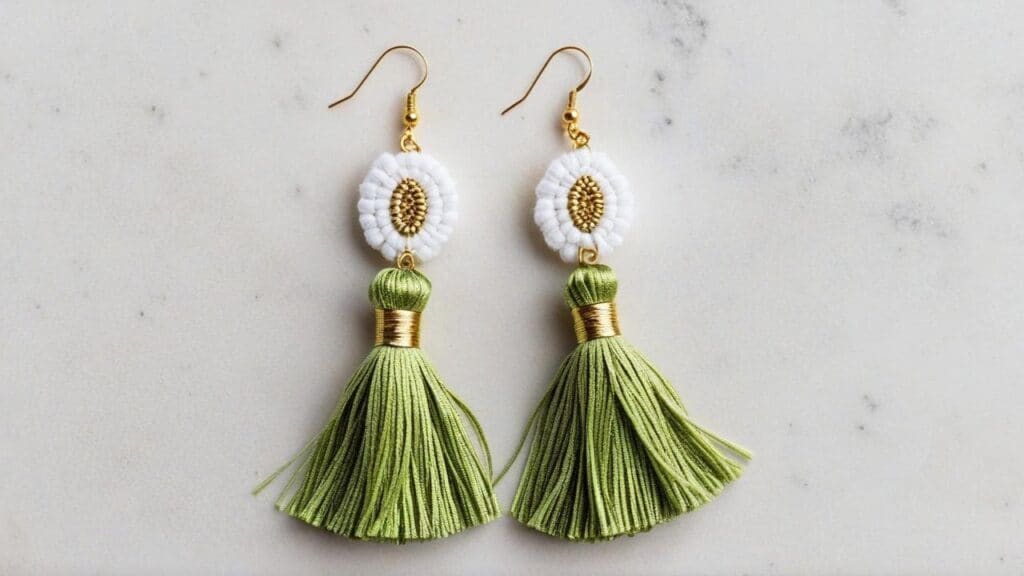
- Tassel jewelry features cotton thread bundles gathered to create movement and fringe effects on earrings, necklaces, and bracelets, often dyed in vibrant colors or ombré patterns for a bohemian aesthetic.
- Fabric button earrings and pendants transform cotton textiles into wearable accessories by covering button forms with patterned fabrics, creating lightweight, interchangeable pieces that can coordinate with clothing.
- Kumihimo braided jewelry applies the Japanese braiding technique to cotton cords, creating round, square, or flat braids that serve as necklaces, bracelets, or components within larger jewelry designs.
- Knotted statement necklaces use thicker cotton rope (6-10mm) to create bold, architectural pieces through strategic knotting and shaping, sometimes incorporating dip-dyeing or hand-painting techniques for ombré or color-blocked effects.
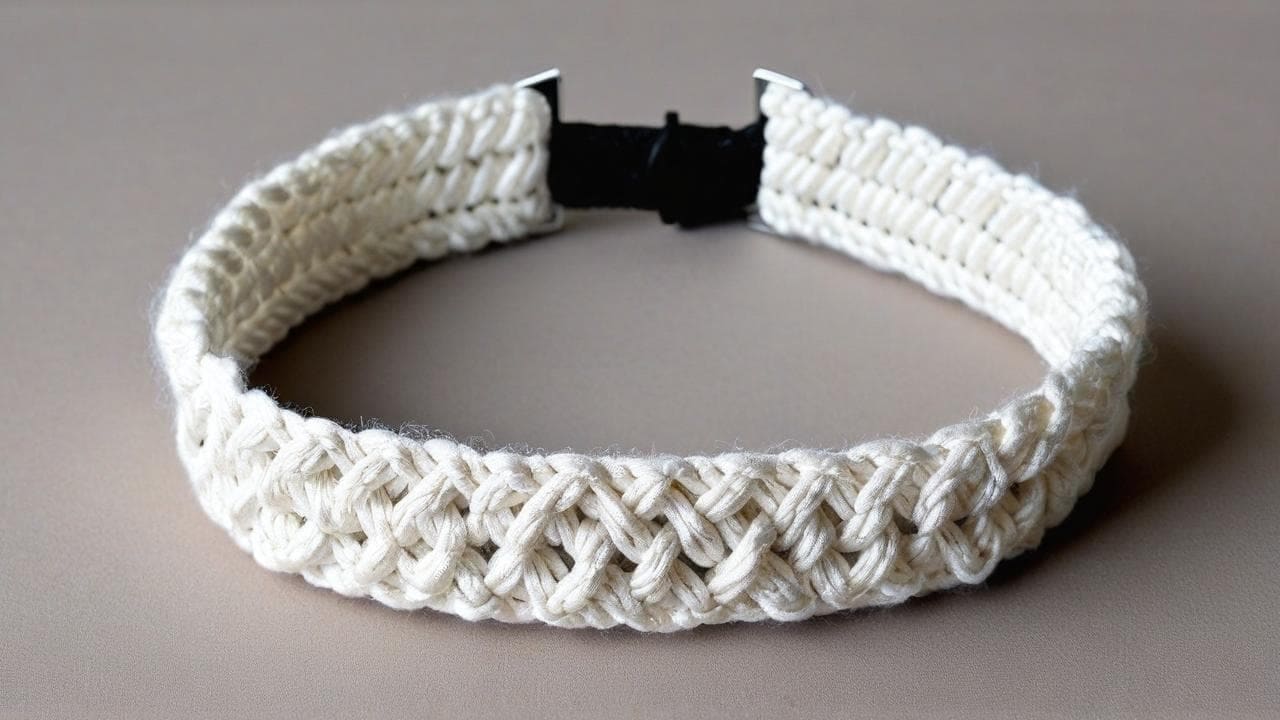
- Cotton chokers hug the neck closely and range from simple braided designs to more elaborate tatted or crocheted patterns, providing a comfortable alternative to metal chokers while offering similar visual impact.
The diversity of cotton jewelry types reflects the material’s adaptability and the endless creativity of artisans who work with it. What unifies these various forms is their connection to textile traditions, their relatively accessible creation methods (often requiring minimal specialized equipment), and their ability to express personal style through color, texture, and pattern rather than through the intrinsic value of precious materials.
Cotton Jewelry Making Techniques
The creation of cotton jewelry involves various techniques that transform simple thread or cord into intricate wearable art. Understanding these processes illuminates the craftsmanship behind these pieces and explains why handmade cotton jewelry carries unique characteristics impossible to replicate through mass production methods.
- Thread preparation begins with selecting the appropriate cotton quality and weight for the desired jewelry piece—embroidery floss for detailed work, crochet cotton for lacework, or cotton cord for more substantial pieces—followed by measuring, cutting, and sometimes conditioning the thread with beeswax for certain techniques.
- Dyeing processes often precede construction, using either commercial fiber-reactive dyes or natural dyes from plants, creating custom colors or effects like ombré, tie-dye, or space-dyeing that will enhance the final design once constructed.
- Knotting techniques form the foundation of many cotton jewelry styles, particularly macramé, which employs square knots, half hitches, gathering knots, and decorative knots in systematic combinations to create patterns and structural integrity without any tools beyond a work surface and perhaps pins for stabilization.
- Crochet jewelry requires only a hook and thread but demands precision in tension and stitch execution, using techniques like chain stitches, single and double crochet, picot edging, and three-dimensional construction methods to create lacy, lightweight pieces with substantial visual presence.
- Weaving approaches utilize mini looms, tablet weaving cards, or even repurposed household items to create warp and weft structures, sometimes incorporating beads into the weaving process for added dimension and embellishment.
- Tatting creates lace-like structures using a shuttle or needle to form rings and chains through a series of half-hitches and picots, producing intricate patterns particularly suitable for delicate earrings and pendants.
- Finishing techniques include blocking (shaping with water and sometimes starch), adding metal findings for closures and connections, sealing with fabric stiffener for structural stability, and sometimes applying protective coatings to enhance durability.
- Hand-painting or embellishing may occur after the basic construction, adding additional colors, metallic highlights, or embroidered details to enhance the basic cotton structure with greater visual complexity.
- Quality control involves checking knot security, testing closures, examining for loose threads, and ensuring comfort against the skin—considerations particularly important for items like earrings that come into direct contact with sensitive areas.
The time-intensive nature of these handcrafting processes explains the unique character and value of artisan-made cotton jewelry. Unlike mass-produced accessories, each hand-knotted, crocheted, or woven piece carries slight variations that reflect the maker’s individual technique, creative decisions, and relationship with the material. This human element connects cotton jewelry to ancient craft traditions while allowing for contemporary expression through form, color, and innovative combinations of traditional techniques.
Essential Cotton Jewelry Care and Maintenance
Cotton jewelry requires specific maintenance approaches that differ from metal or gemstone pieces. With proper care, cotton jewelry can remain beautiful and functional for years, though its organic nature means it will eventually show wear differently than more conventional jewelry materials.
- Regular gentle cleaning is essential for cotton jewelry, using a soft brush to remove dust and debris, or for more thorough cleaning, handwashing with mild soap (like gentle shampoo or wool wash) in lukewarm water, followed by careful rinsing and air drying away from direct sunlight or heat sources.
- Storage considerations include keeping cotton pieces in breathable containers rather than airtight plastic, which can trap moisture and lead to mildew, particularly in humid environments, with earrings and small items best stored in fabric pouches or small boxes lined with acid-free tissue.
- Protecting white or light-colored cotton jewelry from color transfer requires avoiding wearing these pieces against dark clothing that might bleed dye or storing them separately from intensely colored items, especially when humidity is present.
- Shape maintenance may involve periodic reblocking (reshaping while damp) for crocheted or tatted pieces that have become misshapen through wear, using a towel-covered surface and rust-proof pins to hold the piece in its original form until completely dry.
- Preventing fraying in knotted pieces can be achieved by carefully singeing cord ends with a flame or applying a tiny amount of clear nail polish or fabric glue to thread tips, being careful not to create stiff spots that might irritate the skin.
- Sun damage prevention is important as cotton fibers can degrade with prolonged UV exposure, causing fading and weakening, so avoid storing cotton jewelry in direct sunlight or wearing particularly precious pieces during extended outdoor activities.
- Stain removal requires prompt attention, using appropriate techniques based on the stain type—for oil-based stains, a paste of baking soda and water; for food or drink stains, a solution of white vinegar and water; always testing in an inconspicuous area first.
- Professional cleaning may be necessary for complex or valuable pieces, particularly those with mixed materials or pieces that have significant sentimental value, by seeking out textile conservators rather than conventional jewelers.
- End-of-life considerations include the possibility of remaking or repurposing components when cotton jewelry has worn beyond repair, an environmental advantage over non-biodegradable jewelry materials.
Unlike precious metals that can be polished to remove tarnish or scratches, cotton jewelry develops a patina of wear that becomes part of its character and story. Many wearers appreciate this organic aging process, while others prefer to rotate their cotton pieces to distribute wear or reserve them for special occasions to maintain their original appearance. Understanding that cotton jewelry has a different lifespan and aging process than conventional jewelry allows for appropriate expectations and appreciation of these unique accessories.
How Different Cultures Use Cotton in Traditional Jewelry
Cotton jewelry holds significant cultural importance across various societies throughout history. These traditional forms of adornment often carry deep symbolic meanings, showcase distinctive techniques, and reflect the aesthetic values of their originating cultures while influencing contemporary jewelry design worldwide.
- Mesoamerican friendship bracelets originated with indigenous communities in Central America, particularly Guatemala and Mexico, where intricate cotton knotting patterns conveyed tribal affiliations, personal status, and protective spiritual symbols, with techniques passed down through generations as cultural heritage.
- Native American cotton jewelry, especially from Southwestern tribes, incorporated cotton cordage with shell, stone, and seed beads to create ceremonial and everyday adornments, reflecting complex worldviews through geometric patterns and nature-inspired designs.
- West African cotton jewelry traditions include elaborately woven and dyed cotton ornaments that denote age, marital status, and tribal identity, often incorporating cowrie shells, brass elements, or local seeds within complex textile structures.
- Indian thread jewelry, particularly in Tamil Nadu and Gujarat, features techniques like temple knotting and specialized braiding patterns created with dyed cotton thread, sometimes incorporating small mirrors, bells, or tassels as part of religious and ceremonial adornment.
- Japanese kumihimo cotton braiding creates sophisticated cord structures originally used for samurai armor bindings but now adapted for contemporary jewelry, demonstrating how functional textile techniques evolve into decorative applications.
- Andean cultures have a rich tradition of cotton jewelry incorporating specialized knotting techniques similar to quipu (knot records), often combining cotton with local fibers like alpaca and embellished with natural seed beads and carved stones.
- Scandinavian woven cotton bracelets reflect historical textile traditions while featuring distinctive regional color patterns, particularly after the Viking era when cotton became more available through trade routes.
- Middle Eastern cotton jewelry combines intricate knotting techniques with protective amulets and symbols, often incorporating cotton thread wrapping around metal forms or creating fully textile-based prayer beads and talismans.
- Contemporary global fusion styles borrow elements from these cultural traditions while incorporating modern design principles, raising important considerations about cultural appreciation versus appropriation in the jewelry market.
These diverse cultural expressions of cotton jewelry demonstrate how communities worldwide have transformed an agricultural fiber into meaningful personal adornment. The techniques, patterns, and customs associated with these traditions continue to influence contemporary jewelry designers, who draw inspiration from these rich historical practices while adapting them to modern contexts. Understanding these cultural connections helps wearers appreciate that cotton jewelry is not just a recent trend but part of humanity’s ongoing relationship with textile arts as a form of personal and cultural expression.
Cotton Jewelry Styling Tips
Cotton jewelry offers unique styling opportunities that differ from conventional metal and gemstone pieces. Its lightweight nature, textural interest, and often larger scale allow for versatile styling options across seasons, occasions, and personal aesthetics.
- Seasonal considerations include embracing lighter colors and more open-weave cotton pieces for spring and summer, while autumn and winter styles might incorporate thicker cotton rope, darker hues, or pieces that incorporate wool or other warming fibers alongside cotton.
- Layering cotton jewelry works differently than metal pieces because of its lightweight nature, allowing multiple cotton necklaces to be worn simultaneously without discomfort, creating dimensional, textured looks that would be impractical with heavier materials.
- Mixing materials creates effective contrast, such as pairing soft cotton macramé with structured metal elements, combining cotton thread earrings with simple metal studs, or layering delicate cotton bracelets with a substantial watch or metal bangle.
- Color coordination approaches include matching cotton jewelry to clothing for a monochromatic effect, choosing complementary colors for visual pop, or using multi-colored cotton pieces as a bridge between different elements in an outfit.
- Occasion-appropriate styling means selecting more structured and refined cotton jewelry for professional environments (like a precisely crocheted lace collar necklace), while casual settings accommodate more experimental, colorful, or substantial pieces.
- Scale considerations are important as cotton jewelry often creates larger statements than fine jewelry—a cotton statement necklace might be balanced with simple earrings, or dramatic cotton fringe earrings paired with minimal neck adornment.
- Textile compatibility matters when styling cotton jewelry with different clothing fabrics—the textural contrast of cotton jewelry against smooth silk creates different effects than when worn with rough linen or fluffy knits.
- Seasonal transition styling might involve adding cotton jewelry with metallic thread elements to summer pieces as fall approaches, or incorporating floral-inspired cotton jewelry to winter outfits as spring emerges.
- Day-to-evening transformations are achievable by adding or substituting more elaborate cotton pieces with metallic elements or beaded embellishments to basic daytime outfits, creating evening-appropriate looks without changing clothes entirely.
The versatility of cotton jewelry allows for expressive personal styling that can be adapted to changing trends, seasons, and occasions without significant investment. Unlike fine jewelry, which often carries expectations of permanence and consistent styling, cotton pieces invite experimentation and playfulness. This accessibility makes cotton jewelry particularly appealing for developing personal style and exploring different aesthetic expressions through accessories that can be collected, created, or modified relatively easily compared to conventional jewelry materials.
How Cotton Jewelry Supports Sustainable Fashion
Cotton jewelry intersects with important conversations about sustainability, ethical production, and conscious consumption in the accessories market. Understanding these dimensions helps consumers make informed choices that align with their values while supporting responsible practices in the jewelry industry.
- Environmental impact comparisons show cotton jewelry typically has a significantly lower carbon footprint than conventional jewelry, avoiding the intensive mining operations, chemical extraction processes, and energy-intensive manufacturing associated with metals and gemstones.
- Organic cotton jewelry represents the most environmentally conscious option, produced without synthetic pesticides or fertilizers that can contaminate water systems and soil, while supporting agricultural practices that maintain biodiversity and soil health.
- Water consumption concerns still exist with conventional cotton production, which requires substantial irrigation—making recycled cotton, rain-fed cotton, or alternative plant fibers like hemp or linen sometimes preferable for the most environmentally conscious jewelry.
- Biodegradability gives cotton jewelry a significant end-of-life advantage over most conventional jewelry materials, as pure cotton pieces will naturally decompose without leaving persistent waste, though mixed-material pieces with metal findings may require disassembly for proper disposal.
- Fair trade cotton jewelry ensures fair compensation and safe working conditions for cotton farmers and artisans, particularly important in regions where cotton production has historically been associated with labor exploitation.
- Traditional craft preservation occurs when consumers support cotton jewelry that employs indigenous techniques, helping maintain cultural heritage and economic opportunities within communities with deep textile traditions.
- Low chemical processing is possible with cotton jewelry, particularly pieces using natural dyes from plants, foods, and minerals rather than synthetic colorants, reducing environmental toxicity and offering safer options for chemically sensitive individuals.
- Transparency in the supply chain is increasingly important to conscious consumers, with some cotton jewelry brands now providing detailed information about their cotton sourcing, processing methods, and maker communities.
- Upcycled cotton jewelry repurposes existing textiles like vintage clothing, industrial waste, or discarded fabrics into new accessories, addressing textile waste issues while creating unique items with historical connections.
The sustainable aspects of cotton jewelry align with broader shifts in consumer awareness about the environmental and social impacts of fashion choices. As jewelry consumers become more conscious of these dimensions, cotton jewelry offers an accessible entry point into more ethical accessorizing without sacrificing style or self-expression. The best practices in this segment—organic materials, fair labor conditions, natural dyes, and transparent production—set standards that challenge the wider jewelry industry to improve its sustainability credentials across all materials and production methods.
Beginner-Friendly DIY Cotton Jewelry Ideas
Creating your own cotton jewelry offers a satisfying introduction to jewelry making with minimal investment in tools and materials. These accessible craft projects connect wearers more deeply to their accessories while allowing for customization and creative expression that mass-produced jewelry cannot provide.
- Basic materials needed for most cotton jewelry projects include cotton embroidery floss or crochet thread, cotton cord in various thicknesses, a pair of sharp scissors, measuring tape or ruler, and a secure work surface—plus optional items like beads, findings, and specific tools for particular techniques.
- Simple friendship bracelet patterns provide an excellent entry point for beginners, requiring only cotton embroidery floss and knowledge of a few basic knots to create colorful wearable pieces, with thousands of free patterns available online ranging from simple stripes to complex pictorial designs.
- Macramé plant hanger techniques can be scaled down to create pendant necklaces, with the square knot, half-hitch, and gathering knot forming the foundation for most designs, using 2-3mm cotton cord for easily manageable pieces that maintain their structure.
- Tassel earrings require minimal skills but create dramatic effects, made by wrapping cotton thread around a card, sliding it off, binding the top, and cutting the bottom loops to create fluid, colorful statements that can be attached to ear wires with jump rings.
- Simple crochet jewelry requires basic knowledge of chain stitch, single crochet, and double crochet techniques, using fine cotton thread and small hooks (1.5-2mm) to create delicate lace-like structures suitable for earrings or components in larger pieces.
- Wrapped cord bracelets offer a no-knot alternative where colorful embroidery floss is tightly wrapped around a core of thicker cotton cord, sometimes incorporating beads threaded onto the core for added interest and texture.
- Finishing techniques for DIY cotton jewelry include methods for securing knots with clear nail polish or fabric glue, adding metal findings like jump rings and clasps, and creating professional-looking cord ends with various wrapping and binding methods.
- Troubleshooting common issues in beginner projects might involve fixing uneven tension in knotted pieces, reshaping crocheted elements that have lost their form, or resolving color bleeding problems when working with intensely dyed cotton threads.
- Project scaling allows techniques learned on small items like bracelets to be applied to more ambitious pieces like statement necklaces once basic skills are mastered, gradually building confidence and technical ability.
DIY cotton jewelry creation connects to broader movements of craft revival, slow fashion, and mindful making. The satisfaction of wearing self-created pieces or gifting handmade items carries emotional value beyond the material cost of the components. For many enthusiasts, what begins as casual experimentation with cotton jewelry techniques develops into a fulfilling creative practice that combines traditional craft knowledge with personal innovation, offering a counterpoint to the anonymity and standardization of mass-produced accessories.
FAQs About Cotton Jewelry
Common questions about cotton jewelry reflect practical concerns about durability, care, and styling these unique accessories. These straightforward answers address misconceptions while providing helpful guidance for those new to this jewelry category.
How long does cotton jewelry last?
With proper care, cotton jewelry can last for several years, though it will develop a patina of wear over time unlike metal jewelry—pieces worn daily may show softening of crisp edges or slight fuzzing after 6-12 months, while occasional-wear items can maintain their original appearance much longer.
Can I wear cotton jewelry in water?
Brief exposure to water won’t immediately damage most cotton jewelry, but prolonged soaking can weaken fibers, potentially cause dyes to bleed, and may alter the shape of intricately knotted or crocheted pieces—quick handwashing is typically fine, but remove before swimming or bathing.
Is cotton jewelry appropriate for formal occasions?
Contemporary styling embraces cotton jewelry for formal events, especially pieces with refined execution, sophisticated design, or subtle embellishments like metallic thread, small gemstone beads, or high-contrast monochromatic color schemes that create elegant visual impact.
How do I prevent cotton jewelry from stretching out of shape?
Store cotton jewelry flat or hung rather than compressed in a jewelry box, avoid pulling or tugging when putting on or removing pieces, and consider periodic reshaping of crochet or tatted items by dampening and blocking them back to their original dimensions.
Does cotton jewelry cause skin irritation?
Pure cotton rarely causes skin irritation, making it an excellent choice for those with metal sensitivities—however, some commercially dyed cotton contains residual chemicals that might affect very sensitive individuals, in which case undyed or naturally dyed cotton pieces are preferable.
Can cotton jewelry be repaired if damaged?
Many types of cotton jewelry can be repaired by restitching broken areas, reknotting sections that have come undone, or replacing damaged components—skilled artisans who work with textile jewelry can often restore pieces that might seem beyond repair.
Is cotton jewelry less valuable than metal and gemstone jewelry?
While cotton jewelry typically costs less than fine jewelry, handcrafted pieces by skilled artisans command respectable prices reflecting the design expertise, time investment, and technical skill involved—some textile artists create museum-quality cotton jewelry valued for its artistic merit rather than material cost.
How do I know if cotton jewelry is well-made?
Quality indicators include even tension throughout knotted or stitched areas, secure finishing of thread ends, color consistency or intentional color variation, structural integrity when gently manipulated, and comfortable wear without scratchy or irritating elements.
Can I make my cotton jewelry more durable?
Apply clear fabric stiffener to delicate crocheted pieces, use fabric protector sprays developed for natural fibers, or incorporate subtle reinforcements like invisible stitching at stress points to extend the life of frequently worn cotton jewelry.
Cotton jewelry occupies a unique position in the accessories landscape, offering wearable art that prioritizes creativity, comfort, and craftsmanship over intrinsic material value. Understanding these practical aspects helps wearers appreciate cotton jewelry’s special characteristics while making informed decisions about purchasing, wearing, and maintaining these distinctive pieces. The most satisfying experiences come from embracing cotton’s unique attributes rather than comparing it directly to conventional jewelry materials.
Conclusion
Cotton jewelry represents a beautiful intersection of textile arts and personal adornment, offering wearers sustainable, comfortable alternatives to conventional accessories. Its rich cultural heritage spans continents and centuries, while its contemporary expressions continue to evolve through both traditional techniques and innovative approaches. The accessibility of cotton as a material democratizes jewelry making, allowing more people to create, customize, and connect with the items they wear in meaningful ways.
As fashion continues to grapple with questions of sustainability, ethical production, and inclusive design, cotton jewelry offers promising answers. Its biodegradability, potential for organic sourcing, and connection to artisanal communities align with values increasingly important to conscious consumers. Whether purchased from skilled craftspeople or created at home, cotton jewelry invites us to reconsider what makes adornment valuable—shifting focus from material preciousness to creativity, craftsmanship, and personal expression.