Electroplating jewelry is a manufacturing process that deposits ultra-thin layers of precious metals like gold, silver, or rhodium onto base metals using electrical current. This technology creates pieces with the luxurious appearance of solid gold or platinum at a fraction of the cost, making high-end aesthetics accessible across all price points. The process applies coatings just 0.5 to 5 microns thick—thinner than human hair—yet transforms ordinary metals into stunning replicas of precious jewelry. Knowing how electroplating works helps consumers make informed purchasing decisions and properly care for their pieces to maximize lifespan and appearance.
What Does Electroplated Jewelry Mean?
Electroplating transforms ordinary metals into precious-looking jewelry through a controlled chemical process that deposits thin layers of valuable metals onto base materials. Think of it as giving jewelry a beautiful, shiny coat that makes it look identical to solid gold or silver when new. The process uses electricity to move tiny metal particles from one piece of metal to another, creating an even, lustrous coating that can last months to years depending on thickness and care. This technology bridges the gap between expensive solid metal jewelry and cheap costume pieces, offering genuine precious metal surfaces at affordable prices while maintaining the visual appeal that makes jewelry desirable.
- Electroplating operates through electrochemical reactions where jewelry pieces serve as negative electrodes (cathodes) while precious metal sources act as positive electrodes (anodes), both suspended in chemical solutions containing dissolved metal ions that migrate and attach to form coatings when electrical current flows through the circuit.
- The process creates authentic precious metal surfaces by depositing actual gold, silver, or platinum atoms that bond chemically to base metals, unlike spray coatings or colored treatments that merely sit on surfaces without true metallic integration or lasting adhesion.
- Coating thickness determines both quality and durability, with professional electroplating achieving precise thickness control measured in microns—decorative jewelry typically receives 0.5-5 microns of precious metal compared to solid jewelry manufactured entirely from precious metals throughout their complete structure.
- Multiple metal layers can be applied for specific properties, with modern electroplating often using barrier layers like nickel between base metals and precious metals to prevent migration and discoloration, followed by decorative precious metal layers for final aesthetic appearance.
- The technology combines over 150 years of development with contemporary precision, evolving from 1840s invention to current processes employing digital controls, automated systems, and scientific accuracy to achieve consistent results impossible with historical methods.
- Base metals vary from copper and brass to sterling silver depending on quality requirements, with premium electroplated jewelry using noble metal foundations like sterling silver (creating vermeil classification), while budget pieces utilize copper, brass, or steel alloys as plating substrates.
- Temperature and chemical composition must be precisely controlled during plating, with gold solutions operating at 50-80°C and specific pH levels, while rhodium plating requires sulfate-based solutions at 40-50°C with highly acidic conditions for proper metal deposition.
- Current density calculations determine deposition rates and coating uniformity, typically ranging from 0.2-1.0 A/dm² for gold plating and 1.5-5.0 A/dm² for rhodium plating, with timing precisely controlled to achieve target thickness measurements.
This scientific approach to jewelry manufacturing reveals why electroplating has become the preferred method for creating affordable luxury pieces. The process combines genuine precious metals with precise chemical control to produce jewelry that satisfies aesthetic desires while remaining economically accessible. However, the ultra-thin nature of electroplated coatings means they require different care approaches and have different longevity expectations compared to solid metal jewelry, making consumer education essential for satisfaction and proper maintenance throughout ownership.
How Does Electroplating Jewelry Work?
The electroplating process operates like a carefully controlled chemical factory where electricity drives precious metals from one location to another with scientific precision. Picture a small laboratory setup where jewelry pieces hang in special chemical baths while electrical current flows through the solution, causing metal atoms to migrate and stick to the jewelry surface atom by atom. This transformation happens gradually over minutes or hours, building up layers so thin they’re measured in units smaller than what the human eye can see, yet thick enough to create brilliant, lustrous surfaces that rival solid precious metals in appearance.
- Surface preparation begins with thorough cleaning using ultrasonic baths, degreasing agents, and acid solutions to remove oils, oxides, fingerprints, and microscopic contaminants that could prevent proper metal adhesion, as even invisible residues can cause uneven plating or coating failure.
- The electroplating setup consists of an electrolytic cell containing the jewelry piece as the cathode (negative terminal), a precious metal anode (positive terminal), and an electrolyte solution containing dissolved metal salts that provide the source material for coating formation.
- Direct electrical current flows through the circuit, causing metal atoms at the anode to oxidize and dissolve into the solution as positively charged ions, which then migrate through the electrolyte toward the negatively charged jewelry piece where they reduce back to metallic form and deposit as a solid coating.
- Bath chemistry varies significantly by metal type, with gold plating using cyanide-based or sulfite-based solutions containing gold salts, while silver plating employs cyanide or thiourea-based electrolytes, and rhodium plating requires specialized sulfate solutions due to rhodium’s chemical properties.
- Temperature control proves critical for quality results, with most precious metal plating occurring between 40-80°C to optimize metal ion mobility and deposition rates, while maintaining consistent temperatures prevents coating defects like rough surfaces or poor adhesion.
- pH levels must be carefully maintained within narrow ranges specific to each metal, with gold plating solutions ranging from highly acidic (pH 0.5-2.5) to alkaline (pH 8-13) depending on the chemistry used, while rhodium requires extremely acidic conditions below pH 1.
- Plating time directly correlates to final thickness, with typical gold plating taking 20-120 seconds for standard decorative thicknesses, while rhodium plating requires 30 seconds to 2 minutes, and timing precision becomes crucial for achieving uniform results across production batches.
- Agitation systems keep electrolyte solutions moving to ensure even metal distribution and prevent concentration gradients that could cause thickness variations, with mechanical stirring or air bubbling maintaining solution homogeneity throughout the plating cycle.
- Quality control monitoring tracks current density, voltage, temperature, and chemical composition in real-time, with modern systems using digital sensors and automated adjustments to maintain optimal conditions and prevent batch-to-batch variations that could affect coating quality.
The scientific precision required for successful electroplating explains why professional results differ dramatically from amateur attempts. Every variable from solution chemistry to electrical parameters must be controlled within tight tolerances to achieve the smooth, lustrous, and durable coatings that characterize quality electroplated jewelry. This complexity also explains why electroplating remains primarily a manufacturing process rather than something consumers can effectively replicate at home, despite the apparent simplicity of the basic concept.
What Types of Jewelry Can Be Electroplated?
Different precious metals create distinct characteristics when electroplated onto jewelry, each offering unique benefits and specific applications depending on desired appearance, durability requirements, and target price points. The choice of plating metal affects everything from color and brightness to wear resistance and maintenance needs, while thickness variations within each metal type further influence performance and longevity. Modern jewelry manufacturers have developed specialized techniques for each metal type, optimizing chemical formulations and plating parameters to maximize the aesthetic and functional properties of each coating option.
- Gold plated jewelry represents the largest market segment, available in various karat purities from 10K to 24K that determine both color intensity and hardness characteristics, with lower karat content providing greater durability through alloy strengthening while higher karat content offers richer golden color but reduced scratch resistance.
- Flash gold plating applies extremely thin coatings under 0.17 microns primarily for temporary decorative purposes, lasting only days to weeks with normal wear, while standard gold plating of 0.5-1.0 microns provides 6-18 months of durability, and heavy gold plating at 2.5+ microns can maintain appearance for 2+ years.
- Yellow gold plating creates the classic golden appearance most consumers recognize, while white gold plating combines gold with palladium or other whitening agents to produce silver-colored surfaces, though white gold often requires rhodium topcoats to achieve brilliant white appearance and prevent yellowing over time.
- Rose gold plating blends pure gold with copper and sometimes silver to create distinctive pinkish hues, with 14K rose gold containing approximately 58.3% gold and 33.5% copper, offering enhanced durability compared to yellow gold due to copper’s hardening properties.
- Silver plating typically measures 1-3 microns thick for standard jewelry applications, though decorative pieces may receive up to 200 microns for enhanced longevity, with silver’s tendency to tarnish when exposed to sulfur compounds requiring careful base metal selection and sometimes protective topcoats.
- Rhodium plating serves specialized functions, particularly for white gold jewelry where it covers yellowish undertones and provides brilliant reflective surfaces, with optimal thickness ranging 0.75-1.0 microns to balance durability with cost-effectiveness, as thicker applications become brittle and prone to cracking.
- Rhodium’s extreme hardness exceeds that of gold or silver, combined with complete tarnish resistance, making it ideal for high-wear applications like ring settings and bracelet clasps, though its rarity makes rhodium the most expensive plating option available in jewelry manufacturing.
- Nickel plating rarely appears as final finishes due to widespread allergic reactions affecting 10-20% of the population, instead serving as barrier layers between base metals and precious metal platings to provide adhesion improvement and prevent base metal migration that could cause discoloration.
- Chrome plating for jewelry uses decorative specifications of 0.05-0.5 microns, significantly thinner than industrial applications, creating brilliant mirror-like finishes over nickel underplating, though potential allergy concerns from nickel make rhodium preferable for similar aesthetic results in skin-contact applications.
- Multi-layer plating systems combine different metals strategically, such as copper strike layers for adhesion, nickel barriers for protection, and precious metal topcoats for appearance, with each layer optimized for specific functions within the complete coating system.
The variety of electroplated options allows jewelry designers to achieve virtually any desired aesthetic while controlling costs through strategic metal selection and thickness optimization. However, each plating type requires different care approaches and offers different performance characteristics, making metal selection a crucial decision that affects both initial appearance and long-term satisfaction with electroplated jewelry pieces.
How to Tell if Jewelry is Electroplated
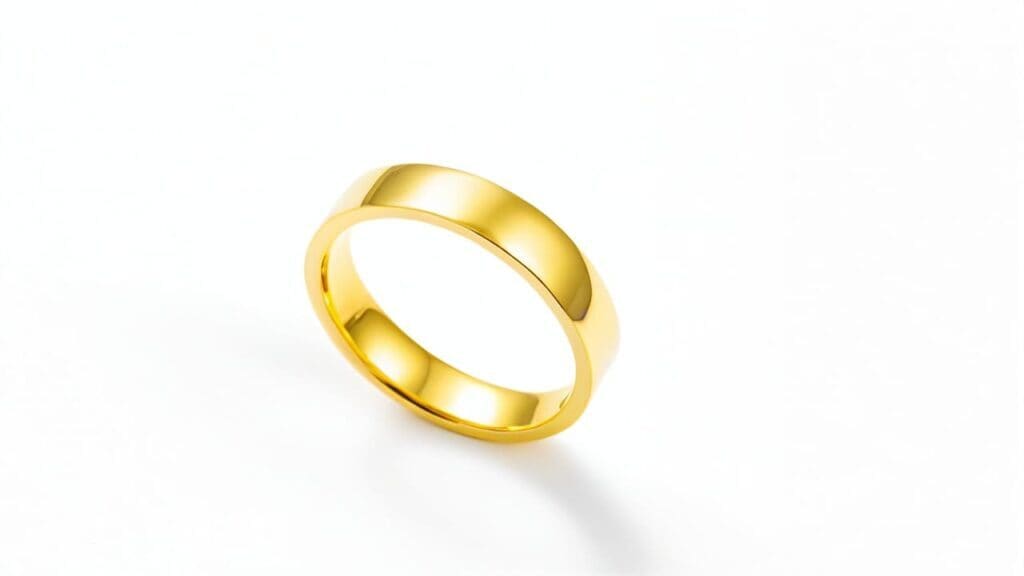
Distinguishing electroplated jewelry from solid precious metals requires attention to specific markings, physical characteristics, and visual clues that reveal the construction methods used in manufacturing. This identification skill protects consumers from misrepresentation while helping set appropriate expectations for durability and value. Professional jewelers use multiple assessment techniques, but consumers can employ simple observation methods to make accurate determinations about jewelry composition without specialized equipment or destructive testing procedures.
- Jewelry stamps provide the primary identification method, with “GP” indicating gold plated, “GEP” meaning gold electroplated, “HGE” denoting heavy gold electroplate with thicker coatings, and “RGP” showing rolled gold plate which uses mechanical bonding rather than electrochemical deposition.
- Numerical designations like “14K GP” or “18K Gold Plated” specify the karat purity of the plating material itself rather than the entire piece, while solid gold pieces display only karat numbers like “14K” or “585” without additional letters indicating plating processes.
- Weight differences create immediate distinction between plated and solid metals, as gold’s density of 19.3 g/cm³ produces substantial heft in solid pieces while electroplated jewelry feels noticeably lighter due to base metal density typically ranging from 7-9 g/cm³ for common alloys.
- Visual inspection of high-wear areas reveals telltale signs of plating, particularly around ring bands, chain links, bracelet connections, and earring posts where darker base metals become visible first through normal friction and contact patterns.
- Color inconsistencies indicate coating wear, with solid metals maintaining uniform appearance throughout while electroplated pieces develop variations where thin plating has worn away, often appearing as darker or different-colored spots in stress areas.
- Green skin discoloration signals copper base metals oxidizing through worn plating, creating characteristic green or black marks on skin contact areas that solid precious metals never produce, though this reaction requires actual base metal exposure through coating failure.
- Price analysis provides strong indicators, as genuinely solid precious metal jewelry costs significantly more than electroplated alternatives due to material expenses, with suspicious pricing often revealing plated construction even when markings are unclear or absent.
- Magnet testing can identify ferrous base metals in some electroplated pieces, though non-magnetic results don’t guarantee precious metal content since many base metals like copper, brass, and aluminum also show no magnetic attraction.
- Professional testing methods include acid tests that can damage plated surfaces by revealing base metals underneath, electronic testers measuring electrical conductivity differences, and XRF analyzers providing precise elemental composition including layer thickness measurements.
- Edge examination reveals construction clues where different metals meet, particularly in rings or hollow pieces where cross-sections may show base metal cores surrounded by thin precious metal shells, indicating plated rather than solid construction.
- Flexibility testing shows that heavily plated or solid pieces resist bending while thinly plated items may flex more easily due to softer base metals, though this method risks damage and should be used cautiously on valuable pieces.
Accurate identification protects consumers from paying solid metal prices for electroplated pieces while helping establish realistic expectations for performance and longevity. However, identification uncertainty warrants professional assessment, particularly for expensive purchases where construction verification justifies testing costs. Modern electroplating quality can be exceptionally high, making visual identification challenging even for experienced observers in some cases.
Benefits of Electroplated Jewelry
The widespread popularity of electroplated jewelry stems from its ability to deliver luxury aesthetics at accessible price points while offering design flexibility impossible with solid precious metals. This manufacturing approach democratizes high-end jewelry styling, allowing consumers to build extensive collections and experiment with trends without the financial commitment required for solid gold or platinum pieces. The combination of genuine precious metal surfaces with affordable base materials creates an attractive middle ground between expensive solid metals and low-quality costume jewelry that lacks durability or authentic metallic properties.
- Cost advantages create the primary appeal, with electroplated pieces typically costing 90-95% less than solid precious metal equivalents, allowing consumers to purchase complete jewelry collections for the price of a single solid gold item while maintaining identical visual appearance when new.
- Design flexibility emerges from affordable base materials that enable complex, intricate patterns and elaborate constructions that would be prohibitively expensive in solid precious metals, allowing manufacturers to create detailed textures, multiple components, and sophisticated engineering while maintaining accessible pricing structures.
- Aesthetic versatility allows experimentation with different finishes including 14K, 18K, and 24K gold, rose gold variations, silver, and rhodium within single collections, enabling coordination across matching jewelry sets while exploring various color palettes and surface treatments without major financial investment.
- Trend accessibility enables fashion-conscious consumers to adopt current jewelry styles and seasonal color trends without permanent commitment, making it practical to refresh jewelry collections regularly to match evolving personal tastes and fashion movements.
- Reduced anxiety about loss or damage makes electroplated jewelry suitable for travel, outdoor activities, workplace environments, and social situations where expensive solid metal pieces would create concern about theft, damage, or inappropriate display of wealth.
- Immediate availability in retail settings eliminates the waiting periods and custom ordering often required for solid precious metal jewelry, with electroplated options readily stocked in various sizes, styles, and finishes for immediate purchase and wear.
- Quality appearance when new produces results virtually indistinguishable from solid metals, with proper electroplating creating bright, lustrous surfaces that photograph beautifully and complement various fashion styles, skin tones, and outfit colors effectively.
- Weight advantages make electroplated jewelry more comfortable for extended wear, particularly in larger pieces like statement necklaces or oversized earrings where solid metal weight could cause discomfort or strain during long wearing periods.
- Allergy management becomes possible through careful base metal selection, with higher-quality electroplated pieces using sterling silver or surgical steel foundations that minimize allergic reactions compared to unknown alloy compositions in cheaper alternatives.
- Gift-giving practicality allows generous presentation of jewelry gifts without excessive expense, making it feasible to give multiple pieces or elaborate sets for special occasions while maintaining the appearance of luxury and thoughtfulness that recipients appreciate.
These advantages explain why electroplated jewelry has captured significant market share across all price segments and consumer demographics. The technology successfully bridges the gap between desire and affordability while providing genuine precious metal surfaces that satisfy aesthetic requirements. However, these benefits come with trade-offs in durability and maintenance requirements that consumers must weigh against the immediate advantages when making purchasing decisions.
Disadvantages of Electroplated Jewelry
While electroplated jewelry offers attractive benefits, several inherent limitations require realistic consumer expectations and careful consideration before purchase. The ultra-thin nature of electroplated coatings creates vulnerability to wear, chemical damage, and environmental factors that solid metals can easily withstand. These constraints don’t eliminate the value proposition of electroplated pieces, but they do require different usage patterns, maintenance approaches, and replacement planning compared to traditional solid metal jewelry investments.
- Durability limitations represent the most significant constraint, with typical lifespans ranging from 6 months to 3 years depending on coating thickness, wearing frequency, and care quality, as the micron-thin precious metal layers gradually wear away through normal contact and friction.
- Wear patterns follow predictable progression starting with initial dulling and brightness loss, followed by color variations as base metals become visible through thin spots, eventual complete exposure in high-contact areas like ring bands and chain links, and potential tarnishing or discoloration as base metals oxidize.
- Rings experience the fastest deterioration due to constant friction against surfaces, hand washing, and contact with various substances, typically showing wear signs within 6-18 months, while protected pieces like earrings and pendants may maintain appearance for 3-5 years with proper care.
- Allergic reactions pose significant health concerns, particularly from nickel in base metals that can cause redness, itching, swelling, blisters, and dry skin patches appearing anywhere from minutes to 48 hours after contact, with reactions intensifying during sweating or moisture exposure that accelerates metal leaching.
- Chemical sensitivity makes electroplated jewelry vulnerable to damage from perfumes, hairsprays, lotions, makeup, chlorine, household cleaners, and other common substances that can dissolve, discolor, or corrode the thin precious metal coatings within minutes of contact.
- Maintenance demands exceed those of solid metals, requiring gentle cleaning methods, careful storage, chemical avoidance, and regular inspection for wear signs, as electroplated pieces cannot withstand harsh chemicals, ultrasonic cleaners, or abrasive polishes safely used on solid precious metals.
- Repair impossibility means complete re-plating becomes necessary when wear occurs, unlike solid metals that can be polished, buffed, or refinished to restore appearance, with re-plating costs often exceeding original purchase prices for lower-end pieces.
- Value depreciation happens immediately upon purchase with no resale market for worn electroplated jewelry, contrasting sharply with solid precious metals that retain intrinsic material value and can be sold, traded, or recycled for significant portions of original costs.
- Quality inconsistency varies dramatically between manufacturers and price points, with some pieces using flash plating that fails within weeks while others employ proper thickness and techniques for extended wear, making brand research and specification verification essential for satisfactory purchases.
- Environmental vulnerability includes sensitivity to humidity, temperature extremes, and air pollution that can accelerate tarnishing and coating degradation, requiring controlled storage conditions and climate awareness for optimal preservation.
- Professional service limitations mean most jewelry repair shops cannot restore electroplated pieces to original condition, and re-plating services may not be available locally, potentially requiring shipping to specialized facilities with associated costs and delays.
These limitations don’t negate the value of electroplated jewelry but rather define appropriate applications and usage expectations. Consumers who acknowledge these constraints and adjust their care practices accordingly can achieve satisfactory results and value from electroplated pieces, while those expecting solid metal performance will likely experience disappointment and premature replacement needs.
Electroplating vs Other Coating Methods
The jewelry industry employs several different metal coating techniques, each offering distinct advantages, limitations, and cost structures that affect both manufacturing decisions and consumer choices. Electroplating competes with alternative methods like gold filling, vermeil production, and physical vapor deposition, with each technology producing different thickness levels, durability characteristics, and price points. Comparing these approaches helps consumers select appropriate jewelry types based on intended use patterns, budget constraints, and performance expectations for their specific applications.
- Gold filled jewelry contains dramatically thicker precious metal layers with minimum 1/20th (5%) of total weight being gold mechanically bonded to base metals, compared to electroplating’s chemical deposition of 0.5-5 microns, resulting in gold filled pieces lasting decades with proper care versus months or years for electroplated items.
- Manufacturing differences show gold filled requiring factory-only production with specialized rolling and heat bonding equipment costing millions of dollars, while electroplating can be performed with modest investment of 1,000-50,000 dollars for basic to professional setups accessible to smaller manufacturers.
- Vermeil standards mandate minimum 2.5 microns gold electroplated over sterling silver bases, providing superior durability compared to basic electroplating on lower-grade metals while preventing allergic reactions through noble metal foundations that justify higher pricing in demi-fine jewelry categories.
- Physical Vapor Deposition creates coatings 15-45 times harder than electroplating through vacuum chamber processes that deposit titanium compounds rather than actual precious metals, offering exceptional scratch and corrosion resistance but requiring multi-million dollar equipment versus electroplating’s accessible investment levels.
- PVD durability testing shows resistance to 1,000+ hours of salt spray exposure compared to electroplating’s 24-48 hour tolerance, though PVD damage appears as chipping rather than gradual wear, and the coatings use industrial compounds rather than traditional precious metals for appearance.
- Ion plating combines PVD principles with electroplating benefits, creating extremely hard coatings with better adhesion than standard PVD while maintaining precious metal composition, though equipment costs and complexity limit adoption to high-end manufacturing applications.
- Mechanical plating uses tumbling processes with zinc or other metals in rotating barrels, primarily for industrial applications rather than jewelry, producing uneven coatings unsuitable for decorative purposes but effective for corrosion protection on hardware and fasteners.
- Hot dipping immerses pieces in molten metal baths, creating thick but uneven coatings mainly used for galvanizing steel rather than jewelry applications, as the process cannot achieve the smooth, uniform finishes required for decorative items.
- Spray coating applies liquid metals through atomization, producing inconsistent thickness and poor adhesion compared to electrochemical methods, making it suitable only for temporary decorative effects rather than durable jewelry applications requiring wear resistance.
- Cost comparisons reveal electroplating offering the best balance of appearance, durability, and affordability for most jewelry applications, with gold filled providing superior longevity at higher costs, while PVD delivers maximum durability at premium pricing levels.
- Application suitability varies by intended use, with electroplating optimal for fashion jewelry and occasional wear, gold filled preferred for daily wear pieces, vermeil suitable for semi-precious applications, and PVD reserved for high-performance requirements like watch cases and professional tools.
These coating method variations explain the wide range of plated jewelry quality and pricing available in today’s market. Consumers benefit from knowing which technique was used in manufacturing their pieces, as this knowledge directly affects care requirements, durability expectations, and value assessments for both initial purchases and long-term ownership satisfaction.
How to Care for Electroplated Jewelry
Proper maintenance of electroplated jewelry requires gentle techniques and protective measures that differ significantly from solid metal care routines. The ultra-thin precious metal coatings demand careful handling to prevent premature wear, chemical damage, and environmental deterioration that can destroy the plating in a fraction of the time needed for natural aging. Successful electroplated jewelry ownership depends on establishing consistent care habits from the first wearing through the eventual need for replacement or re-plating services.
- Gentle cleaning methods preserve coating integrity using soft, lint-free cloths for routine maintenance and mild liquid soap with lukewarm water for deeper cleaning, while avoiding vigorous rubbing that can wear through thin plating layers and expose base metals underneath.
- Chemical avoidance proves critical for plating preservation, requiring complete elimination of bleach, ammonia, abrasive cleaners, jewelry cleaners designed for solid metals, and household products that can dissolve or discolor precious metal coatings within minutes of contact.
- Timing protocols recommend removing jewelry before swimming, exercising, showering, cleaning, cooking, or applying personal care products like perfume, hairspray, lotion, and makeup that contain chemicals capable of attacking electroplated surfaces.
- Proper storage prevents premature deterioration through controlled environment maintenance using individual soft pouches to prevent pieces from rubbing against each other, anti-tarnish strips in storage containers to reduce oxidation, and humidity control to prevent moisture-related damage.
- Professional cleaning cloths specifically designed for plated finishes provide safe polishing without abrasive compounds, while avoiding silver polish, gold cleaners, or metal polishes that contain acids or abrasives designed for solid metals that can strip electroplated coatings.
- Water management requires immediate drying after any moisture exposure using soft towels and complete air drying before storage, as trapped moisture accelerates base metal corrosion and plating adhesion failure that leads to peeling or flaking.
- Ultrasonic cleaner prohibition protects delicate plating from cavitation damage that can cause microscopic coating failures, as the intense vibrations designed to clean solid metals can separate electroplated layers from their base metal foundations.
- Inspection routines help identify early wear signs like dulling, color changes, or dark spots that indicate base metal exposure, allowing for protective measures or re-plating decisions before complete coating failure occurs.
- Professional maintenance services can restore appearance through careful re-plating when wear becomes visible, though costs ranging from 30-150 dollars per piece must be weighed against original purchase prices and replacement options.
- Activity restrictions protect plating during high-wear situations, with removal recommended for sports, manual labor, gardening, or other activities involving friction, chemicals, or impact that can accelerate coating wear beyond normal aging patterns.
- Temperature awareness prevents damage from extreme heat or cold that can cause plating expansion and contraction leading to cracking or adhesion failure, particularly important during seasonal storage transitions or travel to different climates.
Consistent application of these care principles can extend electroplated jewelry lifespan significantly beyond typical wear expectations, often doubling or tripling useful life compared to pieces subjected to normal jewelry handling practices. However, even perfect care cannot prevent eventual coating failure due to the fundamental physics of thin metal layers, making these maintenance efforts investments in maximizing value rather than permanent preservation solutions.
Electroplated Jewelry Questions and Answers
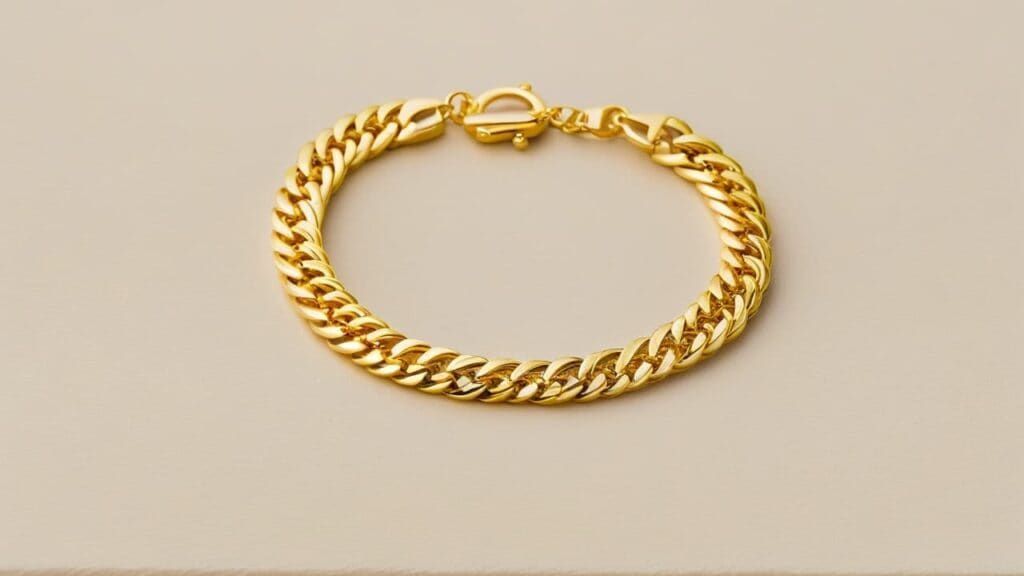
Consumers frequently encounter confusion about electroplated jewelry performance, maintenance requirements, and value propositions due to varying quality levels and inconsistent marketing information across the industry. These concerns span practical issues like expected lifespan and care requirements to safety questions about skin reactions and health implications. Addressing these common inquiries provides clarity for purchase decisions while establishing realistic expectations for ownership experiences based on scientific facts rather than marketing claims or misconceptions.
- How long does electroplated jewelry last? Lifespan expectations vary dramatically based on plating thickness, base metal quality, wear patterns, and maintenance practices, with flash plating lasting days to weeks, standard plating providing 6-18 months of acceptable appearance, and heavy plating maintaining quality for 2-5 years under normal conditions.
- Is electroplated jewelry safe to wear? Safety concerns about skin contact prove valid for individuals with metal sensitivities, particularly nickel allergies affecting 10-20% of the population, though quality electroplated pieces using sterling silver or surgical steel bases minimize reaction risks compared to unknown base metal compositions.
- Can electroplated jewelry get wet? Water exposure tolerance depends on plating type and thickness, with brief contact during hand washing generally acceptable but extended exposure to chlorinated pools, salt water, or hot shower steam causing accelerated coating deterioration and potential complete failure.
- Can electroplated jewelry be repaired? Re-plating feasibility exists for most pieces through professional services, with costs typically ranging 30-150 dollars per item depending on size, complexity, and metal type, though economic viability must be weighed against original purchase price and replacement alternatives.
- Why does my skin turn green with plated jewelry? Green skin discoloration indicates copper base metal exposure through worn plating rather than gold or silver reactions, occurring when thin coatings develop microscopic holes or wear spots that allow oxidized copper contact with skin moisture and acids.
- Does electroplated jewelry tarnish? Tarnishing behavior varies by plating metal, with silver-plated pieces developing dark oxidation when exposed to sulfur compounds while gold and rhodium platings resist tarnishing but may show base metal discoloration as coatings wear thin in high-contact areas.
- Can I have electroplated jewelry professionally cleaned? Professional cleaning services can damage electroplated jewelry through steam cleaning, ultrasonic treatment, or chemical baths designed for solid metals, making disclosure of plated construction essential before any professional maintenance to prevent coating removal or damage.
- Is electroplated jewelry a good investment? Investment value remains minimal for electroplated pieces due to thin precious metal content and lack of resale markets, making these purchases purely for personal enjoyment rather than financial assets with potential appreciation or recovery value.
- How can I tell if electroplated jewelry is good quality? Quality indicators include specific thickness measurements in microns, clear base metal identification, professional hallmarking, even color distribution, secure construction details, and manufacturer warranties covering premature coating failure or allergic reactions.
- Can I shower with electroplated jewelry? Shower safety depends on water temperature, soap types, and exposure duration, with lukewarm water and mild soaps generally acceptable for brief contact while hot water, harsh detergents, and extended exposure accelerate plating deterioration significantly.
- Can electroplated jewelry be fixed if it wears off? Repair limitations mean most jewelry service providers cannot restore electroplated pieces to original condition through polishing or refinishing techniques used on solid metals, as these processes remove rather than restore the thin precious metal coatings.
- Is it safe to sleep in electroplated jewelry? Sleep wearing considerations involve potential bedding damage from rough surfaces, increased sweating that accelerates metal leaching, and pressure points that can cause accelerated wear in contact areas, making removal before sleep advisable for plating preservation.
These frequently asked questions highlight the importance of consumer education for successful electroplated jewelry ownership. Proper expectations and care practices can maximize satisfaction and value, while unrealistic assumptions about performance or improper maintenance lead to disappointment and premature replacement needs that could have been avoided through better initial preparation.
How to Buy Quality Electroplated Jewelry
Successful electroplated jewelry purchases require strategic evaluation of quality indicators, vendor reliability, and total ownership costs rather than focusing solely on initial price comparisons. Smart buyers develop systematic approaches to assess plating specifications, construction quality, and manufacturer credibility while calculating long-term value including maintenance expenses and replacement timing. This comprehensive evaluation process helps avoid common purchasing mistakes that lead to disappointment, premature failure, or unexpected costs during ownership periods.
- Quality assessment begins with specific thickness measurements in microns, with reputable sellers providing exact specifications rather than vague terms like “thick plating” or “premium coating,” as precise measurements directly correlate to durability expectations and realistic lifespan projections for different wearing patterns.
- Base metal identification proves crucial for allergy prevention and longevity prediction, with sterling silver foundations offering superior performance and hypoallergenic properties compared to brass, copper, or unknown alloy compositions that may cause skin reactions or accelerated tarnishing through plating defects.
- Vendor evaluation requires research into manufacturer backgrounds, customer review patterns, return policies for allergic reactions, warranty coverage for premature coating failure, and availability of re-plating services that extend useful life beyond initial plating deterioration.
- Price analysis should calculate total cost of ownership including potential re-plating expenses every 1-3 years, replacement frequency based on wearing habits, and opportunity costs compared to investing similar amounts in higher-quality alternatives with longer service lives.
- Construction inspection reveals quality through even color distribution across all surfaces, secure findings and connections, smooth finish consistency, proper edge treatment, and absence of visible flaws like pitting, streaking, or color variations that indicate manufacturing defects.
- Specification verification involves asking sellers specific questions about plating thickness in microns, base metal composition and purity, plating process used, quality control standards, and testing methods employed to ensure consistent results across production batches.
- Brand reputation research includes investigating company history, manufacturing location, quality certifications, customer service responsiveness, and track record for honoring warranties or handling customer complaints related to premature coating failure or allergic reactions.
- Return policy examination ensures adequate protection for sizing issues, allergic reactions, or quality defects, with minimum 30-day return windows and clear procedures for exchanges or refunds without restocking fees or complex qualification requirements.
- Usage matching involves selecting appropriate plating types and thicknesses based on intended wearing frequency, with occasional-wear pieces suitable for standard plating while daily-wear items requiring heavy plating or alternative construction methods for acceptable longevity.
- Timing considerations include seasonal sales opportunities, special occasion planning, and replacement scheduling that anticipates coating wear patterns to avoid disappointment during important events when jewelry appearance matters most for personal or professional reasons.
- Professional consultation provides valuable guidance for expensive purchases, with qualified jewelers offering expertise in construction evaluation, quality assessment, and appropriate selection based on individual needs, preferences, and budget constraints that justify consultation fees.
- Documentation practices include retaining purchase receipts, warranty information, care instructions, and specification details that support future warranty claims, insurance documentation, or resale verification should circumstances change during ownership periods.
These purchasing strategies protect consumers from common electroplated jewelry pitfalls while maximizing value and satisfaction throughout ownership. Systematic evaluation takes more time than impulse buying but prevents expensive mistakes and ensures realistic expectations that lead to successful long-term jewelry experiences rather than disappointment and premature replacement needs.
Conclusion
Electroplated jewelry represents a sophisticated technology that successfully democratizes access to precious metal aesthetics while requiring informed consumer education for optimal satisfaction. The process combines genuine precious metals with scientific precision to create affordable luxury pieces that serve fashion jewelry, special occasions, and trend exploration effectively. Success with electroplated pieces depends entirely on realistic expectations about durability, proper care techniques, and appropriate application selection based on individual wearing patterns and maintenance capabilities.
The industry’s evolution toward sustainability, automation, and advanced materials ensures continued innovation in coating technologies, environmental compliance, and consumer safety standards. Modern electroplating achieves remarkable quality through digital controls and precise chemistry management, while emerging technologies like nanotechnology integration and AI-driven processes promise further enhancements in durability and consistency. However, the fundamental physics of ultra-thin precious metal layers means electroplated jewelry will always require different care approaches and have different longevity characteristics compared to solid metal alternatives.
Smart consumers who match electroplated jewelry to appropriate applications while following proper maintenance practices can achieve excellent value and satisfaction from these pieces. The key lies in selecting quality manufacturers, requesting specific thickness measurements, choosing suitable base metals for individual sensitivities, and maintaining realistic expectations about replacement timing. When properly matched to intended use patterns, electroplated jewelry provides an accessible pathway to luxury aesthetics that enhances personal style without the financial commitment required for solid precious metal investments.