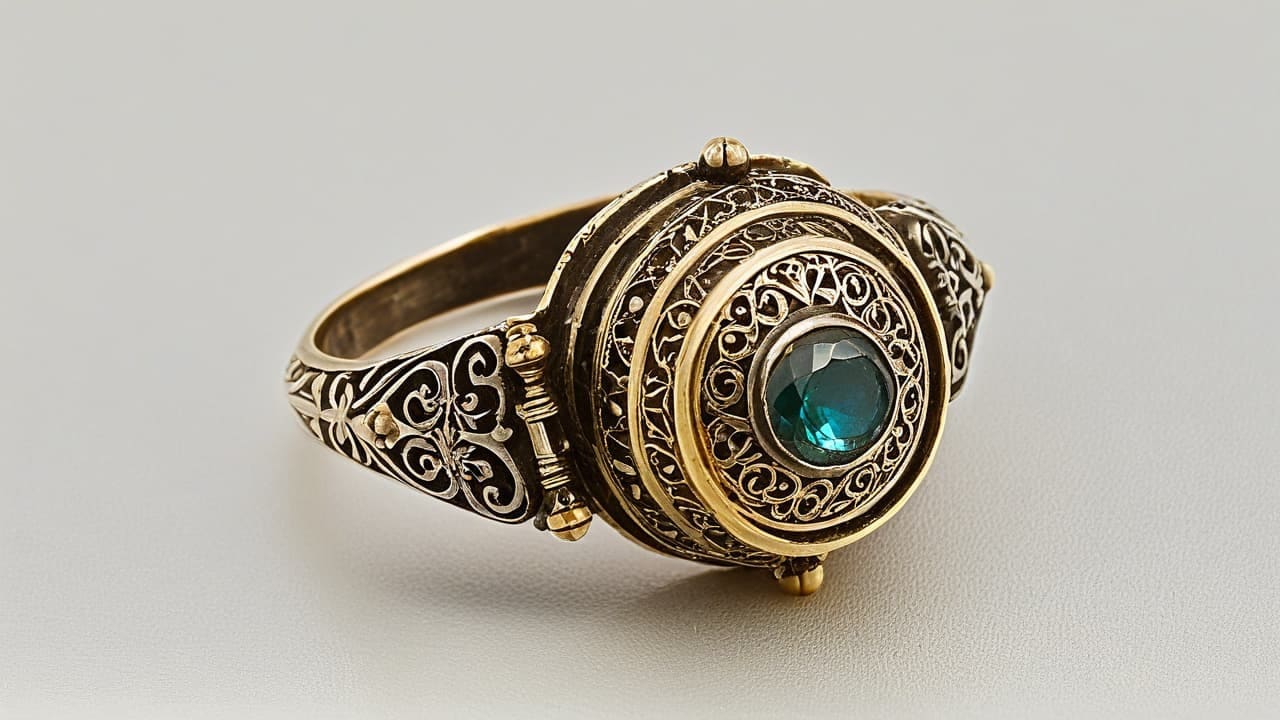
A poison ring is a piece of jewelry with a hidden compartment designed to conceal small objects or substances, though their deadly reputation comes more from legends than historical reality. These fascinating accessories originated in ancient India and the Far East as practical storage for perfumes, religious items, and personal keepsakes, later becoming symbols of Renaissance political intrigue when assassination fears gripped Italian courts. While popular culture has dramatized their use as murder weapons, historical evidence shows most poison rings actually held beneficial substances like medicines, prayer scrolls, and family mementos rather than deadly toxins. Today, these mechanically sophisticated pieces attract collectors seeking authentic antiques, serve as memorial jewelry for cremation ashes, and function as unique fashion statements that blend ancient craftsmanship with modern needs.
Ancient Origins of Secret Compartment Rings
Secret compartment rings started as everyday accessories in ancient cultures, not as the deadly weapons that movies and books make them out to be. Real historical evidence shows these rings served practical purposes for thousands of years before they became connected with poison and political intrigue. The idea that these rings were primarily used for murder comes mostly from Renaissance-era political propaganda and modern entertainment, while actual archaeological finds and historical documents tell a completely different story about their origins and uses. Most people who owned these rings used them to carry perfume, religious items, or personal keepsakes rather than deadly substances.
- Ancient civilizations in India and the Far East created these rings to solve a simple problem - people needed to carry small valuable items like religious tokens, medicine powders, and family keepsakes without losing them or having them stolen from neck pouches that were easy targets for thieves. These early rings spread along trade routes from Asia to the Mediterranean, where craftsmen improved the designs and made the hidden compartments more sophisticated. The rings became popular because they offered security and convenience that other storage methods couldn’t match, especially for travelers and merchants who needed to protect valuable small items during long journeys.
- Roman writers like Pliny the Elder wrote about government officials who kept poison in their rings, but they used it to kill themselves when facing torture or disgrace, not to murder other people - this shows how Romans saw these rings as a last resort for honor rather than weapons of attack. Emperor Heliogabalus owned a poison ring but was killed by his guards before he could use it, which suggests that even having one didn’t guarantee survival in dangerous political situations. Roman poison rings were considered a dignified way to avoid shame or torture, following Greek philosophical ideas about choosing death over dishonor when facing impossible circumstances.
- Hannibal, the famous Carthaginian general, became the most well-known poison ring user when he took his own life in 183 BC to avoid being captured by Romans, which created the template that many other military leaders would follow when facing defeat or capture. His death was well-documented by multiple Roman historians who respected his choice to die as a free man rather than be paraded through Rome as a prisoner, making his poison ring use one of the few cases where we have reliable historical sources. This event established poison rings as symbols of defiance and personal control rather than tools for attacking enemies.
- Archaeologists found real proof in 2013 when they dug up a bronze ring from the 1300s at a Bulgarian fortress - this ring belonged to a ruler named Dobrotitsa and had a small hole designed to be covered by the wearer’s finger, giving us actual physical evidence of how these rings worked. The discovery was important because it showed that medieval rulers actually owned and used these rings, not just legendary figures from stories. The ring’s construction revealed sophisticated metalworking skills and careful planning to make the compartment both functional and hidden, proving that medieval craftsmen had mastered the technical challenges of creating working secret compartments.
- Italian nobles during the 1400s-1600s wore these rings more like status symbols that showed they were prepared for dangerous politics, often filling them with antidotes, perfumes, or religious items rather than deadly substances, which made them look sophisticated and ready for anything. The rings became fashionable among wealthy families who wanted to show they could afford expensive custom jewelry and knew about the latest trends from other European courts. Many nobles collected multiple rings with different compartments for various purposes, treating them like luxury accessories rather than emergency weapons, which explains why so many survived to become family heirlooms.
- Stories from other cultures like Chinese “gu poison” and Indian “poison maidens” turned out to be mostly myths that people used to make certain ethnic groups look dangerous and mysterious, showing how fear and prejudice created legends that weren’t based on real facts. These stories spread through trade networks and diplomatic contacts, becoming more dramatic with each retelling until they bore little resemblance to actual practices. Modern research has found no archaeological or documentary evidence supporting these poison legends, suggesting they were created to make foreign cultures seem threatening and exotic to people who had never traveled outside their own regions.
The truth about poison rings reveals a fascinating story of practical innovation that got twisted into scary legends over time. While the Renaissance period did see some actual poison use during political conflicts, the vast majority of these rings served peaceful purposes like carrying medicine, perfume, or religious objects that people valued. The deadly reputation came mostly from political enemies who wanted to make their rivals look dangerous, combined with later writers who found poison stories more exciting than the reality of people carrying prayer scrolls and healing herbs in their jewelry.
Understanding How Secret Rings Function
The mechanical design of poison rings shows incredible skill from jewelers who had to solve difficult engineering problems using only hand tools and basic materials. Creating a working secret compartment in something as small as a ring required precise measurements, careful planning, and advanced metalworking techniques that took years to master. The compartments had to be big enough to hold useful amounts of material while staying completely hidden during normal wear, which meant jewelers needed to balance size, strength, and secrecy in ways that pushed the limits of what was possible with medieval and Renaissance technology. Different types of opening mechanisms evolved over time as craftsmen found better ways to make compartments that were easy for the owner to use but impossible for others to detect.
- Hinged compartment mechanisms became the most popular design because they offered reliable access while keeping the compartment completely sealed when closed, using 3-5 alternating metal knuckles connected by wire pins that were only 0.7mm in diameter and required precision filing to work smoothly. The hinges had to open and close hundreds of times without breaking or becoming loose, which meant jewelers used special techniques like progressive tempering to make the metal strong enough for repeated use. Creating these tiny hinges by hand required skills that took apprentice jewelers years to develop, since even small mistakes in the pin holes or hinge alignment would make the compartment impossible to open or keep it from closing properly.
- Twist-off mechanisms used fine threading with 0.5-0.8mm pitch that allowed the top section of the ring to unscrew and reveal a hollow chamber underneath, but this design required extremely precise cutting since the threads had to be strong enough to hold the ring together during normal wear while still being easy to twist open when needed. Master jewelers had to calculate the exact thread depth and spacing to prevent the mechanism from breaking under stress or becoming too tight to operate, often testing their designs dozens of times before creating the final piece. The threading process involved cutting spiral grooves by hand using specialized tools, with each thread having to match perfectly or the mechanism would jam or come apart at the wrong time.
- Sliding panel designs featured small sections that moved sideways to reveal hidden compartments, using spring-loaded systems or friction fits that kept the panels in place until the owner applied pressure in exactly the right spot and direction. These mechanisms required jewelers to create channels and guides inside the ring band that were invisible from the outside but allowed smooth movement of the sliding parts without getting stuck or falling out. The springs had to be made from hardened steel wire that was thin enough to fit inside the ring but strong enough to hold the panel securely closed, which meant jewelers often had to make their own spring wire by drawing and tempering metal to exact specifications.
- Rotating bezel systems allowed the decorative top of the ring to turn and reveal compartments hidden underneath gemstones or ornamental designs, using ball bearing systems made from tiny metal spheres or carefully shaped pivot points that enabled smooth rotation without visible gaps or wobbling. The rotating parts had to fit together with tolerances of less than 0.1mm to prevent the mechanism from binding or showing obvious seams that would give away the secret, requiring jewelers to use measuring tools and techniques that were incredibly advanced for their time period. Creating these mechanisms often took weeks of careful work, with jewelers repeatedly adjusting and testing each component until the rotation felt smooth and natural during normal ring wear.
- Compartment size limitations created major challenges since rings smaller than US size 6 could only hold tiny amounts of material while larger rings above size 12 became too heavy and obvious for daily wear, forcing jewelers to find creative ways to maximize storage space within these constraints. Most compartments measured between 10-20mm in diameter with depths of 2-8mm, providing storage volumes of 0.2-2.5 cubic centimeters, which was enough for small amounts of powder, tiny scrolls, or precious stones but not enough for large doses of most substances. The limited space meant that anything stored in these rings had to be extremely potent or valuable, which explains why most owners chose expensive perfumes, rare religious relics, or concentrated medicines rather than bulky items.
- Construction materials varied based on the owner’s wealth and the ring’s intended purpose, with luxury pieces made from 18k gold alloys that resisted corrosion and provided beautiful finishes, while more practical rings used sterling silver that was easier to work with and less expensive but required more maintenance to prevent tarnishing. The moving parts often used different metals than the main structure, with jewelers choosing harder alloys for springs and pivots that needed to withstand repeated stress while using softer metals for decorative elements that required detailed engraving or stone setting. Modern reproductions sometimes use advanced materials like titanium or specialized steel alloys that weren’t available to historical craftsmen, making these pieces stronger but less authentic than original designs.
The engineering behind poison rings demonstrates that medieval and Renaissance jewelers possessed remarkable technical skills that allowed them to create complex mechanical devices disguised as simple jewelry. These craftsmen solved problems that would challenge modern engineers, using only hand tools and basic materials to build mechanisms that could last for centuries while remaining completely hidden during normal use. The precision required for these projects meant that only the most skilled jewelers could create working poison rings, which explains why authentic historical examples are so rare and valuable today.
Different Types of Poison Rings and Styles
Different styles of secret compartment rings evolved to meet specific needs and preferences, with each design offering unique advantages for concealment, storage capacity, and ease of use. Jewelers developed these variations over centuries of experimentation, learning which mechanisms worked best for different types of contents and which designs could withstand daily wear while keeping their secrets safe. The choice of ring type often depended on what the owner planned to store, how often they needed access to the compartment, and whether they wanted the ring to look decorative or blend in with everyday jewelry. Each style required different manufacturing techniques and presented unique challenges for craftsmen who had to balance functionality with appearance.
- Locket rings featured heart-shaped, oval, or circular compartments that opened like tiny books to reveal storage space for photographs, locks of hair, or small keepsakes, making them popular choices for romantic gifts and memorial jewelry that helped people keep loved ones close. These rings typically used book-style hinges on one side with small clasps or magnetic closures on the other, allowing the compartment to open flat for easy access to contents without requiring the owner to turn the ring upside down or remove it completely. The compartments were often lined with soft materials like velvet or silk to protect delicate items, and many featured small windows or transparent covers that allowed viewing of contents without opening the mechanism, which made them perfect for displaying miniature portraits or precious stones.
- Signet rings with hidden compartments combined traditional family crests or personal seals with secret storage areas located beneath the decorative top, offering 18-25mm diameter chambers that provided the largest storage capacity available in ring-style jewelry. The compartments were typically accessed by lifting or rotating the signet face, which was designed to look like solid decoration but actually concealed sophisticated opening mechanisms that could hold substantial amounts of material. These rings were especially popular among nobility and wealthy merchants who needed to carry official seals for business while also having space for personal items, antidotes, or emergency medicines that might be needed during travel or dangerous political situations.
- Flip-top rings used spring-assisted mechanisms that allowed decorative covers to pop open when pressed in the right spot, revealing compartments that were quickly accessible but automatically closed to maintain secrecy during normal wear. The spring systems had to be carefully calibrated to open easily for the owner while staying closed during accidental bumps or pressure, requiring jewelers to test the tension repeatedly until they achieved the perfect balance between security and convenience. These rings were favored by people who needed frequent access to their compartments, such as those carrying medicines for chronic conditions or perfumes for regular use, since the quick-opening design made them practical for daily use without drawing attention.
- Sliding panel rings featured sections of the band that moved horizontally to reveal narrow compartments running along the sides or back of the ring, offering discrete access through panels that were virtually invisible when closed but provided easy entry when slid into the open position. The sliding mechanisms typically used tracks or channels cut into the inner structure of the ring, with the moving panels designed to travel 4-6mm before revealing the storage area, which was enough space to access the contents while keeping the mechanism small enough to hide. These designs were popular among people who wanted their rings to look completely normal from all angles, since the sliding panels could be positioned on the palm side of the ring where they would never be visible during social interactions.
- Twist-off rings separated into two pieces when the top section was rotated counterclockwise, revealing hollow chambers in either the top piece, bottom piece, or both sections, making them ideal for people who needed larger storage areas but didn’t mind the extra steps required for access. The threading systems used in these rings had to be strong enough to keep the pieces together during normal activities while still allowing easy separation when needed, which required precision cutting and careful attention to thread pitch and depth. Many twist-off designs included safety features like locking notches or spring-loaded mechanisms that prevented accidental separation, since losing half of the ring would make the compartment inaccessible and potentially reveal its existence to anyone who found the missing piece.
- Rotating bezel rings allowed the decorative stone or ornamental top to turn in place, revealing compartments hidden beneath the surface decoration or accessing storage areas through openings that aligned only when the bezel was positioned correctly. These mechanisms often used gemstones or decorative elements as covers for the compartments, making the rings look like expensive jewelry while hiding their secret functions behind beautiful facades that drew attention away from any mechanical elements. The rotating systems required precise engineering to ensure smooth movement without visible gaps or loose fitting that might give away the hidden mechanism, with many designs using ball bearing systems or polished pivot points that allowed silent operation even after years of use.
Each type of secret compartment ring offered different advantages depending on the owner’s specific needs and preferences. Locket rings provided the most protection for delicate items, signet rings offered maximum storage capacity, flip-top designs gave quick access, sliding panels maintained complete concealment, twist-off rings allowed larger compartments, and rotating bezels combined beauty with functionality. The variety of available designs meant that anyone could find a style that matched their requirements, whether they needed emergency storage, daily convenience, or simply wanted to own a piece of jewelry with hidden capabilities.
What People Really Put in Poison Rings
The actual contents of secret compartment rings throughout history tell a very different story than the deadly reputation these pieces gained over time. Historical records, archaeological findings, and estate inventories reveal that most owners filled their rings with beneficial substances, personal treasures, and practical items rather than lethal poisons. The small size of ring compartments made them perfect for storing concentrated perfumes, powdered medicines, and tiny precious objects, but this same limitation made it extremely difficult to carry enough poison to reliably kill someone without detection. Research into documented ring contents shows that people used these accessories for protection, health, spiritual comfort, and keeping meaningful connections to loved ones rather than planning murders.
- Perfumes and aromatic substances were among the most common ring contents since medieval and Renaissance cities had terrible smells from poor sanitation, animal waste, and industrial activities that made pleasant scents both practical and necessary for daily comfort. Ring compartments were perfect for solid perfumes, scented waxes, and aromatic powders that could be accessed quickly when passing through particularly foul-smelling areas or attending crowded events where body odors became overwhelming. Many wealthy people carried expensive imported scents like ambergris, musk, or rare flower essences that cost more than most people earned in a year, making the secure storage provided by secret compartments essential for protecting these valuable substances from theft or damage.
- Religious relics and spiritual items filled many compartment rings as people sought divine protection and comfort through physical connections to saints, holy sites, or sacred events that held deep meaning in their faith traditions. These rings often contained tiny bone fragments, hair, or fabric pieces from religious figures, along with blessed oils, holy water that had been dried into crystals, or small pieces of stone from sacred locations like Jerusalem or Rome. Prayer scrolls written on extremely thin paper or parchment could be rolled into tight cylinders and stored in ring compartments, allowing the faithful to carry specific prayers, Bible verses, or religious symbols that provided spiritual comfort during difficult or dangerous times.
- Personal mementos and family keepsakes made ring compartments into portable treasure boxes that helped people maintain emotional connections to loved ones, especially when separated by distance, death, or dangerous circumstances that made regular contact impossible. Locks of hair from children, spouses, or deceased family members were carefully preserved in these rings as tangible reminders of important relationships, while tiny portraits painted on ivory or metal provided visual connections to absent loved ones. Some rings contained small pieces of jewelry, coins, or other objects that had belonged to significant people, allowing the wearer to carry physical pieces of their personal history wherever they traveled.
- Medicinal substances and supposed antidotes reflected both genuine medical knowledge and widespread beliefs about poison protection that influenced how people tried to safeguard their health in dangerous political and social environments. Rings often contained bezoar stones, toadstones, or ground unicorn horn that people believed would heat up or change color when exposed to poison, providing early warning systems that might save their lives. Actual medicines included concentrated herbal preparations, powdered remedies for common ailments, and emergency treatments for conditions like heart problems or breathing difficulties that could strike suddenly and require immediate attention.
- Protective talismans and lucky charms filled compartments with objects that owners believed would provide supernatural protection against enemies, evil spirits, or dangerous situations that required more than human strength or wisdom to survive safely. These items included small crystals, carved symbols, blessed medals, or pieces of materials that had been touched by holy people or exposed to sacred events. Many rings contained written spells, magical formulas, or protective words in languages like Latin or Hebrew that were thought to have special power when carried close to the body.
- Emergency supplies and practical items turned ring compartments into miniature survival kits that could provide crucial help during unexpected problems or dangerous situations where normal resources weren’t available. Some rings contained tiny amounts of gold dust or small gemstones that could be used for bribes or emergency purchases, while others held needles, small tools, or other practical items that might be needed for repairs or problem-solving. Written information like addresses, passwords, or important instructions could be stored on small papers that provided vital knowledge when memory failed or circumstances became confusing.
- When actual poisons were present, they usually consisted of arsenic compounds, plant extracts like aconite or belladonna, or other substances that were chosen more for their availability and concentration than their effectiveness, since the tiny compartment sizes made it nearly impossible to store lethal doses that would work reliably. Most poison ring deaths in historical records involved suicide rather than murder, suggesting that even when people did carry deadly substances, they were more likely planning to use them on themselves as a last resort rather than trying to kill others. The technical challenges of disguising poison taste, ensuring proper dosage, and avoiding detection made assassination by ring poison extremely difficult and unreliable compared to other methods.
The reality of poison ring contents reveals that these accessories served as portable treasure chests, medicine cabinets, and spiritual comfort devices rather than weapons of murder. People filled them with things they valued most or needed most urgently, creating personalized collections of items that reflected their fears, hopes, beliefs, and relationships. The deadly reputation came largely from political propaganda and entertaining stories that were more exciting than the truth about people carrying perfume, prayers, and family photos in their jewelry.
Famous Poison Ring Legends and Stories
The most famous poison ring stories from history turn out to be a mixture of political propaganda, family rivalries, and entertaining fiction that grew more dramatic with each retelling over the centuries. Many of the most repeated tales about deadly rings come from enemies who wanted to destroy reputations or writers who found poison stories more exciting than the mundane reality of people carrying perfume and prayer scrolls. Separating fact from fiction in these legends reveals how fear, jealousy, and political competition created myths that became accepted as historical truth, even when actual evidence pointed in completely different directions. The gap between these famous stories and documented reality shows how legends can overshadow facts when the myths are more interesting than the truth.
- Lucrezia Borgia became the most famous poison ring legend despite having no reliable evidence connecting her to any actual poisoning deaths or secret compartment jewelry, with her deadly reputation created almost entirely by political enemies who wanted to discredit the powerful Borgia family. Historical records show she was actually a well-educated ruler who spoke six languages fluently, governed effectively as Duchess of Ferrara, and was genuinely loved by her subjects until her death in 1519 from childbirth complications. The poison stories began during her lifetime as political attacks from rival families, then grew into dramatic legends through 19th-century plays and operas that turned her into a fictional villain rather than preserving her actual historical record as a capable and generally peaceful leader.
- Cesare Borgia presents a more complex case since some evidence suggests he did own rings with secret compartments and made threatening comments about using “the power of the Lion” against enemies, though whether he actually used poison remains unverified by reliable sources. Unlike his sister, Cesare was genuinely involved in violent political conflicts and military campaigns that made poison use more plausible, but most accounts of his ring use come from sources written by people who hated the Borgia family. The confusion around Cesare’s poison activities shows how real political violence can become mixed with fictional elements until it becomes impossible to separate actual events from invented stories designed to make enemies look more dangerous than they really were.
- Chinese “gu poison” legends described rings containing substances created by sealing venomous creatures like snakes, scorpions, and centipedes in containers until they fought and died, supposedly producing super-concentrated toxins that could kill with tiny amounts, but modern research has found no evidence that such practices actually existed. These stories were often used to make minority ethnic groups look dangerous and mysterious to Han Chinese populations, serving political purposes rather than describing real poison-making techniques. The legends became more elaborate over time as they spread through different regions and cultures, eventually describing impossible feats like creating poisons that could kill from across rooms or substances that would make people love or hate specific individuals.
- Indian “vish kanya” or poison maiden stories claimed that women were fed small amounts of poison from infancy until their bodies became toxic to anyone who touched them intimately, with some versions describing special rings that enhanced their deadly powers, but no historical or medical evidence supports the possibility of such conditioning. These tales appear in ancient literature and folklore but seem to be entirely fictional, possibly created to explain mysterious deaths or to add dramatic elements to romantic stories. The poison maiden legends influenced European ideas about exotic Eastern practices and may have contributed to Western beliefs about sophisticated poisoning techniques that were supposedly common in Asian courts.
- Renaissance Italian court intrigue produced numerous poison ring stories that were probably based on real fears about political assassination but were greatly exaggerated by people who wanted to make their enemies look treacherous and dangerous. The competitive nature of Italian city-states during the 15th and 16th centuries created an atmosphere where poison accusations were common political weapons, regardless of whether actual poisoning had occurred. Many famous poison ring stories from this period come from sources written decades or centuries after the supposed events, making it difficult to determine which elements might be based on real incidents versus which parts were added by later writers who found poison tales more entertaining than boring political disputes.
- Literary and theatrical influences transformed historical poison ring legends into entertainment that became more famous than the actual events, with writers like Shakespeare, Victor Hugo, and others creating dramatic poison scenes that audiences remembered better than real history. Hugo’s 1833 play “Lucrèce Borgia” and Donizetti’s 1834 opera helped establish the image of Lucrezia Borgia as a master poisoner, even though these works were fiction rather than historical documentation. The entertainment versions of poison ring stories often included impossible elements like instant-acting toxins, undetectable poisons, or magical protection that made the tales more exciting but completely unrealistic from a scientific or historical perspective.
- Archaeological evidence contradicts many famous poison ring legends by showing that most surviving examples contained beneficial substances rather than deadly ones, with analysis of residues from authenticated historical rings revealing perfumes, medicines, and religious materials instead of toxic compounds. The physical evidence from museum collections and private estates demonstrates that poison ring ownership was much more common than poison ring use, suggesting that most people bought these accessories for their practical storage capabilities rather than their potential as weapons. Scientific analysis of ring contents has consistently failed to support the dramatic poison stories, indicating that the legends were based more on fear and imagination than on actual poisoning practices.
The famous poison ring stories reveal more about human psychology and political competition than they do about actual historical events. People created and believed these legends because they explained mysterious deaths, justified political attacks, and provided exciting entertainment that was more memorable than ordinary reality. The enduring popularity of these tales shows how myths can become stronger than facts when they serve emotional or political needs, creating false histories that overshadow the more mundane but more accurate stories of people using secret compartment rings for practical and personal purposes.
Contemporary Secret Compartment Ring Market
Today’s poison ring market has completely transformed from its historical origins, creating a diverse industry that serves collectors seeking authentic antiques, memorial jewelry customers processing grief, and fashion enthusiasts attracted to mysterious accessories with hidden capabilities. The modern market spans from handmade Etsy pieces costing twenty dollars to museum-quality antiques selling for tens of thousands, with contemporary artisans creating new interpretations that blend traditional craftsmanship with modern materials and techniques. This evolution shows how historical jewelry concepts can adapt to current needs while maintaining their appeal to people who appreciate both beauty and functionality in their accessories. The variety of available options means that anyone can find poison rings that match their budget, style preferences, and intended use.
- Contemporary artisan makers have revitalized poison ring production using both traditional hand techniques and modern tools to create pieces that honor historical designs while incorporating improvements in materials, mechanisms, and durability that weren’t available to medieval craftsmen. Companies like Peter Stone specialize in Celtic knotwork designs with secret compartments, while CultureTaste focuses on medieval and Byzantine-inspired pieces that appeal to historical reenactment enthusiasts and people who appreciate authentic period styling. Porter Lyons creates luxury versions using 14k gold with diamond accents that combine traditional compartment mechanisms with contemporary jewelry aesthetics, proving that poison rings can be both historically inspired and completely modern in their execution and appeal.
- Luxury designer interpretations have elevated poison rings into high-end fashion statements, with companies like Boucheron creating “Secret” rings featuring 270 rubies totaling 6.93 carats set in blackened 18k white gold with sophisticated rotating disc mechanisms that hide and reveal gemstones rather than storage compartments. These designer pieces cost tens of thousands of dollars and appeal to wealthy collectors who want unique jewelry that combines traditional mystery with contemporary luxury craftsmanship. The high-end market demonstrates that poison ring concepts can be adapted for people who value exclusivity and artistic innovation rather than historical authenticity or practical storage capabilities.
- Memorial jewelry applications represent one of the fastest-growing segments of the modern poison ring market, with specialized companies helping families create meaningful keepsakes that hold cremation ashes, hair, or other mementos from deceased loved ones in beautiful and discrete ways. Spirit Pieces has served over 150,000 families since 2014, offering 260+ design variations that allow customers to choose styles that reflect their personal taste while providing therapeutic value during grief processing. Ashes With Art brings 20+ years of UK experience to creating custom memorial pieces that help people maintain physical connections to deceased family members, pets, or friends through jewelry that can be worn daily without obvious signs of its memorial purpose.
- Online marketplace expansion has made poison rings accessible to global audiences through platforms like Etsy, which hosts thousands of listings from artisans worldwide offering handmade pieces starting at $20-50 for simple designs up to several hundred dollars for elaborate custom work. The democratization of poison ring availability means that people no longer need connections to exclusive jewelers or large budgets to own these historically significant accessories. Amazon, eBay, and specialty jewelry websites provide additional options for people seeking both authentic antiques and modern reproductions, though buyers need to research sellers carefully to ensure they receive quality pieces that match their expectations and intended uses.
- Collector market dynamics show strong demand for authenticated antique pieces, with 1stDibs marketplace averaging $4,356 for genuine historical examples that range from $495 for simple Victorian pieces to $42,000 for exceptional Renaissance or medieval specimens with documented provenance. PBS Antiques Roadshow regularly features poison rings valued between $5,000-$7,000, demonstrating sustained collector interest in pieces that combine historical significance with mechanical ingenuity. The collector market rewards authenticity, craftsmanship quality, historical documentation, and condition, making genuine antique poison rings solid investments that often appreciate in value while providing their owners with tangible connections to fascinating historical periods.
- Gothic and alternative fashion communities have embraced poison rings as statement accessories that express individual style while maintaining air of mystery that appeals to people who appreciate dark aesthetic elements without necessarily wanting to appear threatening or dangerous. These customers often prefer dramatic designs with skull motifs, blackened metals, or elaborate decorative elements that make bold visual statements while still functioning as practical jewelry for daily wear. The gothic market has encouraged artisans to experiment with unconventional materials like black titanium, oxidized silver, or unusual gemstone combinations that create striking appearances while maintaining the hidden compartment functionality that makes these rings special.
- Educational and museum shop markets provide opportunities for people to own poison ring reproductions that are based on authenticated historical examples but clearly marked as modern creations rather than antiques, allowing history enthusiasts to experience these accessories without the expense or responsibility of owning genuine artifacts. Museums often commission high-quality reproductions that demonstrate historical craftsmanship techniques while providing educational value about medieval and Renaissance jewelry making practices. These pieces serve as bridges between academic interest in historical accessories and personal desire to own and wear examples of sophisticated period jewelry that represents human ingenuity and artistic achievement.
The modern poison ring market successfully balances respect for historical traditions with contemporary needs and preferences, creating opportunities for people to connect with fascinating aspects of jewelry history while finding pieces that serve their current purposes. Whether someone wants a memorial keepsake, a conversation starter, an investment collectible, or simply an unusual accessory with hidden capabilities, today’s market provides options that would have amazed medieval craftsmen who created the original designs. This evolution demonstrates how timeless human desires for beauty, mystery, and functionality can adapt to changing times while maintaining their essential appeal across centuries and cultures.
How to Tell Real Antique Poison Rings from Fakes
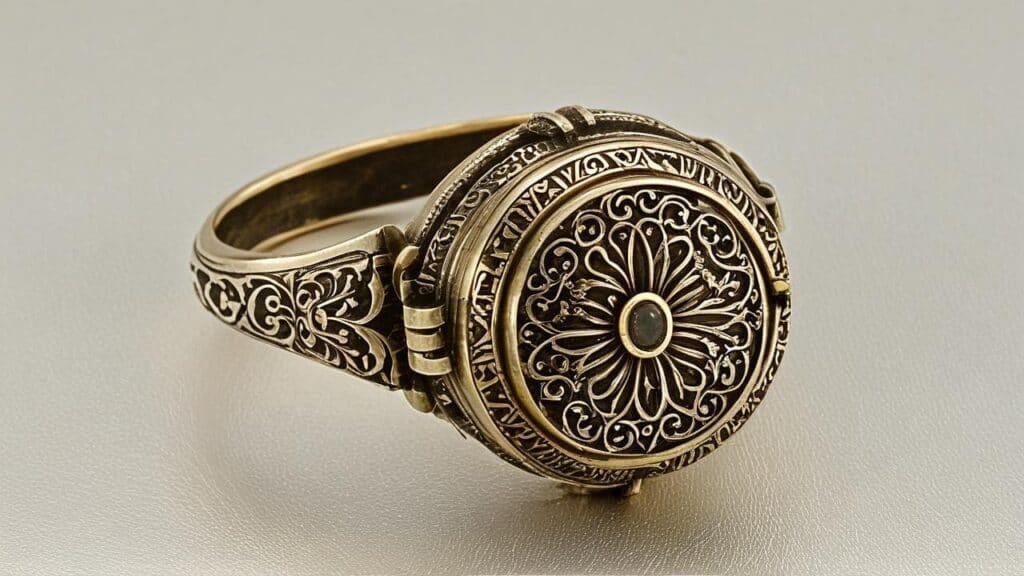
Determining whether a poison ring is genuinely antique requires careful examination of multiple factors including construction methods, materials, wear patterns, and hallmarks that can reveal the true age and origin of these historically significant pieces. The market for poison rings includes many modern reproductions and fantasy pieces marketed as antiques, making authentication skills essential for collectors who want to invest in genuine historical examples rather than contemporary imitations. Authentic antique poison rings show specific characteristics that result from hand craftsmanship, period-appropriate materials, and natural aging that modern manufacturers find difficult or impossible to replicate convincingly. Learning to recognize these authentic features helps collectors make informed decisions and avoid costly mistakes when purchasing pieces that may cost thousands of dollars.
- Construction technique analysis reveals the most reliable differences between authentic antiques and modern reproductions, since pre-1890 pieces show entirely handmade construction with characteristic irregularities, tool marks, and assembly methods that machine production cannot replicate accurately. Authentic medieval pieces from the 12th-15th centuries feature simple stirrup-style settings with hand-forged bands that show hammer marks and slight thickness variations, while Renaissance examples from the 15th-17th centuries display more elaborate bezels with sculptured shoulders and hand-applied enamel work that required specialized skills. Modern reproductions often show machine precision, uniform wall thickness, and perfectly symmetrical details that would have been impossible to achieve with historical hand tools and techniques.
- Hallmark examination provides crucial authentication evidence through purity marks like “750” for 18k gold or “925” for sterling silver, assay office symbols such as the lion passant for England or anchor for Birmingham, alphabetical date letter systems that indicate manufacture years, and maker’s marks showing craftsmen initials or workshop symbols. These marks typically appear inside ring bands, under bezels, on clasps, or behind decorative elements where they would be protected from wear but still accessible for verification. Authentic hallmarks show appropriate aging, correct positioning for their claimed periods, and proper relationships between different mark types, while fake hallmarks often appear too crisp, incorrectly placed, or inconsistent with known historical marking practices.
- Material analysis helps distinguish authentic pieces through examination of metal composition, gemstone types, and construction materials that were available during specific historical periods versus modern alternatives that didn’t exist until recent decades. Authentic antique rings use period-appropriate alloys with characteristic color, weight, and tarnishing patterns, while reproductions may contain modern metals like stainless steel, titanium, or contemporary gold alloys that have different properties than historical materials. Gemstones in authentic pieces show hand-cutting techniques, natural inclusions, and setting methods consistent with their claimed periods, while modern synthetic stones or machine-cut gems indicate recent manufacture regardless of the ring’s apparent age.
- Wear pattern evaluation reveals how genuine aging differs from artificial distressing applied to modern pieces, since authentic antique rings develop specific types of wear in predictable locations based on centuries of actual use rather than deliberate attempts to create aged appearances. Real wear appears gradually over time in areas of friction and contact, creating smooth polished surfaces, gentle edge rounding, and natural patina that develops slowly through chemical reactions with skin oils and environmental exposure. Artificial aging often looks too uniform, appears in unlikely locations, or shows signs of deliberate treatment like acid etching or mechanical abrasion that create different surface textures than natural aging processes.
- Mechanism functionality assessment examines how compartment opening systems work and feel, since authentic antique mechanisms show characteristic looseness, wear patterns, and operational quirks that develop through decades or centuries of use by previous owners. Original hinges may have slight play or require specific techniques to operate smoothly, while springs may have lost some tension but still function adequately for their intended purposes. Modern reproductions often have mechanisms that work too perfectly, show no signs of long-term use, or incorporate contemporary materials like modern spring steel or precision-machined components that weren’t available to historical craftsmen.
- Documentation and provenance research can provide supporting evidence for authenticity claims through family histories, estate records, museum deaccession papers, or other documentation that traces ownership back through time to establish legitimate historical connections. Authentic pieces often come with stories about previous owners, inheritance patterns, or historical events that can be verified through independent research into family records, historical archives, or museum collections. While documentation alone doesn’t guarantee authenticity, its presence adds credibility to authentication efforts and helps establish fair market values for pieces that can be connected to specific historical periods or notable previous owners.
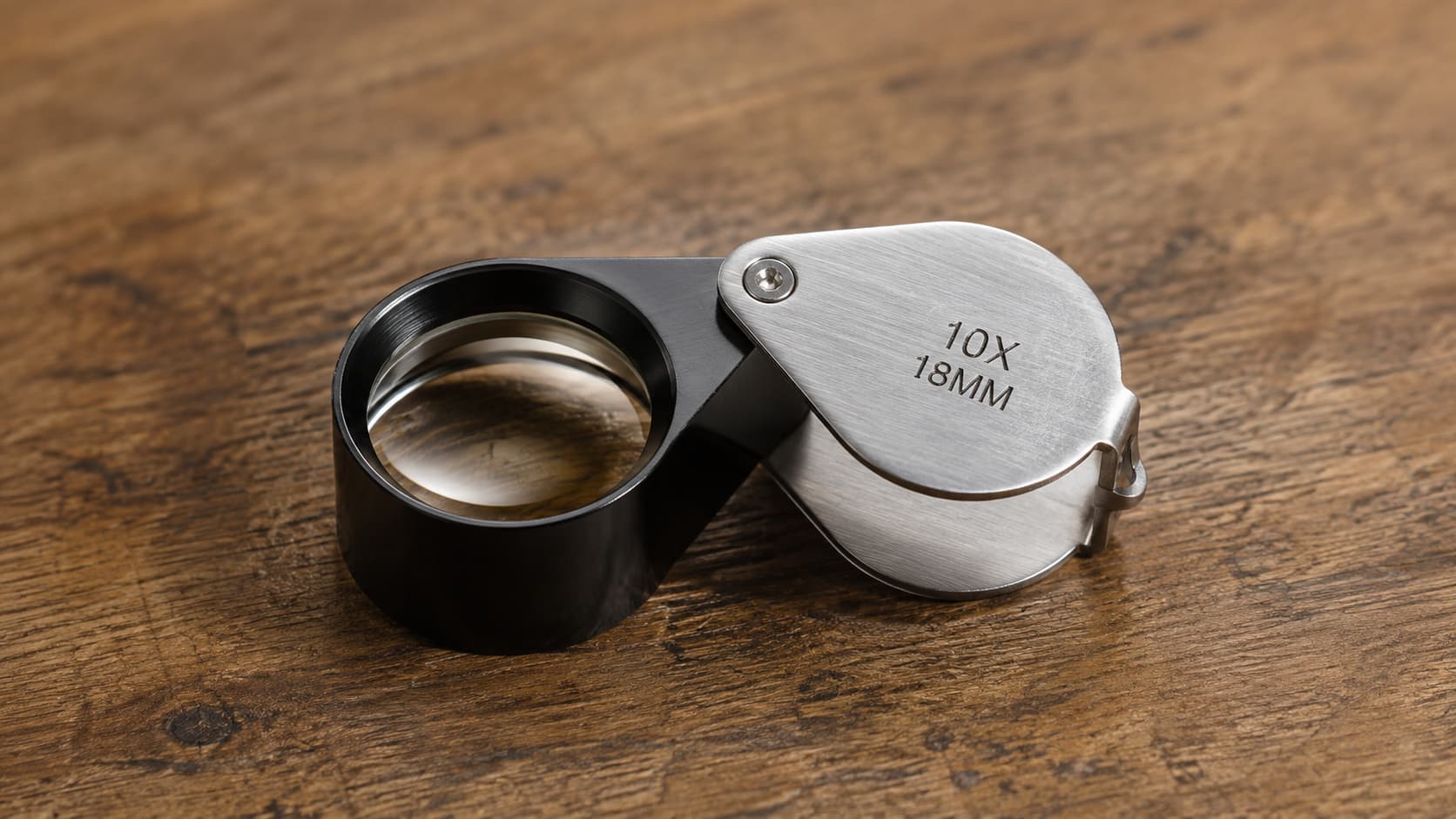
- Professional appraisal services offered by certified experts with National Association of Jewelry Appraisers credentials, Institute of Registered Valuers certification, or GIA gemological training provide authoritative opinions about authenticity, age, materials, and market value that can justify purchase decisions or insurance coverage. Professional appraisers use specialized equipment like microscopes, spectrometers, and hardness testing tools to examine pieces in ways that aren’t possible during casual inspection, often revealing details about construction, materials, or alterations that affect authenticity determinations. While professional appraisals cost $150-500 for complex evaluations, this investment can prevent much larger losses from purchasing misattributed or fraudulent pieces.
- Common reproduction warning signs include machine precision that appears too perfect for claimed periods, inappropriate materials like modern alloys or synthetic gemstones, inconsistent wear patterns that don’t match natural aging, incorrect hallmarks or missing authentication marks, and prices that seem too good to be true for genuine antique pieces. Reproductions often combine elements from different historical periods incorrectly, show construction techniques that weren’t available during their supposed manufacture dates, or display aging that appears artificial rather than natural. Buyers should be especially cautious of pieces offered without documentation, sold by dealers who can’t answer specific questions about historical details, or marketed with dramatic stories that can’t be verified through independent research.
Successful authentication of antique poison rings requires patience, knowledge, and often professional assistance to navigate the complexities of historical jewelry evaluation. Collectors who develop authentication skills through study, experience, and expert guidance can build valuable collections while avoiding the disappointment and financial losses that result from purchasing misrepresented pieces. The investment in learning proper authentication techniques pays dividends through improved collecting success and greater confidence when evaluating potential acquisitions in a market where genuine historical examples command premium prices.
Are Poison Rings Legal to Own and Collect?
The legal status of owning poison rings varies significantly between countries and jurisdictions, though most modern legal systems treat these historical accessories as collectible jewelry rather than regulated weapons or dangerous devices. Understanding the legal landscape helps collectors, inheritors, and casual buyers navigate potential restrictions while ensuring compliance with local laws that may affect ownership, sale, or transport of these historically significant pieces. The complexity of international regulations means that legal considerations can change dramatically depending on location, intended use, and specific circumstances surrounding acquisition or possession. Most legal issues arise from misunderstandings about what poison rings actually are rather than from deliberate attempts to use them for harmful purposes.
- United States federal regulations place no specific restrictions on poison ring ownership as collectible items, treating them the same as other antique jewelry pieces that may have historical associations with weapons or dangerous practices but pose no current threat when used as intended. The Federal Trade Commission requires accurate labeling for precious metal content and country of origin, while interstate commerce must comply with standard jewelry industry regulations regarding material claims and authenticity representations. Individual states may have additional requirements, with California enforcing Proposition 65 lead content restrictions that affect vintage jewelry sales, though these rules apply to lead levels rather than the presence of secret compartments or historical associations with poison use.
- International ownership considerations become more complex when crossing borders or purchasing from foreign dealers, since European Union REACH compliance affects jewelry imports and sales, requiring documentation of material composition and safety certifications for certain metal alloys or surface treatments. The Hallmarking Convention provides standardized authentication requirements for precious metal items traded between member countries, while individual nations maintain their own import/export regulations that may affect antique jewelry transactions. Travelers should research destination country regulations before carrying valuable antique rings across international borders, since customs officials may question unusual or historically significant pieces that appear suspicious without proper documentation.
- United Kingdom regulations follow the Hallmarking Act 1973 for precious metal authentication but place no ownership restrictions on historical poison rings as collectible items, though dealers must provide accurate descriptions and cannot make false claims about age, materials, or authenticity that might constitute fraud. British law treats these pieces as antique jewelry subject to standard consumer protection regulations, with additional requirements for dealers who sell items valued above certain thresholds or who make specific historical claims about provenance or previous ownership. The UK’s robust antique trade infrastructure provides established legal frameworks for poison ring transactions that protect both buyers and sellers when deals are conducted through recognized channels.
- Modern safety protocols recommend treating any newly acquired antique poison ring as potentially contaminated with unknown substances until professional cleaning can ensure safety, since historical residues might include materials that were harmless in small quantities centuries ago but could cause problems if disturbed or concentrated through handling. Professional jewelers can safely clean compartments using appropriate solvents and protective equipment, while owners should avoid direct contact with compartment interiors until cleaning is complete. Contemporary safety standards also emphasize proper ring sizing to prevent injury from stuck rings, activity restrictions during sports or manual labor, and regular inspection of mechanical components that might fail and cause injury or property loss.
- Airport security and travel considerations can create complications for poison ring owners who want to carry valuable pieces during travel, since TSA agents and international security personnel may question jewelry with obvious compartments or unusual mechanical features that could conceal prohibited items. Travelers should carry documentation proving the historical nature and legitimate ownership of antique pieces, while avoiding any appearance of attempting to conceal the ring’s special features from security personnel. Some collectors prefer to ship valuable antique rings separately rather than risk damage, loss, or confiscation during travel, especially when crossing international borders where different security procedures may apply.
- Insurance and legal liability issues affect poison ring ownership through homeowner’s policies that may require additional coverage for valuable antique jewelry, professional appraisals for items worth more than standard policy limits, and specific documentation proving authenticity and ownership in case of theft or damage claims. Some insurance companies request detailed photographs, professional appraisals, and security measures for high-value antique jewelry collections, while others may exclude coverage for items associated with weapons or dangerous devices unless specifically scheduled. Legal liability concerns are minimal for legitimate collectors who use these pieces as intended, though owners should ensure that any contents are harmless and that the rings are kept secure from unauthorized access.
- Ethical collecting practices encourage buyers to research the provenance of antique poison rings to ensure they aren’t purchasing stolen property, supporting dealers who follow established authentication procedures, and avoiding transactions that seem designed to circumvent legal requirements or documentation standards. Responsible collectors work with reputable dealers who provide accurate descriptions, fair return policies, and proper documentation for valuable pieces, while avoiding sellers who make unrealistic claims or pressure buyers into quick decisions. The antique jewelry community benefits when collectors support ethical practices that preserve historical artifacts and maintain market integrity through honest dealing and accurate representation.
- Documentation requirements for legal ownership typically include purchase receipts showing legitimate acquisition, professional appraisals establishing authenticity and value, insurance records proving proper coverage, and any available provenance information tracing previous ownership through legitimate channels. Estate inheritances may require additional documentation such as wills, probate records, or family attestations proving legal transfer of ownership, especially for valuable pieces that might be subject to estate taxes or inheritance disputes. Proper documentation protects owners from accusations of possessing stolen property while supporting insurance claims and resale transactions that require proof of legitimate ownership.
The legal landscape surrounding poison ring ownership generally favors collectors and enthusiasts who treat these pieces as historical artifacts rather than functional devices, with most regulations focusing on standard jewelry industry concerns rather than special restrictions related to their historical associations. Understanding applicable laws helps owners enjoy their collections while avoiding legal complications that could arise from misunderstanding or non-compliance with relevant regulations. The key to legal ownership lies in treating poison rings as the historical jewelry pieces they actually are rather than as weapons or dangerous devices that might require special handling or restrictions.
Poison Ring Cleaning and Storage
Taking care of a secret compartment ring needs more attention than regular jewelry because these pieces have moving parts and hidden spaces that can get damaged if you don’t handle them properly. The springs, hinges, and sliding pieces inside these rings are delicate and can break or stop working if they get dirty, wet, or handled too roughly. Good care keeps your ring looking nice and working correctly while protecting its value as a collectible or family treasure. Simple daily habits and basic maintenance can prevent expensive repairs and keep your ring in good condition for many years.
- Clean your ring gently using a soft toothbrush and warm soapy water, but never let water get inside the compartment since moisture can cause rust or damage to the moving parts that make the secret opening work. Dry the ring completely with a soft cloth after cleaning and make sure no soap residue is left in any cracks or joints where it could build up over time. If your ring has gemstones, be extra careful since some stones can be damaged by soaking or certain cleaning products that are safe for metal but harmful to delicate gems.
- Store your ring in a safe place away from other jewelry that could scratch it, using a soft pouch or individual compartment in a jewelry box that protects it from dust and accidental damage. Keep the ring away from extreme heat, cold, or humidity changes that could make the metal expand and contract enough to affect how well the mechanism works. Never store your ring where it might get bumped around or where the secret compartment could accidentally open and spill out anything you have stored inside.
- Check your ring regularly by looking for loose stones, worn spots, or moving parts that don’t work as smoothly as they should, since catching problems early can prevent bigger damage that costs more to fix. Test the opening mechanism gently once in a while to make sure it still works properly, but don’t open and close it too often since this can wear out the parts faster than necessary. If you notice any problems like sticking, grinding sounds, or parts that feel loose, stop using the mechanism and take the ring to a professional jeweler who knows how to work on antique pieces.
- Take your ring off during activities like sports, cleaning, swimming, or working with your hands since these activities can expose the ring to chemicals, impacts, or conditions that could damage both the ring and its delicate internal parts. Remove the ring before using hand lotions, perfumes, or cleaning products that could get into the mechanism and cause problems with how it works. Be especially careful around chlorine from pools or hot tubs since this chemical can seriously damage many types of metal and gemstones used in jewelry.
- Have your ring professionally cleaned and inspected once a year by a jeweler who has experience with antique or mechanical jewelry, since they can spot problems that you might miss and perform maintenance that requires special tools or knowledge. Professional cleaning can safely remove built-up dirt and oils from inside the mechanism without damaging delicate parts, while professional inspection can catch wear or damage before it becomes serious enough to require expensive repairs. Keep records of any professional work done on your ring along with photos and appraisals that document its condition and value.
- Handle your ring carefully by avoiding drops, impacts, or putting too much pressure on the moving parts, since these delicate mechanisms weren’t designed to handle rough treatment or excessive force. Make sure your ring fits properly so it won’t fall off accidentally but isn’t so tight that it could get stuck if your finger swells, since emergency removal might require cutting the ring and could damage it permanently. Store any documentation about your ring including purchase receipts, appraisals, and insurance information in a safe place separate from the ring itself.
- Know what to do if your ring gets stuck on your finger by trying gentle soap and water first, then cold water to reduce swelling, but don’t force it or use tools that could injure you or damage the ring. If home methods don’t work, go to a jeweler or emergency room where professionals can remove the ring safely using proper tools and techniques that minimize damage to both you and the ring. Emergency removal might require cutting the ring, but this is better than injury and most rings can be repaired by skilled jewelers even after being cut for removal.
Taking good care of your secret compartment ring means treating it like the special mechanical jewelry it is rather than just ordinary jewelry that can handle rough treatment. Simple daily care habits, regular professional maintenance, and careful handling will keep your ring working properly and looking beautiful while protecting its value as a historical artifact or family heirloom. The extra effort required for proper care is worth it to preserve these remarkable pieces that combine beautiful jewelry with fascinating mechanical engineering from skilled craftsmen of the past.
Best Places to Shop for Secret Compartment Rings
The modern marketplace for poison rings offers numerous acquisition channels that cater to different budgets, authenticity requirements, and personal preferences, making these historically fascinating accessories available to anyone from casual collectors to serious investors seeking museum-quality pieces. Today’s buyers can choose between authentic antiques with documented provenance, high-quality reproductions that capture historical accuracy, contemporary interpretations that blend traditional concepts with modern design, and handmade artisan pieces that offer unique variations on classic themes. The variety of available sources means that finding the right poison ring requires understanding the differences between various market segments and knowing which dealers or platforms best serve specific collecting goals and budget constraints.
- Online marketplaces provide the largest selection and most accessible entry point for poison ring acquisition, with Etsy hosting thousands of listings from global artisans offering handmade pieces starting around $20-50 for simple designs and extending to several hundred dollars for elaborate custom work that incorporates precious metals and gemstones. eBay offers both modern reproductions and claimed antique pieces, though buyers must exercise caution since authentication can be difficult through online photographs alone and return policies may not protect against misrepresented items. Amazon carries mainly contemporary reproductions and fantasy pieces designed for costume jewelry use rather than serious collecting, while specialized platforms like Ruby Lane and Collectors Weekly focus on authenticated vintage and antique pieces with better documentation and seller verification standards.
- Auction houses and estate sales represent prime opportunities for acquiring authentic antique poison rings, with established firms like Bonhams, Skinner, and regional auction companies regularly featuring estate jewelry lots that may include secret compartment rings from deceased collectors or family inheritances. Estate sales often provide the best values since families may not recognize the significance or rarity of poison rings among other jewelry items, though buyers need knowledge and quick decision-making skills to succeed in competitive bidding environments. Preview days at auction houses allow hands-on examination of pieces before bidding, providing opportunities to assess authenticity, condition, and value that aren’t available through online-only sales channels.
- Antique dealers and specialty jewelry shops offer curated selections with the advantage of established reputations, return policies, and often some level of authentication or guarantee that provides buyer protection against misrepresented items. Dealers who specialize in Victorian, Edwardian, or Renaissance jewelry are more likely to carry authentic poison rings and have the expertise to provide accurate information about age, materials, and historical context. Building relationships with reputable dealers can lead to advance notice of newly acquired pieces and access to items that may not reach general market advertising, though prices from established dealers typically reflect their expertise and overhead costs.
- Jewelry shows and antique fairs provide opportunities to examine multiple dealers’ inventories in single locations while allowing direct negotiation and hands-on inspection that isn’t possible through online purchases. Major shows like the Original Miami Beach Antique Show, Brimfield Antique Flea Markets, or specialized jewelry exhibitions attract dealers who travel with their best pieces and may offer show-only pricing or special arrangements for serious buyers. These events also provide educational opportunities through interactions with knowledgeable dealers who can share information about historical periods, construction techniques, and market trends that help buyers develop expertise for future acquisitions.
- Contemporary artisan makers offer custom poison rings that combine traditional concepts with modern materials, techniques, and design sensibilities that appeal to buyers who want functional secret compartment jewelry without the expense or responsibility of owning genuine antiques. Companies like Peter Stone provide Celtic-inspired designs, CultureTaste specializes in medieval and Byzantine styles, and Porter Lyons creates luxury pieces using precious metals and gemstones that rival antique quality while offering modern reliability and customization options. Custom work allows buyers to specify ring sizes, compartment dimensions, decorative elements, and mechanical features that match their specific preferences and intended uses.
- Museum shops and educational institutions sell high-quality reproductions that are clearly marked as modern creations but offer excellent craftsmanship based on authenticated historical examples from their collections. These pieces provide opportunities to own and wear poison rings inspired by genuine artifacts without the cost or conservation concerns associated with authentic antiques, while supporting museum education and research programs. Museum reproductions often include detailed information about the historical pieces they’re based on, providing educational value that enhances appreciation for the craftsmanship and cultural significance of original examples.
- International sources expand acquisition opportunities through European dealers who have access to pieces from different regional traditions, with British dealers often carrying pieces from estate sales and private collections that may not appear in American markets. French and Italian dealers sometimes offer rings from local historical traditions or family collections that provide unique regional characteristics and construction techniques. International purchasing requires additional considerations for shipping, customs, authentication, and return policies, but can provide access to pieces that aren’t available through domestic sources.
- Professional networks and collector communities provide insider access to private sales, estate liquidations, and dealer-to-dealer transactions that may offer better pieces or prices than general market channels. Joining organizations like jewelry collector clubs, historical societies, or specialized forums can provide access to knowledge, authentication resources, and acquisition opportunities that aren’t available to casual buyers. Networking with other collectors often leads to tips about upcoming sales, recommendations for reputable dealers, and opportunities to learn from experienced collectors who can share hard-won expertise about authentication, valuation, and care techniques.
- Specialized authentication services help buyers verify the age, materials, and authenticity of potential purchases before completing transactions, reducing the risk of costly mistakes when dealing with high-value pieces or unfamiliar sellers. Professional appraisers can examine pieces in person or through detailed photographs to provide opinions about authenticity, age, materials, and fair market value that justify purchase decisions or insurance coverage. Investment in professional authentication often pays for itself by preventing purchases of misrepresented items or by confirming exceptional value in pieces that might be underpriced due to seller ignorance.
The diversity of available acquisition channels means that anyone interested in poison rings can find sources that match their knowledge level, budget constraints, and collecting goals. Success in acquiring quality pieces requires understanding the strengths and limitations of different market segments while developing the expertise needed to evaluate authenticity, condition, and value across various price ranges and dealer types. Whether seeking genuine historical artifacts or contemporary interpretations, buyers who invest time in learning about sources, authentication, and market dynamics can build satisfying collections while avoiding the pitfalls that trap uninformed purchasers in a complex and sometimes deceptive marketplace.
Conclusion
Poison rings represent a remarkable intersection of historical intrigue, technical craftsmanship, and contemporary meaning that transcends their sensationalized reputation built on centuries of political propaganda and entertaining fiction. While the dramatic stories of Renaissance poisoners largely remain myths created by family enemies and ambitious writers, the genuine history reveals sophisticated jewelry engineering serving practical, spiritual, and emotional needs across diverse cultures and time periods. From ancient Indian origins as discrete storage solutions through Roman suicide rings to today’s memorial jewelry helping families process grief, these secret compartment rings demonstrate humanity’s enduring desire to keep meaningful objects close while maintaining elegance and privacy.
The technical mastery required to create functional poison rings showcases remarkable craftsmanship that pushed the boundaries of what was possible with hand tools and basic materials, resulting in mechanical marvels disguised as simple jewelry that could operate reliably for centuries. Modern authentication techniques reveal that most historical examples contained beneficial substances like perfumes, medicines, religious relics, and personal mementos rather than deadly poisons, with actual poison use remaining exceptionally rare and typically limited to suicide rather than murder. This reality makes poison rings even more fascinating as windows into daily life, spiritual beliefs, and emotional connections that mattered most to people throughout history.
Today’s diverse market successfully bridges historical authenticity with contemporary needs, offering options ranging from museum-quality antiques for serious collectors to custom memorial pieces that help modern families maintain connections to deceased loved ones through beautiful and functional jewelry. Whether seeking authentic artifacts as historical investments, commissioning custom pieces for personal meaning, or simply appreciating the mechanical ingenuity of these remarkable accessories, poison rings continue evolving to serve modern purposes while preserving their mysterious appeal. The enduring fascination with these pieces proves that human desires for beauty, secrecy, and meaningful connections remain constant across centuries, making poison rings as relevant today as they were to ancient craftsmen who first concealed treasures within elegant metal bands.