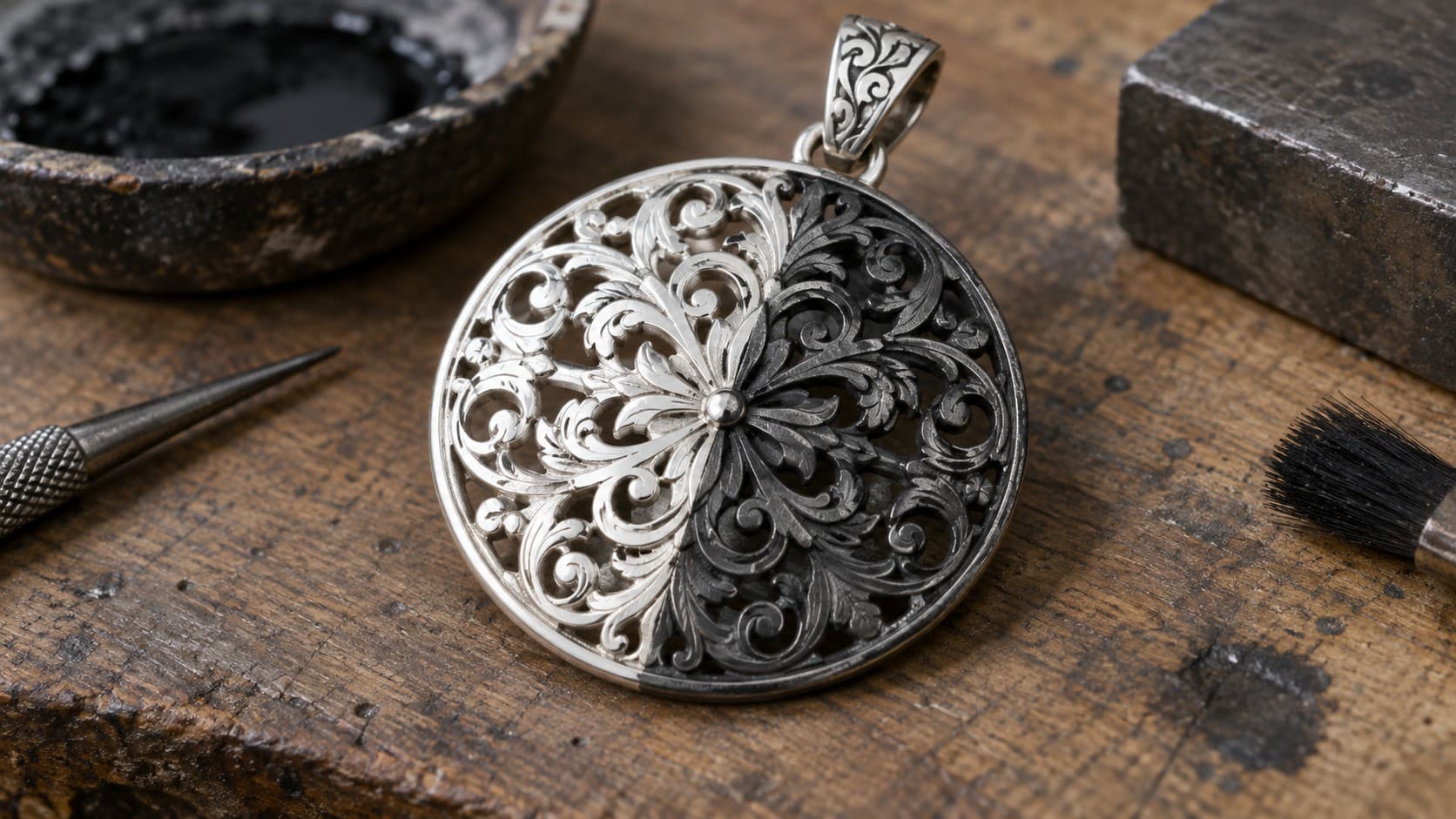
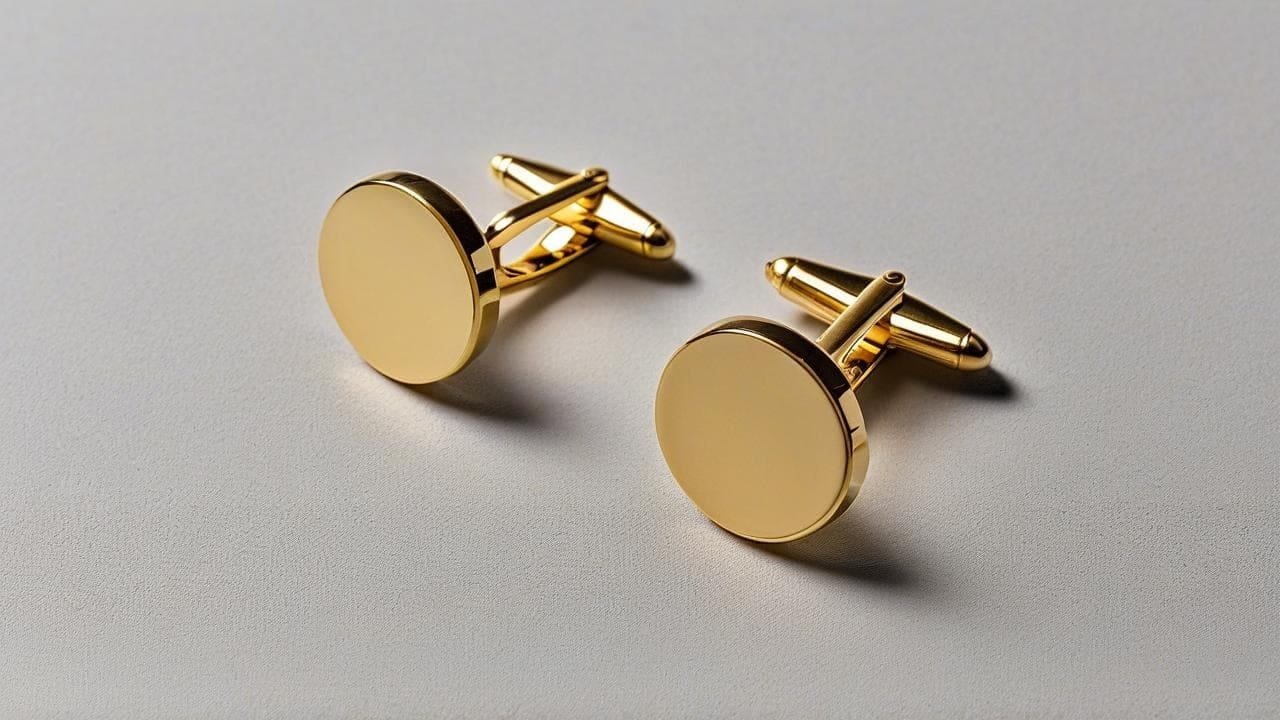
Physical Vapor Deposition (PVD) coating has revolutionized the jewelry industry by offering superior durability and stunning color options while maintaining a thin, lightweight profile. This advanced technology creates exceptionally hard, scratch-resistant finishes that far outlast traditional plating methods while providing vibrant, consistent colors previously difficult to achieve. PVD is becoming increasingly popular in fine jewelry as consumers recognize its benefits: longer-lasting beauty, hypoallergenic properties, and environmentally friendly production compared to traditional methods.
Understanding PVD Coating
Physical Vapor Deposition represents one of the most significant advancements in jewelry finishing technology in recent decades. This sophisticated process creates remarkably thin yet incredibly durable coatings that bond at the molecular level with base materials. Originally developed for industrial applications like aerospace components and cutting tools, PVD has found its way into the jewelry industry due to its ability to create vibrant, consistent colors while providing exceptional wear resistance. Unlike traditional electroplating methods, PVD is environmentally friendly and produces finishes that maintain their appearance for years with minimal maintenance, making it an increasingly popular choice for both jewelry manufacturers and consumers seeking lasting beauty.
- PVD coating technology was first developed in the 1960s for industrial applications but only became widely used in jewelry starting in the early 2000s when equipment became more accessible to jewelry manufacturers.
- The process creates extremely thin films measuring 0.1-5 micrometers while offering hardness ratings of 2000-3000 Vickers, significantly harder than most electroplated finishes which typically achieve only 200-600 Vickers hardness.
- PVD is considered environmentally responsible as it produces minimal waste and doesn’t use toxic chemicals like cyanide or heavy metals commonly found in traditional plating processes, making it safer for workers and the environment.
- The technology enables jewelry designers to create previously impossible color options, including rich blacks, rainbow effects, rose gold, and blue-tinted metals that maintain color consistency even with daily wear.
- The coating’s molecular-level bond with the base material creates superior adhesion compared to electroplating, resulting in finishes that don’t chip, flake, or wear through as easily over time.
PVD coating has transformed how jewelry designers approach color and durability, allowing for creative expression beyond what traditional metal finishes can achieve. While initially most common in watches and men’s jewelry, the technology has expanded across all jewelry categories as consumers recognize its benefits and manufacturers continue refining the process for greater consistency and color range. The investment in PVD equipment remains significant for manufacturers, but the superior results have made it worthwhile for creating premium jewelry pieces with lasting beauty.
How Physical Vapor Deposition Works in Jewelry
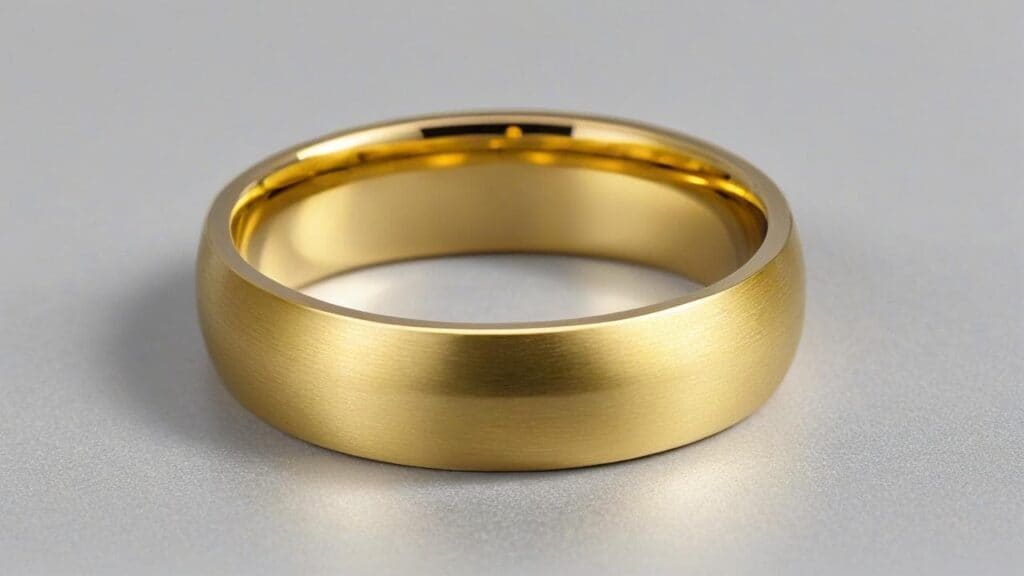
PVD coating is a sophisticated process where solid materials are vaporized in a vacuum chamber and then deposited as an extremely thin film onto jewelry or other objects. At its core, the process involves converting a solid material—typically metals like titanium, zirconium, or chromium—into a vapor that then condenses onto the target surface as a thin, uniform coating. This creates an exceptionally strong bond at the molecular level rather than simply layering material on top as with traditional plating methods. The result is a remarkably durable finish that adds minimal weight or thickness to the jewelry while providing enhanced protection against scratches, tarnish, and corrosion.
- PVD coating is not paint or a simple surface treatment—it’s an atomic-level process where individual atoms of the coating material bond directly to the atoms of the jewelry piece, creating a finish that becomes an integral part of the item.
- The coating thickness typically ranges from 0.1 to 5 micrometers, about 15-750 times thinner than a human hair, allowing the coating to add protection without changing the dimensions or feel of delicate jewelry pieces.
- Common coating materials include titanium nitride for gold colors, titanium carbonitride for rose gold effects, zirconium nitride for brass-like tones, and diamond-like carbon for black finishes.
- Unlike traditional plating which can wear through to reveal a different color underneath, PVD coatings typically maintain their appearance even as they gradually wear, showing fewer obvious signs of aging.
- The hardness of PVD coatings makes them 4-5 times more scratch-resistant than standard electroplated finishes and even harder than many of the base metals used in jewelry.
- The process works on most common jewelry metals including stainless steel, titanium, silver, and gold, though the quality of the final result depends significantly on proper surface preparation of the base material.
PVD coating has become the premium choice for creating durable colored finishes in the jewelry industry, especially for pieces that face daily wear or need to maintain their appearance with minimal maintenance. While the coating isn’t completely impervious to damage from harsh chemicals or extreme abrasion, it significantly outperforms traditional plating methods in longevity and resistance to everyday wear. For consumers, this translates to jewelry that maintains its beautiful appearance for years rather than months, making PVD-coated pieces excellent choices for both special occasion and everyday jewelry.
The PVD Process
The PVD coating process takes place in a specialized vacuum chamber where science and precision engineering come together to create exceptional finishes. The fundamental principle involves three key stages: evaporation, where the coating material converts from solid to vapor; transportation, where the vaporized atoms travel through the vacuum; and condensation, where the vapor solidifies on the jewelry surface. This process occurs in a controlled environment free from atmospheric gases that could interfere with the pure deposition, allowing for consistent, high-quality results with precise color control and exceptional adhesion properties.
- The process begins with thorough cleaning of the jewelry pieces to remove all contaminants, oils, and oxidation—a critical step as even microscopic impurities can prevent proper adhesion of the coating.
- The jewelry is placed in a specialized vacuum chamber where the air is removed until pressure reaches approximately one billionth of normal atmospheric pressure, creating an environment where atoms can travel freely without colliding with air molecules.
- Within this vacuum chamber, the source material is energized using methods such as an electron beam, electric arc, or plasma, causing it to gradually transform from solid into vapor.
- As the metal vaporizes, reactive gases like nitrogen or carbon-containing compounds may be introduced to form compounds such as titanium nitride or diamond-like carbon, which create specific colors and properties.
- The vaporized atoms travel through the vacuum and strike the surface of the jewelry with considerable energy, creating a bond that’s significantly stronger than adhesion in traditional plating processes.
- The jewelry is typically rotated during the process to ensure even coverage on all surfaces, with the entire procedure carefully monitored and controlled to achieve the desired coating thickness and properties.
- Depending on the complexity and requirements, the process may take anywhere from 30 minutes to several hours to complete, with temperature, pressure, and gas mixture precisely controlled throughout.
The scientific principles behind PVD coating have remained consistent since its development, but advances in equipment, monitoring technology, and process control have dramatically improved the quality and consistency of results. Modern PVD chambers can precisely replicate colors and finishes across multiple production runs, ensuring that jewelry manufacturers can maintain consistent quality. The resulting coating forms a permanent part of the jewelry piece, providing protection and color that will last throughout years of normal wear without the environmental concerns associated with many traditional plating processes.
Different PVD Coating Methods
While all PVD techniques share the fundamental principle of vapor deposition in a vacuum, several distinct methods have evolved to meet different jewelry finishing requirements. Each approach offers particular advantages in terms of adhesion quality, coating uniformity, material compatibility, and production efficiency. Understanding these different techniques helps explain why PVD coatings can vary in performance and appearance depending on the specific method used and why certain techniques are preferred for specific jewelry applications.
- Sputtering PVD is the most common method for jewelry, where high-energy ions bombard a “target” material, causing atoms to be ejected and deposit onto the jewelry surface. This creates exceptionally uniform coatings with excellent adhesion and is particularly good for complex shapes with recesses or internal surfaces.
- Evaporative PVD uses heat to vaporize the coating material and is often used for basic gold-tone coatings because it allows for high deposition rates, though it typically produces less uniform coatings than sputtering and may not penetrate deeply into complex geometric forms.
- Arc-PVD uses a high-current, low-voltage arc to vaporize the coating material, creating a highly ionized plasma that results in extremely strong adhesion and dense coatings, making it particularly suitable for creating scratch-resistant black finishes like those found on luxury watches.
- Cathodic Arc Deposition, a specialized form of Arc-PVD, is noted for producing the hardest, most wear-resistant coatings and is often used for high-end jewelry expected to endure daily wear, though it requires careful filtration to prevent surface defects.
- Magnetron Sputtering combines magnetic fields with sputtering to increase efficiency and coating quality, allowing for faster deposition while maintaining excellent uniformity—this has become the preferred method for many commercial jewelry applications balancing quality with production speed.
- Multi-layer PVD involves depositing several different materials in succession to create unique visual effects or to combine the properties of different coatings, such as a decorative gold-tone layer over a harder, more durable base layer.
- Reactive PVD introduces gases like nitrogen during the deposition process to form compounds such as titanium nitride or chromium nitride, which create specific colors while improving hardness and wear resistance.
The choice of PVD method significantly impacts the final quality, appearance, and durability of the jewelry coating. High-end jewelry typically employs more sophisticated and controlled processes like magnetron sputtering or filtered cathodic arc deposition, while mass-produced fashion jewelry may use simpler evaporative techniques. Advances in PVD technology continue to improve color consistency, durability, and production efficiency, making these premium finishes increasingly accessible across different jewelry market segments.
Benefits of PVD Coating in Jewelry
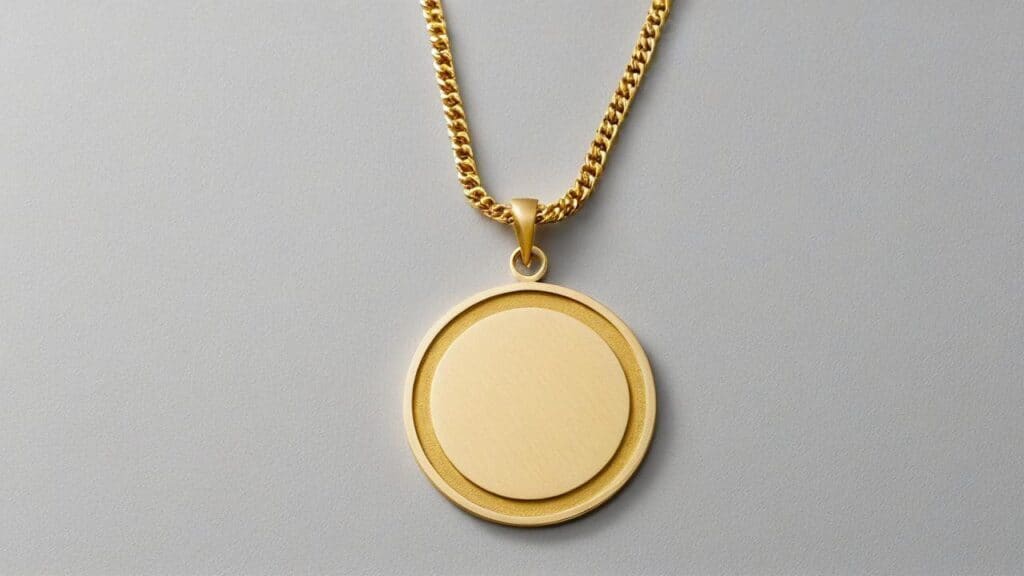
PVD coating offers numerous advantages that have made it increasingly popular in the jewelry industry despite its higher initial production cost compared to traditional plating methods. The benefits extend beyond mere aesthetics, providing functional improvements that enhance the wearer’s experience and the jewelry’s longevity. These practical advantages explain why many premium jewelry brands have adopted PVD technology for their collections, particularly for pieces designed for everyday wear or those with unique color requirements.
- PVD coatings typically have a hardness of 2000-3000 Vickers compared to gold plating at 200-600 Vickers, making them exceptionally resistant to scratches, abrasion, and wear from daily activities that would quickly damage traditional plated finishes.
- The coatings are highly resistant to tarnishing, corrosion, and discoloration from exposure to air, moisture, and many common chemicals including perfumes, lotions, and mild cleaning agents—maintaining their appearance for years rather than months.
- PVD allows for a wide spectrum of vibrant, consistent colors including rich blacks, deep blues, rainbow effects, and various gold tones that remain stable over time, unlike traditional colored finishes that may fade or change hue with wear.
- The extremely thin nature of PVD coatings preserves fine details and dimensions of intricate jewelry designs while adding negligible weight to the piece.
- Many PVD coatings are hypoallergenic and nickel-free, making them suitable for people with metal sensitivities who might react to traditional plated jewelry or certain base metals.
- The process is environmentally responsible compared to electroplating, using no hazardous chemicals like cyanide or heavy metals, producing minimal waste, and typically consuming less water and energy.
- PVD-coated jewelry generally requires less maintenance than traditional plated pieces, needing only gentle cleaning with mild soap and water to maintain its appearance rather than frequent repolishing or replating.
- The molecular-level bond created during the PVD process results in exceptional adhesion that withstands flexing, temperature changes, and physical stress without chipping or flaking like traditional plating might.
These benefits make PVD coating particularly valuable for everyday jewelry pieces like wedding bands, watches, and fashion accessories that face consistent wear and exposure. While the initial cost of PVD-coated jewelry may be higher than traditionally plated alternatives, the extended lifespan and reduced maintenance often make it more economical in the long term. As manufacturing technologies continue to advance and become more accessible, PVD finishes are increasingly available across all jewelry market segments, from affordable fashion pieces to high-end luxury items.
How PVD Compares to Traditional Jewelry Plating Methods
Understanding how PVD compares to other jewelry coating techniques helps explain why it commands a premium in the market and why it might be the preferred choice for certain applications. Each finishing method offers distinct advantages and limitations in terms of durability, appearance, environmental impact, and cost. These comparisons highlight why jewelry manufacturers might choose one process over another depending on the intended use, price point, and design requirements of a particular piece.
- Traditional electroplating deposits metal through an electrochemical process that creates a relatively soft coating susceptible to wear and scratching, while PVD creates a much harder finish through physical bonding at the atomic level.
- Gold vermeil, which combines thick gold electroplating over sterling silver, provides a genuine gold surface but typically lasts 1-2 years with regular wear before showing significant wear, while PVD coatings can maintain their appearance for 5-10 years under similar conditions.
- Electroplating uses chemical baths containing cyanide compounds and other toxic substances requiring careful waste management, whereas PVD is a dry, physical process producing minimal hazardous waste and using no cyanide compounds.
- Rhodium plating, popular for creating white gold finishes, offers excellent brightness and tarnish resistance but typically needs to be redone every 12-18 months with regular wear, while comparable white metal PVD finishes may last several years before showing significant wear.
- Gold filling provides greater durability than plating but adds substantial weight and thickness to jewelry and is limited in color options, while PVD can create diverse colors while adding negligible weight.
- Powder coating and paint finishes for metal jewelry offer color variety but lack the hardness, thin profile, and metallic character of PVD, appearing more like painted surfaces than true metal finishes.
- Anodizing, used primarily on titanium and aluminum, creates durable colored finishes through an electrochemical process that converts the surface of the metal itself rather than adding material, but is limited to specific metals and color ranges, while PVD works on nearly any metal with a broader color spectrum.
- DLC coating is technically a form of PVD coating that creates an extremely hard carbon-based layer ideal for black finishes, offering even greater hardness than standard metal-based PVD coatings.
The significant performance advantages of PVD explain its growing popularity despite higher production costs. For jewelry intended to maintain its appearance through years of regular wear—particularly items in non-traditional colors or those requiring exceptional scratch resistance—PVD typically offers the best combination of durability, thinness, and appearance. However, for fashion jewelry with shorter expected lifespans or items where authentic precious metal content is paramount, traditional plating or other techniques may remain appropriate choices.
How to Clean and Maintain PVD-Coated Jewelry
While PVD-coated jewelry is remarkably durable compared to other finishes, proper care will significantly extend its beauty and lifespan. The good news is that maintaining PVD-coated pieces requires less effort than caring for traditionally plated jewelry, with fewer restrictions and special treatments needed. Following some basic guidelines will help ensure your PVD jewelry remains in excellent condition for many years, retaining its color, shine, and scratch-resistant properties through regular wear.
- Clean PVD-coated jewelry regularly using mild soap and warm water with a soft cloth or brush, avoiding abrasive cleaners, toothpaste, baking soda, or rough scrubbing pads that could potentially scratch even these hard surfaces.
- Avoid exposure to harsh chemicals including chlorine, bleach, and strong household cleaners which can gradually damage the coating over time—remove jewelry before swimming in chlorinated pools or using cleaning products.
- Store PVD jewelry separately from other pieces in a soft pouch or jewelry box with compartments to prevent scratches from contact with harder materials like diamonds or sapphires in other jewelry items.
- While PVD is highly scratch-resistant, it’s not scratch-proof—avoid wearing your jewelry during rough activities like gardening, construction work, or heavy lifting that could cause impacts or abrasions.
- Perfumes, hairsprays, and cosmetics contain chemicals that can dull the finish over time—apply these products before putting on your jewelry to minimize exposure.
- Unlike rhodium-plated or gold-plated jewelry, PVD-coated pieces typically don’t require periodic professional recoating, though some high-end jewelers may offer touch-up services for extensively worn pieces.
- If your PVD jewelry does develop light scratches, they will generally be less noticeable than on other finishes due to the hardness and color-consistency of the coating throughout its thickness.
- Clean ultrasonic jewelry cleaners are generally safe for PVD-coated jewelry without gemstones, but always check with your jeweler first, especially for pieces with stones or complex designs.
With proper care, PVD-coated jewelry typically maintains its appearance for 5-10 years or more with regular wear, far outlasting traditional plated finishes. This longevity makes PVD-coated pieces particularly good value despite their higher initial cost. If you notice any significant changes in color or finish quality, consult with a professional jeweler familiar with PVD coatings for assessment and advice on whether restoration is possible or necessary.
Common Concerns About PVD Coating in Jewelry
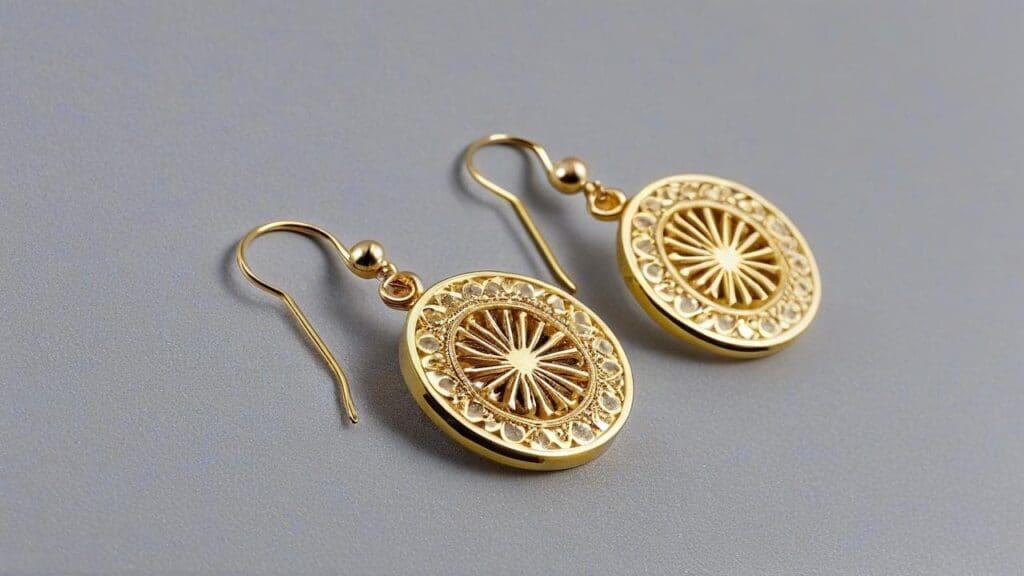
Many jewelry consumers have questions about PVD coating technology, its properties, and how it affects their purchasing decisions. Understanding these common concerns helps clarify what to expect from PVD-coated jewelry and how it compares to alternatives. These answers provide practical information to help you determine if PVD-coated jewelry is right for your needs and preferences.
- How long does PVD coating last? With proper care, PVD coatings typically last 5-10 years or more with regular wear, significantly outlasting traditional gold plating which may show wear within months. The exact lifespan depends on wear patterns, care habits, and the quality of the initial application.
- Can PVD coating wear off? Yes, though gradually and often more evenly than traditional plating. Instead of exposing a different-colored base metal suddenly, PVD tends to slowly thin and may eventually show slight color changes or increased susceptibility to scratching after years of wear.
- Is PVD coating safe for sensitive skin? Most PVD coatings are hypoallergenic and free from common allergens like nickel. The coating creates a barrier between the skin and any potential allergens in the base metal, making it an excellent choice for people with metal sensitivities.
- Can PVD-coated jewelry be resized? Minor sizing adjustments may be possible, but significant resizing typically damages the coating at the modification point. Consult with a jeweler experienced with PVD before resizing, as the affected area may need professional recoating afterward.
- Is PVD coating real gold? No, PVD gold-tone coatings typically use titanium nitride to create a gold appearance rather than actual gold metal. However, some manufacturers use gold as the source material in the PVD process for premium applications, though this is less common due to cost.
- Does PVD coating change the color or appearance of gemstones? No, the PVD process doesn’t affect properly set gemstones. The coating is precisely applied to metal surfaces without impacting stones, though some jewelers may remove valuable stones before coating as a precaution.
- Why is PVD jewelry often more expensive than plated jewelry? The equipment, technology, and process for PVD coating require significant investment and specialized expertise. The higher cost reflects this along with the superior durability and performance of the finish.
- Can damaged PVD coating be repaired? Minor scratches typically don’t require repair due to the coating’s hardness and color consistency. For significant damage, complete restoration requires removing the remaining coating and reapplying it—a service offered by some specialty jewelers or manufacturers.
Understanding these aspects of PVD coating can help you make informed decisions when purchasing jewelry and set realistic expectations about performance and maintenance. While no jewelry finish is completely impervious to wear, PVD represents one of the most durable options currently available, offering an excellent balance of beauty, durability, and relatively low maintenance requirements for both fashion and fine jewelry applications.
Conclusion
Physical Vapor Deposition coating has revolutionized the jewelry industry by offering a remarkable combination of durability, color options, and environmental benefits that were previously unavailable with traditional finishing methods. As this technology continues to evolve and become more accessible, consumers can enjoy jewelry with vivid, lasting colors that maintain their beauty through years of wear with minimal maintenance requirements. The atomic-level bonding process creates finishes that truly become part of the jewelry rather than just a surface treatment, explaining why PVD has become the preferred choice for many premium jewelry manufacturers focused on creating pieces that stand the test of time.
While PVD coatings command a higher price than traditional plating, their extended lifespan and reduced maintenance needs often make them more economical in the long term, particularly for everyday pieces like wedding bands, watches, and favorite accessories. The technology’s ability to create consistent, vibrant colors—from subtle rose gold to deep space black—while maintaining exceptional scratch resistance has opened new creative possibilities for jewelry designers and new options for consumers seeking both beauty and practicality. For those who value jewelry that maintains its appearance with minimal care or who have experienced disappointment with quickly wearing traditional plated finishes, PVD-coated jewelry represents a significant advancement worth considering for your next purchase.