Jewelry does not just sit in a drawer without changing. Metals react with the air, gemstones can scratch each other, and chains knot themselves into little puzzles the moment they are left alone. The way rings, necklaces, and earrings are stored has a direct effect on how long they stay bright, how often they need repair, and whether a piece passed down from a grandmother still looks the same in twenty years. A few smart habits, most of which take less than a minute, protect a jewelry collection worth remembering.
Why Proper Jewelry Storage Matters
Bad storage speeds up damage that good storage slows down or stops. Air, light, moisture, and friction from other jewelry are the four biggest threats to any piece. Silver reacts with sulfur in the air and turns dark. Chains left in a pile twist around each other and get stretched or snapped during untangling. Soft gemstones like opals and pearls can crack or dry out when they sit somewhere too hot or too dry.
None of this means jewelry needs constant attention. The container matters more than the effort, since the right box or pouch does most of the protective work automatically. Once the storage setup is right, keeping jewelry in good shape becomes a habit rather than a chore.
Jewelry Storage Basics Everyone Should Know
Good jewelry storage comes down to three conditions: stable humidity, separation between pieces, and protection from light and heat. Almost any jewelry box, drawer, or pouch does its job well once these three things are in place.
Keep Humidity Levels Under Control
Most jewelers point to a range somewhere between 35% and 55% relative humidity as a safe target, with 45% to 55% being the figure repeated most often. Past roughly 60%, tarnish and corrosion pick up noticeably, because damp air behaves like a conductor sitting on the metal’s surface, giving the chemical reaction between metal and pollutants a much easier path to happen. That is the underlying reason sterling silver left in a damp room darkens faster than the same piece kept in a dry closet.
A small hygrometer, the kind sold for cigar boxes, costs very little and shows exactly what a storage area is doing. When the reading climbs past the mid-50s, a few silica gel packets or anti-tarnish strips brought into the box pull it back down. Coastal air adds salt into the mix along with moisture, and that combination corrodes jewelry metals faster than humidity on its own, so homes near the ocean often need a bit more vigilance on this front.
Going too far the other way causes its own problems. Air that is extremely dry pulls moisture out of organic materials like pearl, coral, and wood, leaving them brittle or prone to hairline cracks. A bedroom closet usually works better than an attic or garage for this reason, since those spaces swing between very dry and very humid depending on the season, while a normal living space tends to stay closer to the middle.
Keep Jewelry Pieces From Touching
Every piece needs its own space, whether that is a compartment, a pouch, or a hook. Metals scratch each other on contact, and gemstones chip softer stones the same way. Chains left loose in the same tray tangle together within days.
A jewelry box with individual slots is not just tidier. It prevents scratches that no polishing cloth can fully fix.
Hardness explains why separation matters so much. Gemstones are ranked on the Mohs scale, a 1-to-10 system where a higher number means a harder surface that resists scratching. Diamond sits at the very top at 10, sapphire and ruby follow at 9, topaz at 8, and quartz-family stones like amethyst and citrine sit at 7. Pearls and opals are much softer, usually between 2.5 and 6.5, which means a diamond ring resting against a pearl bracelet can leave a permanent scratch on the pearl within seconds of contact. A harder stone always scratches a softer one, never the other way around, so separating hard and soft gemstones into different compartments protects the softer pieces far more than it protects the harder ones.
Keep Jewelry Away From Sunlight and Heat
Sunlight and heat both speed up damage, so a shaded, cool spot works best for storage. UV rays fade the color in certain gemstones, such as amethyst and citrine, over months of exposure. Heat also dries out organic materials like pearl and coral, making them more likely to crack.
Bathrooms rank among the worst spots in a home for jewelry, since steam from showers constantly pushes humidity up and down. A bedroom drawer, closet shelf, or dedicated jewelry cabinet in a climate-controlled room works far better.
How to Store Silver Jewelry Correctly
Silver belongs in an anti-tarnish pouch or a fabric-lined box, away from air and moisture. Anti-tarnish strips slow tarnish effectively but will not repair the problem on their own, which is why they work best inside a sealed pouch or box compartment rather than sitting loose.
Silver tarnishes because it reacts with sulfur compounds that float around in normal air. Humidity speeds up that chemical reaction, so a wetter storage area produces faster, worse tarnish. This is the reasoning behind the standard jeweler’s advice: keep silver dry, keep it sealed, and keep it away from bathrooms and basements.
A few common storage materials actually make tarnish worse without most people realizing it. Vulcanized rubber, in items like rubber bands or rubber-lined drawer liners, is manufactured using sulfur and continues releasing it for years, which is why a rubber band left touching a silver bracelet can mark it with a visible dark line in a short amount of time. Wool and felt carry a natural sulfur content of their own, and standard newspaper ink and cheaper cardboard often contain sulfur compounds and acidic dyes as well, so a plain tissue paper made without acid is a far safer wrap for cushioning a piece during travel or storage.
Silver that gets worn regularly often tarnishes more slowly than silver left untouched in a drawer, since the light friction from skin and clothing wipes away the earliest stage of tarnish before it can build up. This pattern is not universal, since body chemistry varies from person to person and skin with higher sulfur content in its natural oils can occasionally speed up tarnish rather than slow it down. Even accounting for that variation, a piece worn regularly and cared for tends to hold its shine longer than one saved for rare occasions and left sitting untouched in the dark.
Storing silver well generally means keeping each piece in its own anti-tarnish pouch rather than piled loosely together, wiping it with a soft polishing cloth before it goes away to remove oils and fingerprints, and replacing anti-tarnish strips every six to twelve months, since they lose effectiveness over time and visibly change color when they need swapping out. Rubber bands, latex, wool, and plain newsprint have no place near any container that holds silver.
How to Store Gold Jewelry Correctly
Gold does best in a soft-lined container of its own, separated from other metals rather than tossed into a shared compartment. That separation matters because gold is a genuinely soft metal in its pure state, and it is scratching, not tarnish, that poses the bigger everyday threat to it. Pure gold barely reacts with air, which is why ancient gold artifacts still shine after thousands of years, but the copper or silver mixed into most everyday gold jewelry for added strength can pick up a faint tarnish of its own over time.
Karat is a useful predictor of how much protection a piece needs. Higher-karat gold, such as 22K or 24K, contains a higher percentage of pure gold and correspondingly less of the harder metals that resist scratching, so it marks up more easily than a 14K or 18K piece built for daily wear. Gold-plated jewelry carries a very thin layer of gold, often just a fraction of a micron, applied by electroplating over a base metal, and that thin surface wears through with moisture or repeated friction faster than most people expect. Gold-filled jewelry uses a mechanically bonded layer of gold that runs considerably thicker than plating, which gives it noticeably better resistance to wear, though it still benefits from a padded, dry compartment kept apart from solid gold pieces rather than sharing space with harder stones.
How to Store Pearls and Organic Gems Correctly
Pearls belong in a soft cloth pouch, never in an airtight plastic bag. Pearls formed inside a living mollusk, layer by layer, which makes them fundamentally different from mined gemstones and metals in how they hold up over time. A sealed plastic bag traps whatever moisture is present against the surface, which over months can dull the nacre, while air on the dry end of the spectrum pulls that same moisture back out and leaves the surface prone to fine surface cracks known as crazing.
Chemical exposure poses a bigger threat to pearls than it does to most other jewelry, since metals and hard gemstones simply do not react the same way. Everyday products such as perfume, hairspray, and even ordinary sweat contain mild acids capable of eating into the outer nacre layer over repeated exposure. Because of this, the more practical habit is putting pearls on as the last step when getting dressed and removing them as the first step when undressing, followed by a light wipe with a soft, dry cloth before they go back into their pouch.
Other organic materials, including amber, coral, and ivory, follow similar rules. They prefer a stable, moderate environment rather than anything too dry, too damp, too hot, or too cold.
Storage alone does not keep a strand of pearls in good shape forever. Pearl necklaces are traditionally hand-knotted on silk thread, and that thread stretches and weakens with wear no matter how carefully the pearls are stored. Recommendations on timing vary by jeweler, with some suggesting a fresh restring every one to two years for a strand worn often and others putting the outer limit closer to five years for pieces worn only occasionally, but the more reliable signal is the thread itself: visible gaps between pearls or a fuzzy, frayed cord both mean the string is close to breaking and scattering the pearls.
How to Store Diamonds and Gemstones Correctly
Diamonds and hard gemstones belong in individual slots, since diamonds scratch nearly anything else in the box, including other diamonds. A diamond’s crystal structure is essentially inert, so a damp room poses little direct risk to the stone itself. The metal holding it in place is a different story: the prongs, bezel, or clasp on a diamond ring are usually gold or platinum alloyed with other metals, and those settings can dull, tarnish, or loosen slightly faster in a consistently humid environment.
Softer gemstones need more caution. Opals, in particular, contain a small amount of water within their structure and crack if they dry out completely, so a slightly less dry environment than metals prefer suits them best. Turquoise and other porous stones absorb oils and chemicals as well, which means distance from lotion, perfume, and cleaning products matters even during storage.
Hardness is not the whole story. A gemstone can be hard and still fragile, since hardness only measures resistance to scratching, not resistance to cracking or chipping. Topaz ranks a solid 8 on the Mohs scale, close to sapphire, but it has a natural cleavage plane that splits with one sharp knock, even though it rarely scratches. Emerald sits fairly high in hardness too, yet its natural internal fractures push jewelers to treat it more gently than its Mohs number alone would suggest. A sound storage habit accounts for both numbers: how easily a stone scratches something else, and how easily it cracks on its own.
| Gemstone Type | Mohs Hardness | Main Risk | Best Storage Approach |
|---|---|---|---|
| Diamonds | 10 | Scratching other jewelry | Individual padded slot |
| Sapphire / Ruby | 9 | Scratching softer stones | Individual padded slot |
| Topaz | 8 | Cracking from a sharp knock | Padded slot, handled gently |
| Amethyst / Citrine (quartz) | 7 | Scratching from dust and grit | Soft pouch, wiped before storing |
| Opals | 5.5–6.5 | Cracking from dryness | Slightly humid, stable spot |
| Turquoise | 5–6 | Absorbing oils and chemicals | Away from lotions and perfume |
| Pearls | 2.5–4.5 | Drying out, acid exposure, scratching | Soft cloth pouch, no plastic |
How to Store Costume and Fashion Jewelry Correctly
Costume jewelry belongs in soft fabric pouches or a lined organizer, kept away from water. Water is the main enemy of the plating on lower-cost pieces, since moisture works its way into tiny gaps in the coating and starts lifting it from the base metal underneath, so keeping these pieces dry matters more than almost any other single habit. Many costume pieces use a base metal with a thin plated layer on top, and that layer wears away faster with repeated moisture exposure or rough handling than most owners expect.
Plastic organizers lined with soft fabric offer an inexpensive yet effective way to store costume jewelry, and stackable storage trays maximize space while keeping items easy to find. Because plating is thinner than solid metal, costume jewelry generally needs gentler handling than fine jewelry, even though it usually costs less to replace.
Costume pieces also mix a wider variety of materials in one item than fine jewelry usually does, combining base metal, glass or acrylic gems, enamel, and sometimes fabric or thread details. Each material reacts differently to heat and moisture, so the safest general rule treats the whole piece as gently as its most delicate part. A rhinestone brooch, for example, needs the storage conditions of the rhinestones themselves, not just the metal setting.
Best Jewelry Storage Containers and Tools
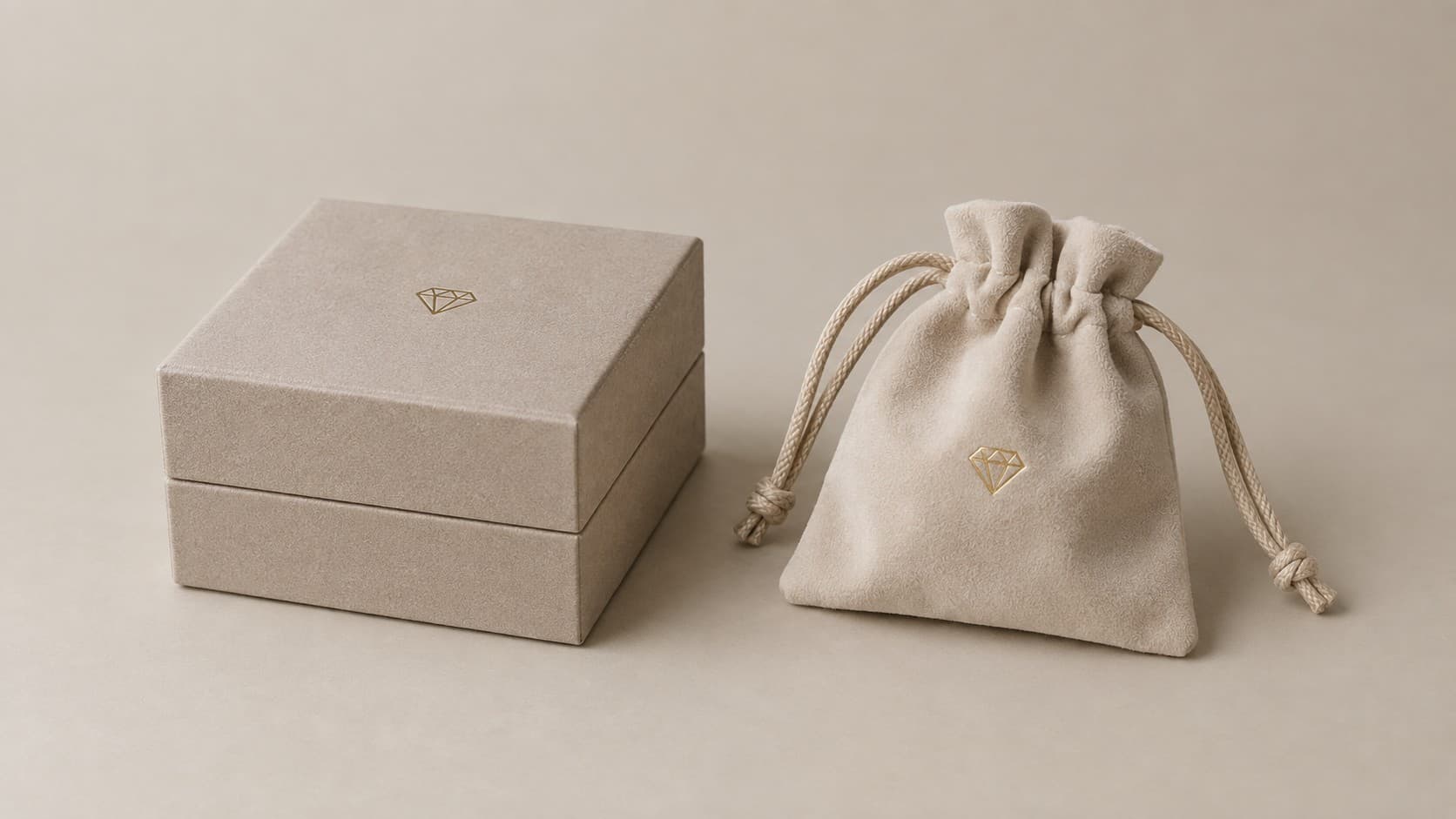
The right tools make consistent storage almost automatic, and none of them need to be expensive.
Jewelry Boxes
A good jewelry box has a soft lining and separate compartments. Effective linings either absorb sulfur in a specific way or use materials that will not react with silver, and separate compartments keep pieces from touching each other. Wood and acrylic boxes with fabric linings both work well, as long as the fabric stays soft and the lid closes fully.
Anti-Tarnish Strips and Pouches
These small tools work by pulling sulfur-containing gases out of the air before those gases reach the metal, rather than reversing tarnish that has already formed. A strip or bag left inside a mostly sealed box or drawer has a much smaller volume of air to treat, so it clears out the tarnish-causing gases far more effectively than the same strip sitting out on an open shelf. Pouches carry the added benefit of physically keeping pieces apart from one another, which cuts down on scratching at the same time.
Silica Gel Packets
Silica gel packets pull excess moisture out of the air inside a container. They work best as part of a larger setup rather than the only form of protection, and they need periodic replacement to keep doing their job. The small packets that come inside shoe boxes and vitamin bottles work just as well as ones sold specifically for jewelry.
Necklace Hooks and Hangers
Hooks keep necklaces from tangling into knots. Long chain necklaces and pendants do best on individual hooks spaced apart, with only one piece per hook, while stretchy bracelets should never hang since the elastic weakens over time. Shorter necklaces and delicate chains fare better lying flat in a compartmentalized tray than hanging, since a short chain under its own weight can stretch out of shape.
Earring Organizers
A dedicated earring case with individual slots, or a fabric board with small holes, solves the most common earring problem: one half of a pair going missing. Stud posts pushed through a piece of felt or a fabric-covered board keep each pair matched and upright, while hoops and dangly styles do better with their own small compartment so the wires do not hook onto each other. A basic ring organizer tray with shallow rows also works well for stud earrings without the cost of a dedicated case.
Travel Cases and Rolls
A soft jewelry roll or a small case with individual zip pockets keeps pieces from scratching each other and tangling inside a suitcase or bag, a different problem from household storage. Rings and earrings wrapped in a soft cloth or placed inside a small pill organizer with dividers hold up far better during travel, since loose pieces shift constantly and the extra motion causes more scratching than a piece usually sees sitting still in a drawer. Carry-on luggage remains the safer choice over checked bags whenever a trip includes anything valuable or sentimental.
Mistakes That Damage Stored Jewelry
A few habits undo the value of proper storage almost instantly.
- Storing jewelry in the bathroom. Steam from showers pushes humidity up and down constantly, which speeds up tarnish.
- Leaving pieces in direct sunlight. UV rays fade certain gemstones and dry out organic materials like pearl.
- Forgetting to replace anti-tarnish strips or silica gel. Both lose their effectiveness over time and need swapping out.
- Piling jewelry together in one drawer. Loose pieces scratch each other and chains tangle within days.
- Putting jewelry away dirty or damp. Leftover moisture or residue interferes with the box lining or anti-tarnish materials doing their job properly.
Frequently Asked Questions
How often should jewelry be cleaned before storing it?
A soft, dry cloth wipe after every wear, before jewelry goes back into storage, removes oils, sweat, and lotion residue that can build up over time and cause dullness or, for pearls, acid damage.
Can all jewelry be stored in one box together?
Storing multiple pieces in one box works fine as long as each piece has its own separate compartment or pouch inside that box. Pieces left loose together in one open space end up scratched and tangled, even inside a nice box.
Do anti-tarnish strips expire?
Most strips last six to twelve months once placed inside a box, though unused strips kept sealed in an airtight bag can last up to two years. A strip that visibly changes color has reached the point where it needs replacing.
Is it bad to store jewelry in a safe?
A safe works fine for valuable pieces as long as it sits in a dry, climate-controlled area of the home. A damp basement makes a poor location for a safe, since trapped humidity inside a sealed metal box can actually make tarnish worse over time.
Should pearls be stored differently from metal jewelry?
Pearls need to breathe a little, which makes a soft cloth pouch a better home than a sealed plastic bag or airtight container. They also need distance from perfume, hairspray, and other chemicals, even during storage.
The Bottom Line
Good jewelry storage comes down to three habits working together: stable humidity, separated pieces, and distance from direct sunlight and heat. Silver needs anti-tarnish protection, gold needs padding against scratches, pearls need a breathable pouch instead of plastic, and costume jewelry needs a gentle touch to protect its plating. None of these habits take more than a few extra seconds once the right box, pouch, or hook is in place, and that small effort keeps a jewelry collection looking the same in ten years as it does today.