Alpha and Omega symbols have captivated humanity for centuries, appearing in religious texts, art, architecture, and personal adornments. As the first and last letters of the Greek alphabet, these powerful symbols represent beginnings and endings, wholeness, and eternity. In the world of jewelry, Alpha and Omega designs offer wearers both aesthetic beauty and profound meaning. Whether worn as expressions of faith, philosophical outlook, or appreciation for classical symbolism, these ancient letters continue to resonate with people seeking jewelry that combines visual appeal with deeper significance.
The Meaning Behind Alpha and Omega Symbols
The Alpha and Omega symbols carry multiple layers of meaning that have evolved throughout history. They fundamentally represent completeness and totality, encompassing everything from start to finish. These ancient Greek letters have transcended their linguistic origins to become powerful metaphors for existence itself, representing both the concept of divine eternity and the universal human experience of life’s journey.
- Alpha (Α) is the first letter of the Greek alphabet, corresponding to our letter “A.” It represents beginnings, origins, and the creative force that initiates all things. In many traditions, it symbolizes the divine creative power that brings everything into existence, the primordial source from which all reality emerges.
- Omega (Ω) is the 24th and final letter of the Greek alphabet. It symbolizes completion, fulfillment, and the ultimate end of all things. Rather than representing cessation or termination in a negative sense, Omega often carries connotations of fulfillment, perfection, and the achievement of ultimate purpose.
- In Christian theology, “I am the Alpha and the Omega” appears in the Book of Revelation (1:8, 21:6, and 22:13), directly attributing these words to God and Jesus Christ. This declaration establishes God’s sovereignty over all creation, existing before all things and remaining after all things, encompassing the entirety of existence within divine presence.
- The symbols represent not just chronological position but complete sovereignty over all existence. They communicate that God contains within Himself all that exists, has existed, or will exist—the complete cycle of creation, sustenance, and eventual transformation.
- In philosophical contexts beyond religion, Alpha and Omega represent the complete cycle of existence—birth and death, creation and destruction. They symbolize the full spectrum of human knowledge and experience, suggesting that understanding both origins and ultimate ends leads to complete wisdom.
- As protective symbols, Alpha and Omega have historically been incorporated into amulets and talismans, believed to invoke divine protection by acknowledging the completeness of God’s power over all things temporal and spiritual.
Alpha and Omega symbols in jewelry serve as powerful reminders of life’s complete journey and our place within it. Whether chosen for religious devotion, philosophical contemplation, or aesthetic appreciation, these symbols transform ordinary accessories into meaningful talismans that connect wearers to concepts of eternity, completeness, and the circular nature of existence. Their enduring popularity demonstrates how ancient symbols continue to resonate with contemporary jewelry wearers seeking pieces with both beauty and meaning.
Religious History of Alpha and Omega Symbols
The Alpha and Omega symbolism has an extensive history spanning thousands of years, with its most prominent development occurring within religious traditions. These symbols gained their deepest significance through their adoption in biblical texts and early Christian communities, where they became powerful shorthand for divine nature and eternity. Understanding their historical context helps us appreciate why these symbols continue to hold such importance in religious jewelry today.
- The earliest documented religious use of “Alpha and Omega” appears in the Book of Revelation, written near the end of the first century CE. The phrase occurs three times, with God declaring: “I am the Alpha and the Omega, the beginning and the end, the first and the last” (Revelation 22:13), establishing these letters as divine identifiers.
- Early Christians during the 2nd-4th centuries CE adopted these symbols as coded religious identifiers during periods of Roman persecution. The discreet nature of Greek letters allowed believers to recognize one another through jewelry and other marked possessions without attracting unwanted attention from authorities.
- Alpha and Omega frequently appeared alongside the Chi-Rho monogram (☧), one of the earliest christograms used to represent Jesus Christ. This combination created a complete statement about Christ’s divine nature and eternal existence, appearing in catacomb art, early manuscripts, and personal items.
- By the 4th century CE, after Constantine’s legalization of Christianity, Alpha and Omega symbols became more prominently displayed in public religious art, appearing in church mosaics, baptisteries, and official religious artifacts throughout the Byzantine Empire.
- Archeological discoveries have uncovered Christian jewelry featuring Alpha and Omega symbols dating back to the 3rd and 4th centuries, including rings, pendants, and amulets. These pieces served both as faith expressions and protective talismans.
- Medieval religious art (6th-15th centuries) standardized the use of these symbols, particularly in depictions of Christ in Majesty (Pantocrator). In these iconic images, Christ often appears seated on a throne with Alpha on one side and Omega on the other, reinforcing his divine authority.
- During the Renaissance and Reformation periods, Alpha and Omega symbols maintained their theological importance while being incorporated into increasingly elaborate artistic designs, appearing in stained glass, illuminated manuscripts, and religious jewelry.
- Eastern Orthodox Christian traditions have continuously used Alpha and Omega symbolism in iconography and religious artifacts from ancient times to the present day. The symbols frequently appear on processional crosses, vestments, and church decorations.
The historical significance of Alpha and Omega in religious contexts explains why these symbols remain powerful elements in modern jewelry design. From ancient amulets to contemporary pendants, these Greek letters have provided believers with tangible connections to their faith and its teachings about divine eternity. Their continuous use across nearly two millennia of religious history demonstrates their enduring spiritual power and symbolic resonance. Today’s religious jewelry incorporating these symbols connects wearers to this rich tradition while allowing for personal expressions of faith and philosophical outlook.
Non-Religious Meanings of Alpha and Omega Symbols
While strongly associated with Christianity, Alpha and Omega symbolism transcends any single religious tradition. These powerful Greek letters have found their way into various philosophical systems, cultural traditions, and artistic expressions throughout history. Their fundamental representation of beginnings and endings, of completeness and cyclical existence, allows them to resonate with universal human concepts about time, existence, and the nature of reality.
- In ancient Greek philosophy, particularly Aristotelian thought, the concepts of “first cause” (prime mover) and “final cause” (ultimate purpose) mirror the Alpha and Omega relationship. These philosophical principles explored the beginning source of all movement and the ultimate purpose toward which all things tend.
- Neoplatonic philosophers in the 3rd-6th centuries CE adopted Alpha and Omega concepts to describe the emanation of all existence from “the One” (the ultimate source) and the eventual return of all things to that source—a philosophical cycle mirroring the religious symbolism.
- Hermetic traditions and esoteric philosophies incorporated Alpha and Omega symbolism to represent the completeness of mystical knowledge—from initiation (Alpha) to enlightenment (Omega)—and the cyclic nature of spiritual evolution.
- Freemasonry and other Western esoteric traditions sometimes employ Alpha and Omega symbolism in their rituals and symbolism, representing the journey from darkness to light, ignorance to wisdom, and the comprehensive nature of universal knowledge.
- Modern physics and cosmology sometimes metaphorically reference Alpha and Omega concepts when discussing the beginning of the universe (Big Bang) and its potential endings (Big Freeze, Big Crunch, etc.), showing how ancient metaphors still help frame contemporary scientific understanding.
- In literary theory and narrative studies, “Alpha and Omega” can represent the complete storytelling arc—from exposition to resolution—reflecting the natural human tendency to seek both origins and conclusions in our understanding of events.
- Greek-letter organizations (fraternities and sororities) sometimes incorporate Alpha and Omega symbolism to represent the complete collegiate experience or the comprehensive nature of brotherhood/sisterhood, appealing to the classical roots of higher education.
- In contemporary psychology, Carl Jung and others have explored Alpha and Omega as archetypal symbols representing the human need to understand beginnings and endings as part of finding meaning in existence—a universal psychological pattern transcending cultural boundaries.
The universal appeal of Alpha and Omega symbolism lies in its elegant expression of life’s most fundamental mysteries—where we come from and where we are going. As jewelry symbols, they offer wearers a connection to this timeless human contemplation of beginnings and endings, regardless of specific religious affiliation. Whether approached through religious, philosophical, or cultural lenses, Alpha and Omega symbols provide a visual representation of humanity’s ongoing quest to understand our place within the greater cycles of existence, making them deeply meaningful choices for personal adornment that transcends mere decoration.
Popular Alpha and Omega Jewelry Designs
Alpha and Omega symbols appear in diverse jewelry forms, each offering unique ways to incorporate these meaningful symbols into personal adornment. From subtle everyday pieces to elaborate ceremonial items, these ancient Greek letters adapt beautifully to various jewelry styles while maintaining their profound symbolism of beginnings, endings, and eternal completeness.
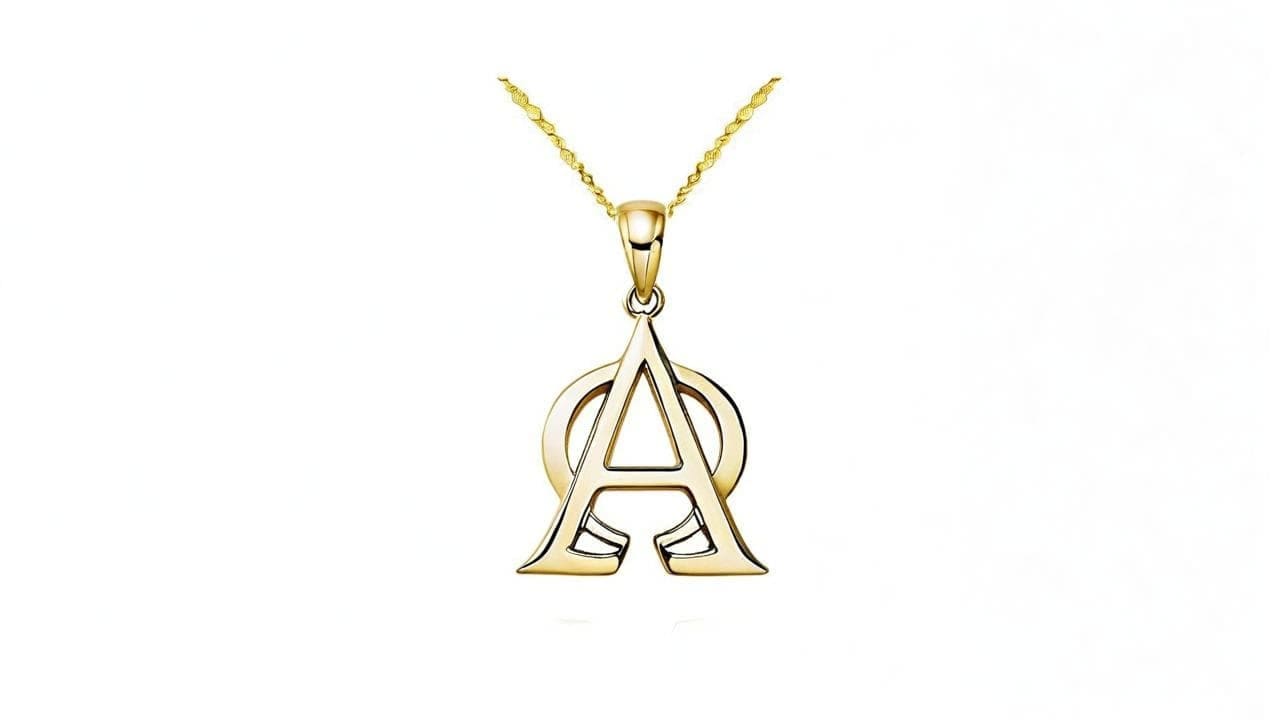
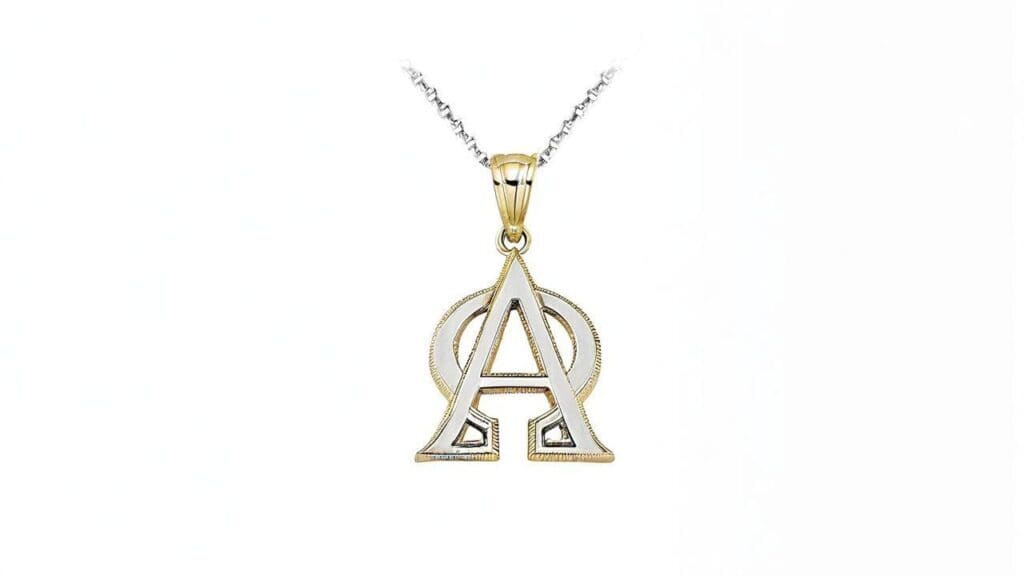
- Pendant necklaces represent the most common form of Alpha and Omega jewelry, typically featuring the Greek letters either separately or intertwined. These pendants range from minimalist sterling silver designs to elaborate gold pieces enhanced with precious stones or enamel work. Some pendants incorporate the letters within circles, representing eternity, or alongside other religious symbols like crosses or Chi-Rho monograms.
- Rings featuring Alpha and Omega symbols often serve as faith declarations or commitment pieces. Wedding bands may incorporate the symbols to represent the completeness of marriage and its eternal nature. Some designs feature the letters engraved on the exterior, while others place them on the inside of the band as a private affirmation.
- Cufflinks and tie pins for men often feature Alpha and Omega in more understated designs, allowing for religious expression in professional settings. These pieces typically use sterling silver, gold, or platinum with engraved or raised letter designs.
- Charm bracelets may include Alpha and Omega symbols among other meaningful charms. These pieces allow wearers to create personalized combinations of symbols that tell their unique spiritual or philosophical story while incorporating these ancient Greek letters.
- Commemorative jewelry for religious milestones such as baptism, confirmation, ordination, or religious vows frequently incorporates Alpha and Omega symbolism. These special pieces often include engravings of significant dates or personalized messages alongside the symbols.
- Rosary beads and prayer bracelets sometimes feature Alpha and Omega symbols at the junction points or as decorative elements on crucifixes, connecting the ancient symbols to prayer practices and devotional activities.
- Lapel pins and brooches with Alpha and Omega designs provide options for incorporating these meaningful symbols into formal attire or clerical vestments. These pieces often feature more elaborate artistic interpretations of the letters with enamel work or gemstone accents.
- Earrings featuring Alpha and Omega symbols range from simple studs to elaborate dangling designs. Some creative approaches include one earring with Alpha and its matching pair with Omega, symbolically framing the wearer between beginning and end.
- Liturgical jewelry worn by clergy during religious ceremonies often incorporates Alpha and Omega symbols. These specialized pieces, including pectoral crosses and ceremonial rings, connect the wearer to ancient traditions while serving functional roles in religious observances.
The diversity of Alpha and Omega jewelry styles allows individuals to express their connection to these meaningful symbols in ways that suit their personal style, cultural background, and specific symbolic interpretation. Whether chosen for religious devotion, philosophical contemplation, or appreciation of classical symbolism, these jewelry pieces transform ancient Greek letters into powerful personal statements. Their adaptability across different jewelry forms demonstrates how effectively these ancient symbols continue to communicate profound concepts about existence, eternity, and completeness in contemporary personal adornment.
Materials Used in Alpha and Omega Jewelry
The materials and crafting techniques used for Alpha and Omega jewelry significantly influence both their aesthetic appeal and symbolic resonance. From precious metals that reflect eternal values to gemstones that enhance symbolic meanings, the careful selection of materials and skilled craftsmanship elevate these symbolic pieces from mere decorative items to meaningful personal talismans.
- Gold has traditionally been the preferred metal for Alpha and Omega religious jewelry, with its resistance to tarnish symbolically reflecting eternal values. Yellow gold provides warm, traditional aesthetics that connect pieces to historical religious artifacts, while white gold offers a contemporary alternative with similar durability and value.
- Sterling silver represents a more accessible yet still precious option for Alpha and Omega jewelry. Its bright luster provides excellent detail rendering for the Greek letters, though it requires more maintenance than gold due to natural tarnishing. Some artisans apply rhodium plating to sterling silver pieces to enhance durability and create a white-gold appearance.
- Platinum and palladium, though less common due to their higher cost, provide exceptional durability for Alpha and Omega jewelry meant to be passed down through generations. Their natural white color and resistance to tarnishing make them ideal for heirloom-quality religious jewelry.
- Bronze and brass have historical significance in religious artifacts and provide affordable options that connect contemporary jewelry to ancient traditions. Some artisans use these metals to create antique-looking pieces that evoke historical religious artifacts.
- Gemstone enhancements often carry additional symbolism: diamonds or clear crystals representing divine light and purity; blue sapphires or lapis lazuli symbolizing heaven and divinity; rubies or garnets representing divine love and sacrifice; and emeralds or green stones representing eternal life and resurrection.
- Enameling techniques add color symbolism to Alpha and Omega jewelry. Byzantine-inspired pieces often feature rich enamel work in blues, reds, and golds that reference historical religious art traditions from Eastern Orthodox Christianity.
- Hand-engraving represents the traditional technique for creating Alpha and Omega symbols on metal surfaces. Master engravers can achieve remarkable detail and depth, creating pieces with individual character and artisanal value that machine engraving cannot replicate.
- Lost-wax casting allows for complex three-dimensional Alpha and Omega designs with intricate details. This ancient technique, used for thousands of years, connects contemporary jewelry to historical crafting traditions while allowing for precise reproduction of detailed designs.
- Computer-aided design (CAD) and 3D printing technologies have revolutionized contemporary Alpha and Omega jewelry production, allowing for precision designs and customization options not previously possible. These technologies enable intricate integrations of the symbolic letters with other meaningful elements.
- Mixed media approaches combine various materials like wood, leather, or fabric with metal Alpha and Omega elements, creating contemporary interpretations that broaden appeal beyond traditional religious contexts.
The craftsmanship quality of Alpha and Omega jewelry directly impacts its symbolic integrity and longevity. Well-crafted pieces feature precisely formed letters with balanced proportions, secure settings for any gemstones, and durable construction methods appropriate to the materials used. Many religious jewelry buyers seek pieces from artisans who understand the symbolic significance of Alpha and Omega, ensuring the final product honors these ancient symbols’ profound meanings. Whether choosing traditional precious metals with historical connections or exploring contemporary materials and techniques, the thoughtful selection of materials and quality craftsmanship transforms Alpha and Omega symbols into wearable expressions of faith, philosophy, and personal meaning designed to last for generations.
How to Wear Alpha and Omega Jewelry
Styling Alpha and Omega jewelry effectively balances their profound symbolism with personal aesthetic preferences. Whether incorporated into everyday wear or reserved for special occasions, these meaningful pieces can be styled thoughtfully to honor their significance while complementing various wardrobes and settings. Understanding how to appropriately wear and pair Alpha and Omega jewelry helps wearers express their connection to these symbols in authentic and personally meaningful ways.
- For everyday religious expression, choose subtler Alpha and Omega pieces like small pendants on simple chains, understated rings, or stud earrings. These pieces maintain daily connection to the symbolism without becoming visually overwhelming or seeming ostentatious.
- Reserve larger, more elaborate Alpha and Omega jewelry pieces for religious ceremonies, formal occasions, or significant life events where their prominent symbolism aligns with the setting’s importance. Ornate pendants, statement rings, or ceremonial pieces carry more visual impact appropriate for meaningful moments.
- Layer Alpha and Omega pendants with other meaningful necklaces of varying lengths to create personalized symbolic combinations. Consider pairing with other religious symbols, birthstones, or significant charms to tell a more complete personal story through your jewelry.
- When incorporating Alpha and Omega rings, consider their placement carefully. Some tradition-minded individuals wear them on the right hand to distinguish them from wedding bands, while others specifically choose them as wedding bands to incorporate their eternal symbolism into marriage commitments.
- For professional environments, select Alpha and Omega jewelry that maintains appropriate subtlety while still honoring their importance to you. Cufflinks, tie pins, or small pendants worn under clothing offer private affirmations without drawing undue attention.
- Consider the symbolic color pairings in your outfit when wearing Alpha and Omega jewelry with gemstones. Blue stones complement clothing in purples, whites, and complementary blues, connecting to divine/heavenly symbolism, while red stones pair well with neutrals, blacks, and complementary reds, emphasizing sacrifice and divine love aspects.
- Match metal tones consistently throughout your jewelry when wearing Alpha and Omega pieces. If wearing a gold Alpha and Omega pendant, coordinate with gold earrings, watches, or bracelets rather than mixing metal tones, which can diminish the symbols’ visual impact.
- For formal religious ceremonies like weddings, baptisms, confirmations, or ordinations, Alpha and Omega jewelry can be featured prominently as central symbolic elements of your attire, potentially coordinating with other participants’ religious jewelry for unified symbolic expression.
- Consider the historical and cultural context of specific Alpha and Omega jewelry designs when styling them. Byzantine-inspired pieces with ornate details and enamel work pair beautifully with rich fabrics and formal attire, while minimalist modern interpretations complement contemporary casual and professional wardrobes.
- For men specifically, Alpha and Omega symbols work well as subtle expressions in cufflinks, tie pins, watchbands, or understated pendants worn under business attire, allowing for personal religious expression that remains appropriate in professional settings.
The most effective styling of Alpha and Omega jewelry honors both their symbolic significance and your personal aesthetic. These pieces speak to profound concepts of beginnings, endings, and divine presence—concepts that deserve thoughtful integration into your overall appearance. Whether worn as daily reminders of faith, occasional expressions for special religious events, or philosophical statements about the nature of existence, Alpha and Omega jewelry can be styled to complement your wardrobe while maintaining their meaningful symbolic integrity. The key is finding the balance between personal style expression and respectful presentation of these ancient, sacred symbols in contexts where their significance can be properly appreciated.
Best Times to Gift Alpha and Omega Jewelry
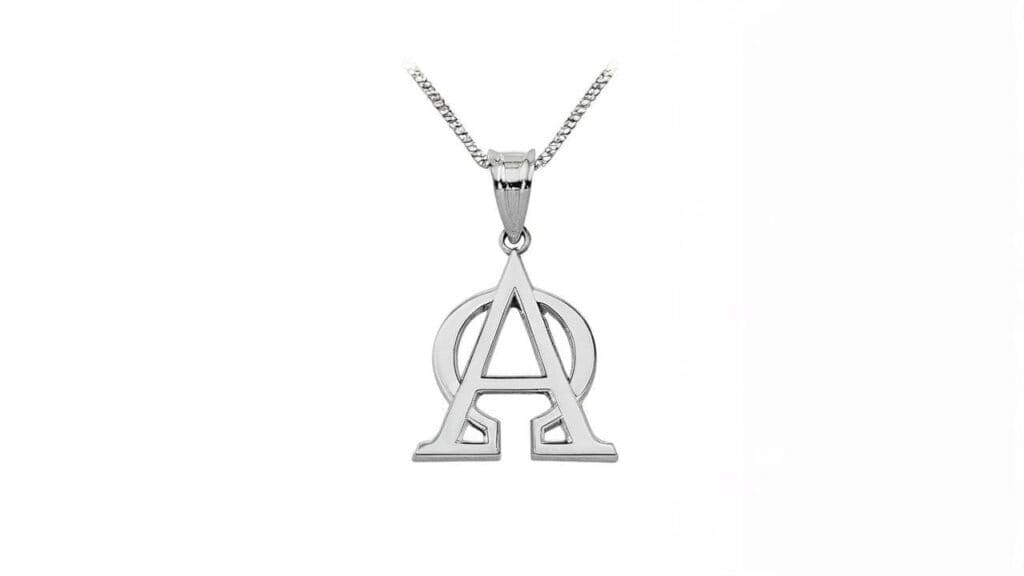
Gifting jewelry featuring Alpha and Omega symbols creates meaningful connections between giver and recipient while honoring significant life moments. These symbols of beginnings, endings, and eternity make particularly appropriate gifts for religious milestones, educational achievements, and life transitions. Understanding the symbolism and selecting the right piece for the occasion allows gift-givers to present something with lasting significance beyond mere decorative value.
- Religious confirmations, first communions, and baptisms represent perfect occasions for gifting Alpha and Omega jewelry, as these ceremonies mark spiritual beginnings. Consider age-appropriate pieces like simple pendants on chains that can be worn immediately or saved for later years, symbolizing the recipient’s entry into their faith journey.
- Ordination gifts for new clergy often feature Alpha and Omega symbols, acknowledging their role in representing divine authority. Professional-quality pectoral crosses, ceremonial rings, or cufflinks with these symbols make appropriate gifts that may be used in their ministerial duties.
- Graduation ceremonies represent educational Alpha and Omega moments—the completion of one phase and beginning of another. Gifts of Alpha and Omega jewelry for graduates symbolize this transition while providing a meaningful keepsake of accomplishment that can remind them of both their academic journey and future potential.
- Wedding and anniversary gifts featuring Alpha and Omega symbolism emphasize the eternal nature of marriage commitments. Matched sets for couples or individual pieces that complement wedding bands provide lasting reminders of marital vows and the complete union represented in marriage.
- For significant birthdays marking major life transitions (18, 21, 30, 40, 50, etc.), Alpha and Omega jewelry acknowledges the completion of one life phase and beginning of another. These gifts recognize personal growth while symbolizing the continued journey through life’s stages.
- Memorial or remembrance jewelry incorporating Alpha and Omega symbols offers comfort to those grieving, acknowledging both the end of earthly life and belief in eternal existence. These thoughtful gifts provide tangible reminders of faith during difficult transitions.
- Consider the recipient’s personal style and existing jewelry collection when selecting Alpha and Omega pieces as gifts. Choose metals and designs that complement what they already wear rather than conflicting with established preferences.
- Personalization through engraving significant dates, initials, or brief meaningful phrases on Alpha and Omega jewelry transforms standard pieces into one-of-a-kind keepsakes connecting the symbols to specific life moments or relationships.
- Include a thoughtful card explaining the Alpha and Omega symbolism and why you selected it specifically for the recipient and occasion. Many people appreciate understanding the deeper meanings behind symbolic jewelry, especially when it connects to their faith tradition or philosophical outlook.
- Heritage gifting of family Alpha and Omega jewelry pieces creates powerful connections across generations. Passing down religious symbols from parent to child or grandparent to grandchild establishes continuity of faith traditions and family values.
Alpha and Omega jewelry gifts carry special significance because they connect material objects to immaterial concepts of eternity, divine presence, and life’s complete journey. When thoughtfully selected and presented, these gifts transcend ordinary presents to become meaningful markers of important relationships and life moments. Their lasting symbolic value ensures they remain treasured long after the gifting occasion, potentially becoming family heirlooms that carry both personal memories and profound spiritual symbolism for future generations. Whether marking religious milestones, educational achievements, or significant life transitions, Alpha and Omega jewelry gifts acknowledge the important beginnings and endings that shape our life journeys.
How to Clean and Care for Alpha and Omega Jewelry
Proper care for Alpha and Omega jewelry preserves both its physical beauty and symbolic integrity. Since these pieces often carry deep personal or religious significance and may be passed down through generations, appropriate maintenance ensures they remain treasured heirlooms. Understanding the specific care requirements for different materials and construction methods helps protect these meaningful symbols for years of wear and enjoyment.
- Store Alpha and Omega jewelry separately from other pieces to prevent scratching and tangling. Individual fabric-lined boxes, pouches, or compartmentalized jewelry boxes provide ideal protection. For religious pieces with special significance, consider dedicated storage that honors their importance.
- Remove Alpha and Omega jewelry before activities involving chemicals, including swimming (chlorine exposure), cleaning (household chemicals), and applying personal care products (perfumes, lotions). These substances can damage metals and gemstones, potentially compromising detailed symbolic elements.
- Clean gold and platinum Alpha and Omega jewelry by soaking in warm water with mild dish soap for 15-20 minutes, then gently brushing with a soft toothbrush, focusing carefully around letter details and settings. Rinse thoroughly and dry completely with a soft, lint-free cloth.
- For silver Alpha and Omega pieces, use specialized silver polishing cloths regularly to prevent tarnish buildup that can obscure detailed symbolism. For stubborn tarnish, commercial silver cleaners designed specifically for jewelry can be effective but should be used carefully following manufacturer instructions.
- Have Alpha and Omega jewelry with gemstones or complex settings professionally cleaned annually, particularly for pieces worn daily. Professional jewelers can safely clean areas difficult to reach at home while checking for loose stones or weakened components.
- Inspect religious pieces regularly for signs of wear or damage, especially checking prongs holding stones, chain links, clasps, and any engraved details of the Alpha and Omega symbols themselves. Early detection of potential issues prevents losses and allows for timely repairs.
- When traveling with Alpha and Omega jewelry, use protective cases designed specifically for jewelry transport. For particularly valuable or irreplaceable religious pieces, consider leaving them secured at home unless they’re essential for your journey.
- Have Alpha and Omega rings resized professionally when needed rather than continuing to wear them when too tight or loose. Improper fit increases wear on the piece and risks damage or loss. Ensure the jeweler understands the importance of preserving any symbolic elements during the resizing process.
- For Alpha and Omega jewelry with enamel work, avoid temperature extremes and impact that can crack or chip these delicate surfaces. Clean enamel only with mild soap and water, avoiding commercial jewelry cleaners that may damage these decorative elements.
- Consider having particularly meaningful or valuable Alpha and Omega pieces appraised and insured, especially those with historical significance or those intended as family heirlooms. Proper documentation ensures replacement value coverage for irreplaceable religious artifacts.
Caring for Alpha and Omega jewelry involves not just physical maintenance but also honoring the symbols’ significance through appropriate handling and storage. Many people treat these pieces with special reverence due to their religious meanings, creating rituals of care that acknowledge their spiritual significance beyond their material value. By properly maintaining these meaningful symbols, you preserve both beautiful jewelry and important connections to faith traditions, philosophical concepts, or personal milestones represented by the Alpha and Omega. With proper care, these symbolic pieces can remain beautiful and meaningful for generations, continuing to communicate their profound messages about beginnings, endings, and eternity to future wearers.
Conclusion
Alpha and Omega jewelry stands at a unique intersection of artistic beauty, historical significance, and profound symbolism. These ancient Greek letters transformed into wearable art connect us to concepts of beginnings and endings, completeness, and eternity that resonate across cultural and religious boundaries. While their primary associations remain with Christianity, their universal themes of life’s journey, wholeness, and cyclical existence speak to human experiences transcending any single tradition.
The enduring appeal of Alpha and Omega in jewelry design demonstrates how ancient symbols maintain relevance in our contemporary world. When we choose to wear these symbols, whether for religious devotion, philosophical contemplation, or aesthetic appreciation, we participate in a symbolic tradition spanning thousands of years. The simple yet profound declaration “I am the Alpha and the Omega” continues to inspire jewelry that connects wearers to concepts of divine presence, eternal values, and the complete circle of existence.
Whether passed down through generations as family heirlooms, received as gifts marking significant life moments, or personally selected as expressions of faith and philosophy, Alpha and Omega jewelry pieces serve as tangible reminders of intangible truths. They transform everyday accessories into meaningful symbols that connect us to both ancient wisdom and our ongoing human quest to understand our place within the greater story of existence—from beginning to end, from Alpha to Omega.