August’s birthstone is peridot, a bright green gem with a history that goes back to ancient Egypt. Birthstones give people a personal way to connect with a gem, whether worn for tradition, given as a gift, or simply chosen because someone likes the story behind their birth month. Peridot’s story is unusually rich for a gem so often overlooked, tied to sun worship, protection from nightmares, and a modern set of alternate stones that few people realize August even has. The tradition behind the stone, what it symbolizes, and how it fits into the wider birthstone calendar all give the connection more meaning than a simple color match.
What Is Peridot, August’s Birthstone?
Peridot is the official birthstone for August. It has held that spot in the modern birthstone list since 1912, when the American National Retail Jewelers Association, the organization known today as Jewelers of America, first standardized birthstones by month across the industry. The idea of tying a gemstone to a birth month is much older than that list, though. Most historians trace the custom itself back to 18th-century Poland, long before any single country had an official version. By the time the 1912 list came together, birthstone traditions varied from country to country and even from person to person, so it was really an attempt to agree on one shared version that jewelers everywhere could use.
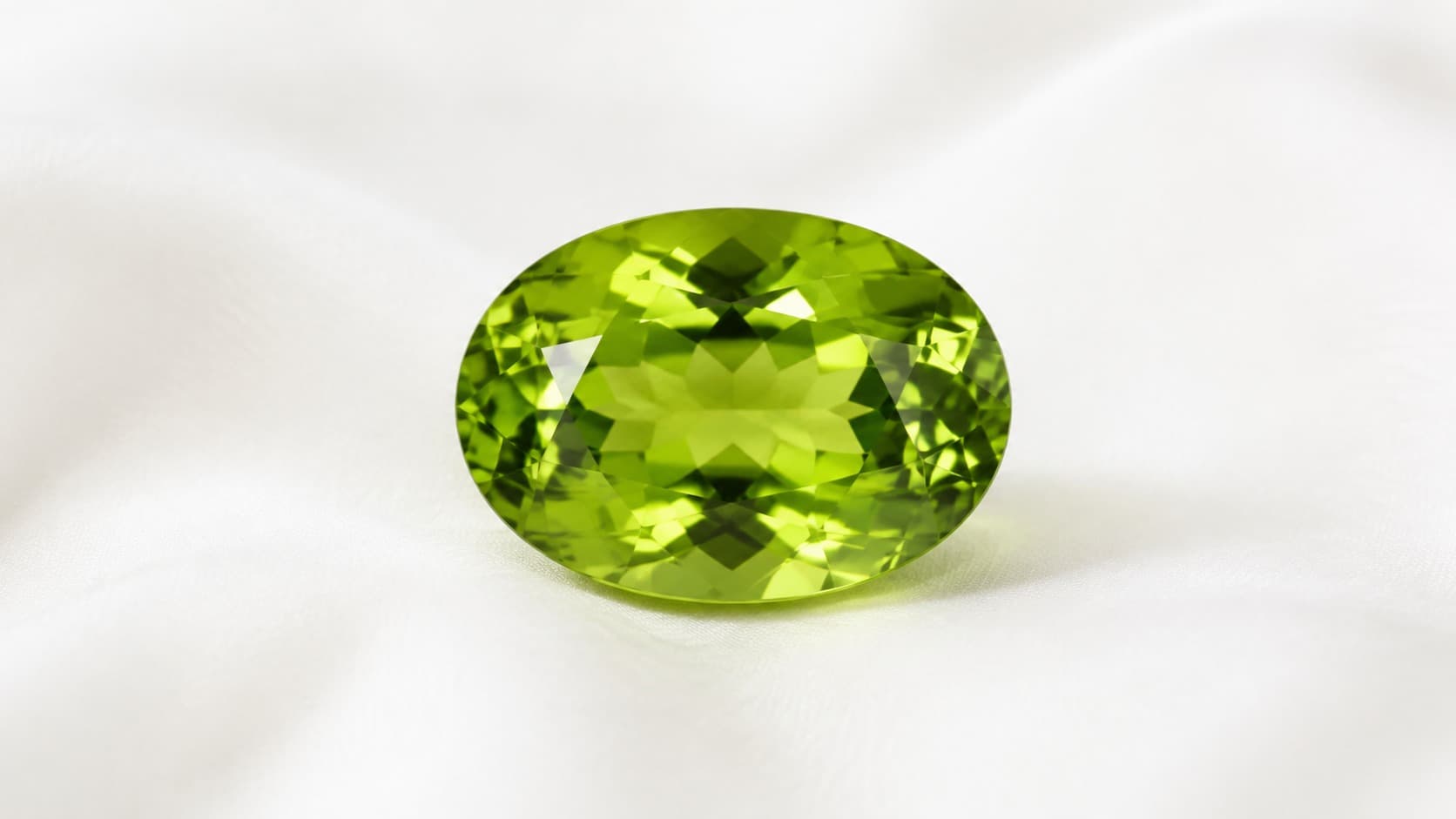
Peridot is a bright green gem, and it earned its place as August’s stone largely because of how far back its history goes and how strongly it was tied to sunlight and warmth in ancient cultures, both fitting themes for a summer birth month.
Peridot’s History as August’s Birthstone
Ancient Egyptians treasured peridot long before it became an official birthstone, and their name for it, the “gem of the sun,” is part of why it still feels linked to August today. They believed the stone carried warmth and protection, and wearing it in gold was thought to guard against nightmares and night terrors. That sunny, protective reputation followed peridot through the centuries, later showing up in medieval Europe, where it was set into church treasures and religious relics as a stone associated with light.
That long history of being connected to sunlight, warmth, and protection is a big part of why peridot fit naturally into the August slot once birthstone lists were formalized, since August sits at the height of summer in the Northern Hemisphere.
Peridot has also carried another name through history: chrysolite, from the Greek word for “golden stone.” Several older birthstone calendars, including Arabic, Hebrew, Italian, and Russian traditions, actually placed chrysolite in September rather than August, and the name stayed in common use well into the 20th century before peridot became the standard term. That older naming is part of why some antique jewelry labeled chrysolite is, in fact, the very same stone recognized today as the August birthstone.
Peridot Meaning and Symbolism
Peridot is traditionally linked to strength, good fortune, and inner peace. Ancient cultures associated its sunny green glow with warmth, protection, and clear thinking, and many people today still give peridot jewelry to mark new beginnings, since its color is often connected to growth and renewal. As a birthstone, it is sometimes described as a stone that helps the wearer let go of old grudges and move forward with a lighter, calmer outlook.
Peridot’s Zodiac Connection
Peridot is most commonly associated with Leo, the zodiac sign for people born between July 23 and August 22. Anyone born from August 23 onward falls under Virgo instead, and some traditions link peridot to that sign too, since the stone’s August birthstone status overlaps with the very start of Virgo season. Because of this overlap, some jewelry traditions treat peridot as a stone that suits both signs rather than just one.
Peridot as an Anniversary Gemstone
Beyond birthdays, peridot carries its own place in anniversary traditions. It is the accepted gemstone gift for a 16th wedding anniversary, a tradition that runs alongside the birthstone calendar rather than being part of it. This dual role, tied to both a birth month and a specific anniversary year, is one of the reasons peridot shows up in jewelry gifting guides more often than its relatively modest price would suggest.
Does August Have More Than One Birthstone?
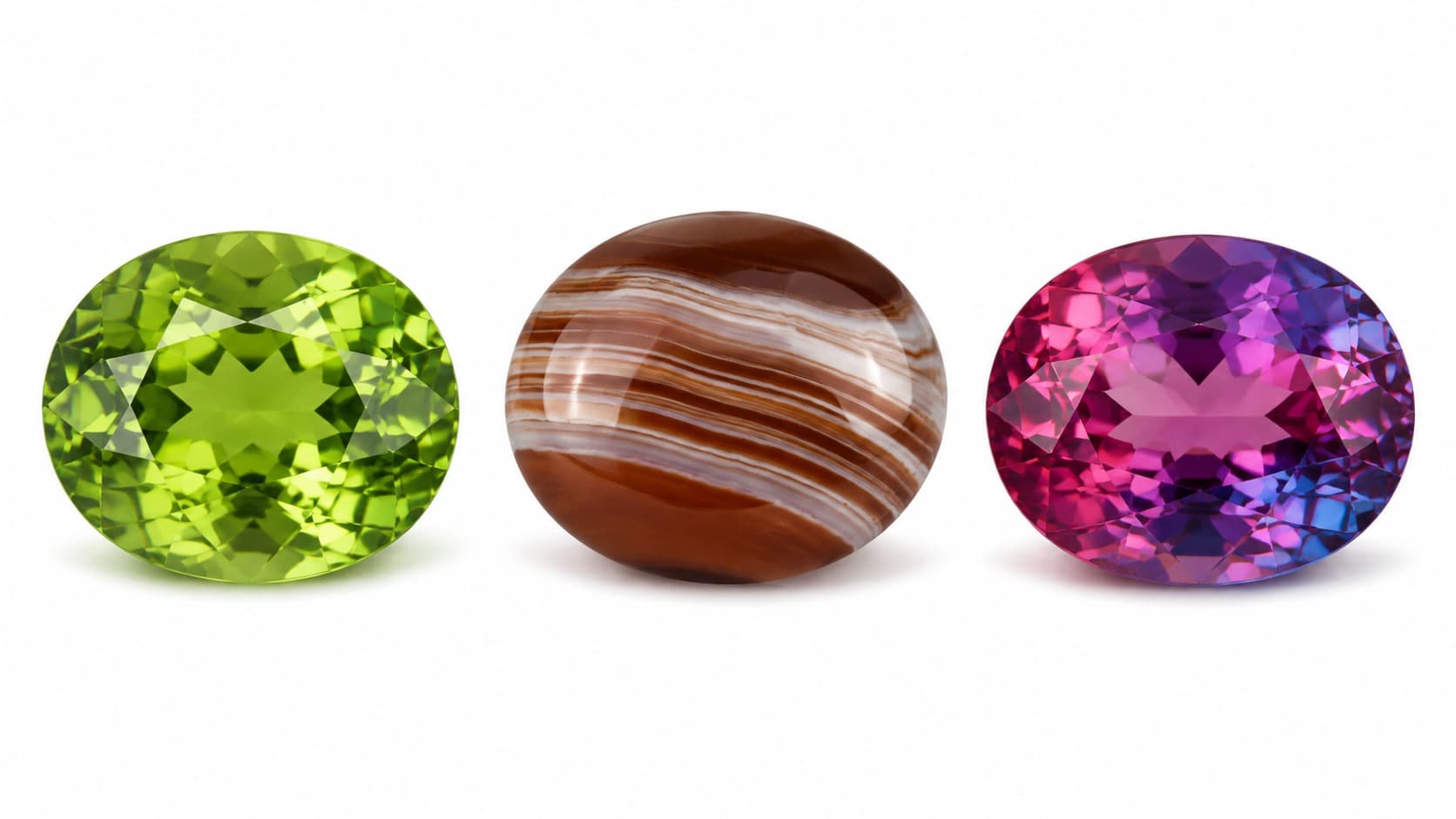
Peridot is the primary and most widely recognized August birthstone, but it is not the only one, and the reason comes down to how birthstone lists have changed over time. Sardonyx is the oldest of the three, tracing back to older Western birthstone traditions, while peridot became the dominant choice as the modern list took shape in the twentieth century. Spinel is the newest official addition, added in 2016 to give people more choice and to recognize a gem that had quietly been mistaken for other stones throughout history.
- Peridot – the modern, most widely recognized August birthstone
- Sardonyx – the traditional, older August birthstone
- Spinel – added more recently as an alternative option
Sardonyx
Sardonyx is a banded stone with stripes of reddish-brown and white, and it was the original August birthstone long before peridot took over as the modern favorite. Ancient Greek and Roman soldiers wore sardonyx into battle because they believed it brought courage and protection, and it has carried a reputation as a stone of strength ever since.
Spinel
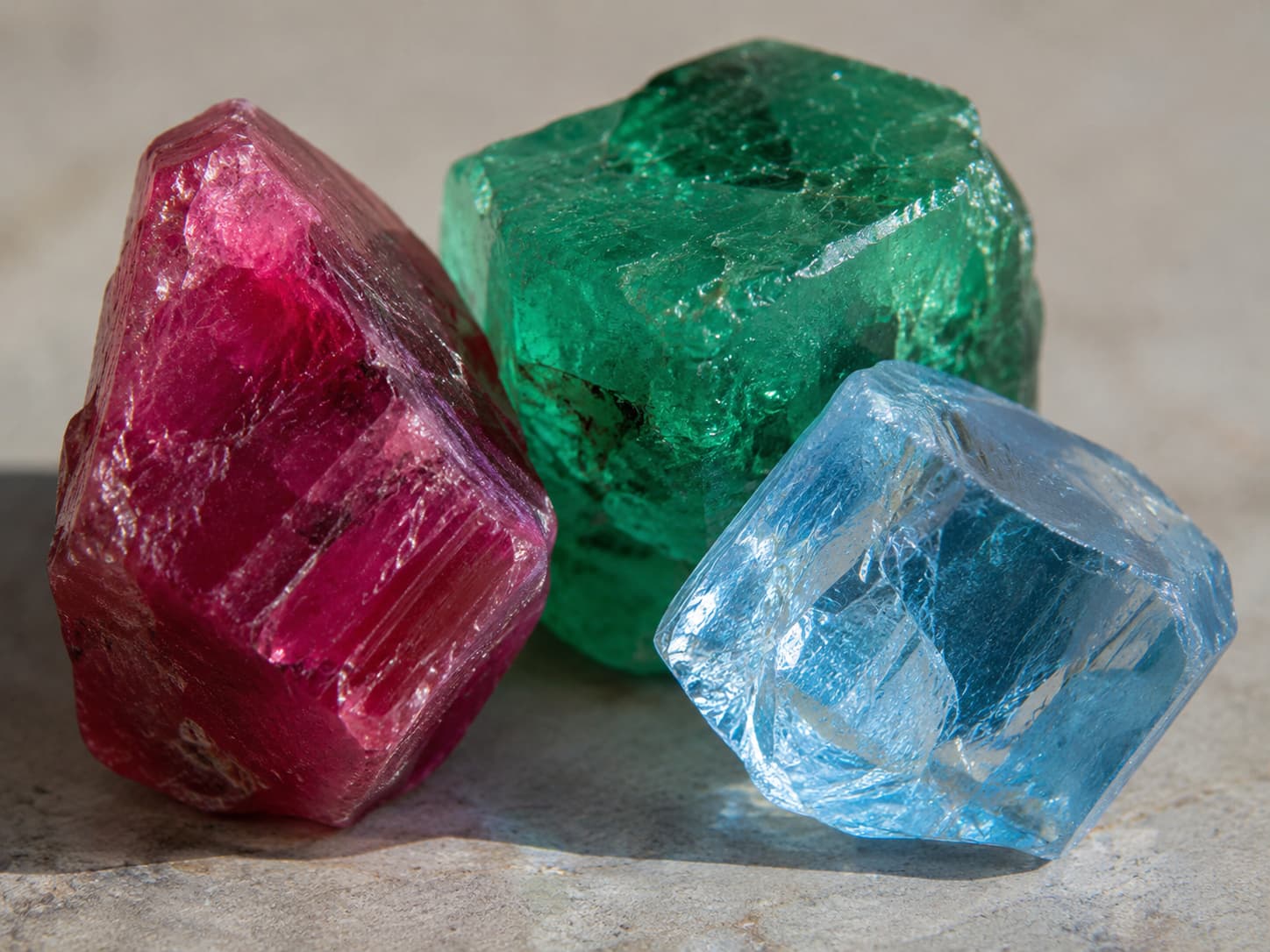
Spinel comes in many colors, including red, pink, orange, and blue, and it was added as an official August birthstone alongside peridot and sardonyx. For centuries, spinel was mistaken for other gemstones entirely, and several famous “rubies” in royal crown jewels, including one in the Imperial State Crown of England, later turned out to be spinel instead.
Which August Birthstone Should You Choose?
None of the three official August birthstones is a wrong choice, since all of them carry the same birth-month meaning. Peridot remains the most popular pick largely because it is the modern default, and its bright green color is easy to recognize. Sardonyx tends to appeal to people drawn to older tradition or a warmer, earth-toned look rather than green. Spinel is worth considering for its range of colors, since it comes in shades peridot and sardonyx don’t offer at all, from red to blue. In practice, most people simply stay with whichever stone they were taught was their birthstone growing up, and that habit is as valid as any other reason to pick one.
Frequently Asked Questions
Is peridot the only birthstone for August?
No. Peridot is the primary and most popular choice, but sardonyx and spinel are also both recognized official August birthstones.
What zodiac sign is connected to peridot?
Peridot is most commonly associated with Leo, the zodiac sign for people born between late July and late August. Some traditions also link it to Virgo, since the stone crosses into early September in the astrological calendar.
Why do some months have more than one birthstone?
Birthstone traditions developed differently across cultures and time periods, so some months ended up with both an older, traditional stone and a newer, more modern one. Jewelry organizations later added extra options, like spinel for August, to reflect stones that had long been overlooked or confused with others.
Is peridot meant only for people born in August?
No. While peridot is traditionally tied to August birthdays, it can be worn by anyone, and it is also the recognized gift for a 16th wedding anniversary regardless of birth month.
What is the traditional, older birthstone for August?
Sardonyx is the traditional August birthstone, used long before peridot became the modern favorite. It is a banded reddish-brown and white stone valued mostly for its history rather than its rarity.
Conclusion
Peridot’s status as August’s birthstone comes from a genuinely old story, not a marketing decision: a gem worshipped as a piece of sunlight in ancient Egypt, carried into European religious relics through the Middle Ages, and eventually formalized into the birthstone calendar still used today. Its connection to Leo, its role as the 16th anniversary gift, and its two lesser-known companions, sardonyx and spinel, all add up to a birthstone tradition with more depth than most people realize. Whether tied to a birthday or chosen as a gift, peridot’s history is what turns a green gem into a stone with real meaning.