Two diamonds can sit side by side, look nearly identical, and still carry wildly different price tags — the 4Cs are the reason why. Cut, color, clarity, and carat weight are the four traits that jewelers and gemologists use to describe exactly what makes one diamond different from another, and together they explain both how a stone looks to the eye and how much it’s worth. Once each letter’s meaning is clear, a diamond stops being a mystery and becomes something that can be judged with real confidence.
What Are the 4Cs of a Diamond?
The 4Cs are cut, color, clarity, and carat weight — four separate scores that describe a diamond’s quality. Each one is graded on its own scale, and a diamond gets a rating for all four, not just one overall number.
This system was developed by the Gemological Institute of America, usually just called GIA, back in the 1940s. Before that, there wasn’t really an agreed-upon way to describe a diamond — a jeweler might just say a stone was “good” or “clean” without any real standard behind it. GIA’s founder wanted buyers everywhere to be able to compare diamonds using the same language, so the 4Cs became that shared vocabulary. Today, other labs like the International Gemological Institute (IGI) use very similar systems, and the 4Cs are recognized worldwide, whether a diamond is sold in New York, Antwerp, or Mumbai.
It helps to think of the 4Cs as four separate report cards for one stone. A diamond can score well on some and less well on others, and none of them tells the full story by itself. A large diamond with poor cut can look duller than a smaller one that’s cut beautifully, which is exactly why all four matter together.
Cut: Why It’s the Most Important C
Cut refers to how well a diamond’s angles and proportions let light bounce around inside it and shine back out, and most experts consider it the single biggest factor in how sparkly a diamond looks. A diamond can be chemically perfect and still look flat and lifeless if it’s cut poorly.
Cut is the only one of the 4Cs controlled entirely by human skill — color, clarity, and carat are all set by nature before a cutter ever touches the stone.
GIA grades cut quality on a scale that runs from Excellent down through Very Good, Good, Fair, and Poor. This scale currently applies to round brilliant diamonds, since their proportions are so standardized that GIA can measure them precisely. Fancy shapes like pear, heart, or cushion cuts don’t get an official GIA cut grade because their proportions vary more naturally, though a skilled jeweler can still judge how well they’re cut by eye.
What the grade actually measures is a diamond’s brightness, fire, and scintillation:
- Brightness is the white light reflecting from the surface and inside the stone.
- Fire is the flashes of rainbow color visible as the diamond moves.
- Scintillation is the sparkle pattern created as light and dark areas shift when the stone or the light source moves.
A diamond graded Excellent returns nearly all the light entering it, so it looks noticeably livelier than one graded Good, even under the same lighting. This difference is visible to an untrained eye, which is part of why many jewelers recommend prioritizing cut over the other three Cs when working out a diamond budget.
The overall cut grade isn’t based on brightness, fire, and scintillation alone. GIA also factors in a diamond’s polish, meaning how smooth its facet surfaces are, and its symmetry, meaning how precisely those facets line up with each other. A diamond’s girdle thickness — the thin band running around its widest point — is checked too, since a girdle that’s too thin can chip easily, while one that’s too thick just hides extra, invisible weight. All of these small details get folded into the single Excellent-to-Poor grade printed on a report.
Color: What “Colorless” Really Means
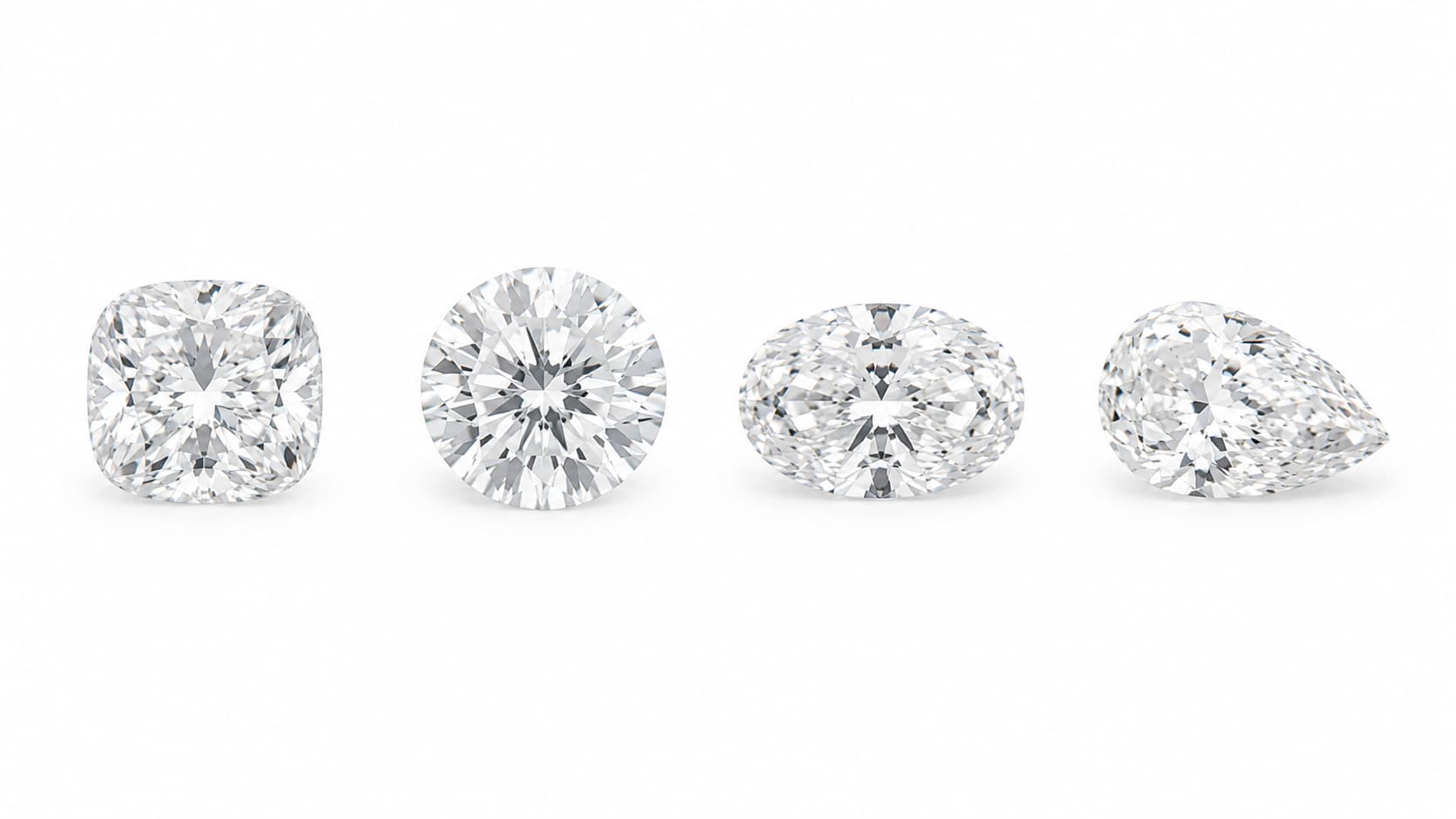
Color grading measures how close a diamond comes to having no color at all, not how colorful it is. Most diamonds bought for engagement rings and everyday jewelry aren’t actually rainbow-colored gems — they’re graded on how little yellow or brown tint they carry.
The GIA color scale runs from D to Z. D is completely colorless and the most valuable end of the scale, while Z shows a light yellow or brown tint visible even without magnification. GIA deliberately skipped the letters A, B, and C when it created this scale in 1953, so buyers wouldn’t confuse it with older, inconsistent grading terms that were floating around the industry at the time.
The scale splits into four broad ranges, each covering several letter grades:
| Range | What It Means |
|---|---|
| D–F | Colorless, the rarest and most valuable |
| G–J | Near colorless, tint is hard to see with the naked eye |
| K–M | Faint color, noticeable in larger stones |
| N–Z | Light to noticeable color |
Most people can’t tell a D from a G just by glancing at a ring, especially once the stone is set. That’s why many buyers looking for the best value choose a diamond in the G to J range — it looks white to the eye but costs meaningfully less than a top-graded D. This D-to-Z scale only applies to “colorless” diamonds. Vividly colored stones like fancy pink, blue, or yellow diamonds are graded on a completely different scale, since in their case more color usually means more value, not less.
Grading color isn’t just someone glancing at a stone and guessing. GIA graders view a diamond unmounted, upside down, and tilted against a pure white background under carefully controlled lighting, since a diamond’s own facets can trick the eye and setting metal can reflect color into the stone. Graders compare it against a set of pre-graded “master stones” of known color to place it accurately on the scale. This is also why a loose diamond is graded before it’s ever set into a ring — once it’s mounted, the surrounding metal makes an accurate color reading much harder.
Clarity: Inclusions, Blemishes, and What They Mean
Clarity measures how clean a diamond is inside and out, based on tiny internal marks called inclusions and surface marks called blemishes. Nearly every diamond has some of these, since they’re natural byproducts of how diamonds form deep underground under extreme heat and pressure.
GIA’s clarity scale has six main categories, some of which are split further, running from cleanest to most included:
- Flawless (FL) — no inclusions or blemishes visible under 10x magnification
- Internally Flawless (IF) — no inclusions visible under 10x magnification, though there may be tiny surface blemishes
- Very, Very Slightly Included (VVS1, VVS2) — inclusions so small a trained grader has trouble spotting them at 10x
- Very Slightly Included (VS1, VS2) — inclusions are minor and take some effort to find at 10x
- Slightly Included (SI1, SI2) — inclusions are noticeable under 10x magnification
- Included (I1, I2, I3) — inclusions are obvious at 10x and can sometimes be seen without magnification, occasionally affecting sparkle
Truly flawless diamonds are extremely rare, which is exactly why they command such high prices. For most shoppers, the sweet spot is a diamond graded VS2 or SI1, since inclusions at that level are typically invisible to the naked eye even though they show up under a jeweler’s loupe. Jewelers sometimes call this being “eye clean” — a diamond that looks perfect to a normal observer even if a magnified grading report notes small imperfections.
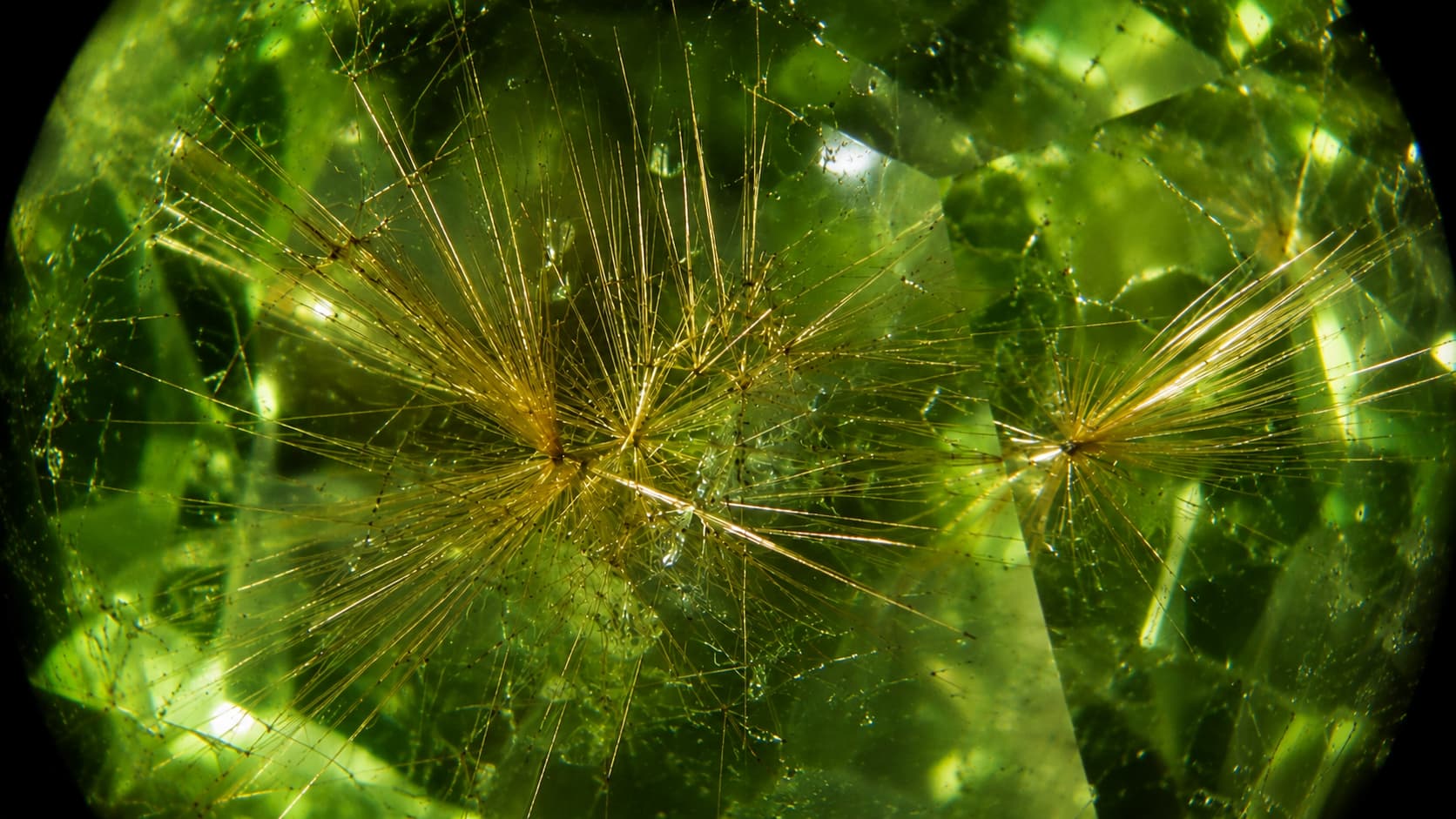
Inclusions come in different forms, and grading reports often name them. A “feather” is a small internal fracture that can look like a wisp of white smoke. A “crystal” is a tiny mineral trapped inside the diamond when it formed. A “cloud” is a hazy cluster of many microscopic pinpoints grouped close together. None of these are signs of a fake or damaged stone — they’re just natural fingerprints left over from the extreme heat and pressure that formed the diamond, and grading reports sometimes include a plotted diagram showing exactly where each one sits inside the stone.
Carat: Weight, Not Just Size
Carat measures a diamond’s weight, not how big it looks or how much it sparkles. One carat equals 200 milligrams, and each carat is divided into 100 “points,” so a jeweler might describe a small diamond as “50 points” instead of “half a carat.”
It’s a common mix-up to assume carat means size, but two diamonds of the same carat weight can look different sizes depending on how they’re cut. A diamond cut too deep can hide extra weight underneath, near the bottom point, making it appear smaller from above than its carat weight suggests. This is another reason cut and carat work together rather than in isolation — a well-cut, smaller diamond can genuinely look bigger and brighter than a larger one that’s cut poorly.
Price doesn’t rise in a straight line with carat weight either. Because larger rough diamonds are rarer, price per carat tends to jump at certain thresholds — a 1-carat diamond usually costs more than double what a 0.5-carat diamond of the same quality costs, simply because stones that size are harder to find. Buyers hoping to stretch a budget sometimes shop just under these thresholds, like 0.90 carats instead of a full carat, since the visual difference is tiny but the price gap often isn’t.
The word “carat” itself is centuries old and has nothing to do with modern grading — it comes from the carob tree, whose small, strikingly uniform seeds were once used as counterweights on scales to weigh gemstones. Traders across the ancient Mediterranean and Middle East relied on carob seeds precisely because they were consistent in weight, long before anyone had standardized metric measurements. Carat is the one C with a history stretching back to the 1500s, while cut, color, and clarity as formal grading categories are a 20th-century invention.
Why All Four Cs Matter Together
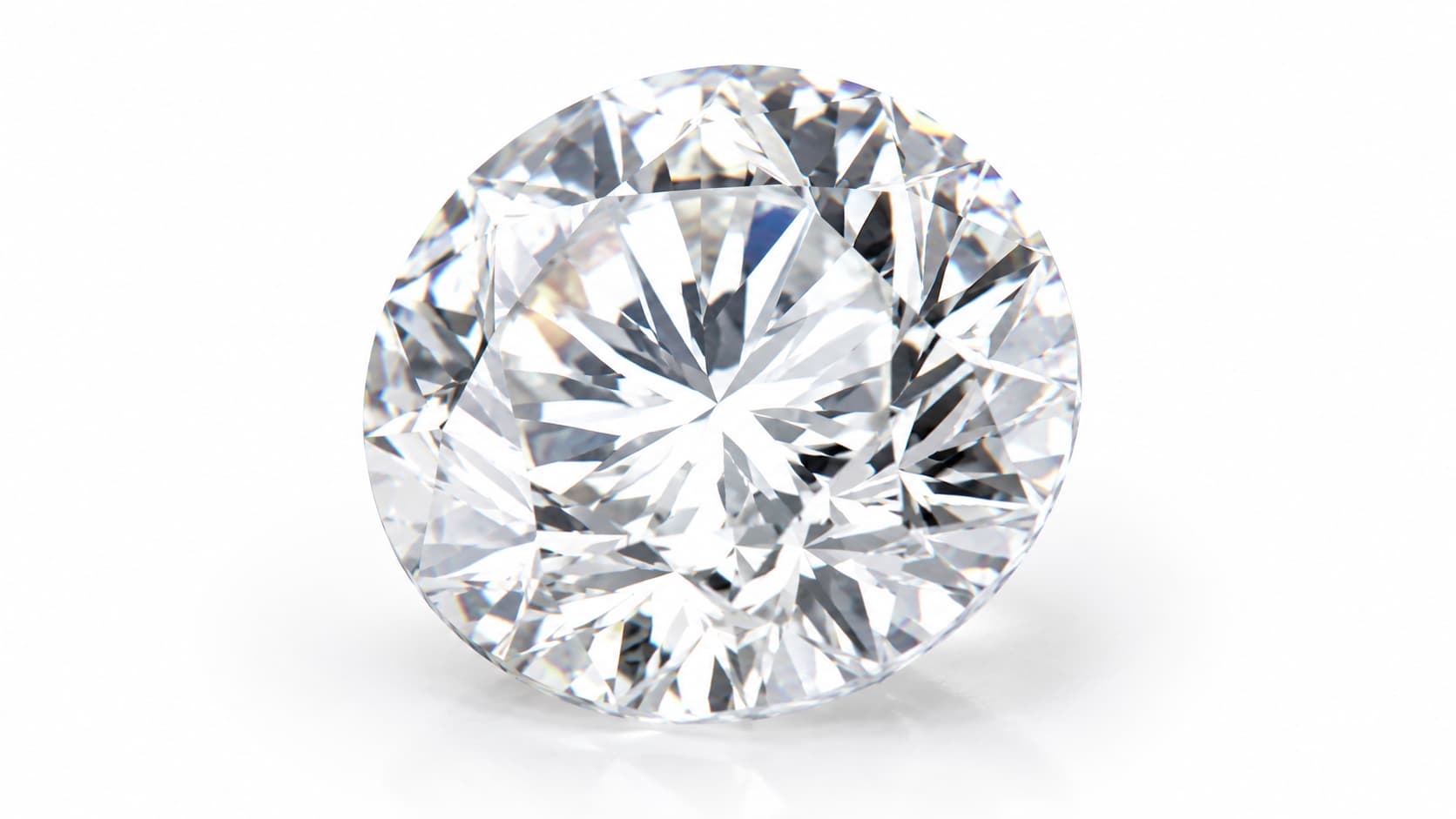
None of the 4Cs should be judged alone, because they constantly affect how the others look and what a diamond is actually worth. A diamond with top color and clarity grades can still look unimpressive if it’s cut badly, while a diamond with a very good cut can make a lower color grade far less noticeable to the eye.
This is why two diamonds with the exact same carat weight can have completely different price tags — the specific combination of cut, color, and clarity behind that weight is what really drives value. When people talk about “getting the most diamond for their money,” what they usually mean is finding the right balance across all four categories rather than maxing out any single one.
A diamond’s grading report lists all 4Cs separately for exactly this reason — no single letter or number tells the whole story on its own.
Frequently Asked Questions
Which of the 4Cs matters most?
Cut is generally considered the most important because it has the biggest visible impact on sparkle, and it’s the only C that depends on human skill rather than nature. That said, the “most important” C really comes down to personal priorities and what stands out most to a given buyer.
Can I trust a diamond’s grading report?
Reports from established, independent labs like GIA or IGI are considered reliable because those labs don’t sell diamonds themselves, which removes the incentive to inflate a grade. It’s still worth checking that a report comes from a recognized lab, since grading standards can vary between less established ones.
Do lab-grown diamonds use the same 4Cs?
Yes, lab-grown diamonds are graded using the same cut, color, clarity, and carat system as natural diamonds, since they’re chemically identical stones. The main difference noted on a lab-grown diamond’s report is simply its origin, not a separate grading scale.
What’s the difference between carat and karat?
Carat measures a diamond’s weight, while karat measures the purity of gold in a piece of jewelry — they sound alike but describe completely different things. Mixing them up is a common mistake, so it helps to remember that carat always relates to gemstone weight.
Is a bigger carat weight always better?
Not necessarily, since a larger diamond with weaker cut, color, or clarity can look less impressive than a smaller, better-balanced stone. Many jewelers suggest deciding on a minimum acceptable grade for cut, color, and clarity first, then choosing the largest carat weight that still fits within that quality range and the available budget.
Conclusion
Understanding the 4Cs comes down to remembering that they’re four separate measurements working as a team, not four scores that stack on top of each other. Cut decides how much life and sparkle a diamond shows, color measures how close it comes to true colorlessness, clarity tracks its natural internal marks, and carat simply records its weight. A diamond that balances all four well will almost always outshine one that maxes out a single C at the expense of the rest, which is really the whole point of the system GIA built more than eighty years ago.