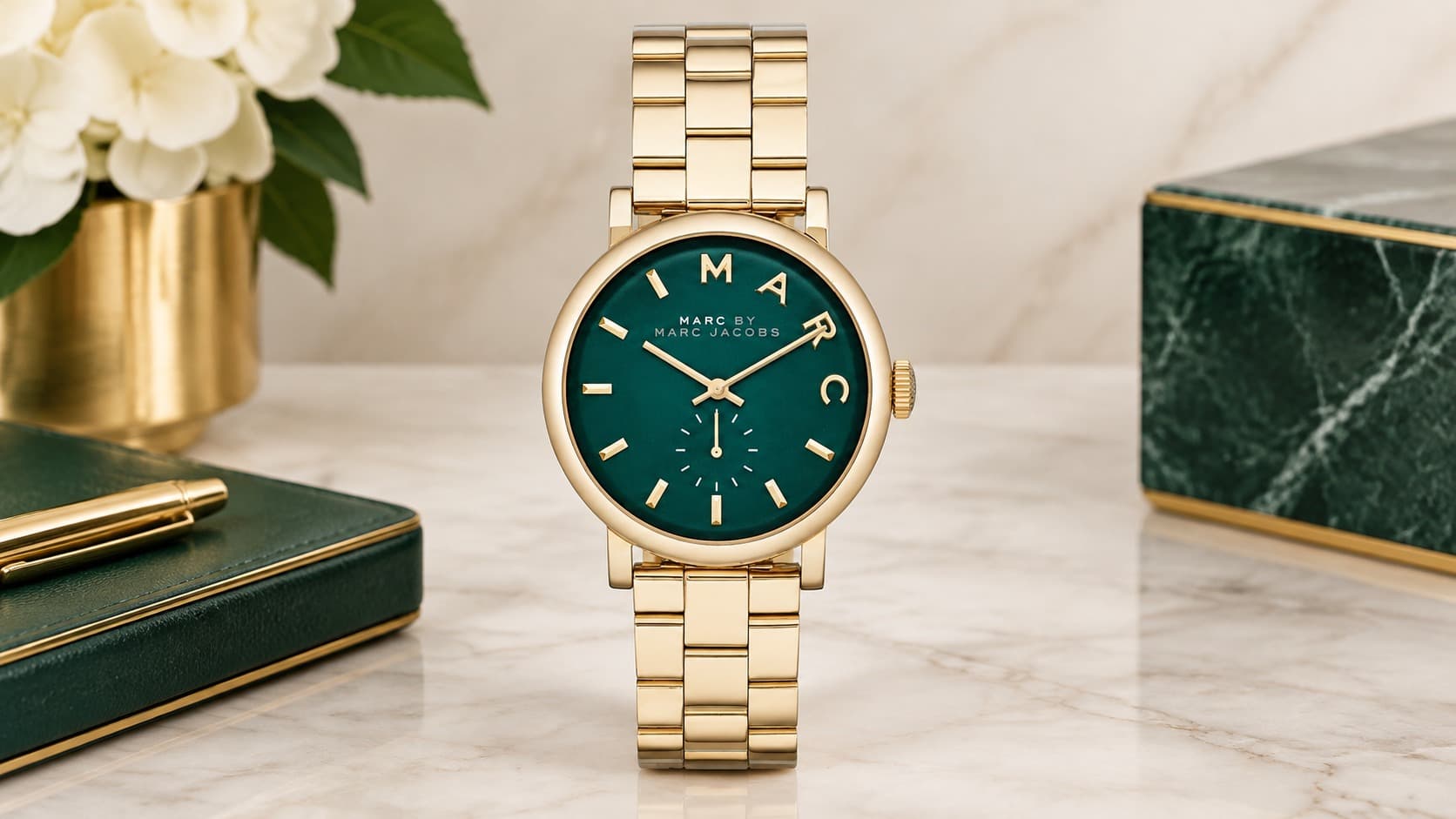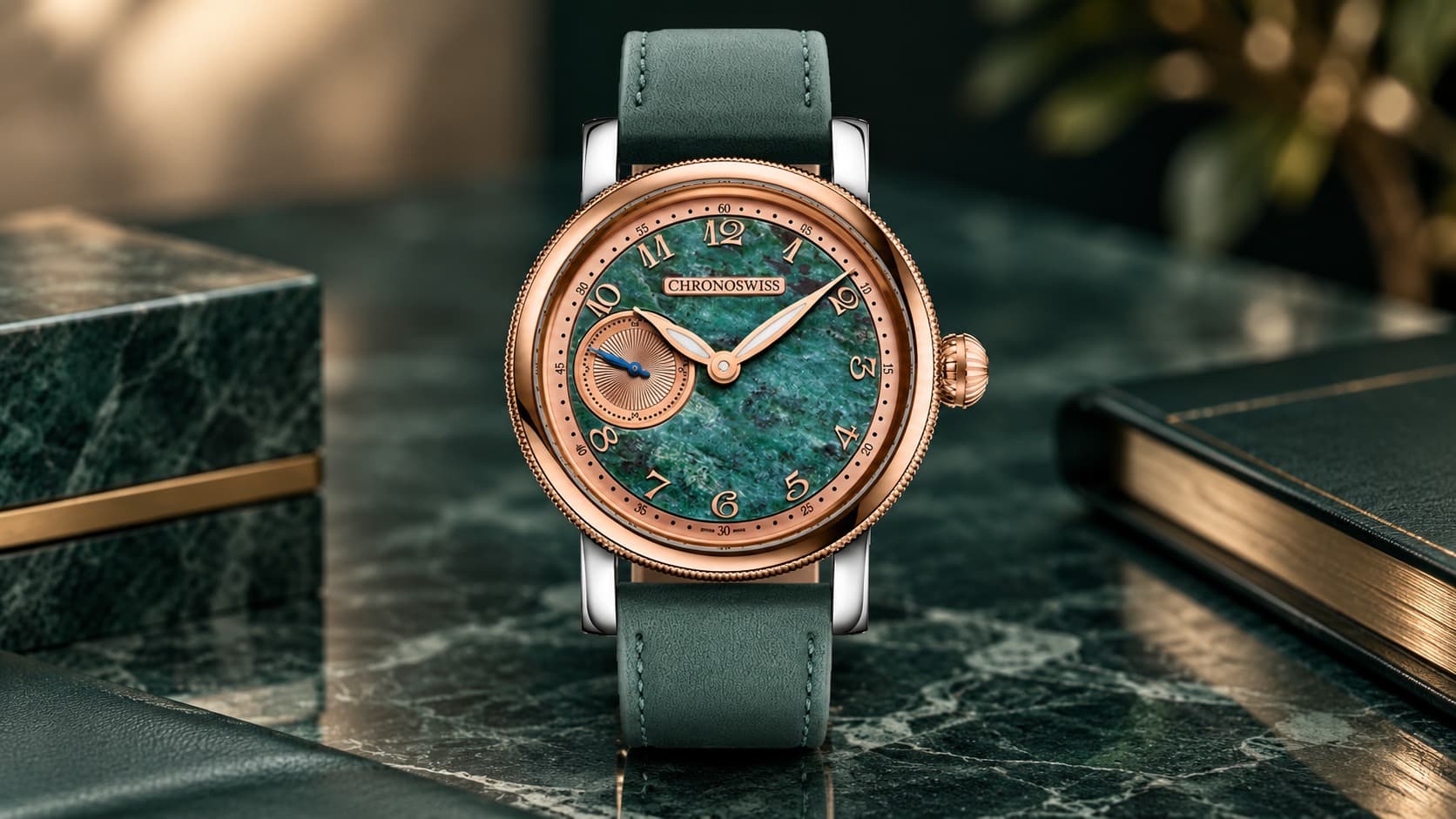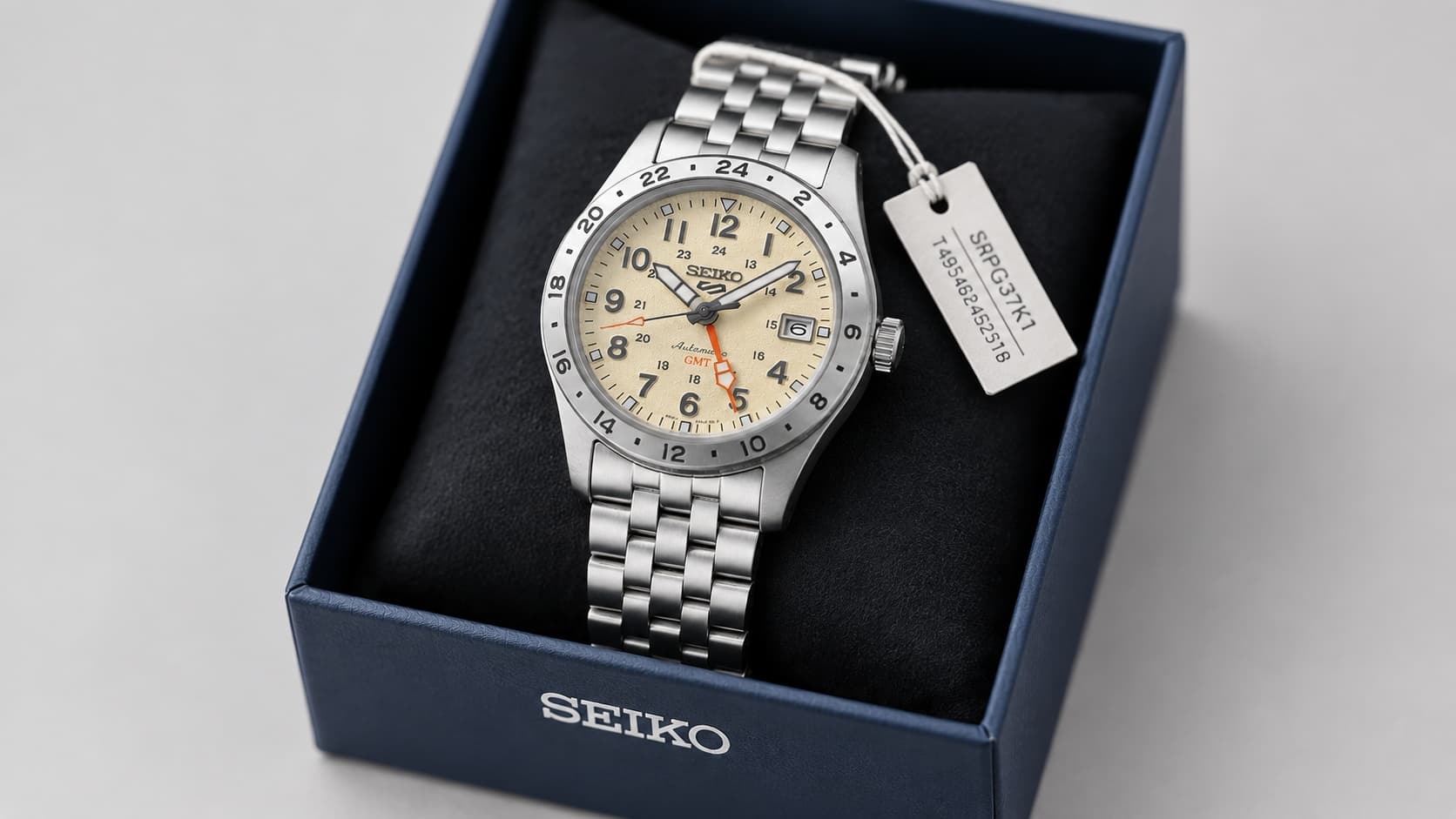
Mechanical watches have captivated enthusiasts for generations with their intricate craftsmanship and engineering precision. A persistent concern among watch owners is whether you can damage these delicate timepieces through overwinding. This worry is particularly common for those new to mechanical watches who fear damaging their investment during routine maintenance. The truth about overwinding mechanical watches lies somewhere between myth and reality—understanding the difference helps owners properly care for their timepieces without unnecessary anxiety.
Automatic and Manual Watches: Key Differences in Winding
Mechanical watches come in two main varieties, each with distinct winding mechanisms that determine how they store energy and whether overwinding presents a risk. All mechanical watches operate using a tightly wound spring inside called the mainspring. This spring holds tension similar to a tape measure, and as this tension is gradually released, it generates energy that powers the watch’s movement. The way this mainspring is wound and releases energy differs significantly between manual and automatic watches.
- Manual watches require you to physically wind them by hand or sometimes with a special tool for the watch to operate, similar to a manual transmission vehicle where you need to be more hands-on to use it properly. The mainspring in these watches must be wound regularly using the crown to maintain power, typically every 24-48 hours depending on the power reserve.
- Automatic watches utilize an ingenious rotor mechanism that winds the mainspring through the natural motion of your wrist as you wear the watch throughout your daily activities. These self-winding watches were developed to provide the beauty of mechanical timekeeping without the need for daily manual winding.
- All mechanical watches, regardless of type, are powered by a tightly wound spring inside called the mainspring. This spring holds tension similar to a tape measure, and as this tension is gradually released, it generates energy that’s transferred to other components like the gear train and escapement, which power the watch and keep everything moving in precise harmony.
- Most standard mechanical watches have a power reserve ranging from 38-48 hours, though luxury models may offer extended reserves of 70 hours or more. This represents how long the watch will run from a fully wound state before stopping.
- The fundamental difference between manual and automatic watches lies in how their mainsprings are wound. In manual watches, the mainspring is usually secured at both ends, creating a definite “full” point. Automatic watches, however, typically feature a mainspring that’s fixed only at one end, with a slipping mechanism that prevents overwinding.
The differences in these designs directly influence whether overwinding is possible and what precautions you should take when winding each type. Let’s examine each type in detail to understand the realities behind the overwinding concern.
Can Manual Watches Be Overwound?
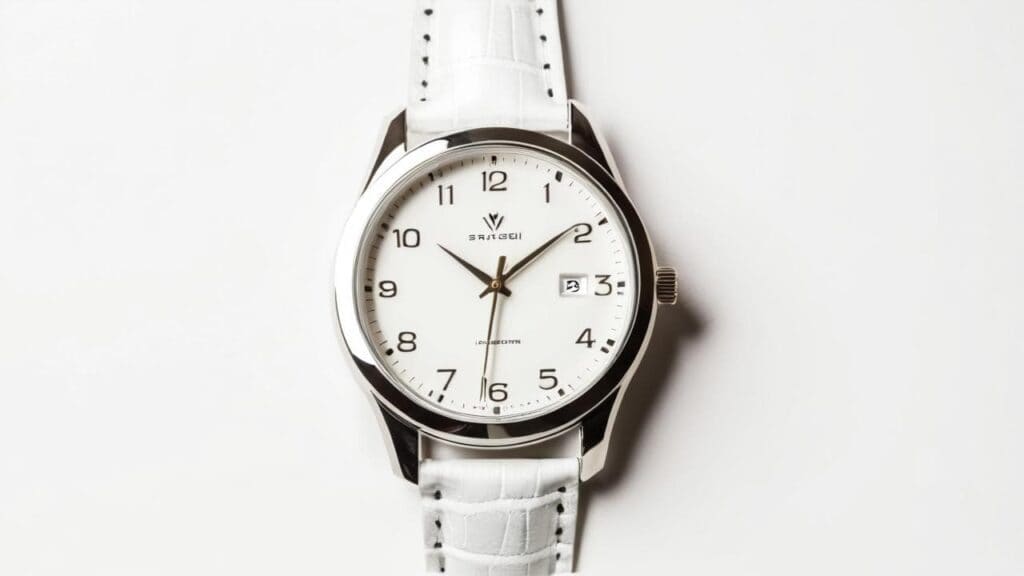
Manual watches require regular winding and more attention from their owners, which raises questions about the potential for damage through overwinding. In theory, damaging the mainspring or escapement system in a manual watch is possible if you don’t stop winding at the right time, but modern manual movements are designed to be resilient against accidental overwinding. Most quality watches incorporate features to prevent damage during normal use.
- In theory, damaging the mainspring or escapement system in a manual watch is possible if you don’t stop winding at the right time, but modern manual movements are designed to be fairly resilient against accidental overwinding. Most quality manual watches are engineered with sufficient resistance to alert you when they’re fully wound.
- When winding a manual watch, you’ll gradually feel increasing resistance as the mainspring reaches its maximum tension. This resistance is a natural signal designed to tell you when to stop winding. It’s not subtle—you’ll feel a distinct stiffness in the crown that makes further winding difficult without applying significant force.
- The resistance you feel when a manual watch is fully wound is similar to when you reach the end of a retractable measuring tape. The tension becomes noticeably tighter, and the crown requires substantially more force to turn. This is your cue to stop winding.
- If you own a manual watch that’s over 75 years old, you should be aware that it’s more susceptible to overwinding damage than modern watches. Vintage timepieces often lack the protective mechanisms found in contemporary models and may use older mainspring materials with different tolerances.
- If you apply excessive force beyond the natural stopping point, you might damage the mainspring or winding mechanism. Some watch owners report experiences where forcing the winding past resistance resulted in the watch winding indefinitely with a shortened power reserve—a sign of mainspring damage.
The good news is that most modern manual watches are quite forgiving, and you’d need to apply significant force to cause damage. The natural resistance you feel is designed to protect the watch, and most normal winding practices won’t harm your timepiece. When in doubt, remember that it’s better to slightly underwound than to force the crown past its natural stopping point.
Why Automatic Watches Cannot Be Overwound
Automatic watches have gained popularity for their convenience, but many owners wonder if these self-winding watches can be overwound. The short answer is no—you cannot technically overwind a modern automatic watch. These watches are designed with a slipping clutch mechanism or ratchet system that disengages the winding process when the mainspring is fully wound. This engineering prevents potential damage to the watch’s internal components.
- The short answer is no—you cannot technically overwind a modern automatic watch. These watches are ingeniously designed with a slipping clutch mechanism or ratchet system that disengages the winding process when the mainspring is fully wound. This clever engineering ensures that the spring doesn’t become overly tense.
- Automatic watches use a slip gear that activates when you’ve fully wound the mainspring. This prevents over-tensing of the mainspring by effectively unwinding the movement when it’s wound past a certain point. This elegant solution has proven extremely reliable through decades of watchmaking evolution.
- In automatic watches, the barrel walls are lined with a special “braking grease” and the mainspring uses a sliding bridle to push against the walls while still being able to slip when necessary. This allows the automatic winding mechanism to keep winding the barrel without causing damage.
- If you listen closely when manually winding a fully-wound automatic watch, you can sometimes hear the mainspring slipping at full wind—it produces a slight “click” sound every few winds once the watch reaches maximum tension. This clicking is the sound of the safety mechanism doing its job.
- Many modern automatic watches can also be manually wound using the crown. This feature is particularly useful when starting a watch that has stopped completely. The same slipping mechanism protects the watch whether it’s being wound automatically by wrist movement or manually via the crown.
The engineering behind automatic watches demonstrates remarkable foresight, ensuring that these complex mechanisms can withstand the varied conditions of everyday wear without suffering damage from overwinding. This design allows you to enjoy your automatic watch without the anxiety of potentially damaging it through regular use or winding.
Common Misconceptions About Watch Overwinding
The watch community has perpetuated several myths about overwinding that cause unnecessary anxiety for owners. Understanding what’s true and what’s exaggerated helps you maintain your timepiece with confidence rather than fear. Historically, watchmakers would sometimes tell customers their watch was “overwound” rather than explaining more complex issues like dried lubricants or mechanical wear.
- One of the most persistent myths in the watch world is the “overwound watch” diagnosis. This explanation is often lazily given when a watch isn’t running, but overwinding is rarely the actual problem. This misconception dates back decades and continues to mislead watch owners today.
- Historically, watchmakers would sometimes tell customers their watch was “overwound” rather than explaining more complex issues. In reality, problems often stemmed from old animal-based oils turning sticky as they dried, eventually causing the watch to stop working if not serviced regularly.
- When a mechanical watch stops working, there are hundreds of potential causes—from natural wear and tear to issues with lubrication, mainspring problems, or damage from impacts. A properly functioning watch should allow you to wind it fully without issues.
- “Overwound” watches listed in online marketplaces are often simply watches in need of routine service or repair. Sellers may use this terminology without understanding the actual mechanical issues involved, perpetuating the misconception.
- The phrase “overwinding” implies faulty logic in most situations. It would be like knowingly driving your car with little gas, stopping in the middle of the road with an empty tank, and blaming the malfunction on “overdriving.”
Understanding these myths can help you approach watch maintenance with confidence and avoid unnecessary concerns. If your watch stops working after being fully wound (but not forced), it likely needs servicing rather than being “overwound.”
Proper Watch Winding Techniques to Prevent Damage
Proper winding technique ensures your mechanical watch maintains optimal performance and longevity. These guidelines for both manual and automatic watches will help you avoid potential issues while keeping your timepiece running accurately. Regular, careful winding is an essential part of watch ownership.
- For manual watches, wind your timepiece at approximately the same time each day to establish a consistent routine. This helps maintain consistent timekeeping and ensures your watch never fully runs down.
- When winding a manual watch, it’s important to stop as soon as you feel resistance on the crown. Continuing to force the crown once you feel this resistance could potentially damage the mainspring.
- For manual watches, it’s advisable to remove the watch from your wrist before winding. This provides better control and reduces the risk of applying awkward angles to the crown stem.
- For automatic watches, if the watch has stopped, give it 20-30 gentle turns of the crown to provide initial power, then wear it normally to allow the self-winding mechanism to take over.
- While automatic watches have mechanisms to prevent overwinding, excessive and unnecessary manual winding can cause unnecessary wear and tear on the winding mechanism. Once the watch reaches its power reserve, let it wind naturally through regular wear.
- Typically, most mechanical watches have a power reserve of roughly 40 hours, and it is recommended to keep the watch above at least half of its power reserve, as it operates best when the mainspring is above half-tension.
- Wind the crown in a smooth, steady motion rather than rapid, jerky turns. This provides more consistent tension and reduces stress on the winding mechanism.
With these practices, you’ll establish a healthy relationship with your mechanical watch that ensures accurate timekeeping and prevents unnecessary wear on critical components.
Is Your Watch Really Overwound or Just Needs Service?
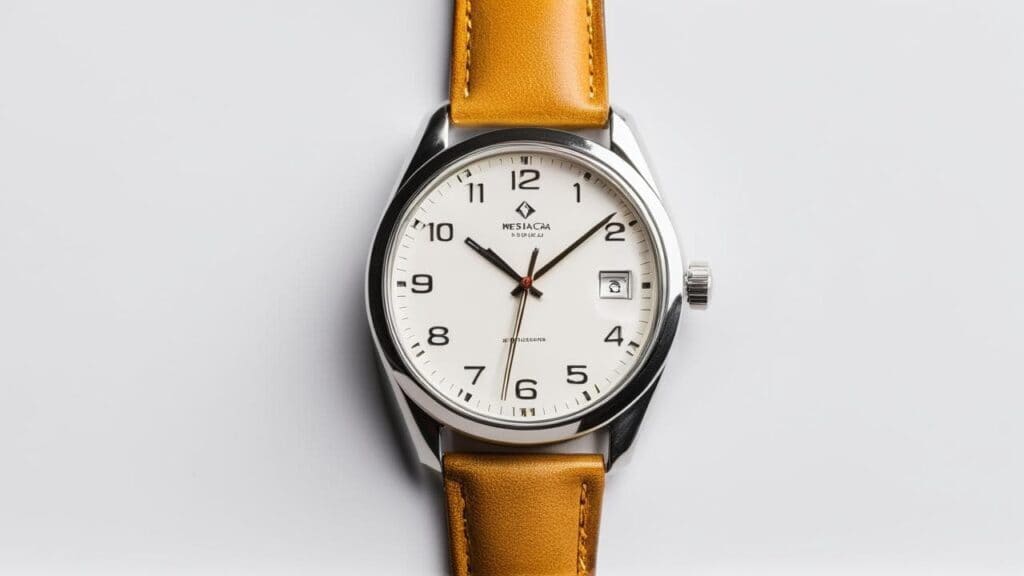
Instead of worrying about overwinding, learn to recognize the true signs that your mechanical watch requires professional attention. These indicators point to maintenance needs that are far more common than any issues related to overwinding. Regular service is an important part of watch ownership.
- If your watch stops running shortly after being fully wound, this indicates an issue with the movement, not overwinding. A properly functioning mechanical watch should run for its entire rated power reserve when fully wound.
- Unusual sounds like grinding, clicking (outside of normal operation), or rattling suggest internal problems that require professional assessment.
- If the winding crown feels loose, gritty, or inconsistent in resistance, this could indicate problems with the winding mechanism or mainspring barrel.
- Significant time-keeping inaccuracy (gaining or losing more than 30 seconds per day for a non-chronometer watch) often indicates that your watch needs regulation or service.
- If your manual watch winds indefinitely without building resistance, this suggests the mainspring may be broken or disconnected from the barrel wall.
- Water vapor appearing inside the crystal is a serious problem requiring immediate professional attention to prevent corrosion of the movement.
- Some movements have known weaknesses in their winding mechanisms. For instance, the ETA 2824 and SW200 movements have vulnerabilities that can wear faster than others with frequent manual winding.
When you notice any of these signs, it’s time to consult a professional watchmaker rather than assuming overwinding is the issue. Regular service intervals (typically every 3-5 years) can prevent many of these problems before they develop.
Conclusion
The concern about overwinding mechanical watches is largely overblown for modern timepieces. While vintage manual watches can theoretically be damaged by excessive force during winding, contemporary watches—both manual and automatic—are engineered with safeguards that make overwinding extremely difficult under normal conditions. Automatic watches, with their ingenious slipping mainspring mechanisms, cannot be overwound during normal use, while manual watches provide clear physical feedback when fully wound.
When a watch fails to run properly, “overwinding” is rarely the true culprit. More likely, the watch simply needs routine maintenance or has developed an unrelated mechanical issue. By establishing a consistent winding routine, recognizing the natural stopping point when winding manually, and scheduling regular professional service, your mechanical watches should provide decades of reliable service and enjoyment, free from any concerns about overwinding.