Getting your ears pierced is exciting, but if you’re a swimmer or have summer plans, you’re probably wondering when it’s safe to dive back in. You need to wait at least 4-6 weeks for earlobe piercings and up to 12 months for cartilage piercings before swimming. This waiting period isn’t just a suggestion - it’s crucial for preventing serious infections that could introduce harmful bacteria directly into the wound, leading to complications that are painful, expensive to treat, and can cause lasting problems including permanent scarring or keloid formation. Swimming in contaminated water before your piercing heals completely can turn what should be a simple healing process into a medical emergency requiring antibiotic treatment or even surgical intervention.
When Can You Swim After Getting Ears Pierced?
The waiting period before swimming depends entirely on what type of ear piercing you have and how well your body heals. Earlobe piercings heal faster due to better blood circulation, while cartilage piercings take significantly longer because of limited blood flow to those areas. These timeframes help you plan your swimming activities and avoid the frustration of setbacks caused by premature water exposure.
- Earlobe piercings require 6-8 weeks of healing before swimming is considered safe, though some professional piercers recommend waiting up to 3 months for complete internal healing. The soft tissue of the earlobe has excellent blood supply, which brings healing nutrients and infection-fighting white blood cells to the area, allowing for relatively quick recovery compared to other body parts.
- Cartilage piercings need 3-12 months of healing time before water exposure is safe, with upper cartilage piercings like helix or industrial piercings often taking the full year to heal completely. Cartilage tissue has very limited blood vessels, meaning fewer immune cells reach the piercing site and healing progresses much more slowly than soft tissue.
- Individual healing factors significantly impact timing, including your age, overall health, immune system strength, smoking status, and how well you follow aftercare instructions. Younger people typically heal faster, while conditions like diabetes or autoimmune disorders can slow the process considerably.
- The piercing may look healed externally while still vulnerable internally, which is why following professional timeline recommendations is crucial even when the outside appears fine. The skin around the piercing typically closes within days, but the internal tissue channel takes weeks or months to fully develop the protective barrier needed to resist bacterial invasion.
This timeline isn’t negotiable because rushing back to swimming can result in infections that actually extend your total healing time by months, making the wait even longer than if you had been patient initially. Professional piercers and medical professionals agree that these timeframes represent the minimum safe waiting periods, not suggestions that can be shortened for convenience.
Why You Shouldn’t Swim with Fresh Ear Piercings
Swimming before your piercing has fully healed exposes the wound to numerous bacteria and contaminants that can cause serious complications. Even water that appears clean contains microorganisms that pose significant risks to healing tissue. The dangers are real and well-documented, which is why every professional piercer and medical expert recommends complete water avoidance during the healing phase.
- All water sources contain harmful bacteria including Pseudomonas aeruginosa, Staphylococcus aureus, and various streptococcus strains that can enter through the piercing channel and multiply rapidly in the warm, moist environment of healing tissue. These bacteria are present even in treated pools and can cause infections ranging from mild irritation to life-threatening sepsis.
- Fresh piercings create a direct pathway into your bloodstream bypassing your body’s normal protective barriers like intact skin, which means bacteria don’t have to work to find a way into your system. The piercing provides a highway straight to vulnerable tissue where infections can establish quickly and spread to surrounding areas or enter your circulation.
- Pool chemicals like chlorine don’t eliminate all harmful microorganisms and can actually irritate healing tissue, making it more susceptible to infection. While chlorine kills many bacteria, it’s not effective against all pathogens, and the chemical itself can cause chemical burns or delayed healing in sensitive piercing tissue.
- Water pressure can force contaminants deeper into the piercing channel creating infections in areas that are difficult for your immune system to reach and treat. This is particularly problematic with activities like diving or water slides where water impacts the ears with significant force.
The consequences of swimming too early aren’t just temporary discomfort - they can include severe infections requiring hospitalization, permanent scarring, keloid formation, and in rare cases, systemic infections that spread throughout the body. The risk simply isn’t worth the temporary enjoyment of swimming when proper healing takes just a few months of patience.
Swimming Pool vs Ocean Water with New Piercings
Not all water sources pose the same level of risk to healing piercings, but none are completely safe during the initial healing period. Each type of water environment presents unique challenges and dangers that can compromise your piercing’s healing process. Even seemingly safer options like treated pools carry significant risks that make waiting for complete healing the only truly safe approach.
Swimming Pools
- Chlorinated pools contain chemicals that irritate healing tissue and can cause chemical burns around fresh piercings, leading to delayed healing and increased scarring risk. The chlorine levels needed to sanitize public pools are often much higher than what sensitive healing tissue can tolerate without adverse reactions.
- Public pools harbor bacteria resistant to chlorine treatment including dangerous pathogens like MRSA (methicillin-resistant Staphylococcus aureus) that can cause life-threatening infections. Pool maintenance varies widely, and even well-maintained facilities can’t eliminate all risks.
- Pool pH levels often fluctuate outside the ideal range causing additional irritation and potentially creating an environment where harmful bacteria thrive despite chemical treatment. Poorly balanced pool chemistry can actually make bacterial growth more likely rather than preventing it.
- Shared facilities increase exposure to diverse pathogens from multiple swimmers, including bacteria, viruses, and fungi that regular swimmers’ immune systems might handle but could overwhelm a compromised healing piercing.
Ocean Water
- Salt water doesn’t sterilize wounds despite popular belief and ocean water contains numerous bacteria including Vibrio species that cause serious flesh-eating infections. The salt concentration in seawater is also much higher than what’s beneficial for wound healing and can actually damage delicate healing tissue.
- Marine bacteria are often antibiotic-resistant and can cause infections that are extremely difficult to treat with standard medications. These organisms have evolved in harsh ocean environments and are particularly hardy and aggressive when they infect human tissue.
- Ocean pollution introduces additional contaminants including sewage, industrial chemicals, and agricultural runoff that can contaminate healing piercings with dangerous toxins and pathogens. Coastal areas near population centers are particularly problematic.
- Wave action and sand particles can physically damage healing tissue and drive bacteria deeper into the piercing channel, creating infections that are difficult for your immune system to reach and eliminate.
Lakes and Rivers
- Natural freshwater bodies pose the highest infection risk due to minimal or no treatment and high concentrations of bacteria, parasites, and other pathogens from wildlife, agricultural runoff, and human contamination sources.
- Stagnant water creates ideal breeding conditions for harmful bacteria including those that cause necrotizing fasciitis and other flesh-eating infections that can spread rapidly through soft tissue.
- Agricultural runoff introduces antibiotic-resistant bacteria from livestock operations where antibiotics are used regularly, creating superbugs that don’t respond to standard treatment protocols.
- Parasitic organisms in freshwater can establish infections that are completely different from bacterial infections and require specialized treatment that may not be readily available.
Hot Tubs and Jacuzzis
- Warm water temperatures create perfect bacterial breeding conditions where harmful microorganisms multiply rapidly, often overwhelming the sanitizing chemicals meant to keep the water safe.
- Hot tub maintenance is often inadequate with pH and chemical levels that vary dramatically and often fall outside safe ranges for extended periods, making them particularly dangerous for healing tissue.
- The combination of heat and chemicals severely irritates healing tissue while simultaneously providing ideal conditions for bacterial growth, creating a perfect storm for serious infections.
- Biofilm buildup in systems harbors dangerous bacteria that regular cleaning can’t eliminate, continuously seeding the water with pathogens despite chemical treatment.
Each of these water environments presents serious risks that far outweigh any potential benefits during the healing period. The safest approach is complete avoidance of submersion until your piercing has fully healed, regardless of how clean or well-maintained the water source appears to be.
How Long Different Ear Piercings Take to Heal
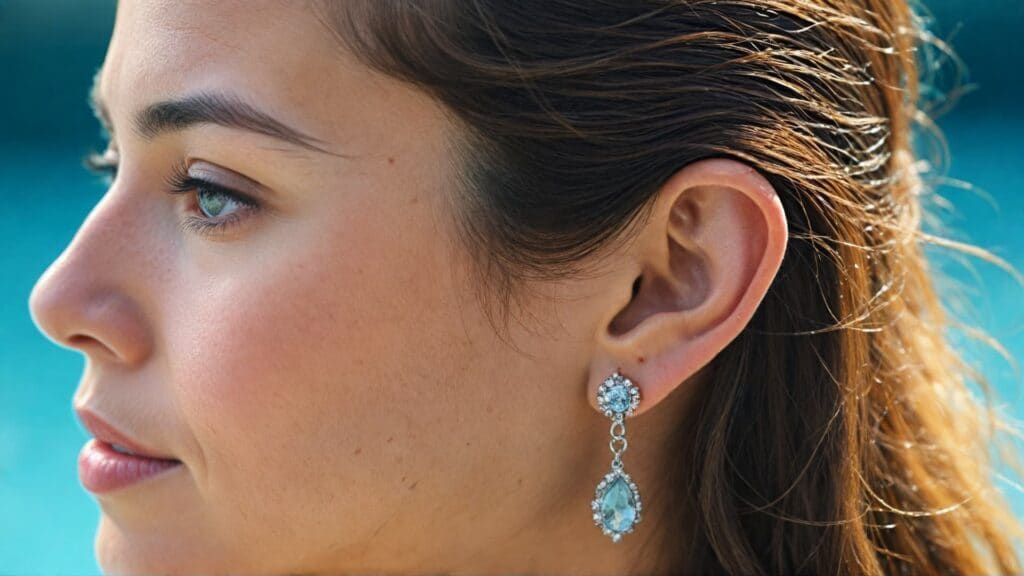
Different areas of the ear heal at dramatically different rates due to variations in blood supply, tissue type, and exposure to irritants. The location of your piercing determines not only how long you’ll need to wait before swimming but also how careful you need to be during the healing process. Cartilage piercings require significantly more patience and care than soft tissue piercings due to fundamental differences in how these tissues heal.
Earlobe Piercings
- Standard earlobe piercings typically heal in 6-8 weeks due to the excellent blood circulation in soft earlobe tissue, which delivers oxygen and immune cells efficiently to the healing site. However, complete internal healing often takes up to 3 months, during which the tissue remains vulnerable to bacterial invasion.
- Multiple earlobe piercings may heal more slowly when placed close together, as the healing process requires significant energy and resources from your immune system. Each additional piercing increases the workload on your body’s healing mechanisms.
- Stretched or larger gauge piercings require longer healing times proportional to the size of the wound created, with some taking 3-6 months to heal completely depending on the final size and stretching method used.
- Heavy jewelry can extend healing time by causing micro-tears from movement and weight, which restart portions of the healing process and delay when swimming becomes safe.
Cartilage Piercings
- Upper cartilage piercings like helix take 3-9 months to heal due to the limited blood supply in cartilage tissue, which means fewer nutrients and immune cells reach the area to facilitate healing.
- Industrial piercings connecting two points can take 6-12 months because they involve two separate wounds connected by jewelry that moves and causes irritation during the healing process. The connecting bar often prevents proper drainage and cleaning.
- Tragus and anti-tragus piercings require 6-12 months due to their location in thick cartilage with minimal blood flow and frequent exposure to hair products, headphones, and other irritants that can interfere with healing.
- Conch piercings often take 6-9 months depending on whether they’re inner or outer conch, with inner conch piercings typically healing faster due to slightly better blood circulation in that area.
Multiple Piercings Considerations
- Getting multiple piercings simultaneously increases overall healing time as your immune system must divide its resources among multiple healing sites, potentially slowing the process for all piercings involved.
- Different piercing types heal at different rates when done together, meaning you must wait for the slowest-healing piercing to fully recover before swimming becomes safe for any of them.
- Infection in one piercing can spread to nearby piercings especially when they’re close together, which is why maintaining strict aftercare for all piercings simultaneously is crucial during the healing period.
The key takeaway is that cartilage piercings require significantly more patience than earlobe piercings, and attempting to rush the process by swimming early can result in complications that extend healing time by months or even require piercing removal. Your swimming plans should be based on your longest-healing piercing, not your fastest-healing one.
Consequences of Swimming Too Soon After Piercing
Swimming before your piercing has healed completely can result in complications ranging from minor irritation to life-threatening infections. The consequences aren’t just theoretical - emergency rooms regularly treat serious piercing infections caused by premature water exposure. These complications can turn a simple piercing into a medical emergency that affects your health, appearance, and finances for months or years to come.
- Bacterial infections typically develop within 24-72 hours of water exposure and present with increasing pain, redness, swelling, heat around the piercing, and discharge that may be yellow, green, or bloody. These infections can progress rapidly from localized to systemic if not treated promptly with appropriate antibiotics.
- Antibiotic-resistant infections require specialized treatment and may not respond to standard medications, potentially requiring hospitalization for intravenous antibiotic therapy or surgical intervention to remove infected tissue.
- Keloid and hypertrophic scar formation becomes more likely when healing is disrupted by infection, creating permanent raised scars that are difficult to treat and may require surgical removal or steroid injections.
- Cartilage infections can cause permanent deformity including “cauliflower ear” where the cartilage structure collapses or becomes misshapen due to tissue death from severe infection.
- Treatment costs can be substantial including emergency room visits, prescription antibiotics, follow-up appointments, and potential surgical procedures to address complications, often totaling thousands of dollars.
- Healing time extends significantly when infections occur, often requiring piercing removal and re-piercing after complete healing, essentially starting the entire process over and extending your wait time by many additional months.
The most frustrating aspect of early swimming complications is that they’re entirely preventable by simply waiting for complete healing. The temporary inconvenience of avoiding water pales in comparison to dealing with serious infections and their long-term consequences, which can include permanent scarring, deformity, and ongoing health problems.
Safe Swimming Tips for Healed Piercings
Once your piercing has fully healed according to professional guidelines, you can return to swimming safely by following proper preparation and aftercare protocols. The transition back to water activities should be gradual and careful, as even healed piercings benefit from protective measures. These precautions help maintain your piercing health and prevent complications that could arise from chemical exposure or water contamination.
Before Swimming Preparation
- Verify complete healing with your professional piercer before returning to water activities, as they can assess whether the internal tissue has developed sufficient strength to resist bacterial invasion during water exposure. Schedule a check-up appointment rather than self-diagnosing, since piercers can identify subtle signs of incomplete healing that aren’t visible to untrained eyes. They’ll examine the piercing channel, test jewelry movement, and confirm that all inflammation has resolved completely.
- Choose appropriate jewelry materials like surgical steel, titanium, or high-quality gold that won’t corrode or cause reactions when exposed to pool chemicals or salt water. Avoid costume jewelry, plated metals, or anything containing nickel, as these materials can break down in water and cause severe allergic reactions. Consider switching to jewelry specifically designed for water activities if you plan to swim regularly.
- Ensure your tetanus vaccination is current before swimming in natural water bodies, as puncture wounds like piercings can provide entry points for tetanus bacteria found in soil and water sediments. Check with your healthcare provider about booster shots if your last vaccination was more than 10 years ago, and consider this especially important for lake, river, or ocean swimming.
- Research water quality at your intended swimming location by checking local health department reports for bacterial levels, recent contamination events, or water quality advisories that might affect safety. Avoid swimming during or immediately after heavy rainfall when runoff increases bacterial contamination in natural water bodies.
During Swimming Protection Methods
- Start with brief water exposure sessions of 15-20 minutes maximum during your first few swimming experiences after healing, gradually increasing duration as you monitor how your piercing responds to water contact. This allows you to identify any sensitivity or irritation before it becomes a serious problem requiring extended recovery time.
- Avoid high-impact water activities initially such as diving, water slides, or rough ocean waves that could force water deep into the piercing channel with significant pressure. Stick to gentle swimming, floating, or wading until you’re confident your piercing can handle more vigorous water activities without problems.
- Choose swimming locations carefully preferring well-maintained pools with proper chemical balance over natural water bodies for your first swimming experiences after piercing healing. Ask pool staff about recent water testing results and maintenance schedules to ensure you’re swimming in properly treated water.
- Keep your head above water when possible during initial swimming sessions to minimize direct water contact with ear piercings, especially if you have multiple piercings or any lingering sensitivity in the healed areas. This conservative approach helps you ease back into full water activities gradually.
After Swimming Care Routine
- Rinse piercings immediately with clean fresh water after swimming to remove chlorine, salt, bacteria, or other contaminants that could cause irritation or build up on jewelry and skin over time. Use bottled water if you’re unsure about local tap water quality, and ensure the rinse water is at room temperature rather than hot or cold.
- Gently clean around piercings with sterile saline solution using a clean cotton pad or sterile gauze to remove any residual contaminants and maintain the healthy environment around your healed piercing site. Avoid cotton swabs which can leave fibers behind, and never use alcohol or hydrogen peroxide which can irritate even healed tissue.
- Dry the area thoroughly but gently using clean paper towels or allowing air drying to prevent moisture buildup that could encourage bacterial growth around the piercing. Pat rather than rub the area, and ensure jewelry is completely dry before it comes into contact with clothing or bedding.
- Apply a thin layer of piercing aftercare product if recommended by your piercer, especially after swimming in chlorinated or salt water that can dry out the skin around your piercing. Use only products specifically designed for healed piercings, avoiding petroleum-based products that can trap bacteria.
Following these protocols helps ensure that your return to swimming doesn’t compromise the health of your healed piercings and allows you to enjoy water activities safely for years to come. Remember that even healed piercings can develop problems if proper care isn’t maintained after water exposure, so consistency with aftercare remains important throughout your swimming activities.
Do Waterproof Bandages Work for Ear Piercings?
Various products claim to protect piercings during water exposure, but most are designed for already-healed piercings and aren’t suitable for fresh piercings during the initial healing period. The market is full of products that promise to make swimming safe during healing, but the reality is that no product can completely eliminate the risks. Most professional piercers and medical experts recommend against using any protective products during healing because they often create more problems than they solve.
- Waterproof bandages aren’t recommended for fresh piercings because they trap moisture against healing tissue, creating ideal conditions for bacterial growth and preventing proper air circulation needed for healthy healing.
- Silicone ear plugs can be effective for healed piercings by preventing water from entering the ear canal and contacting jewelry, but they should never be used during the healing period as they can trap bacteria against vulnerable tissue.
- Adhesive products can cause allergic reactions in the sensitive skin around fresh piercings, leading to contact dermatitis that complicates the healing process and may require medical treatment.
- Custom-molded ear plugs from audiologists provide the best fit and protection for swimmers with healed piercings who want maximum water protection during regular swimming activities, though they require proper maintenance and cleaning.
- Wax ear plugs aren’t recommended because they can break apart and leave residue around piercings that’s difficult to clean and may harbor bacteria that could cause infections.
- Professional-grade jewelry materials are less affected by water exposure once healing is complete, making protection less necessary for those with properly selected piercing jewelry made from appropriate materials.
The most reliable protection for fresh piercings is complete avoidance of water exposure, as no product can guarantee complete protection against the complex risks associated with swimming during the healing period. Even products designed for healed piercings require careful use and maintenance to remain effective and safe.
Signs Your Ear Piercing Is Ready for Swimming
Determining when your piercing has healed sufficiently for water exposure requires careful assessment of multiple healing indicators. The appearance of healing can be deceiving, as external healing often occurs much faster than internal tissue development. Rushing this decision based on appearance alone can undo months of careful healing progress and result in serious complications that extend your recovery time significantly.
- No discharge or crusty buildup should be present around the piercing for at least two weeks before considering water exposure, as any ongoing drainage indicates active healing that isn’t complete and tissue that remains vulnerable to bacterial invasion.
- Jewelry moves freely without pain or resistance when gently rotated or moved, indicating that the internal tissue channel has developed sufficient strength and isn’t still forming adhesions that could be damaged by water exposure.
- No tenderness when the area is touched or when you sleep on that side, showing that the deep tissue has healed enough to withstand normal pressure without pain or inflammation that could indicate ongoing healing.
- The piercing looks and feels like other healed body parts with normal skin color, texture, and temperature around the site, rather than appearing red, raised, or feeling warm to the touch which indicates active healing processes.
- You’ve followed aftercare instructions perfectly for the entire recommended healing period without any setbacks, infections, or complications that might have delayed the normal healing timeline.
- Your professional piercer confirms healing during an in-person assessment, as they have the experience to recognize subtle signs of incomplete healing that you might miss during self-examination.
- The minimum healing time has passed according to professional guidelines for your specific piercing type, remembering that this represents the minimum safe timeframe, not necessarily when your individual piercing is ready.
Remember that looking healed and being healed are different things - internal tissue development takes longer than external appearance might suggest, which is why professional assessment and conservative timing are crucial for safe water return. The cost of waiting an extra few weeks is minimal compared to the potential consequences of swimming too early.
What to Do If Water Gets in Your Fresh Piercing

Accidental water exposure during healing requires immediate action to minimize infection risk, but it’s important not to panic as quick response can often prevent serious complications from developing. Whether it’s from an unexpected splash, forgetting about swimming restrictions, or unavoidable water contact during daily activities, the key is responding appropriately and monitoring carefully for signs of problems.
- Don’t panic, but act quickly to minimize the time bacteria have to establish in the piercing site, as most infections require several hours to take hold in healthy tissue, giving you a window of opportunity for effective intervention.
- Rinse immediately with sterile saline solution to flush out any contaminants that may have entered the piercing channel, using a spray bottle or cup to create gentle irrigation rather than harsh scrubbing that could damage tissue.
- Avoid hydrogen peroxide or alcohol which can damage healing tissue and actually increase infection risk by destroying beneficial bacteria and cells needed for proper healing processes.
- Gently pat dry with a clean paper towel rather than cloth towels which may harbor bacteria, and avoid rubbing which could force contaminants deeper into the tissue or cause additional trauma.
- Monitor closely for infection signs including increased pain, redness, swelling, heat, or unusual discharge over the next 48-72 hours when most water-related infections begin to manifest symptoms.
- Contact your piercer immediately for guidance specific to your situation and piercing type, as they may recommend specific aftercare modifications or professional assessment based on the circumstances of exposure.
- Don’t remove jewelry unless advised by a professional as this can trap infection inside the tissue and make treatment more difficult if complications do develop.
Quick action after accidental exposure often prevents serious complications, but professional guidance is essential to ensure you’re taking appropriate steps for your specific situation. Document the exposure and any symptoms that develop, as this information will be valuable if medical treatment becomes necessary.
Professional Piercer Advice on Swimming
Professional piercers and medical experts consistently emphasize conservative approaches to piercing aftercare, prioritizing long-term health over short-term convenience. Their experience with complications provides valuable insights that can help you avoid the mistakes that lead to serious problems. The consensus among professionals is clear and based on years of treating complications that result from premature water exposure.
- Professional piercers universally recommend complete water avoidance during healing because they regularly see the devastating effects of premature water exposure, including infections that require piercing removal and months of additional healing time.
- Medical professionals emphasize that piercing infections can be life-threatening when bacteria enter the bloodstream, particularly in cartilage infections where blood supply is limited and antibiotics have difficulty reaching infected tissue effectively.
- Quality piercing shops provide detailed aftercare instructions that specifically address swimming restrictions, and reputable piercers will refuse to provide “shortcuts” or compromises that could endanger client health and safety.
- Emergency room physicians report increasing numbers of serious piercing infections related to premature water exposure, particularly during summer months when people are eager to return to swimming activities.
- Infectious disease specialists warn about antibiotic-resistant bacteria in recreational water that don’t respond to standard treatments, making prevention through avoidance far superior to attempting treatment after exposure occurs.
- Professional piercing organizations maintain strict guidelines about healing timeframes specifically because shorter periods result in unacceptably high complication rates that damage both individual health and industry reputation.
The consensus among all healthcare and piercing professionals is that no swimming activity is worth risking permanent damage, scarring, or life-threatening infection. The temporary inconvenience of waiting for complete healing prevents potentially devastating long-term consequences that could affect your health and appearance for life.
Most Asked Questions About Piercing Water Safety
The most common questions about swimming with new piercings often stem from wishful thinking or misinformation found online. Many people hope there might be exceptions to the waiting periods or special products that can make swimming safe earlier than recommended. Unfortunately, the answers to these frequently asked questions consistently point back to the same advice: patience and complete water avoidance during healing are the only safe approaches.
- Can I swim in chlorinated pools sooner than natural water? No, chlorinated pools don’t provide any safety advantage for fresh piercings and may actually increase irritation risk due to chemical exposure. Pool chlorine isn’t effective against all harmful bacteria and can cause chemical burns on healing tissue. The same healing timeframes apply regardless of water type - 6-8 weeks minimum for earlobes and 3-12 months for cartilage piercings.
- What about salt water healing properties? This is a dangerous myth. Ocean salt water doesn’t sterilize wounds and contains numerous harmful bacteria including flesh-eating species that cause severe infections. The salt concentration in seawater is far too high for healing tissue and can actually damage delicate cells. Medical-grade saline solution used for aftercare is completely different from ocean water in both concentration and sterility.
- How do I clean my piercing after accidental water exposure? Immediately rinse with sterile saline solution to flush contaminants, gently pat dry with clean paper towels, and monitor closely for infection signs over the next 72 hours. Contact your piercer for specific guidance and don’t use harsh chemicals like hydrogen peroxide or alcohol which can damage healing tissue.
- Can I use waterproof makeup on fresh piercings? Absolutely not. Makeup around fresh piercings introduces bacteria and chemicals that interfere with healing, while waterproof formulas are particularly difficult to remove and may require harsh cleansers that damage healing tissue. Wait until complete healing before applying any cosmetic products near piercings.
These questions reflect the common desire to find shortcuts or exceptions to professional recommendations, but the reality is that healing tissue requires time and protection that no product or water type can safely bypass. Following professional guidelines consistently provides the best outcome for your piercing’s long-term health and appearance.
Conclusion
The decision of when to swim after getting ears pierced isn’t about convenience - it’s about protecting your health and ensuring proper healing that will last a lifetime. Earlobe piercings require a minimum of 6-8 weeks before water exposure is safe, while cartilage piercings need 3-12 months depending on location and individual healing factors. These timeframes aren’t suggestions but medical necessities based on tissue healing rates and infection prevention.
Every year, countless people experience serious complications from swimming too early, including antibiotic-resistant infections, permanent scarring, keloid formation, and in severe cases, life-threatening systemic infections requiring hospitalization. The temporary inconvenience of avoiding water pales in comparison to these potential consequences, which can affect your health, appearance, and finances for years to come.
Remember that professional piercers and medical experts unanimously agree on these guidelines because they’ve seen the devastating effects of premature water exposure. Your piercing will heal completely with patience and proper care, allowing you to enjoy swimming safely for decades to come. The few months of waiting now prevent a lifetime of regret and complications later.