Jewelry represents more than just monetary value—it embodies memories, milestones, and personal style. Whether it’s your grandmother’s vintage necklace, a graduation gift, or an engagement ring, these precious pieces deserve proper protection. Unfortunately, many renters are surprised to discover that their standard insurance policy provides limited coverage for jewelry, often leaving valuable items drastically underinsured. Understanding how renters insurance handles jewelry coverage is crucial for anyone who owns pieces worth more than a few hundred dollars, as the difference between standard and enhanced coverage can mean thousands of dollars in financial protection.
Does Renters Insurance Cover Jewelry?
Standard renters insurance does cover jewelry, but this coverage is severely limited through what insurance companies call “sublimits”—typically capping at just $1,000 to $2,000 for all jewelry combined. This means that if your entire jewelry collection is stolen, your insurance will only pay up to $1,500 regardless of the actual value of your pieces. These sublimits apply both per item and as a blanket coverage for all jewelry, with most insurers setting individual piece limits at $1,000-$1,500.
- Standard renters insurance covers jewelry theft anywhere in the world—whether stolen from your home, car, gym locker, or while traveling internationally—but only up to the policy’s sublimit of typically $1,500 maximum, regardless of where the theft occurs or how many pieces are stolen.
- Coverage applies to specific named perils including fire, wind, falling objects, weight of snow, vandalism, and theft, but for jewelry specifically, most standard policies only cover theft losses, meaning if your engagement ring is damaged in a house fire or water leak, it typically won’t be covered unless you purchase additional protection.
- All jewelry claims are subject to your deductible (usually $500-$1,000), which means if your $1,500 ring is stolen and you have a $500 deductible, you’ll only receive $1,000 from insurance, and for pieces valued below your deductible amount, you receive nothing at all.
- Standard coverage excludes “mysterious disappearance”—if you can’t explain exactly how your jewelry went missing (like losing a ring while cleaning, having an earring fall out while exercising, or finding a piece simply gone from your jewelry box), the claim will be automatically denied regardless of the item’s value.
- Coverage extends to jewelry belonging to all family members living in your household, including married partners, children at college who are still considered household members, parents temporarily staying with you, and any other relatives sharing your residence—but not to domestic partners unless specifically added to the policy.
While basic renters insurance provides some jewelry protection, it falls dramatically short for anyone with valuable pieces—the average engagement ring alone costs $5,500 according to 2023 data, leaving a $4,000 gap with standard coverage. Understanding these limitations is the first step toward ensuring your valuable jewelry receives adequate protection through additional coverage options.
Understanding Jewelry Coverage in Your Renters Policy
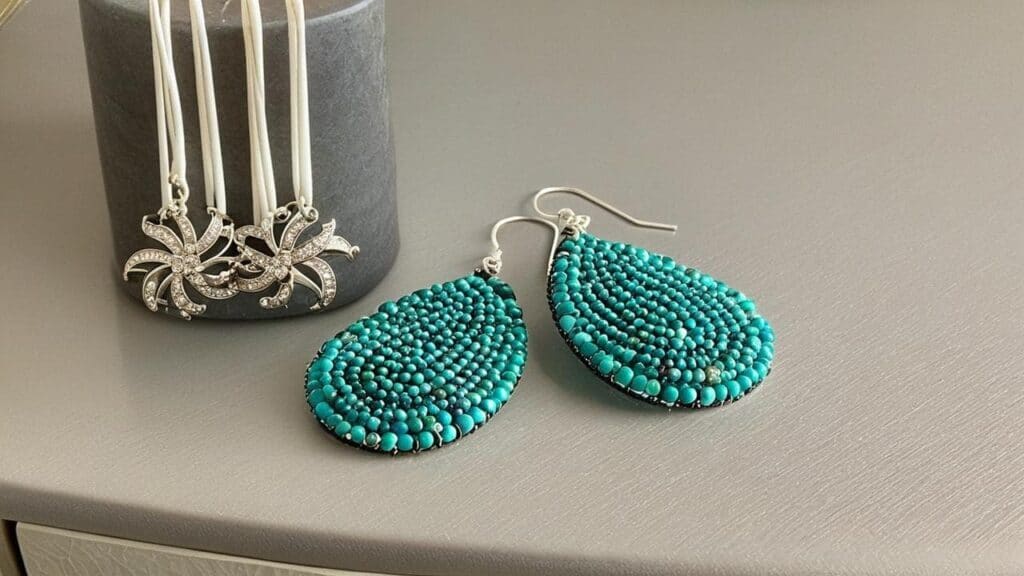
Renters insurance uses what’s called “named perils” coverage, meaning it only protects against specific events listed in your policy. These typically include fire, lightning, windstorm, hail, smoke, vandalism, theft, freezing, damage from aircraft or vehicles, and riots. However, for jewelry specifically, the coverage is far more restrictive than for your other belongings. Most policies reimburse jewelry losses based on actual cash value (ACV), which accounts for depreciation, rather than replacement cost, meaning you’ll receive less than what it would cost to buy the same piece new.
- Jewelry falls under personal property coverage (Coverage C) in your renters policy, but unlike your furniture, electronics, and clothing that might have $25,000-$50,000 in total coverage, jewelry has its own severely reduced sublimit of typically just $1,000-$2,000, representing only 4-8% of standard personal property coverage.
- Most renters insurance policies require a deductible between $500-$1,000 that you must pay out of pocket before any reimbursement begins, meaning if your stolen bracelet is worth $800 and you have a $500 deductible, you’ll only receive $300, and if the piece is worth less than your deductible, you get nothing at all.
- Standard policies typically only cover jewelry theft and explicitly exclude damage from other perils—if your engagement ring is damaged in a house fire, destroyed by water from a burst pipe, or scratched during a windstorm, it’s usually not covered unless you have additional endorsements specifically for jewelry damage.
- Coverage extends worldwide without additional premium, meaning if your jewelry is stolen while vacationing in Europe, during a business trip in Asia, or while visiting family across the country, it’s still covered under your standard policy up to the sublimit, though the same limitations and exclusions apply regardless of location.
- Sublimits do not increase your policy’s total limit of liability—they’re carved out separately as special limitations, so having $50,000 in personal property coverage doesn’t mean your jewelry gets anywhere near $50,000 in protection, and using jewelry sublimits doesn’t reduce your available coverage for other belongings.
- Actual Cash Value (ACV) calculations for jewelry mean insurance pays what the item is worth after depreciation, factoring in age, wear, and market conditions—so a 5-year-old gold necklace originally purchased for $2,000 might only be reimbursed at $1,200, even if it would cost $2,500 to replace today.
The key limitation is that if a $5,000 engagement ring is stolen, your policy may only reimburse up to the sublimit (typically $1,500), leaving the remaining $3,500 completely uncovered, and this calculation happens before applying your deductible. This gap between standard coverage and the actual value of jewelry is why understanding additional coverage options becomes essential for anyone with valuable pieces.
What Jewelry is Covered by Standard Renters Insurance?
Your standard renters insurance automatically provides protection for a wide range of jewelry, though with significant limitations on value. Real-world claims data shows renters insurance commonly covers wedding and engagement rings, though with the standard sublimits applied. The policy protects your jewelry anywhere in the world, not just within your rental property, making it a valuable feature for frequent travelers.
- Wedding and engagement rings, fashion jewelry, earrings, necklaces, bracelets, watches, body jewelry (nose rings, belly button rings), religious jewelry (crosses, Stars of David), and costume jewelry are all covered under standard policies, but each individual item is subject to the same $1,000-$1,500 per-item limit regardless of category or sentimental value.
- Inherited jewelry from parents, grandparents, or other family members is automatically covered if you live in the same household, including antique pieces, family heirlooms, and items received through estate inheritance, though coverage is still limited to standard sublimits and only covers theft unless additional protection is purchased.
- Coverage applies whether jewelry is stored at home in your jewelry box, hidden in a dresser drawer, left in your car, placed in a gym locker, worn while traveling internationally, or even temporarily given to someone else for cleaning or repair—the policy follows the jewelry wherever it goes within reasonable use.
- Jewelry belonging to all family members permanently residing in your household is covered under your single policy, including legally married spouses, domestic partners if added as named insureds, children at college who are still considered part of your tax household, and visiting relatives staying long-term, but each person’s jewelry counts toward the same overall sublimits.
- If you live with a domestic partner who isn’t your spouse, their jewelry may not be automatically covered unless you specifically add them to your policy as an additional insured, which requires listing them by name and may increase your premium slightly, and if they own expensive jewelry, they may need their own separate policy entirely.
- Jewelry temporarily in your possession for others is NOT covered under your policy—if you’re storing your sister’s engagement ring while she travels, holding a friend’s family heirloom for safekeeping, or have borrowed an expensive necklace for an event, these pieces aren’t protected under your renters insurance and require separate arrangements.
However, it’s crucial to understand that “worldwide coverage” doesn’t mean unlimited value—your jewelry is still capped at the same sublimits whether stolen in your apartment or during a vacation abroad, and international travel may actually increase risk exposure without increasing coverage limits. The extensive coverage area actually makes proper valuation even more important since jewelry can be at risk in more situations.
What Jewelry Losses Aren’t Covered by Renters Insurance?
Understanding what renters insurance doesn’t cover for jewelry is just as important as knowing what it does cover. Mysterious disappearance is one of the most common claim denials—if your jewelry goes missing under unclear circumstances, standard policies won’t cover it. Natural disasters present particular challenges since flood and earthquake damage are typically excluded unless you have separate coverage.
- Mysterious disappearance—when an item goes missing under unexplainable circumstances—is a blanket exclusion from standard coverage, meaning if you notice your diamond earring is missing after a party, can’t find your bracelet after going to the beach, or discover your ring is gone without any signs of theft or struggle, your claim will be denied even if you’re certain it was stolen.
- Accidental loss is completely excluded, including dropping a ring down the sink drain, losing an earring while exercising at the gym, having a necklace break and fall without recovery, misplacing items during travel, or any situation where the jewelry leaves your possession through your own actions rather than theft.
- Damage from everyday wear and tear is specifically excluded, including scratches from daily wear, loose stones from worn prongs, stretched bracelet chains, tarnished silver, bent rings from normal use, and any deterioration that occurs gradually over time rather than from a specific covered incident.
- Manufacturer defects and intentional damage are never covered, including factory flaws in jewelry construction, stones that fall out due to poor initial settings, metal that breaks due to manufacturing issues, and any damage you or someone else causes deliberately to your jewelry.
- Flood and earthquake damage require separate insurance policies, leaving jewelry completely unprotected during natural disasters—if your apartment floods and ruins your jewelry collection, or an earthquake damages your pieces, standard renters insurance provides no compensation unless you’ve purchased additional catastrophic coverage.
- If multiple jewelry pieces are stolen in one incident (like a burglary where thieves take your entire jewelry box), the sublimit applies to the total event, not per item, so losing $8,000 worth of jewelry in one theft still only gets you $1,500 maximum payout after deductible, regardless of how many individual pieces were taken.
- War, nuclear hazards, terrorist attacks, confiscation by law enforcement, damage from vermin and rodents, and government action are universal exclusions that apply to jewelry coverage under all standard renters insurance policies.
These exclusions can turn otherwise valid claims into frustrating denials. For example, if your jewelry collection is destroyed in a flood, you would likely receive no reimbursement unless you have separate flood insurance, leaving you completely out of pocket for the replacement. Knowing these limitations helps you understand when additional coverage becomes necessary.
When You Need Additional Jewelry Insurance
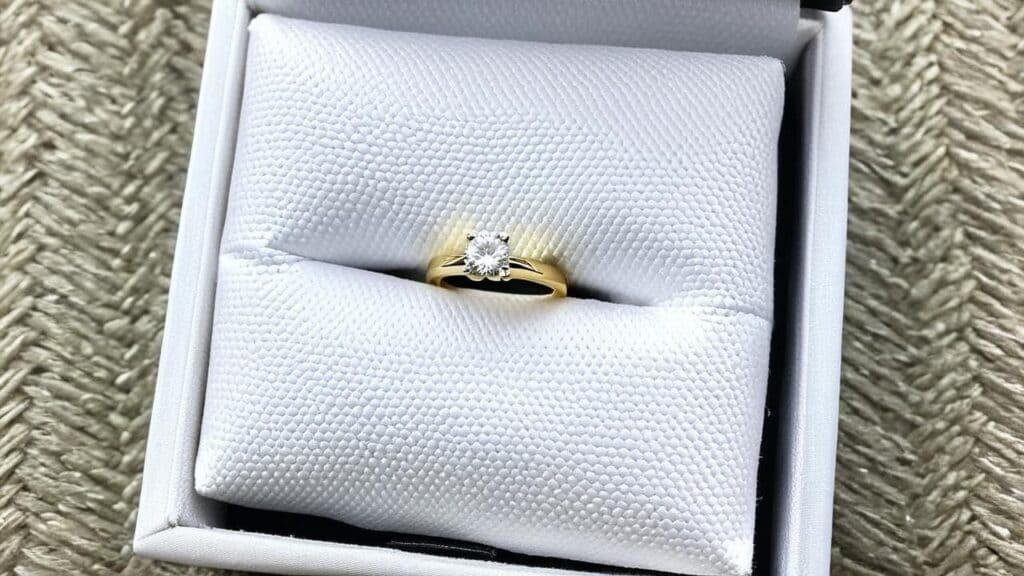
The decision to purchase additional jewelry coverage depends on your collection’s total value and what you’d lose if standard coverage isn’t enough. With the average engagement ring costing $5,500 in 2023, most standard policies leave a significant gap between the sublimit ($1,500-$2,000) and the actual replacement cost. If you’d be devastated by the loss of your jewelry and can’t afford to replace pieces out of pocket, additional coverage becomes essential.
- If your jewelry collection’s total value exceeds the standard $1,500-$2,000 sublimit—which happens easily when you add up wedding rings, family heirlooms, daily jewelry, and gifts—you need additional coverage to avoid massive out-of-pocket costs, as even a modest collection of 10-15 pieces can quickly surpass standard limits.
- When you own high-value individual pieces like engagement rings (averaging $5,500), luxury watches from brands like Rolex or Omega (often $5,000-$50,000), designer jewelry from Cartier or Tiffany, or vintage/antique pieces, standard coverage typically covers less than a third of the replacement cost for any single item.
- If you want comprehensive protection against accidental loss (dropping rings down drains), mysterious disappearance (losing earrings at events), damage from non-theft perils (water damage, fire damage), or situations where you can’t prove exactly what happened to your jewelry, standard coverage offers no protection whatsoever.
- When your jewelry has significant sentimental value beyond monetary worth—like great-grandmother’s engagement ring, father’s military medals, or pieces commemorating major life events—the emotional and financial burden of replacing these irreplaceable items with standard coverage can be devastating and may not even be possible.
- If you frequently travel with jewelry, wear expensive pieces daily for work or social events, or live in areas with higher theft rates, the increased risk exposure makes additional coverage worth the premium, especially since standard coverage limits remain the same regardless of your lifestyle or location.
- When you own pieces that appreciate in value over time—like designer jewelry, rare gemstones, or collectible vintage pieces—standard coverage based on original purchase price becomes increasingly inadequate as the replacement cost gap grows larger each year.
Consider that with a standard policy, if your $10,000 engagement ring is stolen, you’d receive only $1,500 (minus your $500-$1,000 deductible), leaving you to pay $8,500+ out of pocket for replacement. The peace of mind and financial protection offered by additional coverage typically far outweighs the modest annual premium of 1-2% of jewelry value.
Types of Extra Jewelry Coverage Options
There are three main approaches to enhancing your jewelry coverage, each with distinct advantages depending on your collection’s value and specific pieces. Scheduled personal property allows you to itemize specific high-value pieces for full coverage, while blanket coverage increases your overall jewelry limit without individually listing pieces. Standalone jewelry insurance from specialized companies offers the most comprehensive protection with “all-risk” coverage that includes scenarios standard policies exclude.
- Scheduled Personal Property (Jewelry Riders/Floaters) lets you list specific high-value pieces individually—like a $10,000 engagement ring or $8,000 vintage watch—for full appraised value coverage with no deductible in most cases, protecting each item completely regardless of theft, loss, or damage from covered perils, with premiums typically 1-2% of value annually.
- Blanket Coverage increases your overall jewelry coverage limit from the standard $1,500 to amounts like $5,000, $10,000, or even $25,000 for all jewelry combined, but still maintains per-item limits of typically $2,000-$2,500, meaning individual high-value pieces may still exceed coverage and require scheduling.
- Some insurers offer blanket jewelry coverage options that raise limits for all jewelry without requiring individual appraisals when the coverage is added, needing only proof of ownership and valuation documents like receipts or financing statements in the event of a claim, simplifying the process for moderate-value collections.
- Specialized Jewelry Insurance from dedicated providers offers comprehensive “all-risk” coverage with no deductible, covering theft, loss, damage, mysterious disappearance, and even preventive maintenance like stone tightening, while providing worldwide protection and often including coverage for new jewelry automatically for 30 days after purchase.
- Extra Coverage/Endorsements (enhanced protection options) typically cover both accidental damage and mysterious disappearance that standard policies exclude, have no deductible, provide full replacement value rather than depreciated value, and can be added to existing renters policies without needing separate documentation.
- Some specialized policies include coverage for events standard insurance never addresses, such as damage from floods, earthquakes, or volcanic activity, coverage for repair versus replacement decisions, protection for jewelry while in jeweler’s custody for repairs, and even coverage for new jewelry you haven’t yet reported.
The choice between these options depends on your specific needs. If you have one extremely valuable piece like an heirloom engagement ring worth $15,000, scheduling it individually might be most cost-effective at about $300 annually, while collectors with multiple moderate-value pieces (say 20 pieces each worth $500-$2,000) might benefit more from increased blanket coverage. Each option requires accurate appraisals to ensure proper coverage limits.
How to Add Jewelry to Your Renters Insurance
Adding jewelry coverage requires proper documentation and valuation to ensure your pieces are correctly protected. For jewelry owned less than five years, you can typically use purchase receipts, but pieces older than five years or without receipts require professional appraisals. Qualified appraisers can be found through local jewelry stores or professional organizations like the National Association of Jewelry Appraisers or American Gem Society.
- Gather proper documentation: recent receipts containing item descriptions and purchase prices for items owned less than five years, or professional appraisals for older pieces that detail current market value, replacement cost, detailed descriptions including carat weights, metal types, and any identifying marks or characteristics.
- Find a qualified appraiser through reputable jewelry stores that employ certified appraisers, or professional organizations like the National Association of Jewelry Appraisers (NAJA) or American Gem Society (AGS)—expect to pay $50-$150 per item or hourly rates of $75-$150 for appraisal services.
- Take comprehensive photographs of each piece from multiple angles, including close-ups of unique characteristics, identifying marks, engraving, or flaws, capturing the jewelry both being worn and against neutral backgrounds, and store these images securely outside your home (cloud storage, email to yourself, safety deposit box).
- Submit your application with complete documentation to your insurance provider, ensuring all information is accurate including descriptions, values, purchase dates, and any special characteristics, as errors or omissions can delay processing or lead to claim issues later.
- If you’re insuring jewelry as a gift (like an engagement ring or inherited piece), ensure both the giver’s and recipient’s names are listed on the policy, or ensure the recipient gets separate coverage before ownership officially transfers, and coordinate during gift-giving to avoid coverage gaps.
- For surprise gifts where you don’t want the recipient to know the value, you can provide your insurer with the giver’s contact information to handle the appraisal process directly, allowing documentation without revealing pricing details to the recipient and ensuring proper coverage transfer when ownership changes.
- Update coverage regularly as jewelry values change over time—most experts recommend reappraisals every 3-5 years to ensure coverage keeps pace with inflation, market changes, and increased precious metal costs, and immediately after any repairs or modifications that might affect value.
Remember that extra coverage pays full replacement value, not depreciated value, making regular appraisals important to maintain adequate coverage, and some policies automatically adjust coverage annually to account for inflation and market changes. Proper documentation from the start ensures smoother claims processing should you ever need to file one.
Common Jewelry Claim Examples from Renters Insurance
Understanding real-world claim scenarios helps prevent common mistakes that lead to denials. Insurance companies require sufficient documentation and evidence to avoid fraud, meaning police reports for theft claims and official documentation (not photocopies or screenshots) are mandatory. Many claims are denied due to missing paperwork, improper documentation, or circumstances that fall outside policy coverage.
- Success story: Customer’s apartment was burglarized with all jewelry, TV, laptop, and camera stolen—received full payment for electronics and jewelry up to sublimit because they immediately filed police report, had receipts for most items, photos of jewelry pieces, and reported the theft within 24 hours to their insurer.
- Denial scenario: Woman lost expensive earring during a night out at restaurants and bars—claim denied for “mysterious disappearance” since she couldn’t specify exactly where, when, or how the earring fell out, despite retracing her steps and asking establishments to check lost-and-found.
- Denial scenario: Designer ring fell down bathroom sink drain during cleaning—claim denied as accidental loss, which isn’t covered under standard policies, despite homeowner’s immediate efforts to retrieve it and plumber attempts to recover the piece from pipes.
- Denial scenario: Vintage necklace stone fell out due to worn setting that failed during normal daily wear—claim denied as ordinary wear and tear damage, not sudden accidental damage, despite the piece appearing secure when last inspected by owner.
- Denial scenario: Entire jewelry collection destroyed when basement apartment flooded during heavy rains—claim completely denied because flood damage requires separate flood insurance policy, leaving policyholder with total loss of irreplaceable family heirlooms.
- Partial payment scenario: Theft of jewelry collection worth $8,000 (engagement ring, wedding band, watch, family heirlooms)—policyholder received only $1,500 due to sublimit despite having all documentation and police report, resulting in $6,500 out-of-pocket replacement cost.
- Late reporting denial: Customer discovered stolen jewelry three months after burglary, beyond policy’s “prompt reporting” requirement—claim denied despite valid police report and documentation because insurance companies use prompt reporting to verify legitimacy and reduce fraud risk.
- Documentation denial: Policyholder submitted photocopies of police report and cell phone photos of receipts—claim partially denied due to insufficient documentation quality, requiring original police report and readable receipts showing purchase dates and descriptions.
These scenarios highlight the importance of understanding your policy’s exact coverage and exclusions. If a claim is denied, carefully review the denial letter for the specific reason and consider submitting a formal appeal with additional documentation if you believe the denial was unjustified. Maintaining thorough records before incidents occur prevents many denial scenarios—consider creating a digital inventory with detailed photos and documentation stored securely outside your home.
Jewelry Protection Tips That Save on Insurance
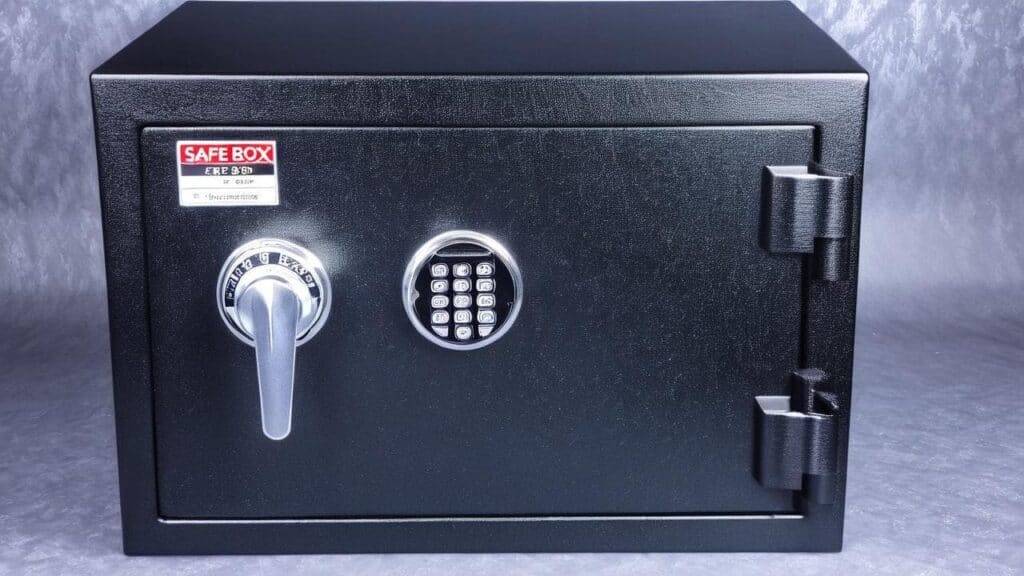
Physical security measures not only protect your jewelry but can also qualify you for insurance discounts. Installing home safes or alarm systems can reduce your insurance premiums, while proper storage prevents many common causes of jewelry loss. Simple precautions like never leaving jewelry in checked luggage during travel can prevent losses that insurance might not cover.
- Store valuable jewelry in a certified home safe (UL-rated or equivalent) when not wearing it—many insurers offer premium discounts of 10-15% for documented safe usage, safes should be fireproof and bolted to floors/walls, and combination or digital locks should be changed periodically for security.
- Install and maintain a certified home security/alarm system with sensors on doors and windows, motion detectors, and central monitoring service—this can qualify for additional insurance discounts of 5-20% and significantly deters theft attempts, especially when security company signs are visible to potential intruders.
- Consider safe deposit boxes at banks for extremely valuable pieces like rare gemstones, inherited collections, or pieces worn only for special occasions, though this limits access for regular wear and may require separate coverage for items in transit to and from the bank.
- Never pack jewelry in checked luggage during air travel—always carry it on your person, in carry-on bags, or wear it through security checkpoints, as airlines specifically exclude liability for valuable items in checked baggage and thefts from luggage are rarely covered by insurance.
- Remove jewelry before physical activities including swimming (chlorine damages metals), exercising (sweat and impact risk), cleaning (harsh chemicals cause damage), gardening (dirt and tools can scratch), and sleeping (chains can break, stones catch on bedding), reducing daily wear damage and loss risk.
- Maintain comprehensive records including original receipts, appraisals, detailed photographs, serial numbers where applicable, and descriptions of unique characteristics—store these documents securely outside your home using cloud storage, safety deposit boxes, or with trusted family members.
- Some insurers offer discounts for jewelry inscription with identification numbers through industry partner programs, making pieces easier to identify if stolen and potentially recoverable through law enforcement databases while qualifying for 5-10% premium discounts with many insurers.
- Schedule regular professional cleaning and inspections (every 6-12 months) to check for loose stones, worn prongs, damaged clasps, or other issues that could lead to loss—many jewelers provide this service free with purchase or for minimal fees, and documentation of maintenance can support insurance claims.
Remember that taking preventive measures not only protects your jewelry but also ensures smooth insurance claims processing should you need to file one. Many denied claims result from situations that proper precautions could have prevented entirely, such as leaving jewelry in vehicles, wearing pieces during activities, or failing to maintain proper security measures.
Is Extra Jewelry Coverage Worth the Cost?
Additional jewelry coverage costs are surprisingly affordable compared to the protection they provide. Jewelry can typically be scheduled for about 1.5% to 2% of the item’s value annually, meaning a $5,000 engagement ring might cost $75-100 per year to insure fully. With many insurers, the average cost to schedule jewelry is approximately $9-10 per month for pieces in the $9,000-10,000 value range, demonstrating the affordability of comprehensive coverage.
- Standard jewelry rider pricing follows the 1-2% rule: $1.50-$2 per $100 of jewelry value annually, so a $10,000 engagement ring costs approximately $150-200 per year, a $5,000 watch costs $75-100 annually, and a $2,500 necklace runs about $37-50 per year for full coverage.
- Standalone jewelry insurance typically starts at around $70 annually, with deductible options ranging from $0 to $25,000 allowing customization of premiums—choosing a $1,000 deductible versus $0 can reduce premiums by 25-40%, though most people prefer no-deductible for jewelry given the added stress during claims.
- Available discounts significantly reduce costs: home safe ownership (10-15% off), monitored alarm systems (15-20% off), bank vault storage (10-25% off), jewelry inscription with ID numbers (5-10% off), having gemstone grading reports (5% off), and bundling with other insurance policies (5-15% off).
- Real-world cost example: Most customers pay between $9-10 monthly to fully protect jewelry collections in the $9,000-$10,000 value range—about 1.25% annually—providing full replacement value coverage with no deductible compared to standard policy limits of $1,500 maximum with $500-1,000 deductible.
- Cost versus standard coverage calculation: $10,000 engagement ring stolen under standard policy = $1,500 payout minus $500 deductible = $1,000 received, $9,000 out-of-pocket; same ring with rider coverage = $10,000 payout, $0 deductible, $0 out-of-pocket, all for about $150-200 annual premium.
- Compared to average renters insurance costs ($170 annually according to 2025 data), additional jewelry coverage represents a small percentage increase for significantly enhanced protection—adding $200 for $10,000 jewelry coverage increases total premium by about 117%, but provides massive value protection.
- Premium factors include item value, location (high-crime areas pay more), security measures at residence, claims history, deductible selection, and total policy coverage amounts, with rates varying between insurers by 20-50% for identical coverage, making comparison shopping essential.
The financial logic is compelling: paying roughly $100-150 annually to protect a $10,000 ring provides full coverage versus risking an $8,500+ out-of-pocket expense with standard insurance. For most jewelry owners, the peace of mind and financial protection far outweigh the modest premium cost, especially considering that one loss could pay for decades of additional coverage premiums.
How to File a Jewelry Claim with Renters Insurance
Properly filing a jewelry claim requires prompt action and thorough documentation. Quick action ensures details stay fresh in your mind and meets policy requirements for prompt reporting—many insurers deny claims reported too late. Insurance companies require sufficient documentation to validate claims and prevent fraud, making proper paperwork essential for claim approval.
- Report theft immediately to police (within 24 hours) and obtain an official police report with complete incident details—provide comprehensive information including specific jewelry descriptions, estimated values, serial numbers if available, exact time and location of theft, and any witness information, as insurance companies require the original police report number and will not accept photocopies, screenshots, or cell phone photos of police documents.
- Contact your insurance company immediately (ideally within 24-48 hours of discovering the loss) through their claims hotline or mobile app—provide your policy number, clear description of what happened, complete list of missing/damaged items with estimated values, and request claim instructions, as most insurers have specific timeframes for reporting that can result in denial if exceeded.
- Document any damage thoroughly with multiple photographs taken immediately after discovery—capture the damaged jewelry from various angles, include photos of the surrounding area or incident location, use good lighting and focus to show all details clearly, and avoid touching or moving items more than necessary to preserve evidence.
- Gather comprehensive supporting documentation including original purchase receipts showing item descriptions and prices, professional appraisals within the last 5 years with detailed valuations, multiple photographs of each piece taken before the incident, any previous insurance documentation or jewelry schedules, and records of regular maintenance or inspections.
- Create a detailed incident report with exact date, time, and location of loss/theft, step-by-step description of events leading to the incident, complete list of all stolen or damaged items with individual estimated values, names and contact information of any witnesses, and explanation of security measures that were in place at the time.
- Coordinate with all third parties involved including contractors (if damage occurred during work), other insurance companies (if applicable), medical professionals (if injury was involved), property management companies, and law enforcement to ensure they provide necessary documentation or statements to your insurer.
- If your claim is denied, carefully review the denial letter for specific reasons (often citing exclusions, insufficient documentation, or late reporting), gather any additional evidence that addresses the insurer’s concerns, submit a formal written appeal with supporting documentation within the specified timeframe, and consider consulting with an insurance attorney if the denial seems unjustified.
- Follow up regularly with your claims adjuster to ensure processing continues, respond promptly to any requests for additional information or documentation, keep detailed records of all communications including dates, times, and names of representatives, and ask questions if any part of the process seems unclear.
Remember that maintaining thorough records before any incident occurs makes the claims process much smoother—consider creating a digital home inventory using dedicated inventory apps to document all valuables with photos, descriptions, and values before you need to file a claim.
Alternatives to Renters Insurance for Jewelry
Beyond adding riders to your renters insurance, several alternative protection methods exist for valuable jewelry. Jewelry store protection plans often work with specialized insurers to offer coverage, while safe deposit boxes provide physical security. Some renters prefer increasing basic homeowner coverage limits rather than scheduling individual pieces, though this approach has limitations.
- Increased basic coverage options allow raising jewelry sublimits from standard $1,000 to $2,500, $5,000, or even $10,000 without individually scheduling pieces—some insurers offer this, increasing coverage from $1,000 to $2,500 or $5,000 while raising per-item limits to $1,500 and $2,500 respectively, though this still leaves expensive pieces underinsured.
- Jewelry store protection plans offered by major retailers or local jewelers often partner with specialized insurers to provide coverage, may include warranties, free cleanings, and annual inspections, but typically cost more than standalone insurance and may require purchasing from that specific retailer for ongoing coverage benefits.
- Safe deposit boxes at banks provide excellent physical security for valuable pieces worn infrequently, cost typically $50-200 annually depending on size and location, may qualify for insurance discounts (10-25% off premiums), but limit access during bank hours only and don’t protect jewelry while in transit or being worn.
- Enhanced home security systems including certified safes (UL-rated, fireproof, bolted down), monitored alarm systems with door/window sensors and motion detectors, security cameras with recording capability, and smart home devices can significantly reduce insurance premiums (15-35% total potential discount) while providing excellent physical protection.
- Self-insurance strategy involves saving money rather than paying premiums, calculating total jewelry value and setting aside 2-3% annually in dedicated savings account, works well for modest collections under $10,000, but requires significant financial discipline and leaves you fully exposed to total loss scenarios like comprehensive theft or natural disasters.
- Some insurers’ blanket jewelry coverage allows raising limits for all jewelry without individual appraisals, requiring only proof of ownership and valuation documents (receipts, financing statements) for claims, simplifying coverage for moderate-value collections (10-20 pieces each under $2,500), but still maintaining per-item limits that may not protect ultra-high-value pieces.
- Wedding and engagement ring warranties from some retailers include coverage against damage, loss, and sizing issues for 1-3 years, may offer upgrade programs for increasing ring value, but typically have restrictive terms requiring regular inspections and maintenance, exclude mysterious disappearance and theft, and become very expensive to extend beyond initial warranty period.
Each alternative has trade-offs. While safe deposit boxes provide excellent physical security for rarely-worn pieces, they prevent you from enjoying your jewelry regularly, defeating the purpose for everyday items like engagement rings or favorite earrings. The best approach often combines multiple strategies based on your collection’s value, wearing habits, and risk tolerance—many people use basic enhanced coverage for moderate pieces while scheduling ultra-high-value items individually and storing rarely-worn heirlooms in safe deposit boxes.
Renters Insurance Jewelry FAQs
Common questions about jewelry coverage reveal important details often overlooked in policy documents. Coverage extends globally, protecting jewelry whether you’re at home or traveling internationally, though value limits remain the same regardless of location. Ownership issues, particularly with gifted jewelry, require careful attention to ensure coverage remains valid after transfer.
Does coverage extend outside the home?
Yes, jewelry is covered anywhere in the world under most renters policies, including home, workplace, vacation locations, public transportation, and educational institutions, though the same sublimits and deductibles apply whether theft occurs in your apartment or while traveling internationally, and some policies may have stricter requirements for overseas claims documentation.
Are inherited pieces automatically covered?
Yes, inherited jewelry is covered under standard renters insurance but only up to the policy’s standard sublimit (typically $1,500), meaning valuable family heirlooms may be severely underinsured unless individually scheduled, and if inherited pieces exceed the sublimit, they should be appraised and added to your policy within a reasonable timeframe after inheritance.
What about engagement rings before marriage?
The listed policy owner must match the legal jewelry owner—for gifts, both the giver’s and recipient’s names should be included on the policy, or the recipient needs separate coverage before ownership transfers, and many couples have gaps in coverage during engagement where the ring technically belongs to the giver but is worn by the recipient.
Coverage during relocations and moves?
Personal property including jewelry remains covered during moves between residences, while in transit, and during temporary storage periods (typically 30-60 days), though extended storage or moves lasting several months may require notification to your insurer to maintain coverage, and some policies have specific provisions for international relocations.
What about domestic partners?
Jewelry belonging to unmarried partners living together is not automatically covered unless they’re specifically added to the policy as additional insureds, which requires listing them by name, may increase premiums slightly, and doesn’t automatically include their property at other locations like their parents’ house if they split time between residences.
Watch insurance specifics?
Watches may not qualify for standalone jewelry policies through some insurers and must be included with other jewelry pieces or through property insurance riders, while luxury watches (Rolex, Patek Philippe) often require special handling due to high values and easy resale potential, with some insurers requiring additional security measures or storage requirements.
Deductibles on additional coverage?
Many jewelry riders and specialized policies offer zero-deductible coverage, unlike standard personal property coverage with typical deductibles of $500-$1,000, making additional coverage especially valuable since you receive full replacement value without any out-of-pocket expense when filing claims for scheduled pieces.
What happens with late claims?
Most insurers require prompt reporting of losses (typically within 24-48 hours for theft), with late reporting often resulting in claim denial or reduced settlement amounts, though definitions of “prompt” vary by insurer and state regulations—always report immediately even if you’re uncertain about coverage to maintain your rights.
Understanding these details helps avoid common pitfalls that can invalidate coverage or lead to denied claims. Particularly important is ensuring all eligible household members are properly covered, as jewelry ownership can be complex in modern living arrangements with domestic partners, temporary residents, and shared living spaces. Taking time to clarify these details with your insurance agent before you need to file a claim prevents confusion and ensures comprehensive protection for all jewelry in your household.
Conclusion
Renters insurance provides basic jewelry coverage, but with standard sublimits of just $1,000-$2,000, most valuable pieces remain drastically underinsured. Whether it’s your $5,500 engagement ring, family heirlooms, or daily jewelry collection, standard coverage leaves dangerous gaps that could cost thousands in uncovered losses. Beyond the financial limitations, standard policies exclude critical scenarios like mysterious disappearance, accidental loss, and damage from non-theft perils, further reducing protection when you need it most. These limitations make additional coverage not just advisable, but essential for anyone who owns jewelry worth more than a few hundred dollars.
The cost of enhanced jewelry coverage—typically 1-2% of value annually—proves minimal when weighed against potential losses. For less than $200 per year, you can fully protect a $10,000 ring with no deductible, comprehensive “all-risk” coverage, and worldwide protection. This investment provides both financial security and peace of mind, ensuring that life’s precious pieces remain protected whether they’re stolen from your gym locker, lost during travel, or damaged in your home. Given that one moderate loss could exceed decades of premium payments, properly insuring your jewelry stands as one of the most cost-effective financial decisions you can make for protecting your valuable possessions.